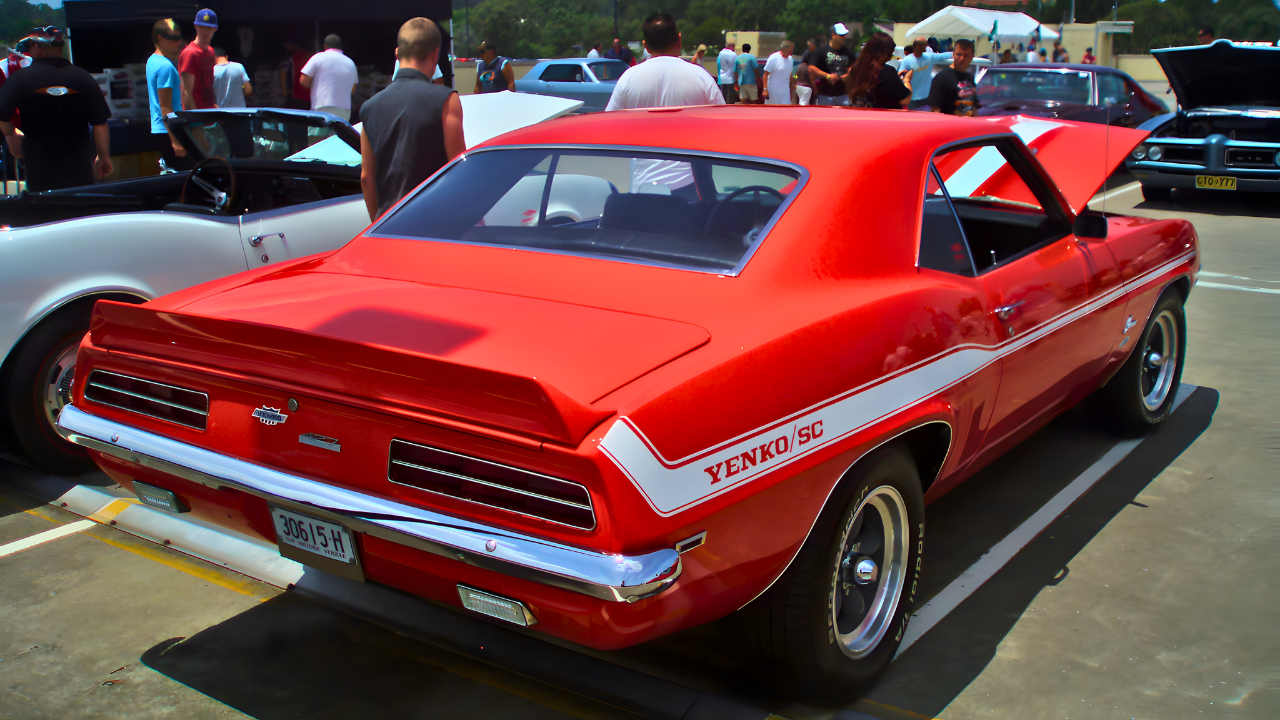
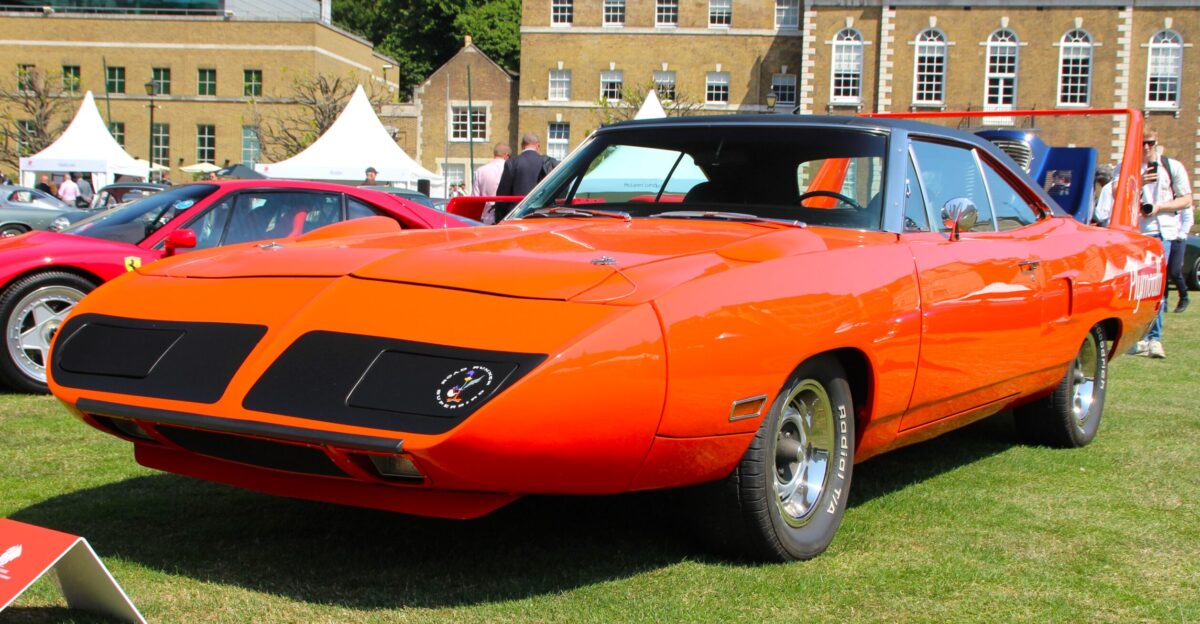
A half-century ago, certain American performance cars languished on showroom floors, dismissed as too radical, too expensive, or simply misunderstood. Those same vehicles now command prices that rival luxury real estate. A 1970 Plymouth Superbird—once so difficult to sell that dealers removed its signature rear wing—sold for $1.65 million in 2022. A 1967 Chevrolet Yenko Camaro, one of only 54 ever built, brought $709,000 at RM Sotheby’s Monterey auction in 2025. The phenomenon illustrates how commercial failure, when combined with scarcity and cultural relevance, can transform overlooked machines into blue-chip collectibles worth hundreds of thousands of dollars.
When Radical Design Met Market Rejection
Detroit’s automakers pushed boundaries in the late 1960s and early 1970s, engineering vehicles that combined jaw-dropping aesthetics with formidable performance specifications. Yet many gathered dust. The Superbird’s towering aerodynamic wing appeared alien to buyers accustomed to conventional styling.
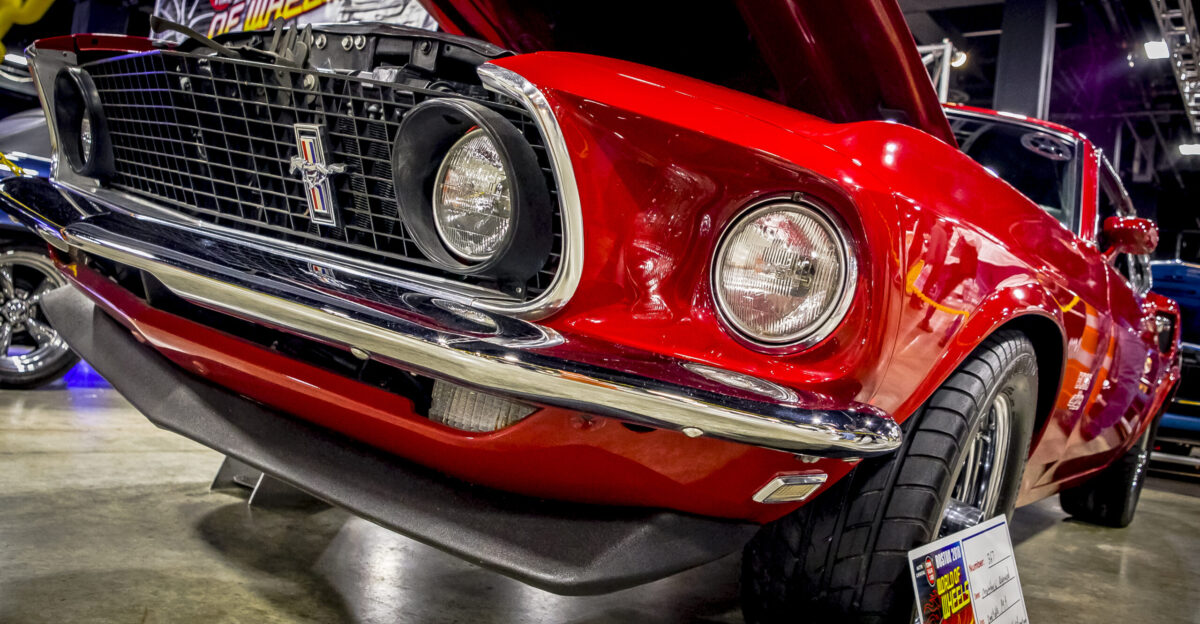
Ford’s Boss 429 Mustang, built primarily to homologate a racing engine for NASCAR, remained a niche product—only 857 were produced in 1969, originally priced at $4,798. The DeLorean DMC-12, with its stainless-steel body and gull-wing doors, suffered from reliability issues and underwhelming power delivery. These vehicles failed not from lack of merit but because markets weren’t ready for such departures from convention. Decades later, collectors recognize what original buyers missed: engineering ambition and design courage that defined an era.
How Scarcity and Culture Drive Appreciation
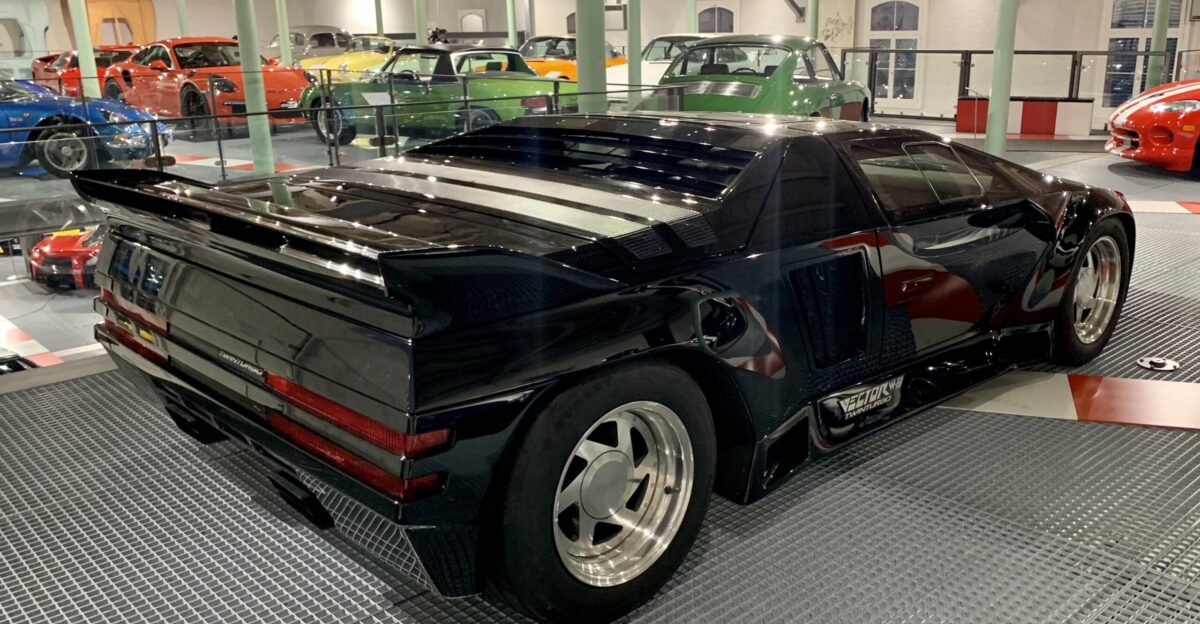
Commercial disappointment creates the foundation for extraordinary appreciation. Limited production runs mean fewer examples survive the inevitable attrition of accidents, neglect, and time. The Vector W8, an American supercar with aerospace-grade construction and a claimed 242-mph top speed, saw only 17 customer cars completed before the company collapsed.
That extreme rarity fuels fierce bidding today, with recent sales spanning $300,000 to $720,000. Cultural resonance amplifies scarcity’s effect. The DeLorean remained a footnote until “Back to the Future” premiered in 1985, transforming John DeLorean’s troubled venture into an icon. Regular DMC-12 models now trade between $50,000 and $95,000—representing modest appreciation from their original price of $25,000. One of the actual movie cars sold for $541,200 in 2011, demonstrating how narrative and nostalgia multiply value beyond specifications.
The Six American Performance Cars Commanding Fortunes
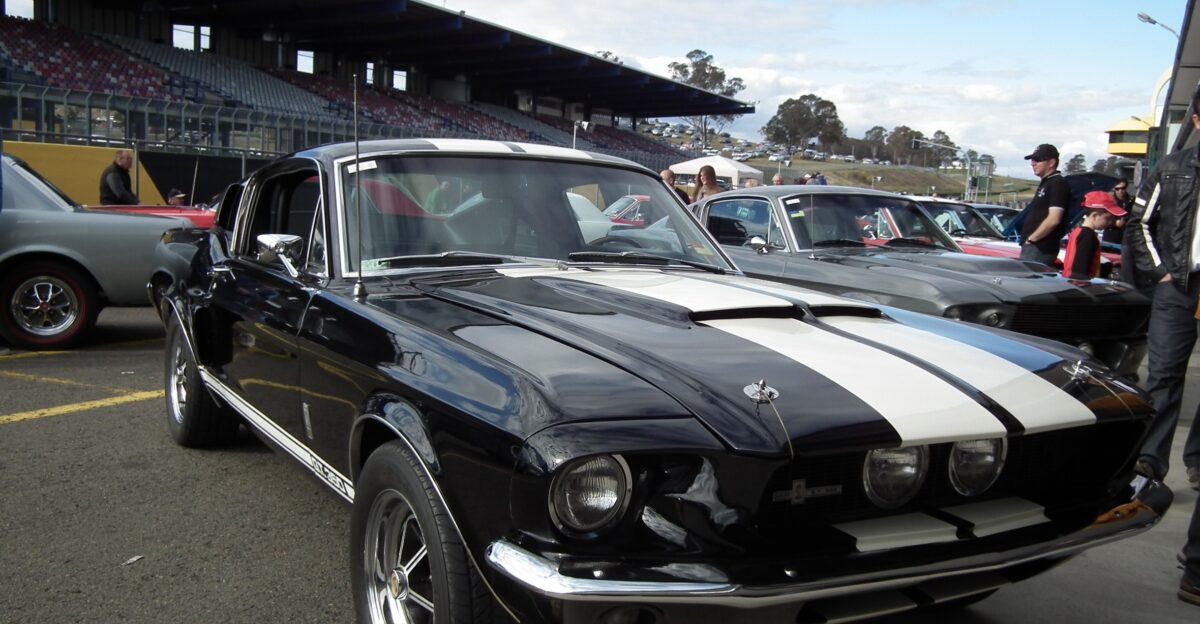
The 1967 Shelby GT350 Fastback, originally priced around $3,995, represents Carroll Shelby’s vision of a race-ready Mustang with independent suspension, competition brakes, and a high-revving 289-cubic-inch engine. Documented examples now command $150,000 to $500,000, with exceptional specimens exceeding $575,000. The Vector W8 Twin Turbo, launched at $450,000 in 1990, remains among America’s most exotic supercars. Its 17-unit production run ensures continued collector interest despite values hovering between $300,000 and $720,000—below inflation-adjusted expectations but reflecting genuine scarcity.
The DeLorean DMC-12, produced from 1981 to 1983 with roughly 9,000 units manufactured before bankruptcy, trades at $50,000 to $95,000 for standard models. The 1967 Chevrolet Camaro Yenko, with Don Yenko’s performance modifications including larger engines and upgraded suspensions, represents the pinnacle of dealer specials. Of 54 total conversions, one sold for $709,000 in 2025, establishing a new benchmark. The Ford Mustang Boss 429, built in 1969 and 1970 to homologate a 429-cubic-inch racing engine producing 375 horsepower, saw 1,356 total examples. Pristine versions now sell for $350,000 to $580,000.
The Plymouth Superbird, with its massive rear wing and NASCAR pedigree, struggled initially with just 1,920 units produced in 1970 at $4,300 each. Today, typical examples range from $400,000 to $600,000, though the $1.65 million record sale proved an outlier when the same car resold for $418,000 in 2025—a 75% decline suggesting auction fever rather than sustainable valuation.
Determinants of Value Beyond Rarity
Condition creates dramatic price variations between otherwise identical vehicles. Concours-quality Boss 429 examples reach $580,000, while those in fair condition may bring only $240,000. Original paint, documented provenance, and low mileage command substantial premiums. Restored examples, particularly those with unknown histories or non-original components, typically fetch significantly less. Ownership history further influences valuations. Cars with celebrity connections, competition records, or documented roles in significant events can far exceed market averages. The interplay of condition and provenance determines whether a collector pays $100,000 or $1 million for what appears on paper to be the same model.
Investment Realities and Future Outlook
These six vehicles illustrate counterintuitive investment principles. Commercial failure predicted scarcity; scarcity drove appreciation. Radical design choices that initially deterred buyers became distinctive attributes prized by collectors. Cultural significance, particularly through film, multiplied values beyond engineering merit alone. Yet market volatility remains substantial.
The Superbird’s price collapse from $1.65 million to $418,000 in three years demonstrates risks inherent in classic car investment. Ownership costs—insurance, climate-controlled storage, maintenance, and restoration—can consume $100,000 to $300,000 over a decade, significantly reducing net appreciation. While early recognition of overlooked vehicles offered substantial returns, contemporary collectors understand rarity’s value. Future opportunities likely lie in identifying today’s misunderstood machines that might appreciate by 2050, rather than chasing established blue-chip classics at current market peaks. Limited production, engineering innovation, and radical design remain predictive factors for long-term collectibility.
Sources
Was This Plymouth’s Plummet from $1.65M to $418K a Reality Check? Hagerty, May 26, 2025
Here’s How Much The 1969 Ford Mustang Boss 429 Is Worth Today. HotCars, May 17, 2024
DMC DeLorean. Wikipedia, January 26, 2005
Shelby GT350 | Munich 2025. RM Sotheby’s, October 17, 2025
1967 Chevrolet Yenko Super Camaro 450 | Monterey 2025. RM Sotheby’s, August 15, 2025
This Is What A Vector W8 Is Worth Today. HotCars, published date unavailable