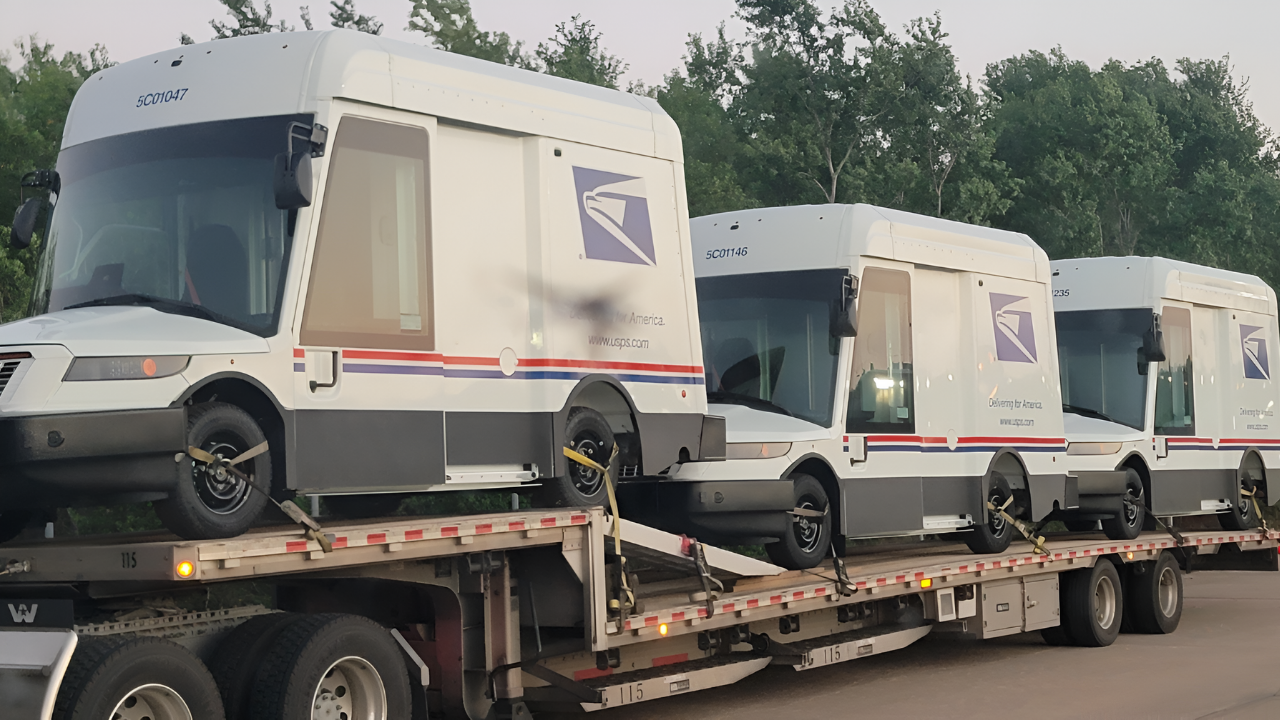
Water poured through the sealed roofs of new electric mail trucks at Oshkosh Defense’s Spartanburg factory, mimicking rain through open windows during December 2024 testing. Engineers grabbed buckets as production stopped, highlighting a deepening crisis in the $3 billion program that has delivered just 612 vehicles against a goal of 35,000.
The Inflation Reduction Act’s Costliest Gamble
In December 2022, the Biden administration allocated $3 billion from the Inflation Reduction Act to electrify USPS delivery vehicles, targeting 66,000 electric trucks by 2028. The initiative sought to position postal carriers as leaders in emission reductions, encouraging broader electric vehicle adoption in rural areas.
Oshkosh Defense secured a $6 billion contract in February 2021 to build Next Generation Delivery Vehicles at its South Carolina plant. The Wisconsin firm aimed to apply military vehicle know-how to civilian needs, replacing the 1987-1994 Grumman LLV fleet that gets 8.2 miles per gallon and lacks air conditioning. Production was projected at 80 trucks daily.
Spartanburg Plant Struggles with Output
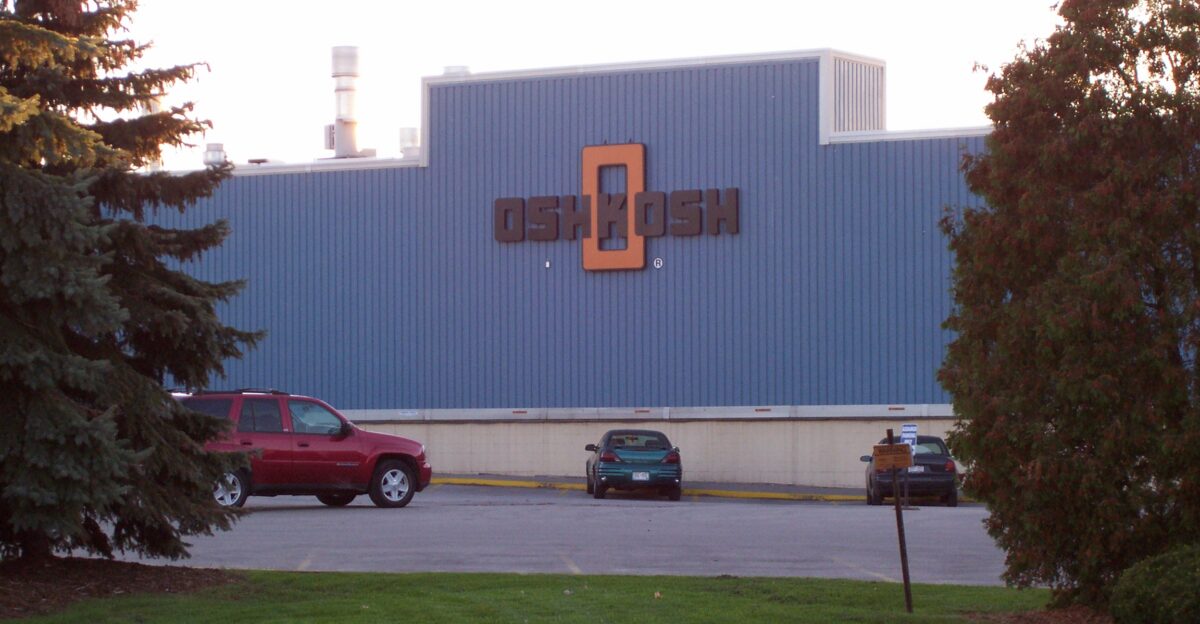
By late 2024, the plant managed only one truck per day. Engineers faced challenges in battery thermal management and electrical integration. A $2.6 billion adjustment in March 2023 raised per-unit costs from $55,000 to over $70,000.
Quality issues worsened the delays. Trucks failed water intrusion tests severely, prompting stop-work orders. Airbag calibration problems required redesigns, extending timelines and keeping the aging, fire-prone LLVs in service past their 24-year design life.
In February 2023, USPS bought 9,250 Ford E-Transit vans, but over 6,700 remain unused in lots despite installed charging stations. Gas-powered Ram ProMaster and Mercedes Sprinter vans handle routes instead, stranding billions in investments.
Aging Fleet Risks Workers and Service
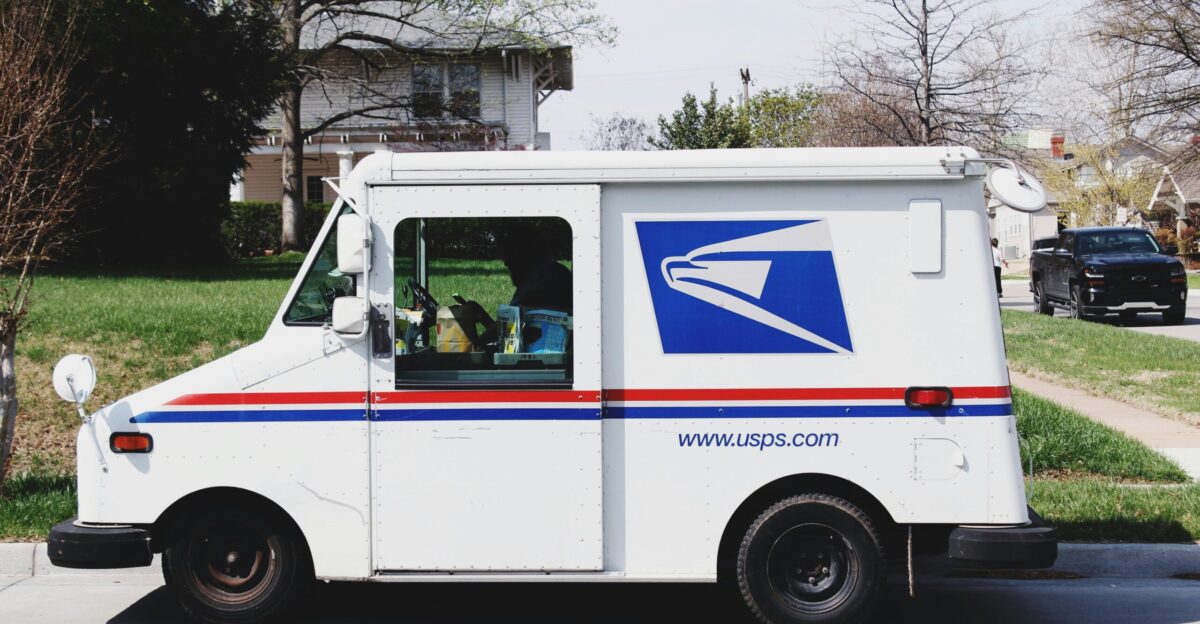
Mail carriers endure Grumman LLVs over 30 years old, without air conditioning and prone to summer breakdowns. The USPS Inspector General has noted heat hazards. Rural areas face delays in prescriptions and e-commerce deliveries due to frequent failures.
Supply chain issues, including battery and semiconductor shortages, compounded production woes at Oshkosh.
Political and Financial Scrutiny Mounts

Senator Joni Ernst labeled the program a boondoggle, calling for contract review amid the $3 billion spend. Republican efforts target Inflation Reduction Act funds and EV mandates. Anonymous Oshkosh workers described inadequate training and chaotic assembly, with military skills not transferring to EVs. Executives reportedly withheld delay reports from Postmaster General Louis DeJoy.
USPS reported multi-billion-dollar losses in fiscal 2024, with $9.6 billion committed to vehicles through 2028 despite $40 billion debt. The 2025 plan shifts to 50-50 gas-electric split, dropping the 2026 all-EV goal due to $20,000 EV premiums. Gas vehicle suppliers gained: Oshkosh expanded gas NGDV orders, while Stellantis and Mercedes-Benz retained contracts. The 2025 plan includes 22,000 gas vehicles.
Incoming Trump officials eye contract cancellation and EV tax credit repeal, adding uncertainty. Oshkosh stock fluctuated with news of shortfalls, raising doubts on future bids. USPS warns of holiday delays despite 614 new sorters aiming for 88 million daily items. The 29,000 vehicles for 2025, mostly gas, fall short of e-commerce needs. The Government Accountability Office highlights rural service declines, with breakdowns delaying medications and forcing rentals.
Shift to Pragmatic Acquisition

Postmaster General DeJoy’s 50-50 strategy admits 2026 electrification is unfeasible, preserving the Oshkosh deal while addressing limits. This diverges from original climate aims. USPS targets 106,480 vehicles by 2028, but Oshkosh must scale to 80 daily. Political shifts could end it if Republicans control Congress and the White House.
The episode warns other agencies like GSA, Defense, and Energy on fleet electrification, favoring pilots over large contracts. Rural communities and taxpayers face ongoing risks from unfulfilled promises, as Grumman LLVs serve 160 million addresses amid eroding trust in federal initiatives.
Sources:
“Another Biden-Era Failure: Electric Postal Service Trucks.” Institute for Energy Research, 2025.
“Postal Services Plan to Electrify Mail Trucks Falling Far Short of Its Goal.” Engadget, 2025.
“USPS EV Fleet Behind Schedule with $3B in Taxpayer Funds Spent—and Only 612 Trucks Built.” New York Post, December 2, 2025.
“Ford-Powered Oshkosh USPS Mail Trucks Way Behind Schedule.” Ford Authority, December 12, 2024.
“Fleet Modernization: E-Transit Vehicle Acquisition Update.” USPS Office of Inspector General, September 15, 2025.
Oshkosh NGDV. Wikipedia, November 2025.