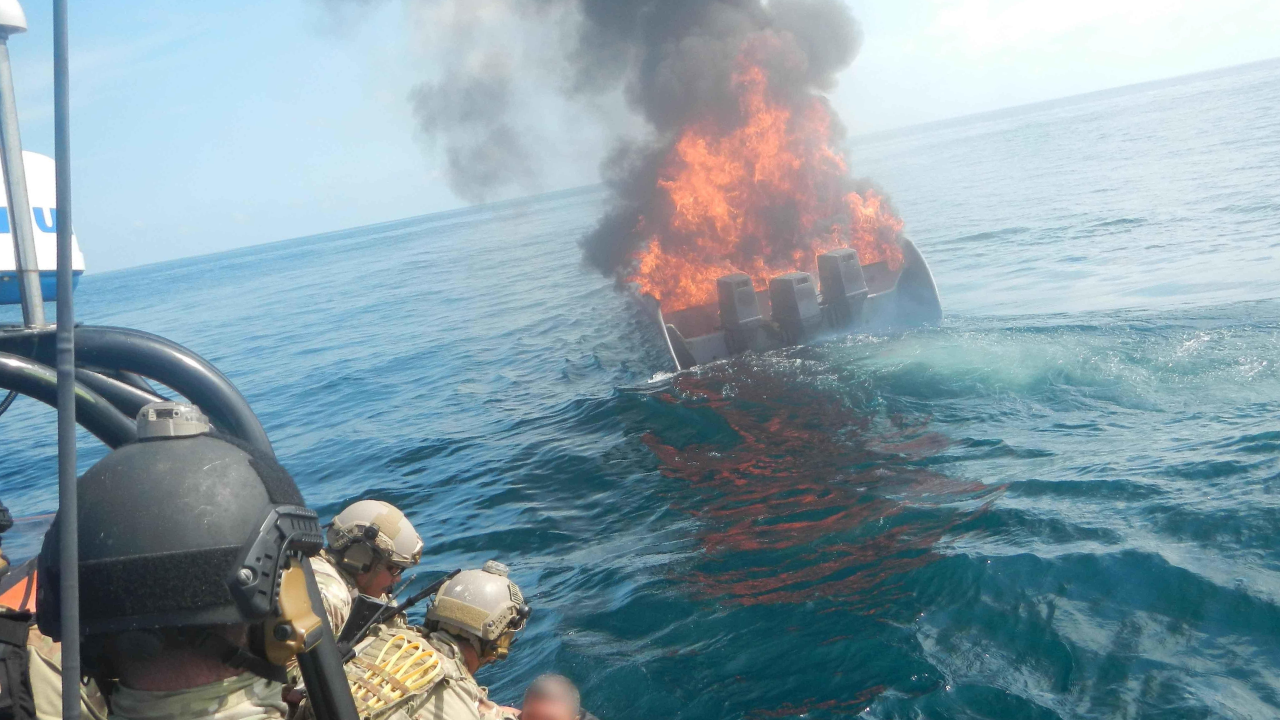
The opioid crisis claims approximately 100,000 American lives annually, with fentanyl now the deadliest drug in the United States. This escalating public health emergency has galvanized the Trump administration to pursue unprecedented military interventions against drug trafficking operations in the Western Hemisphere.
The scale of the response signals a dramatic shift in how Washington addresses narcotics at its source. But what exactly is being conducted in international waters remains hotly disputed.
Military Buildup Unprecedented
The U.S. military has significantly expanded its presence in the Caribbean and Eastern Pacific since September 2025, representing the most significant regional military concentration in decades. This deployment includes naval task forces, aircraft carriers, and specialized strike units operating under a new command structure.
The scale dwarfs traditional Coast Guard drug interdiction efforts that managed trafficking for decades. Behind this mobilization lies a decision by Defense Secretary Pete Hegseth and President Trump to militarize drug enforcement.
Legal Framework Shift
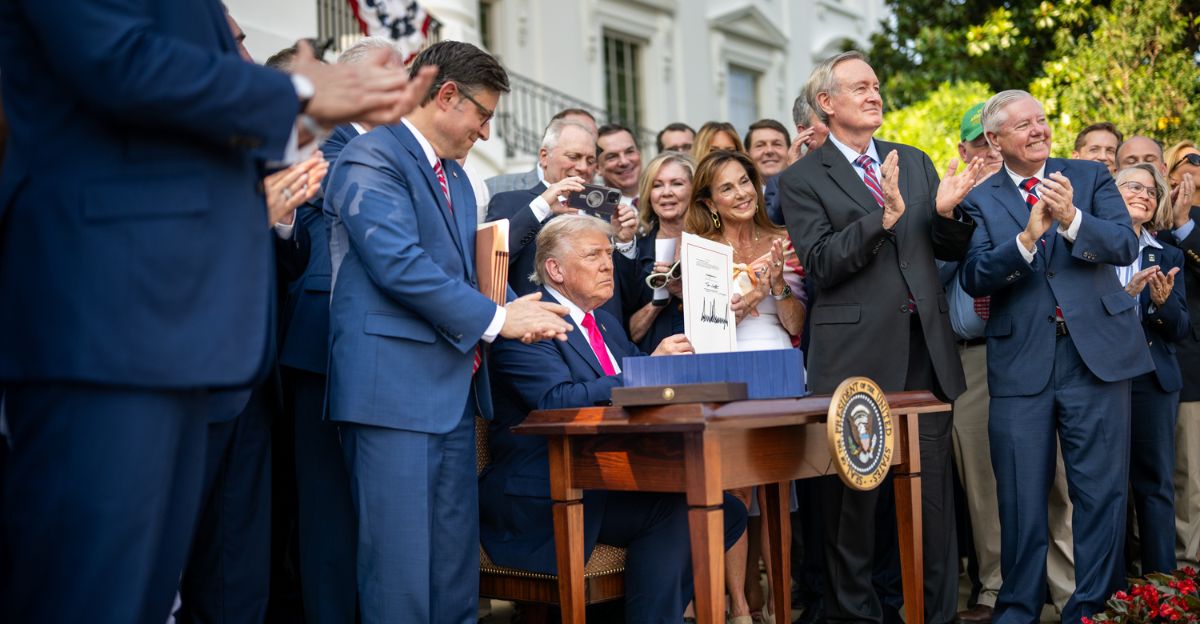
On January 20, 2025, President Trump signed Executive Order 14157 directing the State Department to designate major drug cartels as Foreign Terrorist Organizations (FTOs). By February 19, 2025, Secretary of State Marco Rubio formally designated eight criminal organizations, including the Sinaloa Cartel, Jalisco New Generation Cartel, Tren de Aragua, and Mara Salvatrucha, as FTOs.
This marked the first time the Trump administration classified drug trafficking groups alongside terrorist networks like al-Qaeda, fundamentally altering the legal authority for military action against them.
Operation Announced
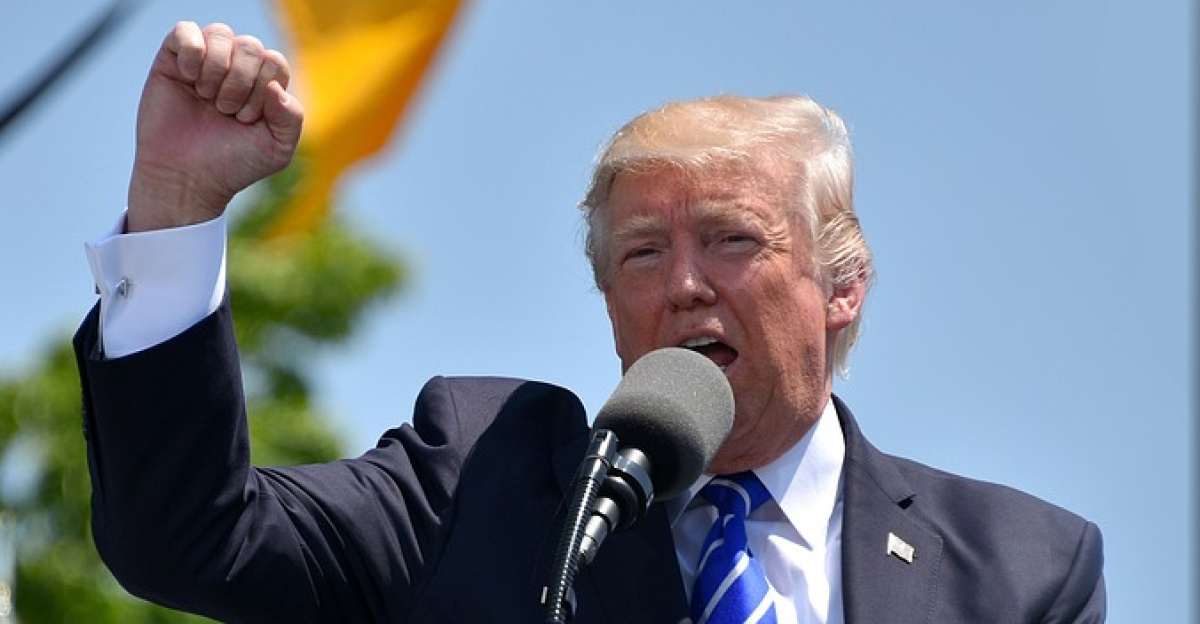
In November 2025, Defense Secretary Pete Hegseth formally announced Operation Southern Spear, establishing Joint Task Force Southern Spear at Naval Station Mayport, Florida, under U.S. Southern Command.
The stated mission: “detecting, disrupting, and degrading transnational criminal organizations” and “crushing” drug cartels operating in the region. Admiral Alvin Holsey, who commanded the U.S. Southern Command, oversaw initial operations, although Hegseth and the Trump White House primarily drove the decision-making.
The 30th Strike
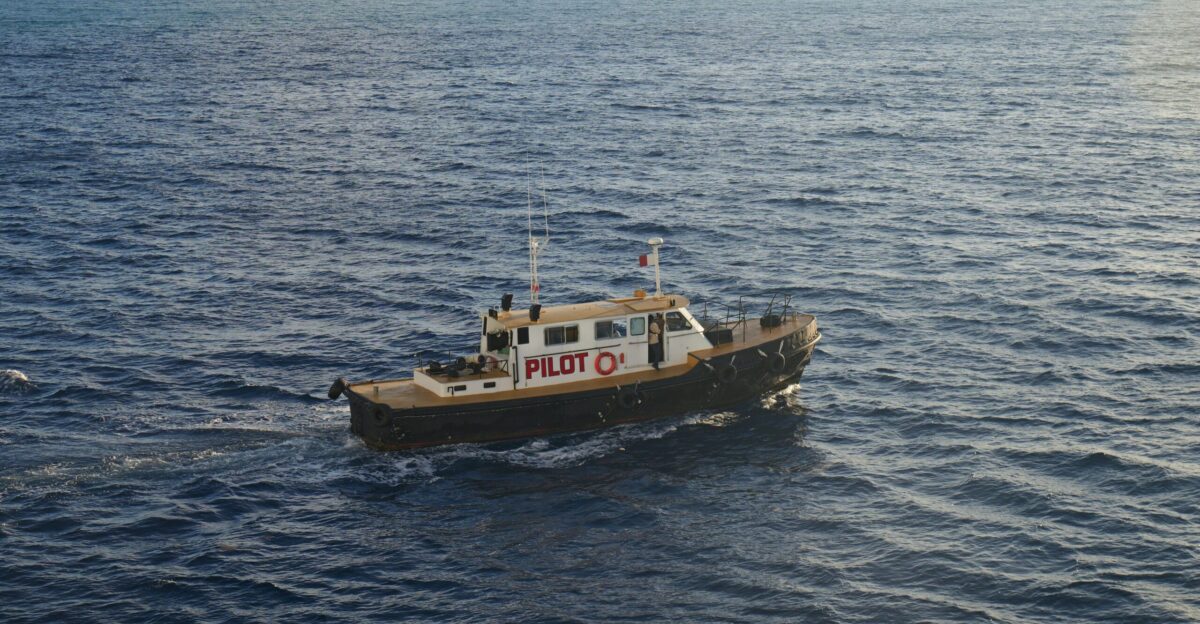
On December 29, 2025, Joint Task Force Southern Spear conducted its 30th lethal kinetic strike against an alleged drug-trafficking vessel in the Eastern Pacific Ocean. U.S. Southern Command confirmed: “Two male narco-terrorists were killed” in the operation.
U.S. officials stated the ship was “transiting along known narco-trafficking routes” and was “engaged in narco-trafficking operations.” This strike brought the total death toll since September 2, 2025, to 107 people across the four-month campaign, an average of 3.6 fatalities per strike operation.
Regional Context
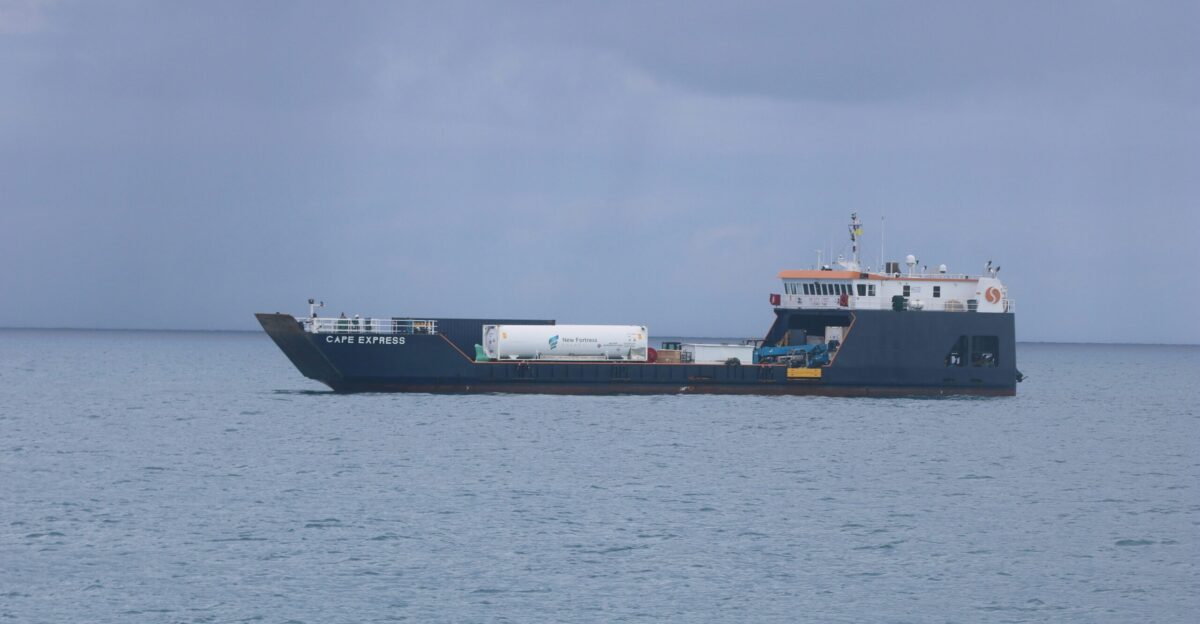
The Eastern Pacific and Caribbean represent the primary trafficking corridors for cocaine and other narcotics destined for North American markets. Semi-submersible vessels and high-speed “go-fast” boats operate from ports in Venezuela, Colombia, and other regional bases, transporting products worth billions of dollars annually.
U.S. military actions focus on interdicting these sea routes before cargo reaches Mexico or the U.S. Gulf Coast. However, the strategic scope extends beyond drugs: the Trump administration is also targeting Venezuelan government-aligned operations and seized two sanctioned oil tankers off Venezuela’s coast.
Human Cost & Civilian Questions

Legal advocacy groups, including the ACLU, have raised urgent concerns about civilian casualties. Media accounts report that following an initial September 2 strike, survivors clinging to wreckage were allegedly killed after more than 40 minutes in the water.
The Pentagon confirmed it repatriated two survivors in October rather than prosecuting them as drug traffickers, raising questions about the targets’ actual threat level. Critics note the administration has provided no independent evidence that targeted vessels carried drugs or that victims held cartel affiliations.
Congressional Resistance

On a bipartisan basis, Congress has challenged the legal authority for the strikes. War Powers Resolutions were introduced in both chambers, demanding authorization, with Democratic Sen. Tim Kaine and Republican Sen. Rand Paul co-sponsoring legislation. Although a previous resolution failed in October despite bipartisan support from Sens.
Lisa Murkowski (R-Alaska) and others, lawmakers continued to press the issue in January 2026. Senate Intelligence Committee Chair Tom Cotton (R-Arkansas) argued the operation resembled law enforcement rather than war, though this framing contradicted the administration’s “armed conflict” claim.
International Legal Scrutiny

On October 21, 2025, a group of UN human rights experts declared the strikes constituted “extrajudicial executions” and potential violations of the UN Charter. UN High Commissioner for Human Rights Volker Türk called on the U.S. to “halt” strikes to prevent unlawful killing and demanded an investigation.
The BBC, counsel at Yale Law School, and the Council on Foreign Relations questioned whether drug trafficking qualifies as an armed attack justifying military response under international law. Legal scholars argued that accepting such a theory would set a dangerous precedent, allowing for unilateral military action against any nation for committing transnational crimes.
Secret Legal Memo
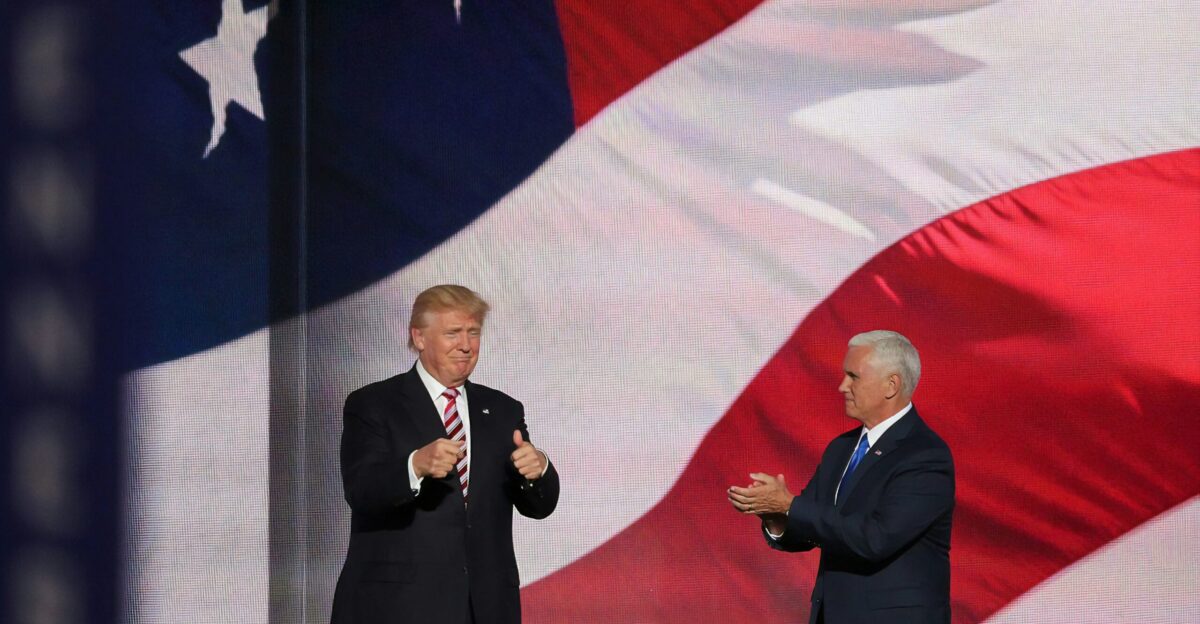
The Trump administration is relying on a classified Justice Department Office of Legal Counsel (OLC) memo reportedly spanning over 40 pages to justify the strikes. The classified opinion allegedly claims the U.S. is in an armed conflict with cartels and that military personnel involved possess “battlefield immunity” from criminal prosecution.
Despite congressional requests and media scrutiny, the administration has refused to release the memo publicly. When shown to select lawmakers in November, one senator remarked that the opinion “would not constrain any use of force anywhere in the world. I mean, it is broad enough to authorize just about anything.”
Admiral Holsey’s Exit
In October 2025, Admiral Alvin Holsey abruptly announced his retirement, effective December 2025. The Navy career officer, who commenced his commission through NROTC at Morehouse College and led Carrier Strike Group One, found himself increasingly sidelined in decision-making.
The White House and Secretary Hegseth directed strike operations through Joint Special Operations Command, essentially excluding Holsey from the authorization process. His departure signals internal military tension over the campaign’s legality and scope. Air Force Lt. Gen. Evan Lamar Pettus assumed acting command of U.S. Southern Command.
Pentagon Legal Purge
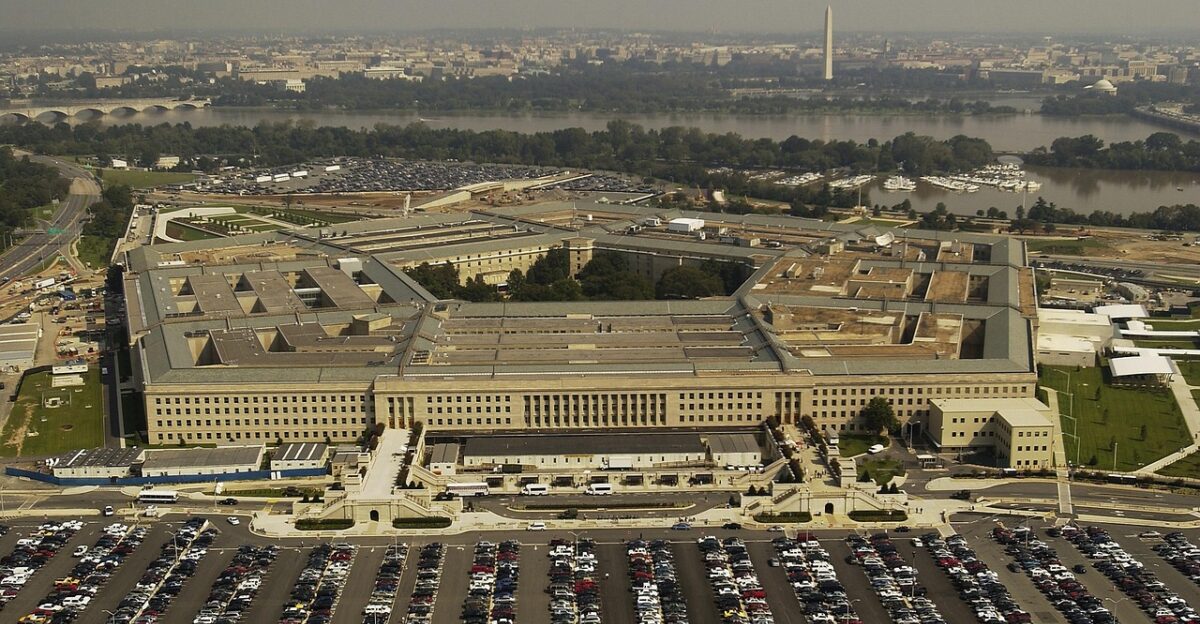
In February 2025, Secretary Hegseth removed senior judge advocate generals (JAGs), the military’s chief legal advisors, and conducted broader personnel changes at Pentagon leadership levels. Hegseth stated the Pentagon needed “lawyers who give sound constitutional advice” rather than “roadblocks to anything.”
This personnel restructuring preceded the drug boat strikes by months, signaling Hegseth’s intent to clear institutional legal resistance to aggressive executive authority claims. Pentagon Inspector General Robert Storch was also dismissed by Trump, raising questions about oversight mechanisms.
Strike Justification Challenged
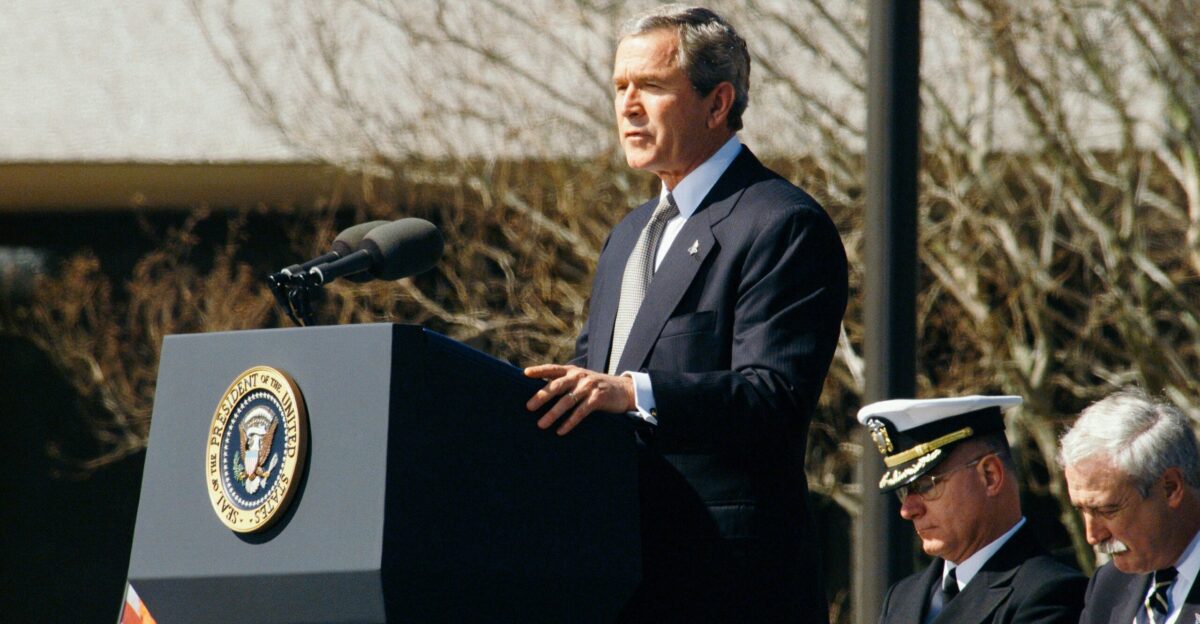
Legal experts across the political spectrum have condemned the operation. John Yoo, a lawyer and constitutional scholar in the George W. Bush administration, stated, “There has to be a line between crime and war.” Obama-era legal official Harold Hongju Koh called the strikes “lawless, dangerous, and reckless.”
The ACLU argues that under international human rights law, the correct legal framework, when no armed conflict exists, lethal force is lawful only against imminent threats to life. Since those on drug boats posed no imminent danger, the strikes violate both U.S. and international law.
FOIA Lawsuit Filed
On December 8, 2025, the ACLU, the New York Civil Liberties Union, and the Center for Constitutional Rights filed a Freedom of Information Act (FOIA) lawsuit in Manhattan federal court, demanding the immediate release of the OLC memo and related documents.
The groups argued: “The public has a right to understand how the Trump administration rationalizes the unlawful killing of civilians and the basis for granting immunity to those involved in these acts.” White House spokesperson Anna Kelly responded by accusing the ACLU of “spreading falsehoods and providing cover for malevolent narco-terrorists.”
Where Does It Go From Here?
Congress faces a critical decision: whether to assert coequal authority over military force or acquiesce to executive unilateralism. The War Powers Resolution of 1973, enacted after Vietnam, reaffirms Congress’s constitutional power over war and peace.
Yet the Trump administration has not sought formal authorization and claims the strikes are merely counter-drug law enforcement, not acts of war. Legal scholars and lawmakers warn that accepting this rationale sets a precedent permitting military strikes against any nation for transnational crime. The January 2026 war powers vote will signal whether the legislative branch reasserts constitutional limits.
Political & Executive Power Implications
The operation embodies a broader claim by the Trump administration of expansive Article II presidential power. Since taking office, Trump has designated the military the “Department of War,” issued sweeping executive orders, and removed career officials perceived as legal obstacles.
The drug boat strikes represent the most lethal application of this approach, operating without congressional authorization and under a secret legal memo. If unchallenged, the precedent permits future presidents to unilaterally designate any foreign actor as a terrorist equivalent and deploy military force without legislative consent.
International Law & UN Charter
Under Article 2(4) of the UN Charter, the use of military force by one state against another is prohibited, except in self-defense against an armed attack. International legal scholars argue that drug trafficking does not constitute an “armed attack” justifying a military response.
If the U.S. can unilaterally strike foreign vessels in international waters based on drug trafficking, other nations could claim similar authority against migration flows, disease spread, or economic harm. Yale Law School Professor Oona Hathaway stated accepting such logic “would undercut the Charter’s central prohibition and convert self-defense from a limited exception into a standing license for unilateral war.”
Venezuela & Regional Sovereignty
The Trump administration has framed Operation Southern Spear as targeting Designated Terrorist Organizations, with particular focus on Venezuelan criminal groups and alleged state-sponsored trafficking.
In January 2026, Trump announced U.S. military strikes that culminated in the capture of Venezuelan President Nicolás Maduro, escalating the operation from maritime interdiction to direct military action on sovereign territory. Legal scholars warn that this crosses from counter-drug operations into an act of war against Venezuela, raising questions about the administration’s true objectives beyond narcotics.
Executive Clemency Contradictions
On January 20, 2025, President Trump pardoned Ross Ulbricht, the founder of the Silk Road dark web marketplace, who had served a double life sentence for distributing drugs. Trump also pardoned the former president of Honduras, Juan Orlando Hernández, convicted by a U.S. court of flooding America with 400 tons of cocaine.
Representative Gregory Meeks (D-NY), a former narcotics prosecutor, highlighted this paradox: “You don’t run a serious counternarcotics strategy by carrying out the death penalty for those on the bottom of the drug trade while freeing those at the very top.” These pardons cast doubt on the administration’s stated anti-drug motivation.
The Broader Reckoning
Operation Southern Spear marks a significant turning point in U.S. military doctrine and constitutional governance. The campaign is unprecedented in scale, 30 strikes, 107 deaths, no congressional authorization, and openly framed as armed conflict with criminals rather than foreign states.
Whether the operation continues, expands, or is constrained will depend on whether Congress reasserts war powers authority and whether courts enforce transparency regarding the secret OLC memo. The stakes extend beyond drug policy: they concern whether the executive can unilaterally wage lethal military campaigns based on classified legal theories beyond public view.
Sources
The following primary sources were consulted throughout this article:
U.S. Southern Command Lethal Kinetic Strike Announcements
ABC News and PBS NewsHour Coverage of Drug Boat Strikes
White House Executive Order 14157 and State Department FTO Designations
ACLU Legal Filings and Press Statements on Military Strikes
Congressional Foreign Affairs Committee and War Powers Debate Records
New York Times and CNN Reporting on Operation Southern Spear and Legal Challenges