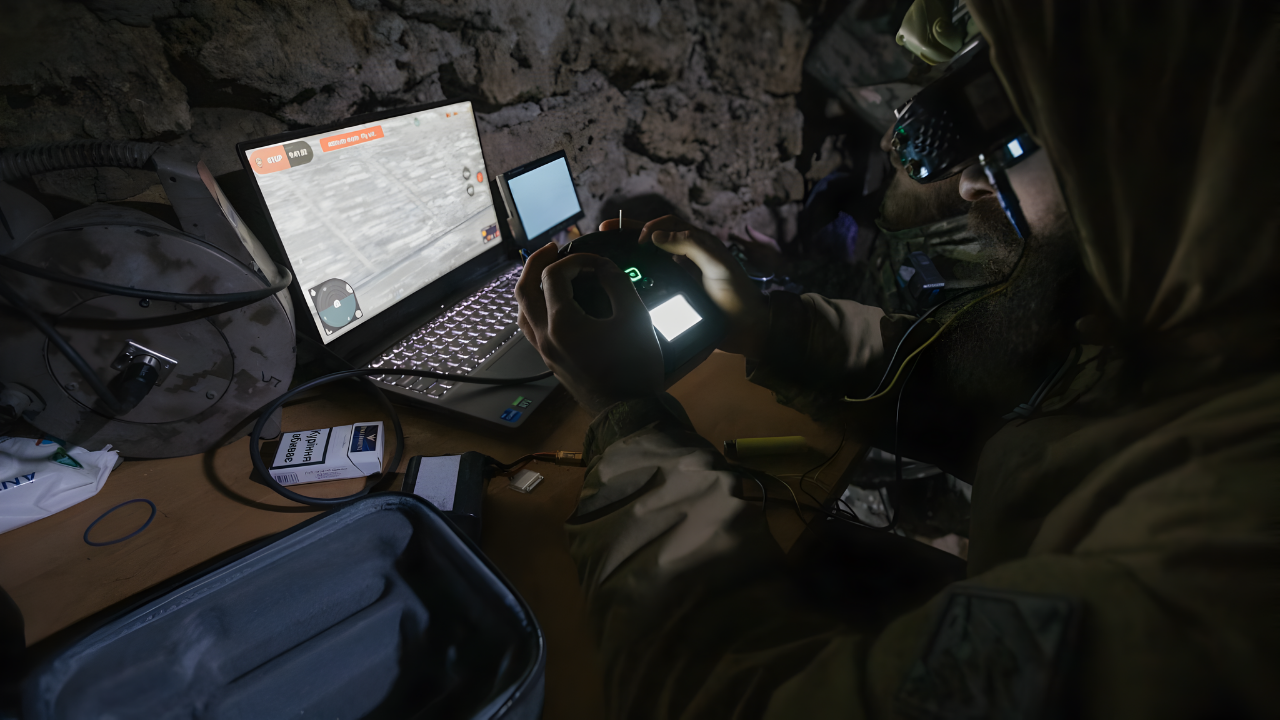
Ukraine’s late-November strike on Russia’s Saky airbase in western Crimea has sharply reduced Moscow’s ability to monitor the Black Sea and southern Ukraine, giving Kyiv a rare but potentially time-limited edge in the air and at sea. Ukrainian officials say the attack destroyed Russia’s flagship fleet of long-range Orion drones, a loss valued at about $15 million, and crippled a cornerstone of Russian reconnaissance operations in the occupied peninsula.
Eyes on Crimea Go Dark
For years, Saky airfield, near Novofedorivka, functioned as one of Russia’s main reconnaissance hubs in Crimea, hosting combat aircraft, unmanned aerial vehicles, and electronic warfare systems. From there, Russian forces tracked Ukrainian troop movements, watched maritime traffic, and supported missile and naval operations across the northern Black Sea.
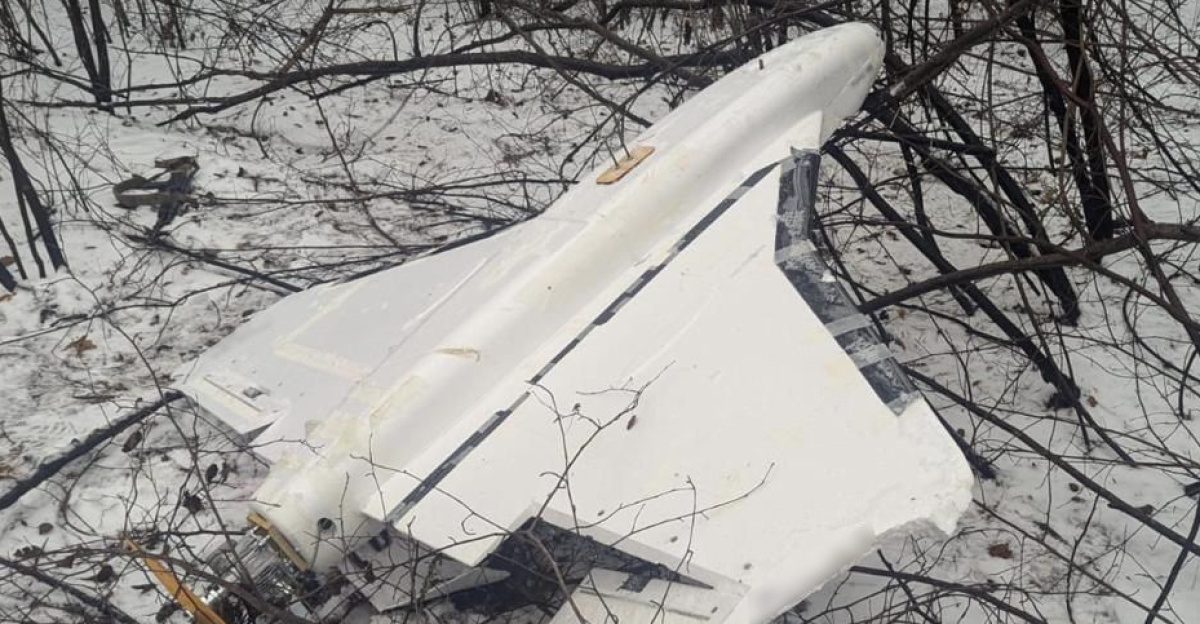
The latest strike destroyed a key hangar that housed Orion and Forpost drones, platforms central to Russia’s long-range surveillance over Crimea and beyond. Each Orion is estimated to cost roughly $5 million, making the loss not just financially significant but strategically damaging. With these aircraft out of action, Russia faces a narrower field of view over critical battlefronts and shipping lanes.
Analysts say the attack immediately reduced Russia’s ability to detect Ukrainian naval maneuvers, missile launches, and covert operations in real time. The result is a regional blind spot that Ukraine may seek to exploit before Moscow can reconstitute its assets.
Strategic Hub Under Sustained Attack
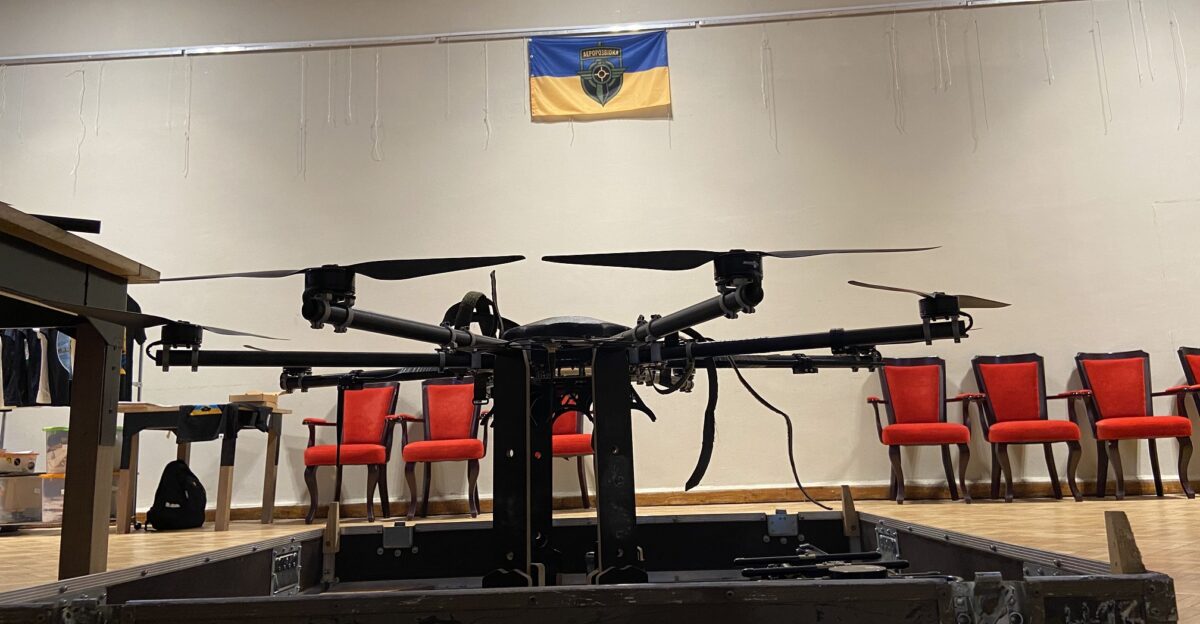
Saky’s role has grown steadily since Russia’s 2014 occupation of Crimea. The base became a linchpin of the peninsula’s integrated air and maritime surveillance system, supporting both local operations and wider campaigns against Ukraine. Since the full-scale invasion in 2022, however, it has been hit repeatedly by Ukrainian strikes.
Those earlier attacks forced Russia to divert air-defense systems and engineering resources to keep the base functioning. The latest operation goes further, hitting one of the most valuable elements of the facility: long-range reconnaissance drones that knit together radar, aviation, and command centers across the theater.
Before the drone hangar was struck, Ukrainian forces had already targeted Saky’s protective systems. According to Ukrainian accounts, air-defense assets including Pantsir-S1 and Tor-M2 units were neutralized, clearing a path for the follow-on strike. The loss of those defenses leaves western Crimea more exposed to future attacks, stretching Russia’s remaining systems and forcing difficult choices about how to allocate protection across occupied territory.
Network Under Strain
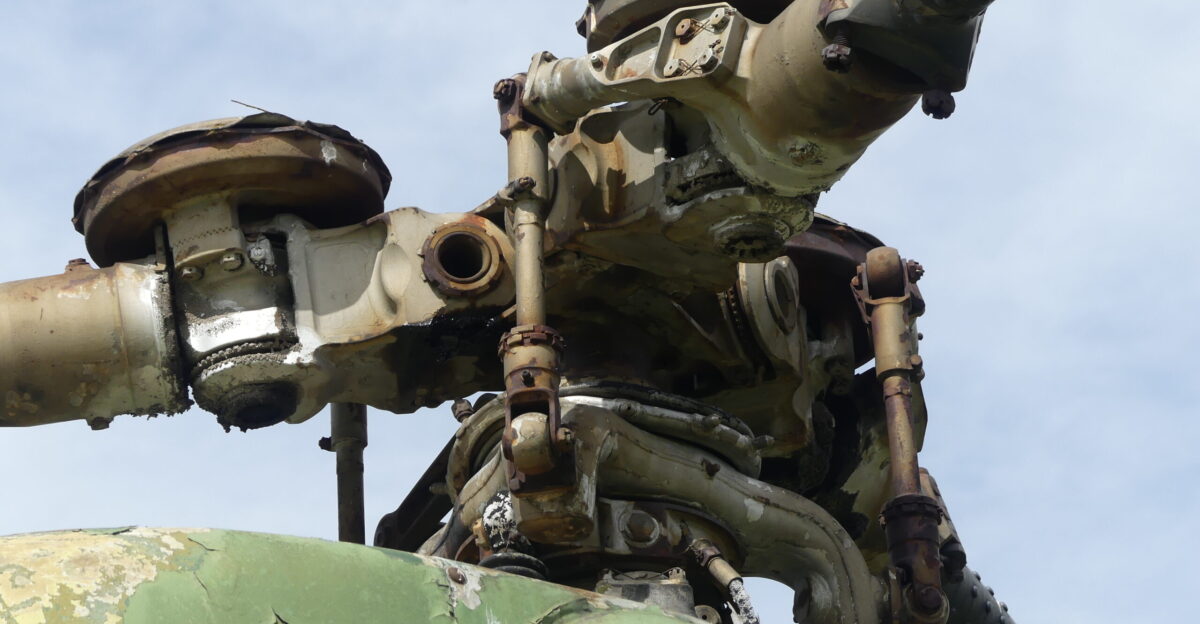
The destruction at Saky comes on top of earlier Ukrainian attacks against Russian radar stations, helicopters, and other reconnaissance infrastructure in and around Crimea. Each successful strike erodes the layers of redundancy Russia built into its surveillance network, making it harder to compensate for the loss of a single hub.
With Saky degraded, Russia must lean more heavily on remaining drones, aircraft, and ground-based sensors, potentially creating fresh gaps elsewhere along the front. This pressure complicates Moscow’s efforts to maintain constant coverage of Ukrainian forces, maritime routes, and critical infrastructure.
The impact is not limited to hardware. Behind every Orion or Forpost sortie is a cadre of operators, engineers, and analysts whose experience is difficult to replace quickly. Damage to facilities, combined with possible casualties or redeployments among specialized crews, risks long-term disruption to Russia’s ability to run complex reconnaissance missions from Crimea.
Wider Campaign and Internal Friction
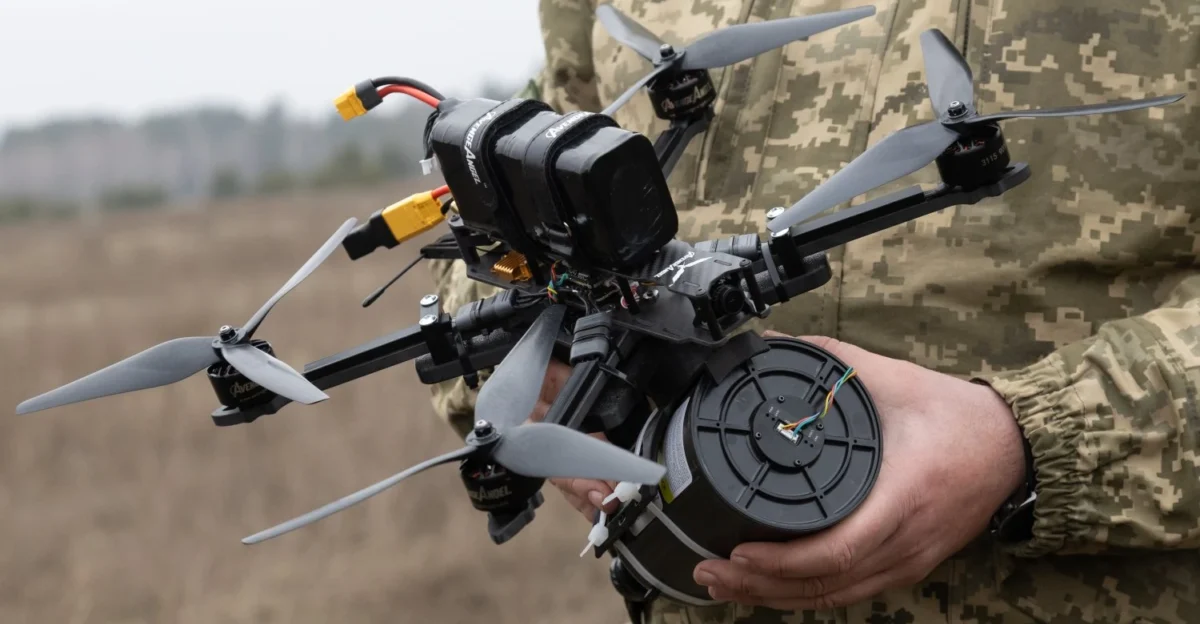
The strike on Saky formed part of a broader Ukrainian effort that also targeted Russia’s Saratov oil refinery and other military infrastructure. By hitting both surveillance nodes and fuel supplies, Ukraine aims to impose a compounded burden on Russian logistics and command-and-control, making it harder to sustain operations at previous tempos.
Inside Russia, repeated high-profile strikes in Crimea have prompted public criticism from military commentators and informal channels, focused particularly on perceived gaps in air defense. Unofficial reports point to disciplinary measures and rotations within air-defense and drone command units as Moscow seeks to respond to the setbacks. Such moves suggest mounting internal scrutiny of how key assets in Crimea are protected and employed.
For Ukraine, the Saky operation highlights growing proficiency in long-range, coordinated attacks. Ukrainian Naval and Special Operations Forces are reported to have participated, underscoring Kyiv’s ability to hit high-value targets deep behind Russian lines. These operations bolster Ukrainian morale and demonstrate that key Russian facilities in Crimea remain vulnerable despite layers of defenses.
Legal and Future Dimensions
Under international humanitarian law, military airfields and reconnaissance hubs used for combat support are considered legitimate targets. Ukraine’s strike on Saky falls within this framework, and there have been no credible reports of civilian casualties associated with the attack. That aligns the operation with legal principles requiring distinction between military and civilian objects and proportionality in the use of force.
Looking ahead, Russia is expected to move quickly to repair the base, replace drones, and reinforce air defenses across Crimea. How fast it can do so—and whether Ukraine can continue to disrupt those efforts—will help shape control of the airspace over the Black Sea and southern Ukraine. The current surveillance gap offers Kyiv an opportunity to press its advantage, but sustaining that edge will require continued pressure on Russian logistics, command structures, and reconnaissance assets in and beyond Crimea.
Sources
Ukrainska Pravda — November 28, 2025
General Staff confirms attack on Russia’s Saratov oil refinery and Saky airfield in Crimea
Ukrainska Pravda — December 3, 2025
Ukraine hits oil depot in Russia, technical observation post in Black Sea and three Orion UAVs in Crimea – General Staff
Caliber.Az — November 28, 2025
Ukraine strikes key Russian targets in Crimea
United24Media — November 28, 2025
Ukraine Strikes Russian Saky Airbase in Crimea, Hits Drone Storage and Air Defenses
Institute for Study of War — July-October 2025
Russian military command assessments and Crimea air defense analysis