
Ukrainian drones pierced deep into Russian territory on December 5, halting operations at a key oil refinery and crippling fuel storage at a vital seaport. This strike, which reached 700 kilometers from the border, exposed vulnerabilities in Russia’s energy backbone that had once seemed secure.
Rosneft Facility Shutdown
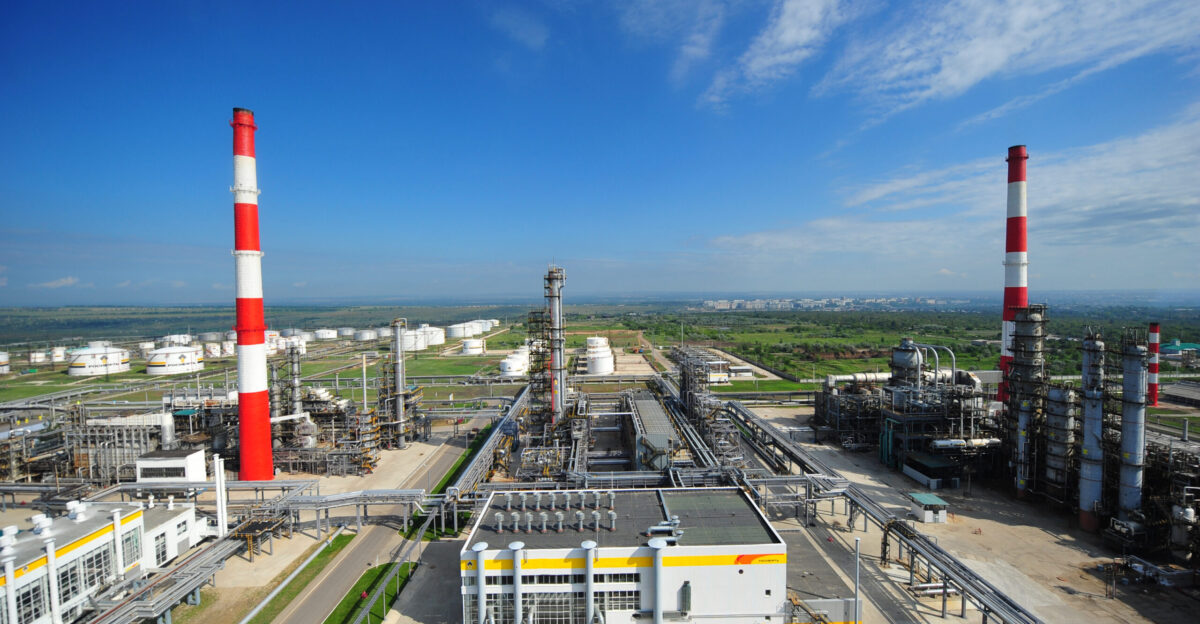
The Syzran refinery in Samara Oblast, operational since 1942, processes up to 90,000 barrels of crude oil daily, equivalent to approximately 4.3 million metric tons per year. Though running below capacity in recent times, it stopped all processing abruptly after drone impacts. Owned by state-controlled Rosneft and located along the Volga River, the facility supplies fuel across the Samara, Saratov, and Penza regions, and parts of central Russia, including airfields and units under the Central and Southern military commands.
Repeated Damage to Core Unit
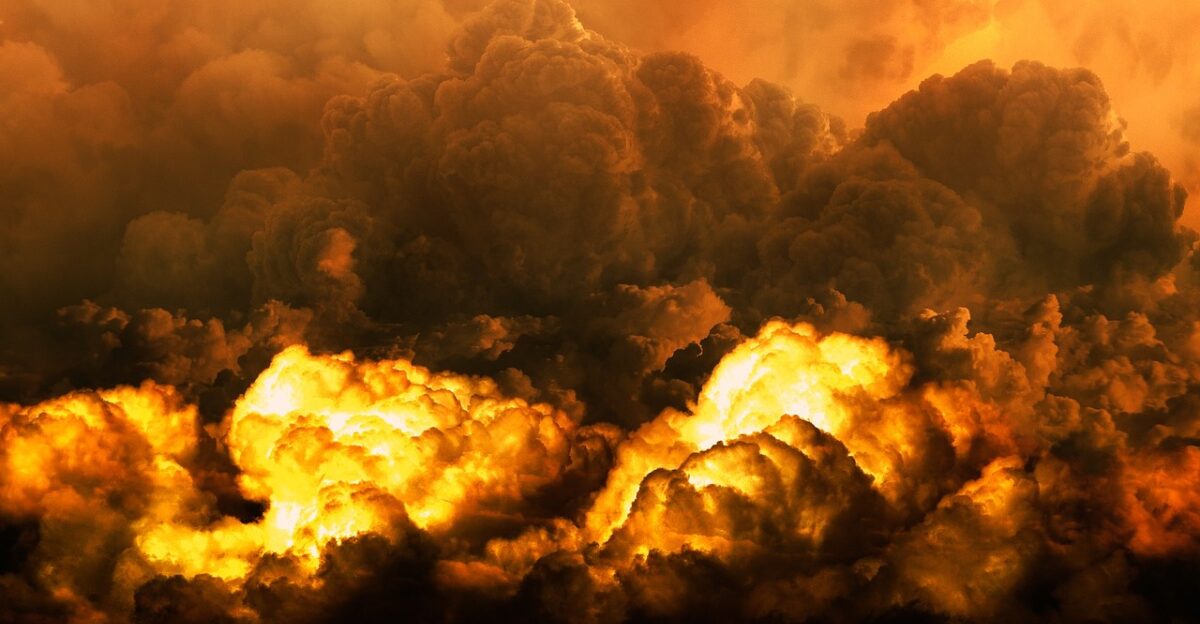
The attacks targeted the CDU-6 crude distillation unit, the refinery’s primary processing component. This marked the second strike on the same equipment in four months: first in August, with repairs completed in two weeks, and now on December 5. Damage this time appears extensive, with industry assessments indicating repairs may extend into January. Such repeated hits challenge Russia’s ability to maintain output amid ongoing disruptions.
Dual Strikes on Strategic Targets
Ukraine’s General Staff confirmed the operation also hit Temryuk seaport in Krasnodar Krai on December 4-5. The goal: diminish Russia’s military and economic strength by disrupting supply lines for occupation forces. At Temryuk, drones destroyed 20 fuel tanks, wiping out 70 percent of storage capacity. A fire spread over 3,000 square meters, ruining a liquefied natural gas terminal operated by Maktren-Nafta and damaging railway tankers. Elite Ukrainian special operations units executed the precision strike.
No Loss of Life Amid Precision Timing
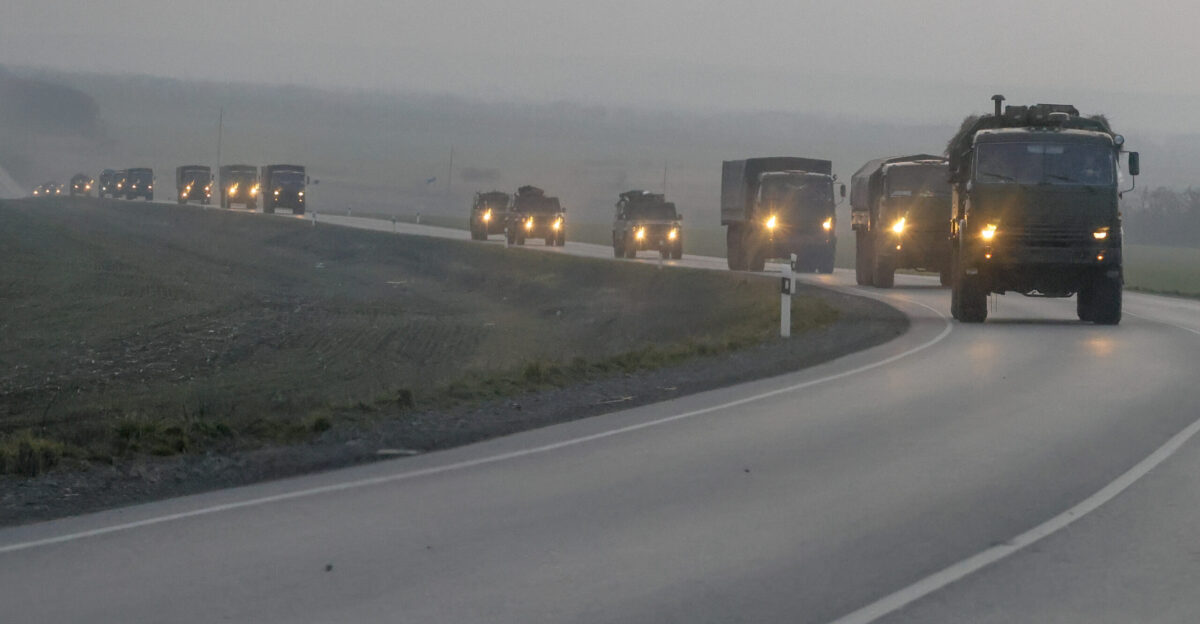
Evacuations preceded both attacks. Krasnodar authorities reported that all personnel from Temryuk port had been safely evacuated beforehand, resulting in no casualties. At Syzran, workers similarly evacuated as fires broke out after the strike. These operations focused destruction on infrastructure, avoiding human harm and emphasizing economic fallout over tragedy.
Broader Campaign and Vulnerabilities Exposed
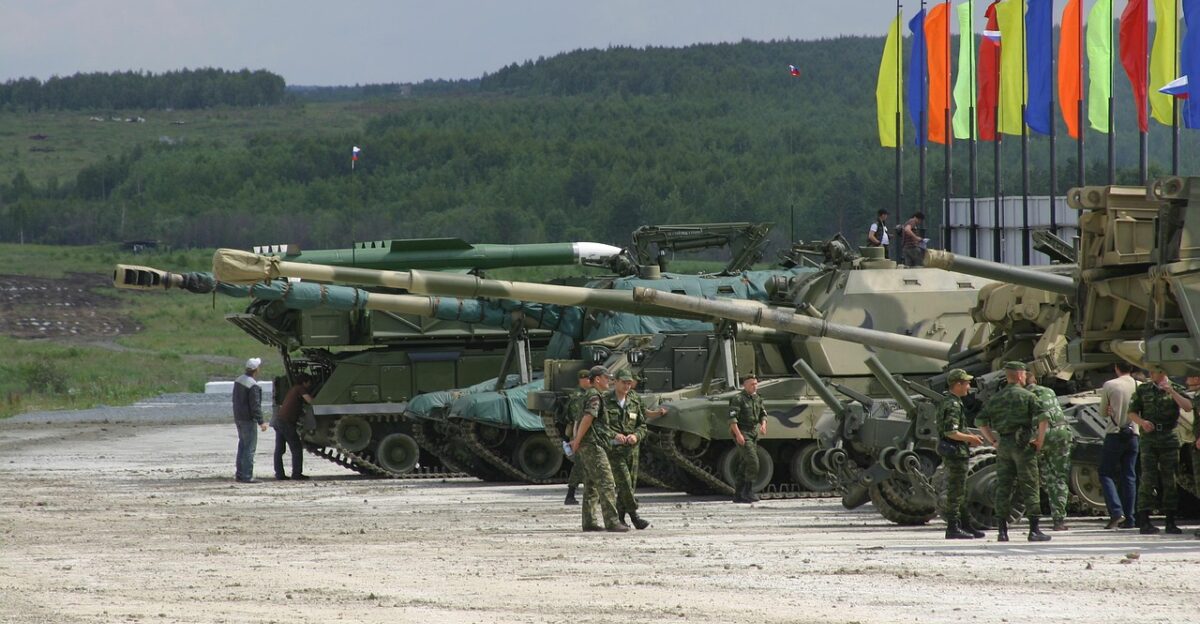
Since August, Ukraine has conducted at least 58 drone strikes on Russian energy sites, some penetrating 2,000 kilometers inland. These have periodically cut 17 to 21 percent of refining capacity in 2024. Strikes have reached Bashkortostan and a Caspian Sea platform. Russia’s inland facilities, such as Syzran, relied on distance for protection, but air defense shortcomings—detailed in strategic analyses—have left them vulnerable. Refinery operators even erected barriers in April 2024, signaling a decline in confidence in their defenses.
Western sanctions compound repair issues by blocking access to essential catalysts, control systems, and parts. Gasoline prices increased by about 10 percent, with pump lines forming in some regions and shortages reported near Moscow. The Kremlin halted petrol exports and imposed rations in remote areas.
Ukraine ramps up production: over 30,000 long-range drones planned for 2025, backed by partners. New models, such as the Peklo drone (with a 700-kilometer range and a speed of over 700 km/h), the Palyanytsia missile drone in serial production, and an advanced Ruta missile in testing, join a long-range Neptune variant nearing readiness.
These deep strikes signal a shift to sustained economic pressure amid stalled talks and Russian ground gains. Repeated targeting of sites like Syzran aims to erode refining capacity incrementally. For Russia, prolonged outages threaten fuel logistics and revenues; for Ukraine, they offer leverage without the need for frontline escalation. The campaign tests both sides’ resilience as energy infrastructure becomes a central battleground.
Sources:
Russia’s Syzran oil refinery halted by December 5 drone attack, sources say – Reuters
Ukraine confirms drone strikes on seaport, oil refinery in Russia – The Kyiv Independent
Ukrainian drones destroy 70% of fuel tanks at Russia’s Temryuk Seaport, General Staff says – The Kyiv Independent
Ukraine shows off new ‘rocket-drone’ in bid to boost long-range strikes – Reuters
Ukraine is expanding its long-range arsenal for deep strikes inside Russia – Atlantic Council