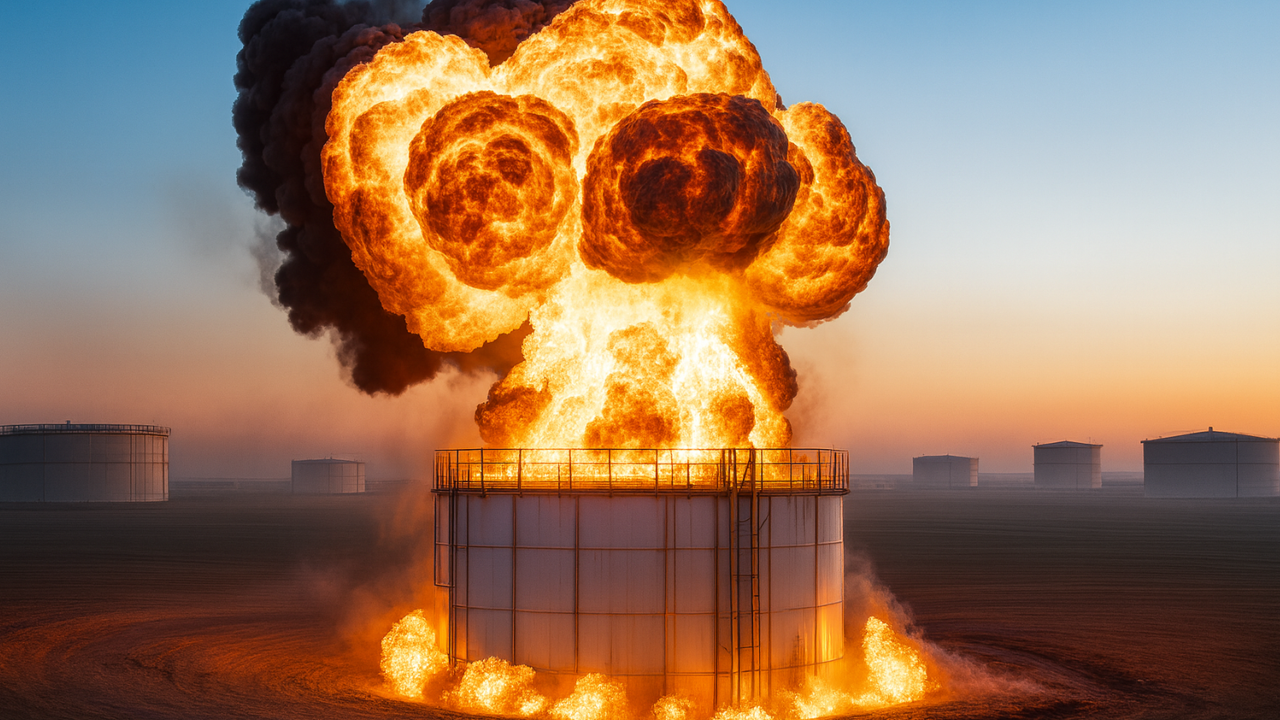
Since autumn 2025, Ukraine has launched more than 50 confirmed attacks on strategic targets inside Russia, marking the most sustained long-range strike campaign of the conflict so far. Using primarily drones, Ukrainian forces have hit oil refineries, fuel depots, export terminals, chemical complexes, ammunition plants, and defense factories across multiple regions. Satellite imagery and Ukrainian military reporting confirm fires, structural damage, and shutdowns, revealing a systematic effort to go after the industrial backbone that powers Russia’s war effort.
Rather than focusing only on troop concentrations and frontline armor, Ukrainian planners are now directing significant resources toward the energy and industrial systems that supply those forces. The result is a widening battlefield that stretches hundreds of kilometers beyond the front, with direct consequences for Russia’s military logistics, domestic economy, and civilian life.
Targeting the Fuel and Arms Lifeline
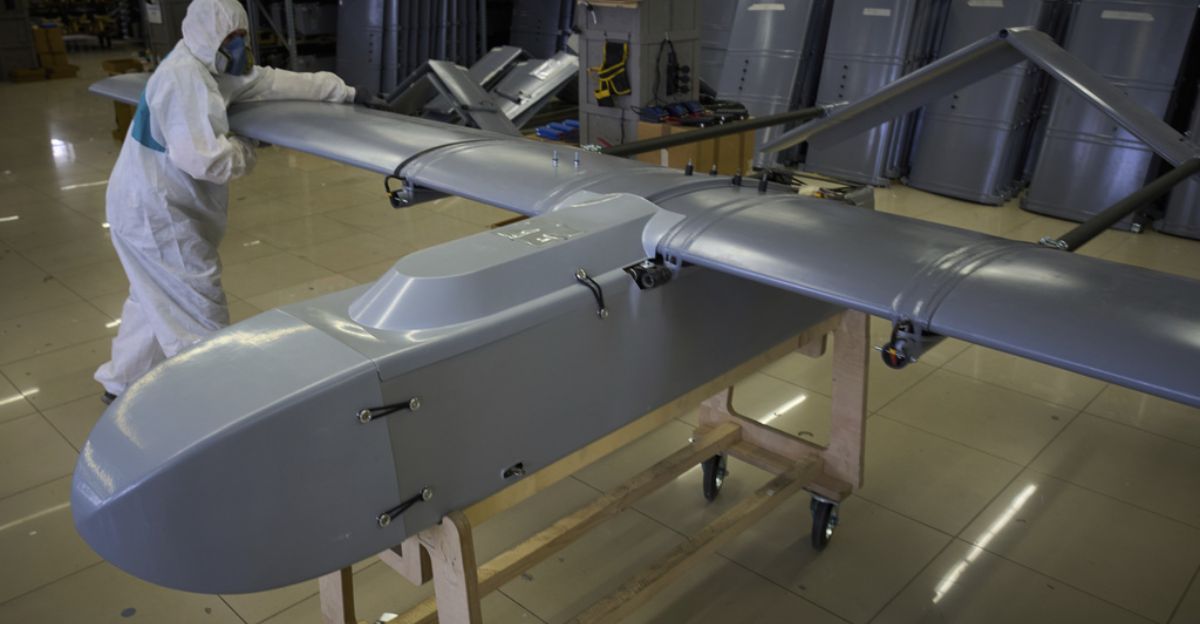
Ukrainian officials portray the campaign as a way to degrade Russia’s ability to sustain large-scale combat by interrupting fuel flows, munitions production, and critical industrial output behind the lines. Oil infrastructure is central to this strategy. Fuel from refineries, storage sites, and export terminals powers tanks, trucks, aircraft, and supply convoys. By striking these facilities, Ukraine aims to create persistent shortages, force costly repairs, and compel Russia to divert resources from offensive operations.
The campaign also extends to the defense-industrial sector and related heavy industry. Attacks on ammunition plants and chemical producers are intended to slow the manufacture of artillery shells, missiles, and rocket fuel. Together, these strikes seek to impose cumulative pressure: each damaged facility may be repaired over time, but repeated hits across the network raise costs, stretch maintenance capacity, and undermine the predictability on which large-scale military logistics depend.
Black Sea Terminals Under Fire

Some of the most high-profile attacks have hit major Black Sea energy hubs. On November 1, 2025, Ukrainian drones struck the Tuapse oil terminal on Russia’s Black Sea coast, damaging pipelines and storage tanks and igniting a large fire. Tuapse supplies fuel to both civilian consumers and Russian military units in southern regions, making it a critical node in regional logistics.
That same day, drones also targeted the Sheskharis oil transshipment complex in Novorossiysk, one of Russia’s most important export terminals on the Black Sea. Fires at the site temporarily disrupted operations at a facility vital to crude shipments and regional fuel distribution. These incidents underscored how key maritime hubs, even those with extensive security, remain exposed to long-range attacks. They also introduced fresh uncertainty into energy flows from southern Russia at a time when global markets continue to watch Russian export capacity closely.
Beyond oil, Ukrainian drones earlier struck the Nevinnomysskiy Azot chemical plant near Nevinnomyssk in the Stavropol region. As one of the largest chemical facilities in southern Russia, it produces components used in explosives and solid rocket fuel. Explosions reported by nearby residents highlighted both the military significance and the local risks associated with such targets. On October 22, 2025, drones hit the Saran Mechanical Plant in Mordovia, a Rostec-owned factory that manufactures ammunition for the Russian military, signaling that production facilities deep inside Russia are now part of the active battlespace.
Economic Strain, Logistics Disruptions, and Civilian Fallout
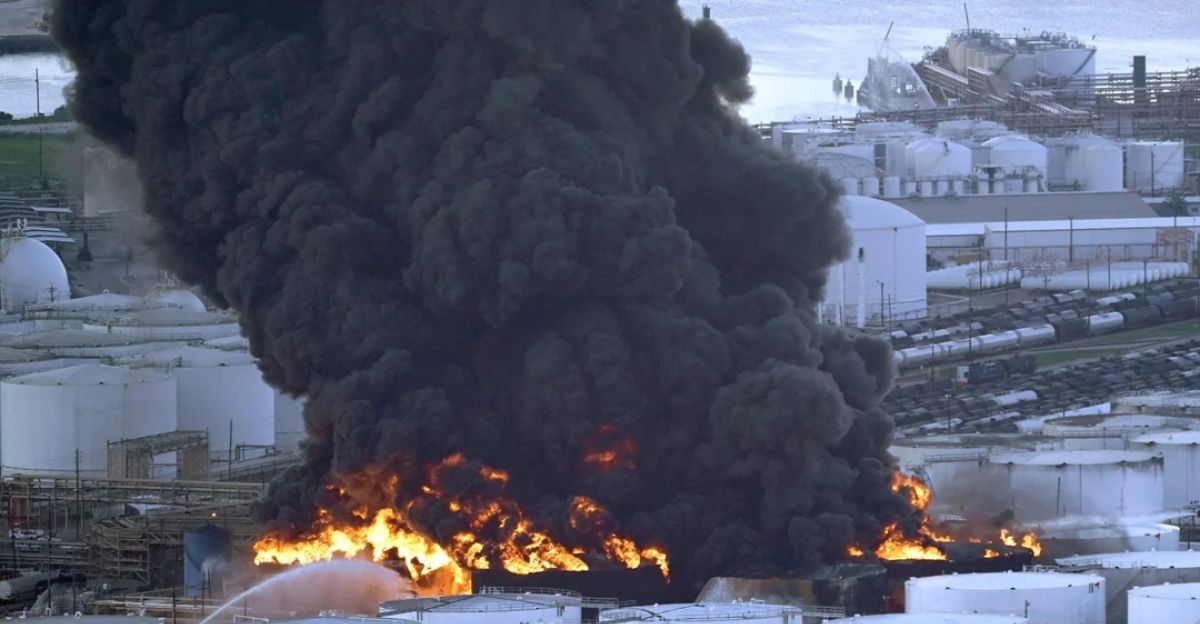
Independent analysts and investigative journalists have used commercial satellite imagery to verify fires and damage at dozens of strike locations, mapping a growing list of affected oil terminals, depots, refineries, and factories. This visual evidence has limited Moscow’s ability to downplay the scale of the disruption, even as official statements emphasize rapid repairs and claim limited impact.
As more facilities come under attack, signs of strain have emerged across Russia’s fuel supply system. Shortages of gasoline and diesel have been reported in multiple southern and central regions, reaching far beyond frontline areas. Interruptions force authorities and companies to reroute supplies, draw down reserves, and accept higher transport costs. For ordinary residents, this can mean irregular access to fuel, longer queues, and rising prices. Transport companies face higher operating expenses and delays, while farmers and small businesses that depend on reliable fuel deliveries encounter added pressure.
The economic impact extends into sectors that rely on chemical inputs and stable energy supplies. Downtime and damage at chemical plants and related industrial sites can affect agriculture, manufacturing, and construction, amplifying the shock across regional economies. At the same time, each hit on a refinery, terminal, or plant brings substantial repair costs. Russia is also expanding air-defense coverage and deploying more mobile counter-drone units to protect dispersed infrastructure, further increasing expenses.
These defensive measures come with a military trade-off. Troops, air-defense systems, and security units assigned to safeguard refineries, depots, and factories are no longer available for front-line operations. Military analysts note that as the number of at-risk facilities grows, Russia must continually balance the need to defend its industrial base against the need to sustain combat power in Ukraine.
Long-Term Risks, Global Ripples, and the Future of the Campaign
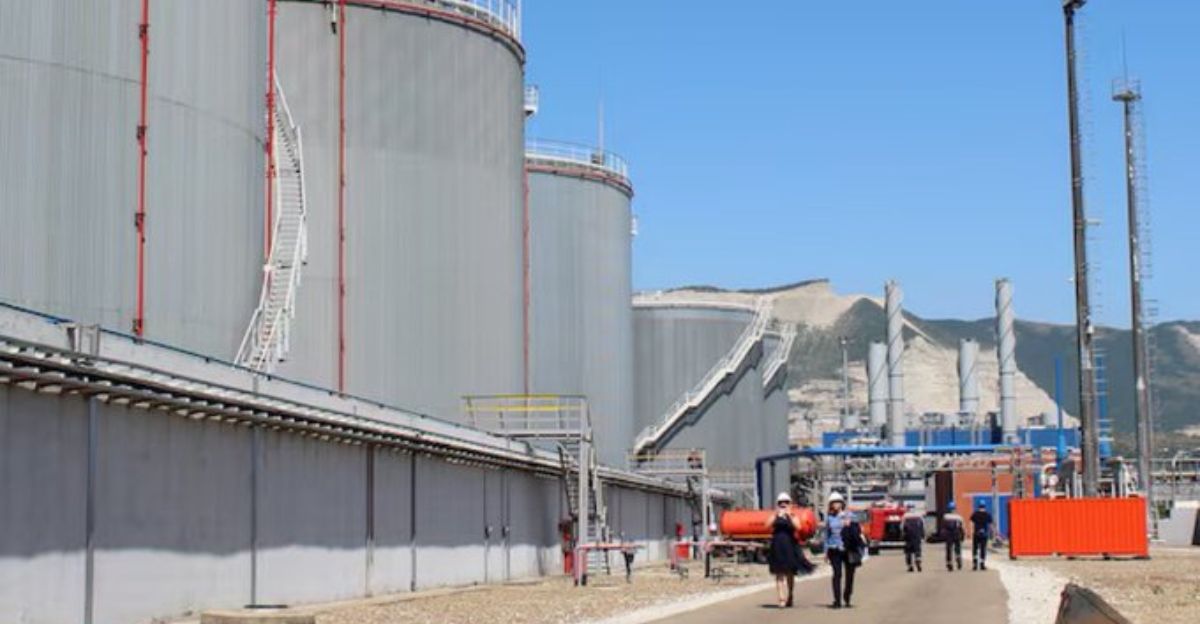
The strikes carry environmental and safety risks, especially where large fires break out at oil and chemical sites. Burning fuel and industrial chemicals can release toxic smoke and raise the danger of soil and water contamination. Coastal hubs like Tuapse and Novorossiysk face added concerns over spills and runoff into the Black Sea, potentially affecting marine ecosystems and nearby communities.
Internationally, even though many states have already restricted imports of Russian energy, disruptions at major Black Sea terminals still matter. Damage at export hubs can influence expectations about regional supply, contributing to short-term volatility in oil and fuel prices. Energy traders now monitor reports of Ukrainian drone activity and satellite-verified damage as part of their assessment of near-term risk to shipments from southern Russia.
Beyond immediate economic effects, the campaign illustrates a broader shift in modern conflict. Ukraine is using relatively low-cost drones to inflict damage on high-value industrial and energy targets far from the front. Despite Russia’s layered air-defense network, the geographic spread and number of potential targets make complete protection difficult. Each successful strike exposes gaps in coverage and underscores how infrastructure once considered rear-area support has become a primary arena of confrontation.
Whether Ukraine can sustain this level of pressure depends on continued drone production, intelligence support, and the ability to adapt as Russia hardens key sites and improves defenses. For Moscow, the challenge is to repair damage quickly, protect an extensive network of vulnerable facilities, and maintain sufficient forces at the front. As both sides adjust, the contest is increasingly one of endurance over industrial capacity and economic resilience, with the outcome likely to shape the tempo and character of the wider war in the months ahead.
Sources:
“Ukraine’s Latest Attacks Showcase Its Desperation”, The Atlantic
“Ukraine’s best defence against Putin’s energy war is more attacks on Russia’s oil refining sector”, Chatham House
“Ukraine’s Long-Distance Drones Take Toll On Russia’s Oil And Gas Infrastructure”,
Radio Free Europe/Radio Liberty (RFERL)