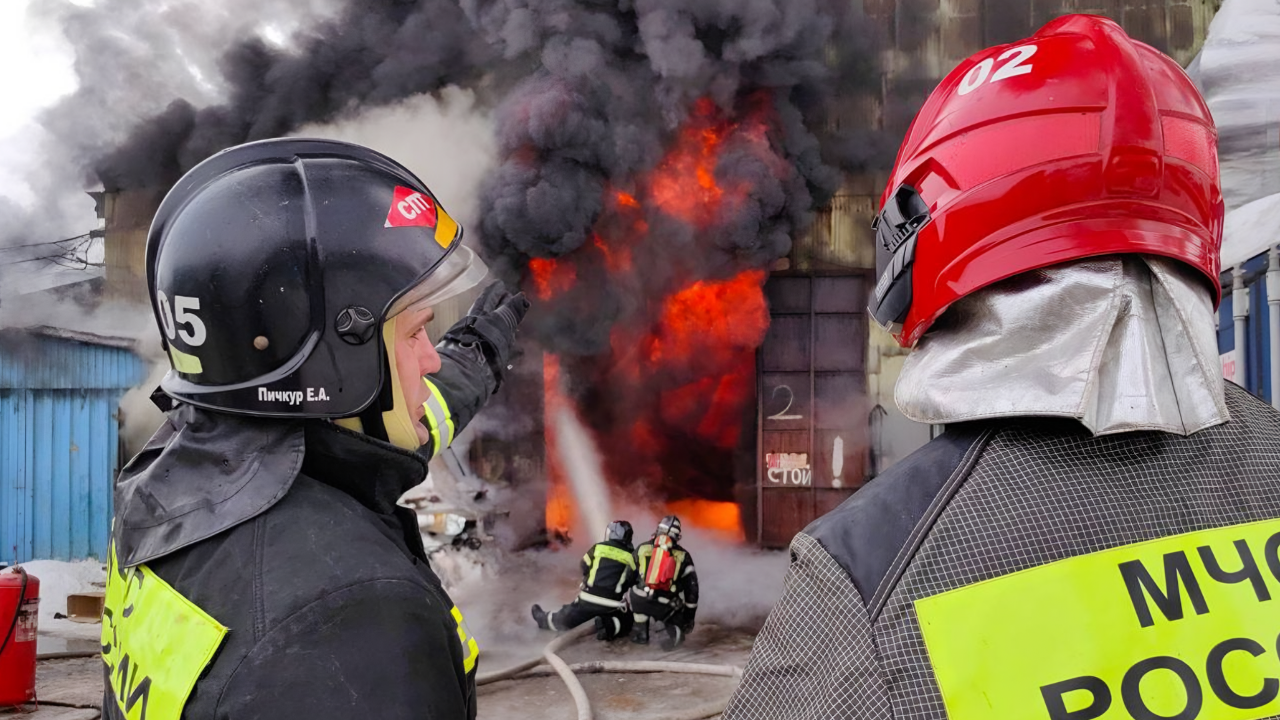
Ukrainian forces have penetrated approximately 450 kilometers into Russian territory to strike strategic energy infrastructure with repeated precision strikes. The latest target: one of Russia’s most critical oil refineries, hit for the second time in less than a week on January 26, 2025.
This escalating campaign raises an urgent question for Moscow: How are Ukrainian drones consistently breaching Russian airspace to hammer the same facilities repeatedly? The answer reveals a fundamental vulnerability in Russia’s rear-area defenses.
Tempo Accelerates

The pace of Ukrainian strikes on Russian energy infrastructure has dramatically intensified since August 2025. From January through July, strikes were sporadic and opportunistic. But starting in August, Ukraine launched what analysts call a “sustained campaign” with nearly daily attacks on refineries, pipelines, and export terminals.
By late October, Ukrainian forces had hit more than 50 percent of Russia’s 38 major refineries at least once. In November, 14 refinery strikes were confirmed, the highest monthly total recorded. This pattern reveals a strategic shift from disruption to degradation.
The Fuel Artery Problem

Russia’s oil refining sector represents roughly 6% of global capacity and generates nearly one-third of the Russian federal budget’s revenue. The Ryazan Oil Refinery, operated by state-controlled Rosneft, accounts for approximately 5% of Russia’s total refining throughput, processing 262,000 barrels per day.
Beyond its economic importance, Ryazan supplies fuel to central Russian regions, including Moscow, and produces roughly 1 million tons of jet fuel annually for military aviation. Understanding Ryazan’s strategic value is essential to understanding why Ukraine keeps returning to it.
The Pressure Builds
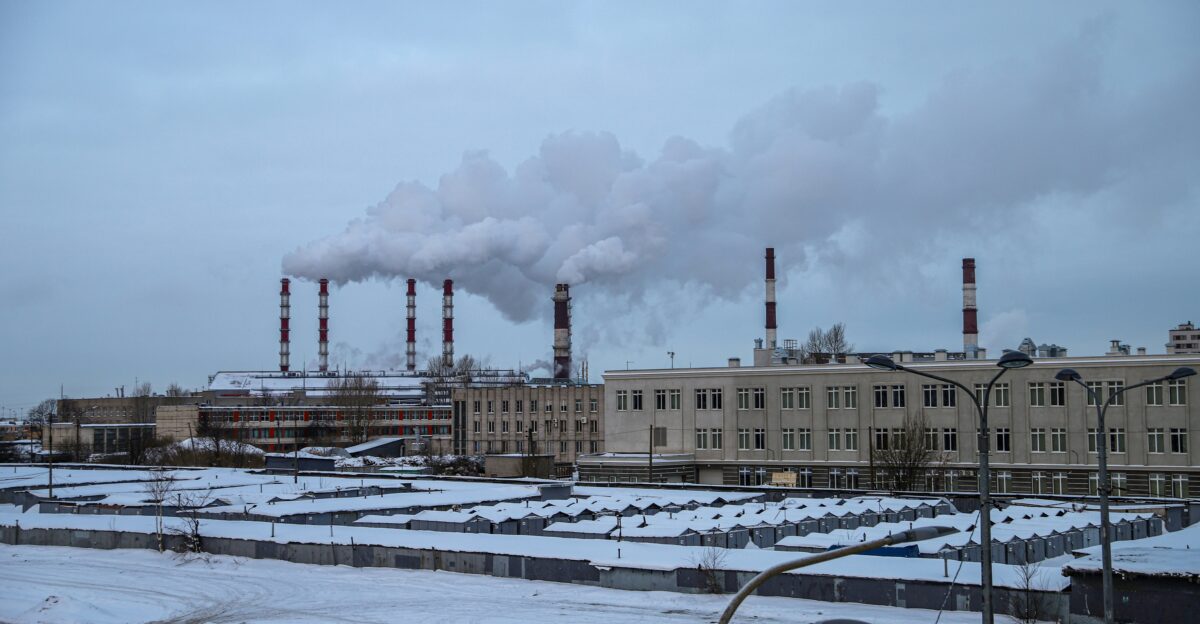
Russia’s refining sector faced mounting stress long before the latest strike. Previous attacks in August and October had already damaged critical processing units at Ryazan. An August 2 strike knocked out crude distillation units (CDUs), reducing capacity by approximately 80,000 barrels per day, roughly one-quarter of the plant’s output.
Repair efforts were underway when Ukraine struck again in late January. This pattern of rapid succession strikes means Russia cannot complete repairs before the next attack arrives, forcing permanent operational disruptions rather than temporary setbacks.
The Strike Confirmed
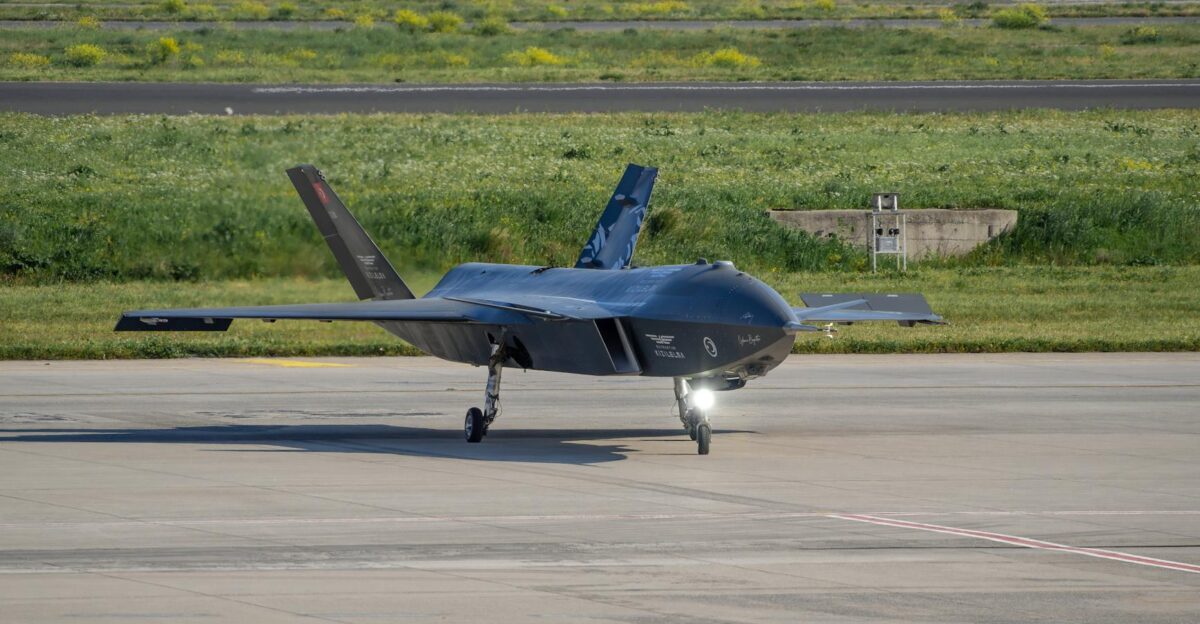
On the night of January 25-26, 2025, Ukrainian drones penetrated Russian air defenses and struck the Ryazan Oil Refining Company. Reuters reported that “explosions and fire were observed in the targeted area,” and Ukraine’s Defense Intelligence (GUR) corroborated this, publishing video evidence showing flames engulfing the facility.
Ryazan Oblast Governor Pavel Malkov confirmed the attack, stating that “drone debris sparked fires at an industrial facility” and that the railway loading system sustained damage. The damage was severe enough to halt crude processing operations entirely, resulting in a suspension lasting weeks.
Moscow’s Vulnerability Exposed
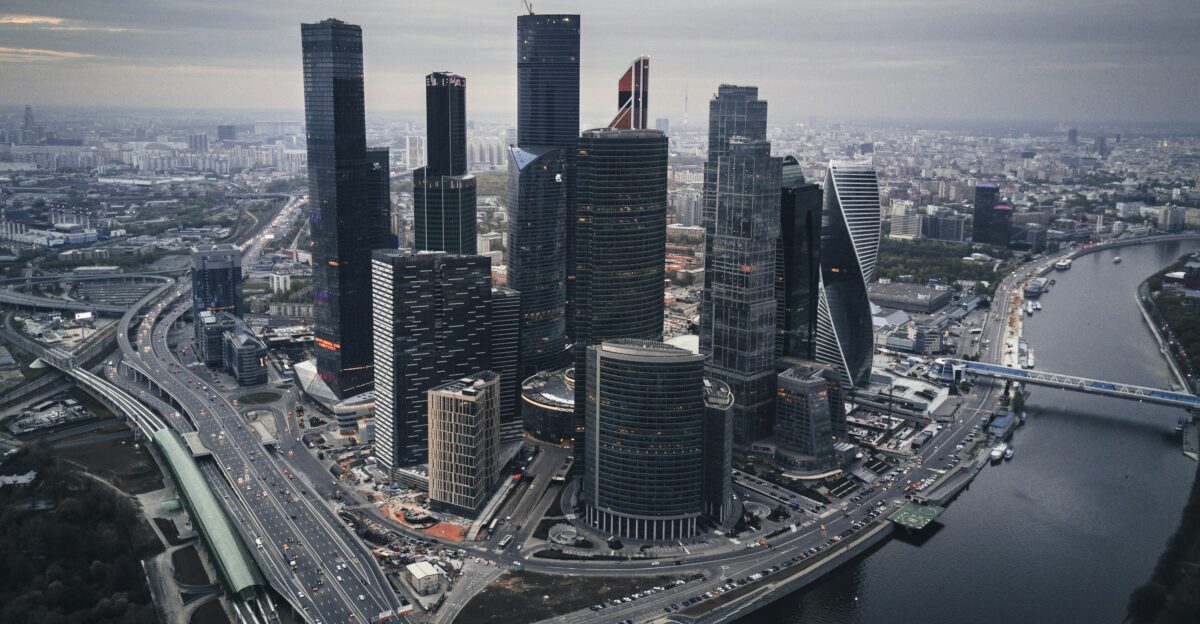
The Ryazan refinery sits 180 kilometers southeast of Moscow, close enough to supply the capital’s fuel demand but far enough that Ukraine must demonstrate extraordinary range and precision to reach it. The refinery is one of the four largest in Russia by capacity ranking and supplies critical products to central Russian regions.
A prolonged outage disrupts fuel distribution across the entire Moscow region. Governor Malkov’s public acknowledgment of damage and fire represents tacit confirmation that Russian air defenses failed to prevent the strike or minimize its impact. This isn’t very comfortable for Moscow’s narrative of control.
The Ripple Effect Spreads

When Ryazan shuts down, neighboring refineries must compensate, or regional fuel shortages emerge. Reuters reported that following the January 26 strike, refineries in Moscow, Nizhny Novgorod, and Yaroslavl were earmarked to supply fuel during Ryazan’s outage. However, those facilities are themselves under pressure from Ukrainian targeting.
By September 2025, fuel shortages had spread to 57 Russian regions, forcing Moscow to ban gasoline exports and impose rationing in remote areas. Crimea and Russia’s far eastern regions experienced the most severe shortages first, but by autumn, major population centers faced restrictions on pump use. This represents a human cost: ordinary Russians queuing for fuel while the Kremlin struggles to maintain supply stability.
Aviation Fuel on the Brink

Beyond civilian gasoline shortages, Russia faces a potentially more serious threat: a depletion of aviation fuel. Maxim Dyachenko, managing partner of Russia’s largest private fuel supplier Proleum, warned in early November that “the government is mixing summer diesel with kerosene to stabilize gasoline supply.” This stopgap measure risks driving up jet fuel prices and creating “fresh risks for the aviation sector.”
At a meeting chaired by Deputy Prime Minister Alexander Novak in late October, the government discussed imposing temporary price caps on jet fuel to prevent market collapse. The math is simple: Ryazan produces approximately 840,000 tons of aviation kerosene annually, a fuel that cannot be easily replaced from alternative sources.
The Math of Degradation
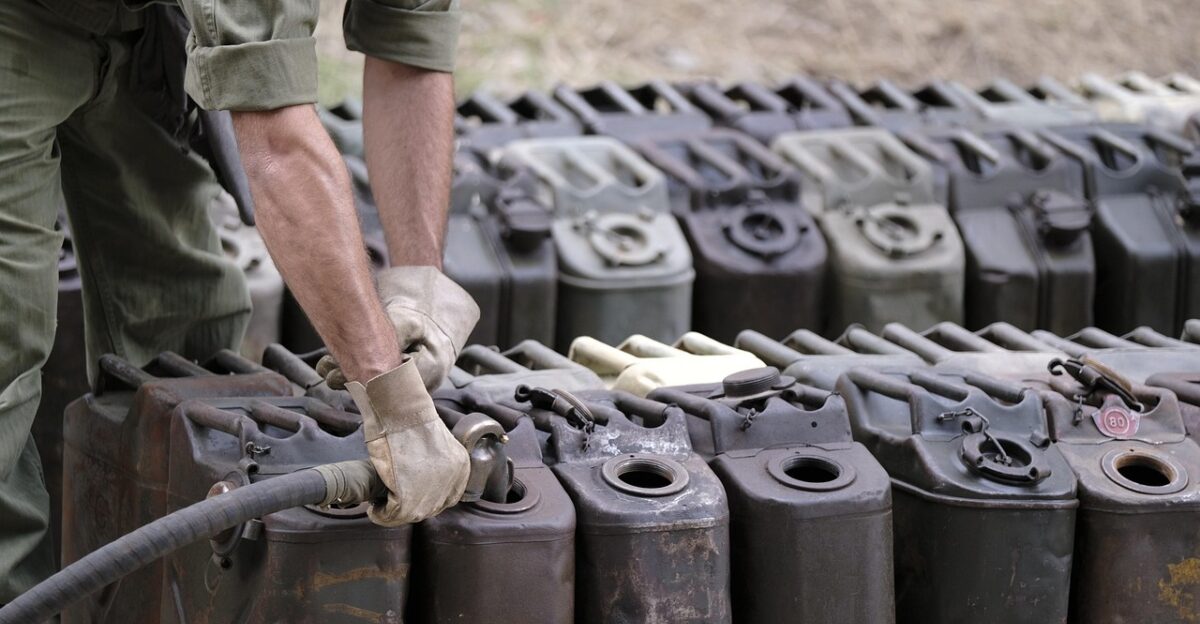
The aggregate impact of Ukraine’s strike campaign is staggering. According to OilX estimates, drone strikes have hit at least 30 Russian refineries, cutting oil processing volumes by 10% to 4.86 million barrels per day. Reuters calculations based on industry sources found that during peak attack periods from August to October, strikes combined with maintenance reduced Russia’s refinery capacity by 20 percent.
Yet overall, refining volumes declined by only 6%, meaning Russia is burning through emergency reserves at an accelerating pace. Ukrainian officials claim that strikes have disrupted fuel supplies to Russian forces by approximately 20 percent. If true, this represents a meaningful constraint on military logistics, though analysts debate whether it translates directly to operational impact on the front lines.
Fuel Revenue Collapse
While immediate military impact remains debated, the economic hemorrhaging is undeniable. Russia’s oil export revenues in October 2025 fell to 886 billion rubles ($11 billion), a 27% drop from the prior year. Over the first ten months of 2025, the Russian budget collected 2 trillion rubles ($24.6 billion) less than during the same period in 2024. More alarming: the monthly decline is accelerating (January-May: 14% loss; October: 21% loss).
Ukrainian analysts estimate that refinery strikes alone will cost Russia an additional 5.7 trillion rubles ($70.2 billion) in budget deficits by year-end, the most significant budget shortfall in Russia’s post-Soviet history. For Putin’s war machine, which depends on oil revenues to fund military spending, this economic degradation may prove as damaging as any battlefield loss.
Russian Officials in Damage Control
Russian responses to the Ryazan strike reveal internal friction over how to manage the crisis publicly. Governor Pavel Malkov initially downplayed the attack, claiming “no casualties” and “damage assessment underway,” using language that minimizes acknowledgment. However, industry sources told Reuters that the refinery had “halted all operations” and that “railway loadings have ceased.” This gap between official statements and operational reality exposes a credibility problem.
Behind closed doors, meetings chaired by Deputy Prime Minister Novak discussed emergency measures, including temporary jet fuel price caps and mandatory blending of kerosene into diesel measures that would never be announced as “crisis responses” but rather as “routine adjustments.” The Kremlin cannot afford to admit the scale of the damage without weakening public confidence in state institutions.
Strategic Pivot: Repeat Targeting
Ukrainian strategy has evolved from seeking new targets to maximizing damage on existing ones. Kpler analyst Nikhil Dubey noted that “what were previously sporadic strikes intended to inflict damage have evolved into a sustained campaign to prevent refineries from stabilizing.” The Ryazan facility exemplifies this pattern: hit in January, hit again in August (knocking out 25 percent capacity), shot again in October, and struck multiple times throughout November and December.
Ukraine is deliberately targeting specific processing units, particularly crude distillation units (CDUs) and atmospheric vapor recovery (AVR) units, that are expensive and time-consuming to repair. By preventing complete repairs between strikes, Ukrainian forces prolonged closures rather than rapid restoration. This is industrial warfare at its most calculated.
Russia’s Attempted Workarounds
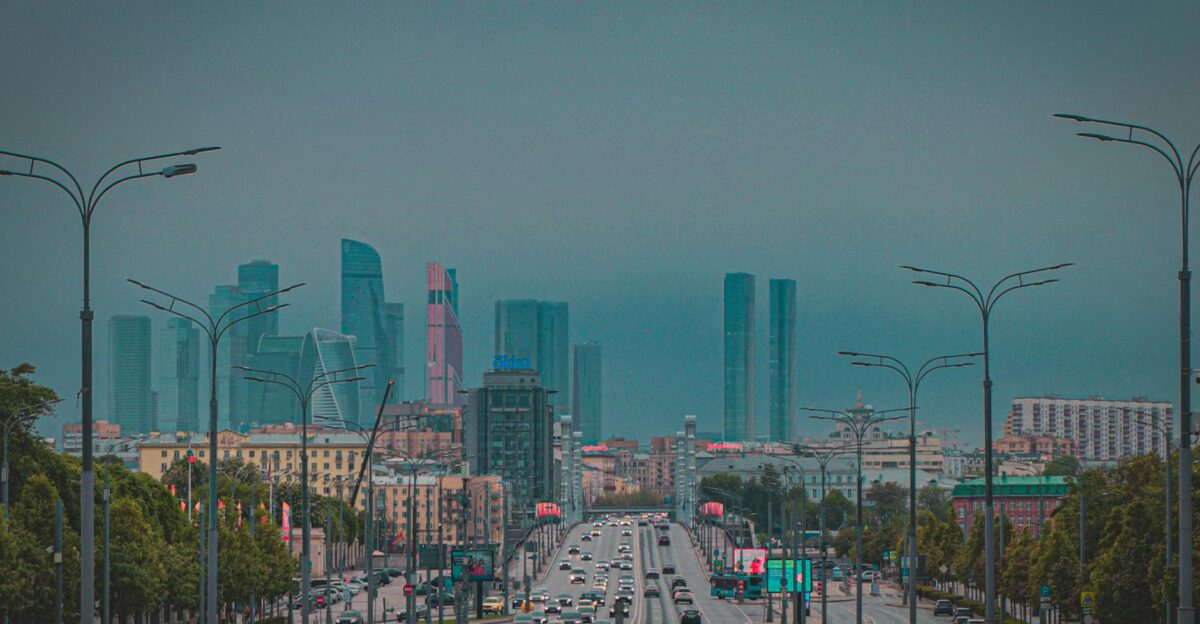
Rather than admitting defeat, Russia has implemented partial compensatory measures. According to Reuters, Russia is using “spare refining capacity” at less-damaged facilities to offset losses from Ryazan and other plants struck by attacks. Some facilities deliberately operate at reduced throughput to preserve capacity reserves. Russia has also negotiated crude exports through alternative routes: Arctic tanker routes to China now add weeks to delivery times but bypass Ukrainian air-strike risk zones.
Additionally, Russia is importing refined fuels from India and Belarus to supplement domestic shortages. These workarounds are expensive and inefficient, but they buy time. However, analysts question whether these measures can sustain Russia’s war economy indefinitely without fresh capital infusions from China or other partners.
Expert Skepticism Mounts
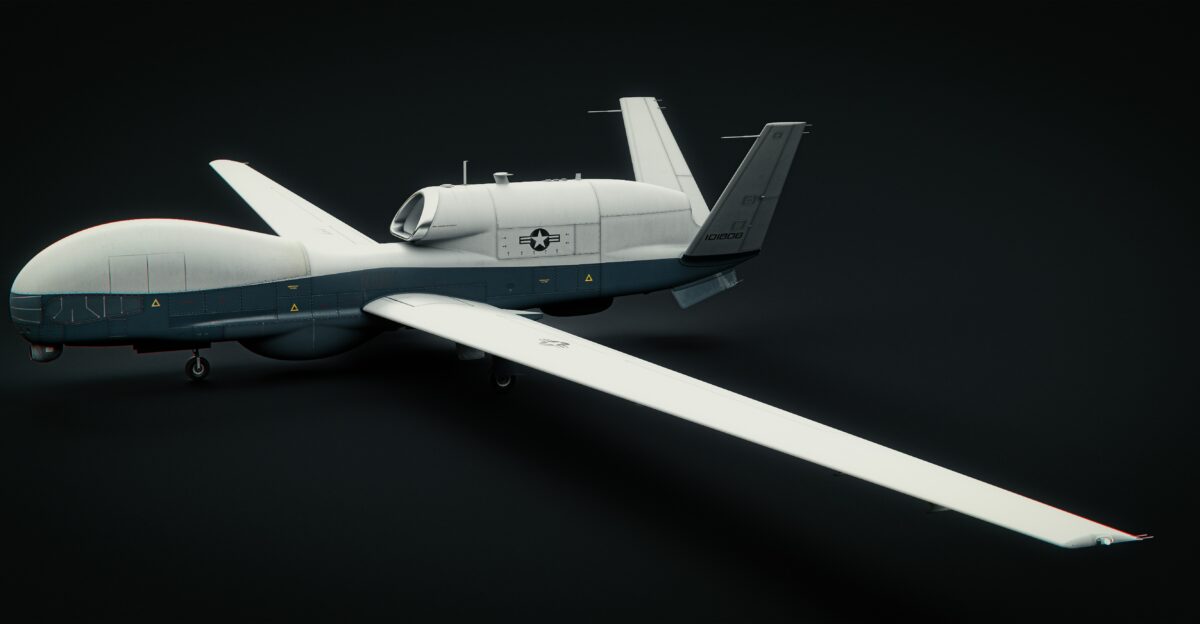
Even Russia’s own advisors are expressing doubt about recovery. Independent analyst Boris Aronstein stated that Ukrainian strikes had caused “the most severe crisis in recent years,” adding that “the size, coordination, and repeated waves of drones make Russia unable to repair refineries before the next attack occurs.” Ukrainian Commander-in-Chief Oleksandr Syrskyi asserted that “the capacity of Russia’s military-industrial complex has been significantly diminished” due to fuel disruptions. However, analysts caution against overstating military impact.
Oxan research noted that “Russia’s military depends primarily on diesel and aviation fuel, both of which are still adequately supplied, thus frontline logistics remain largely unaffected for now.” The real threat is long-term: if disruption persists into 2026, and if Russia cannot secure fresh capital or energy investments, compounding shortages could force strategic compromises that no amount of tactical adaptation can overcome.
The Forward Question
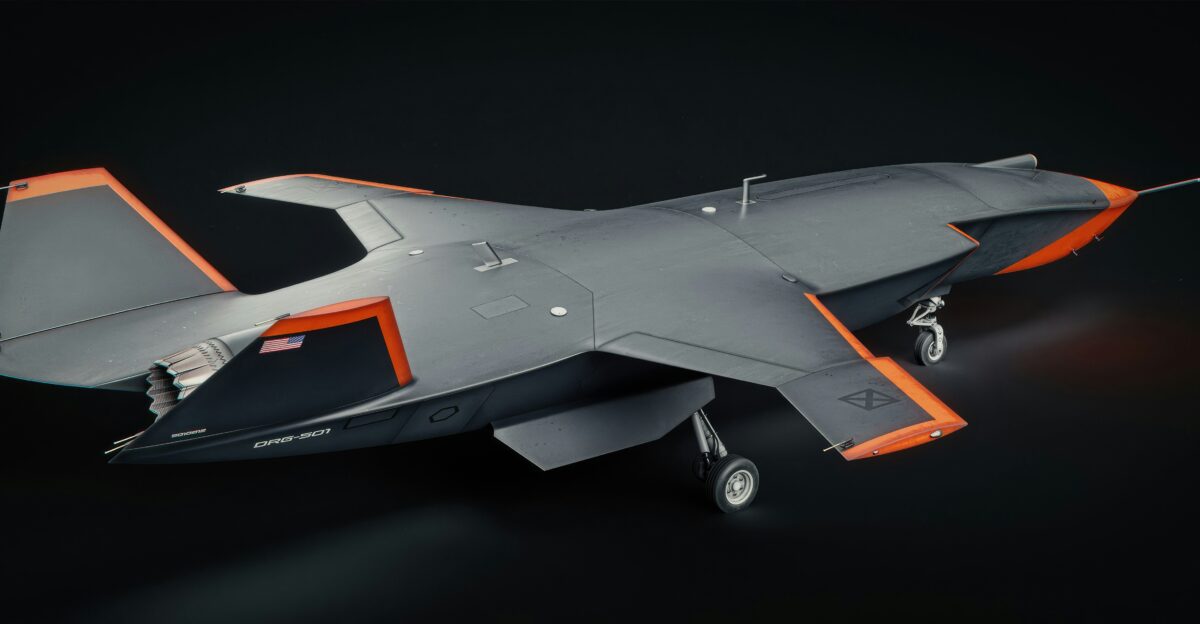
The January 26, 2025, strike on Ryazan represents Ukraine’s most ambitious campaign to date: nearly 200 attacks on Russian energy infrastructure in 2025 alone, with Ukrainian intelligence claiming almost 160 successful strikes by late October. The International Energy Agency projects that Ukrainian attacks will suppress Russia’s refinery processing rates “until at least mid-2026.”
As Ukraine develops new domestically produced long-range missiles with expanded range and payload capacity, and as winter demand for heating fuel strains Russian reserves further, a critical question emerges: Can Russia’s economy sustain another year of near-daily strikes while simultaneously funding a war costing an estimated $300 billion annually? If Ukraine maintains this tempo, the answer may determine whether Russia’s war economy fractures before Ukrainian military resolve does, making the Ryazan refinery not just a strategic asset, but a symbol of whether the Kremlin’s ability to wage war through economic attrition becomes the war’s decisive variable.
Sources:
Reuters: Ukraine’s military says it downed 50 Russian drones, attacked big oil refinery
Reuters: Russia’s Ryazan oil refinery halts operations after drone strikes
Reuters: Russia using spare oil refining capacity to offset Ukrainian drone damage
Kyiv Independent: Russia’s Ryazan oil refinery in flames after drone strike
CNN: Ukraine’s gloves are off in its energy war with Russia
Euromaidan Press: Frontline report: Ukraine’s drone campaign pushes Russia’s fuel infrastructure to the brink