Gunfire shattered a routine military engagement in Palmyra, Syria. A U.S. delegation had just arrived for a scheduled leader meeting when shots rang out from a nearby building. Within minutes, two American soldiers and a civilian interpreter were dead.
Three more service members lay wounded. Partner forces returned fire and killed the attacker. It was over almost as quickly as it began—but the consequences were immediate. These were the first U.S. combat deaths in Syria in six years.
Escalating Threats
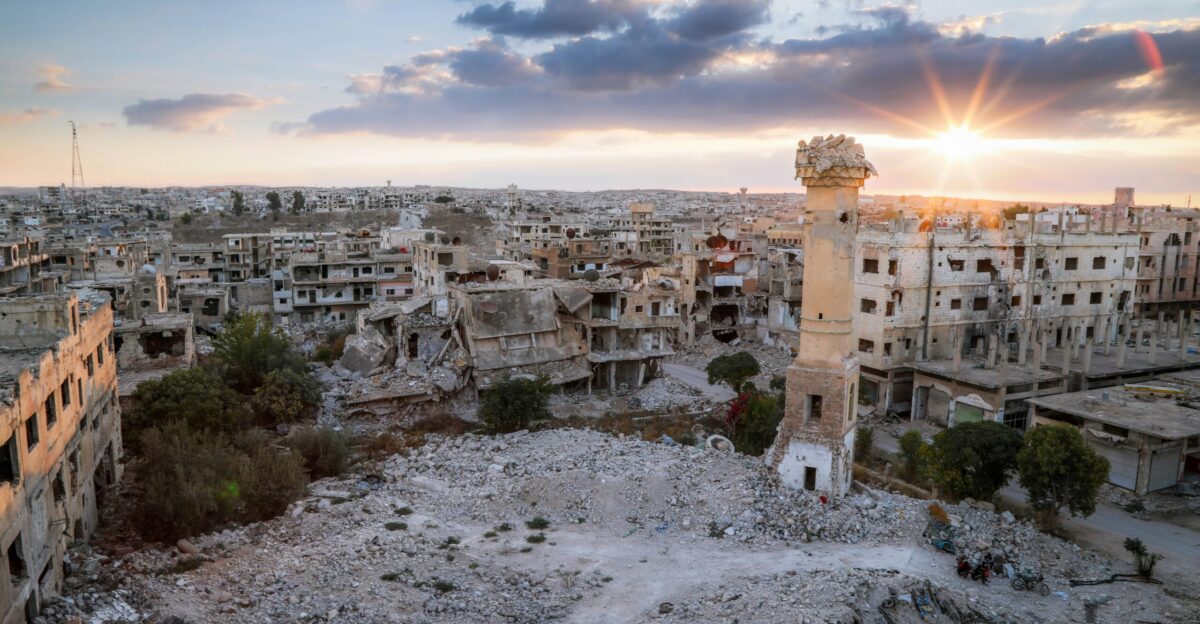
The attack exposed how ISIS threats persist despite the group’s territorial defeat in 2019. Sleeper cells continue to operate across central Syria, exploiting security gaps and local instability.
The ambush near Palmyra highlighted vulnerabilities during joint operations with local partners, especially during fixed engagements. President Donald Trump labeled the attack an ISIS-linked act and vowed retaliation. The question now is whether current security arrangements are sufficient to protect U.S. forces operating in contested terrain.
Syria’s Turbulent History
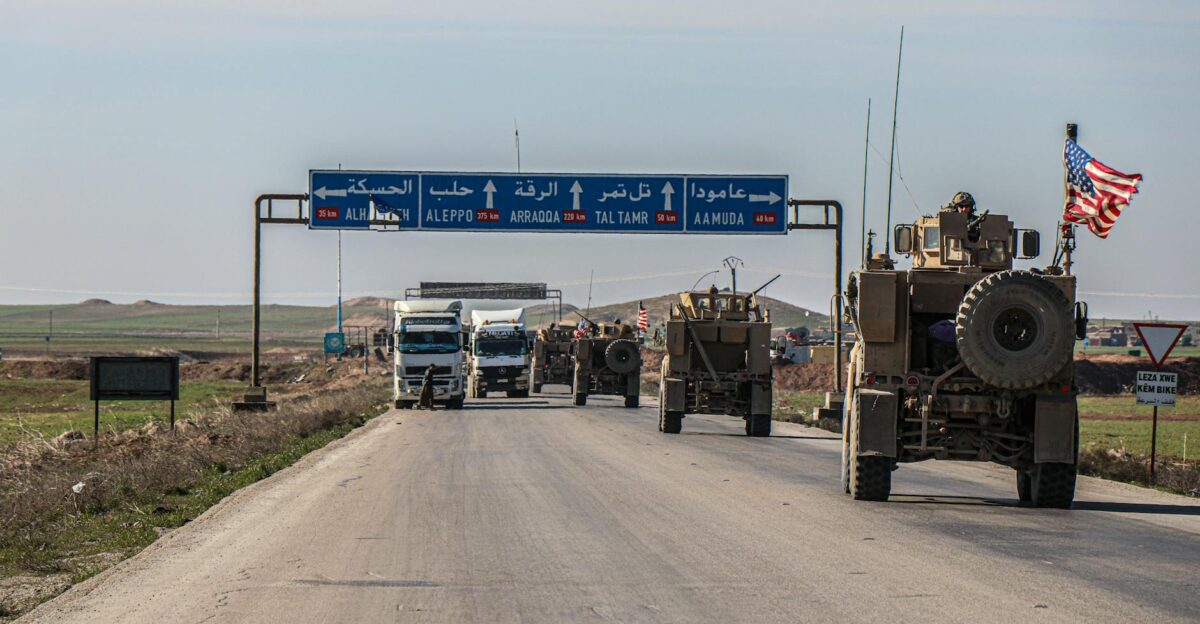
U.S. troops entered Syria in 2014 to dismantle ISIS alongside the Syrian Democratic Forces. By 2019, the group’s territorial “caliphate” had collapsed.
Before this weekend, ten U.S. military deaths had occurred in Syria, a mix of hostile and non-hostile incidents. The most recent was a non-hostile death in February 2022. Bashar al-Assad’s removal last year reshaped Syria’s political landscape—but it did not eliminate ISIS remnants operating in the shadows.
Mounting Pressures
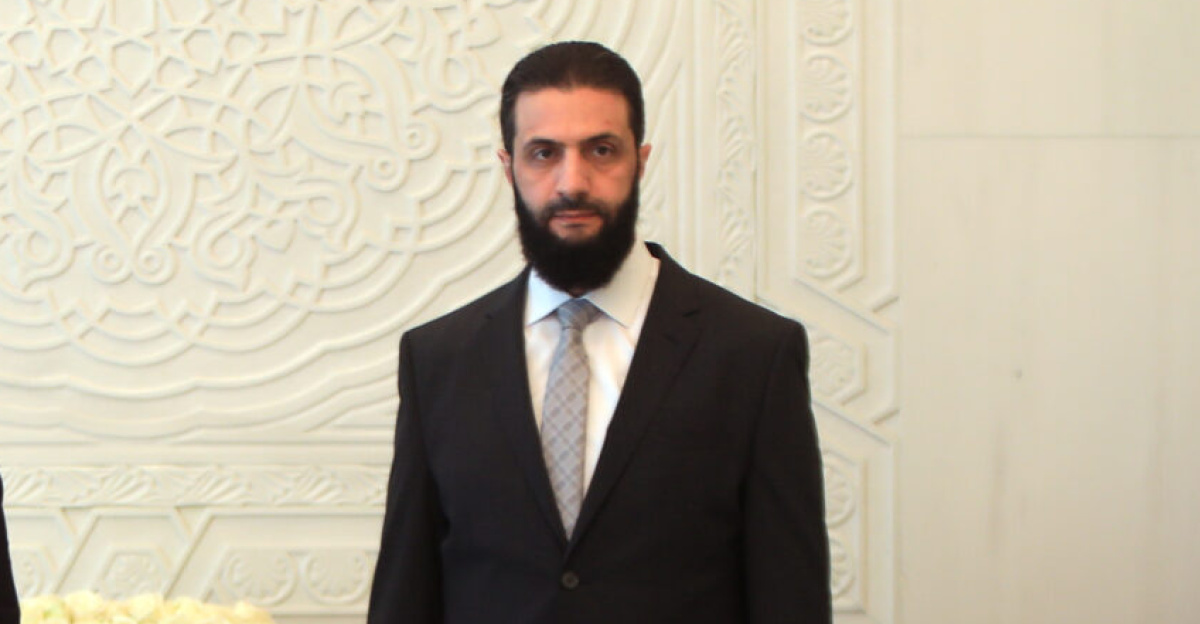
Syria’s transitional government, led by President Ahmed al-Sharaa, has pledged cooperation with U.S. counter-ISIS operations. Yet large swaths of the Badia desert remain difficult to secure.
CENTCOM reported the destruction of more than 15 weapons caches containing ISIS ordnance, indicating active ISIS military activity in the region. Roughly 900 to 1,000 U.S. troops remain deployed across Syria, relying on local partnerships to operate. The Palmyra attack raised concerns about whether these alliances can reliably prevent insider or proximity-based threats.
Trump Vows Retaliation
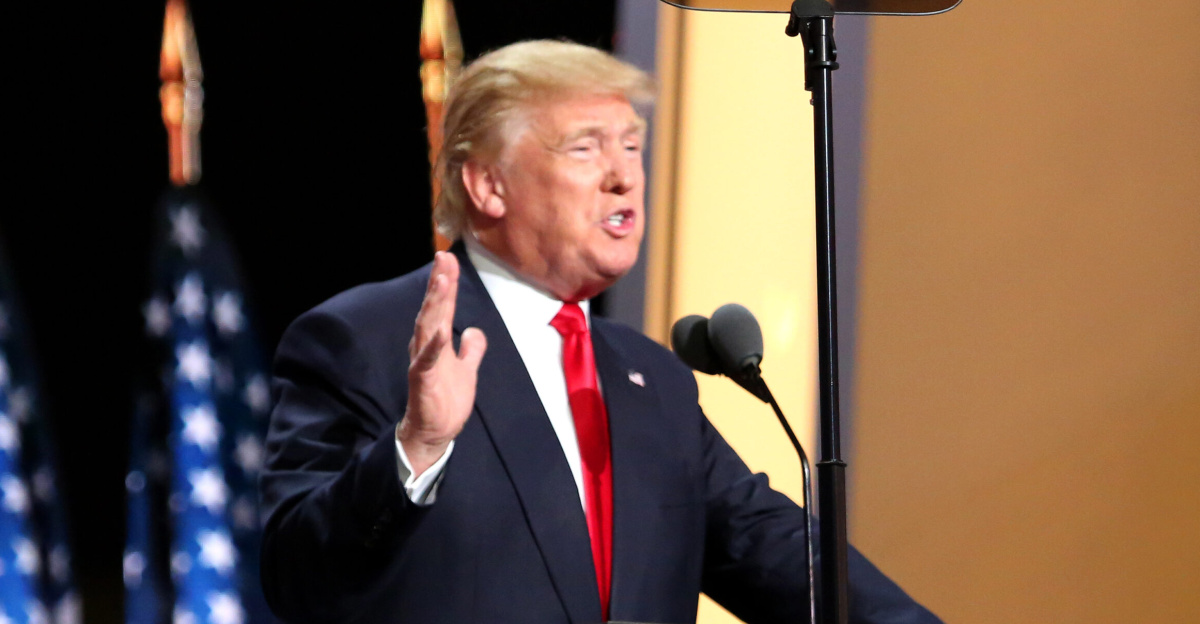
On Saturday, December 14, 2025, a lone gunman opened fire on a U.S. delegation in Palmyra. Two American soldiers and a civilian interpreter were killed before partner forces neutralized the attacker.
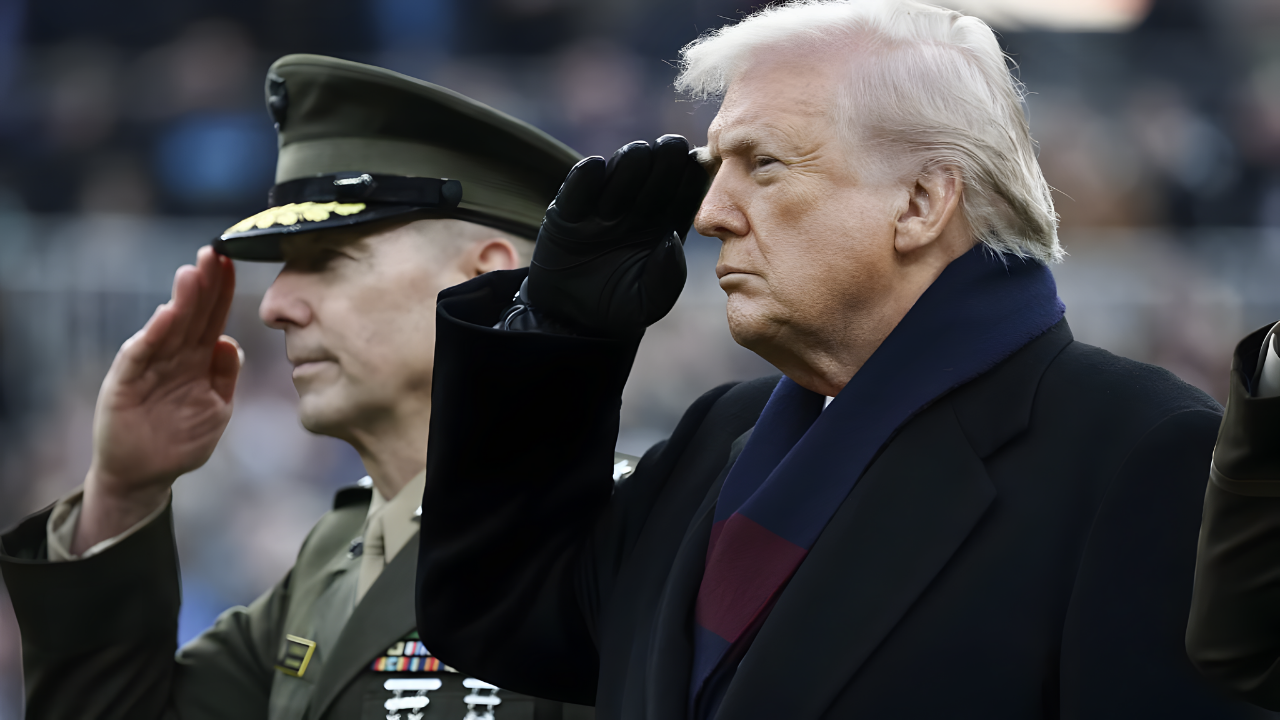
After receiving a briefing from Defense Secretary Pete Hegseth, President Trump promised “very serious retaliation.” It marked the first U.S. combat deaths of Trump’s second term—and immediately placed Syria back at the center of U.S. national security focus.
Regional Fallout
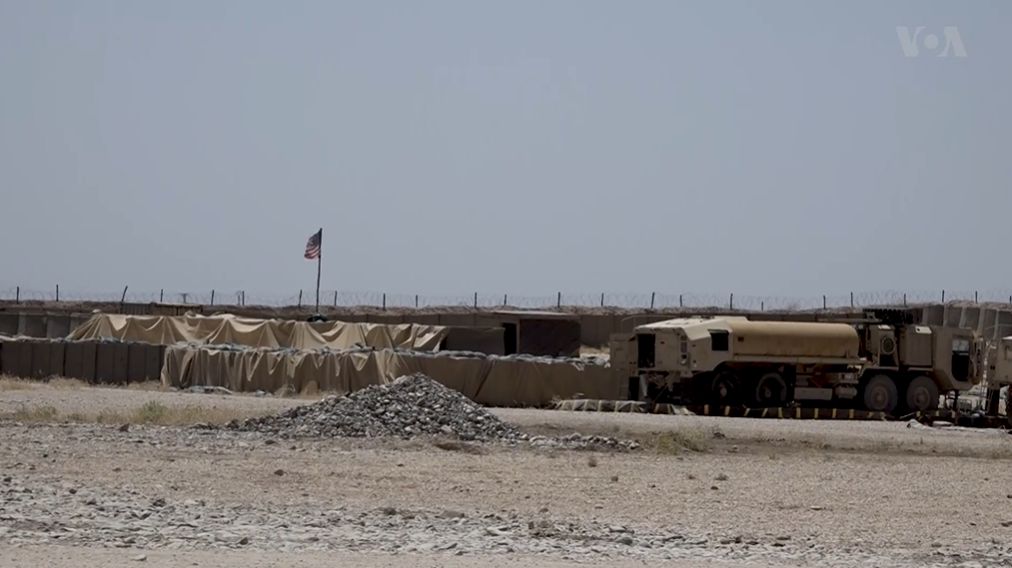
The attack occurred in Syria’s Homs province, near the ancient city of Palmyra. In the hours that followed, U.S. aircraft were observed dropping defensive flares over the region.
Wounded personnel were evacuated by helicopter to the Al-Tanf base, underscoring rapid-response readiness. Central Syria remains a volatile operating environment where joint patrols and engagements carry elevated risk. The ambush reinforced how quickly routine missions can escalate into lethal incidents.
Human Toll
Among the dead were Iowa National Guard soldiers, according to Senator Joni Ernst, who described the loss as deeply personal for the state. President Trump said the wounded service members were “doing pretty well” as they received treatment.
The Department of Defense withheld the names of the fallen for 24 hours to notify families. Behind every briefing and statement, three American families were suddenly confronting irreversible loss.
Operational Reality
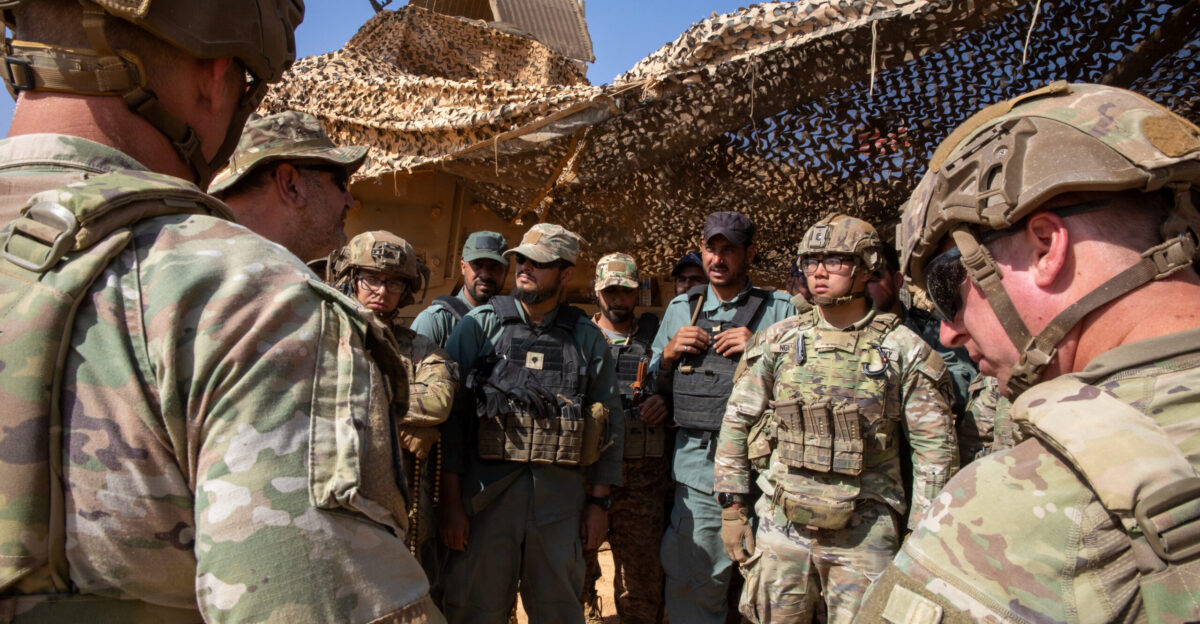
U.S. Central Command confirmed that approximately 900 to 1,000 U.S. troops remain in Syria conducting counter-ISIS missions. These operations depend heavily on coordination with Syrian transitional forces and local partners.
Investigators are examining whether the attacker had ideological or logistical links to ISIS networks. While partner forces ultimately stopped the gunman, the incident raised urgent questions about vetting, perimeter security, and intelligence sharing during sensitive engagements.
A Six-Year Gap Ends
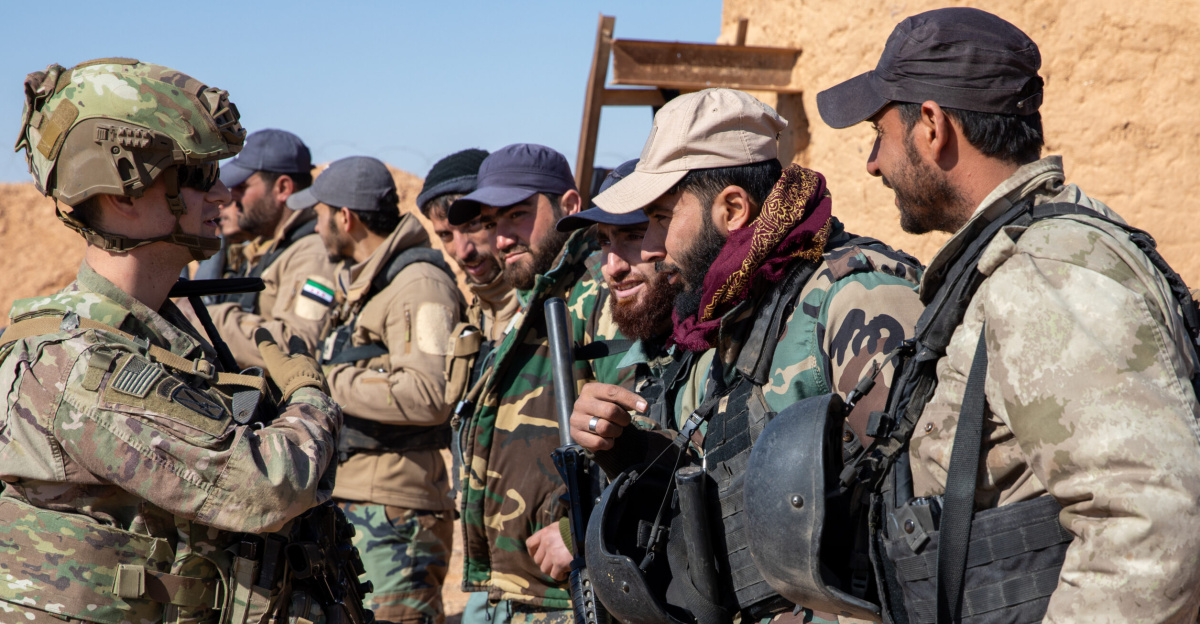
The Palmyra ambush ended a six-year period without U.S. combat deaths in Syria. The last such incident occurred in 2019, when a suicide bombing in Manbij killed four Americans.
Despite the collapse of ISIS territorial control, detainees remain held by the SDF in detention facilities and camps throughout northeast Syria, and coalition operations continue. The attack challenged assumptions that U.S. involvement had shifted into a lower-risk phase.
Investigation Underway
Syrian authorities quickly launched an investigation, arresting five suspects linked to the attack. Officials are examining how the gunman accessed a position near the meeting site and whether he acted alone.
The interim Syrian government reaffirmed its commitment to joint counter-terror operations with the United States. For U.S. commanders, the incident triggered a broader review of engagement security protocols across the country.
Stakeholder Responses

U.S. officials attributed the attack to ISIS-linked activity, while Syrian authorities pledged a full investigation. President Ahmed al-Sharaa publicly condemned the ambush, calling it unacceptable and destabilizing.
Despite heightened tensions, U.S.–Syrian security coordination continues. Both sides emphasized shared interest in preventing ISIS resurgence. The alignment appears intact—for now—but trust and verification have taken on renewed urgency.
Leadership Reaction
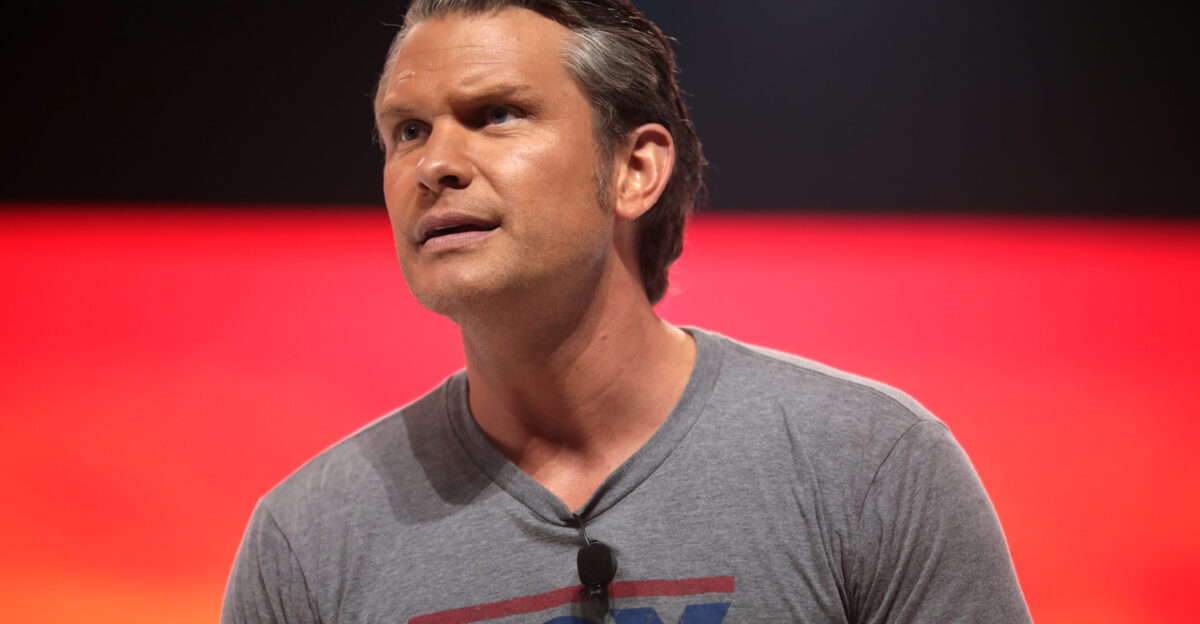
Defense Secretary Pete Hegseth briefed President Trump shortly after the attack, confirming that partner forces killed the shooter. Trump praised cooperation with the Syrian transitional government while reiterating his promise of retaliation.
President al-Sharaa echoed condemnation of the violence. Public unity among leaders contrasted with private concerns about how a lone gunman penetrated security during a high-level engagement.
Tactical Response
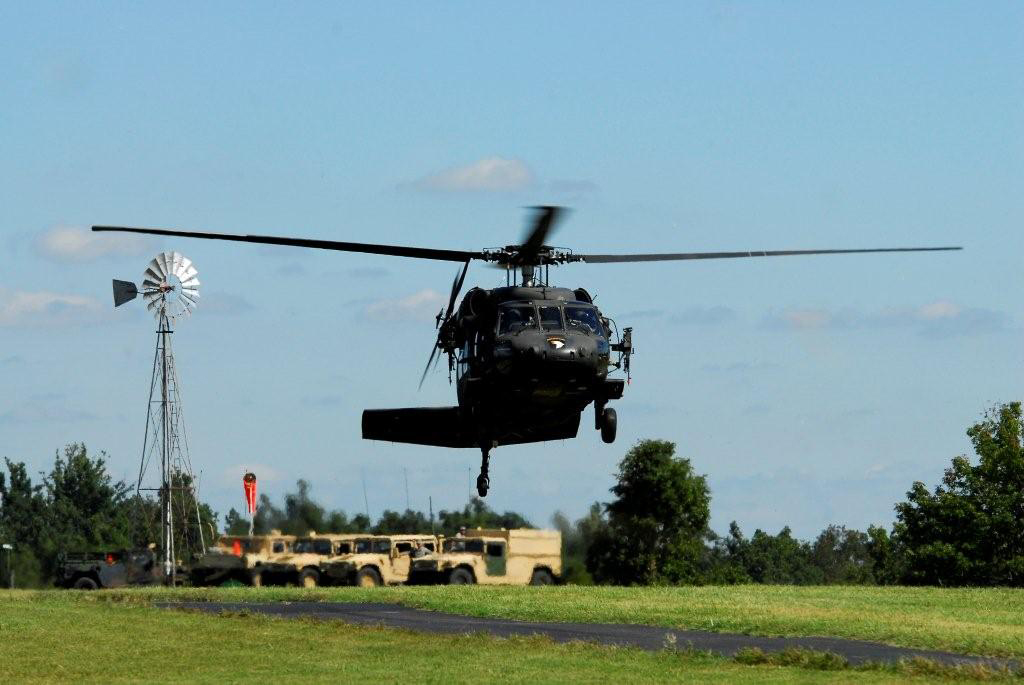
U.S. helicopters evacuated wounded personnel under security cover, while partner forces secured the area. Military planners emphasized continuity of operations, even as force protection measures were reviewed.
CENTCOM reported the destruction of more than 15 weapons caches containing ISIS ordnance, reinforcing assessments that ISIS remains operationally capable. The immediate tactical response was swift—but strategic questions about deterrence and exposure lingered.
Expert Doubts
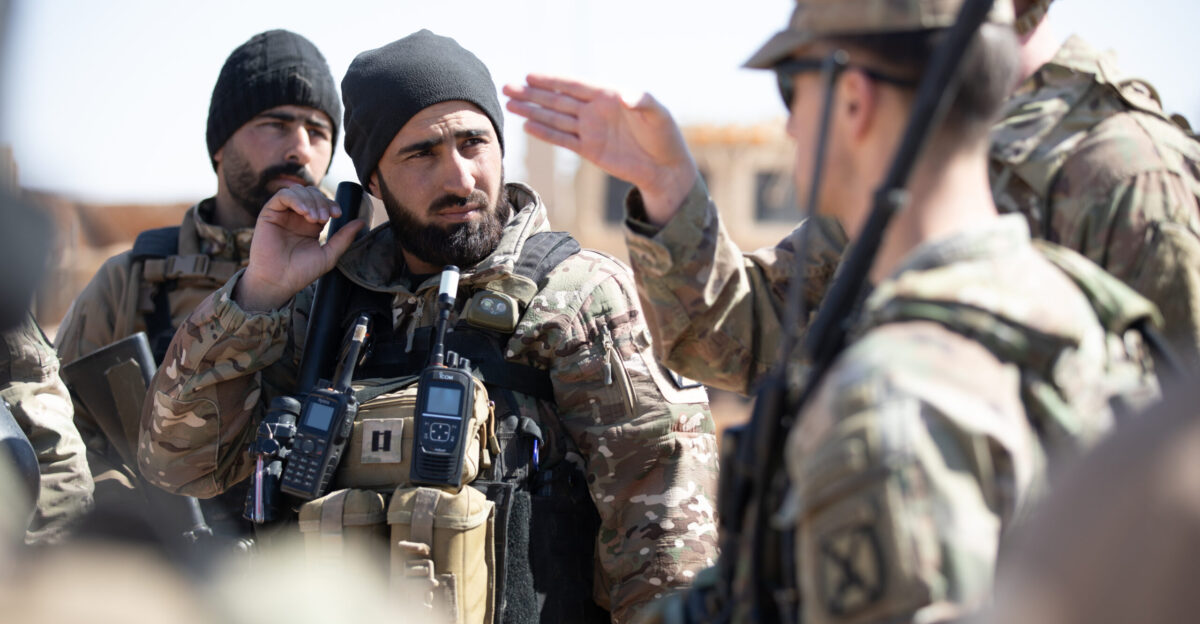
On December 12, 2025, the defense policy organization Defense Priorities called for immediate U.S. withdrawal from Syria, arguing that troops were left exposed long after their mission concluded.
Analysts contend that American forces remain vulnerable in an open-ended deployment without a clear exit strategy. Critics question whether the risks to U.S. personnel outweigh the marginal gains of continued presence. The Palmyra attack intensified scrutiny of a mission many believed had already wound down.
What Comes Next
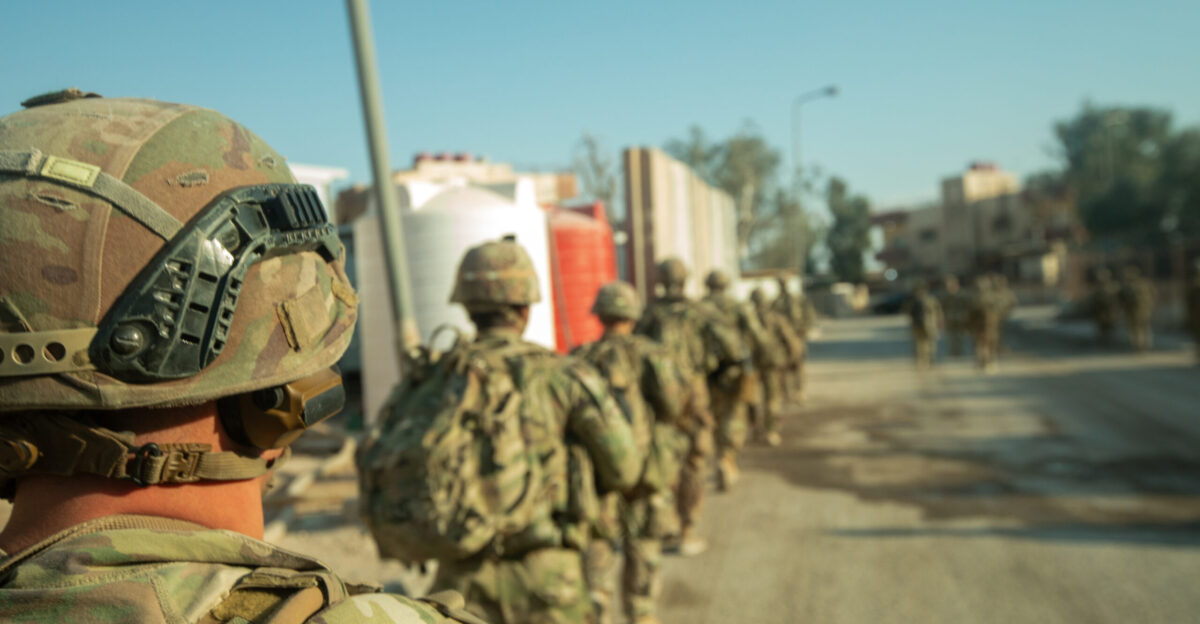
President Trump’s retaliation pledge now tests his second-term foreign policy approach. Options range from targeted strikes on ISIS cells to adjustments in troop posture.
Cooperation with Syria’s new government offers one pathway, but security concerns complicate deeper engagement. Each decision carries tradeoffs—between deterrence, escalation, and withdrawal.
Policy Ripples
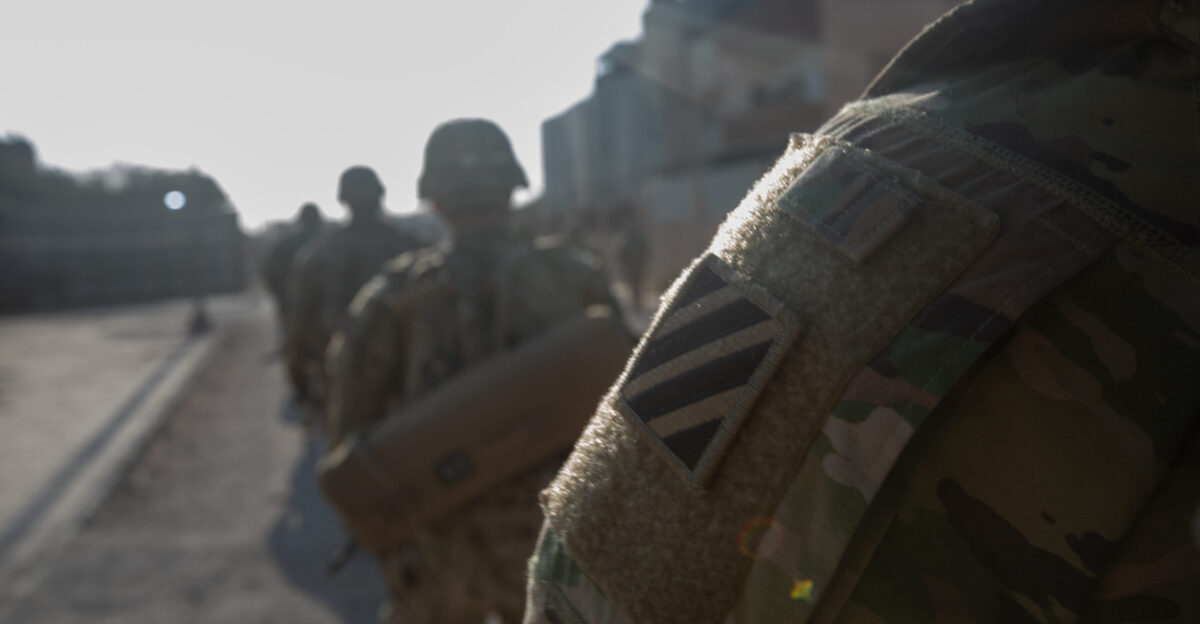
The ambush sharpened debate over Trump’s long-stated opposition to “endless wars.” While operations continue, bipartisan voices are calling for a reassessment of U.S. commitments in post-Assad Syria.
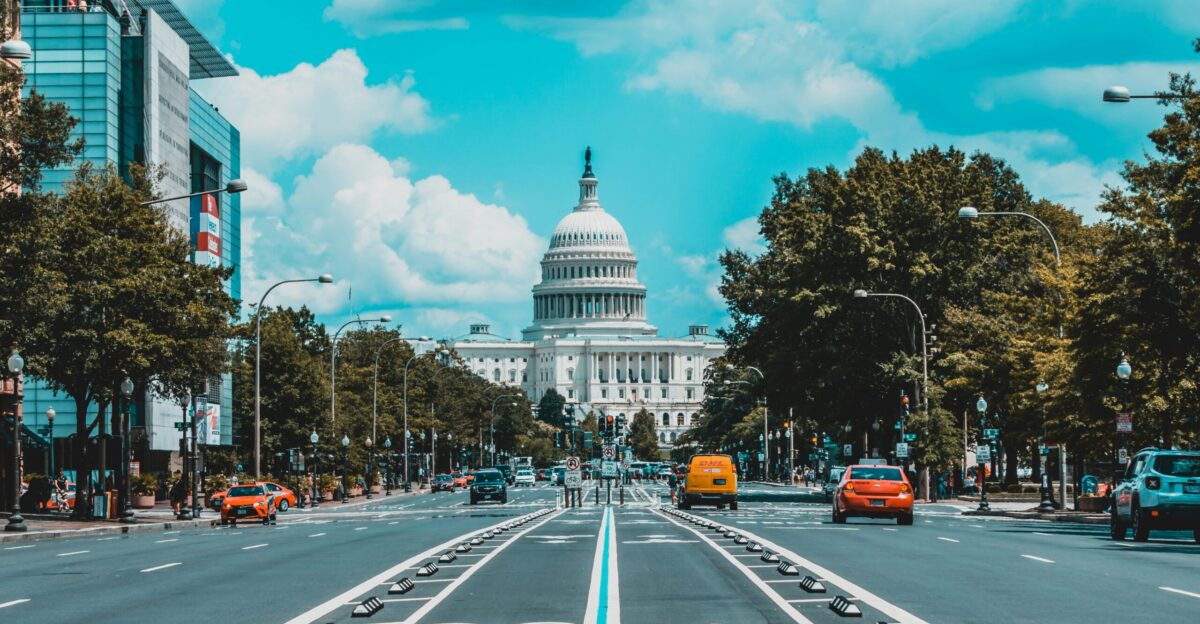
Lawmakers face a familiar dilemma: balancing counter-terror objectives with public fatigue over distant conflicts. The incident forced that debate back into the spotlight.
Global Echoes
Regional actors are closely watching how Washington responds. Joint patrols with transitional Syrian forces continue under heightened scrutiny.
ISIS-linked groups elsewhere may test perceived openings created by political transitions. Allies and adversaries alike are measuring whether the attack strengthens U.S. resolve—or exposes limits to its reach.
Security Probes
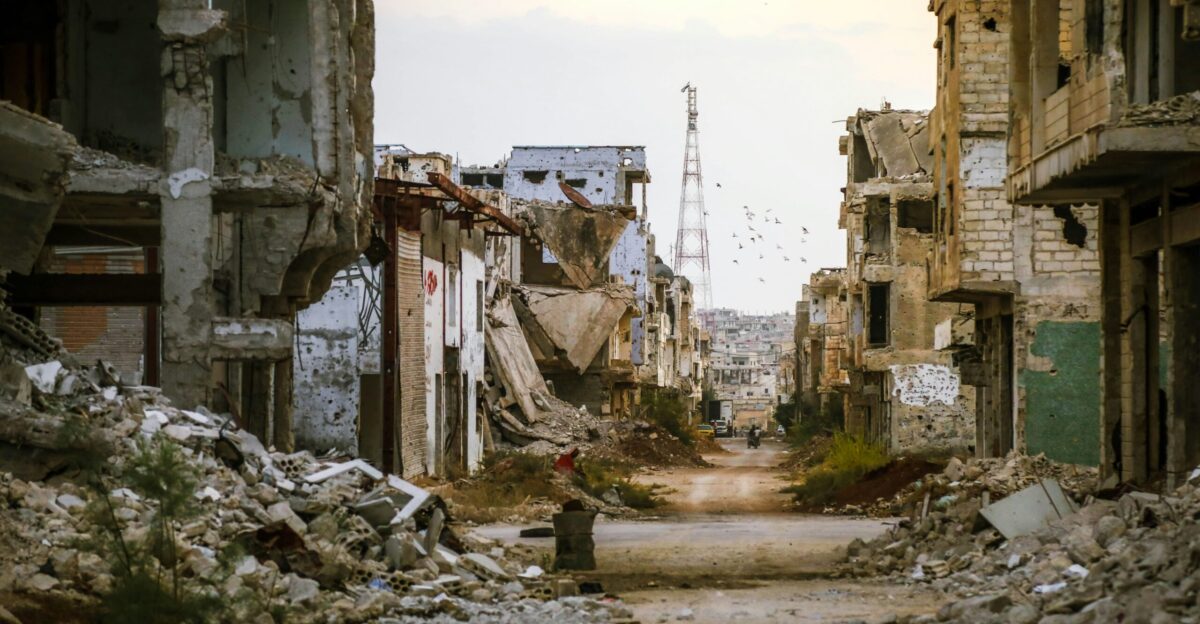
Syrian officials stated the attacker did not hold an active security position at the time of the incident, though investigators are examining his reported previous connections to Syrian security services.
Authorities are assessing ideological links and logistical support, while the Syrian Observatory for Human Rights tracked the incident independently. For U.S. forces, the episode underscored how quickly localized failures can carry strategic consequences.
Shifting Perceptions
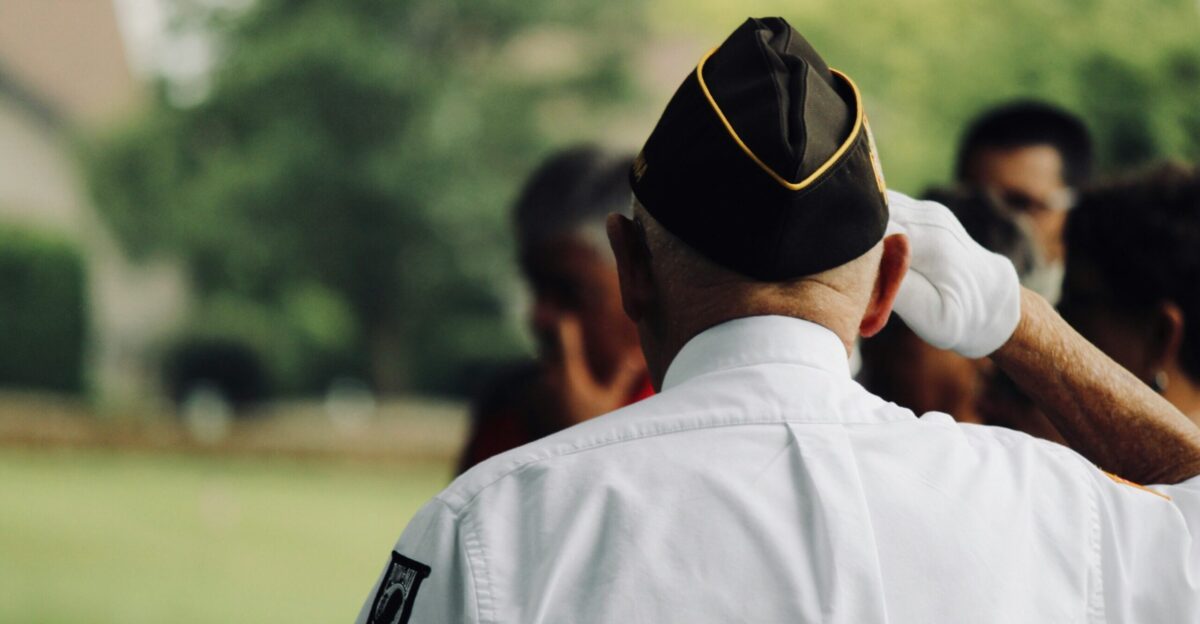
The deaths of National Guard members brought the conflict home for many Americans. Veterans and families debated mission creep and long-term risk.
Older generations largely supported retaliation, while younger Americans questioned continued deployment. The human cost reignited a broader conversation about the ethics and limits of overseas military commitments.
Signals Forward
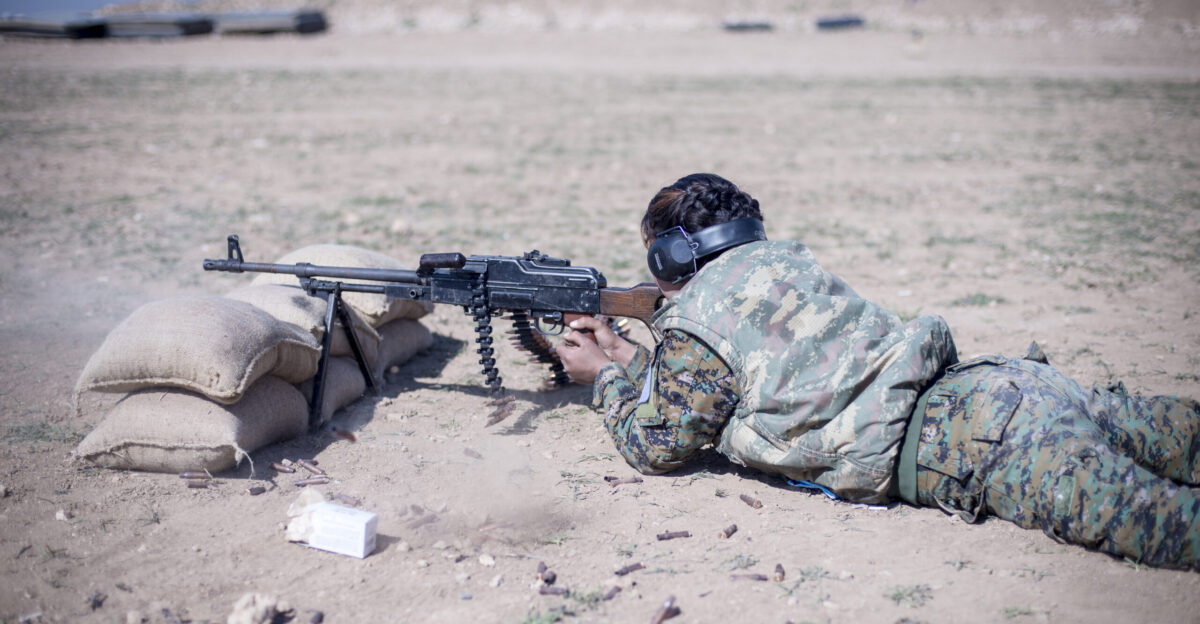
The Palmyra ambush sent a clear signal: ISIS remains capable, alliances remain fragile, and U.S. forces remain exposed. Retaliation may follow—but so may renewed calls for withdrawal.
As Syria enters a new political chapter, Washington faces a familiar question with renewed urgency: how long can risk persist without a defined end?
Sources:
Al Jazeera — “Syria arrests five, Trump vows retaliation after Americans killed in Palmyra” (December 13, 2025)
BBC News — “Three Americans killed by IS gunman in Syria, US military confirms” (December 13, 2025)
PBS NewsHour — “2 U.S. service members, 1 civilian killed in ambush in Syria” (December 13, 2025)
Iowa Governor’s Office / Senator Joni Ernst Statements (December 12-13, 2025)
Defense Priorities — “No more American deaths in Syria—bring U.S. troops home now” (December 13, 2025)