
Decades ago, presidents promised policies that would help Americans prosper. The truth? Many decisions continue to bankrupt families, fill prisons, and concentrate wealth in fewer hands. From the 1930s housing policies creating a $240,000 racial wealth gap to the 1971 initiatives that created 25% of the world’s prisoners, the effects are ongoing.
Some policies are famous, others quietly devastate. Either way, they’ve shaped paychecks, neighborhoods, and freedoms today. The following ten policies reveal how decades-old decisions continue to disrupt the American dream.
Presidential Legacies Aren’t Just History
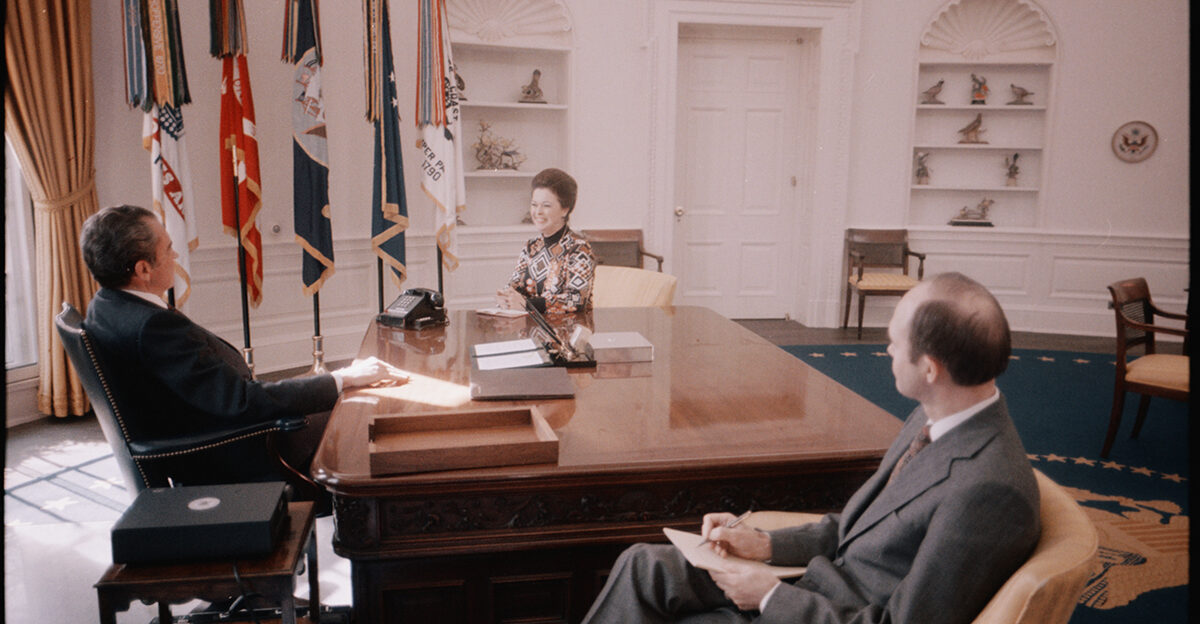
When presidents sign laws, they’re shaping more than headlines—they reshape generations. These ten policies transferred wealth, incarcerated millions, decimated neighborhoods, and tilted opportunities irreversibly.
The worst part? They remain active. Still harming. Still compounding. The following examples demonstrate that decisions made before many readers were born continue to shape paychecks, neighborhoods, and freedom today, with lasting effects that span decades.
How “Reform” Became Destruction

Many policies were sold as improvements: welfare reform, immigration reform, tax reform, and banking deregulation. The promise of “progress” masked harm. Priorities favored ideology, corporate interests, and short-term gains over evidence and long-term stability.
Politicians rebranded damage as progress. By the time consequences became visible, 20 years had passed, and the harm was permanent. These examples illustrate the danger of trusting labels over outcomes.
Spanning Decades, Crossing Party Lines
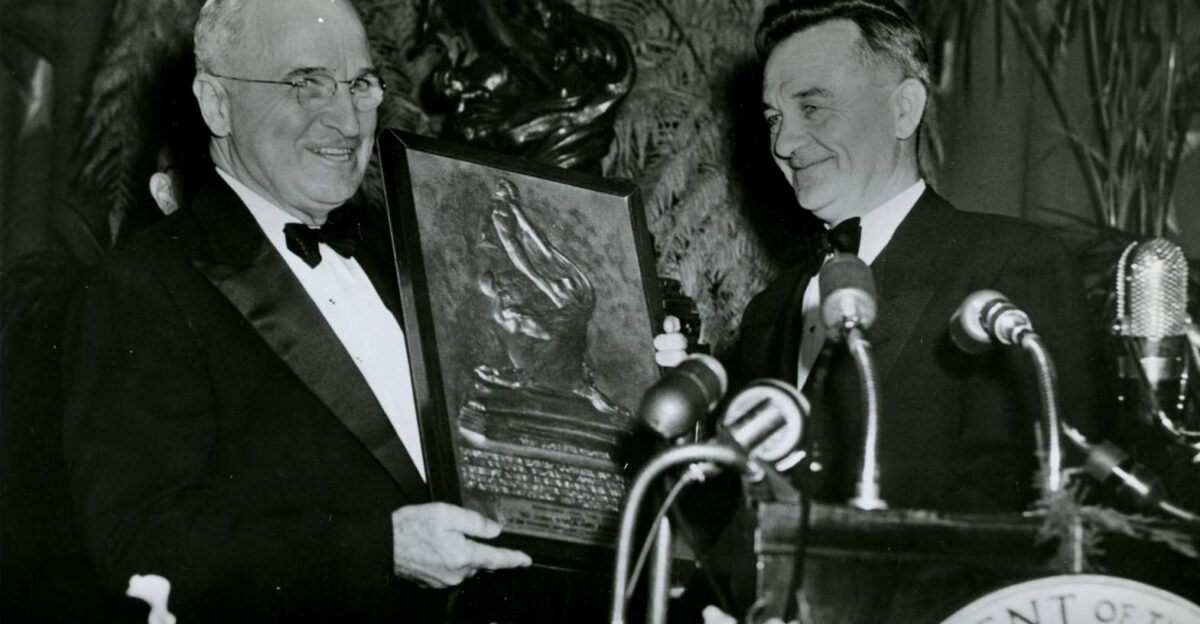
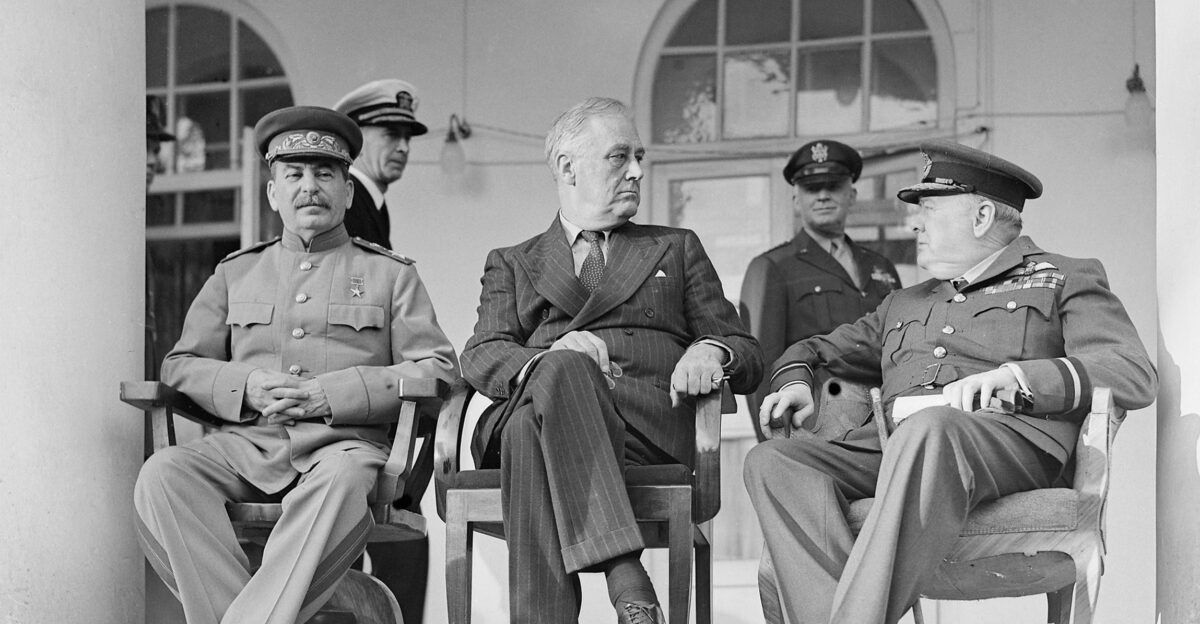
From the 1930s to 1999, seven U.S. presidents—both Democratic and Republican—signed into law harmful policies. FDR-era, Truman, Clinton, Eisenhower, Nixon, Reagan, and Bush Sr. all contributed.
It’s not partisan blame. It’s a bipartisan disaster rooted in prioritizing power, money, or ideology. The pattern reveals that catastrophic decisions aren’t random—they reflect systemic incentives that prioritize human welfare.
The Criteria That Shocked Us

We ranked policies by the ongoing harm they cause, including dollars lost, people affected, impact duration, and the acceleration of damage. Some affected millions directly, others created systemic traps that persist across generations.
The outcome: ten policies so damaging and persistent that most Americans don’t realize their lives remain shaped by decisions made 50–90 years ago.
You’re About to See the Invisible Hand Controlling Your Life
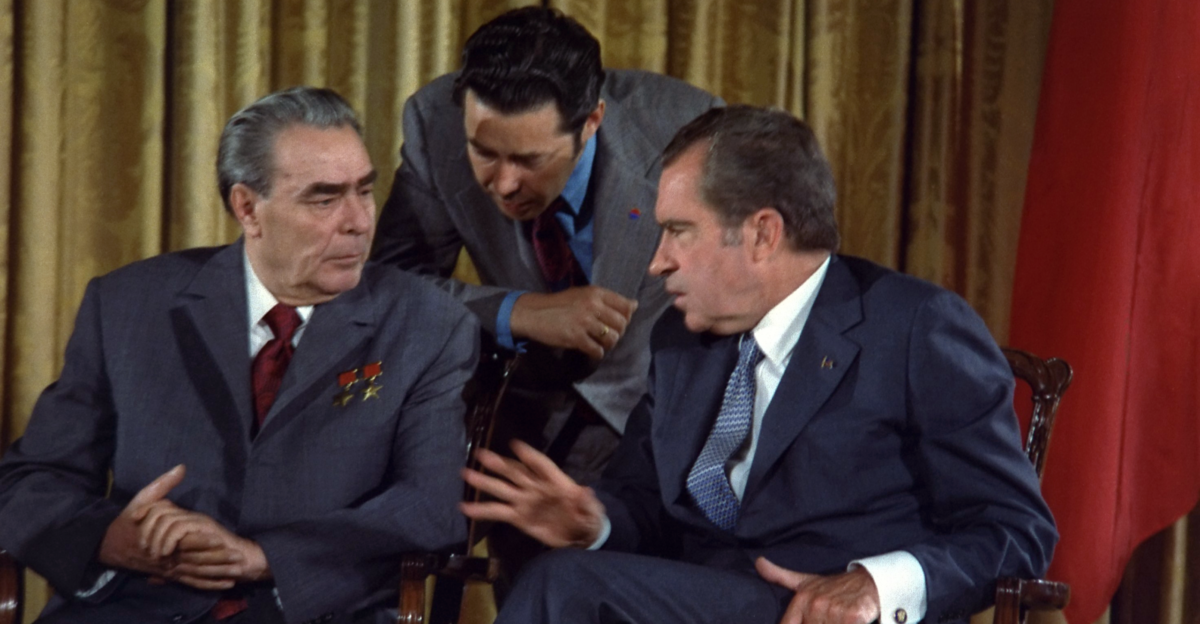
These policies explain why many families face a $240,000 wealth gap, 1.8 million Americans are incarcerated, and 3.5 million families live in extreme poverty despite employment.
They also reveal media monopolies and the decline of manufacturing. The evidence is verified, uncomfortable, and indisputable. Understanding these policies is critical before exploring the ten that caused the damage.
#1 – FHA Redlining (1930s) | 90 Years of Racial Wealth Destruction
The Federal Housing Administration drew red lines around Black neighborhoods and refused mortgage insurance. White families received government-backed loans; Black families got nothing.
Ninety years later, the median household wealth of Black Americans is $44,100, compared to $284,310 for whites, representing a $240,000 gap per household. Homeownership rates are 73% for whites and 44% for Black Americans. Generational theft persists.
#2 – War on Drugs (1971) | Building the World’s Largest Prison System

Richard Nixon launched the War on Drugs to reduce drug use. By 2025, drugs will be more available than ever, 450,000 Americans will be imprisoned for drug offenses, and the U.S. will hold 25% of the world’s prisoners.
The policy didn’t curb drug use; it fueled mass incarceration. At its peak in 2008, 2.3 million people were imprisoned. Was this the first sign of deeper systemic control?
#3 – Welfare Reform (1996) | Leaving Millions to Starve Quietly
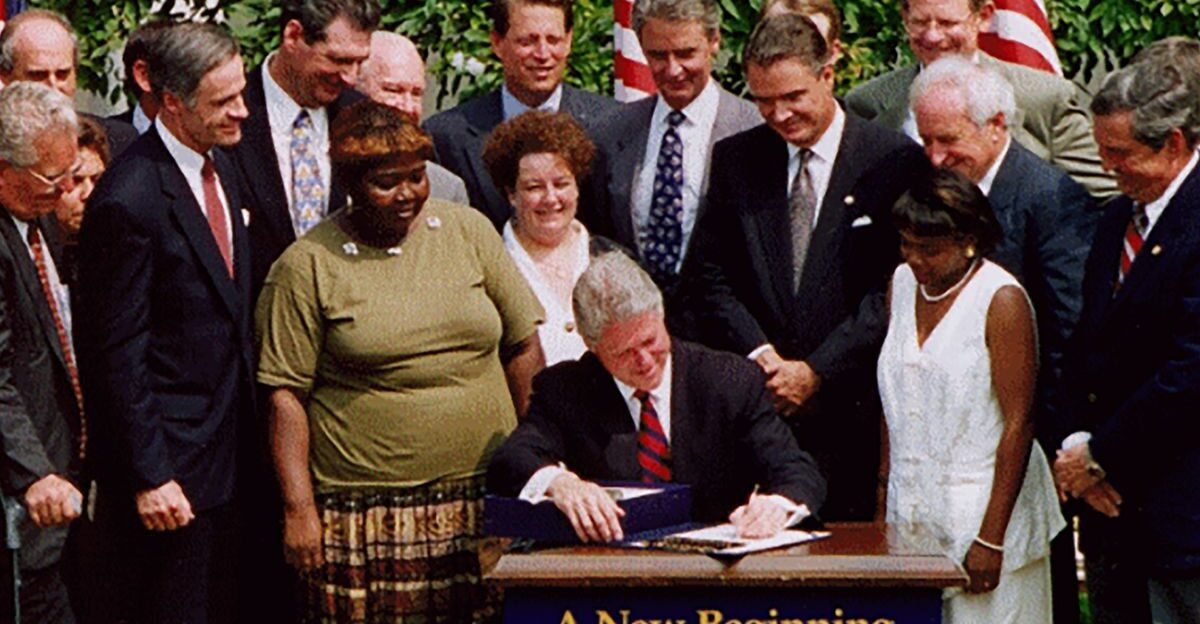
Bill Clinton’s TANF reform promised to reduce dependency and encourage work. Coverage collapsed from 68% of poor families to just 23% today, leaving 3.5 million families in extreme poverty.
The policy didn’t create jobs. It cut lifelines. Homelessness, hunger, and child poverty have surged since. The next policy shows how deregulation amplified financial destruction.
#4 – Glass-Steagall Repeal (1999) | The $11–19 Trillion Mistake
Repealing banking safeguards led to the merger of commercial and investment banking. Nine years later, the 2008 financial crisis destroyed $11–19 trillion in household wealth, resulting in the loss of 8.7 million jobs and the foreclosure of countless homes.
Supposedly designed to make banking more competitive, the policy unleashed risk. When reckless investments failed, the collapse touched everyone. The following trade policy shifted jobs globally, creating another cascade of economic pain.
#5 – NAFTA (1993) | 690,000 Jobs Gone, Mostly South
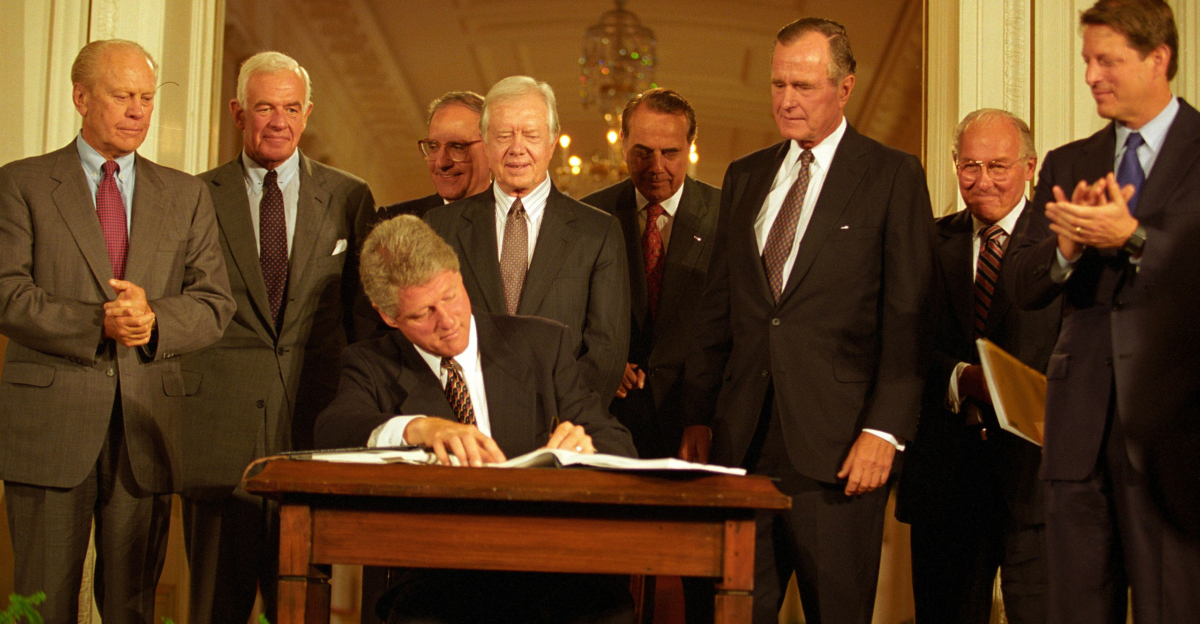
NAFTA promised new markets and American prosperity, but it resulted in 690,000 U.S. manufacturing jobs moving to Mexico, accelerating the decline of small towns. Total manufacturing losses since 1994 reached 4.5 million.
Communities never recovered, and wages stagnated. The policy demonstrates that trade agreements can devastate labor markets. Next, media consolidation reshaped democracy itself.
#6 – Telecom Deregulation (1996) | 6 Companies Now Control Everything You See
The Telecommunications Act removed restrictions on media ownership. In 1983, 50 companies controlled 90% of media; today, six dominate. Americans’ news comes from half a dozen boardrooms.
This policy eliminated diverse viewpoints, consolidating corporate power. The next policy shows that the infrastructure meant to connect America also destroyed neighborhoods.
#7 – Interstate Highway Act (1956) | 1 Million Lives Uprooted
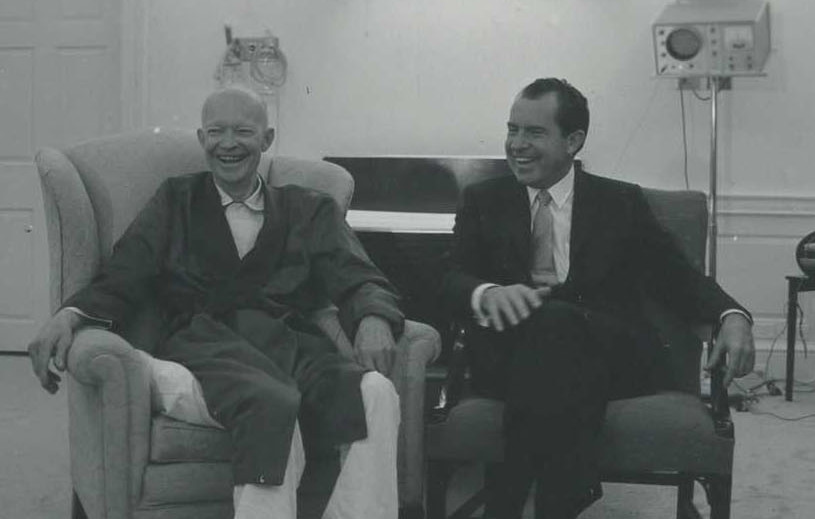
Eisenhower’s highway system displaced over 1 million people, destroying 475,000 households and entire communities of color. Neighborhoods took generations to build, but vanished in years.
While roads connected wealthy suburbs, poor urban cores were cut through. Families and cultural communities never recovered. The impact of infrastructure decisions on reshaping neighborhoods is evident in the next policy.
#8 – Farm Subsidies (1970s Onward) | Corporate Welfare on Steroids
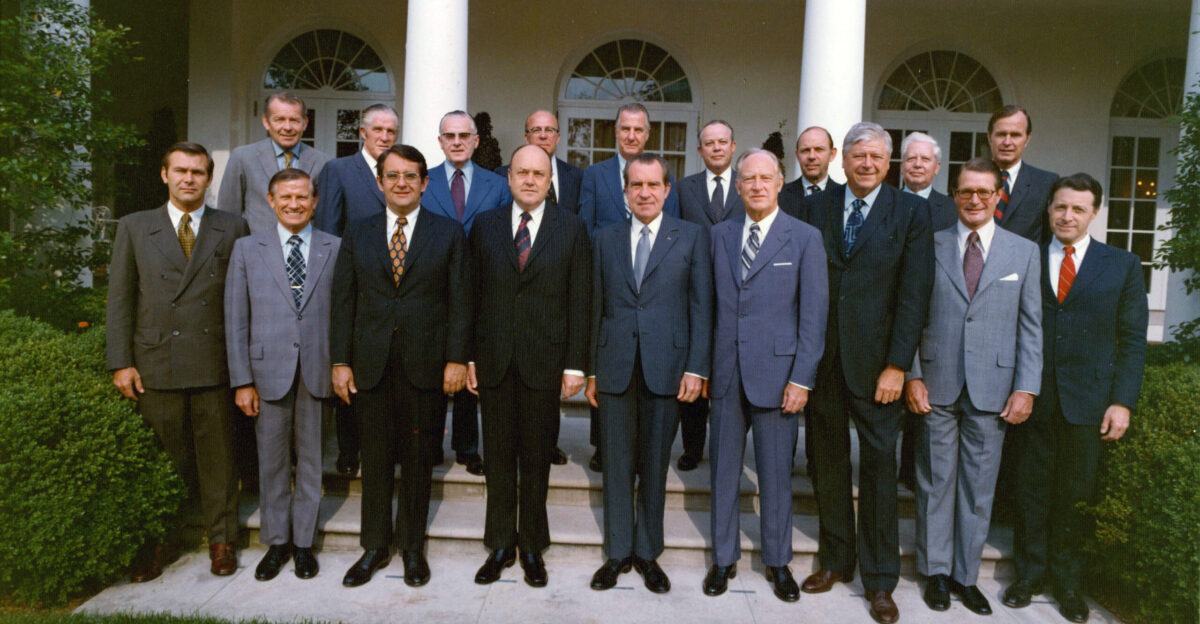
Nixon-era farm subsidies favored the most significant 10% of farms, amounting to $20–30 billion annually, which forced small farmers out of business. Corn and soy overproduction distorted diets and concentrated agribusiness power.
This didn’t help most farmers. Instead, it created corporate dominance while small operations collapsed. The following policy highlights how immigration measures inadvertently created a permanent underclass.
#9 – Immigration Reform (1986) | Amnesty Without Teeth
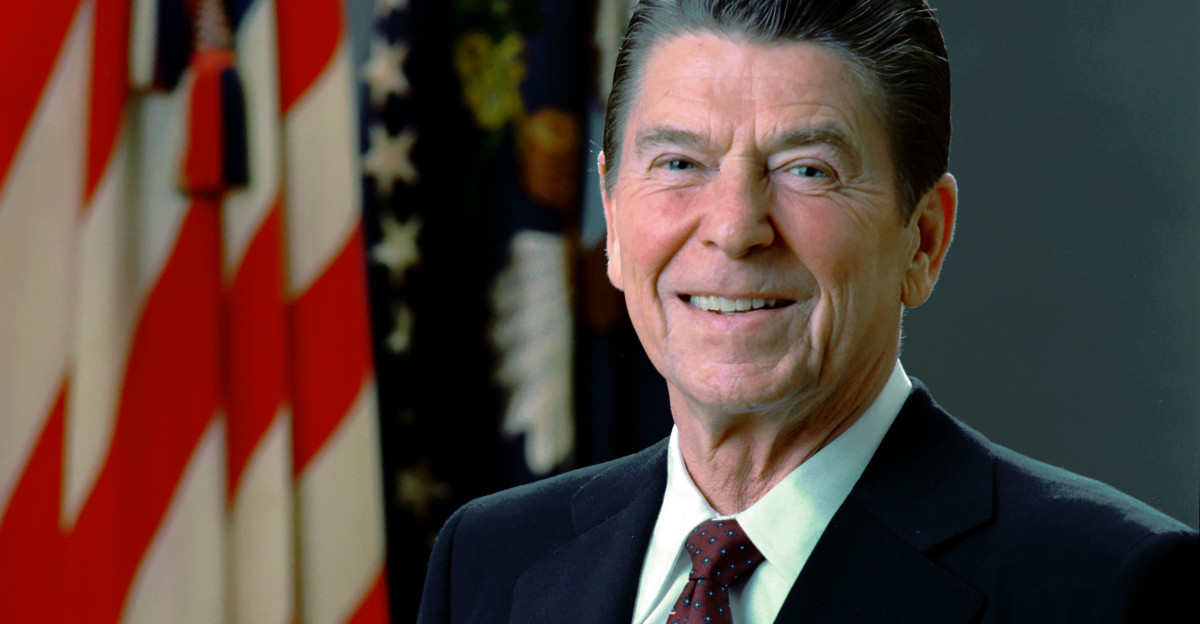
Reagan’s act legalized the employment of 2.7 million workers but failed to enforce employer sanctions, thereby creating a permanent underclass. Legalization existed without protection or structure.
Millions of workers gained status without safeguards. The policy demonstrates that half-measures can create lasting inequality.
#10 – Nixon Shock (1971) | Ending the Gold Standard and Starting the Inflation Era
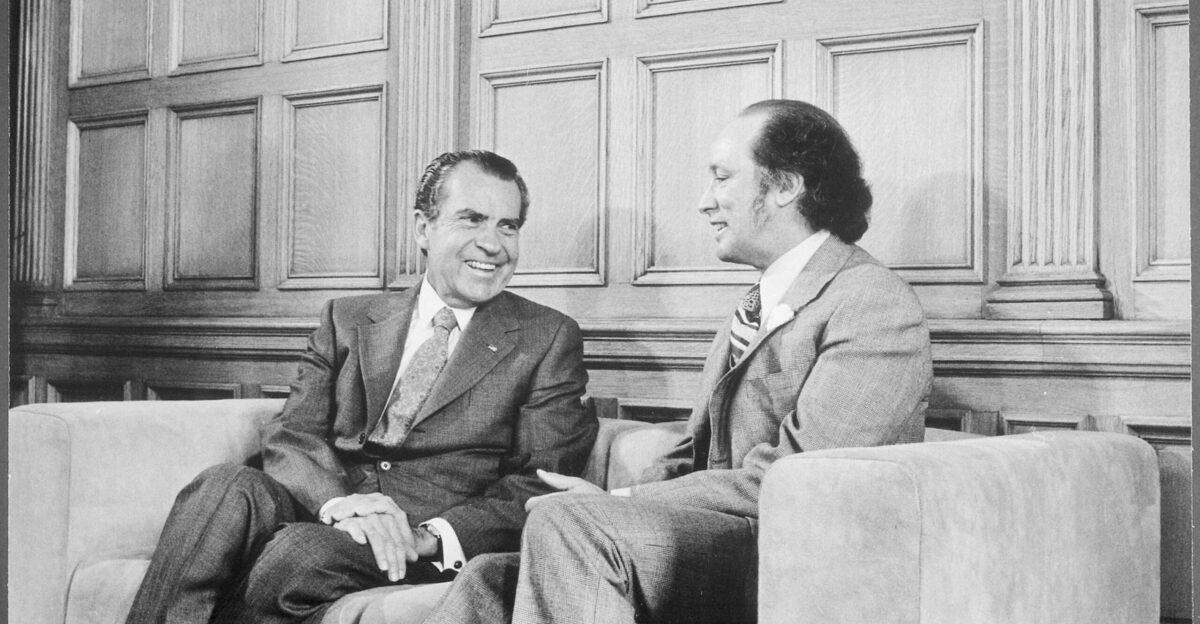
Nixon ended the Bretton Woods gold standard, making the dollar fiat currency. Inflation accelerated, currencies became destabilized, and prices began a decades-long upward trend.
Fifty years later, inflation continues to erode purchasing power. What seemed necessary then set the stage for the ongoing economic challenges Americans face today.
The System Rewarded Bad Decisions

Ten catastrophic policies signed over 70 years reveal political incentives that favor corporations, ideology, and short-term gains over human welfare.
When consequences appear, the responsible president is gone. This repeating pattern explains why such destructive policies continue to emerge. Recognition of the system is key before exploring human costs.
Numbers Hide the Real Damage
$240,000 wealth gaps, 1.8 million incarcerated, 3.5 million families in extreme poverty—these numbers represent real people, suffering daily.
When viewed as human lives, these policies are catastrophic, not just poor governance. The following slide outlines the recognition and action required to reverse harm.
Change Requires Recognition, Then Action
These policies persist because most Americans are unaware of their existence. Redlining isn’t taught, drug racial disparities are ignored, and media consolidation remains invisible.
Recognition is the first step. Pressure for reform is second. Only by understanding the policies can meaningful change occur, preventing decades of future harm.
History Repeats Because We Don’t Learn From It
The pattern: promises to the public, outcomes favoring elites, and compounded damage. These policies repeat because the system enables it.
Understanding this isn’t history; it’s a warning. Decisions today will still be shaping lives in 2075 if unchecked. The story comes full circle as we reach our conclusion.
The Invisible Hand Is Visible Now
Your struggles aren’t only personal failures—they’re influenced by policies signed decades ago. Generational theft, mass incarceration, and lost wages reflect intentional structural harm.
These policies aren’t ancient history. They’re ongoing, verified, and active. Awareness is the first line of defense against continued systemic sabotage. Now that you know, the next step is action.
Sources:
Economic Policy Institute (NAFTA job displacement studies)
U.S. Bureau of Justice Statistics (incarceration rates and drug offense data)
Federal Reserve Survey of Consumer Finances 2022 (racial wealth gap data)
HHS Office of Family Assistance (TANF coverage statistics)
USDA Economic Research Service (farm subsidy concentration data)
Federal Communications Commission (media ownership consolidation data 1983–2016)