
Some universities are celebrated for their athletic programs, others for their lively party culture. Yet a handful are acknowledged for something completely different: the sheer amount their students dedicate to studying.
Each year, The Princeton Review conducts polls, questioning learners at nearly 400 American campuses about how they spend hours outside the classroom.
The findings present a surprising picture of where academic dedication is most intense. One might assume Harvard or MIT would dominate the list, but the reality looks quite different. The institution where students invest the most effort is not what most people anticipate.
Measuring Effort

The rankings are not based on exam performance or graduation percentages. Rather, undergraduates provided input on how many hours they spent preparing beyond lectures.
This self-declared information reflects the actual demands students feel every day across subjects. It offers a closer glimpse into the lived reality of academic pressure, instead of relying only on institutional prestige.
Beyond the Name
Famous colleges frequently capture headlines, but hard work does not always align with status. Numerous smaller institutions, many with science-and-technology-heavy coursework, consistently appear among the toughest study environments.
These campuses are not always the first thought that comes to mind, yet they stand out because their students commit more hours to assignments than almost anywhere else.
The STEM Connection
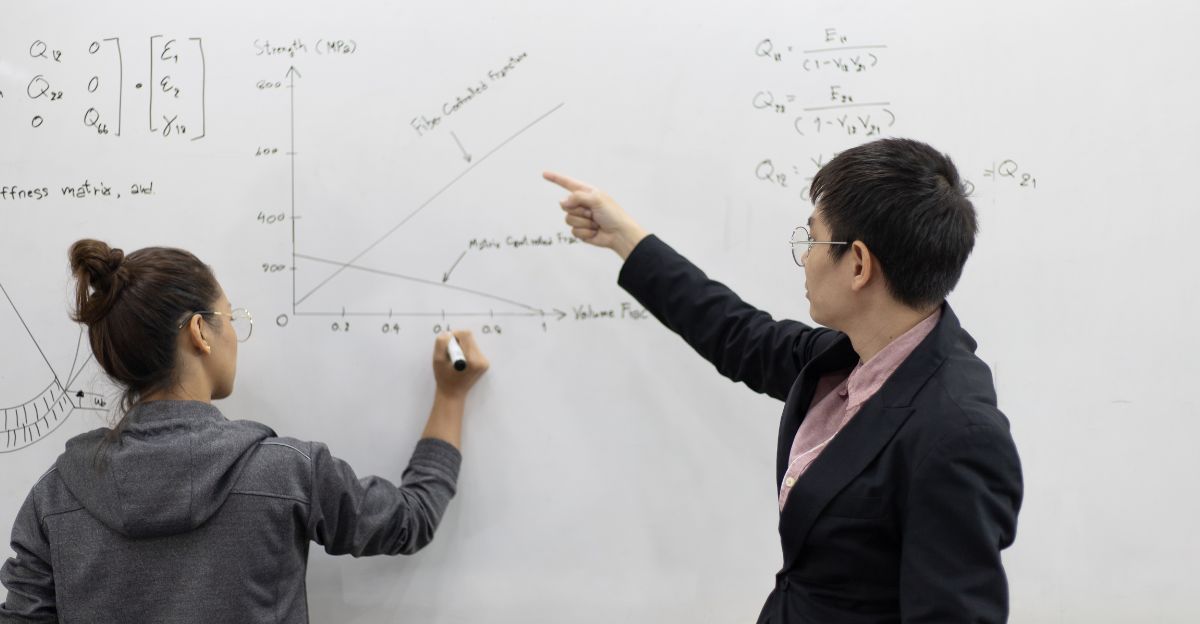
Fields like mathematics, computer science, engineering, and natural sciences dominate many of these schools.
Such programs require complex problem-solving and long laboratory sessions or projects, often driving study time far beyond the national norm.
Even non-science majors at these colleges commonly face heavy expectations through rigorous shared curricula.
National Averages
Putting the rankings into context helps compare them with more typical study patterns. First-year learners across the country average about 15.8 hours a week in preparation.
Students in science and technology fields spend slightly more, averaging 17.1 hours, while humanities and social sciences average close to 15.6 hours. The top ten schools in this survey surpass those benchmarks by a wide margin.
10. Massachusetts Institute of Technology
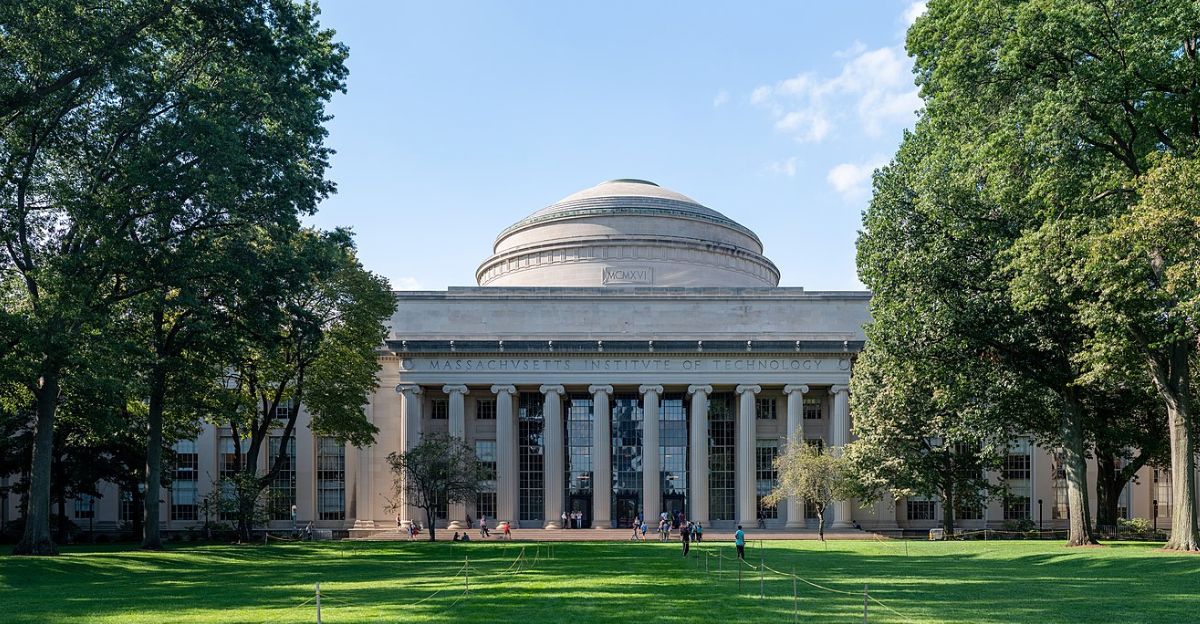
Based in Cambridge, Massachusetts, MIT is internationally recognized for innovation. Yet despite its reputation, it lands only in tenth place.
Undergraduates describe intense assignments, but a culture of teamwork and mutual support can ease some of the strain compared to other highly technical institutions. Tuition costs $64,310, and typical salaries a decade after enrollment reach $143,372.
9. Princeton University
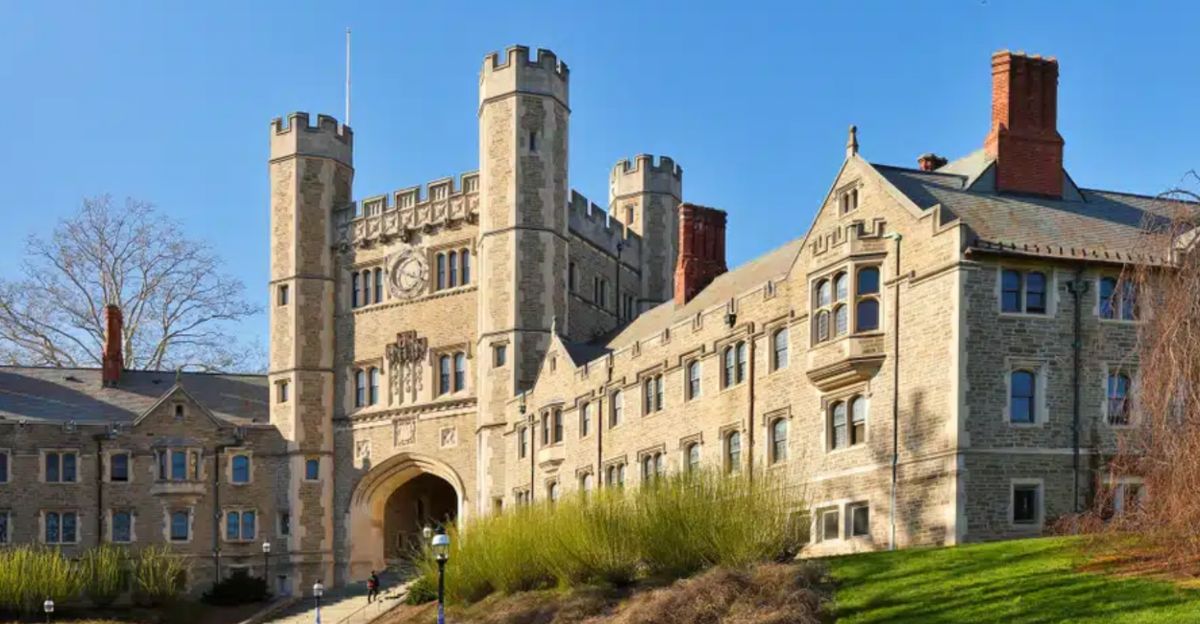
Princeton, in New Jersey, is the lone Ivy League college on this list. Students endure strict demands across multiple areas, especially in research-based and writing-intensive classes.
Tuition stands at $65,210, with median incomes around $110,066. Although Princeton is prestigious, its placement here reflects the genuine academic pressure beyond reputation.
8. Lafayette College
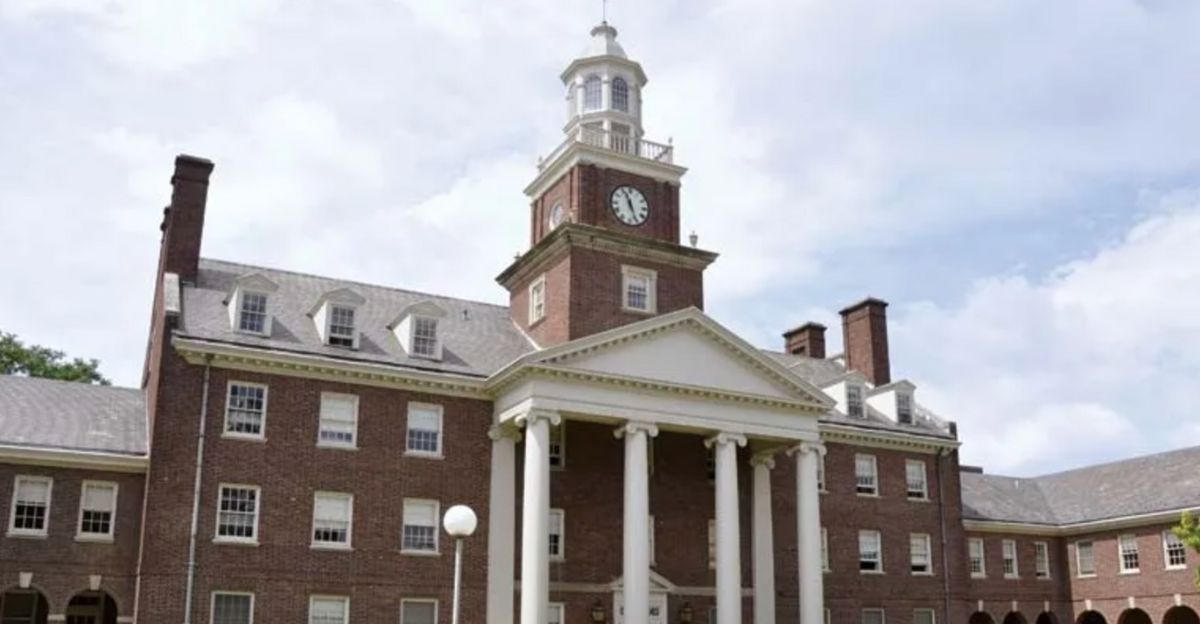
Lafayette College, in Easton, Pennsylvania, provides both liberal arts and engineering tracks. Students report some of the nation’s highest study commitments.
Tuition is $66,496, and alumni typically earn a median of $91,410. Blending humanities and technical programs creates an atmosphere where steady preparation is standard practice.
7. Centre College
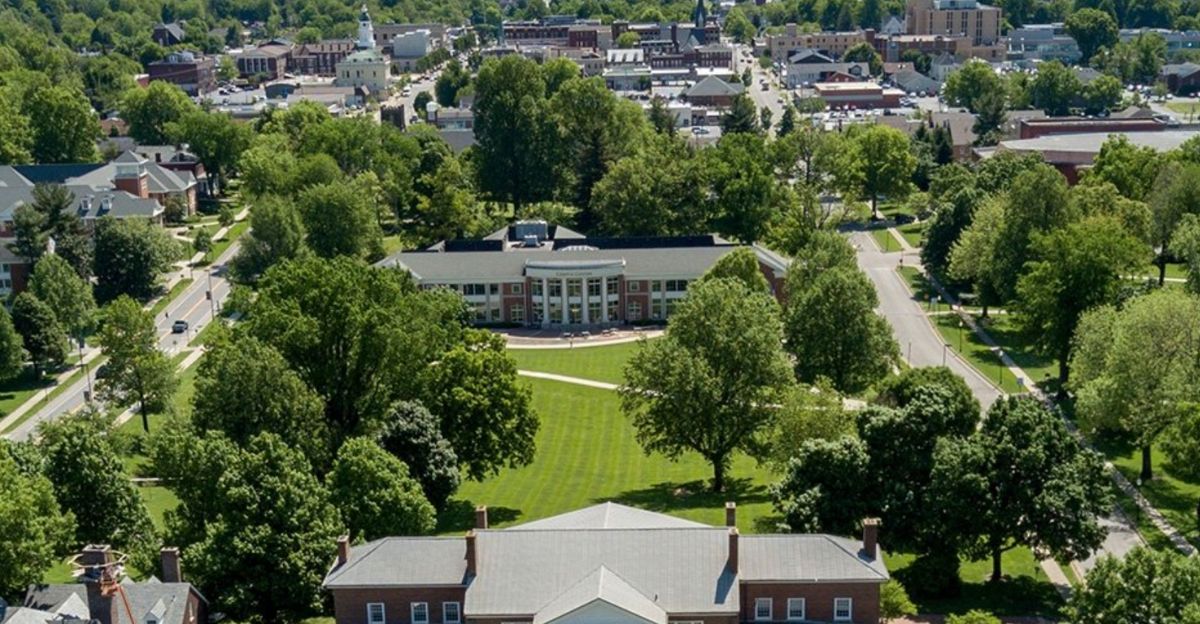
Centre College, located in Danville, Kentucky, is a smaller liberal arts institution with a reputation for dedicated learners.
Students devote significant hours outside class, often due to close faculty guidance and demanding coursework. Tuition is $54,890, and average graduate earnings total $66,240. Its small size does not reduce its academic rigor.
6. Gettysburg College
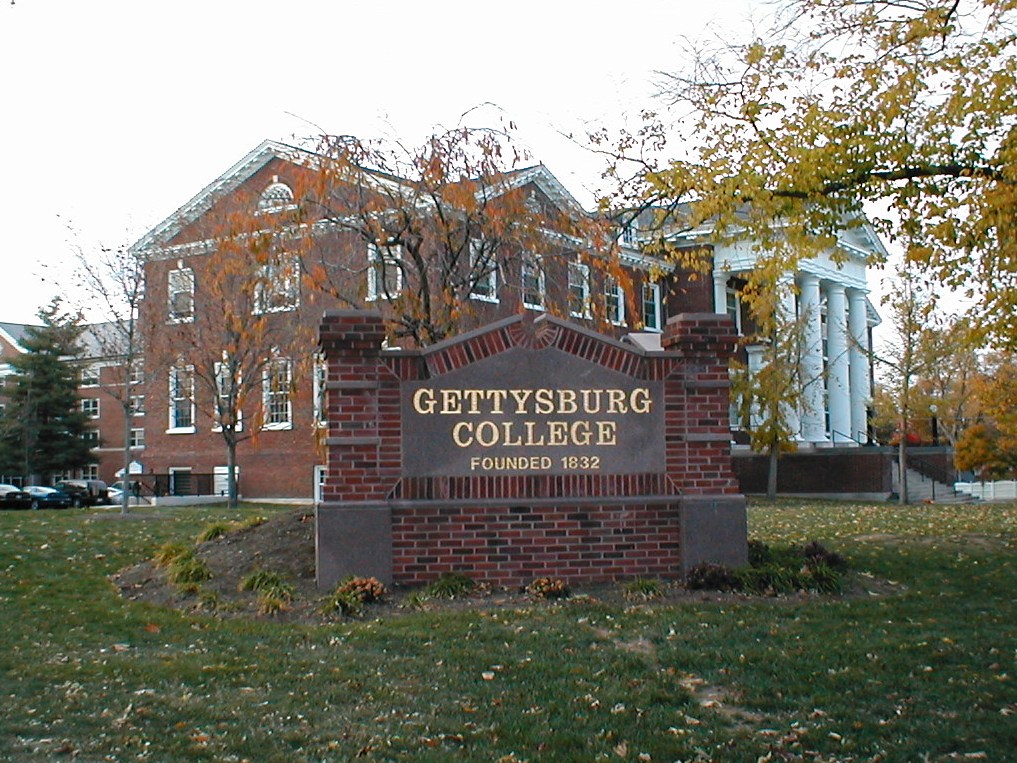
At Gettysburg College in Pennsylvania, the academic journey goes beyond lectures. Opportunities for research, heavy writing requirements, and close teacher-student interactions contribute to substantial workloads.
Tuition is $68,970, while graduates report average earnings of $71,517. The demanding schedule reflects both a strong liberal arts core and personalized educational paths.
5. Rose-Hulman Institute of Technology
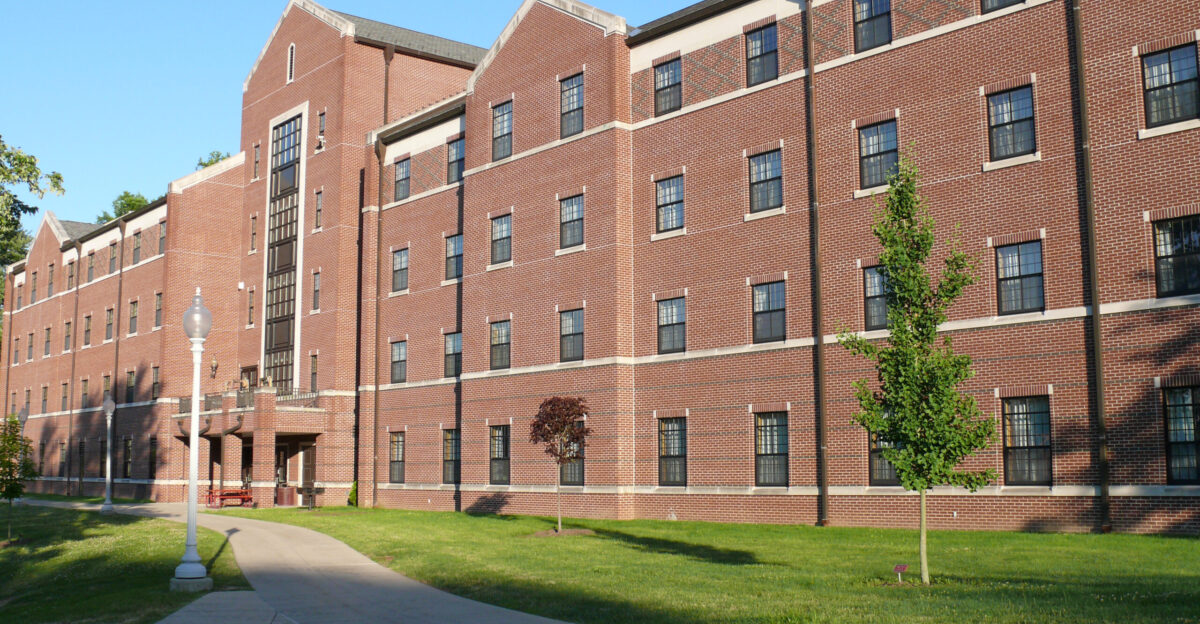
Located in Indiana, Rose-Hulman focuses on mathematics, science, and engineering. Its highly specialized programs produce steep weekly study commitments.
Tuition costs $56,910, and graduates earn an average of $101,253. The institution is respected for producing engineers prepared for real-world challenges, mirroring the rigor of its academics.
4. Grinnell College
Grinnell College, based in Iowa, is a liberal arts school, but that title does not imply lighter expectations. Students encounter strict academic demands across departments.
Tuition is $71,788, while graduates report median earnings of $62,830. Grinnell stresses analytical thinking and independent projects, both requiring extensive preparation outside classes.
3. Franklin W. Olin College of Engineering
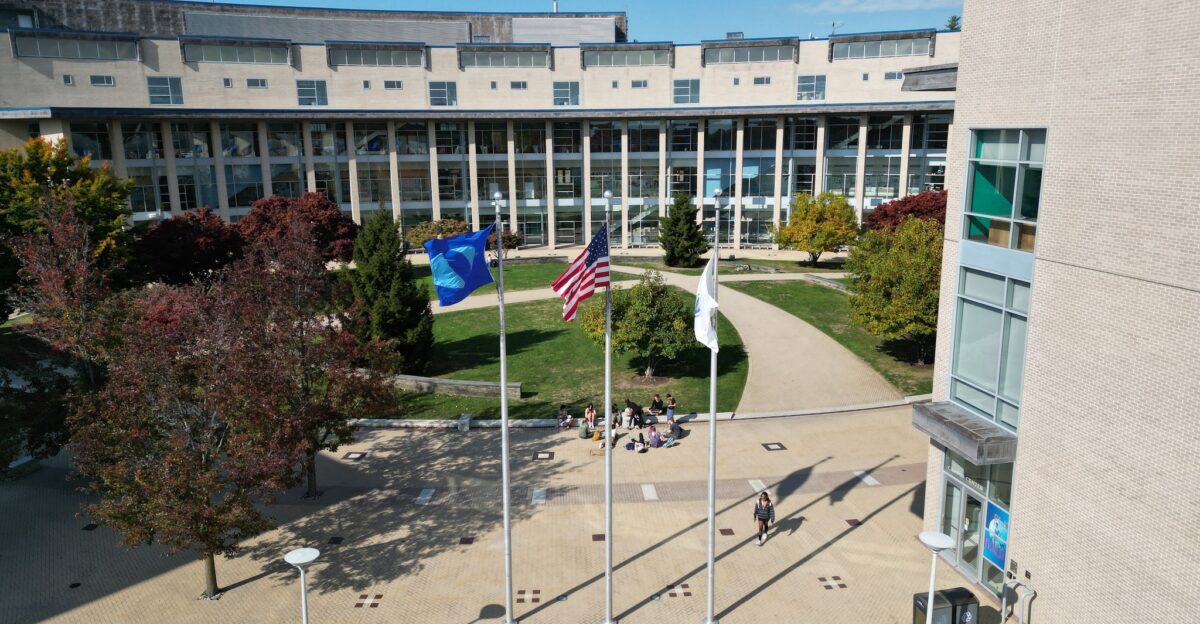
Olin College in Massachusetts is renowned for its exclusive dedication to engineering. Every student earns a Bachelor of Science, and the workload reflects the complexity of that focus.
Tuition is $64,552, with typical earnings of $129,455. Its small enrollment fosters collaboration while still being academically demanding.
2. Harvey Mudd College
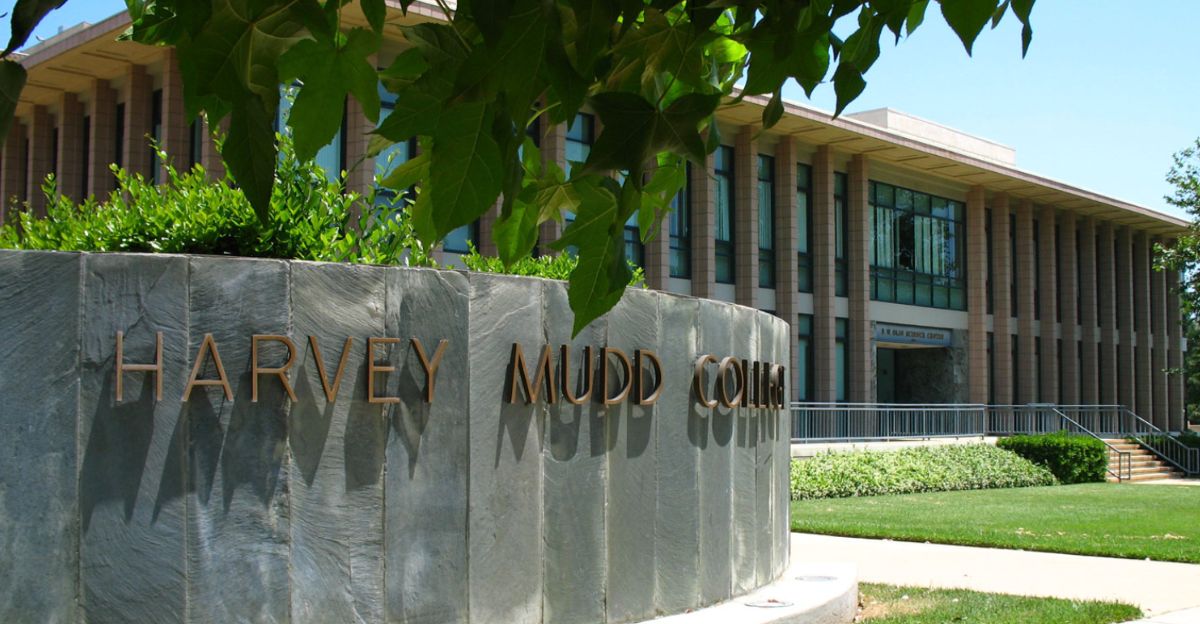
Located in Claremont, California, Harvey Mudd is entirely oriented toward science and engineering, granting only Bachelor of Science degrees.
Students record some of the highest study hours nationwide. Tuition reaches $72,699, and alumni secure median salaries of $138,687. The school’s format ensures uniformly rigorous experiences for all.
1. California Institute of Technology
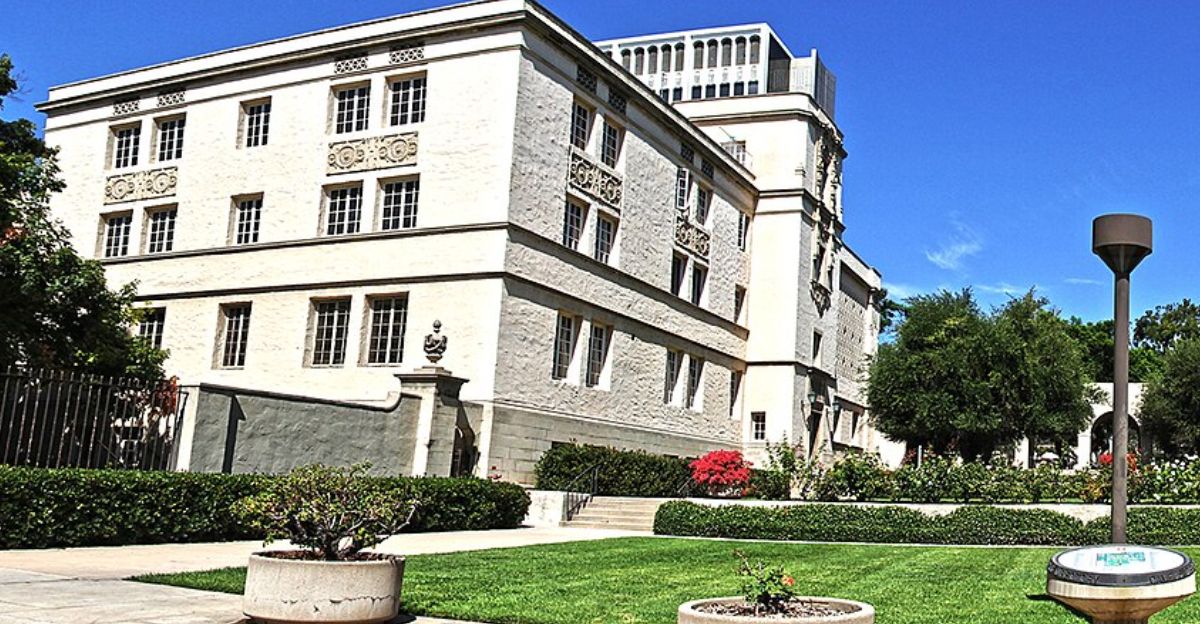
At the top is Caltech, in Pasadena, California. Regardless of major, every student must complete a STEM-centered core that the institution itself calls “extraordinarily difficult.”
Tuition totals $65,622, and typical earnings average $128,566. Graduates include Nobel Prize winners, astronauts, and industry leaders, demonstrating both the intensity and reward of its strict curriculum.
Why Not Harvard?
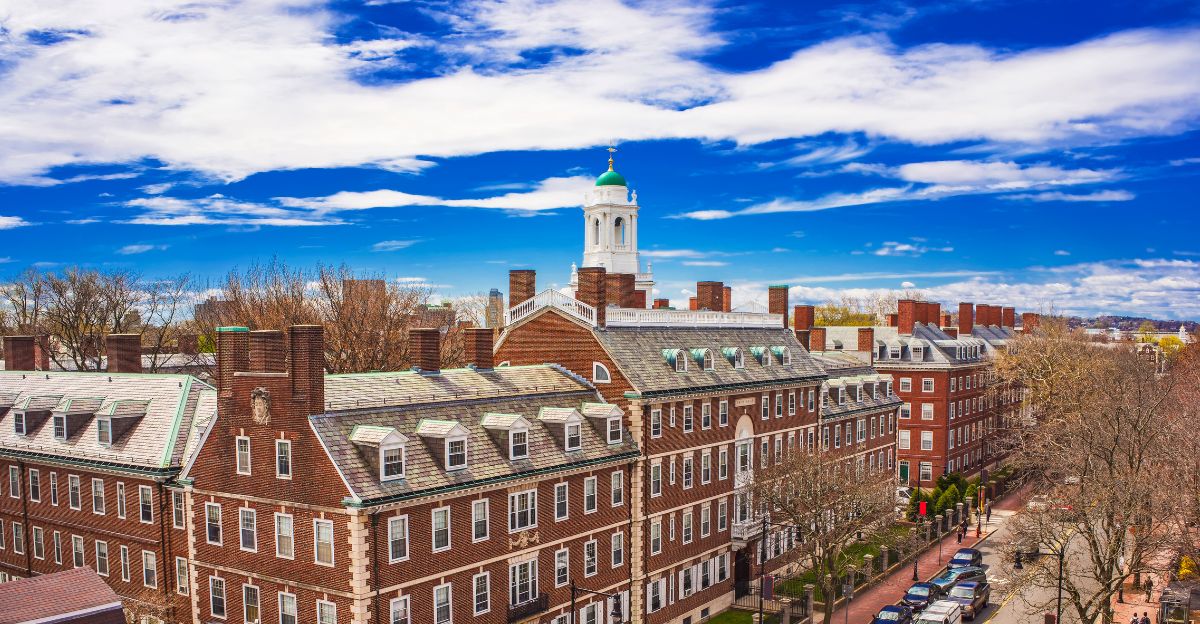
Elite universities like Harvard are absent here, not because they lack academic difficulty, but because learners at other institutions report spending more hours on assignments.
Academic prestige and actual study time do not always coincide, and this ranking makes that difference clear.
The Payoff of Effort

Although study hours are demanding, the long-term outcomes often appear in salaries and career development.
Many of these colleges produce graduates with strong incomes and impressive professional paths, especially in scientific and technical fields. The heavy workload pays off in preparation and career readiness.
The Role of Size

Smaller colleges regularly appear on the list. With closer guidance from professors and specialized courses, students at these schools often feel greater responsibility to prepare thoroughly for each class.
That personal academic pressure typically translates into extra hours spent on assignments and projects.
Student Experience

High workloads do not always equal negative experiences. Many undergraduates describe the rigor as inspiring, especially when reinforced by collaboration and supportive communities.
The atmosphere at these colleges often combines long hours with teamwork, making the intensity more manageable and fulfilling.
What This Tells Us

These rankings illustrate how effort varies widely across schools, independent of brand reputation. For students selecting a college, it serves as a reminder to consider more than prestige and ask: how many hours will an average week require?
The answer can define the campus experience and the following career opportunities.