
Emerging research suggests that oceans may have a cooling effect on the global climate rather than just a warming one, challenging the conventional narrative of impending catastrophic global warming. Approximately 91% of the excess atmospheric heat trapped by greenhouse gases is absorbed by the oceans, which make up more than 70% of the Earth’s surface.
Complex oceanic processes that can hasten global cooling effects at regional and even global scales include deep-ocean temperature trends, cooling sulfur gas emissions, and current shifts, according to recent studies. Interestingly, despite global warming trends, the collapse of the Atlantic Meridional Overturning Circulation (AMOC) is predicted to significantly cool northern Europe and surrounding areas.
Past Trends in Ocean Cooling

Oceans showed a natural cooling trend for almost 1800 years prior to the Industrial Revolution, primarily due to volcanic aerosols that reduced incoming sunlight. Until human-induced warming reversed the trend and caused ocean surface warming, this cooling continued. Nonetheless, there has been evidence of cooling in some oceanic regions in recent decades, such as the deep North Atlantic waters, which may indicate the beginning of wider cooling phases and oscillatory patterns.
These past fluctuations highlight how oceans have regulated climate variability for a very long time and may do so in the future. Paleoclimate records show that the deep ocean’s thermal inertia and circulation patterns have historically caused abrupt climate shifts, demonstrating the ocean’s ability to propel cooling episodes.
Ocean Currents’ Function in Regulating the Climate
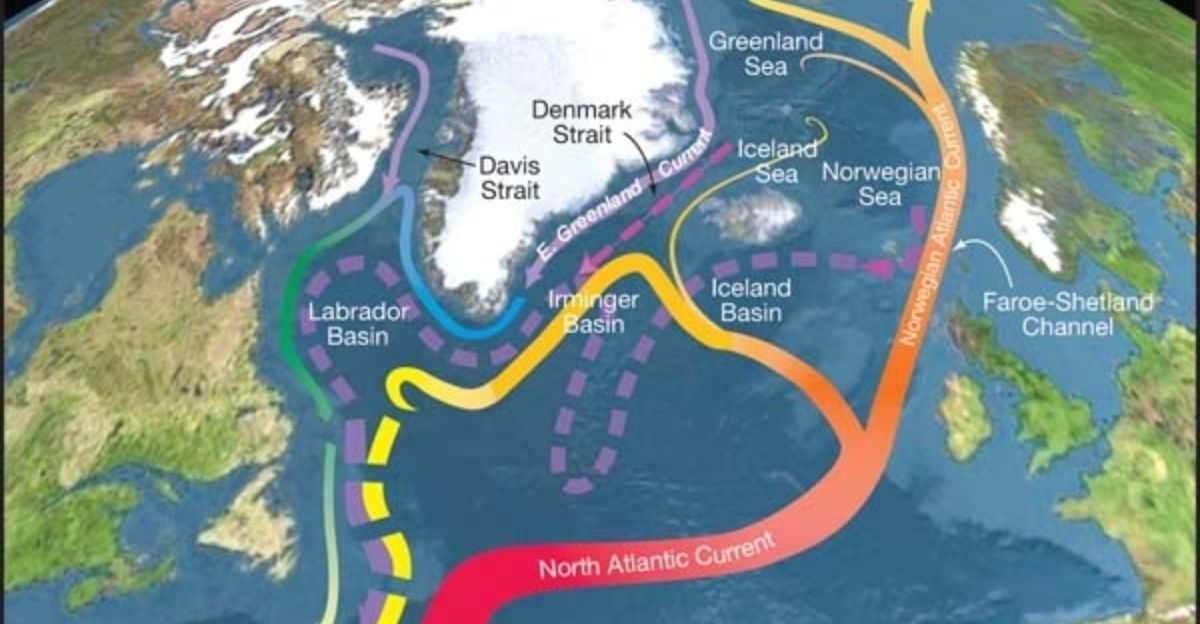
By moving warm water poleward and cold water equatorward, ocean currents act as enormous conveyors that redistribute heat throughout the world, thereby mitigating temperature extremes. The Atlantic current system, which includes the AMOC, is essential to preserving Europe’s temperate climate.
Even as global temperatures rise elsewhere, scientists caution that a collapse or weakening of the AMOC brought on by freshwater inflow could cause rapid regional cooling. This conflict between global warming and regional cooling demonstrates how surface temperature trends can be complicated or overridden by dynamic oceanic processes. Currents have a greater impact on the climate because they also affect cloud formation and atmospheric moisture.
Methanethiol and the Cooling Effect of Ocean-Derived Sulfur
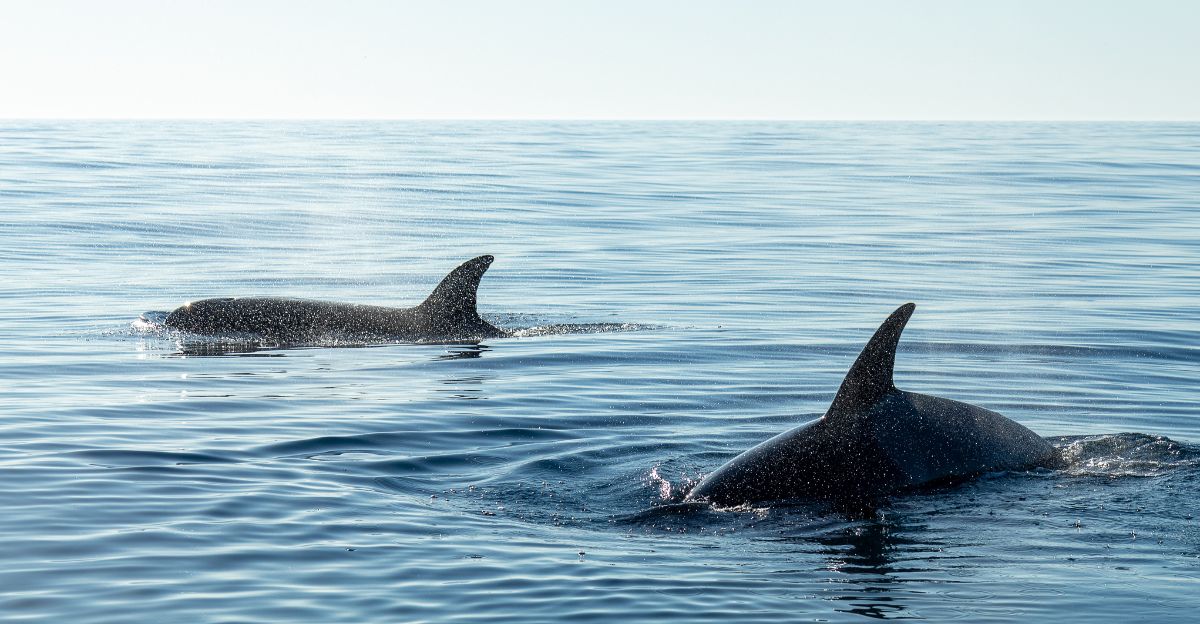
Methanethiol, a sulfur gas produced by marine life, has been shown to have strong climate cooling effects by promoting cloud and aerosol formation over oceans, especially the Southern Ocean, according to recently measured emissions. These aerosols create clouds that reflect sunlight, lowering the Earth’s ability to absorb heat.
Climate models have overestimated warming in oceanic regions due to an underestimation of this oceanic sulfur cooling effect. Beyond the carbon cycle, marine life actively regulates the planetary albedo through gas emissions, which challenges oversimplified climate models and alarmist presumptions.
North Atlantic Deep Ocean Cooling

Over almost 40 years, long-term monitoring along the North Atlantic’s 26.5°N hydrographic line showed a notable cooling and freshening of deep waters. This deep ocean cooling suggests intricate heat redistribution processes and runs counter to oversimplified theories of irreversible ocean warming.
It suggests that significant changes in ocean circulation are taking place, which could exacerbate regional cooling effects, particularly in the North Atlantic and neighboring continents. Current cooling trends emphasize ocean dynamics as a major climate modulator, even though prediction models indicate eventual deep ocean warming.
Climate Alarmism and Contrarian Opinions
A growing corpus of scientific evidence supports more nuanced interpretations that acknowledge the natural oceanic cooling processes that counteract warming, despite the overwhelming mainstream consensus on anthropogenic climate change.
These ocean-driven processes are frequently overlooked by climate alarmism, which concentrates on surface temperature rises while downplaying regional cooling phenomena like ocean sulfur gas emissions or AMOC collapse effects. By ignoring intricate ocean-atmosphere feedback loops that have been confirmed by peer-reviewed research, such alarmism runs the risk of dividing public opinion and compromising well-informed climate policy.
ENSO and Pacific Cooling Unpredictability

One of the main factors influencing ocean surface temperature variability and global weather patterns is the El Niño-Southern Oscillation (ENSO). Empirical data indicate a persistent cooling trend in the eastern equatorial Pacific, which is in contrast to model projections that predict an El Niño-like warming in the tropical Pacific.
By storing excess heat deeper and redistributing it later, this Pacific cooling serves as an oceanic “air conditioner,” reducing increases in global temperatures. The discrepancy between models and observations emphasizes how oceanic variability affects climate and calls into question oversimplified warming projections.
Climate Feedbacks and Ocean Heat Uptake

Because of their vast capacity to absorb heat, oceans can slow down the rise in atmospheric temperatures by absorbing excess energy from greenhouse gases. Recent studies show complex heat storage at depth in addition to surface warming, which can occasionally result in temporal cooling at surface layers.
This thermal buffering makes predicting the climate more difficult and raises the possibility that slower atmospheric warming is sometimes caused by ocean processes rather than a slowing of climate trends. A delicate balance that affects both warming and cooling trends is created by feedbacks between ocean temperatures, carbon uptake, and atmospheric moisture.
Difficulties with Climate Modeling and Forecasting
Ocean-atmosphere interactions, particularly the impact of oceans on regional climates and short- to medium-term variability, have proven difficult for current climate models to adequately represent. They frequently understate the destabilizing effects of shifting ocean currents like the AMOC and the cooling effects of ocean sulfur emissions.
These flaws cause natural oscillations to be underrepresented and surface warming trends to be overestimated. To create balanced, predictive frameworks that incorporate both warming and cooling dynamics, climate models must be improved to incorporate new oceanographic data.
The Historical Record of Climate Changes Caused by the Ocean

Changes in ocean circulation, such as the closure of the Atlantic overturning during ice age periods, have historically been associated with sudden changes in the climate.
According to paleorecords, oceans caused continent-scale cooling events by altering the distribution of heat. These precedents reveal how quickly natural ocean dynamics can temporarily or regionally override atmospheric warming effects.
The Ocean as the Planet’s Thermostat

A convincing framework for comprehending climate processes is offered by considering the ocean to be Earth’s thermostat. Oceans control atmospheric temperatures by biological and chemical processes like sulfur gas emissions, in addition to absorbing and redistributing heat. These marine-derived aerosols act as a cooling system for the entire planet by increasing cloud reflectivity, or albedo, which lowers incoming solar radiation.
The cyclical nature of global temperatures can be explained by this thermostat function, which explains why natural cooling phases mediated by ocean dynamics frequently follow abrupt warming trends. Understanding this oceanic thermostat casts doubt on oversimplified theories of climate change and emphasizes how vital maintaining ocean health is to preserving the equilibrium of the planet’s climate. These natural regulatory systems must be incorporated into modern climate policies for accurate projections and successful mitigation. To prevent deterministic alarmism that ignores ocean-driven cooling potential
European Cooling and AMOC Collapse

One clear illustration of how ocean dynamics affect climate is the possible collapse of the Atlantic Meridional Overturning Circulation (AMOC). According to recent models, despite global warming elsewhere, a shutdown could push northern Europe into a protracted “cooling pocket,” where winter temperatures could drop to levels never seen before the Industrial Revolution.
Reduced tropical heat transport and increased sea ice extent are the causes of this cooling, which is upsetting infrastructure, energy supplies, and agriculture. These impacts’ intensity highlights the ocean’s function as a complicated climate driver that can lead to significant regional climate divergence from global patterns. In the midst of warming debates, European policymakers need to take these oceanic risks into account in order to be ready for paradoxical cooling scenarios.
Magnitude of the Sulfur Cooling Effect
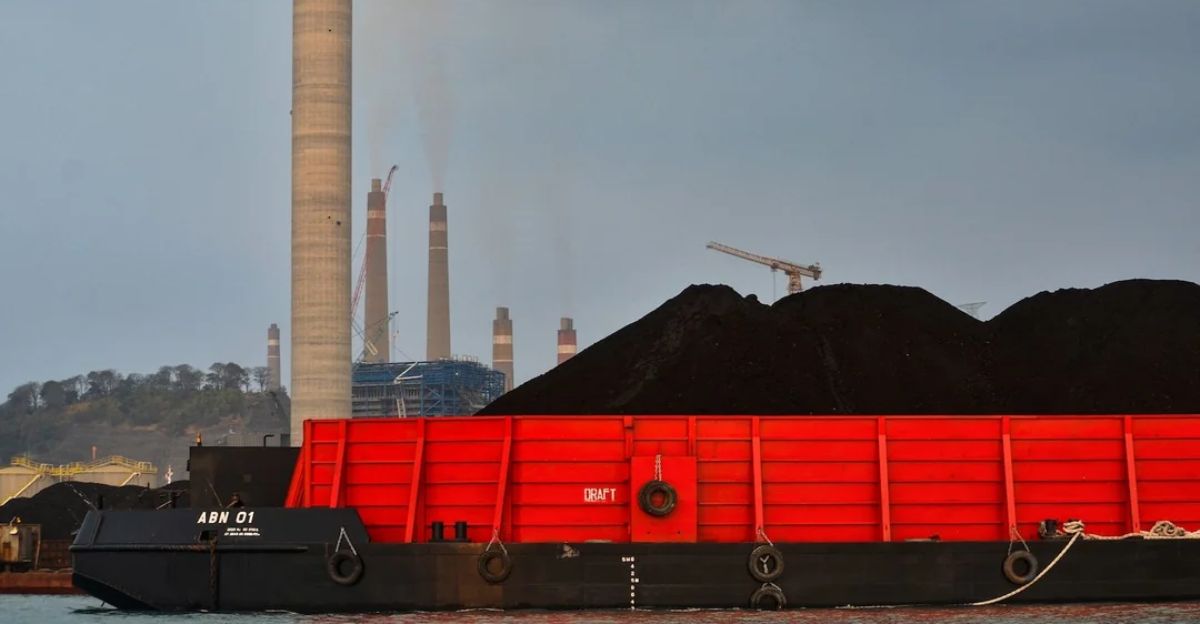
Prior to the recent discovery of methanethiol emissions by marine life, the extent of the oceanic sulfur cooling effect was drastically underestimated. A large amount of solar radiation is reflected back to space by this sulfur gas, which also increases cloud cover over the Southern Ocean by amplifying cloud condensation nuclei. Research shows that, in comparison to earlier models that primarily relied on dimethyl sulfide (DMS) emissions, this mechanism increases cooling effects in this critical region by up to 70%.
In addition to upending carbon-centric climate frameworks, this recalibration of ocean-atmosphere interactions introduces a powerful biological factor that modifies Earth’s energy balance. As a result, it must be incorporated into climate models in order to increase accuracy and modify warming projections appropriately.
Oceanic Sulfur as an Extended Climate Feedback Amplifier

According to theoretical models, oceanic sulfur gases regulate global temperature by acting as negative feedback amplifiers. Methanethiol emissions rise in response to warming-induced increases in marine biological activity, which in turn enhances cloud formation that cools the planet by reflecting sunlight.
Climate fluctuations could be stabilized and runaway warming scenarios naturally restrained by this feedback loop. Additionally, instead of using artificial interventions, this mechanism opens up new geoengineering opportunities aimed at improving natural sulfur emissions through ecosystem rehabilitation. However, prior to implementing such hypotheses in policy or technological mitigation strategies, it is still crucial to comprehend the thresholds, regional variability, and potential unintended consequences.
Climate Alarmism’s Strategic and Psychological Effects

The fear that climate alarmism frequently arouses can undermine group action by causing public exhaustion, denial, or polarization. Understanding the dynamics of ocean-driven cooling adds complexity and hope, which are essential for sustaining engagement and psychological resilience.
Rebuilding scientific trust can be achieved strategically by combining human-driven trends with balanced narratives that honor natural variability. This method lessens cognitive overload, promotes community buy-in, and makes adaptive policymaking easier. In contrast to fatalistic despair, proactive stewardship is encouraged by messaging that recognizes oceanic moderating influences, which is crucial for the social aspects required for successful climate solutions.
Ocean Cooling and Shipping

The shipping industry has new opportunities to improve sustainability and operational efficiency by comprehending sulfur gas emissions and ocean cooling patterns. Cooler ocean corridors that are impacted by biological activity and changed currents might provide more efficient routes that use less fuel and emit fewer emissions.
Moreover, the integration of climate science into maritime logistics enhances the resilience of infrastructure against unforeseen regional cooling events, such as winters caused by AMOC. Shipping companies can help mitigate climate change by implementing these insights, adjusting to changing marine environments, and keeping up with green innovation trends and regulatory changes. These kinds of cross-sector partnerships are prime examples of how interdisciplinary expertise can yield functional advantages for climate adaptation.
Changing Climate with Extended Cool Periods Caused by the Ocean
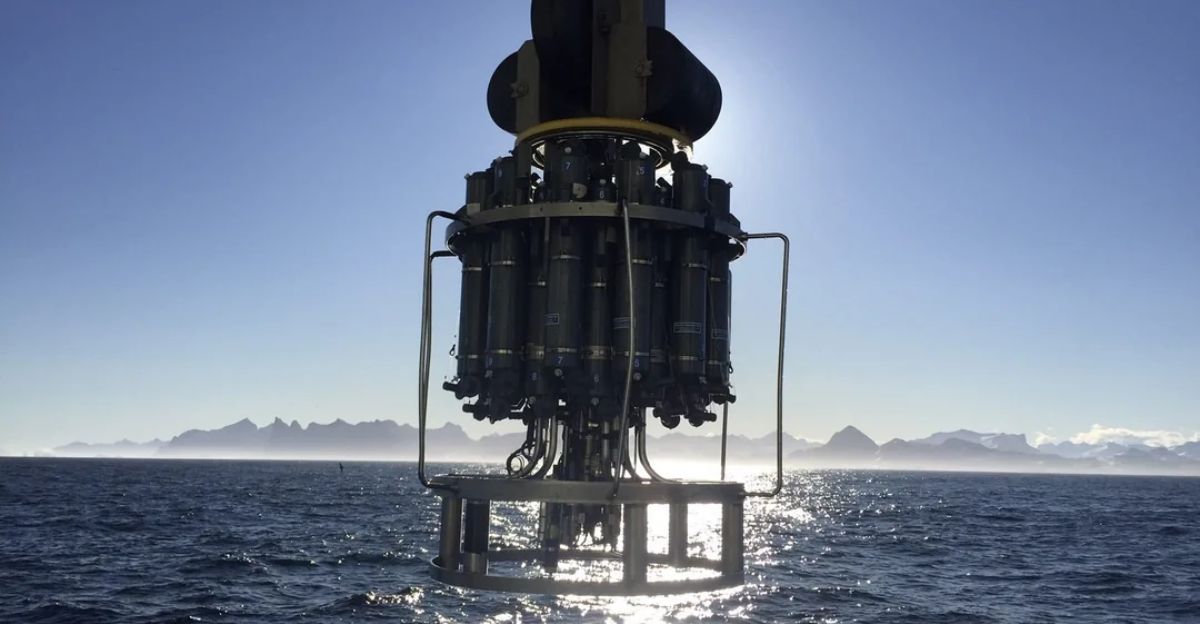
According to current research, the global climate will exhibit oscillations in the future, with long-term warming interspersed with periods of ocean-driven cooling. These sporadic cooling periods, which are caused by changing currents, changes in the temperature of the deep ocean, and sulfur emissions, may slow down global warming and offer short-term respite to delicate ecosystems and human systems.
Instead of relying too heavily on straightforward linear warming trajectories, policymakers and planners need to anticipate these fluctuations and incorporate them into adaptive strategies. Recognizing these oscillations improves technological innovation, resource allocation, and readiness to manage climate risks in the ensuing decades in a dynamic and efficient manner.
Extreme Case: Extended Localized Ocean Cooling Effects

Regionally, oceanic processes are taking precedence over global warming trends, as demonstrated by local cooling phenomena like the Pacific Northwest’s noticeable decrease in summer temperatures and increased marine fog. These microclimates, which are impacted by marine sulfur aerosol levels and upwelling currents, defy consistent warming projections and have real-world social, economic, and ecological repercussions.
For instance, changes in energy demand patterns, biodiversity responses, and agricultural practices are all impacted by modified growing seasons. In order to promote focused adaptation and risk mitigation strategies, these extreme examples highlight the need for localized climate assessments based on oceanographic science rather than reliance on global averages.
Enhancing Ocean Insights for Climate Communication
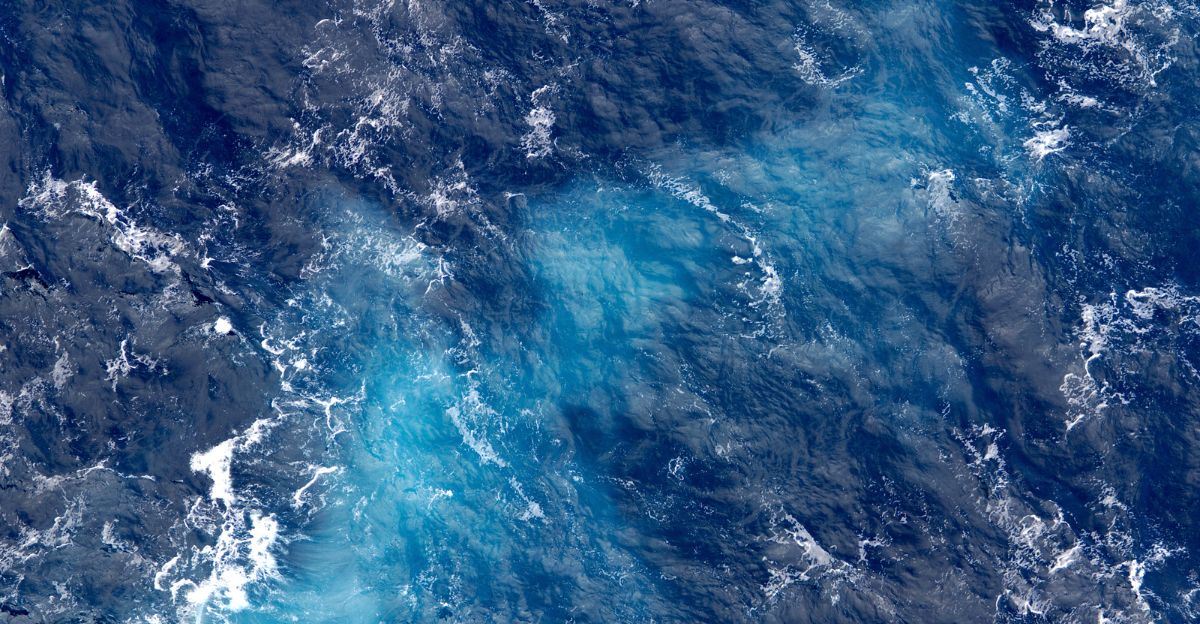
To develop nuanced public understanding, effective climate communication must adapt to include intricate ocean-driven cooling processes. A more comprehensive understanding of climate dynamics can be obtained by elucidating the oceans’ dual function as regulators through cooling sulfur emissions and current shifts and as absorbers of atmospheric carbon.
This openness lessens division, dispels false information, and encourages knowledgeable discussion among interested parties. Customized messaging that strikes a balance between natural variability and warming concerns promotes cooperative engagement and practical policy support, which in turn advances science-based adaptation and mitigation frameworks based on the most recent oceanographic data.
In Conclusion
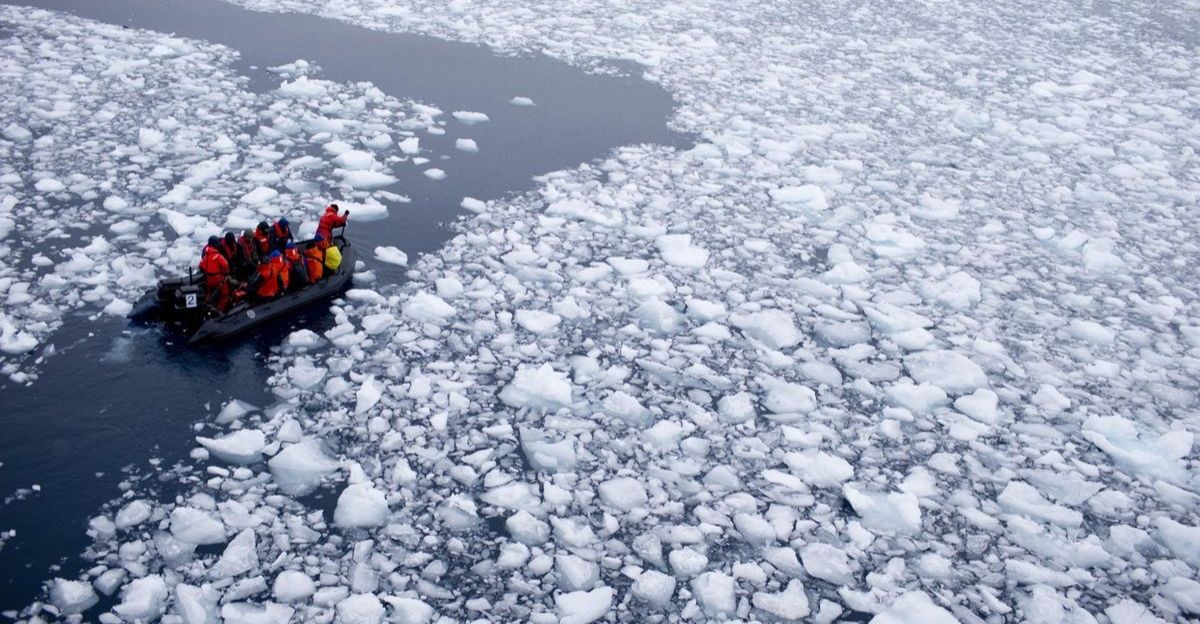
By exposing oceans as dynamic moderators actively influencing global temperatures, the growing understanding of oceanic cooling mechanisms fundamentally contradicts alarmist climate narratives. Changes in ocean circulation, including biological sulfur emissions that increase cloud reflectivity, deep-water cooling, and AMOC disruptions, create complex climate patterns that temper oversimplified views of warming alone.
Accuracy and strategic resilience are enhanced when these processes are incorporated into climate models and policies. By highlighting the importance of maintaining ocean health for both human well-being and the stability of the global climate, this balanced viewpoint enables societies to confront climate change with realistic optimism and scientific rigor.