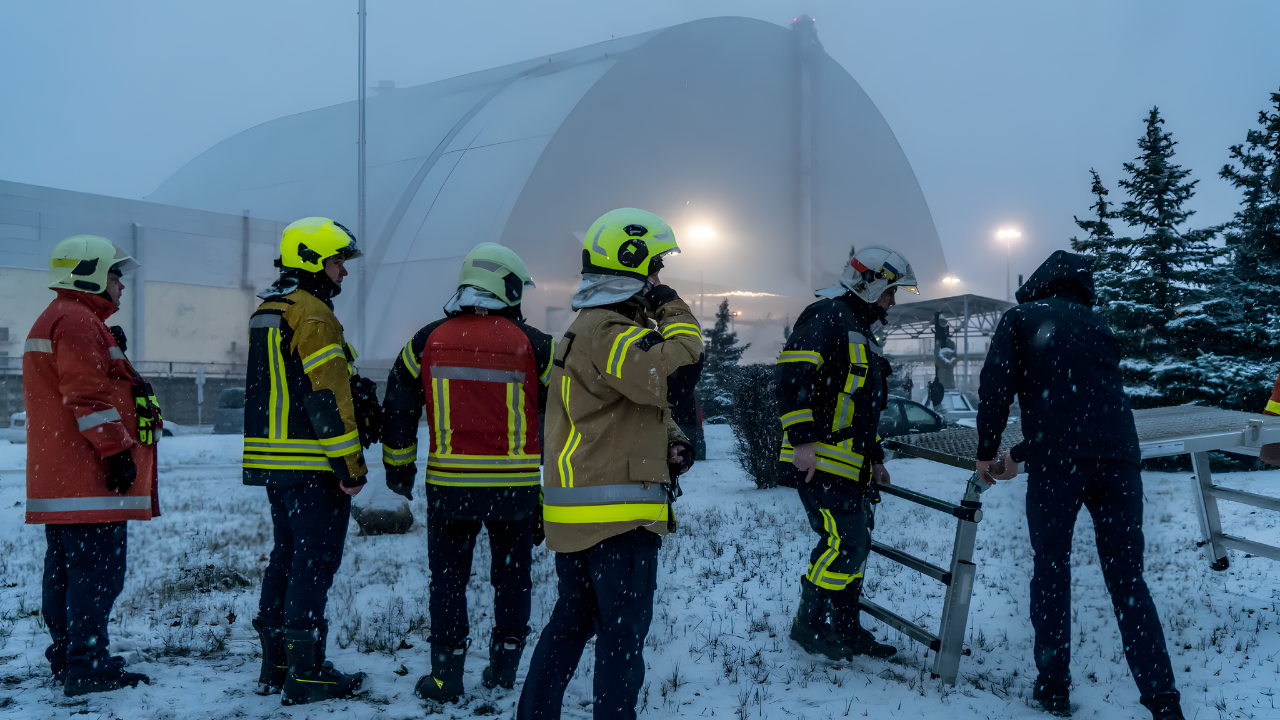
A $1.75 billion protective structure designed to contain nuclear danger for a century was breached in minutes by a single drone strike on February 14, 2025. What remains is not just a physical hole, but a fundamental question about how humanity protects itself from disasters we thought were safely locked away.
For the people still living in and around the Chernobyl zone nearly four decades after the original catastrophe, this damage means something far more personal: the fragile peace they’ve built is now complicated by another layer of uncertainty.
Drone Strike Opened Chernobyl’s Most Critical Defense
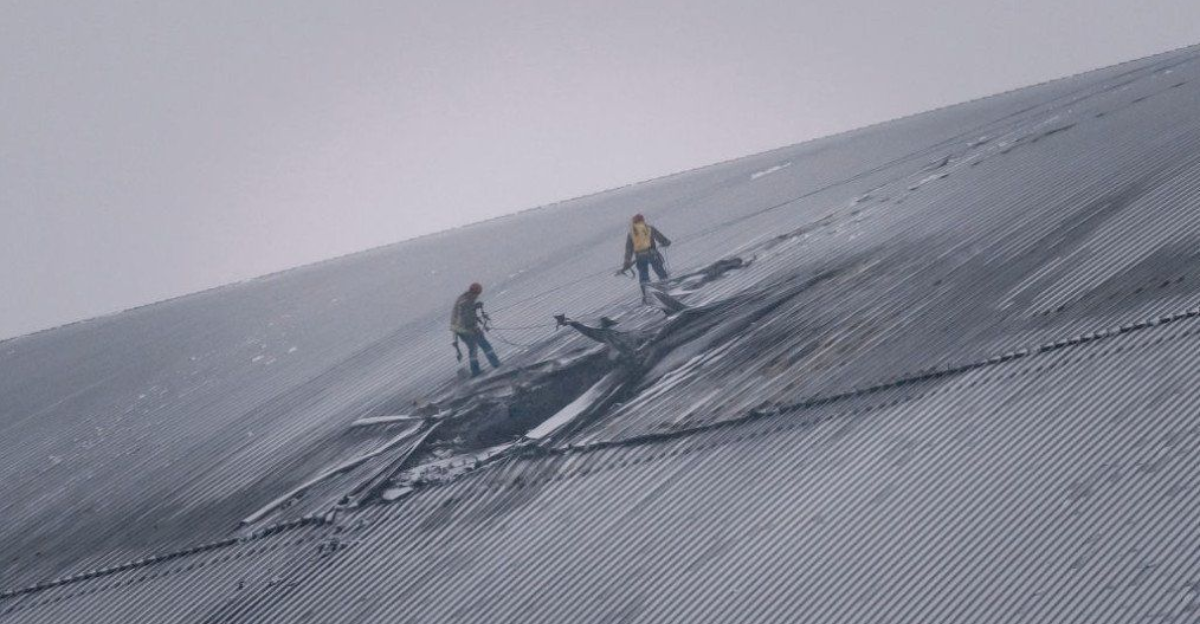
At 1:54 a.m. on February 14, 2025, a Russian Geran-2 drone carrying a high-explosive warhead struck the New Safe Confinement’s northwest corner, tearing through both protective layers and creating a hole approximately six meters in diameter. The blast occurred while International Atomic Energy Agency personnel monitored radiation levels from inside the facility.
In the sub-zero darkness of a Ukrainian winter, a structure built to last through a century of slow decay failed in seconds, exposing the unstable reactor remnants beneath to external air.
Fire Spread Through Insulation
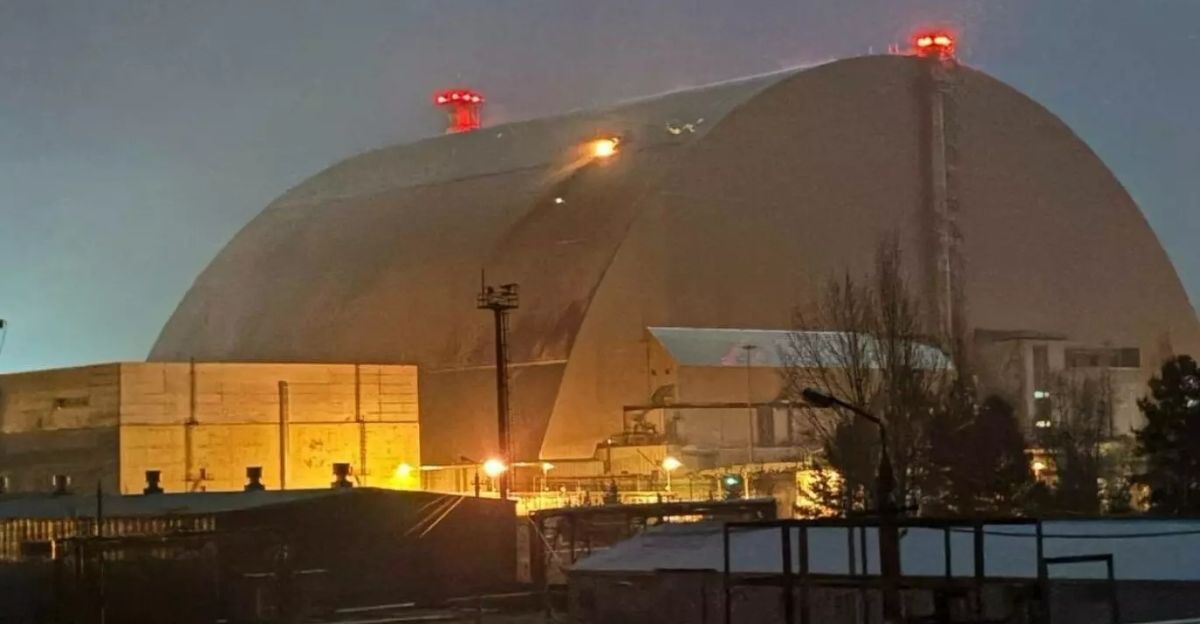
Temperatures plunged to minus 16 degrees Celsius as flames spread through insulation material sandwiched between the shelter’s double walls. Emergency crews worked continuously to suppress the fire, which consumed decades of protective engineering before being extinguished on March 7, 2025.
Firefighters faced conditions their training had not anticipated—water froze before reaching the heat deep inside the roof’s cavity, forcing them to adapt their response minute by minute.
330 Additional Breaches In Protective Shield

As crews fought the fire, they created approximately 330 additional openings in the NSC’s outer cladding while forcing water through the structure to reach the flames. Each opening represented a trade-off: stop the immediate fire threat or maintain the long-term seal.
Chernobyl’s main crane system sustained damage during emergency operations, adding to the facility’s maintenance burden.
Shelter Can No Longer Contain Radiation

On Friday, December 6, 2025, Rafael Mariano Grossi, Director General of the International Atomic Energy Agency, delivered an assessment that significantly altered the global understanding of the site’s safety status: the protective structure had “lost its primary safety functions, including the confinement capability.”
An IAEA inspection team that visited the prior week documented the structural failure. What was engineered to keep radioactive material sealed inside can no longer perform that essential function, leaving only slower containment measures in place.
Radiation Levels Stable

The IAEA reported that radiation readings inside and outside the NSC remained normal immediately after the strike, offering temporary reassurance to monitoring agencies and neighboring nations. Experts emphasized that this does not mean the situation is safe in the long term.
The loss of active confinement means radioactive dust and gases can now escape gradually from the damaged shelter—material that has been decaying since April 1986, when the reactor exploded, and 116,000 people were evacuated from surrounding areas.
Two-Layer System Failed
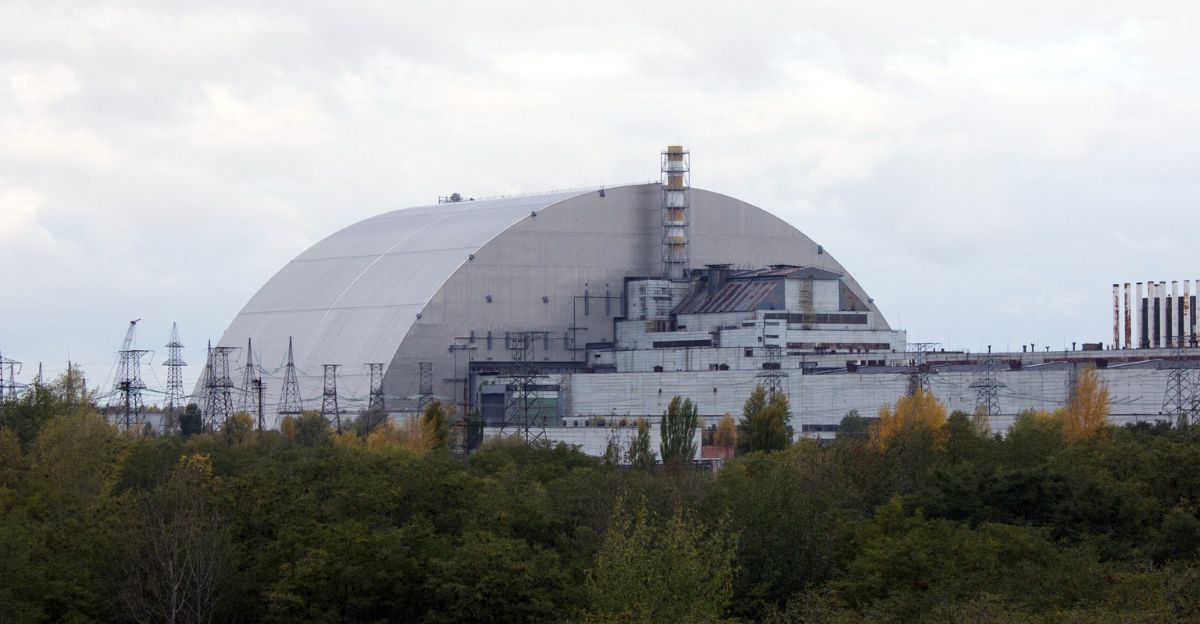
The NSC was built because the original Soviet sarcophagus, constructed in 1986 in the desperate days after the explosion, had begun failing after 30 years of exposure to radiation and weather. That aging concrete shell “wasn’t airtight, allowing radioactive dirt and gas to escape” at increasing rates.
The $1.75 billion European-led initiative to construct the New Safe Confinement, completed in 2016, was intended to replace the failing barrier and enable the eventual dismantling of Reactor Four.
Vulnerable To Modern Warfare
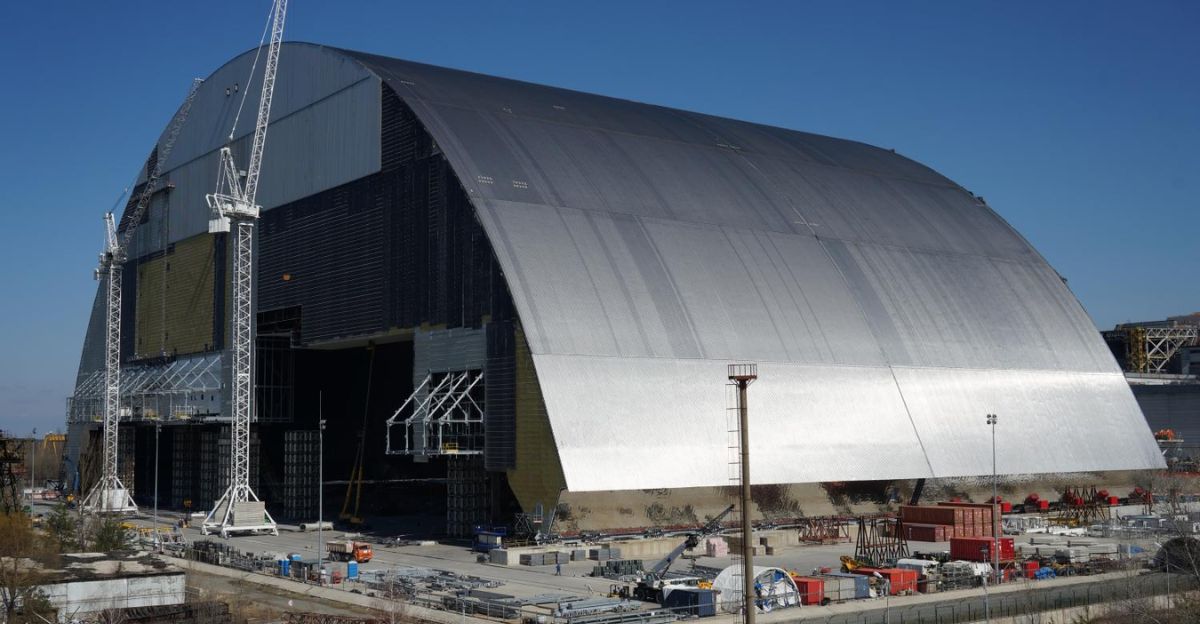
The New Safe Confinement stands 360 feet tall and represents the largest movable land structure ever built. A feat of engineering completed after years of careful construction by a French-led consortium, Novarka.
Designed to withstand decades of corrosion, extreme weather, and gradual radiation degradation, the structure was engineered for slow-motion problems, not explosions. Its $1.75 billion cost reflects how much humanity invested in believing this particular danger was resolved.
Moscow Denies Strike

President Volodymyr Zelenskyy stated that Russian forces launched the Shahed-type combat drone with full awareness that it would strike a nuclear facility. Ukraine’s permanent mission to the IAEA formally communicated evidence pointing to Russian responsibility.
Russia denied targeting the site, suggesting instead that Ukrainian authorities fabricated the claim. The IAEA has not formally assigned responsibility, a diplomatic reality that complicates accountability while recovery work remains urgent.
Russian Geran-2 Drone
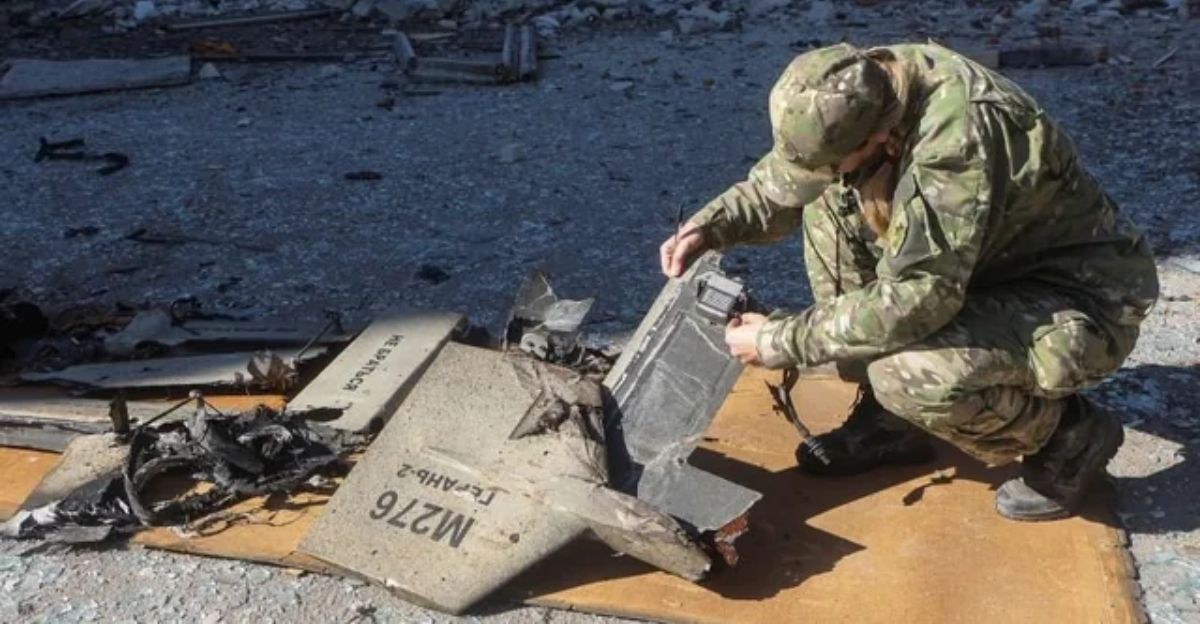
Former UK military specialists at McKenzie Intelligence Services examined drone components collected at the site. They concluded that the evidence was consistent with a Geran-2—the Russian designation for an Iranian-designed Shahed-136 drone now manufactured in Moscow.
These uncrewed weapons, costing between $50,000 and $100,000 each, have become Russia’s primary long-range tool throughout the Ukraine conflict.
Restoration Estimated At Tens Of Millions Of Euros

Preliminary damage assessments suggest comprehensive restoration will cost tens of millions of euros, a financial burden that Western governments that funded the original shelter will likely bear. Full resealing of the outer cladding represents “a complex technical task given the high levels of radiation,” according to Chernobyl plant officials.
Complete structural restoration involving the replacement of sealing membranes cannot commence while active warfare continues.
Comprehensive Restoration Remains ‘Essential’

Rafael Grossi stated in December that “limited temporary repairs have been carried out on the roof, but timely and comprehensive restoration remains essential to prevent further degradation and ensure long-term nuclear safety.” The cautious language masks an underlying urgency: without major restoration, the shelter’s containment function will continue eroding as corrosion spreads.
Plans for restoration work beginning in 2026 with support from the European Bank for Reconstruction and Development remain contingent on security conditions, a variable beyond technical control in an active war zone.
Chernobyl Site Has Remained Contested

Russian forces captured the facility during the invasion’s first days in February 2022, holding plant personnel hostage while occupying the zone for weeks. Ukrainian forces recaptured the site in April 2022 but found damage to the decommissioning work: tanks had moved through radioactive areas, trenches were dug in the Red Forest—one of Earth’s most contaminated regions—and years of careful restoration efforts were disrupted.
Expert staff were dispersed, transportation networks were interrupted, and funding was diverted to active warfare, complicating recovery efforts for years to come.
Millions Across Europe Still Live In Contaminated Zones
About 350,000 people were displaced by the 1986 explosion, many given only hours to evacuate. An additional 234,000 were relocated in the following months, often told they would return in days but never allowed back.
Today, approximately 6 million people continue living in contaminated areas across Belarus, Ukraine, and Russia. Some view the radiation risk as preferable to active warfare, seeking the stillness of an abandoned zone over the chaos of bombing.
Long-Term Health Effects Continue

Studies of liquidators—workers who responded to the 1986 disaster—show elevated rates of cerebrovascular disease, depression, cognitive impairment, and dementia that increase with radiation exposure.
Evacuees experienced widespread trauma from displacement, with many losing homes and livelihoods despite government housing assistance. Mental health conditions, including PTSD, depression, and alcohol-related disorders, remain elevated decades after evacuation.
Wildlife Thrives
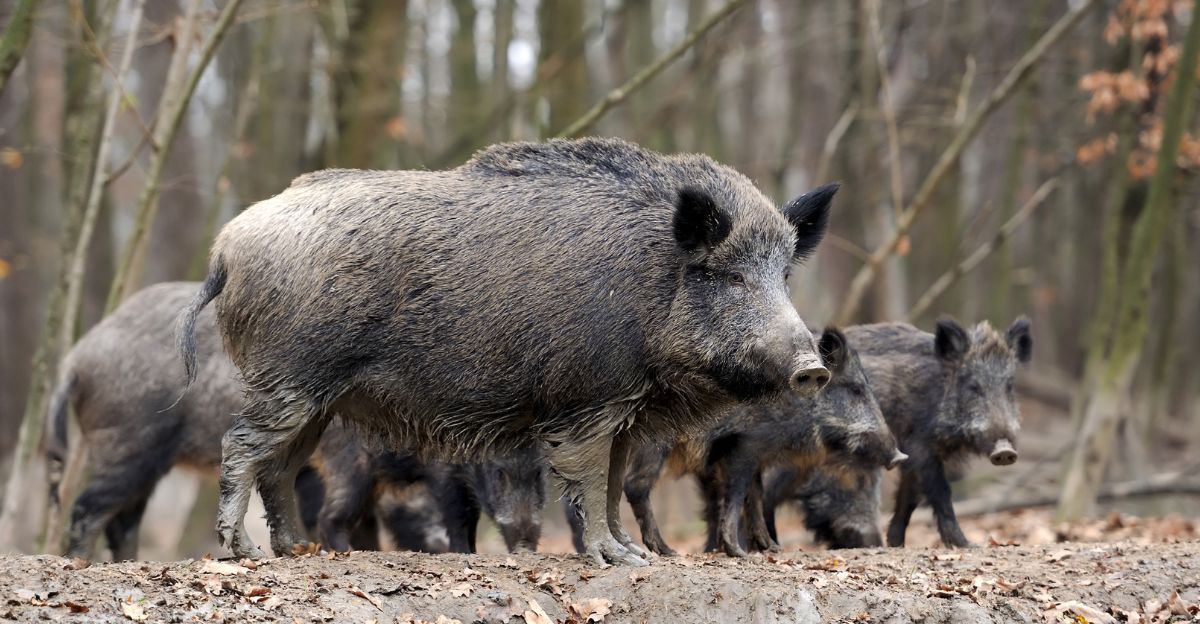
The 30-kilometer exclusion zone has unexpectedly become a wildlife sanctuary, with wolf and wild boar populations flourishing in the absence of human activity despite ongoing high radiation levels. Yet for the people still living nearby, the presence of thriving animals does not translate to human security.
Children still attend schools in contaminated areas, parents still work at the facility, and families still navigate the invisible threat of radiation while managing visible threats of war, all while the infrastructure meant to protect them becomes less reliable.
Potential Consequences From New Damage
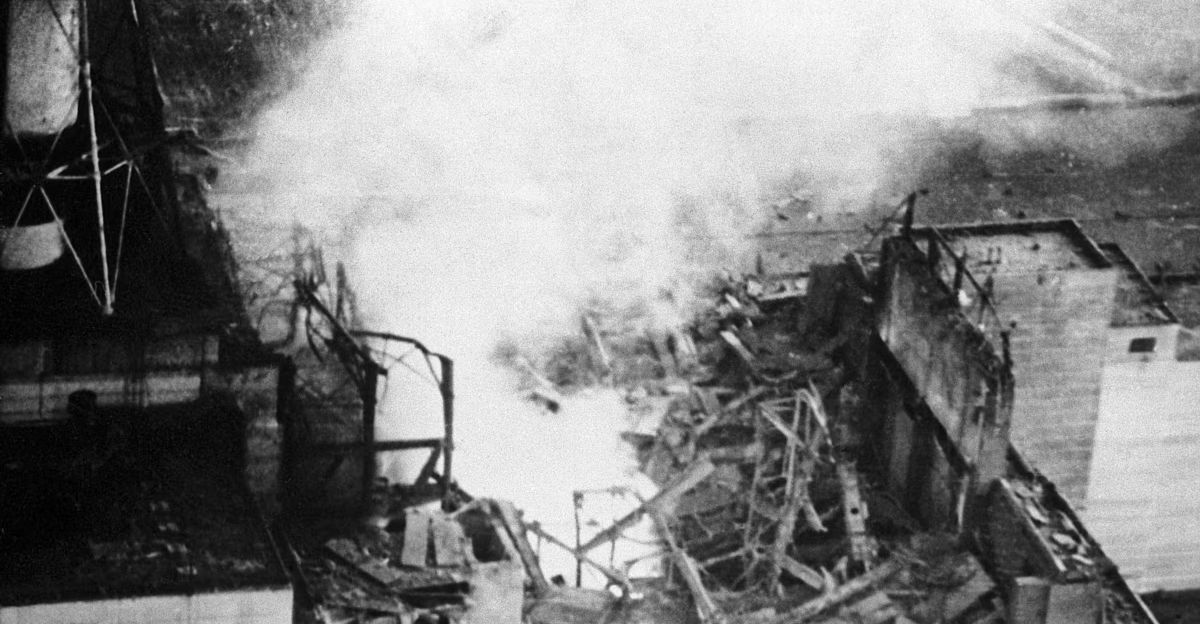
The 1986 explosion released radioactive fallout across continental Europe, reaching Scandinavia and affecting millions across multiple nations. Current modeling suggests that a significant new release of radioactive gas and dust, which “can easily disperse widely and remain hazardous for extended periods,” could affect populations across borders in ways governments cannot fully control.
The immediate zone of danger extends far beyond Ukraine’s borders, making this a continental concern rather than a localized one, connecting the Chernobyl facility to the health and safety of European populations decades after the original disaster.
Sources:
IAEA Director General Statement on Situation in Ukraine – IAEA
INFCIRC/1272 – Communication from the Permanent Mission of Ukraine to the Agency – IAEA
Chernobyl New Safe Confinement – Wikipedia