
When you land on Russian soil today, you’re no longer just a traveler—you’re classified as a potential conscript. Last month, authorities stationed military personnel at 12 major airports, issuing draft summonses and fines of $330 to travelers.
Naturalized citizens risk losing their citizenship and being deported. This unprecedented use of airports as enforcement checkpoints affects over 1 million potential travelers annually. Here’s what’s going on.
The 12-Airport Conscription Network Explained
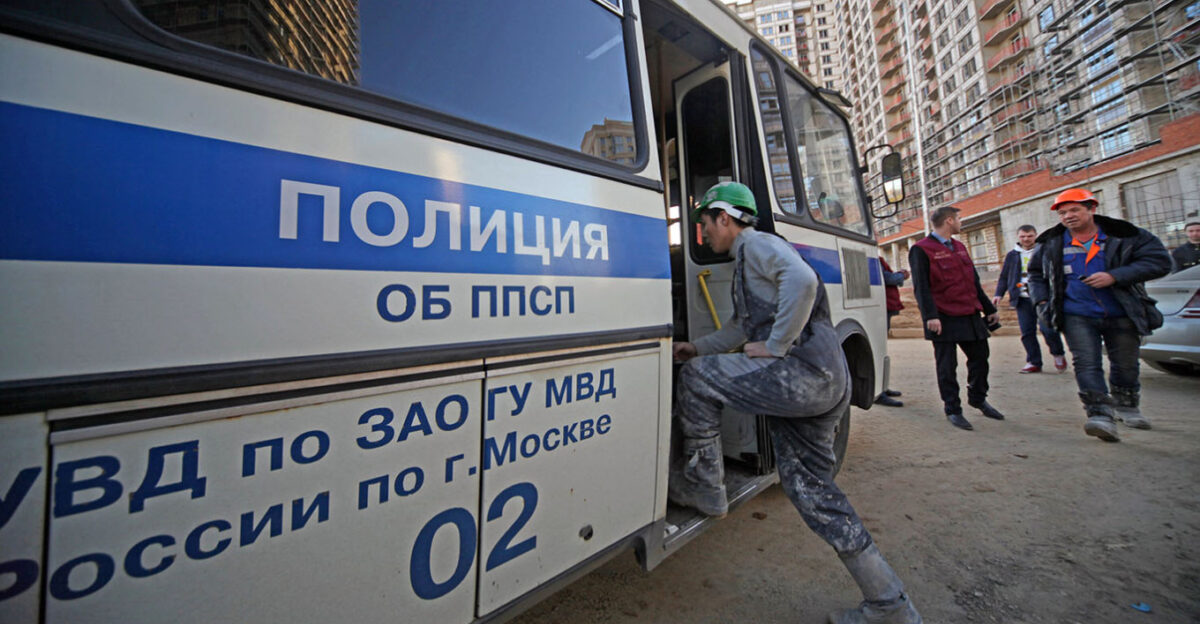
Russian authorities have opened 12 new migration control checkpoints at major airports—Moscow’s three hubs, St. Petersburg, Yekaterinburg, Sochi, Kazan, Novosibirsk, and others—starting last month.
Officially screening travelers, these checkpoints function as draft enforcement stations. Military investigators cross-reference facial recognition databases and military registration records. Those unregistered, especially naturalized citizens, are handed fines or draft notices. How extensive is the operation?
70% of Russia’s Air Traffic Under Military Watch
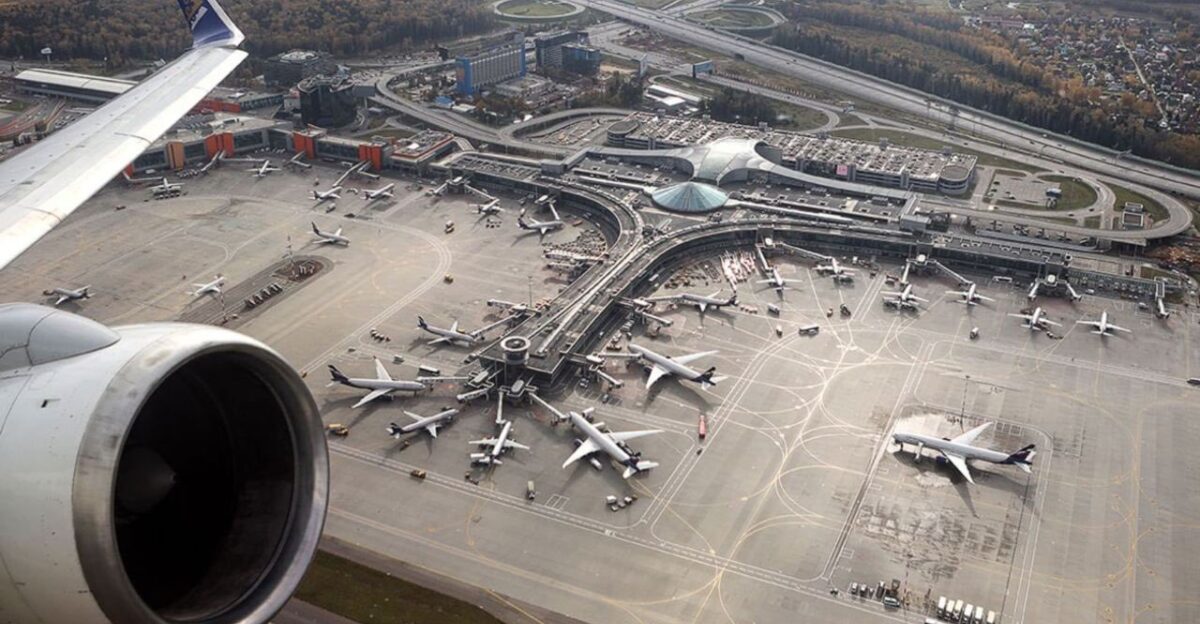
These 12 airports moved 151.4 million passengers in 2024. Moscow’s Sheremetyevo (43.7 million), Vnukovo (16.1 million), and Domodedovo (15.6 million) alone cover 75 million. Add St. Petersburg’s Pulkovo (20.9 million), Sochi (13.7 million), Yekaterinburg (8 million), and Novosibirsk (9.3 million). That’s 70% of Russia’s 216.4 million annual travelers. Most citizens and returning expatriates cannot avoid checkpoints. But what happens after identification?
The Moscow Metro Database Goes Global

Facial recognition, once used in Moscow’s 200,000-camera metro system, is now being implemented at airport checkpoints. Biometric data is linked to Russia’s unified system, accessible to police and intelligence services, according to The Moscow Times, which reported on November 13, 2024. The Civil Alliance of Russia noted on October 20, 2025, that men who challenge orders are flagged and detained. Airports are no longer transit zones—they’re permanent tracking stations. What does this mean for travelers?
Naturalized Citizens Face a Two-Tier Legal System

Alexander Bastrykin stated on May 19, 2025, that Russia identifies approximately 80,000 naturalized citizens who are unregistered for military service. Many are migrants from Tajikistan, Uzbekistan, and Kyrgyzstan. Military law expert Timofey Vaskin warned on November 30, 2025, that men of “non-Slavic appearance” face targeting.
Native Russians face minimal consequences; naturalized citizens risk citizenship revocation. ADC Memorial reported 214 had citizenship stripped by August 2025. How far will authorities push enforcement?
A Tenfold Fine Increase Hits Arriving Travelers
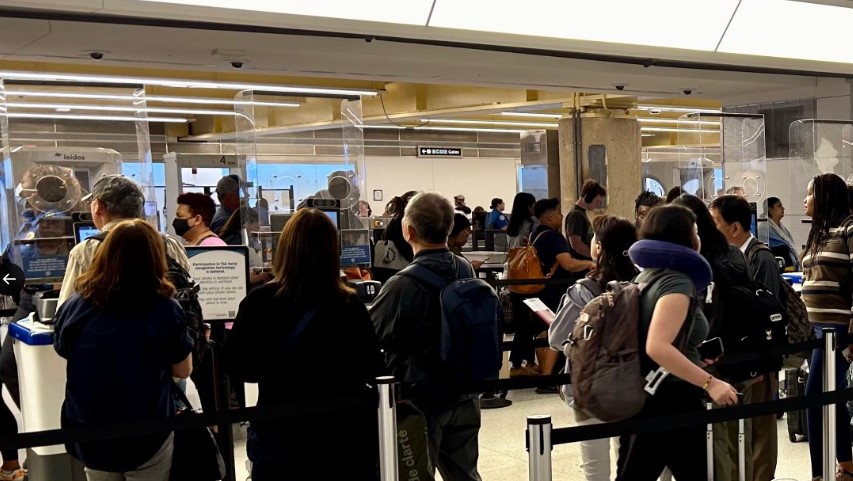
Non-compliance fines now reach 30,000 rubles ($330 USD), up from 500–3,000 rubles before October 2023, per The Moscow Times, November 13, 2024. Additional penalties include 20,000–30,000 rubles for failing to report changes in residence.
If 1 million travelers are processed annually and 30–50% fined, authorities could generate $100–165 million. The system pressures individuals financially and militarily.
20,000 Naturalized Citizens Already Sent to Front Lines

By May 2025, 20,000 naturalized citizens were deployed to Ukraine, Alexander Bastrykin said May 19, 2025: “Already 20,000 ‘new’ Russian citizens… are now on the front lines.” The airport operation builds on pre-existing infrastructure targeting naturalized populations.
From identification to frontline service, deployment is fast. With checkpoints now expanding, capture and conscription numbers could rise sharply. How many more will be caught?
Statelessness as a Conscription Enforcement Tool

ADC Memorial reported on August 3, 2025, that Russian law allows for the stripping of citizenship from naturalized citizens who fail to register within two weeks. By summer 2025, 214 people had lost their citizenship.
Once stateless, individuals are unable to work, access healthcare, or register births. The constitution forbids this, yet legislation treats citizenship as revocable. Unlike native Russians, naturalized citizens face existential coercion. What does this mean for Central Asian migrants?
Conscription Devastates Migrant Worker Supply Chains
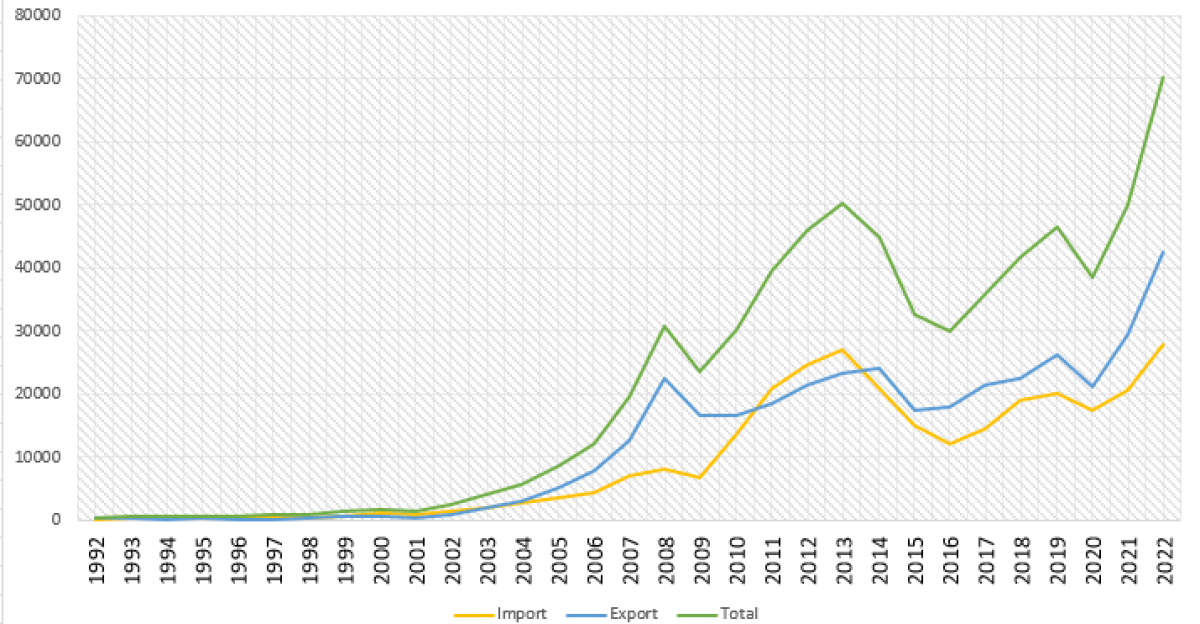
Russia employs 10.5 million migrant workers, mainly from Central Asia, according to The Moscow Times, dated February 5, 2025. Remittances form 51% of Tajikistan’s GDP. Checkpoints and migration restrictions limit spending to 30,000 rubles ($351) per month, blocking remittances.
Immigration lawyer Valentina Chupik warned on February 5, “Even if they have all documents… the migrant cannot work.” Individual enforcement now destabilizes regional economies. Could the ripple effect worsen?
Vesti Ural Reveals What Officials Denied
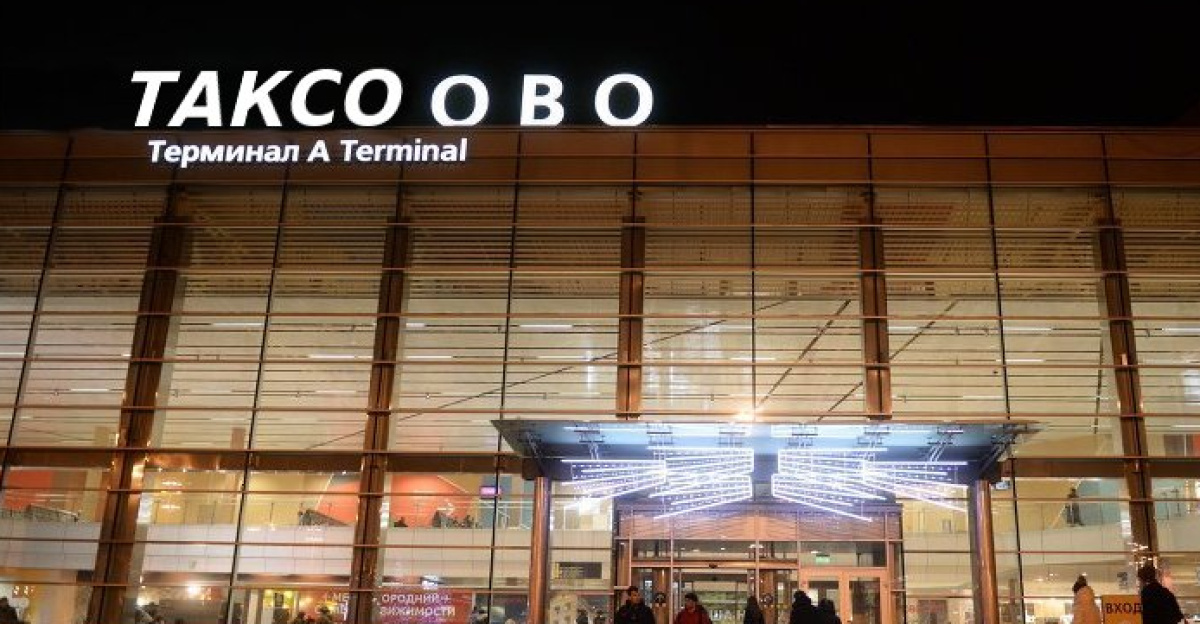
State television inadvertently exposed the operation. On November 20, 2025, Vesti Ural broadcast footage from Koltsovo Airport, showing citizens being handed draft notices. The report stated: “The moment this man landed… he was told he couldn’t simply fly back out,” United24Media reported November 30, 2025. This contradicts official claims targeting only foreigners. The system’s actual mechanics were revealed. How did authorities respond to public exposure?
A Unified Surveillance System Takes Shape

Between 2024 and June 30, 2025, facial recognition technology expanded nationwide, according to a report by Van Rhijn Legal on September 7, 2025. Foreigners submit photos and fingerprints digitally. Airports’ complete integration with metro and border networks.
NtechLab and VisionLabs power the unified system, as reported by ID Tech Wire on September 4, 2024. Once flagged, individuals remain permanently tracked. What began as public safety infrastructure now enables total surveillance of conscription.
Expats and Diaspora Face Impossible Choices

Airport checkpoints leave Russian citizens abroad vulnerable. Returning expats risk receiving draft notices upon arrival, Alexander Bastrykin said on May 19, 2025. Round-trip ticket holders have been told they cannot depart, according to a Vesti Ural broadcast on November 20, 2025.
The Civil Alliance of Russia reported on October 20, 2025, that legal challenges have triggered detentions. Families are separated and futures disrupted. The checkpoints transform return migration into a legal and existential trap.
Military Conscription Starves the Economy of Workers

Russia’s defense sector has a 160,000-employee shortfall, according to a report by the Jamestown Foundation dated July 21, 2025. The broader economy suffers under conscription pressures, as Novaya Gazeta Europe reported on September 21, 2025: wages fell 10% below 2024 levels. Airport dragnet traps naturalized workers, accelerating workforce depletion. Valentina Chupik predicted that on February 5, 2025, law-abiding migrants will leave Russia, worsening shortages. Conscription is reshaping the economy.
Deported Russians Land Into Immediate Conscription
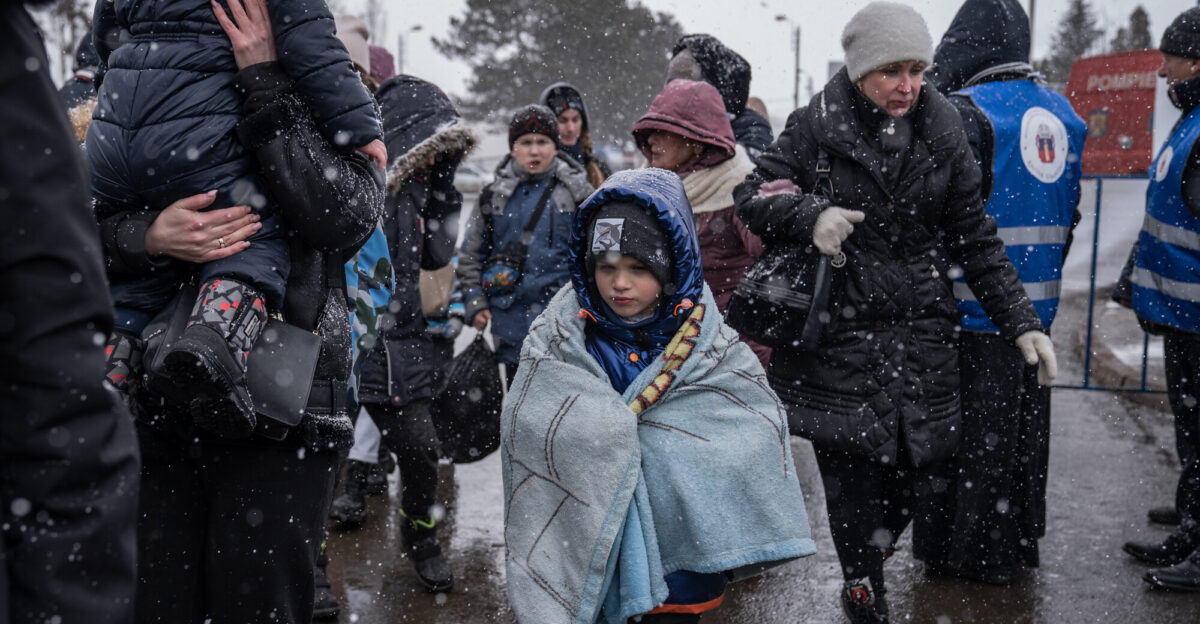
Between December 7–9, 2025, the U.S. deported 60 Russian nationals to Moscow. Euronews reported on December 11, 2025, that men received draft notices immediately at Domodedovo Airport. Dmitry Valuev documented the arrivals. Involuntary return migrants are conscripted upon landing. Domestic enforcement now intersects with international migration systems. What began as a national operation has expanded globally.
The End of Anonymity, The Beginning of Control
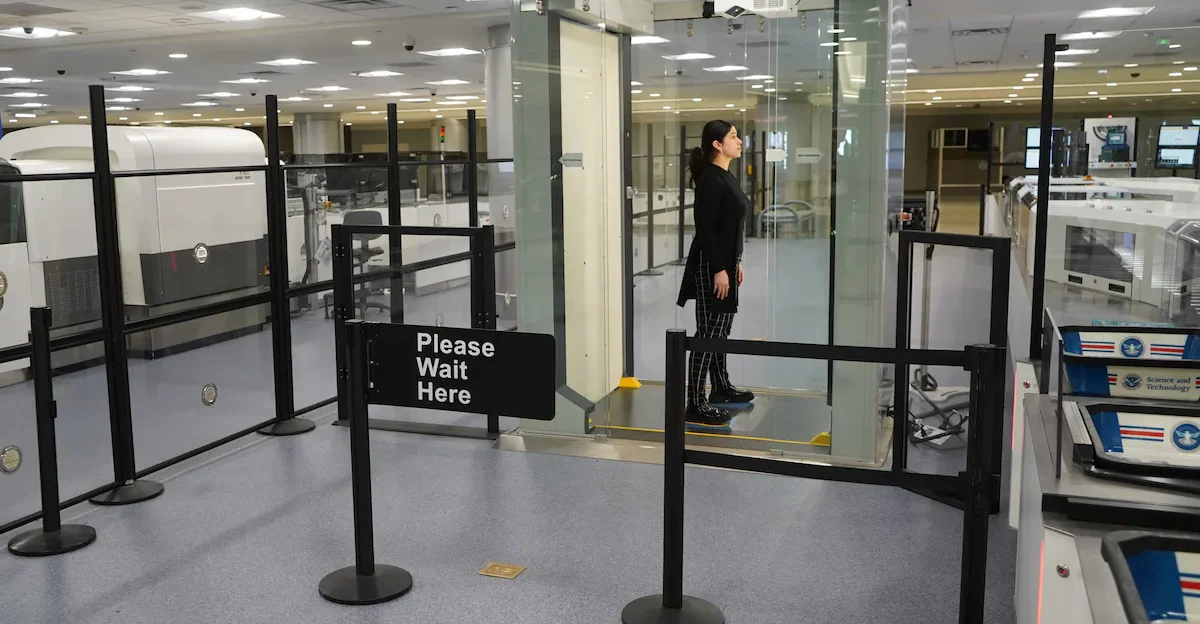
Airport checkpoints signal permanence of biometric surveillance. The integration of metro, border, and airport systems enables permanent tracking. Naturalized citizens, expats, and migrants face immediate conscription risks upon return. Infrastructure weaponizes previously neutral technology into a nationwide dragnet.
Whether this persists after the Ukraine conflict ends or expands further remains uncertain. Airports have transformed from neutral transit zones into military enforcement stations, marking a historical shift in population control.
SOURCES
“Russia Starts Issuing Draft Notices at Airports to New Citizens and Returning Expats.” United24Media, November 30, 2025.
“Moscow Using Facial Recognition to Detain Men Challenging Military Drafts.” The Moscow Times, October 20, 2025.
“Russia Threatens Draft Dodgers With Travel Restrictions, Fines by Text Message.” The Moscow Times, November 13, 2024.
“Russia’s New Migration Regulations ‘Very Dangerous’ For Millions of Foreign Laborers.” The Moscow Times, February 5, 2025.
“Russia is stripping political prisoners of their citizenship for refusing military service.” ADC Memorial, August 3, 2025.
“Facial Recognition Used in Moscow Metro to Detain Military Conscripts.” ID Tech Wire, September 4, 2024.