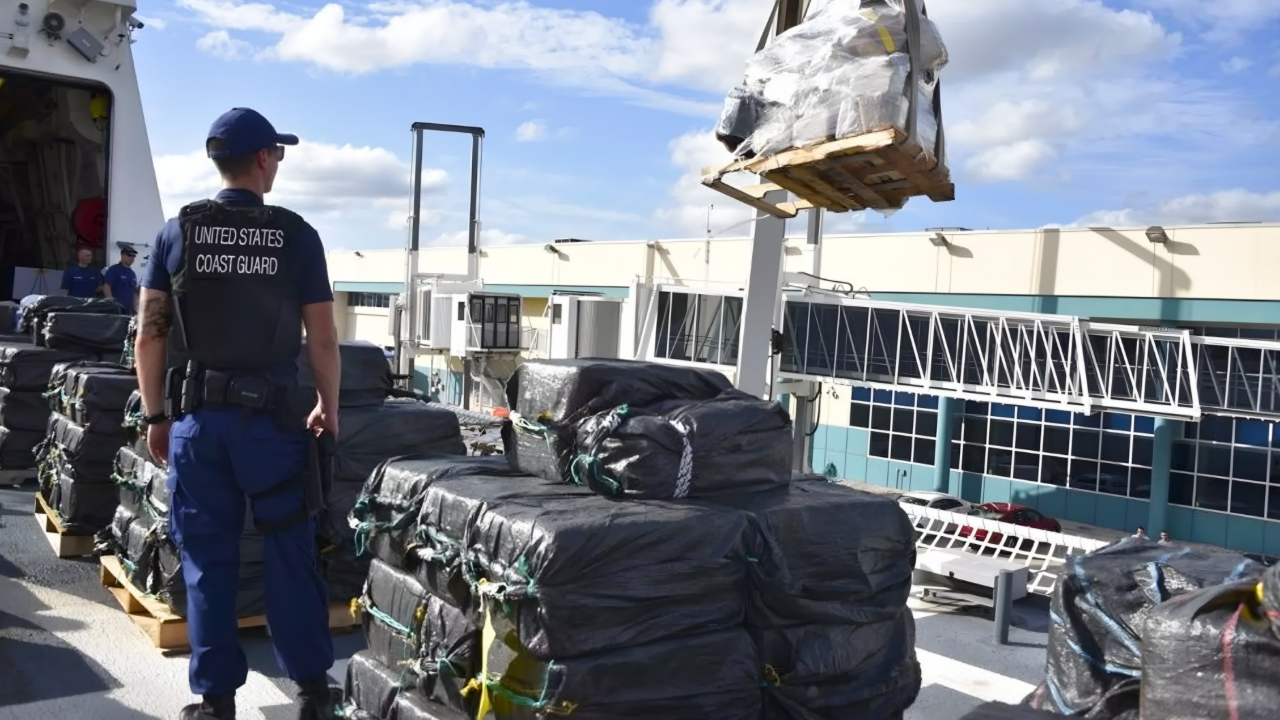
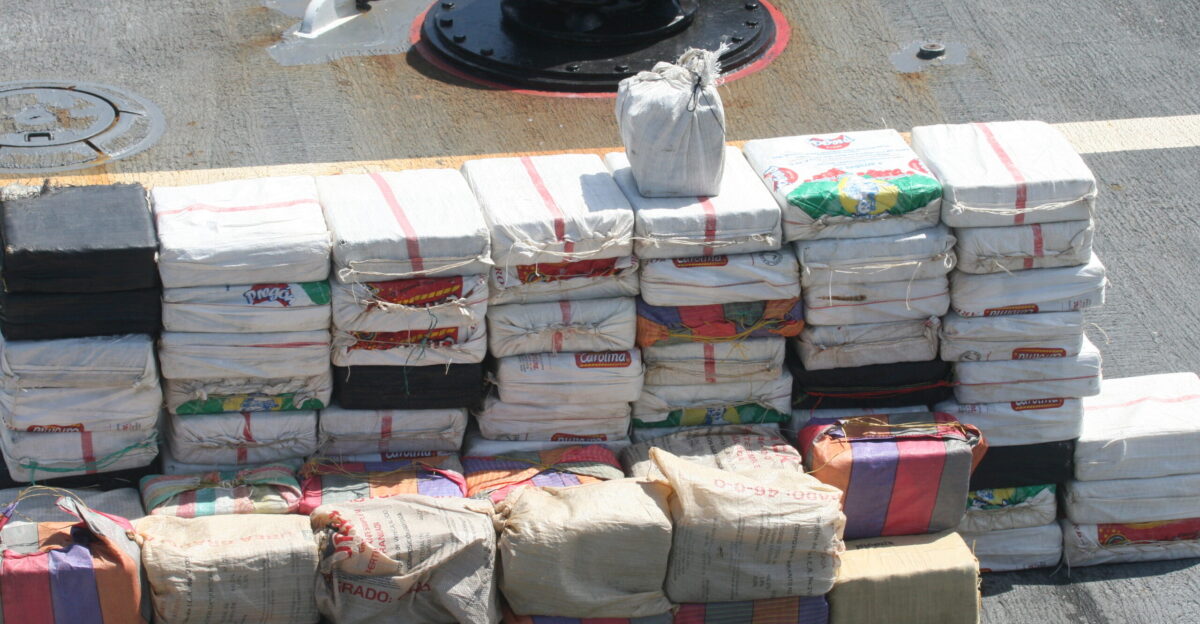
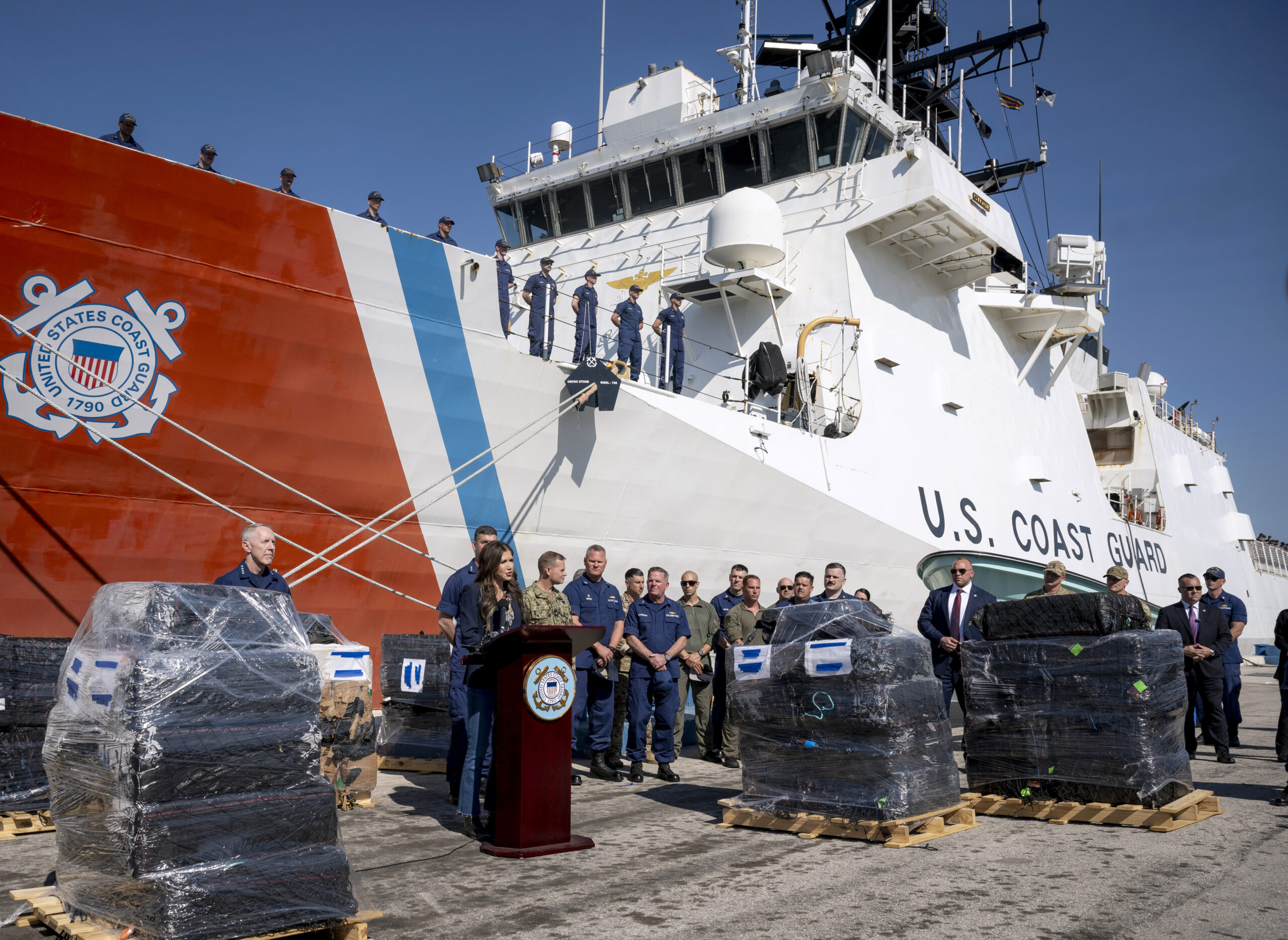
On November 19, 2025, Port Everglades in Fort Lauderdale saw something no U.S. Coast Guard port had witnessed before: a ship offloading nearly 25 tons of cocaine worth $362 million. One cutter. One patrol. Fifteen successful interdictions.
The crew of Coast Guard Cutter Stone didn’t just make a drug bust—they shattered the record for the largest single-patrol seizure in service history, sending a clear message to traffickers targeting American shores.
Meet the Ship That Made History
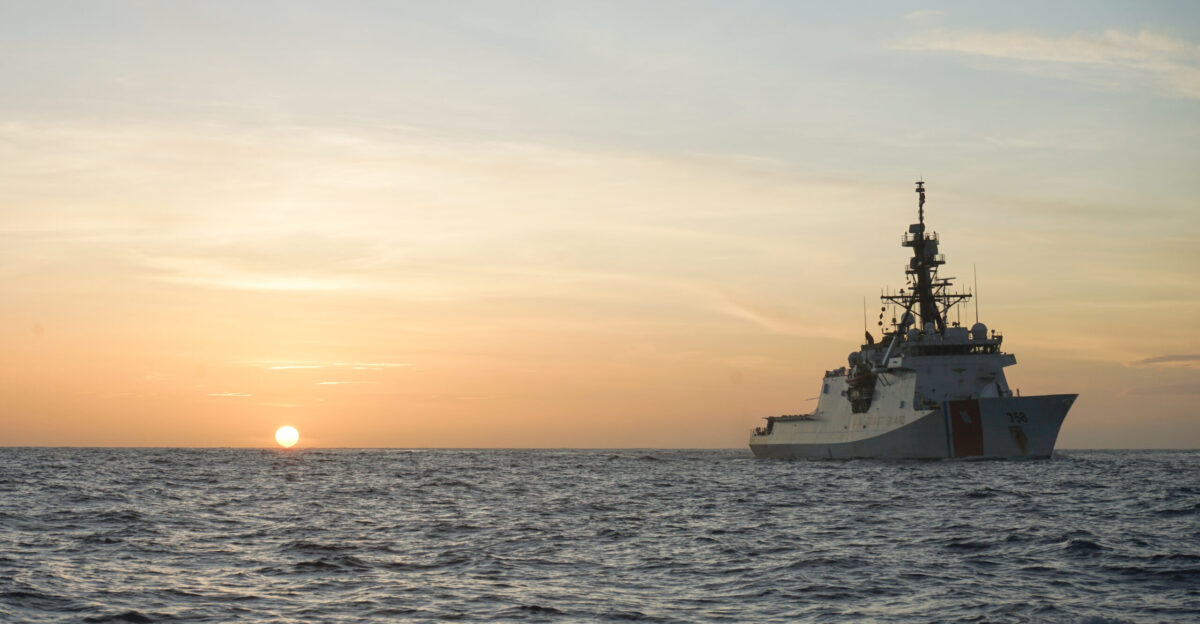
The Stone is a 418-foot Legend-class cutter built for exactly this mission. Homeported in Charleston, South Carolina, with a crew of 120, she’s equipped with advanced radar, a 57mm deck gun, and helicopter landing pads.
When Capt. Anne O’Connell took command in June 2025; few imagined the historic patrol ahead. The captain brings an MIT and Harvard pedigree, White House Fellow credentials, and experience commanding five cutters—leadership that proved decisive in the Eastern Pacific.
The Ocean Is the Front Line

Most Americans don’t realize where the real drug war happens. The Eastern Pacific Ocean is where roughly 80 percent of all narcotics destined for U.S. streets get intercepted. Smugglers know this.
They pack go-fast boats and larger vessels with cocaine and aim them north from Colombia, hoping to slip past the few ships patrolling an ocean the size of a continent. The Coast Guard has only one answer: catch them before they reach our borders.
Operation Pacific Viper Changes Everything
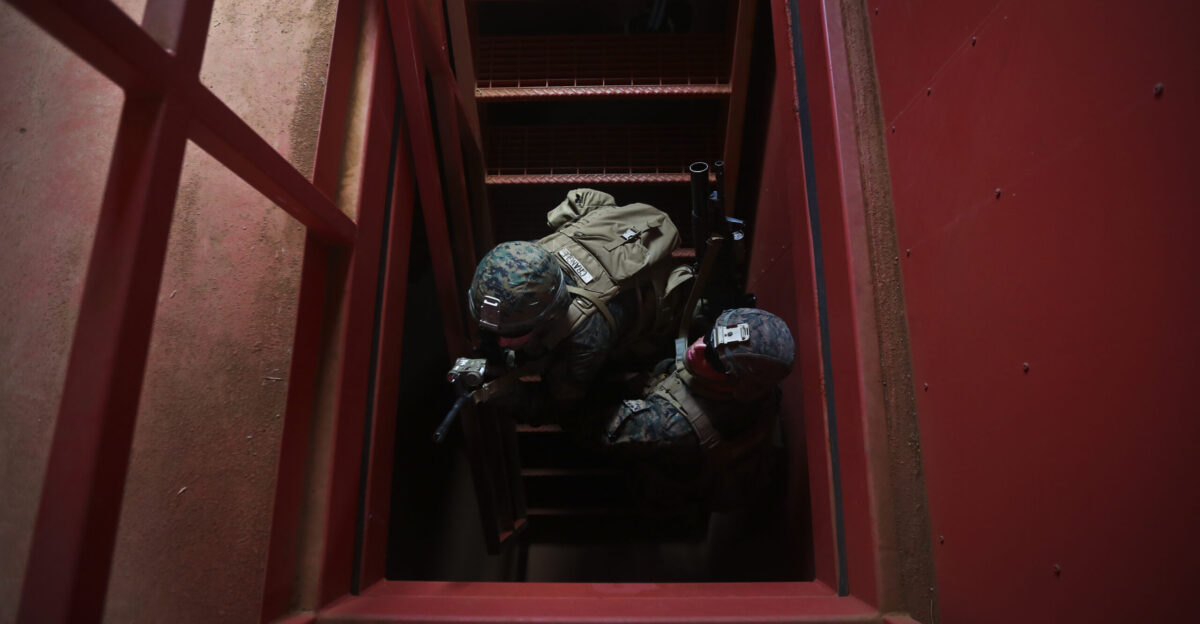
Starting in August 2025, the Coast Guard launched Operation Pacific Viper—a surge in naval firepower aimed directly at drug trafficking networks. By December, the operation had seized over 150,000 pounds of cocaine worth $1.1 billion.
That’s a coordinated assault involving Joint Interagency Task Force-South, multiple cutters, helicopters, and sustained tactical pressure on networks that thought they owned the ocean.
The Commanding Officer Who Led the Way
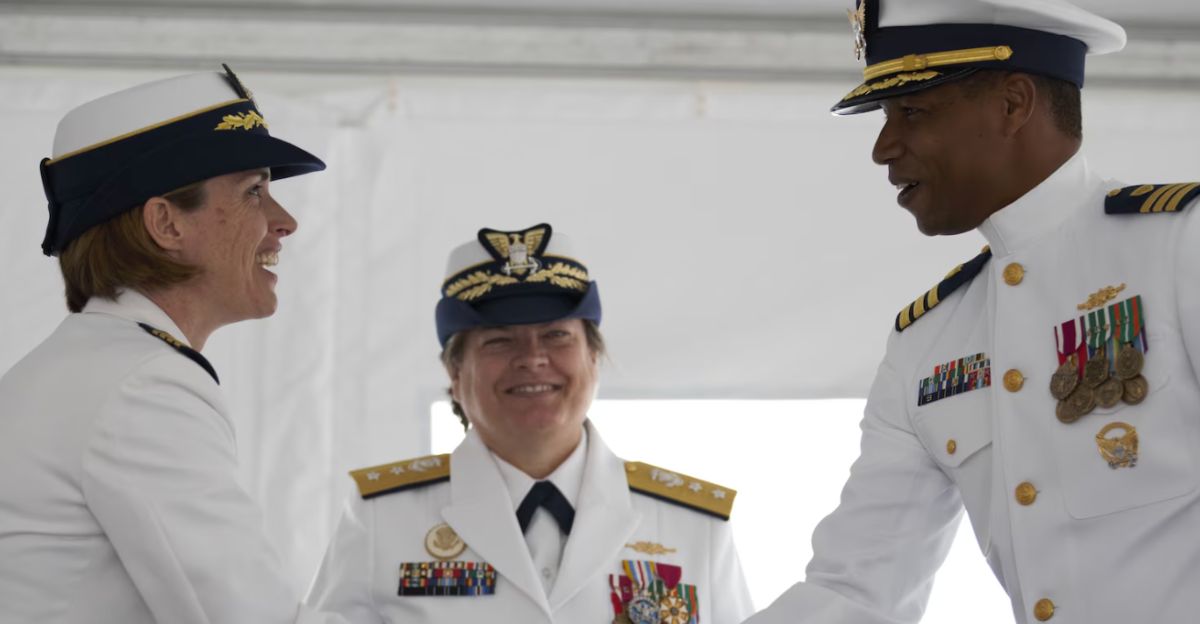
Capt. Anne O’Connell didn’t just happen to be commanding Stone during its record patrol. Her career has been defined by leadership at sea during high-pressure operations. After leaving the Commandant’s Advisory Group in June 2025, she arrived at Stone with a clear mandate: take the fight to traffickers.
Within months, her crew conducted 15 interdictions, seized nearly 25 tons of cocaine, and proved that disciplined training and professional excellence still matter in the fight against organized crime.
HITRON—The Hidden Heroes Stopping Speedboats
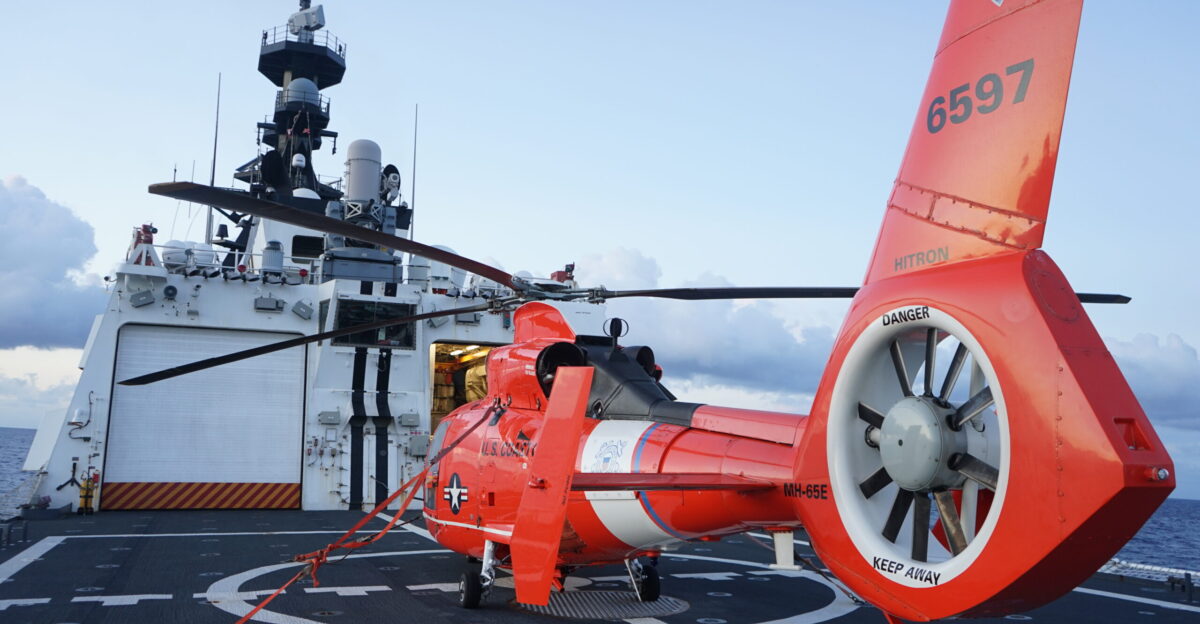
Above the water, HITRON—the Helicopter Interdiction Tactical Squadron—waits for the call. These crews operate MH-65C Dolphin helicopters from cutters like Stone, flying hundreds of miles out to intercept go-fast boats attempting to outrun surface vessels.
Based at Cecil Field in Jacksonville, Florida, HITRON has evolved from a 1998 experimental program into the spear point of maritime drug interdiction. Their tactics are direct: disable the vessel, stop the smugglers, seize the drugs.
Precision, Not Brutality—How Interdictions Really Work
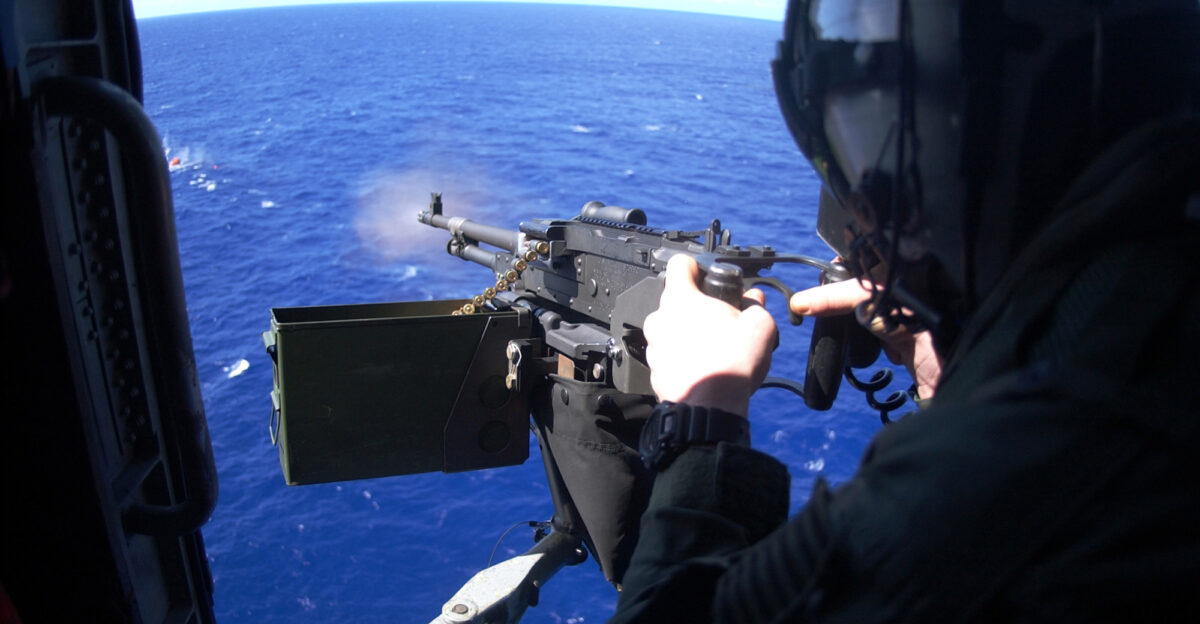
The process starts with a warning. Helicopter crews call the vessel on the radio, in English and Spanish, ordering them to stop. Most smugglers know what’s coming and push throttles to full. Then come warning shots—machine gun fire aimed across the bow from M240 door guns.
If the boat continues to run, things escalate. Precision marksmen with .50-caliber Barrett rifles target engines with carefully calculated shots, not to sink the vessel but to disable it. Within minutes, Coast Guard boarding teams arrive to make arrests.
One Thousand Victories
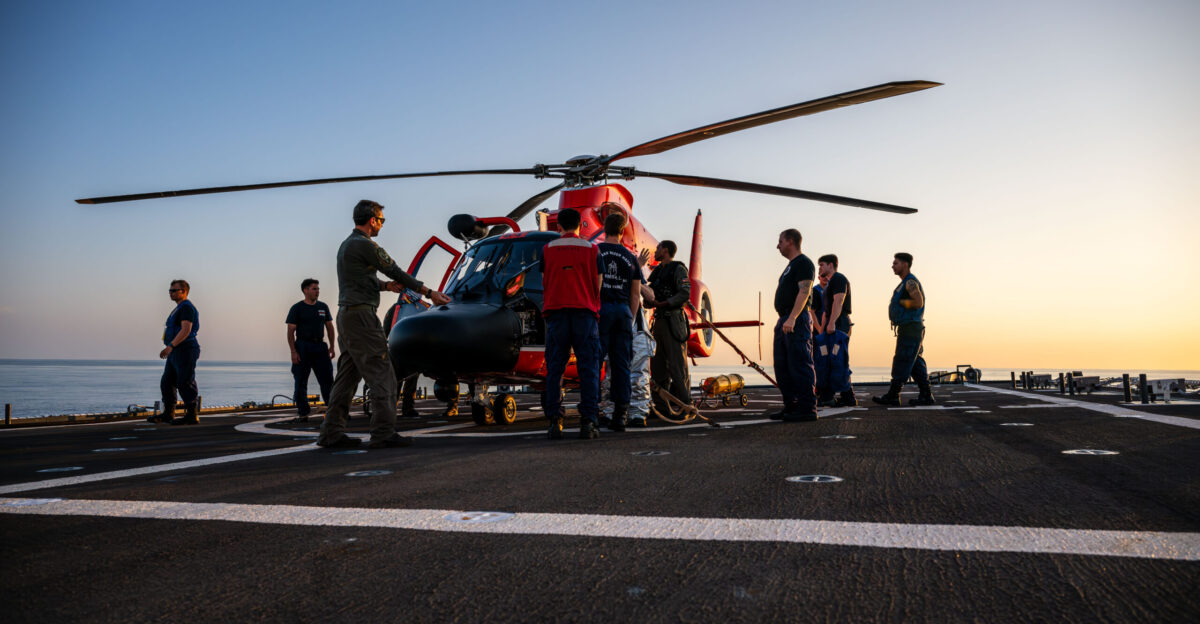
On August 25, 2025, HITRON marked its 1,000th drug interdiction when helicopter crews spotted a vessel southwest of Acapulco carrying 3,600 pounds of cocaine. That milestone marks 26 years of operations, with an average of one interdiction every nine days.
Here’s what’s staggering: since fiscal year 2025 began in October 2024, HITRON seized $3.3 billion in narcotics. Something shifted in 2025. The pace of the fight accelerated dramatically.
The Boats That Traffickers Love
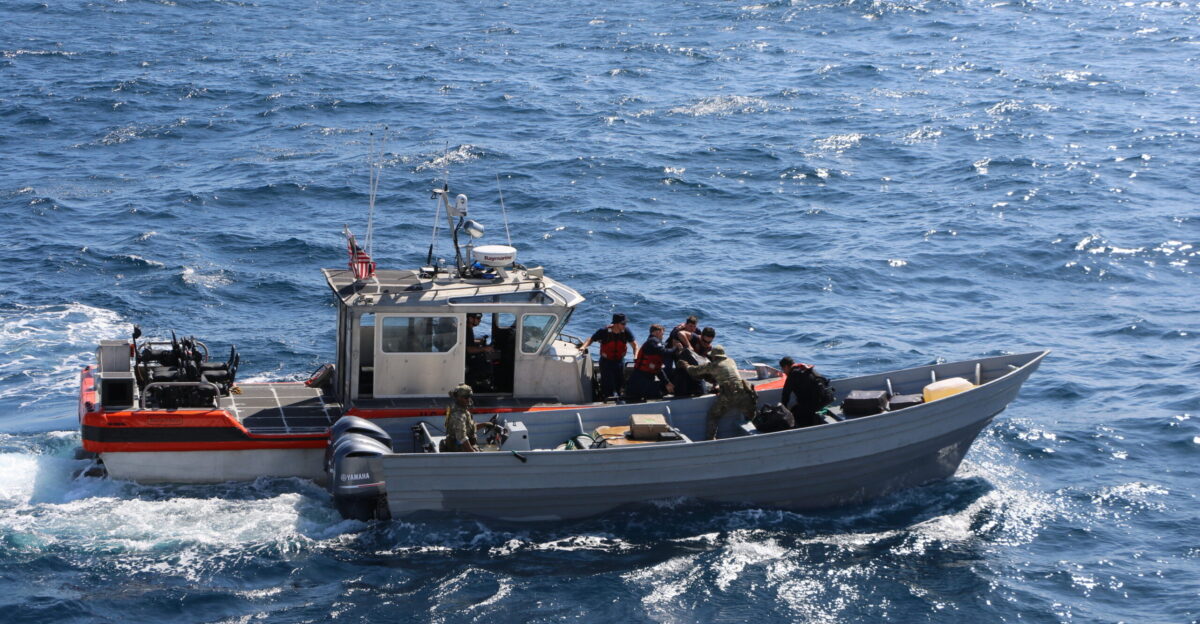
Smugglers have perfected the art of the go-fast boat. These vessels—typically 20 to 50 feet long—combine fiberglass hulls, Kevlar reinforcement, and carbon fiber components with engines that total over 1,000 horsepower. In calm water, they hit 80 mph. In rough seas, they maintain 25 knots.
They’re too fast for Coast Guard cutters to catch through conventional pursuit. They’re designed for one purpose: outrun everyone until they cross into territorial waters where international law limits enforcement.
Colombia’s Cocaine Crisis Feeds the Pipeline
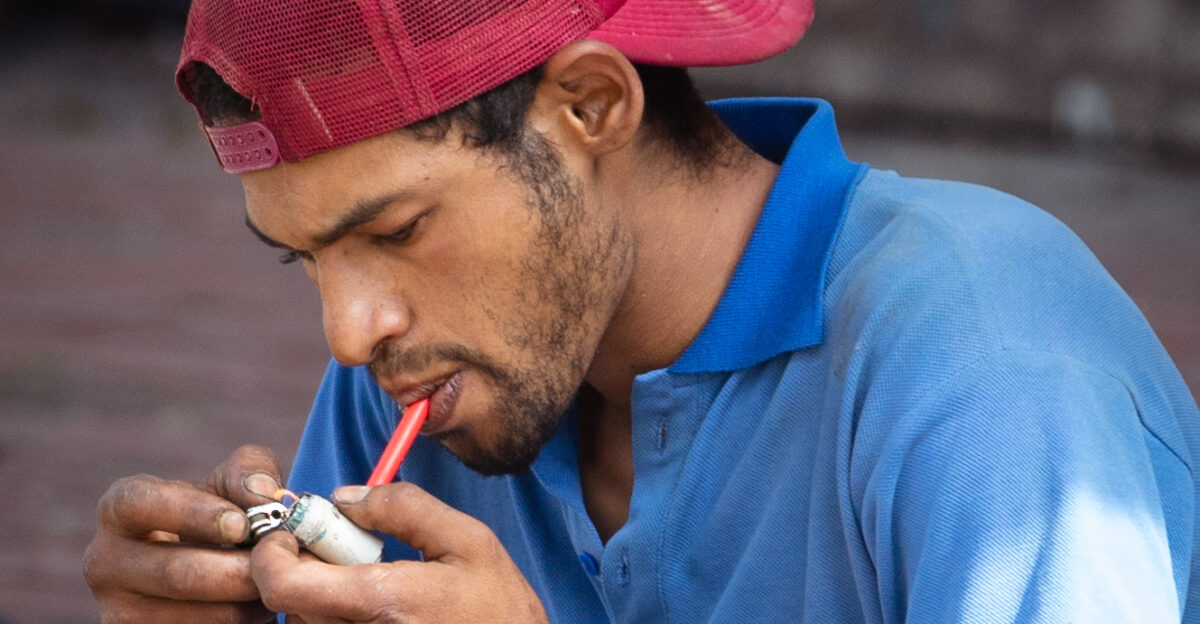
The numbers tell a grim story. Global cocaine production reached 3,708 tons in 2023, according to the United Nations Office on Drugs and Crime—a 34 percent jump from the previous year. Colombia alone produced 2,664 metric tons, accounting for 67 percent of the world’s coca cultivation.
Most of Stone’s seizure came from Colombian cartels operating in the southwestern provinces, moving product northward through the Pacific toward Central America and the United States.
The Math Behind $362 Million
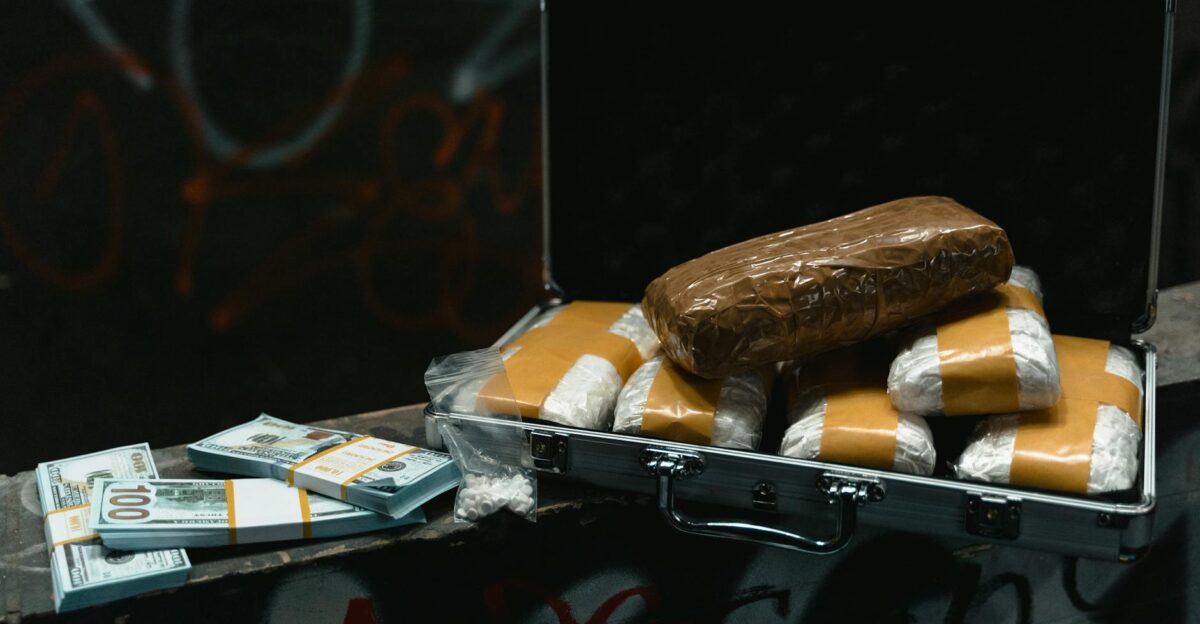
Cocaine doesn’t have a fixed price like gasoline. On American streets, users pay between $60 and $200 per gram, depending on purity and location, with an average price of around $120 per gram. A kilogram wholesales for $28,000 to $70,000. Stone’s 49,010-pound haul equals approximately 22,230 kilograms.
Using conservative street valuations, that’s $362 million in poison that never reaches neighborhoods, never funds cartels, never destroys families.
The Command Center That Sees Everything
Joint Interagency Task Force-South operates from Naval Air Station Key West, Florida, serving as the eyes and ears for maritime drug enforcement across the region. Using radar systems, maritime patrol aircraft, satellites, and intelligence fusion, the task force identifies suspicious vessels and coordinates interdiction operations.
As of August 2025, JIATF-South had supported the disruption of 402.7 metric tons of cocaine—a record surpassing its previous high of 328.4 metric tons.
The Helicopter Designed for This Mission
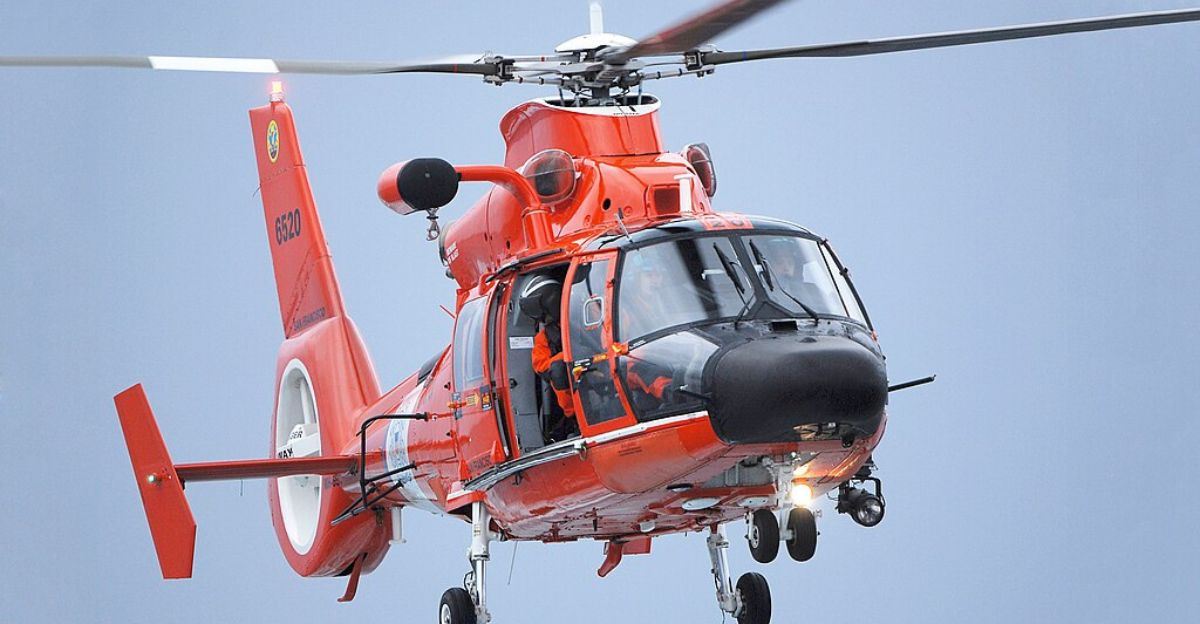
The MH-65C Dolphin is built from the ground up for dangerous work. Twin Turbomeca Arriel engines deliver 853 horsepower each, allowing the aircraft to reach 175 knots maximum speed with a range of 290 to 355 nautical miles.
Its distinctive Fenestron tail rotor—11 blades in a circular housing—provides precision control in hover while reducing mechanical complexity.
2025 Rewrites the Record Books
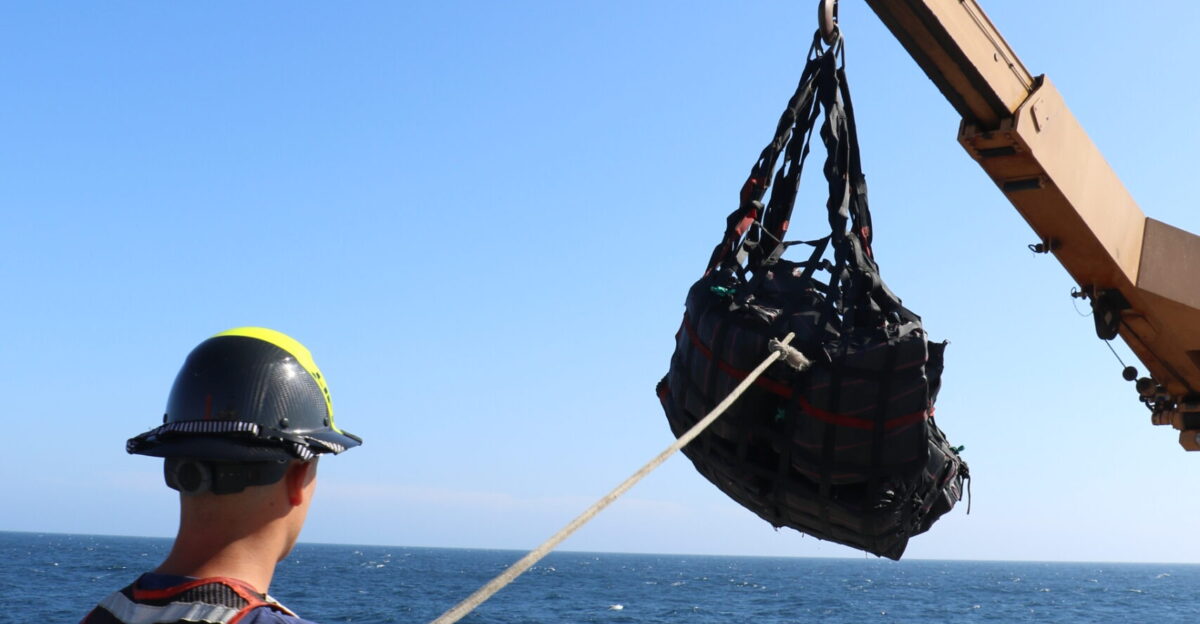
Fiscal year 2025 ended September 30 with the Coast Guard recording 510,000 pounds of cocaine seized—more than any previous year and three times the historical average of 167,000 pounds. These numbers represent approximately 193 million potentially lethal doses, based on the calculation that 1.2 grams of cocaine can kill.
Acting Coast Guard Commandant Kevin Lunday stated the record demonstrates the service is “defeating narco-terrorist and cartel operations to protect our communities.”
December Brings Another Record
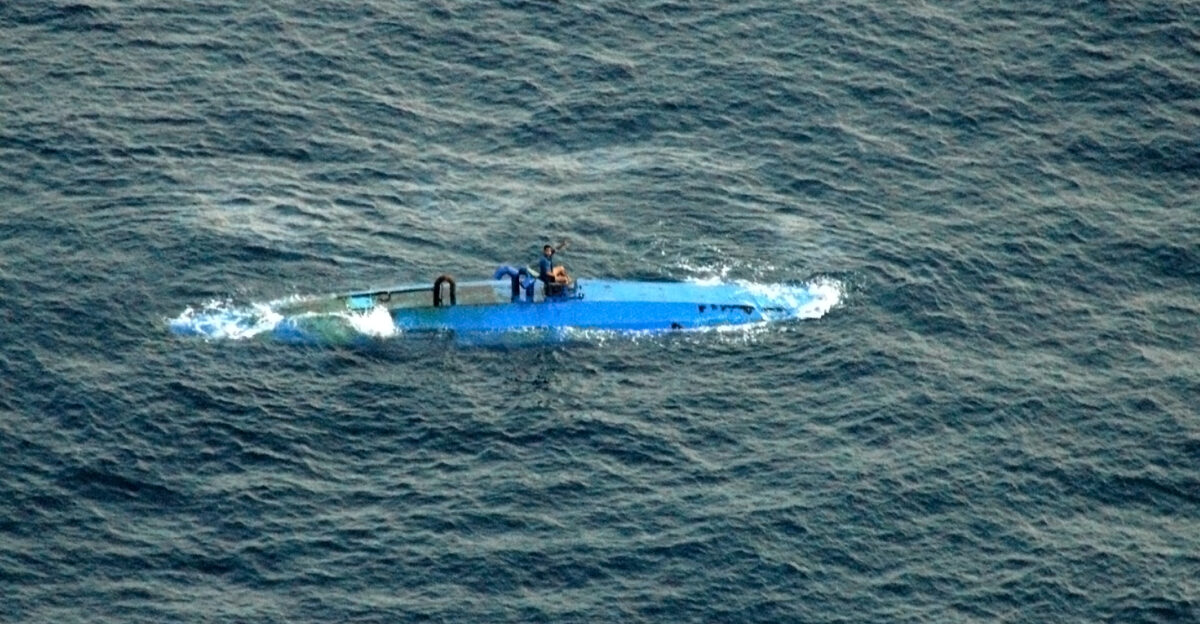
Just weeks after Stone’s record patrol, Coast Guard Cutter Munro achieved something equally impressive on December 2, 2025: a single interdiction of over 20,000 pounds of cocaine, the largest in 18 years. Helicopter crews disabled a heavily laden go-fast boat with precision fire, and boarding teams secured the massive load.
Meanwhile, Coast Guard Cutter James pulled four seizures in ten days during November, netting 19,819 pounds total. Operation Pacific Viper wasn’t a single achievement—it was sustained momentum.
The Criminal Economy That Feeds the Coast Guard Fight
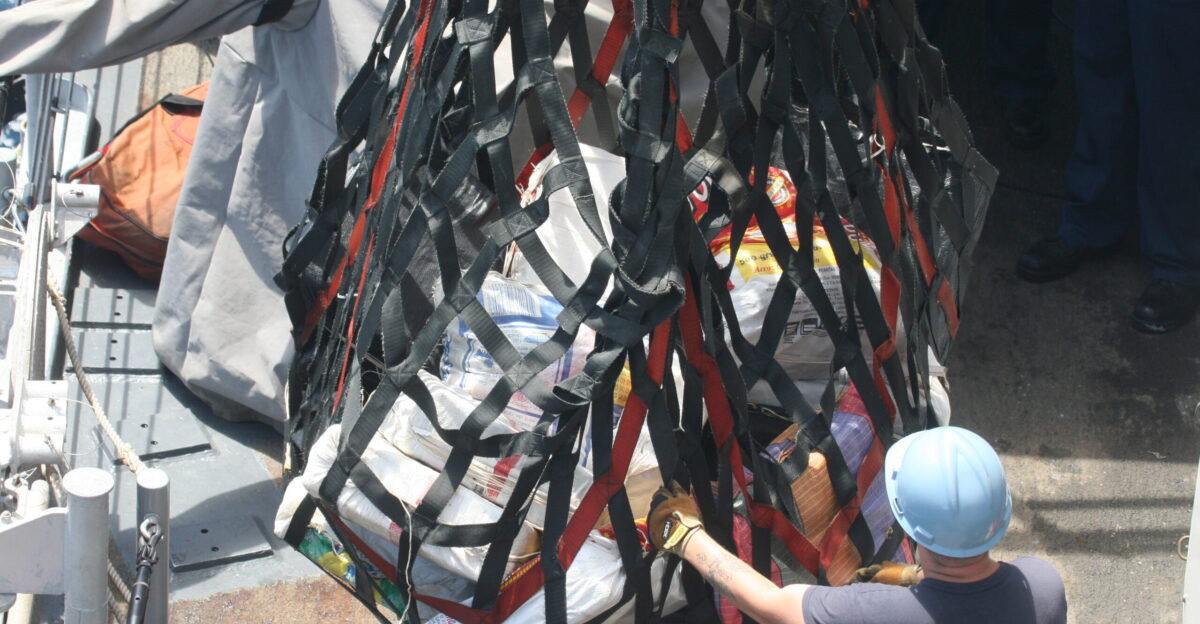
Transnational criminal organizations lose money when seizures happen. Operation Pacific Viper’s $1.1 billion in cocaine represents direct losses to networks that generate enormous revenue annually from global drug trafficking. But the impact extends beyond dollars.
These organizations use drug revenue to fund human trafficking networks, arms smuggling operations, and bribes that corrupt governments.
Charleston Commands the Atlantic Battle
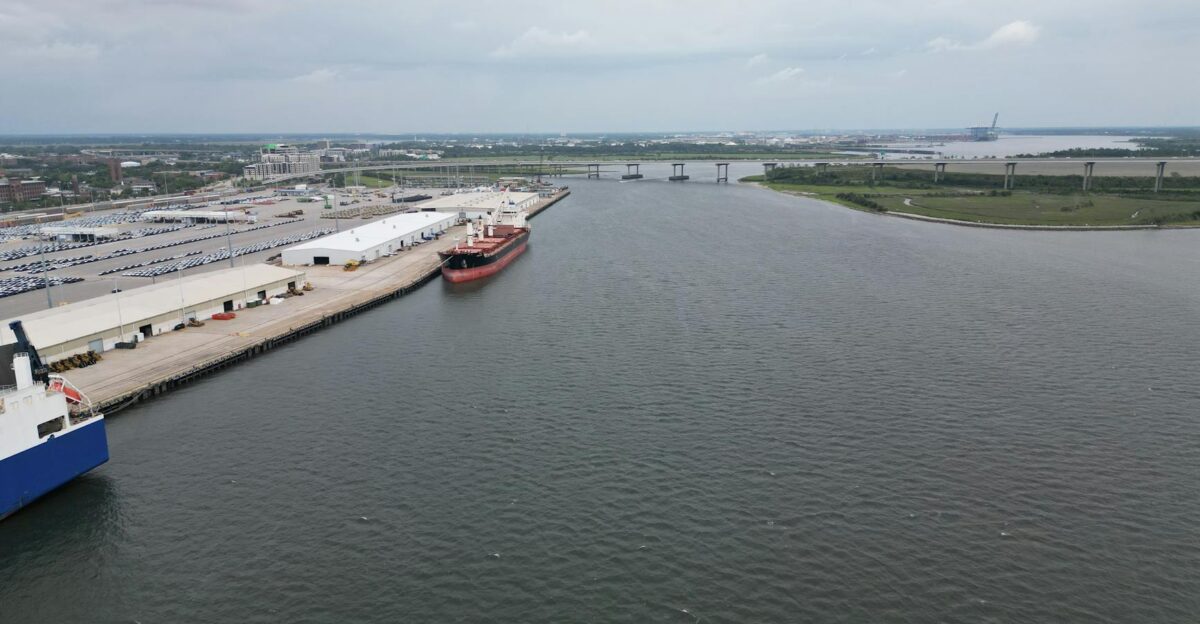
Four Legend-class cutters call Charleston, South Carolina, their home port, including Stone. They operate under Atlantic Area Command, overseen by Vice Adm. Nathan Moore, who directs Coast Guard forces across five districts spanning from the Great Lakes to the Arabian Gulf.
Charleston-based cutters have become workhorses of Operation Pacific Viper, rotating deployments to the Eastern Pacific on a sustained schedule.
Why the Ocean Matters More Than You Know
Most drug interdiction stories focus on land borders, but the reality is different. Roughly 80 percent of narcotics bound for U.S. streets must cross the ocean. The ships doing the catching are spread thin across millions of square miles.
Every interdiction like Stone’s represents hundreds of hours of surveillance, fuel costs, crew fatigue, and tactical precision.
The Human Cost of Success

Behind every seizure statistic stands a prevention story most people never hear. The Coast Guard’s record fiscal year 2025 haul represents 193 million potentially lethal doses removed from circulation. Families searching for answers find their relatives caught in addiction spirals funded by these same trafficking networks.
When Coast Guard crews risk their lives at sea, they’re fighting for people they’ll never meet—kids, parents, spouses, friends. Each interdiction represents lives protected and futures preserved.
The War Continues at Sea
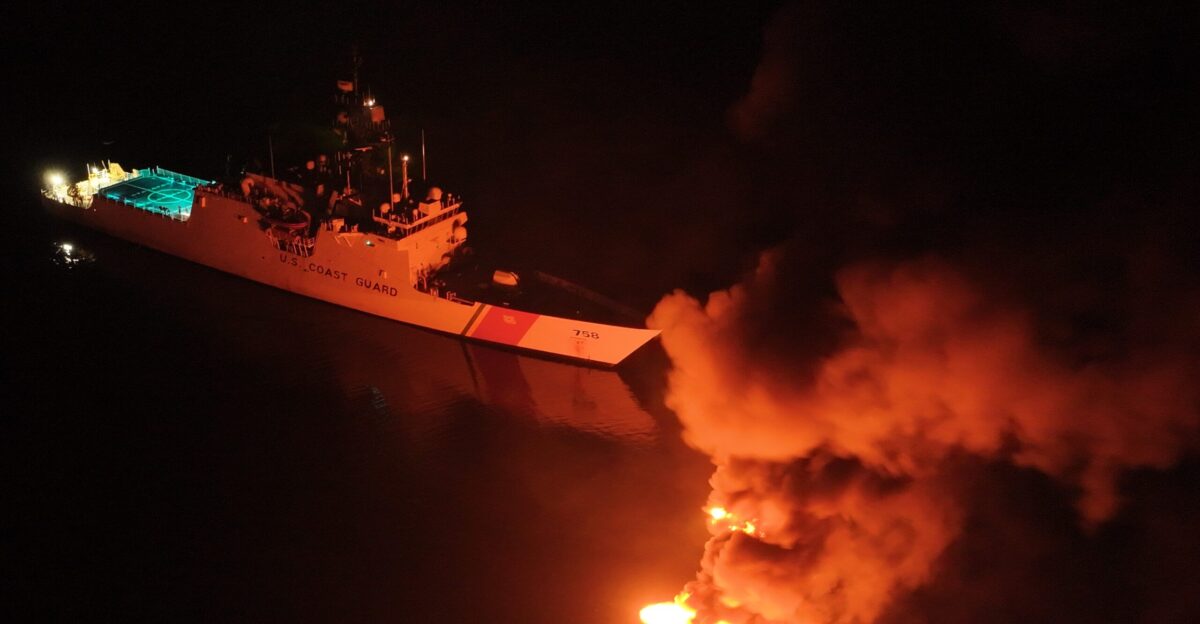
Stone’s historic patrol represents one moment in an ongoing battle that has no end date. Cocaine production in Colombia continues to set records. Cartels continue recruiting smugglers. Go-fast boats continue to launch from remote Pacific beaches.
With Operation Pacific Viper maintaining pressure and HITRON’s helicopter teams executing precision interdictions, traffickers face odds they didn’t anticipate. The message is clear: U.S. forces control these waters.
“Media Advisory: Coast Guard to offload more than $362 million in cocaine” — U.S. Coast Guard News (Nov. 18, 2025)
“Coast Guard continues to break records, offloading over $362 million in illicit narcotics” — Joint Interagency Task Force-South News (Nov. 18, 2025)
“Coast Guard sets historic record with amount of cocaine seized in FY25” — U.S. Coast Guard News (Nov. 5, 2025)
“Coast Guard seizes 150,000 pounds of cocaine through Operation Pacific Viper” — U.S. Coast Guard News (Dec. 8, 2025)
“Colombia: Potential cocaine production increased by 53 per cent in 2023, according to new UNODC survey” — United Nations Office on Drugs and Crime (Oct. 17, 2024)