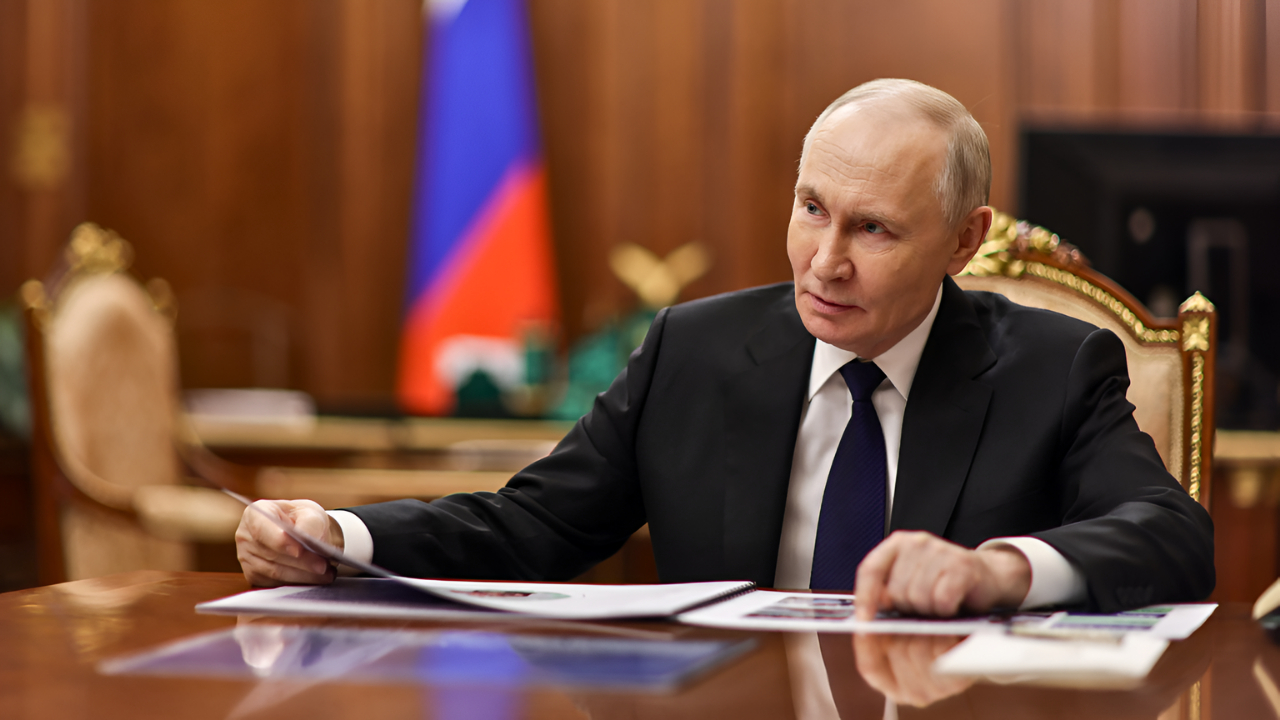
Russia reported that Ukraine launched a massive 91-drone attack on President Vladimir Putin’s heavily fortified Valdai residence in northwestern Russia on December 29, 2025, claiming all aircraft were destroyed by air defenses with zero damage or casualties.
The allegation emerged just one day after President Trump and Ukrainian President Zelensky concluded a three-hour summit at Mar-a-Lago, Florida, where both leaders announced a proposed 15-year U.S. security guarantee for Ukraine and declared their 20-point peace plan “90% complete.” The timing immediately raised questions among international observers.
Trump’s Angry Reaction
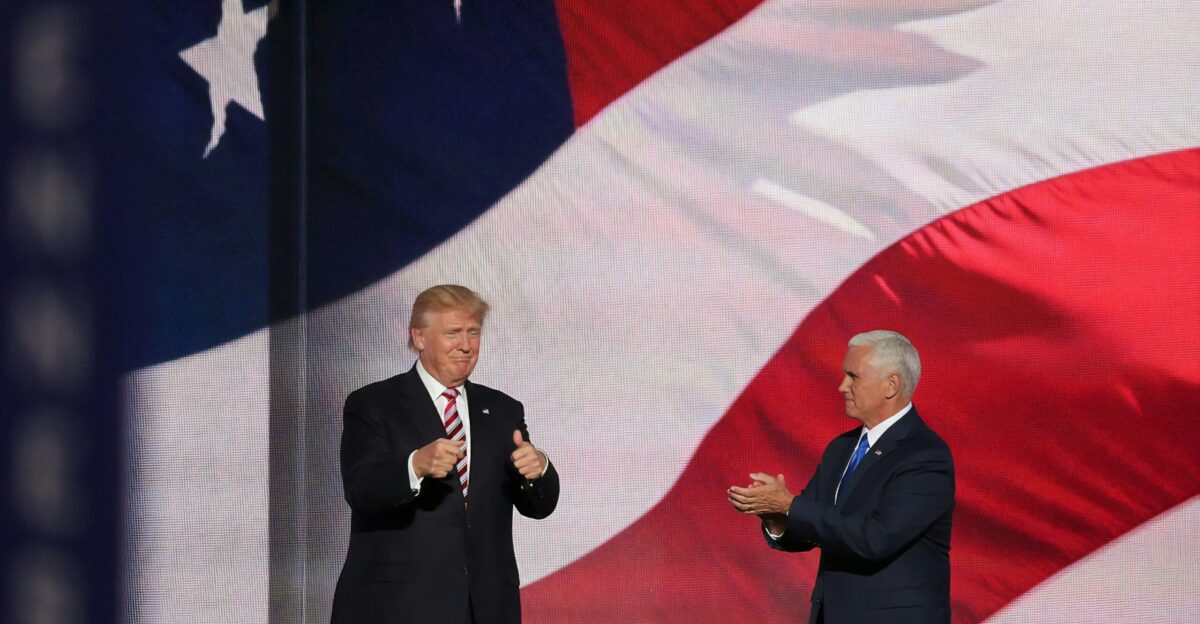
President Trump told reporters he was “furious” after learning of the alleged attack during a phone call with Putin on December 29, 2025. “It’s one thing to be offensive because they were offensive,” Trump said. “It’s another thing to attack his house.
It’s not the right time to do any of that.” Trump acknowledged he had no independent U.S. confirmation of the incident but took Putin’s report seriously enough to express frustration with Ukraine’s alleged timing, just hours after celebrating diplomatic progress with Zelensky at Mar-a-Lago.
Peace Talks in Flux
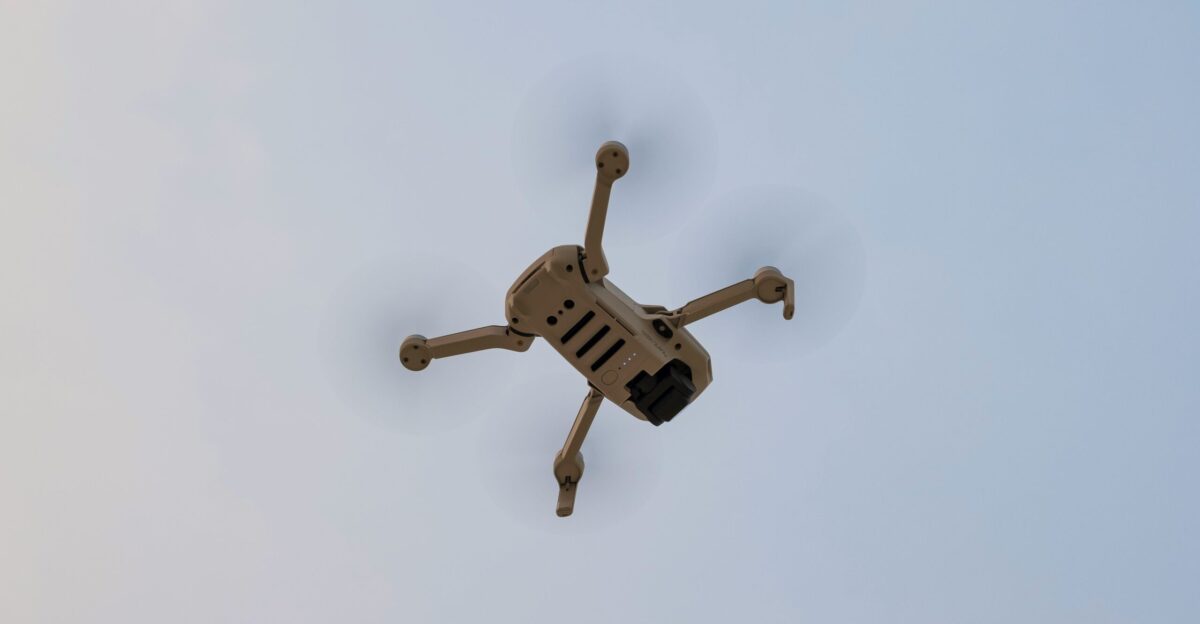
The alleged drone attack occurred during a delicate moment in U.S.-mediated negotiations between Russia and Ukraine. Trump had pushed both sides toward resolution, offering Ukraine a 15-year NATO-style security guarantee with the option to extend it further.
Russia had previously indicated openness to dialogue under Trump’s auspices, though deep disagreements persisted over territorial control, reparations, and security arrangements. The incident threatened to unravel weeks of diplomatic groundwork just as momentum appeared to be building.
Kremlin’s Escalating Stance

Hours after reporting the alleged attack, Russian Foreign Minister Sergey Lavrov announced that Moscow would “review” its negotiating position and had already “selected targets for retaliatory strikes” in Ukraine.
Lavrov stated: “The attack on the Russian presidential residence will not go unanswered.” The Russian Defense Ministry later detailed the claim, saying that air defenses had intercepted 50 drones over the Bryansk and Smolensk regions, and 41 over Novgorod, without confirming any damage to civilian or military installations.
The Contradictions Begin

Ukraine’s President Volodymyr Zelensky immediately denied the Russian allegations, calling them a “complete fabrication.” Ukrainian officials suggested Russia was fabricating the incident to justify future retaliation strikes and derail the nascent peace negotiations.
Meanwhile, residents in Valdai, the region where Russia claimed the residence was targeted, told reporters they heard no explosions or unusual military activity that night. The discrepancy between Russian claims and ground-level reports raised immediate credibility questions.
Regional Concerns Escalate
NATO members and European officials grew concerned that the alleged attack and threatened retaliation could spiral the conflict into a broader confrontation. The Valdai residence, situated approximately 400 kilometers northwest of Moscow in Novgorod Oblast, is located deep within Russian territory, a region with no active combat operations.
If Ukraine had indeed conducted such a long-range strike, it would represent a significant escalation in targeting Putin’s personal security infrastructure, historically considered a red line.
Trump’s Inner Circle Divided

Trump’s national security advisors and intelligence officials grew silent in the immediate aftermath of his “furious” statement, a departure from Trump’s usual pattern of publicly backing allies. Within hours, White House officials began privately requesting CIA verification of Russia’s claims, signaling skepticism about the Kremlin’s accounts.
The president’s own statements, acknowledging a lack of independent confirmation, suggested internal disagreement about whether to accept Russia’s narrative at face value.
Intelligence Assessment Contradicts Kremlin
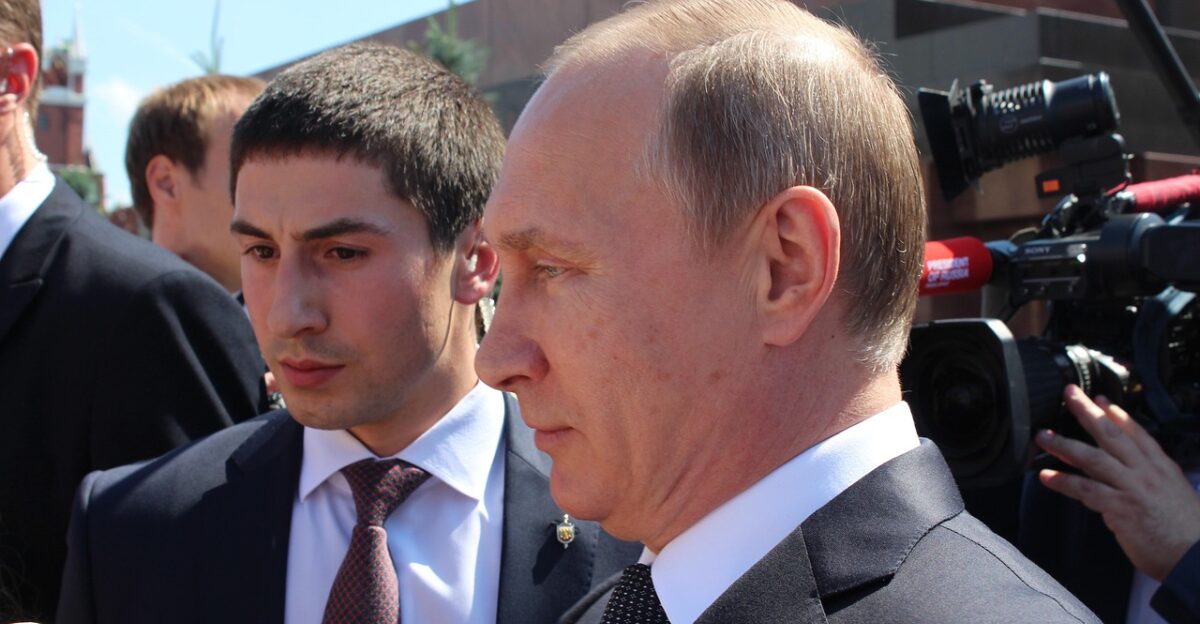
The CIA completed an initial damage assessment by December 31, 2025, concluding that Ukraine was not targeting Putin’s residence. Intelligence analysts assessed that any drones in the region targeted a military facility in the area, not the presidential compound.
The agency found no evidence supporting Russian claims of a direct attack on Putin’s home. This assessment contradicted Moscow’s narrative and significantly shifted the diplomatic landscape, undermining the justification Russia had offered for hardening its negotiating stance.
Expert Analysis Points to False Flag
Independent analysts from the Institute for the Study of War (ISW), Meduza, and Chatham House examined available evidence and found no verification of Russian claims.
Several experts suggested the allegation could be a “false flag” operation, a fabricated incident designed to gain negotiating leverage, justify future strikes on Ukrainian government buildings, or pressure the United States into limiting military aid to Kyiv. The coordinated Russian messaging, combined with the lack of physical evidence, fueled these suspicions.
Trump’s Stunning Reversal
One week after declaring himself “very angry” about the alleged attack, Trump told reporters aboard Air Force One on January 5, 2026, that he no longer believed the incident occurred. “I don’t believe that strike happened,” Trump stated bluntly, citing U.S. intelligence findings.
The reversal marked a dramatic shift from his initial acceptance of Putin’s account, signaling that American intelligence agencies had successfully challenged the Russian narrative within the White House. Kremlin officials responded with silent fury.
Diplomatic Tension Behind Closed Doors

Trump’s reversal infuriated Moscow, which had relied on his support for the narrative. Kremlin spokesman Dmitry Peskov told reporters that Russia “will not abandon talks,” but made it clear that Moscow’s negotiating position had hardened considerably.
Russian officials suggested they felt misled by Trump’s initial reaction and his subsequent about-face, viewing it as evidence of American bad faith. The incident exposed deep divisions within the Trump administration over Russia policy and whether to trust Kremlin claims without independent verification.
Zelensky’s Strategic Advantage
Ukraine’s categorical denial of the alleged attack, combined with CIA validation, strengthened Zelensky’s hand in negotiations. The Ukrainian president had bet that U.S. intelligence would ultimately support his account over Putin’s, and that wager paid off.
Zelensky’s team highlighted the alleged false flag as evidence of Russian bad faith in peace negotiations, using it to argue that any agreement must include robust international verification mechanisms. The credibility gap became a negotiating asset.
NATO’s Cautious Response

NATO officials, while not publicly endorsing any specific claim, noted the pattern of Russian allegations followed by escalation. European defense ministers met informally to discuss potential contingencies in the event of a conflict escalation. Some NATO members requested additional reassurance measures, while others urged restraint and continued diplomatic engagement.
The alleged incident reinforced longstanding concerns about Russian information warfare and the challenges of maintaining unified Western responses when credibility is called into question.
Intelligence Community Vindication

The CIA’s swift contradictory assessment demonstrated the value of independent intelligence verification in geopolitics. U.S. intelligence satellites, signals intelligence, and human sources had tracked the alleged drone activity and concluded it did not match Russian descriptions.
The agency’s reputation for accuracy, even when contradicting U.S. presidents, remained intact. The incident highlighted how intelligence agencies can constrain executive branch impulses to accept unfounded claims from hostile states.
The Negotiation Stalemate

As January 2026 progressed, peace talks entered a new phase characterized by Russian demands for harsher terms and Ukrainian insistence on verification mechanisms to prevent future false allegations. Trump attempted to mediate, but the credibility damage from the alleged false flag made both sides more suspicious of each other.
Zelensky demanded multilateral oversight of any eventual ceasefire. Putin insisted on recognition of territorial “realities.” The alleged drone attack had poisoned an already fragile negotiation environment.
Trump’s Credibility Question
The episode raised uncomfortable questions about Trump’s judgment and susceptibility to being manipulated by foreign leaders with false claims. Critics argued the president had too readily accepted Putin’s account without demanding verification, then reversed course only after intelligence briefings.
Supporters countered that Trump’s willingness to engage with Russia and his responsiveness to intelligence advice demonstrated responsible leadership. The debate highlighted tensions between maintaining dialogue with adversaries and protecting U.S. credibility.
Global Implications for Disinformation
The alleged Valdai incident became a case study in modern information warfare. If Russia had indeed fabricated the attack, it demonstrated how quickly false claims can spread globally and influence high-stakes diplomatic decisions.
Media outlets, social platforms, and analysts struggled to verify claims amid a cloud of misinformation. The episode reinforced concerns among democratic nations about the difficulty of countering sophisticated disinformation campaigns, particularly when authoritarian regimes control all domestic information channels.
Legal and Accountability Questions

International legal experts noted that if the Russian allegation were fabricated, it potentially violated provisions of the UN Charter prohibiting the use of pretenses for military retaliation. However, enforcement mechanisms against permanent members of the Security Council are nonexistent.
The incident exposed a persistent gap in international law: how democracies can hold authoritarian governments accountable for disinformation campaigns that endanger peace. Legal scholars called for new frameworks to address information warfare.
The Generational Divide on Truth

Younger audiences, accustomed to questioning institutional narratives, expressed skepticism about all claims from Russian, Ukrainian, and American sources absent independent verification. Older generations leaned more heavily on traditional intelligence agencies or state actors they perceived as trustworthy.
The Valdai incident split audiences along lines of institutional trust, with some believing Trump’s CIA advisors and others viewing the reversal as political theater. The disagreement reflected broader societal fractures about who arbitrates truth in geopolitics.
What the Valdai Claim Really Signals
The alleged attack on Putin’s residence, whether fabricated or real, exposed the fragility of the peace process and the depth of mistrust between Russia and the West. Neither side could rely on the other’s factual claims; each demanded independent verification of its own. Trump’s pivot from anger to skepticism demonstrated that intelligence agencies still held the power to shape presidential decisions.
Moving forward, any durable peace agreement will require multilateral verification mechanisms robust enough to prevent accusations of cheating from derailing negotiations. The Valdai incident became a cautionary tale about how easily peace can unravel in an environment of competing narratives and eroded trust.
Sources
CNN CIA assesses Ukraine was not targeting a Putin residence in drone attack (December 31, 2025)
New York Times Ukraine Did Not Target Putin’s Home, C.I.A. Finds (December 31, 2025)
Wall Street Journal Intelligence Assessment of Drone Attack Claims (December 31, 2025)
Russian Defense Ministry Official Statement: Alleged Ukrainian Drone Attack (December 30, 2025)
ABC News Trump says Russia and Ukraine are ‘maybe very close’ to peace deal after Zelenskyy meeting (December 28, 2025)
Al Jazeera Have Russian claims of Ukraine attack on Putin home ended hopes for peace (December 30, 2025)
Euronews Russia sticks to Putin residence attack claims as allies question Moscow’s motives (December 30, 2025)
Meduza Moscow’s evidence: Russia’s military has offered what it claims is proof (December 31, 2025)