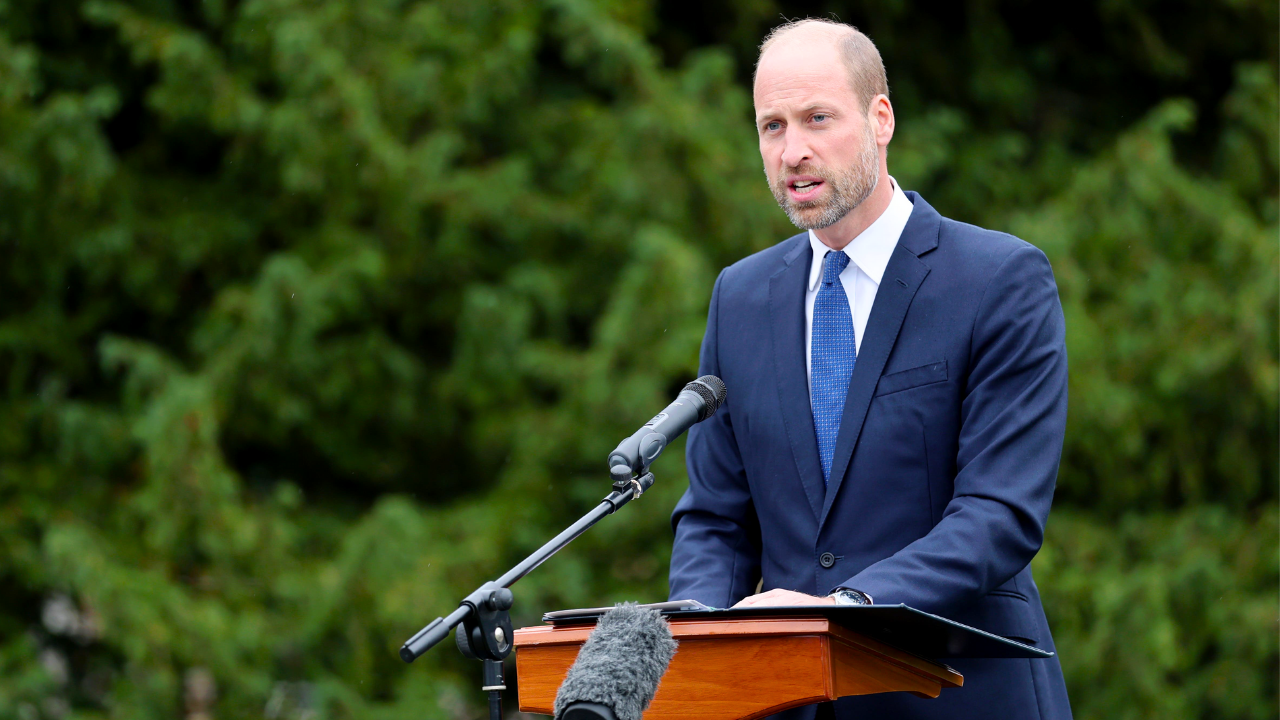
Prince William is approaching his future role with a clear message: the British monarchy must change or risk losing its place in national life. In a 2025 Apple TV+ appearance, he said, “I think it’s safe to say that change is on my agenda. Change for good,” framing his reign as an experiment in whether a less ceremonial, more transparent crown can reconnect with a skeptical public.
Falling Support And A Generational Warning
Support for the monarchy has dropped sharply over four decades, from 86% in 1983 to 51% in 2025, according to the NatCen British Social Attitudes survey. The decline has been steepest since 2021, when backing slipped from 55% to 51%, underscoring a long-term, not merely cyclical, erosion in enthusiasm.
The headline figures mask a deep age divide. Among people over 55, 82% support the monarchy. Among 16- to 34-year-olds, only 41% do, and 59% of that younger group say they would prefer an elected head of state. Support for outright abolition has climbed from 3% in 1983 to 15% today. For a future king looking decades ahead, those numbers pose a structural challenge: the institution is strongest among those least likely to shape its long-term future.
Scandal has added pressure without yet proving fatal. Prince Andrew’s reputation remains heavily damaged, with unfavorability ratings reported between 82% and 91% after allegations linked to sex trafficking. Yet overall backing for the monarchy has held in the low-to-mid 50s, suggesting that while personal disgrace harms individual royals, the wider institution can endure if it is seen to respond and reform.
Challenging Bowing, Robes And Medieval Rituals
William’s modernization drive focuses first on visible symbols. Palace insiders say he is uncomfortable with the tradition of bowing and curtsying, seeing it as out of step with contemporary attitudes. One source told Cosmopolitan UK that “William’s never been comfortable with all the bowing and curtsying,” and he is said to prefer more natural exchanges over displays of feudal-style deference.
He is also reported to regard some ceremonial clothing as counterproductive. Robes worn for the Order of the Garter and other elaborate outfits are, according to one account relayed by RadarOnline, likely to be retired when he becomes king. Long-established suppliers such as Ede & Ravenscroft, which dates to 1689, and Watts & Co., founded in 1874, have built their businesses on precisely this kind of regalia. Any reduction in pageantry threatens contracts that have linked British manufacturing and the crown for generations.
Titles with no operational purpose are also under review. Roles such as Keeper of the Swans and Yeoman of the Glass Pantry are among the positions reportedly vulnerable as William looks to a smaller, more functional household. Behind such decisions lie human consequences: the Royal Household employs 1,133 staff, including 508 whose salaries are publicly funded. Insiders estimate that a 5–10% reduction in posts could mean the loss of 50 to 110 jobs.
Money, Transparency And The Tourism Question
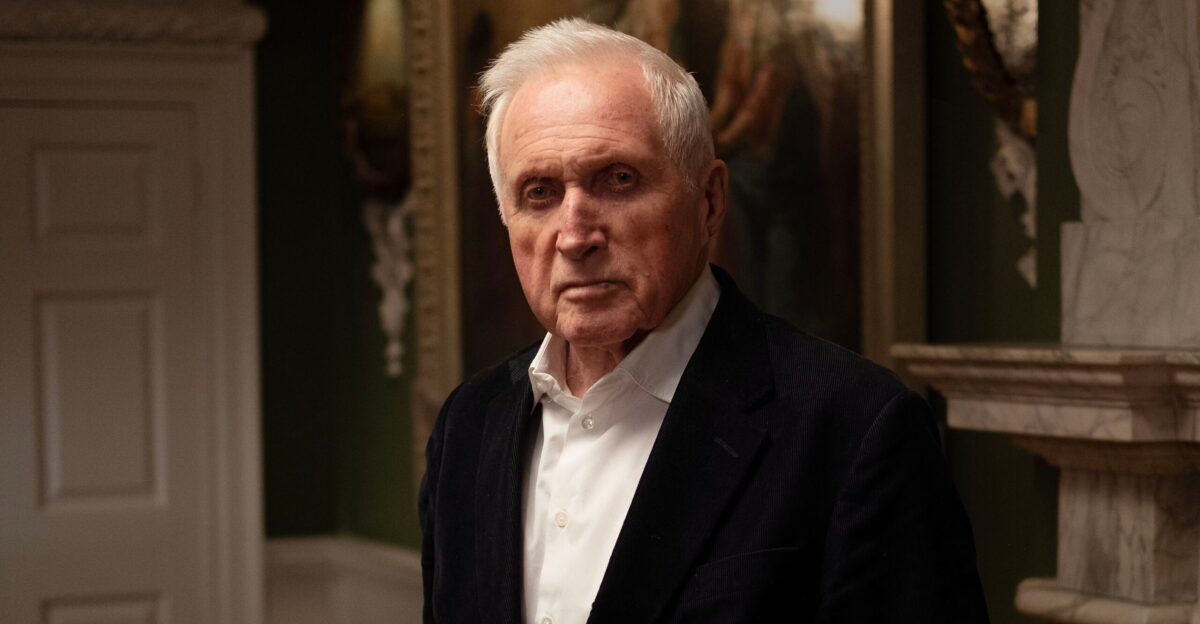
Modernization is also being framed as a financial argument. A recent BBC documentary presented by veteran broadcaster David Dimbleby explored the monarchy’s wealth and customs under the title “What’s the Monarchy For?”. Dimbleby, 87, backed change, saying, “The bowing and scraping element is quite out of date and ridiculous.” His remark, broadcast in December 2025, gave public backing from an established figure to the idea that ceremonial excess is no longer defensible.
The same program highlighted estimates that King Charles’s personal wealth lies between £1.2 billion and £1.8 billion. The Duchies of Lancaster and Cornwall are said to generate about £50 million a year, benefits that are not subject to inheritance tax under existing exemptions. The figures have fueled debate about privilege and tax fairness at a time of strained public finances.
William already chooses to pay the highest rates of income tax and capital gains tax on his personal income, but the full scale of his wealth and contributions has not been set out in detail. Advocates of reform argue that voluntary transparency on assets and taxation could add £5–20 million a year in revenue and demonstrate a commitment to sharing the financial burdens faced by the public.
Critics of slimming down royal ceremony often warn of damage to tourism. However, estimates put annual royal-related tourism income between £500 million and £1.77 billion, less than 1% of the United Kingdom’s £257 billion tourism sector. Many of the country’s most visited paid attractions are not royal sites. Those figures underpin the argument that the monarchy can reduce some spectacle without significantly harming the wider visitor economy.
A Smaller, More Focused Monarchy At Home And Abroad
William’s personal working style already points to a narrower interpretation of royal duty. Using analysis by the organization Giving Evidence, he reviewed charitable patronages and concluded that Prince Andrew’s departure produced no measurable loss to the charities involved. William has since concentrated on fewer initiatives, such as his Earthshot environmental prize, favoring tangible outcomes over a long list of largely symbolic roles.
Any changes he makes will extend beyond the United Kingdom. As king, William will be head of state in 15 Commonwealth realms with a combined population of about 151 million people. Significant constitutional alterations in those countries would require parliamentary agreement under rules derived from the Statute of Westminster 1931. But adjustments to ceremony, titles, and internal royal protocols fall within the monarchy’s own discretion, allowing him to advance modernization without triggering complex legal negotiations overseas.
The Dimbleby documentary, which aired on the BBC in early December without palace opposition, has given William indirect political cover. By allowing an independent broadcaster to question wealth, ritual and deference, the palace has enabled arguments for reform to reach audiences without appearing to campaign for them. William can then align his own actions with critiques already on the record, preserving the monarchy’s formal neutrality.
The Coming Test Of Authenticity
William’s project rests on a straightforward wager: that authenticity, practicality, and visible restraint can sustain respect once generated by distance and ceremony. His choices on bows, robes, titles, finances and staff will test how far the monarchy can move toward ordinary public expectations while still remaining a distinct institution.
With support down 35 points since 1983 and younger adults leaning toward an elected head of state, the stakes are high. If his approach succeeds, it could provide a template for a 21st-century crown that is leaner, more accountable and still symbolically powerful. If it fails, trimming back the rituals that once set the monarchy apart could weaken the mystique that helped it endure for a millennium. The outcome will shape not only William’s reign but the role of hereditary monarchy in a changing democratic world.
Sources
“Royal Family’s wealth laid bare by BBC with ‘astute tax avoidance,’” Mirror UK, December 4, 2025
“I’ll change the monarchy when I’m king, says Prince William,” BBC News, October 2, 2025
“Prince William opens up about family fears and plans change monarchy,” Reuters, October 2, 2025
“Prince William ‘hates’ one royal custom and could axe it,” The Express, November 29, 2025
“EXCLUSIVE: Prince William to Scrap Odd Royal Traditions When He’s King,” RadarOnline, October 23, 2025