
Greenlanders woke on Wednesday to White House Press Secretary Karoline Leavitt declaring military force “always an option” for acquiring their island. A German frigate joined NATO’s Standing Maritime Group 1, a routine rotation patrolling the North Atlantic and Baltic Sea.
Prime Minister Mette Frederiksen warned that any U.S. attack would lead to the end of NATO. For 56,000 residents, inherited security suddenly felt fragile.
Trump Sets 20-Day Deadline
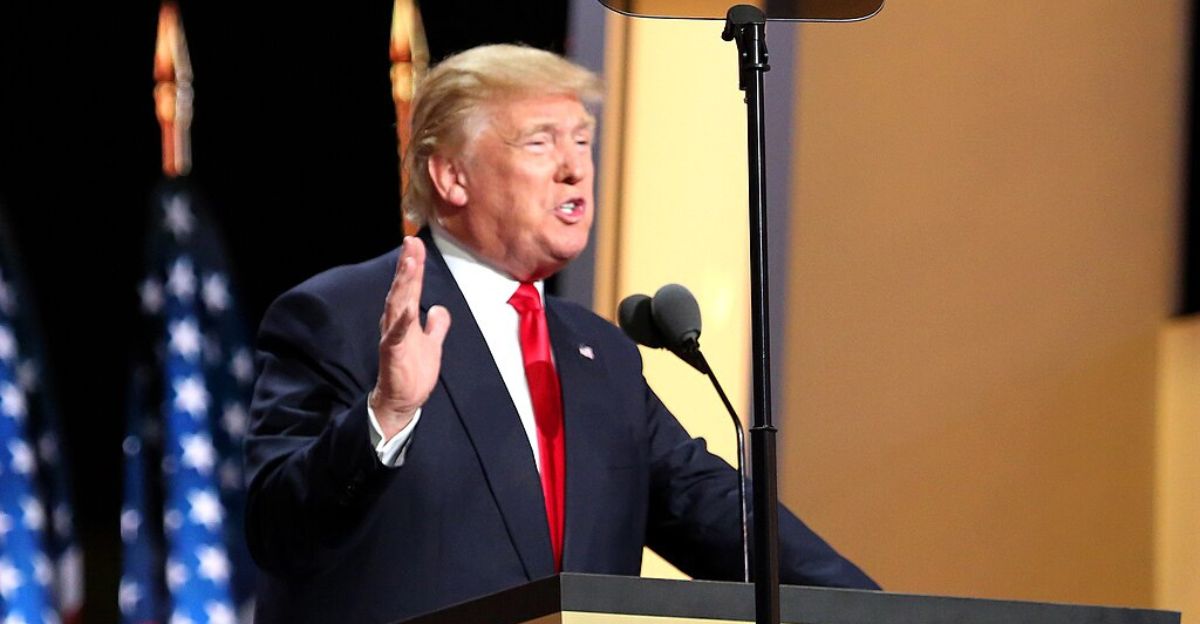
On January 5, President Trump announced negotiations would resume in approximately 20 days, pushing talks to January 25. The timeline wasn’t casual—it signaled pre-calculated military contingencies.
European analysts counted the days as Greenlanders faced forced negotiations, with their island being the ultimate prize.
Greenland’s Mineral Wealth
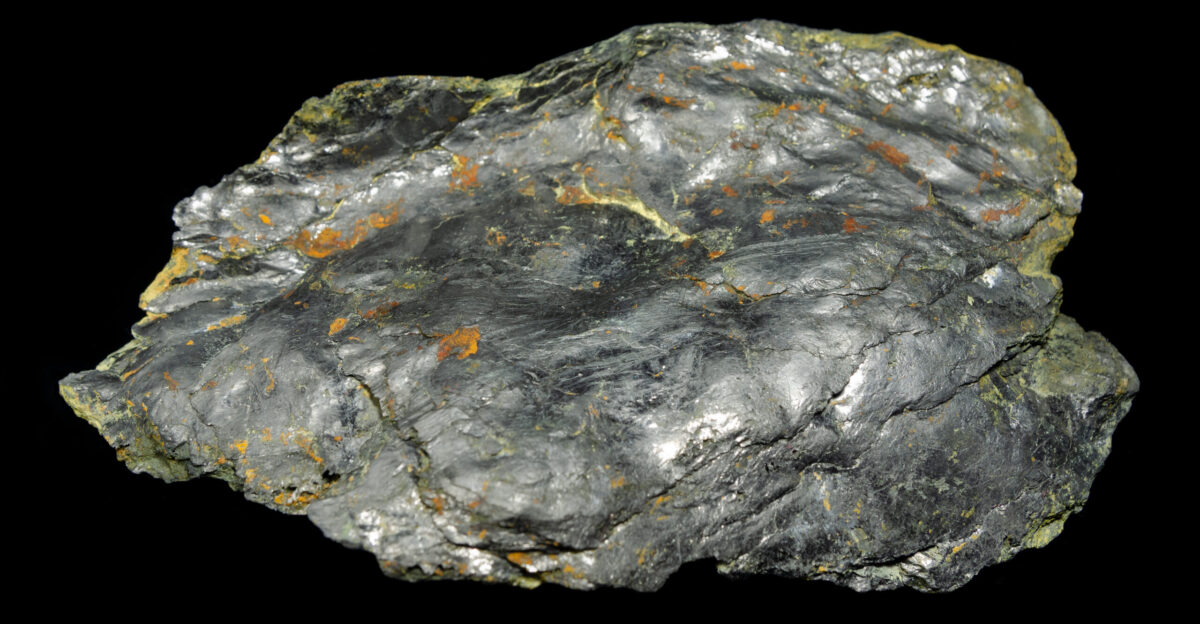
Greenland holds 25 of 34 critical raw materials identified by the European Commission, including lithium, rare earth elements, and graphite. The island’s mineral wealth totals $4.4 trillion, although only $186 billion is currently economically extractable.
Trump’s focus reflects the administration’s determination to challenge 77 years of alliance commitments for these resources.
Frederiksen’s NATO Warning

Danish PM Mette Frederiksen declared that U.S. military action would mean “everything stops—including NATO and the security provided since World War II.”
She wasn’t negotiating, but rather describing the cost: 77 years of alliance collapse and the dissolution of the postwar order.
Seven European Leaders Unite
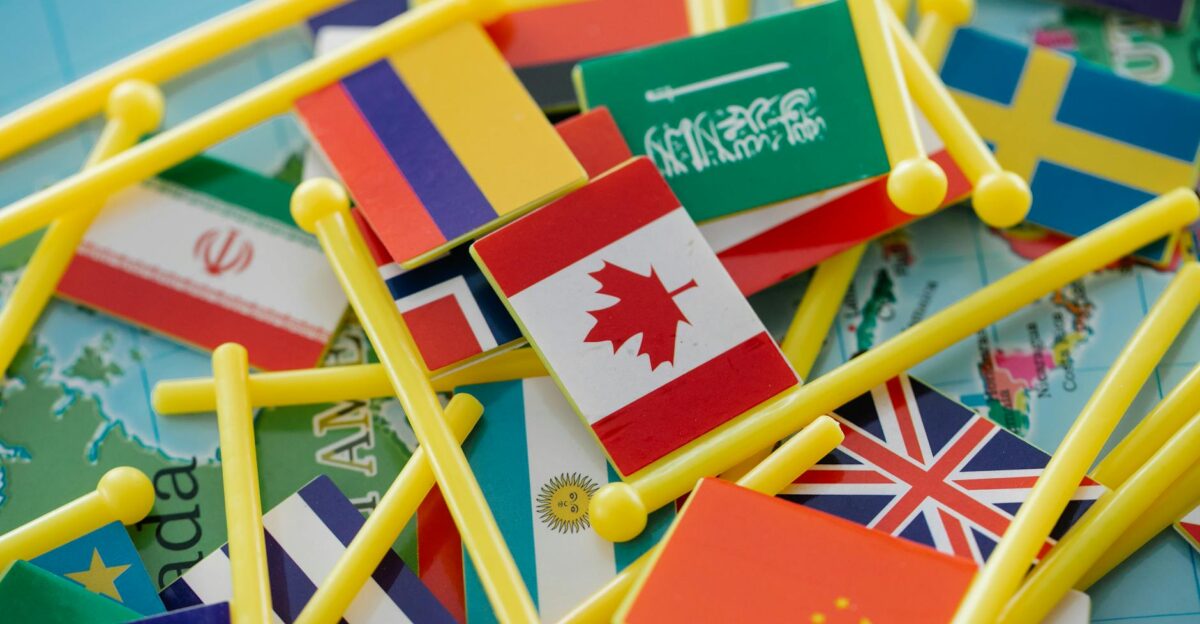
Within 24 hours, leaders from France, Germany, Italy, Poland, Spain, and the United Kingdom, along with Denmark, issued joint statements declaring, “Greenland belongs to its people.”
The rare diplomatic unity served as a clear warning: attacking one NATO member means answering to all.
German Frigate Deploys
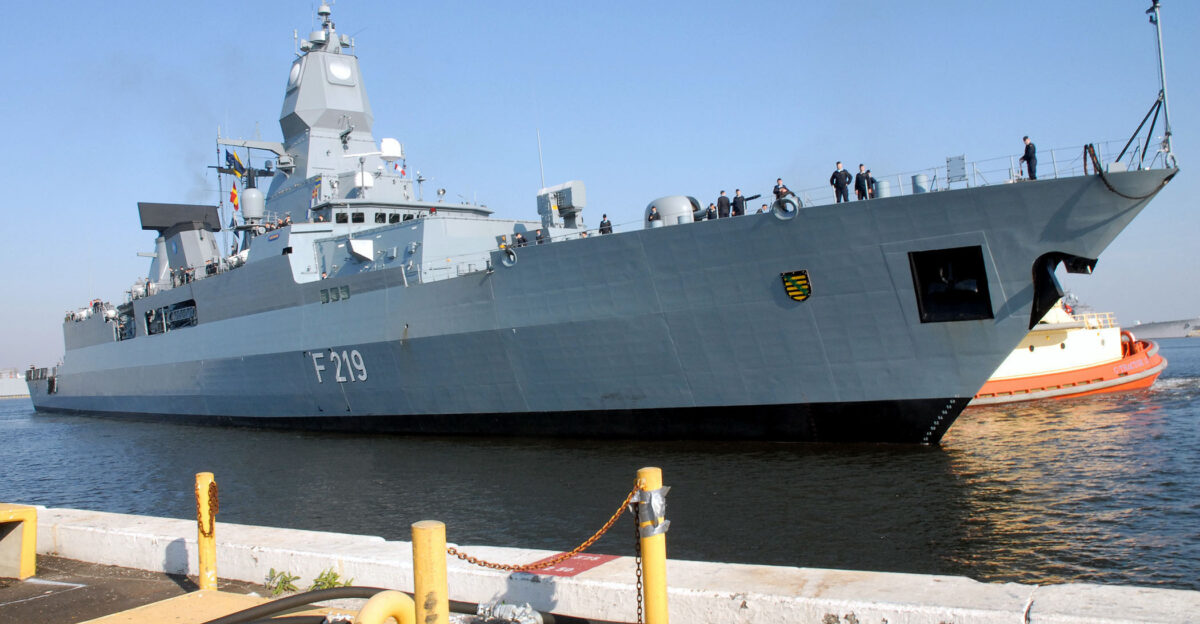
The FGS Sachsen departed January 6 with 250 personnel, SM-2 anti-aircraft missiles, and advanced radar. At 143 meters, it joined NATO’s Standing Maritime Group 1, established in 1968.
This represents a regularly scheduled NATO rotation, rather than an emergency response to recent tensions in Greenland, reflecting the alliance’s ongoing Arctic maritime presence.
Canada Opens Greenland Consulate
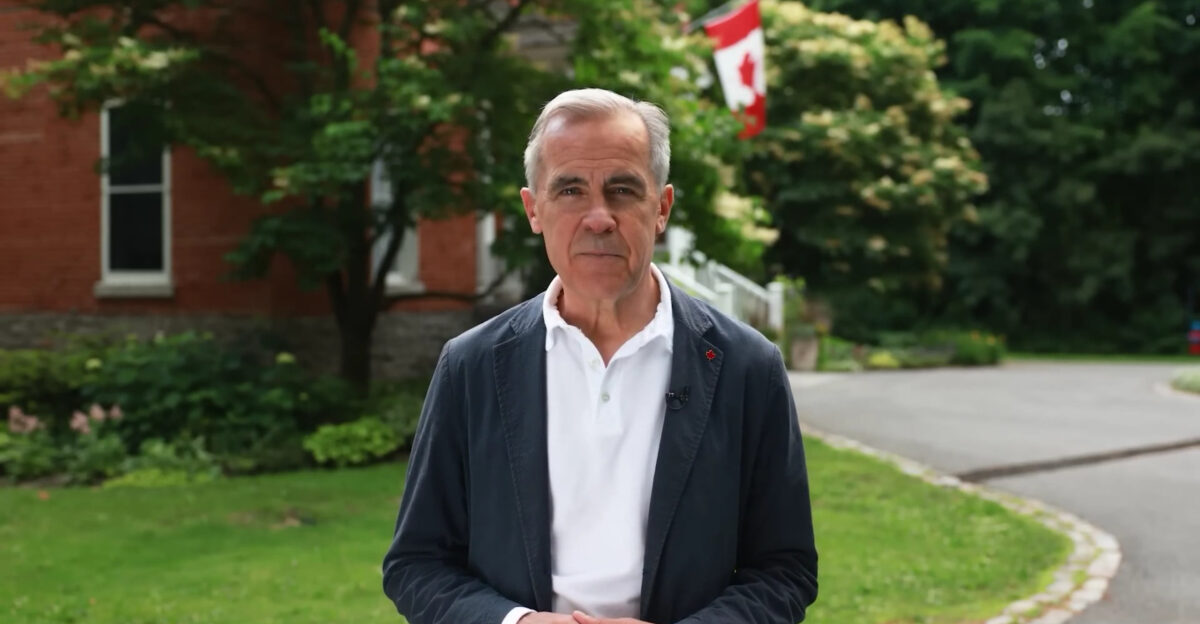
Canadian PM Mark Carney announced Governor General Mary Simon, of Inuit descent, will visit Greenland in February with Foreign Minister Anita Anand to open a consulate in Nuuk.
Canada signaled to indigenous communities: “We have your back when Washington isn’t listening.”
Venezuela Operation Precedent

Three days before White House military endorsement, Delta Force captured Venezuelan President Nicolás Maduro in Operation Absolute Resolve with 150+ aircraft.
White House officials cited this as proof of the U.S. capability to execute successful military seizures. Stephen Miller’s message: We did it in Venezuela; Greenland is next.
Miller’s Confidence
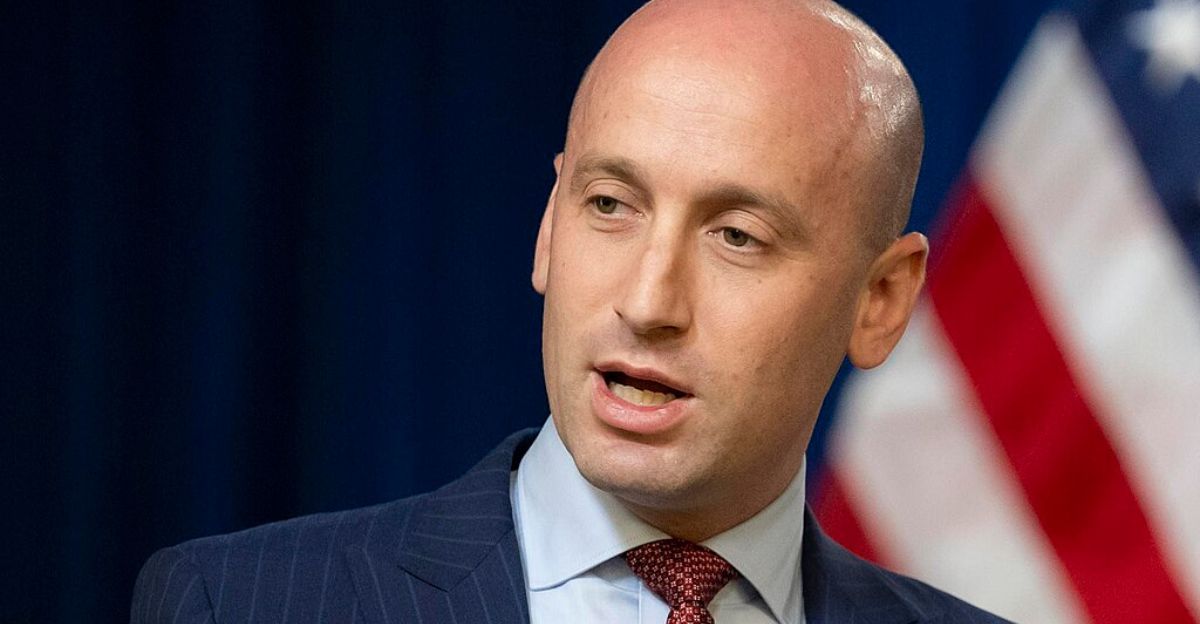
Deputy Chief of Staff Stephen Miller told CNN, “Obviously, Greenland should be part of the United States,” and claimed “nobody is going to fight the United States militarily over Greenland’s future.”
His calculation overlooked Denmark’s military capabilities and the potential response of NATO’s 370 million allies.
Johnson Rejects Military Action

House Speaker Mike Johnson flatly rejected military options: “No. I don’t think it’s appropriate.” Days later, he doubled down: “We are not at war with Greenland. We have no intention.”
His contradiction of White House positions revealed fractures within the administration.
Existing U.S. Military Presence
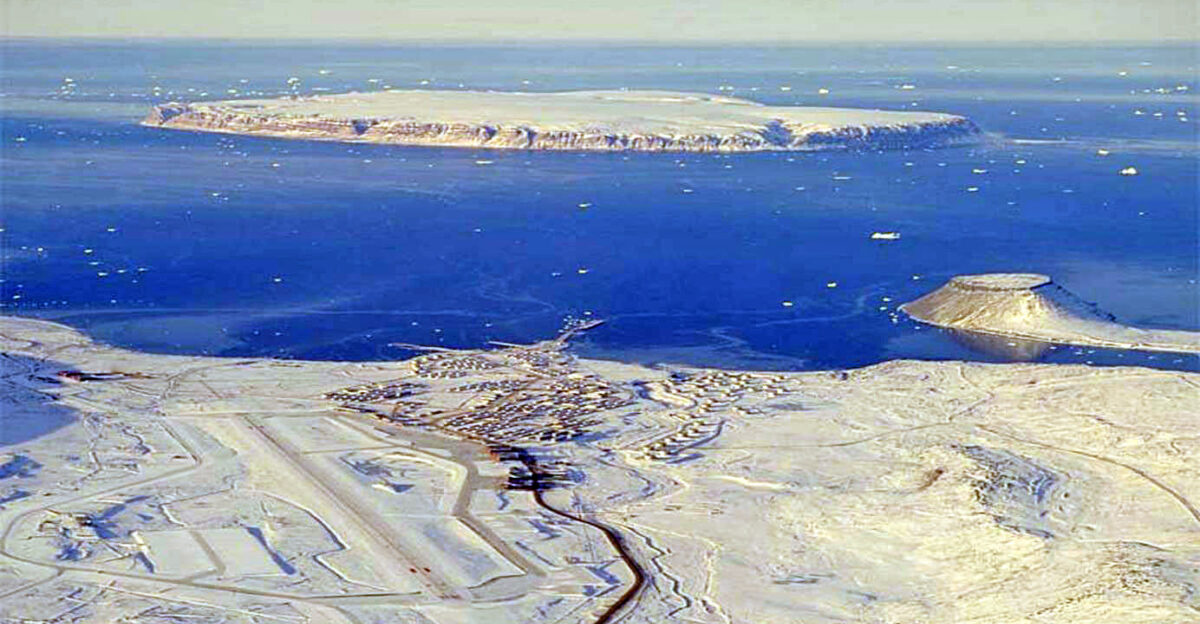
Pituffik Space Base, formerly Thule, hosts approximately 150 Air Force and Space Force personnel, providing ballistic missile warning for North America under the 1951 U.S.-Denmark Defense Agreement.
Trump’s demand for territorial integration, despite controlling this strategic asset, raises unanswered questions.
Envoy Landry’s Mission

Trump appointed Louisiana Governor Jeff Landry as Special Envoy to Greenland in December, with a mission to “integrating Greenland into the United States.”
Landry posted on social media about making Greenland part of the U.S., signaling a simultaneous diplomatic and pressure approach.
Greenland’s Rejection
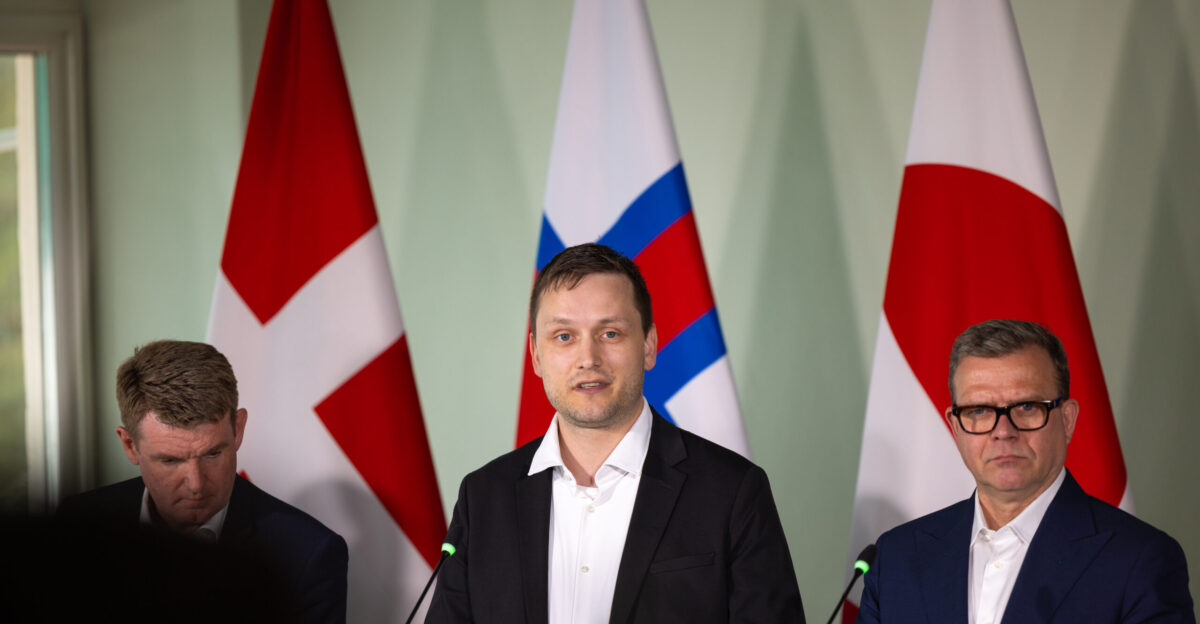
Prime Minister Jens-Frederik Nielsen declared for 56,000 residents: “Our nation is not a pawn in superpowers’ games.
We are a people, nation, and democracy that must be acknowledged.” Greenlanders reject geopolitical prize status without external ultimatums.
NATO Article 5 Commitment
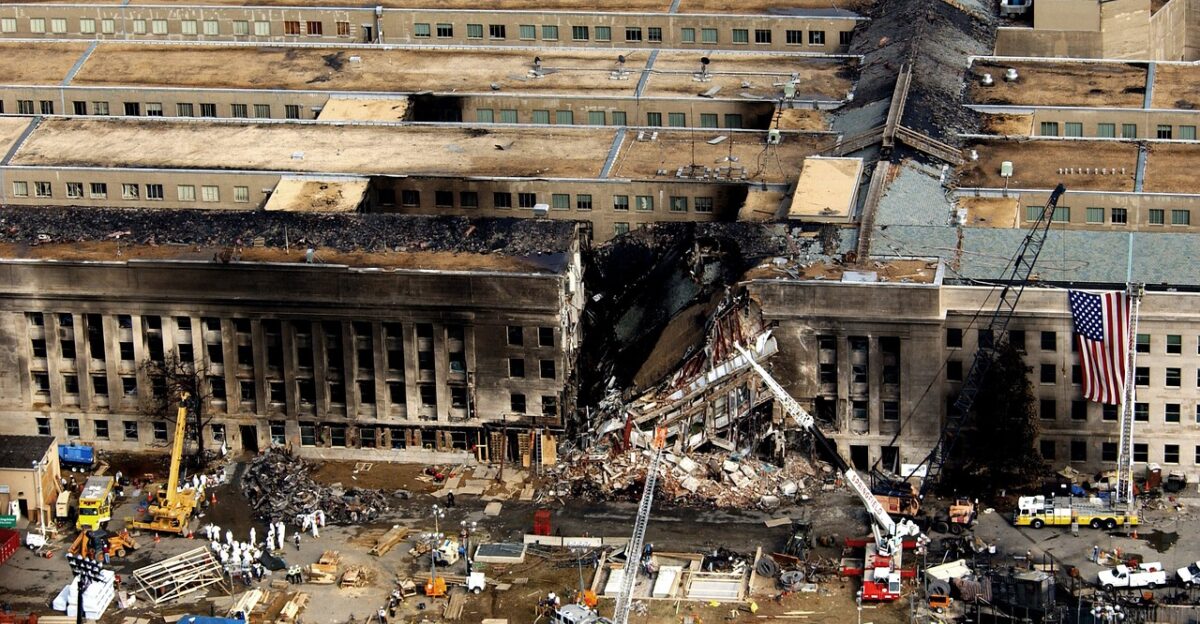
NATO’s April 4, 1949, founding treaty guarantees Article 5, which provides for collective defense: an armed attack on one member is considered an attack on all. Each member responds independently, without requiring a consensus vote.
Article 5 has been invoked once following the September 11 terrorist attacks, demonstrating the alliance’s commitment to unified defense without procedural complications.
January 25 Countdown
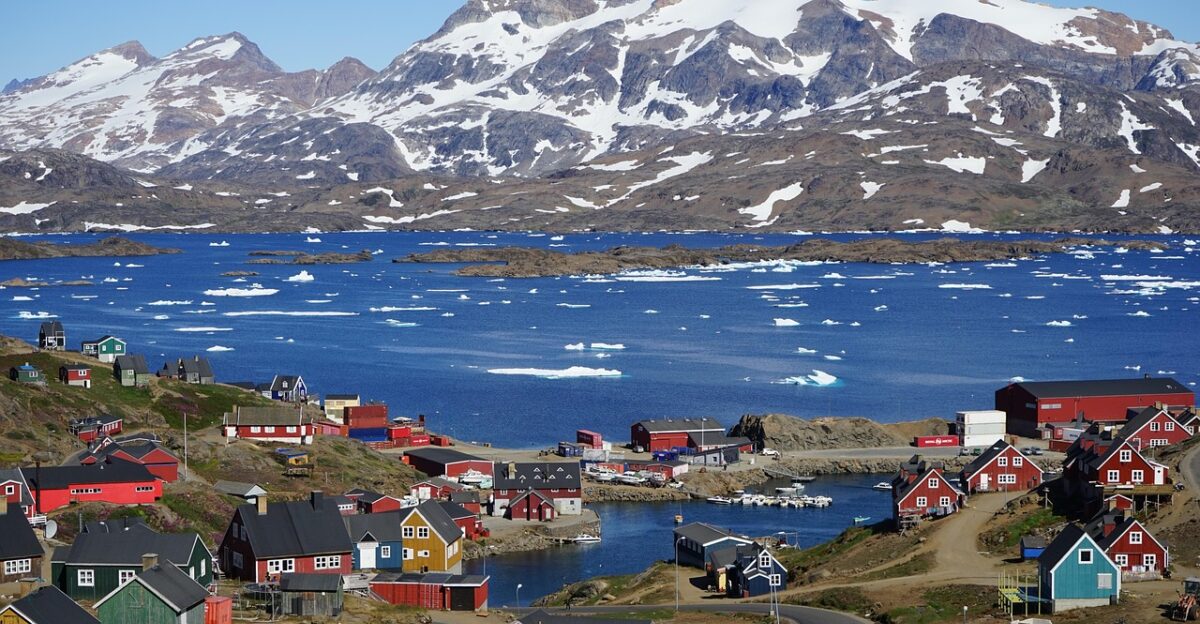
The deadline arrives with no resolution. A German frigate continues routine Arctic patrols. European leaders issue statements. Canada opens consulates.
The White House maintains military remains “always an option.” Greenlanders await proof whether NATO alliance survives or American expansionism redefines its meaning.
SOURCES:
NATO Standing Maritime Group 1 deployment documentation, NATO official records
Geological Survey of Denmark and Greenland (GEUS) 2023 critical minerals assessment
U.S. State Department Defense Agreement records, Denmark-U.S. 1951 treaty documentation
White House Press Secretary Karoline Leavitt statements, January 6-7, 2026
New York Times “Inside ‘Operation Absolute Resolve,’ the U.S. Effort to Capture Maduro,” January 3, 2026
BBC News “How could Donald Trump ‘take’ Greenland?”, January 7, 2026