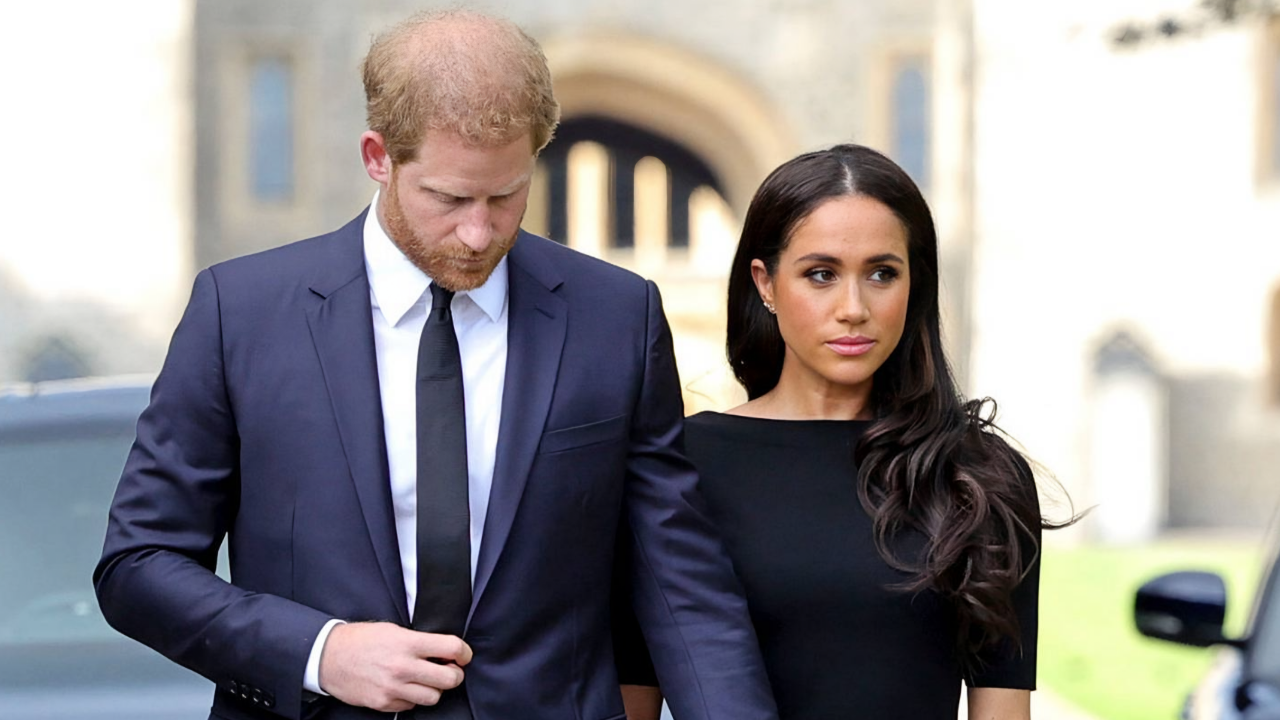
Meghan Markle entered 2025 aiming to reestablish her independence and rebuild her public image after several quieter years. Since stepping back from royal duties in 2020, she has worked to balance her public roles, commercial ambitions, and royal identity. Yet, as the year unfolded, it became clear that Meghan’s efforts to craft a new chapter were complicated by controversy and personal tensions.
On January 1, she shared a carefully filmed Instagram video of herself writing “2025” in the sand, with Prince Harry behind the camera. The short clip signaled a personal and professional comeback, hinting at a new Netflix series, brand ventures, and media projects. Supporters viewed it as a confident return to the spotlight, while critics saw it as another example of celebrity-style self-promotion. For Meghan, the year began with excitement, but also rising scrutiny.
Royal Titles and Public Perception
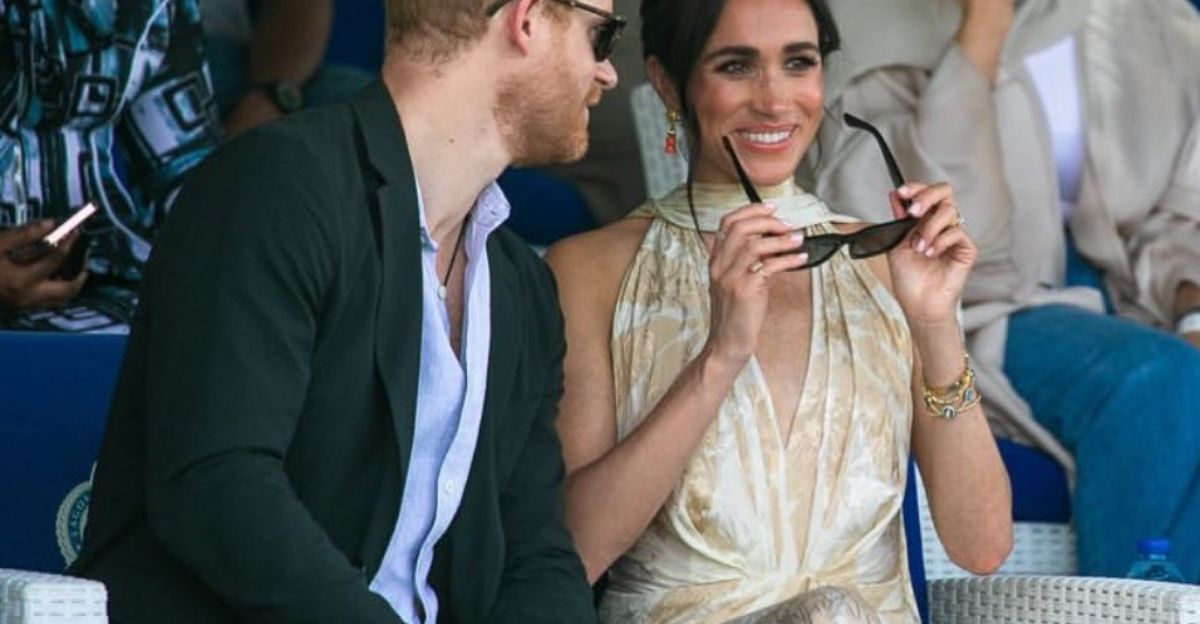
When Meghan and Harry left royal duties, Buckingham Palace allowed them to keep their Duke and Duchess titles but barred them from using the “HRH” designation or linking their status to profit. Despite this, Meghan continued to use her title in professional settings throughout 2025. In a November profile for Harper’s Bazaar, the journalist who visited her was greeted by a house manager calling her “Meghan, Duchess of Sussex,” even though they were alone. That small detail quickly went viral, sparking online debates about whether it reflected pride or strategic branding.
The houses tied to these appearances also drew attention. Reports revealed that Meghan and Harry had been using properties owned by billionaire Victoria Jackson, the cosmetics entrepreneur behind a billion-dollar beauty empire, without paying rent. The couple stayed at Jackson’s Beverly Hills mansion, a New York brownstone, and a Santa Barbara ranch. While Meghan promoted her ventures as symbols of self-made success, critics pointed out that these high-end settings depended heavily on wealthy allies. To observers, her independence seemed financially supported by elite connections rather than fully self-sustained.
Media Challenges and Business Setbacks
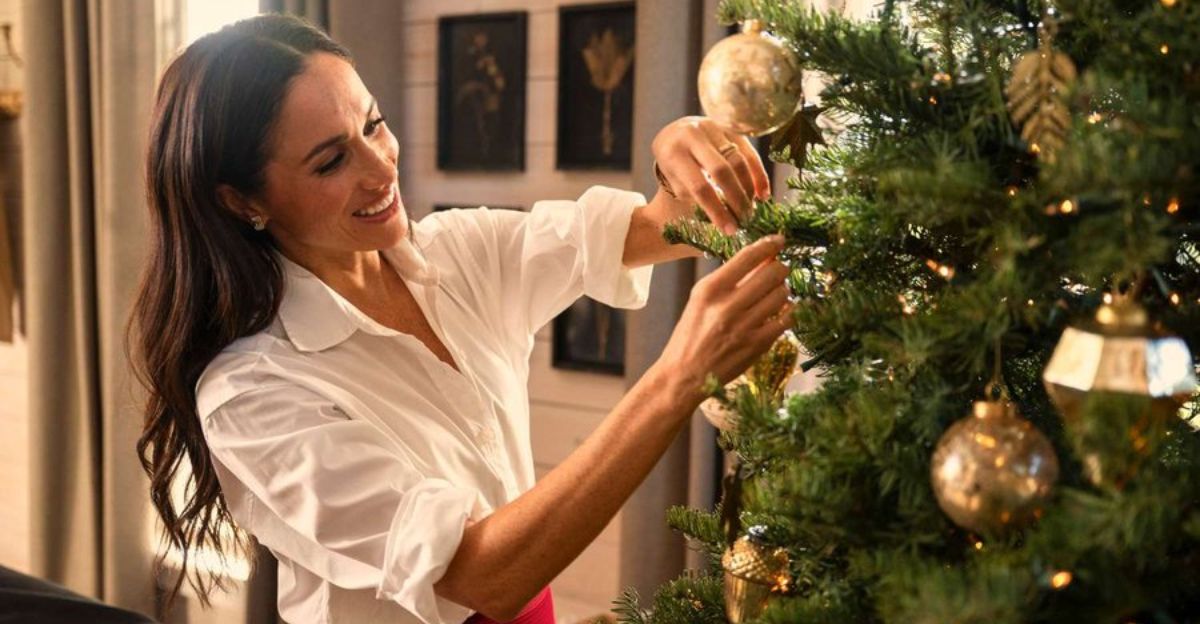
In March, Meghan’s Netflix series With Love, Meghan premiered after months of anticipation. The eight-episode lifestyle show promised a warm, personal look at her creative world but fell flat with viewers and critics. The Guardian dismissed it as “pointless,” while Variety labeled it an “ego trip.” The show’s IMDb rating hovered around 56%, highlighting its lack of traction. Around the same time, her podcast Confessions of a Female Founder, which featured guests like Spanx founder Sara Blakely, ended its first season and went on indefinite hiatus by June. By midyear, Netflix shifted its partnership with Meghan from a $100 million production deal to a lower-scale first-look arrangement. Her team described this as added freedom, but many saw it as a sign of reduced confidence from the streaming giant.
Meghan also faced ongoing troubles with her lifestyle brand. Initially launched as “American Riviera Orchard” in February, the U.S. Patent and Trademark Office rejected the trademark because it was too directly tied to Santa Barbara’s regional identity. She soon rebranded to “As Ever,” but this name too ran into legal problems, first over its similarity to a Chinese clothing brand, and later for resembling a Spanish coat of arms. The repeated trademark issues delayed product launches and damaged the carefully built image of Meghan as a polished entrepreneur.
Even her handling of royal symbols remained controversial. At a premiere event for her Netflix show, actress Mindy Kaling called her “Meghan Markle,” prompting Meghan to joke, but firmly correct, “You know I’m Sussex now?” Later, a gift basket to businesswoman Jamie Kern Lima included a card signed “HRH The Duchess of Sussex,” reviving discussions about whether Meghan was ignoring royal restrictions for marketing effect. Her representatives called it a private oversight, but the moment fueled disagreement about how far she should lean on her royal past.
Family Strains and a Divided Image

While Meghan promoted upbeat projects, her family life grew more complicated. In early December, her father, Thomas Markle Sr., underwent emergency surgery in the Philippines after a severe leg infection led to amputation. As he recovered in intensive care, reports emerged about limited communication between father and daughter. Her publicists claimed she had attempted contact, but further details revealed confusion, with one account mentioning an inactive email and another referencing an intermediary letter. The incident reignited discussion about her long-standing family tensions.
Even as she called for privacy, her public image appeared tied to family content. Her 2025 Christmas card hid her children’s faces, yet family-oriented storylines remained central in her Netflix specials. This contrast led author Tom Bower to accuse her of “using her title ruthlessly” to maintain influence, comparing her situation to other royals whose privileges had been withdrawn. By year’s end, The Toronto Star named Meghan the “most disappointing celebrity of 2025,” citing faltering projects and fading partnerships.
As 2026 began, Meghan announced new documentary work with Sundance and a book adaptation deal, suggesting she remains determined to rebuild momentum. Still, the past year revealed the complex gap between her message of independence and her reliance on elite networks, royal status, and media exposure. Whether she can redefine success on her own terms, or risks being defined by the very system she sought to escape, remains one of the central questions of her post-royal story.
Sources
Meghan Markle on Business and Family Life with Prince Harry. Harper’s Bazaar, December 2025
Meghan Denies She Is Still Using HRH Title. Sky News, April 2025
Meghan Markle’s Dad in ICU After Emergency Amputation Surgery. The Straits Times, December 6, 2025
With Love, Meghan (TV Series 2025) User Reviews. IMDB, November 2025
Meghan Markle Accused of Clinging to Royal Title After Recent Interview. Fox News, November 2025