
A nationwide surge of Medicare-related scam calls is overwhelming older Americans during the annual open-enrollment window running from October 15 to December 7.
With nearly 65 million beneficiaries, scammers are aggressively seeking Medicare numbers and recorded “yes” responses that can later be used to support fraudulent billing. Many seniors now receive dozens of robocalls per day, turning phones intended for medical and family contact into relentless points of vulnerability throughout the enrollment period.
Why the Scam Surge Is Happening Now

Open enrollment creates intense legitimate marketing activity from health plans, and scammers exploit this noisy environment to disguise impersonation attempts.
High call volume makes beneficiaries more likely to answer, while cheap robocalling technology allows criminals to blanket entire regions with near-continuous outreach. Complaints to consumer groups have risen sharply, including a 40% year-over-year jump reported to Better Business Bureaus, indicating that this season has become a prime opportunity for widespread exploitation.
Seniors’ Daily Lives Disrupted
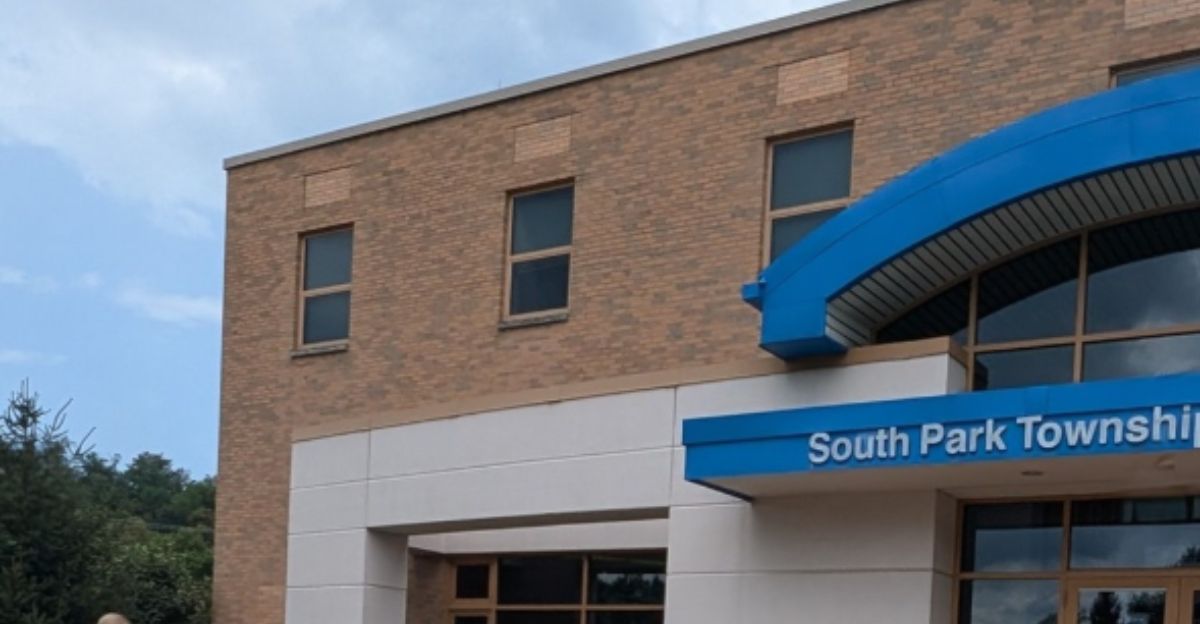
In South Park Township, Pennsylvania, 80-year-old Steven Kurutz receives 50–60 Medicare-related scam calls per weekday—one roughly every 14 minutes from early morning until evening. In San Francisco, 75-year-old Clint Seiter fields one to two such calls per hour.
For many seniors, phones become nearly unusable, forcing them to choose between ignoring unknown numbers or risking missing important calls from doctors, pharmacies, or family members they cannot afford to overlook.
How Scammers Turn “Yes” into Cash

Scammers frequently impersonate Medicare, insurers, or medical suppliers and ask seniors to confirm identity, benefits, or enrollment status.
A simple recorded “yes” can be stitched together with stolen personal data to authorize billing for braces, lab tests, diabetes supplies, or even hospice services. Fraudsters increasingly rely on data already floating through dark-web leaks, meaning victims may never actually provide information directly yet still see their accounts misused.
Fraudulent Billing Hits Health Plans

Clarksville, Texas resident Jan E. Smith discovered six fraudulent charges on her Medicare account in 2024 totaling about $1,200, including a $714.83 claim for unwanted orthopedic equipment.
Her secondary insurer, Blue Cross Blue Shield, was billed $572.27 for the same set of services. These schemes drain federal funds and private insurance pools alike, contributing to higher system-wide costs and creating extra administrative burdens for legitimate providers attempting to correct false entries.
Robocall Infrastructure at Scale
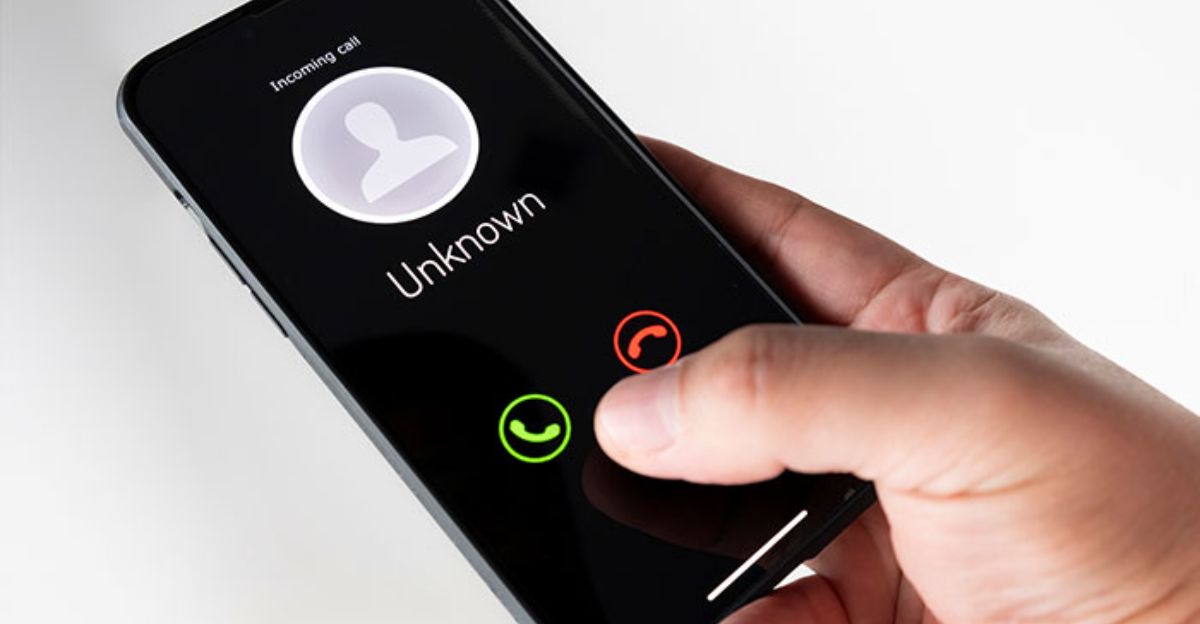
Scams operate on top of massive automated-dialing systems capable of placing billions of calls each month at minimal cost. This infrastructure mirrors commercial telemarketing but is repurposed to impersonate Medicare and other trusted institutions.
The low barrier to entry enables criminal rings to expand quickly during open enrollment, hammering both eligible and not-yet-eligible individuals with identical scripts, spoofed caller IDs, and rapid redial patterns that evade simple blocking tools.
Where Scammers Get Medicare Data
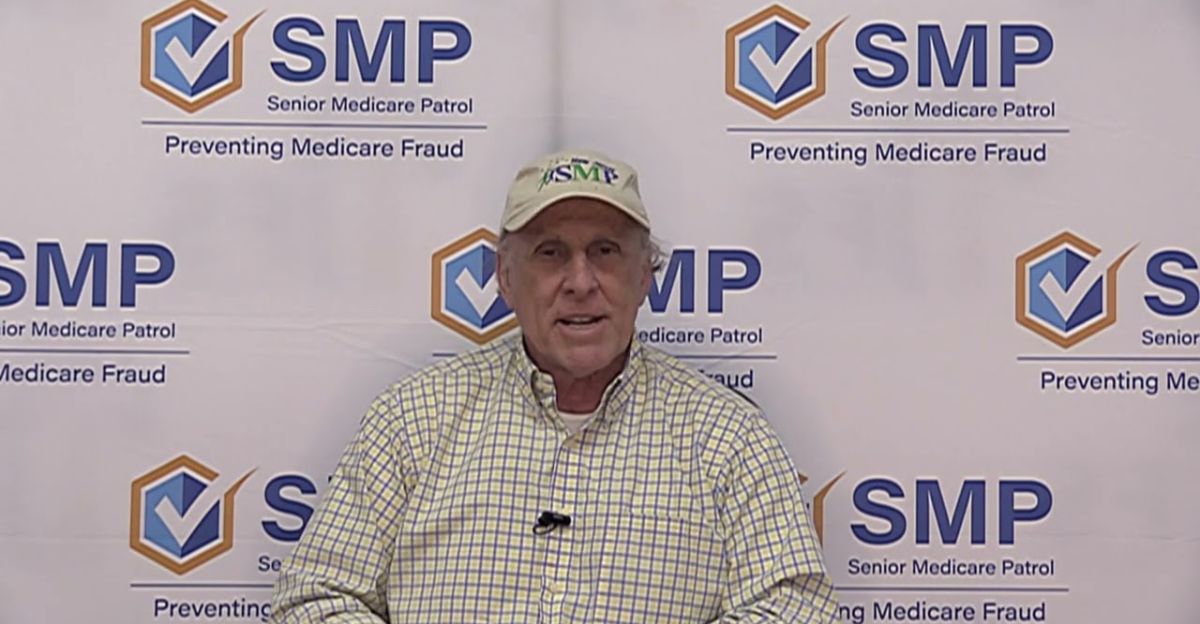
Investigators from Senior Medicare Patrol report that many scammers begin with partial or complete Medicare numbers acquired through large-scale data breaches.
Robocalls often aim to fill in missing details—such as confirming identity or coverage—rather than collecting information from scratch. Once enough data points are assembled, fraudsters can submit claims across state lines to multiple payers before victims notice irregularities, creating a fast-moving form of identity-based medical fraud.
Attorneys General Target Carriers
State attorneys general have intensified scrutiny of telecom carriers and middle-tier networks that transmit high volumes of suspected illegal calls. Recent enforcement waves have ordered several major providers to block traffic linked to impersonation scams, reflecting a growing push to hold carriers accountable when their infrastructure enables large-scale fraud.
Authorities emphasize that many of these campaigns originate overseas, making domestic call-path control critical to limiting damage.
Regulatory Pressure and Gaps
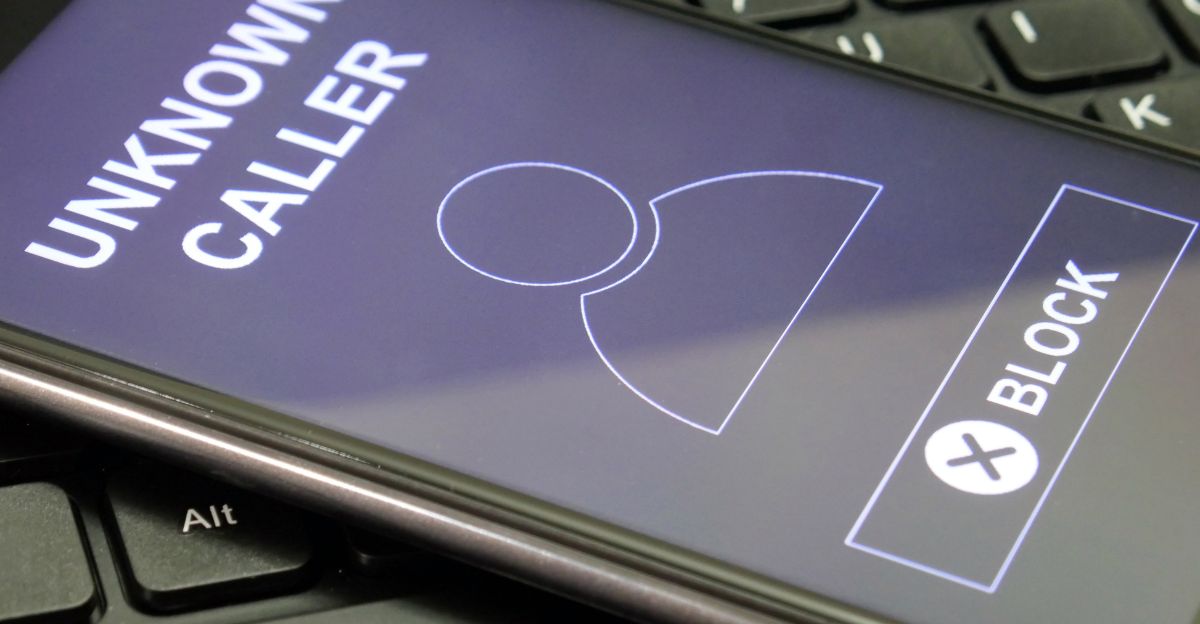
Federal rules require carriers to authenticate calls and curb caller-ID spoofing, yet compliance remains uneven. Fewer than half of registered phone companies have fully deployed mandated anti-robocall measures, leaving gaps that scammers exploit to mask origins and appear local.
Because Medicare fraud often blends with broader imposter-call ecosystems, incomplete enforcement across thousands of small carriers allows sophisticated criminals to operate with persistence and reach.
Economic Cost of Scam Calls

Phone-based fraud of all types cost Americans hundreds of millions of dollars in early 2025 alone. Consumer advocates estimate that individual victims of scam calls lose an average of $3,690 per incident.
For retirees on fixed incomes, even a fraction of that amount can meaningfully erode savings. When fraudulent Medicare claims stack up—sometimes without the victim ever answering a call—the financial consequences extend to taxpayers, insurers, and families.
Technology and Call-Blocking Apps

As spam and scam volumes climb, consumers increasingly turn to call-blocking apps that analyze billions of calls to identify suspicious patterns.
Americans now contend with an estimated 2.8 billion spam calls monthly, with seniors reporting heavy dependence on screening tools to distinguish legitimate Medicare communications from scams. Despite their usefulness, these apps cannot catch every spoofed call, leaving many seniors still exposed during high-intensity enrollment seasons.
Healthcare System Integrity

Fraudulent Medicare claims can introduce dangerous inaccuracies into medical records. Victims may find false diagnoses, incorrect medication histories, or fabricated lab results attached to their profiles. In extreme cases, fraudulent hospice entries can mark a patient as receiving end-of-life care, which can block approval for curative treatments.
These corrupted records may shadow patients for years, requiring extensive correction to ensure safe and accurate medical decision-making.
National and Global Reach
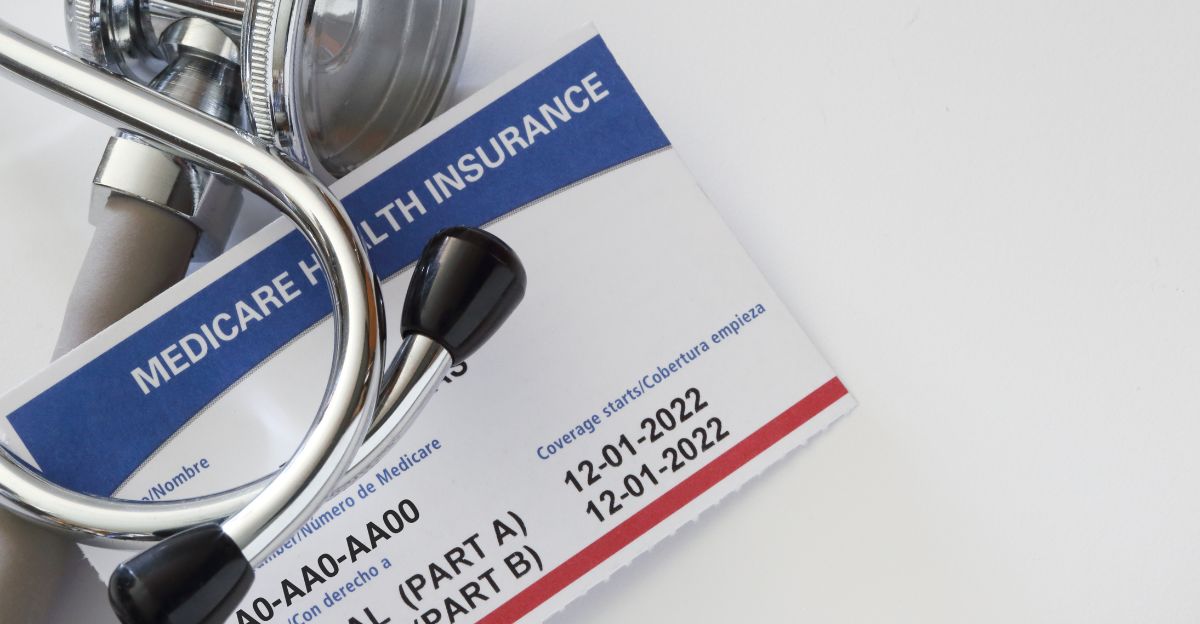
Reports of intense Medicare scam activity span Pennsylvania, California, Texas, and South Carolina, reflecting a widespread national problem rather than one limited to specific states.
Many calls originate overseas and pass through multiple voice-over-internet networks before appearing on American phones. This international routing complicates investigations, allowing cross-border crime groups to target large numbers of U.S. seniors simultaneously with minimal risk of interruption.
Mental Health and Family Strain

Families describe the emotional strain of trying to protect aging parents who may be overwhelmed by endless scam calls. Constant alerts, sleep disruption, and fear of answering unknown numbers contribute to migraines, anxiety, and isolation.
Caregivers worry that a single lapse in vigilance—a moment of politeness or confusion—could trigger cascading fraud. Many seniors also feel embarrassed when they fall victim, delaying reporting and compounding the harm.
Public Trust in Institutions
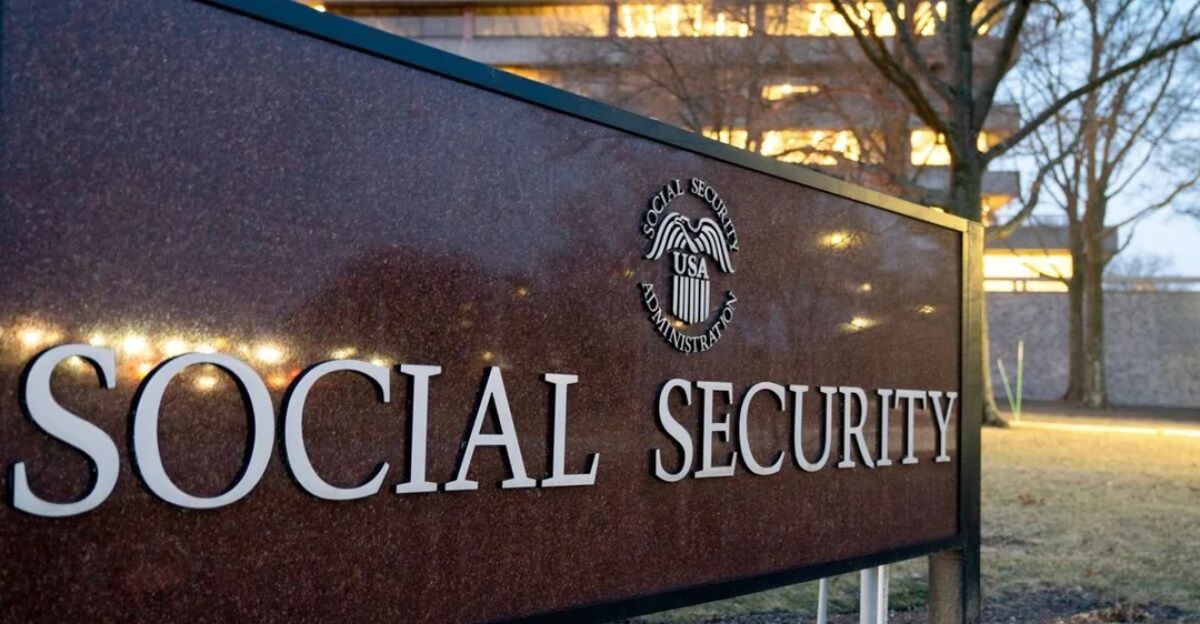
Because scammers routinely impersonate Medicare, Social Security, and major insurers, each fraudulent call erodes confidence in legitimate communications.
Many seniors now hesitate to answer real outreach from health plans, risking missed deadlines or misunderstandings about coverage. As scammers increasingly mimic the tone and scripts of genuine representatives, distinguishing legitimate messages from fraudulent ones becomes harder, complicating enrollment and healthcare decision-making.
Who Benefits, Who Loses
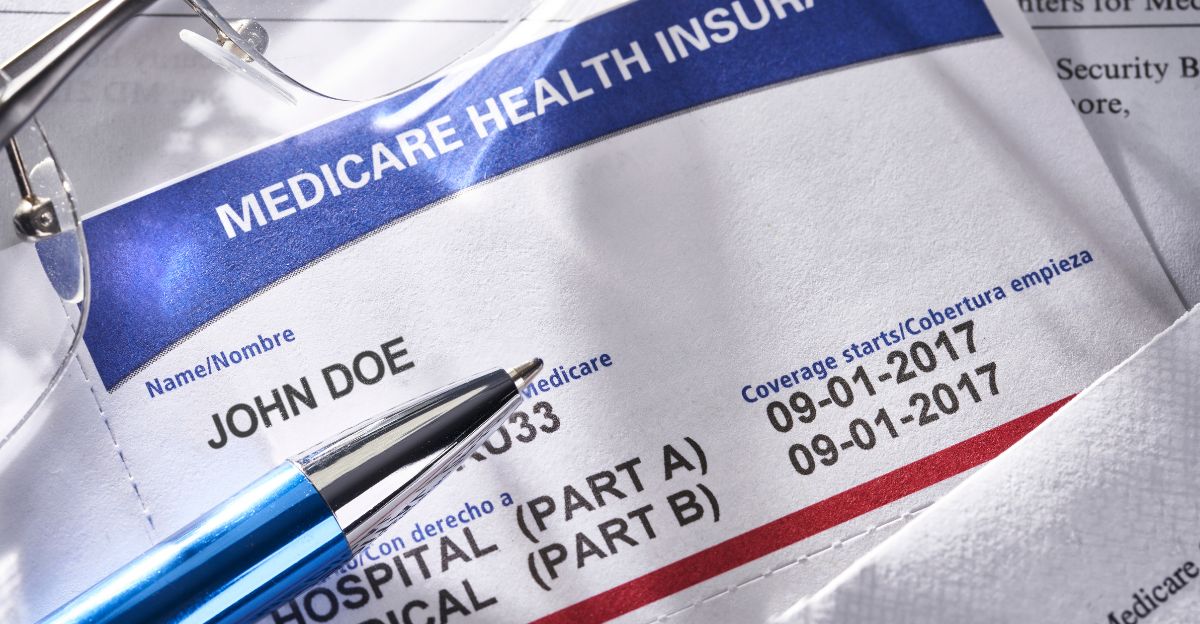
Criminal groups benefit enormously from the ability to bill Medicare using stolen identities at scale. Meanwhile, honest healthcare providers face heightened documentation demands to prove legitimacy.
Telecom carriers risk enforcement actions if they fail to block illegal traffic, while cybersecurity and call-filtering companies see rising demand for subscription services marketed to seniors and caregivers. Across the system, victims and taxpayers ultimately bear the financial and emotional burden.
Markets React to Fraud Crackdowns

Financial markets watch healthcare fraud enforcement closely. Large national takedowns—sometimes involving hundreds of defendants and billions in alleged false claims—can reshape expectations for medical suppliers, telehealth companies, and insurers that may face audits or repayment demands.
Aggressive fraud-related oversight can influence stock valuations, compliance costs, and investor confidence across sectors tied to government-funded healthcare programs.
Consumer Playbook: How to Protect Yourself
Beneficiaries are urged to treat Medicare numbers like credit-card numbers and avoid sharing information with unsolicited callers. Best practice is to hang up immediately and contact Medicare or one’s plan directly using known numbers.
Regularly reviewing Medicare Summary Notices helps detect unfamiliar charges early. Quick reporting to Senior Medicare Patrol or Medicare can prevent additional fraudulent claims and reduce the potential for inaccuracies in medical records.
What Regulators and Telecoms May Do Next

Regulators are expected to increase penalties for carriers that fail to authenticate calls or block known scam sources. Future efforts may include more rigorous traceback of illegal robocall campaigns and new standards addressing AI-generated voices and manipulated recordings of consent.
As scam tactics evolve, enforcement agencies and telecom providers face mounting pressure to modernize protections without disrupting legitimate health-plan communication.
One “Yes” in a Much Bigger Battle

The Medicare scam wave demonstrates how a single “yes” uttered during a spoofed call—or even pre-existing stolen data—can trigger fraudulent billing, corrupted medical records, and significant stress for families.
With robocall volumes rising and dark-web data leaks fueling new schemes, seniors and caregivers sit at the front line of a nationwide fraud war. Combating it requires vigilance from individuals, cooperation from telecoms, and sustained regulatory pressure.
Sources:
“Medicare Scammers Are Calling Seniors 50 to 60 Times a Day” – The New York Times
“Medicare fraud spikes during open enrollment. Here’s how to protect yourself.” – MarketWatch (Dow Jones)
“U.S. Consumers Received Just Over 3.8 Billion Robocalls in November 2025…” – PR Newswire (YouMail Robocall Index release)
“Americans are getting 2.5 billion robocalls a month” – CBS News
Medicare fraud and protection guidance – Medicare.gov (Centers for Medicare & Medicaid Services, U.S. government)
“Robocalls | Consumer Advice” – Federal Trade Commission / FCC-linked consumer guidance page
Robocall mitigation and enforcement materials – Federal Communications Commission consumer and industry guidance