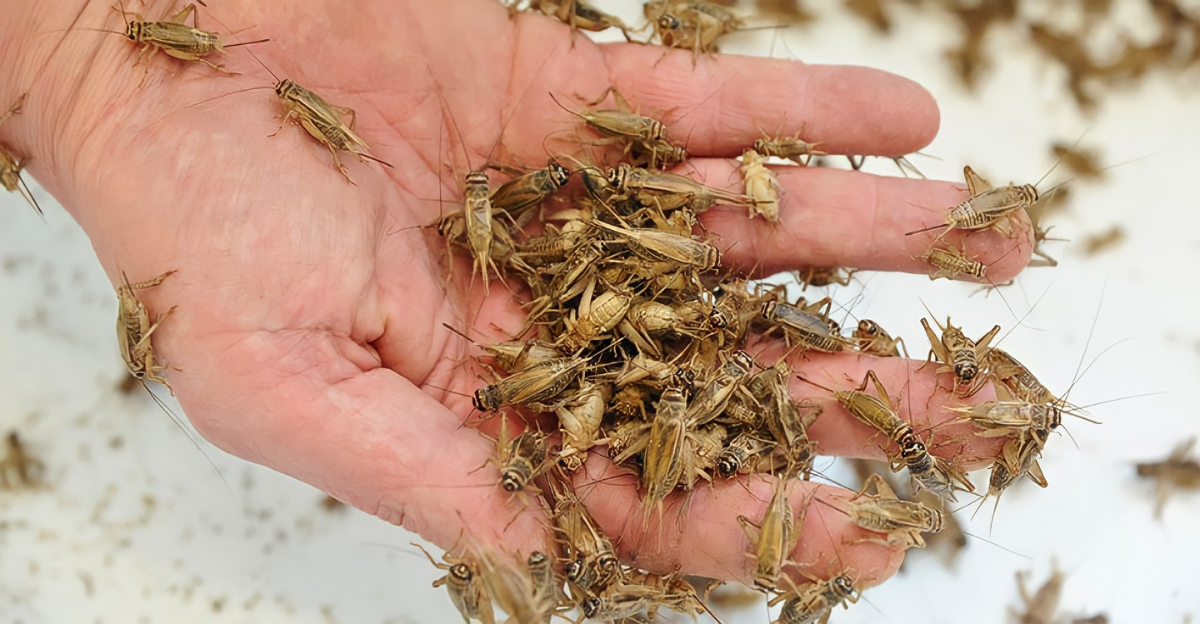
In today’s day and age, a quiet crisis is unfolding across our planet: insects are dying off at an alarming rate, but most people barely notice it.
This isn’t just a loss for people who like bugs. Without insects, ecosystems will collapse, food webs will disintegrate, and plants will suffer significantly. Before it’s too late, people need to learn why this matters and how we can push back against this troubling trend.
The Mass Die-Off
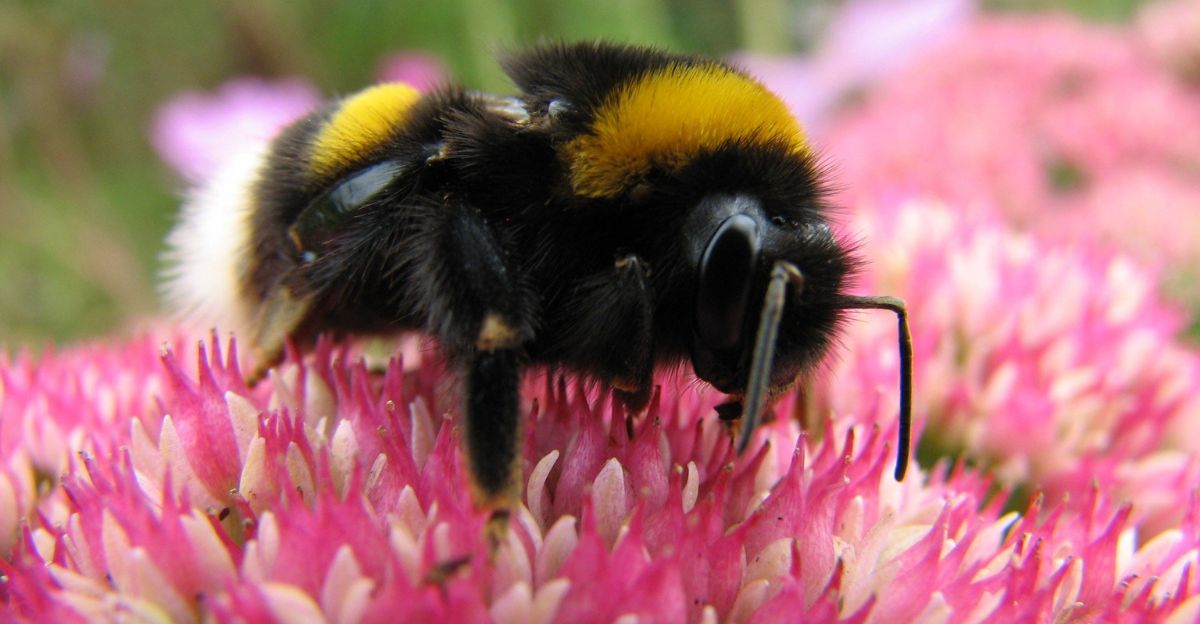
The mass die-off is not a far-off threat; it’s happening right now. Meadows that used to hum with bees and glow with fireflies are growing quieter by the year.
But here’s the good news: regular people can help turn things around. Let’s take a look at nine ways that we can fight back against the mass die-off of our insects. Acting now can help us significantly in the future.
1. Convert Lawns to Wild Spaces
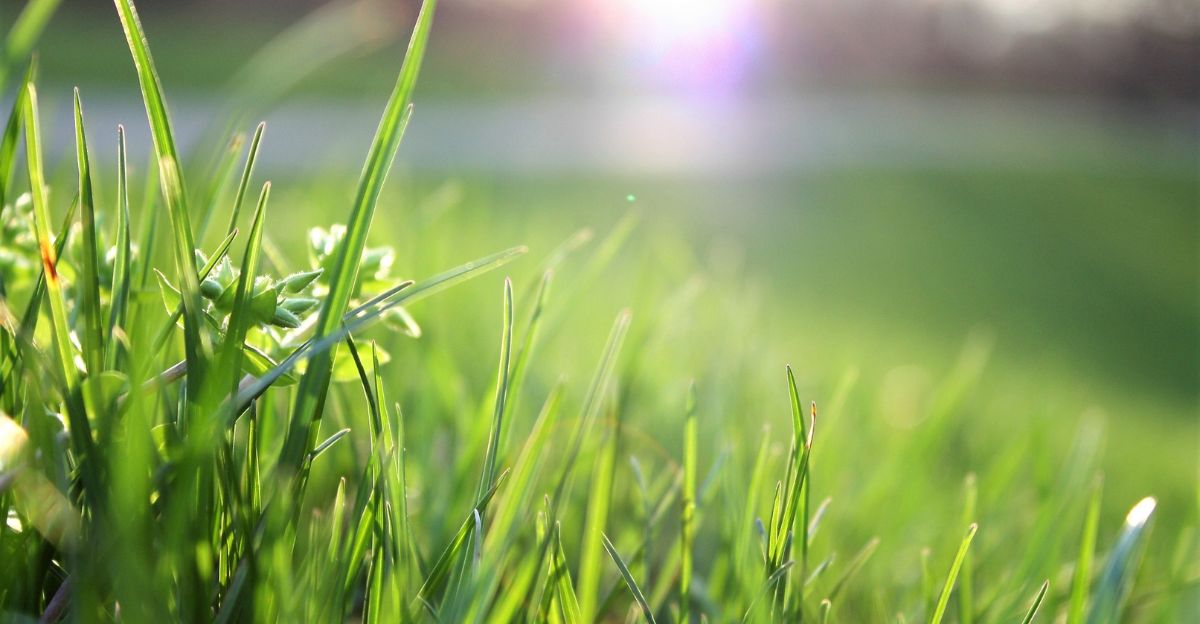
Perfectly trimmed lawns might look nice, but for insects, they’re really poor habitats. While short grass might look tidy, it doesn’t offer food or shelter for pollinators or beetles, and they often end up driving out other species, too.
So what is a simple fix? Let parts of your yard grow wild with flowers or native plants. You can swap sterile grass for a mini oasis buzzing with life.
A Safe Space
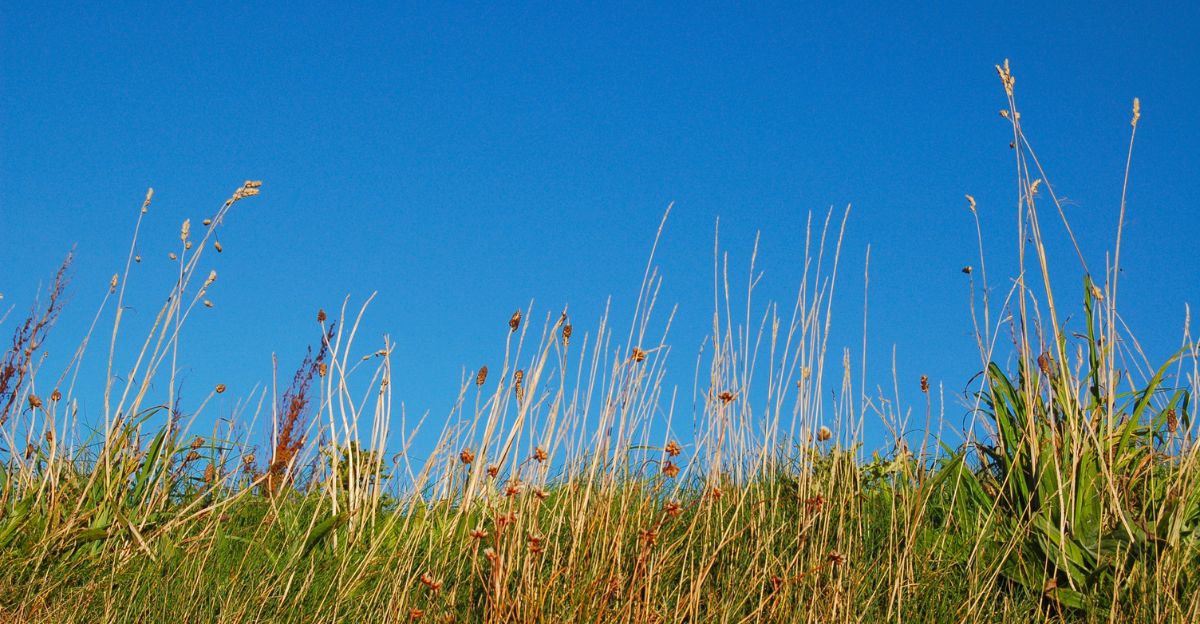
Even setting aside a small patch of your yard for wildflowers, tall grass, or native shrubs gives bees, butterflies, and other insects a safe place to land.
These little wild zones add up by reconnecting isolated insect populations and giving pollinators room to flourish. Plus, less mowing and more blooming mean that your yard comes alive with color, movement, and life.
2. Grow Native Plants

A lot of garden centers often stock exotic flowers, but most local insects can’t eat from them or use them for shelter. Native plants are the real winners because they evolved right alongside the insects in your area.
For example, monarch caterpillars can’t survive without milkweed. By planting native plants, you’re giving insects exactly what they need while keeping your local ecosystem strong and balanced.
Garden with Native Species
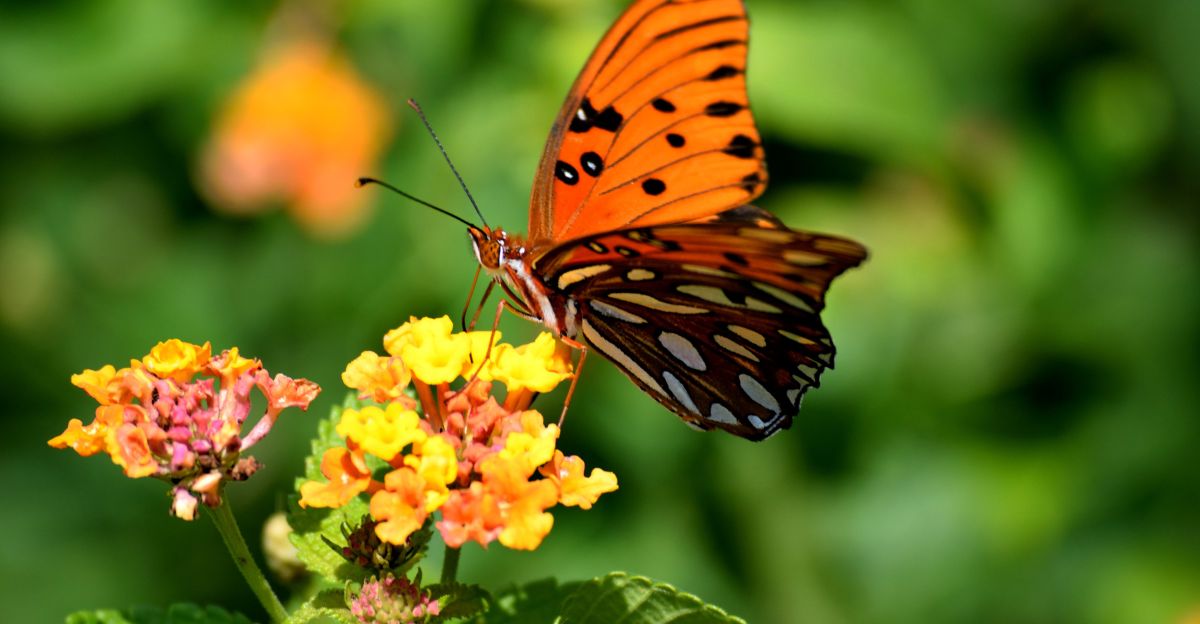
If you fill your garden with native plants, you’ll notice the difference. More bees, more butterflies, and even more birds will stop by for a snack. Native species don’t just look good; they make your garden healthier, cut down on chemical use, and keep local food webs thriving.
Want easy results? Find out what naturally grows in your area and swap a few of your ornamentals for those plants.
3. Turn Off Outdoor Lights
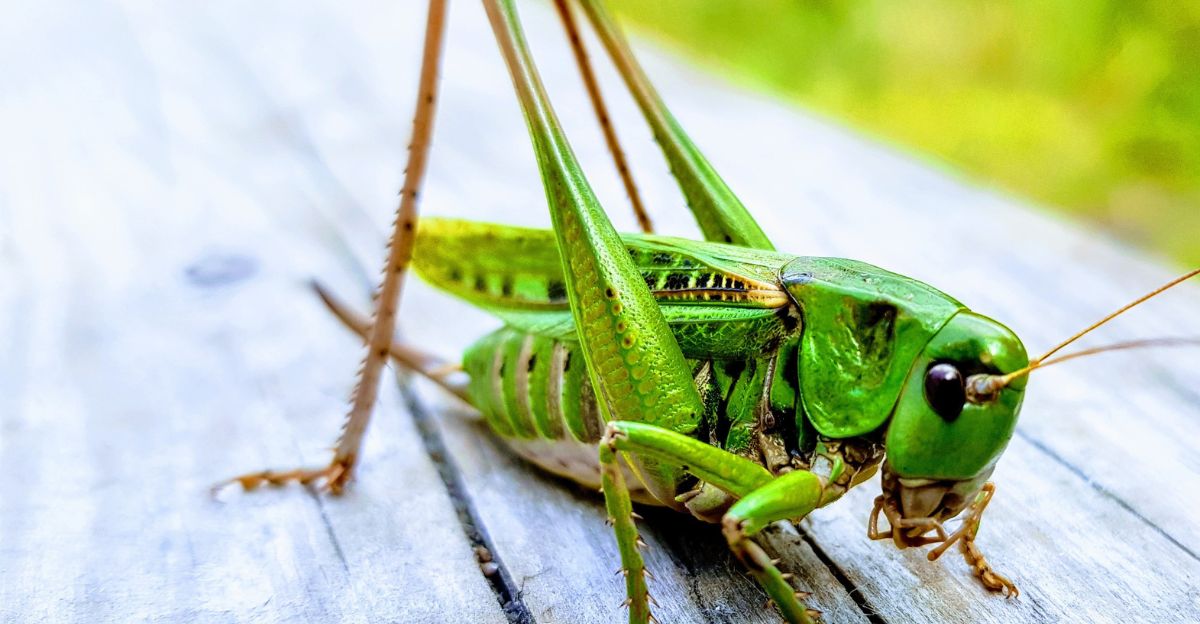
Things like porch lights and garden features might look nice, but to insects, they’re a trap. Moths and other pollinators spend the night circling light bulbs until they’re exhausted, and many don’t make it to the morning. Artificial light also throws off their ability to mate and navigate.
The fix is simple: simply turn off any unnecessary lights during the night. One flip of a switch helps restore natural rhythms and keeps night pollinators safe.
Easy Switches
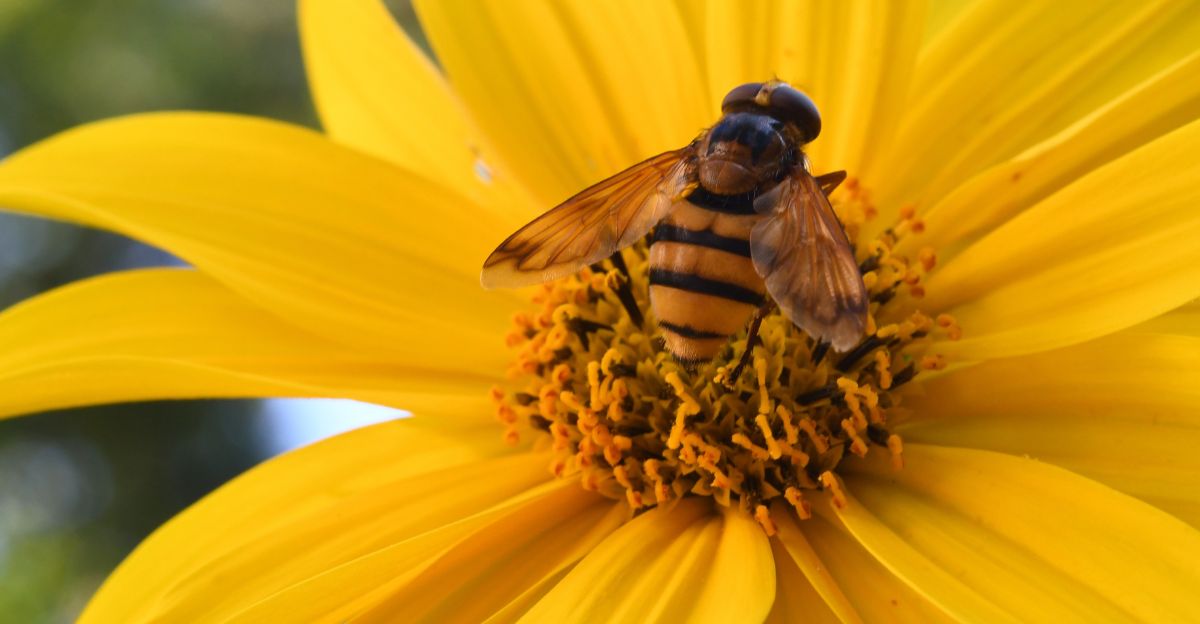
If switching off every light isn’t an option, you can go for amber or red bulbs. They’re much less tempting to insects. Adding motion sensors or timers helps, too, so lights only shine when you actually need them.
Even giving insects a few dark nights each week makes a big difference.
4. Let Gardens Be Messy
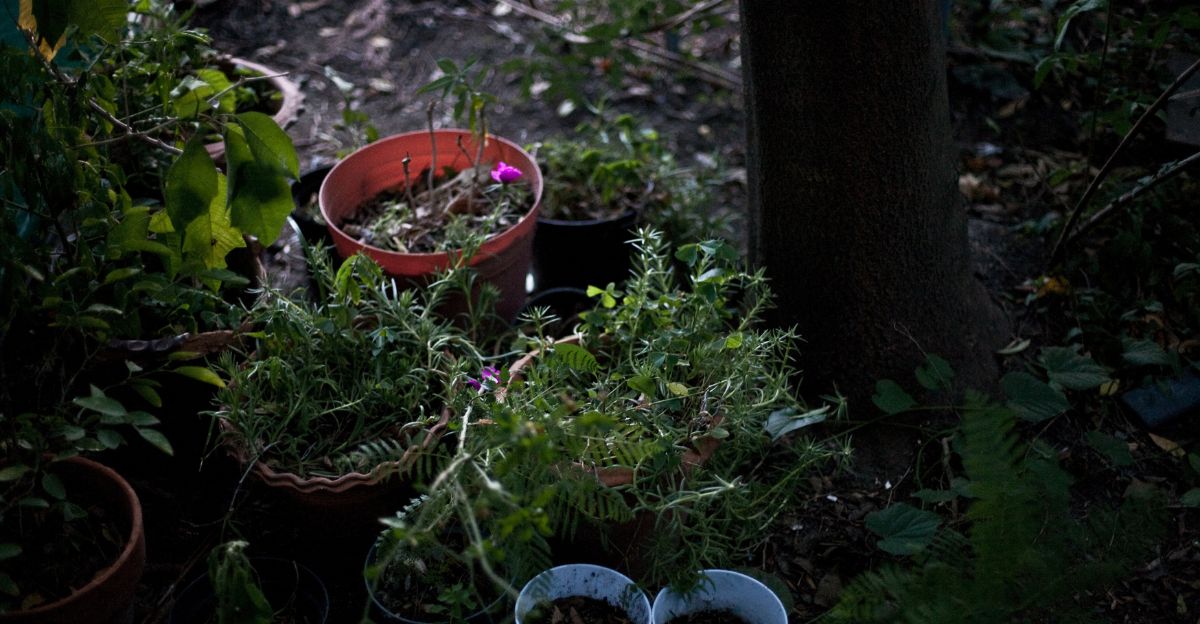
While a picture-perfect “tidy” garden with cleared leaves, bare soil, and no fallen branches might look neat, it’s rough on insects. Lots of species rely on leaf litter and hollow stems to hide, nest, or lay eggs.
Leaving things a bit messy creates safe spots for insects to overwinter. So before you rake it all away, remember: a little garden chaos can mean a lot more insect life come spring.
Year-Round Shelter
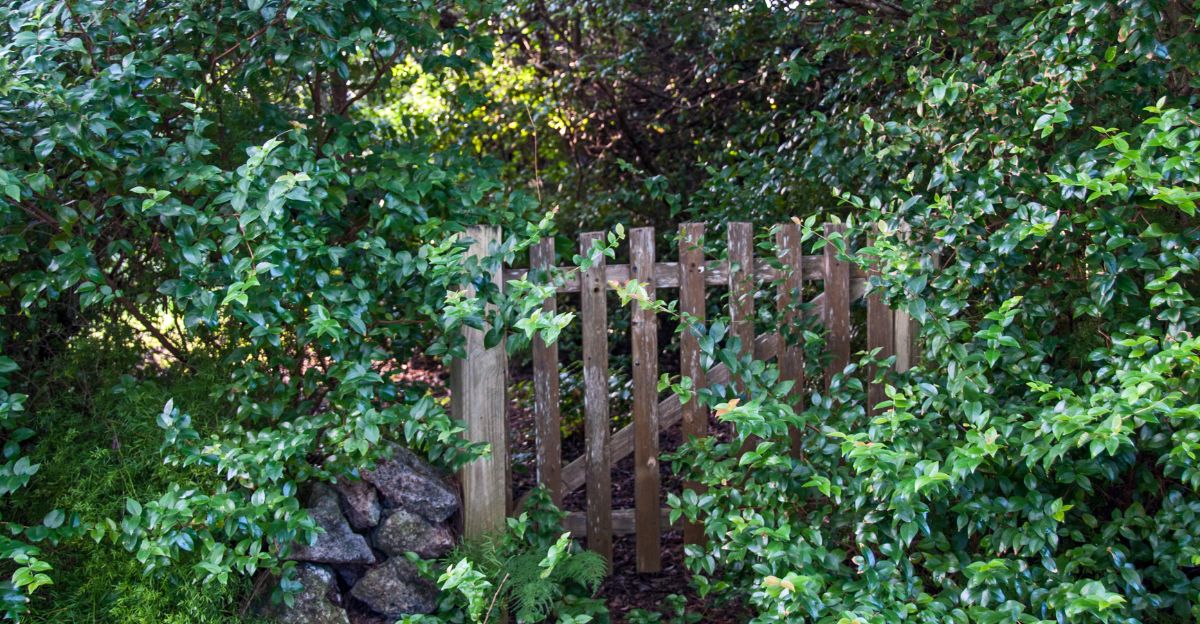
A few leaf piles, fallen sticks, or even a rotting log can be used as an insect hotel, making it perfect for beetles, solitary bees, and more.
Don’t mow every corner of the yard, let seed heads stand, and keep a few “weedy” spots around. That touch of wildness gives insects year-round shelter and turns your yard into a safe haven for the tiny allies that keep gardens thriving.
5. Avoid Pesticides and Herbicides
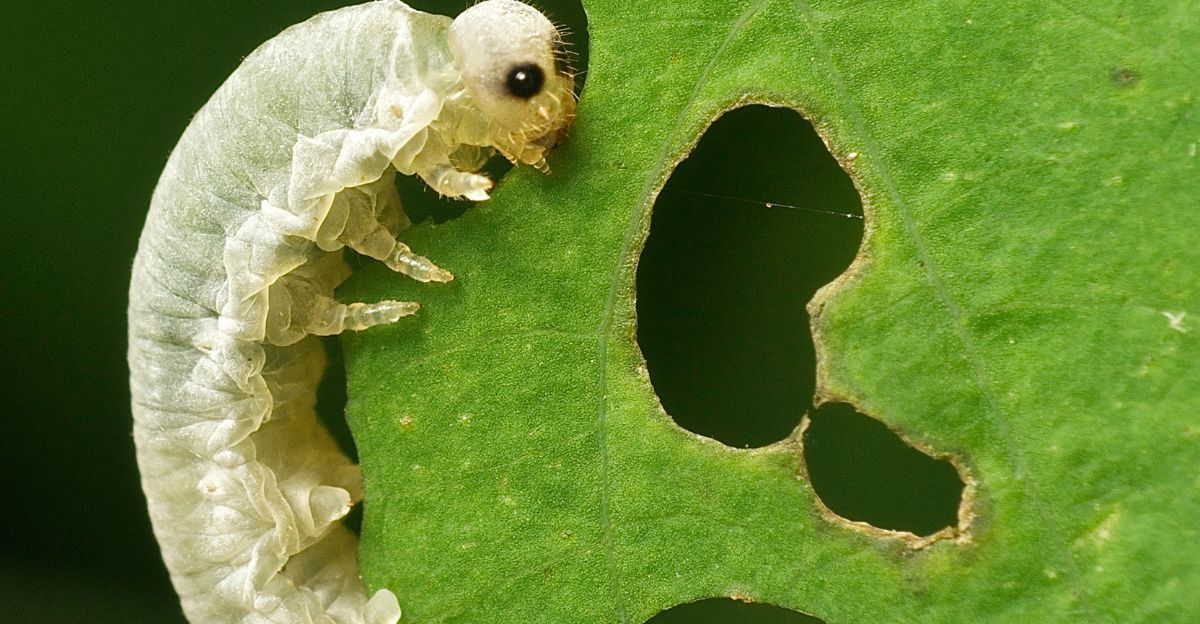
Chemical pesticides and herbicides don’t just target pests; they also kill pollinators, helpful beetles, and even the microbes that keep soil healthy. These chemicals stick around in soil and water, messing up food webs for years.
Even supposedly “safe” ingredients can harm insects. Every time a yard gets sprayed, it sends ripples through local insect populations and disrupts delicate natural cycles.
Safer Alternatives
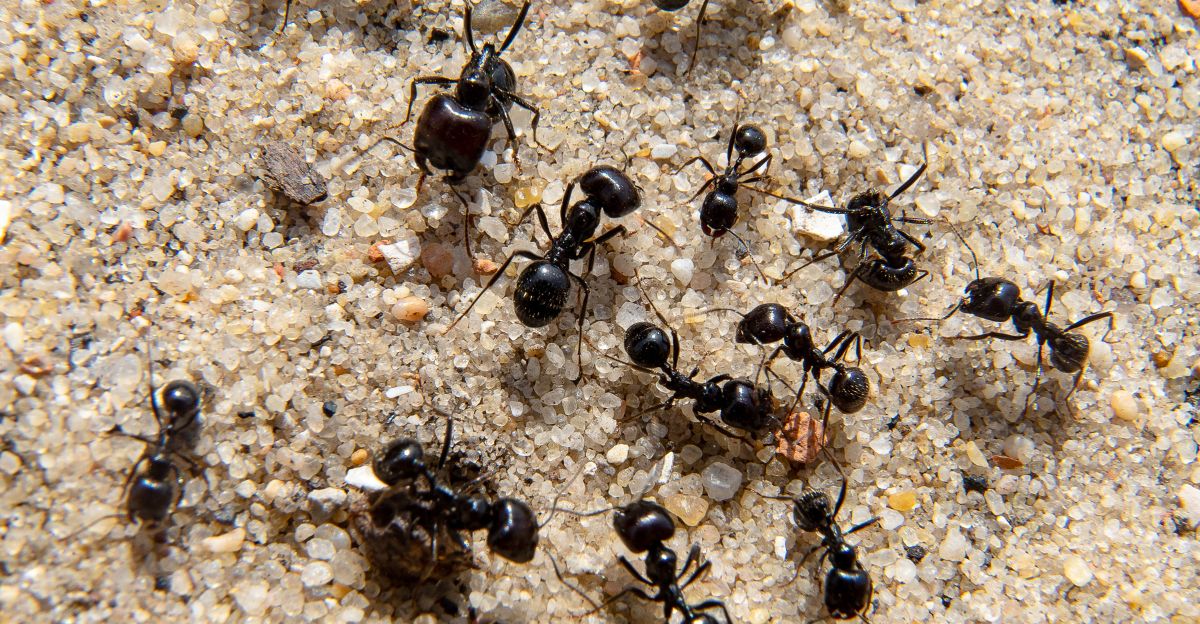
There are safer ways to deal with pests. Encourage natural predators, accept a little leaf nibbling, hand-pick pests, or plant strategically to keep them away.
Let ladybugs, lacewings, and mantises do the work with no chemicals needed. Every season without synthetic sprays means your garden will have more bees, butterflies, and beetles.
6. Build Insect Hotels and Sanctuaries
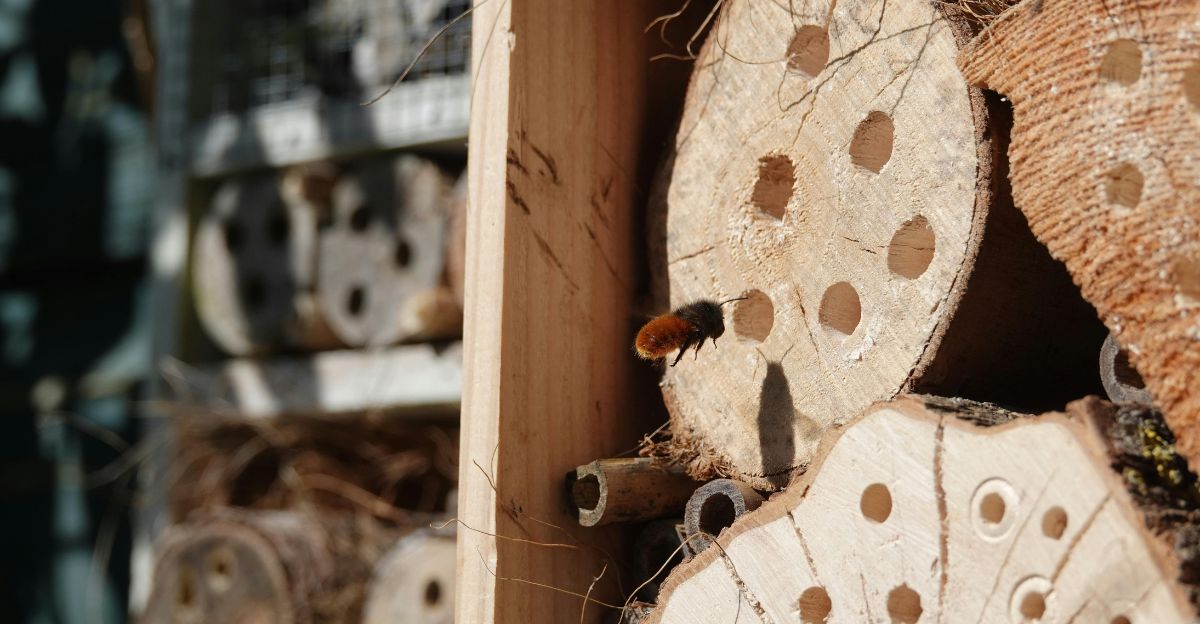
Bug hotels made from bamboo, logs, or bricks give insects a safe place to nest and overwinter, especially in cities where natural spots are scarce.
Even a small DIY bundle of tubes can host solitary bees, ladybugs, and lacewings. These mini sanctuaries bring a bit of wild habitat into your yard and can be the difference between survival and local extinction for insects.
Bug Hotels
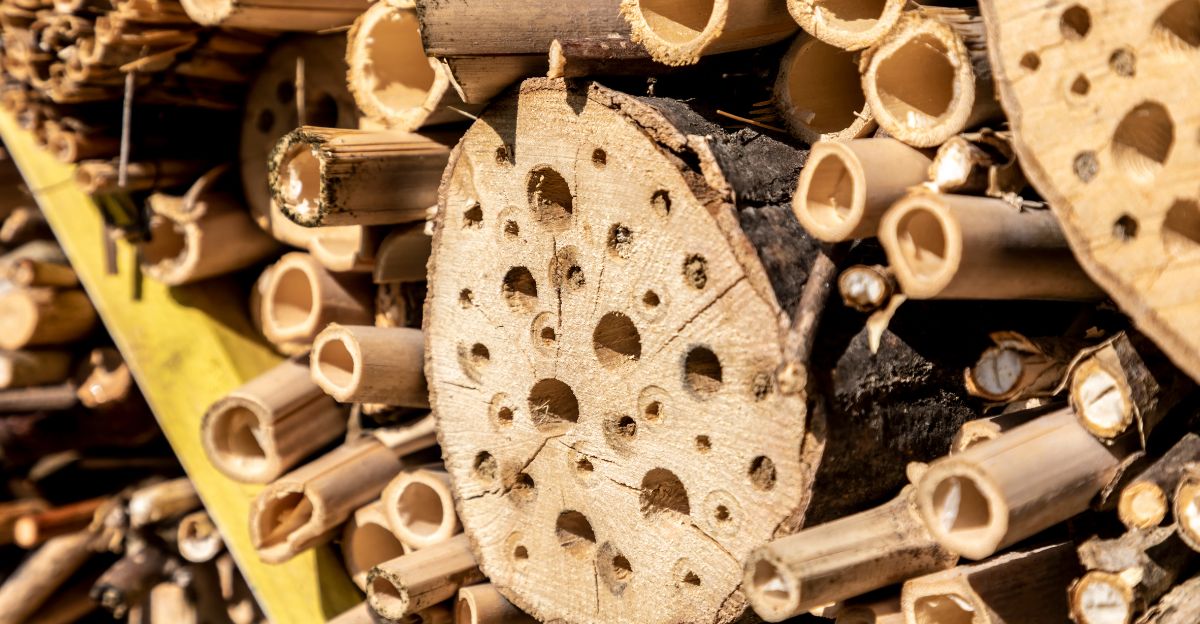
Place bug hotels in sheltered spots, away from heavy rain and chemicals. You can pair them with flowers, water, and a few messy plant areas to create a full-service insect refuge.
Building them is a fun project for families or classrooms, and watching which insects move in canbe fun too!
7. Buy (and Eat) Organic
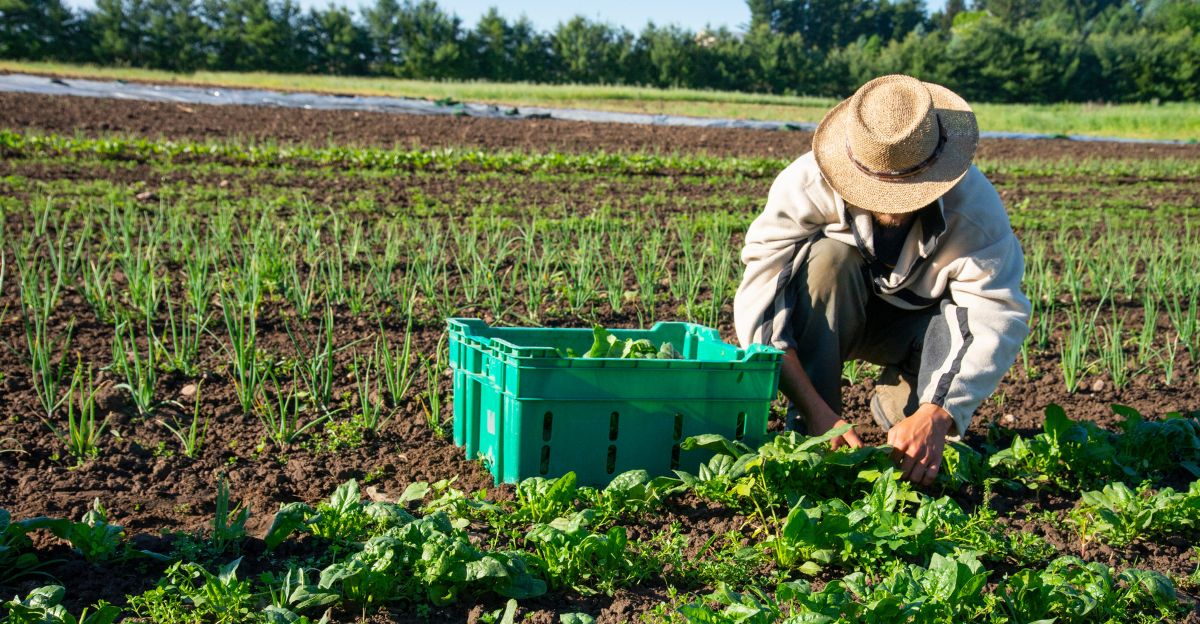
Modern agriculture often relies on pesticides and fertilizers that wipe out insects far beyond the fields. By buying organic, consumers send a powerful message: prioritize nature over chemicals.
Organic farms host more pollinators, earthworms, and helpful beetles. Every organic purchase helps support insect-friendly farming and gives biodiversity a chance to thrive.
Supporting Farmers
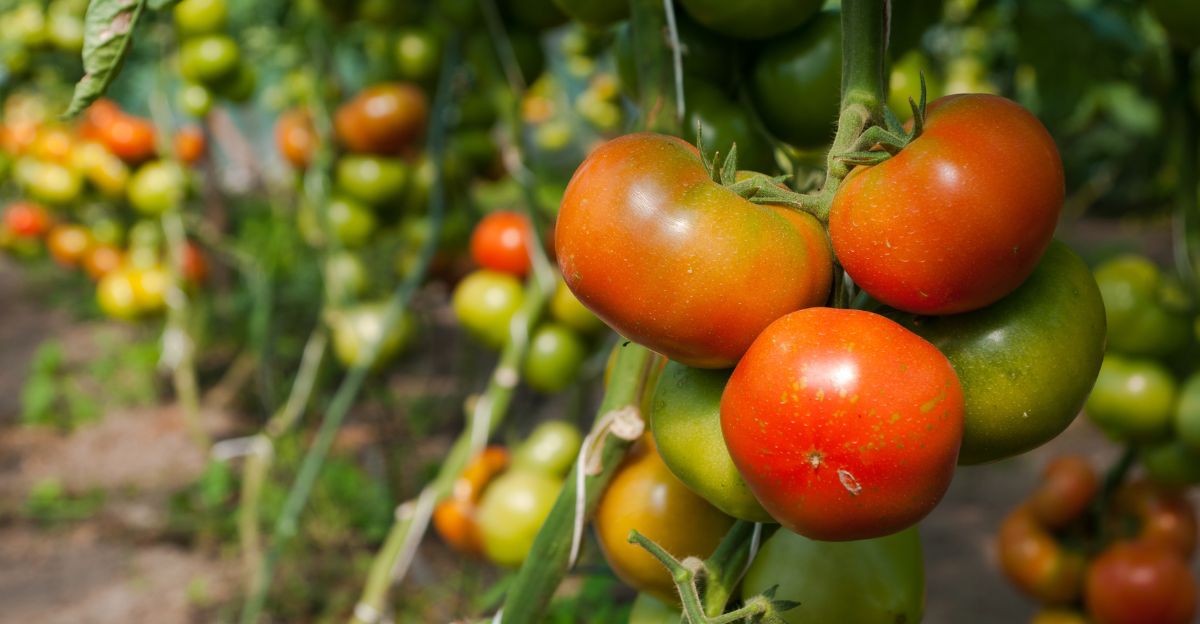
Buying local, seasonal, and organic food supports farmers who care about healthy soil, thriving insects, and strong crops. Farmers’ markets and veggie box programs are great places to start.
Every choice matters: more organic fields mean healthier insects, which help wildflowers, birds, and crops flourish.
8. Citizen Science and Insect Tracking
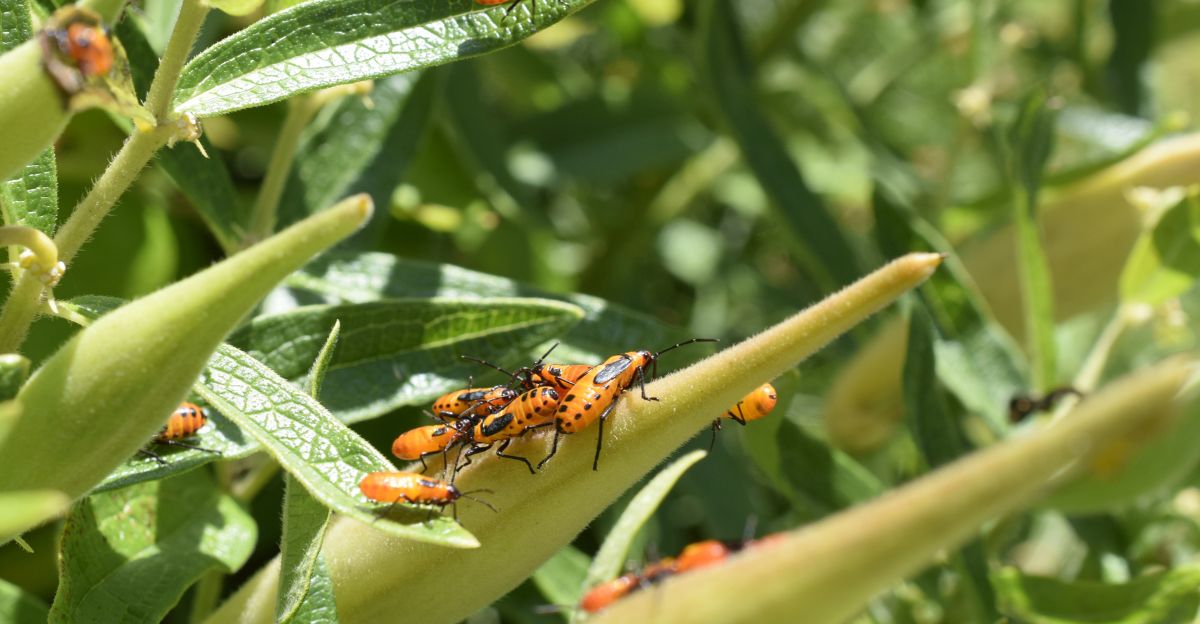
Scientists can’t track every bee, butterfly, or beetle, but you can help. Using smartphone apps or online maps, logging sightings, and even taking photos gives researchers important information on populations and climate effects.
Anyone, anywhere, can contribute to global biodiversity science, making real discoveries and effectively helping to shape conservation strategies from the ground up.
Tracking Insects
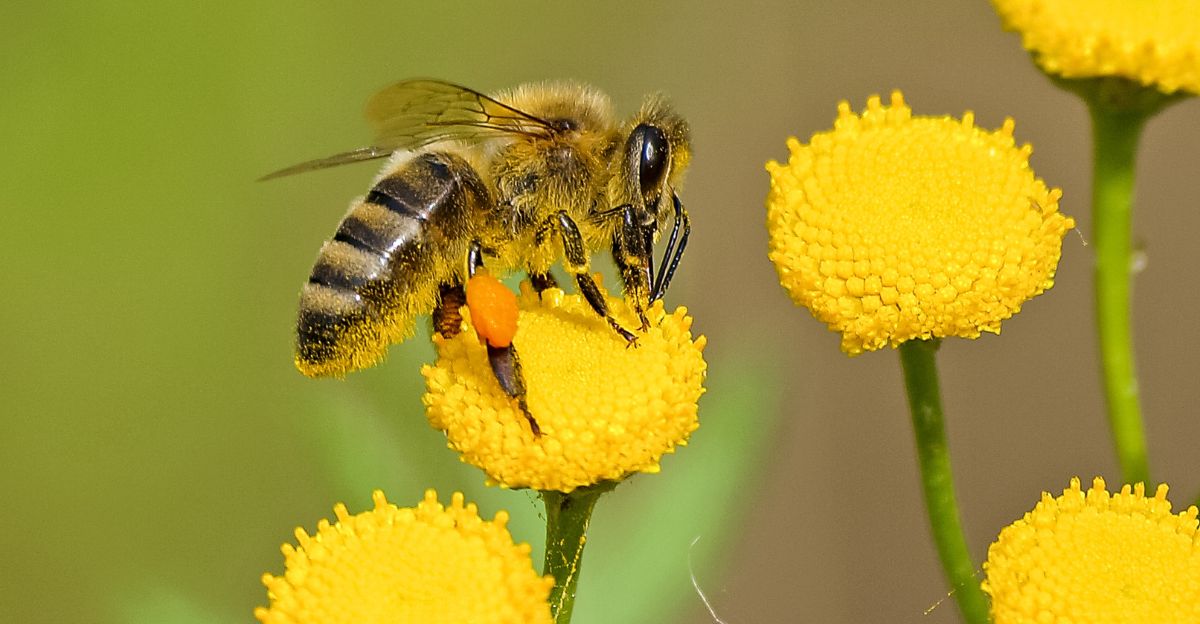
Projects like Butterfly Monitoring Schemes or BeeWalks turn everyday walks into valuable science. Even a simple garden survey helpts. All data points, no matter how humble, add up.
It’s a easy, meaningful action anyone can join, helping scientists track threats and successes while giving you a fresh appreciation for the tiny lives all around us.
9. Educate and Advocate for Change
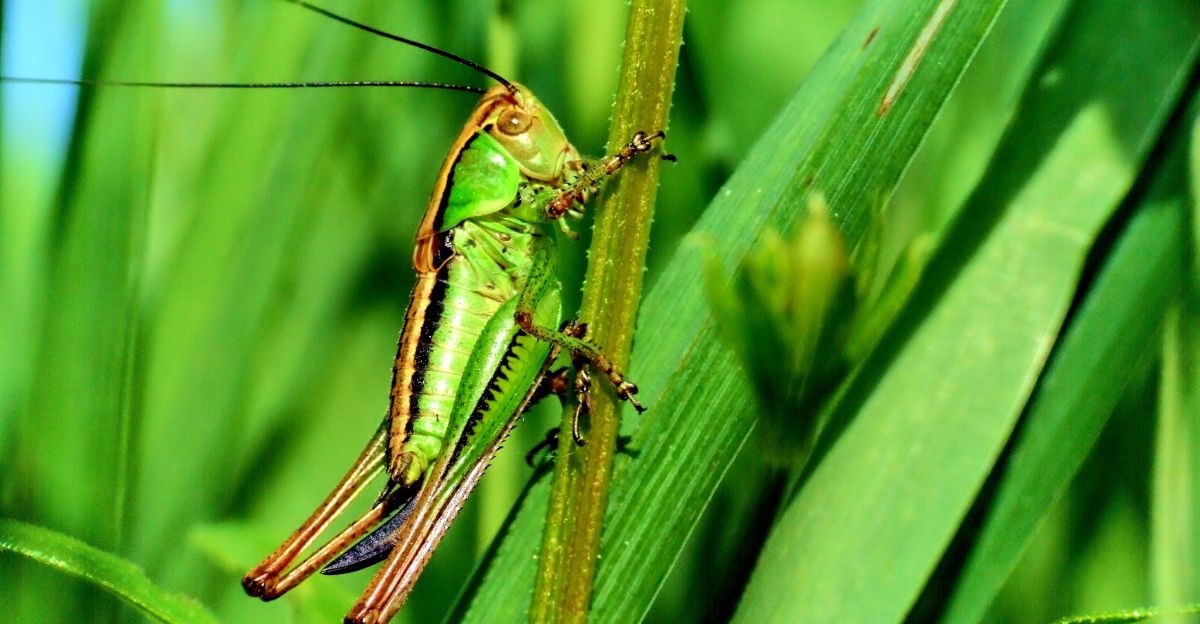
Individual actions help, but big change happens when communities step up. Share what you know, start local projects, and advocate for pollinator-friendly policies.
Get schools, businesses, and councils to plant wildflowers, cut chemicals, or save land for nature. Grassroots efforts turn insect protection into a real, visible priority.
Raise Your Voice

Raise your voice, sign petitions, or join conservation organizations to amplify insect protection. Attend local meetings, write to officials, and support research funding.
Team up to protect parks, wild verges, and promote sustainable land management. The ripple effects of policy change go far beyond one garden; they shape landscapes, safeguard food security, and give insects (and us) the future we all need.