
Thousands of immigrants have already boarded charter flights departing U.S. soil this year. But what happens next year will be different. On December 10, 2025, Secretary Kristi Noem authorized a $143 million purchase: six Boeing 737 jets dedicated exclusively to deportations.
For the first time, the U.S. government will operate its own removal fleet. This is the untold story of how that decision quietly reshapes mass removal in America. The machinery is being built. What will it do?
The Contract That Changes Everything
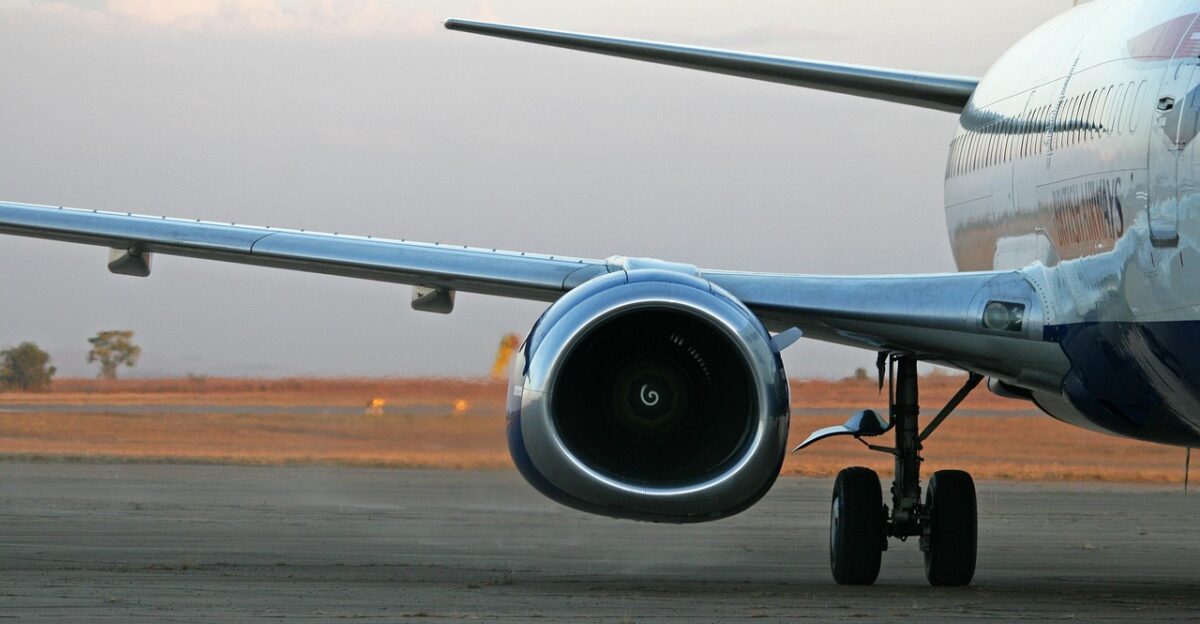
The Department of Homeland Security has signed a $140 million contract with Daedalus Aviation for six used Boeing 737s, marking a shift away from decades of reliance on charter airlines. DHS Spokeswoman Tricia McLaughlin promised the planes “will allow ICE to operate more effectively, including by using more efficient flight patterns.”
A 737 holds 150–200 passengers. Retrofitted for secure transport, each carries 100–150 deportees. Six jets could execute over 40 flights daily—doubling capacity and enabling the goal: deporting 35,000 immigrants monthly.
The $279 Million Promise
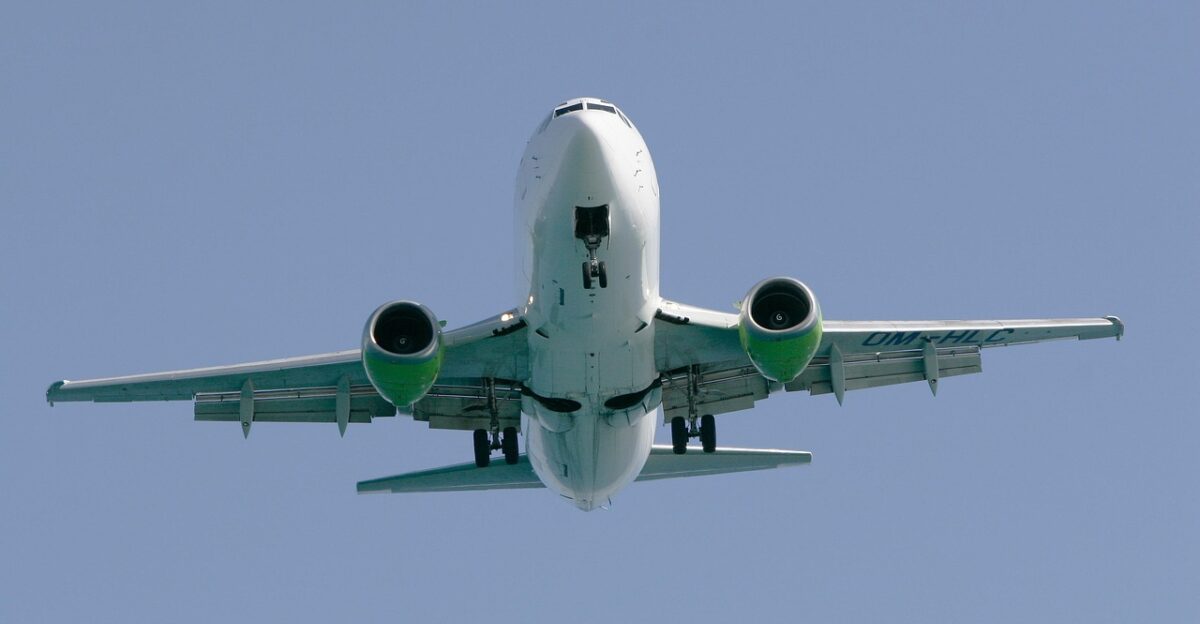
DHS claims this investment will save taxpayers $279 million by eliminating expensive charter flights. Current operations cost between $6,929 and $26,795 per flight hour. But John Sandweg, former acting ICE director, told The Washington Post: “I’m surprised by this decision because the administration’s objectives could largely be met through existing charter flights.”
Government ownership introduces hidden costs, including maintenance, training, and overhead. The savings promise grows shakier under scrutiny.
The Surge in Deportation Flights
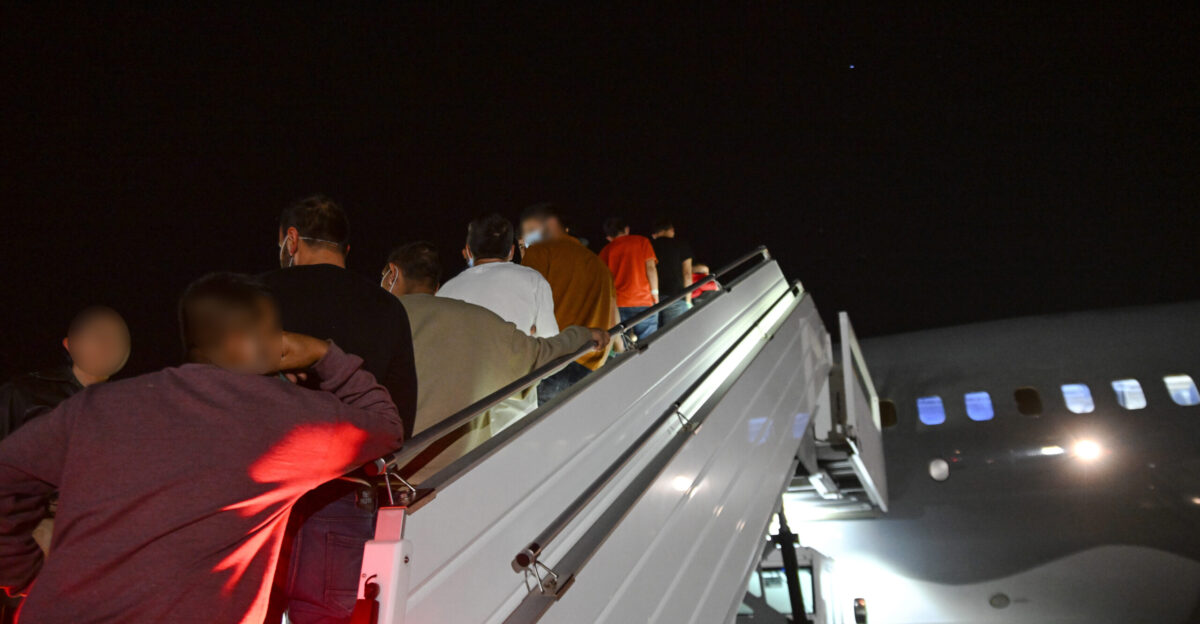
Between January 20 and October 31, 2025, Human Rights First’s ICE Flight Monitor documented at least 1,701 removal flights to 77 countries. This unprecedented volume overwhelmed existing charter markets. Airlines, including GlobalX, Eastern Air Express, and Avelo, expanded capacity but couldn’t keep pace.
Officials faced a bottleneck: they wanted to sustain 35,000 monthly deportations but were unable to schedule enough flights to meet this goal. Owning planes meant scheduling control. It meant speed.
The Spirit Airlines Moment
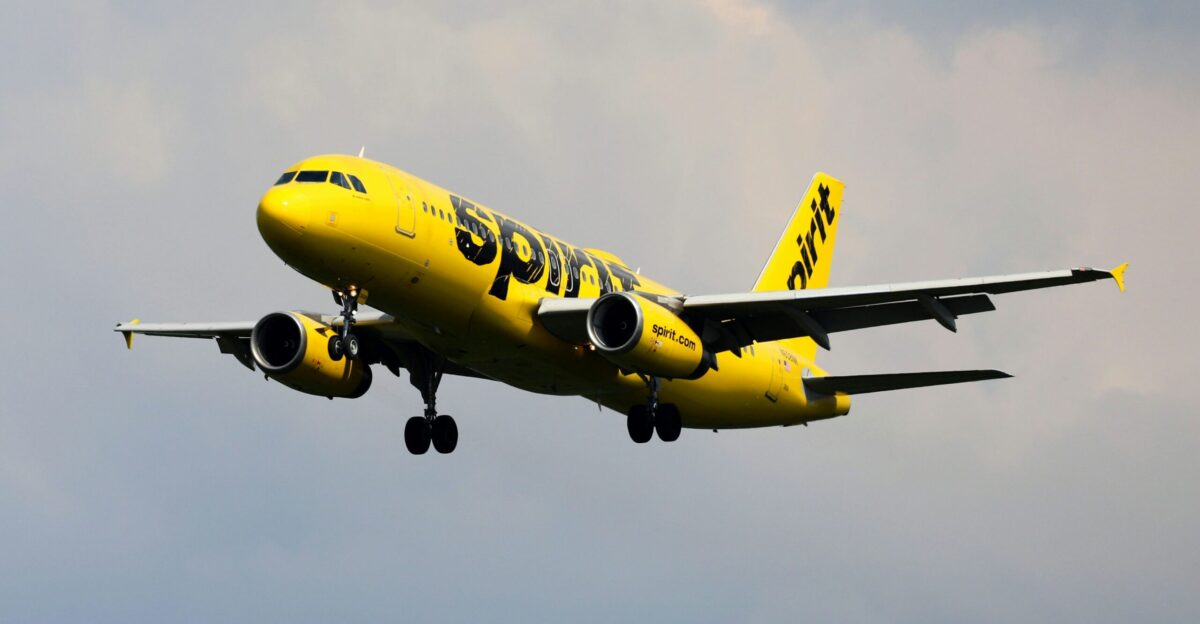
In early 2025, DHS approached Spirit Airlines to purchase ten aircraft. But officials discovered something critical: the jets were grounded and missing engines due to maintenance recalls. The entire charter model revealed its vulnerability.
Reliance on commercial carriers meant inheriting their operational failures. The government was dependent on companies that couldn’t maintain their own assets. The failure accelerated Noem’s thinking. By August, she’d begun exploring aircraft acquisition. By December, the deal closed.
Meet Daedalus Aviation

Daedalus Aviation was established in 2024, formed explicitly to support Trump’s deportation infrastructure. Based in Arlington, Virginia, its president is William Allen Walters III; Taundria Cappel is CFO. Both list their employer as Salus Worldwide Solutions, holding a $915 million DHS contract for “self-deportation” programs.
The company emerged from being a secondary market aircraft specialist to secure the Boeing contract. Questions remain about Daedalus’s readiness to operate a complex federal fleet.
The Corporate Web Tightens

The overlap between Daedalus and Salus triggered alarm among lawmakers. Salus secured its $915 million contract in 2025 without a competitive bidding process. When CSI Aviation Services challenged this as “unlawful, rushed, and non-competitive,” Bloomberg Law reported DHS violated federal procurement rules.
That lawsuit remains pending. Now, Daedalus, sharing leadership with Salus, controls the $143 million Boeing contract. One corporate structure manages America’s deportation infrastructure. Power consolidates. Accountability disperses.
Control and Profit Separated

The hybrid model reveals strategy: privatize where profitable, federalize where control matters. Actual deportations—scheduling, routing, and what happens inside planes—fall to federal agencies. Contractors gain wealth while agencies bear political and operational burden.
Critics warn this pattern will intensify removals while insulating companies from scrutiny. It’s designed to move people efficiently while accountability stays out of reach.
ICE Becomes an Airline
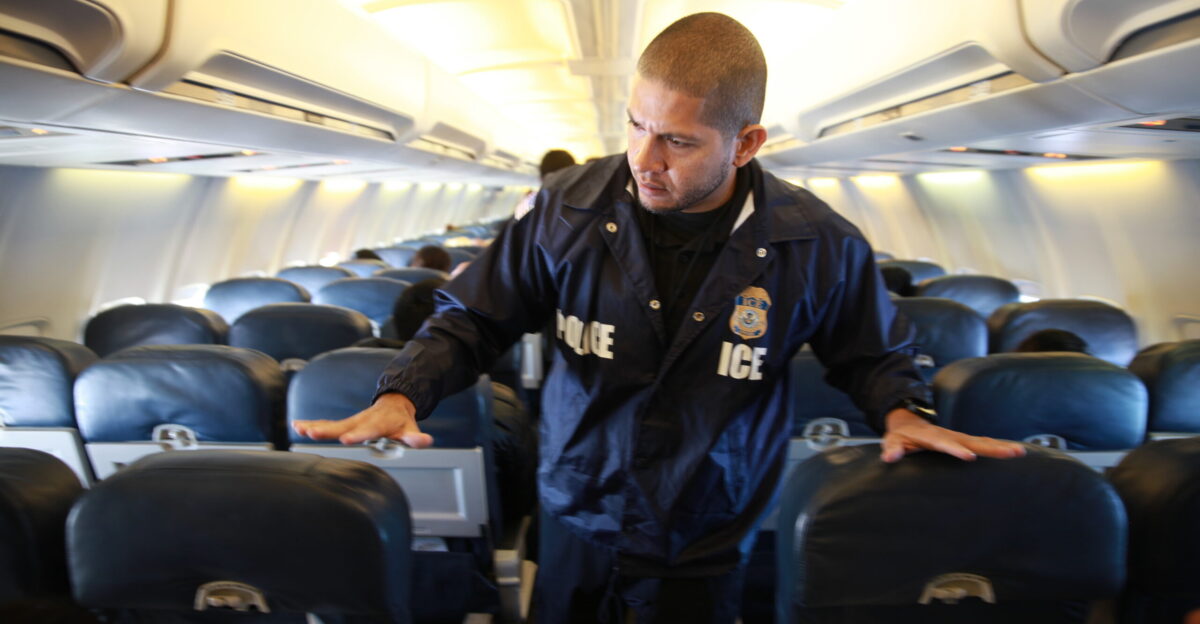
For decades, ICE Air Operations functioned as a middleman between the government and contractors. Now ICE will operate aircraft directly for the first time—a historic break from decades of precedent. DHS won’t say if it will hire pilots or contract them.
Base locations remain undisclosed, though ICE operates hubs in Arizona, Texas, and Louisiana. Jets require modifications: secure partitions, surveillance equipment, and specialized restraints. The machinery is being purpose-built.
The Capacity Calculation
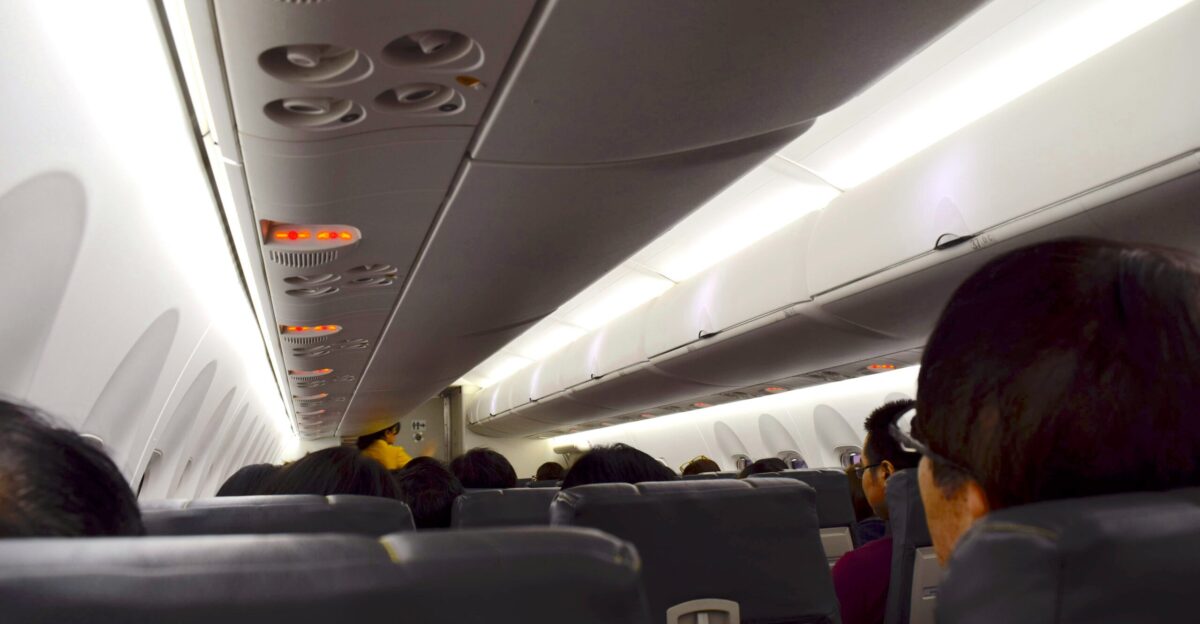
Six Boeing 737s at full capacity exceed anything currently possible. At the documented pace of 1,701 flights in ten months, six jets could dramatically expand flight frequency. Each retrofitted plane carries 100–150 deportees.
That operational capacity aligns with the administration’s objective: 35,000 monthly deportations. This fleet doesn’t just reduce costs; it also enhances efficiency.
What Happens Inside the Planes
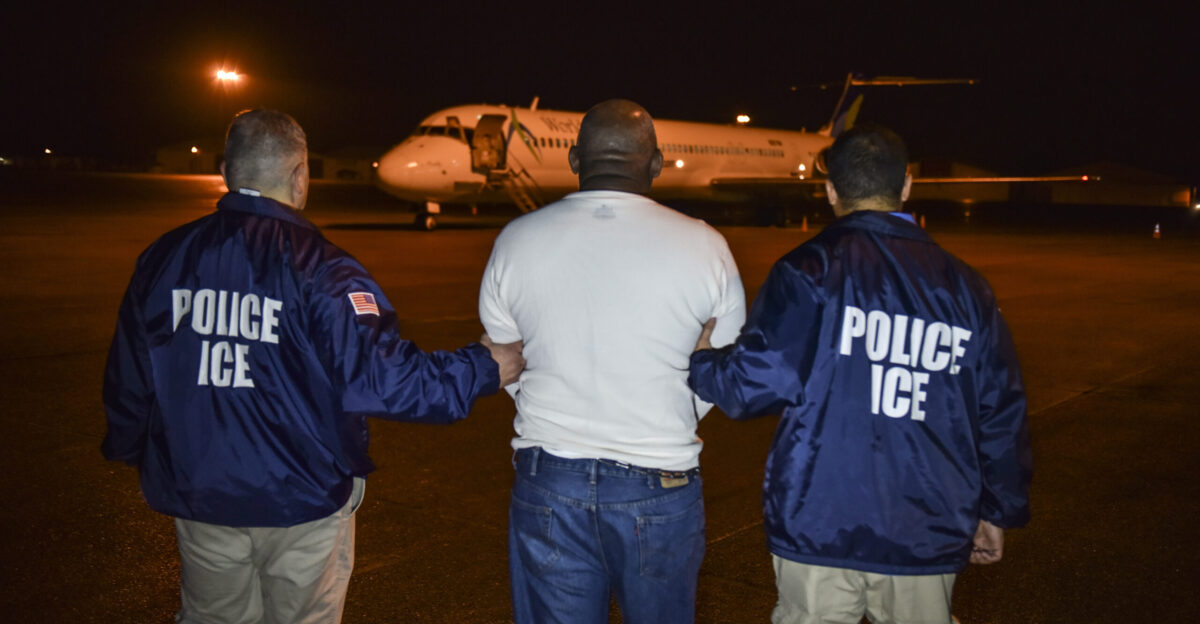
While DHS emphasizes efficiency, human rights organizations document what occurs in ICE Air operations. Human Rights First recorded detainees shackled for 50 hours on multi-country flights. October 2025 Senate correspondence from Senator Chris Van Hollen detailed abuse allegations: detainees were placed in straitjackets for 16 hours without knowing their destination.
The letter referenced testimony of ICE officials beating detainees during forcible removals in El Salvador. Hundreds of abuse allegations filed 2010–2025.
The Congressional Blank Check

Congress funded this through the Big Beautiful Bill Act, enacted in July 2025. Total allocation: $350 billion for border and national security. Of that, $170 billion is for DHS deportation operations over four years. The Boeing contract consumes less than 1 percent.
Yet the message is clear: the Trump administration views mass deportation as a sustained and systematic enterprise requiring substantial infrastructure investment, comparable to wartime logistics.
The Timeline Question
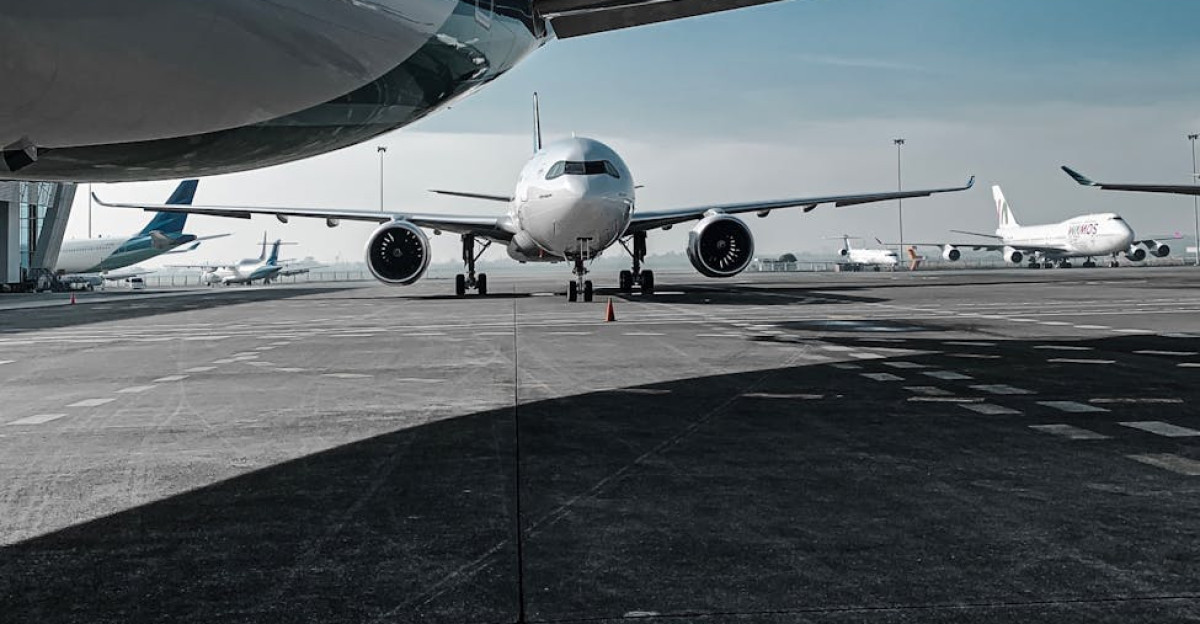
DHS hasn’t disclosed when the six Boeing 737s will enter service. Aircraft acquisition from secondary markets and retrofitting for secure transport requires time. Operational deployment is likely to extend into 2026 or beyond.
This timeline reveals something: Does the administration expect Congress to sustain this agenda in the long term? Or does the purchase serve an immediate political purpose—demonstrating permanent mass-removal infrastructure is being built? The timeline is a bet on future immigration policy.
No Administration Has Done This Before

Creating a government-operated airline for deportation stands as a historically unprecedented move. No previous U.S. administration invested in such dedicated infrastructure. This decision reflects broader Trump philosophy: privatize where profitable, federalize where control matters.
Daedalus and Salus provide the privatized layer. However, actual operations fall to federal agencies.
The Machinery Accelerates

For decades, the U.S. outsourced deportations to private contractors. That era ends now. Government ownership means complete control over scheduling, routing, who boards, and what happens inside. This represents an unprecedented consolidation of removal power.
Whether it achieves promised savings or accelerates removal at greater expense, the result is the same: America now owns the infrastructure to remove people faster and more systematically than ever before.
Sources:
US signs nearly $140m deal to purchase six Boeing 737s for use in deportations – The Guardian
DHS Rushed $915 Million Deportation Contract, Lawsuit Says – Bloomberg Law
ICE Flight Monitor: September 2025 Report – Human Rights First
10-30-2025 Van Hollen Letter to DHS ICE re ICE Air Operations – U.S. Senate
US DHS to acquire six B737s for ICE deportation ops – CH-Aviation
Albuquerque aviation company files a complaint after losing out on deportation contract – KUNM