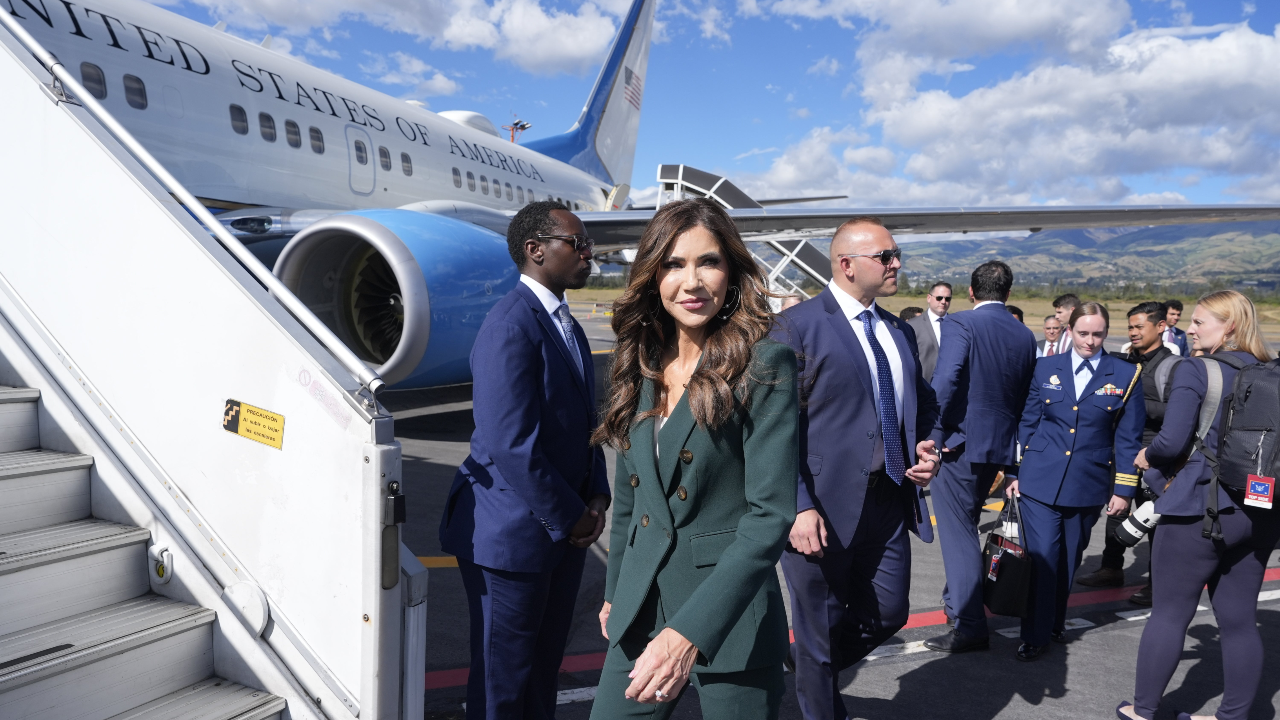
In December 2025, the U.S. government marked a significant shift in immigration enforcement by purchasing its own fleet of aircraft for deportations. For the first time, federal officials moved beyond renting planes, spending approximately $140 million to acquire six Boeing 737 jets through a contract with Daedalus Aviation, authorized by Homeland Security Secretary Kristi Noem. This move signals a strategic transformation: treating large-scale deportations as a permanent infrastructure project, rather than relying on commercial charter airlines.
The decision comes amid rising pressure on the deportation system. Over the past decade, Immigration and Customs Enforcement (ICE) depended on charter carriers to transport deportees, but rapid growth in removal operations has pushed private airlines to their limits. Between January 20 and October 31, 2025, the administration conducted 1,701 removal flights to 77 countries. By November 2025, that figure had grown to 1,912 removal flights to 79 countries, according to Human Rights First’s ICE Flight Monitor. Carriers like GlobalX, Eastern Air Express, and Avelo expanded service, but the administration’s aggressive enforcement targets created sustained demand beyond commercial capacity. An attempt to acquire aircraft from Spirit Airlines earlier in 2025 encountered obstacles when the planes were found grounded due to Pratt & Whitney engine issues, underscoring the vulnerabilities of relying on commercial fleets.
Fleet Economics and Contractor Consolidation
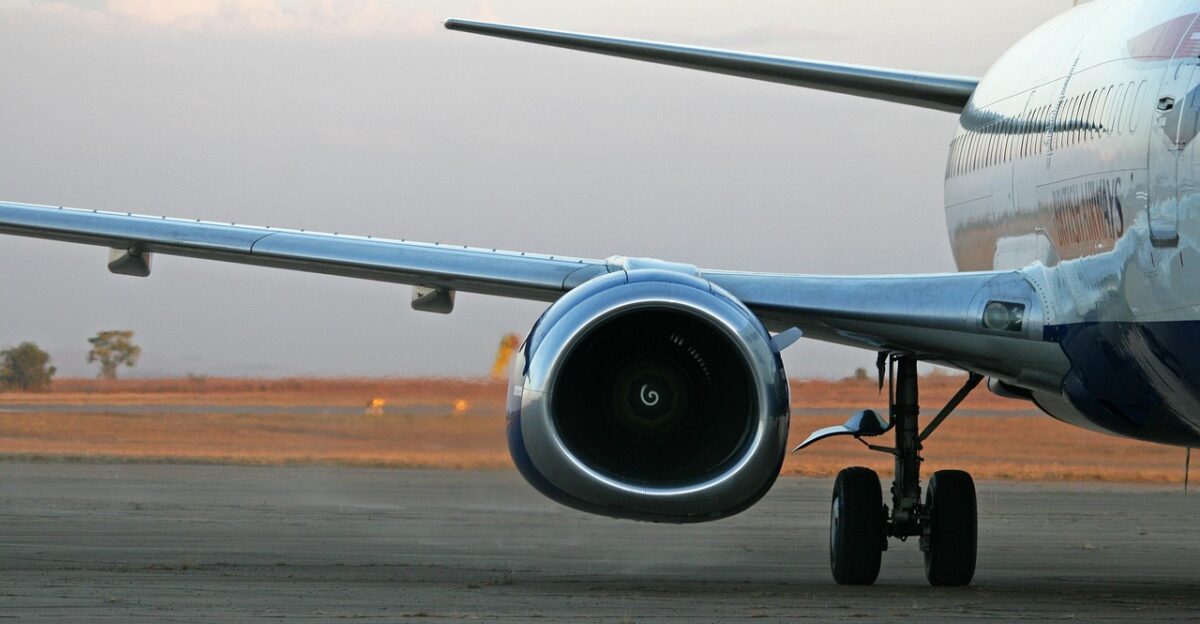
The new government-owned fleet is expected to support expanded operations, with each Boeing 737 configured for deportation-related purposes. DHS officials argue that owning aircraft will reduce costs compared to charter rates, which range from $6,929 to $26,795 per flight hour. However, critics, including former acting ICE director John Sandweg, caution that maintenance, training, insurance, and management expenses could offset projected long-term savings of $279 million.
The selection of Daedalus Aviation, a company founded in 2024 specifically to support deportation operations, has raised concerns about accountability. Daedalus shares leadership with Salus Worldwide Solutions, which holds a $915 million DHS contract for related initiatives. Salus received its contract without competitive bidding, prompting a lawsuit from rival CSI Aviation Services alleging procurement violations. With key executives shared between Daedalus and Salus, much of the deportation infrastructure is now centralized within a single corporate network, raising questions about transparency and oversight.
ICE’s Transformation into an Airline Operator
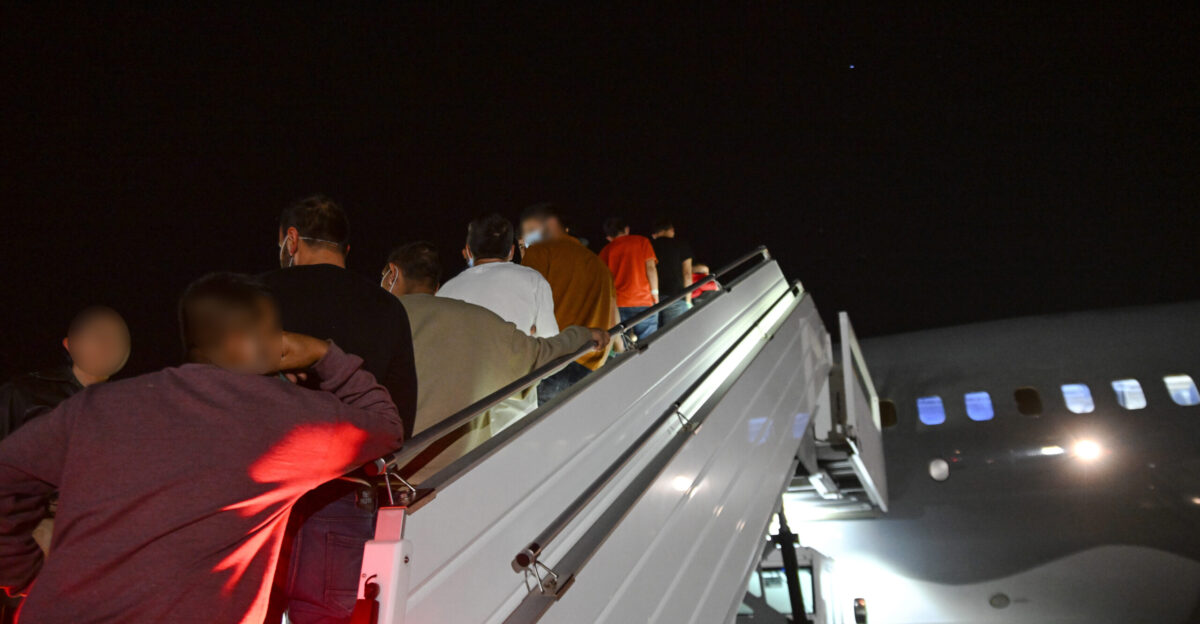
ICE’s role is also changing. Historically, ICE Air Operations coordinated routes and contracted charter flights, but now the agency is moving toward operating its own airline. Details about crew hiring, maintenance, and aircraft bases remain undisclosed, though ICE hubs in Arizona, Texas, and Louisiana are likely locations. The fleet’s full deployment is expected in 2026, signaling a commitment to sustained, high-volume removals beyond immediate political cycles.
Human Rights Concerns and Record Removal Numbers

Human rights organizations and lawmakers have voiced alarm about the increased capacity and its implications. Reports document detainees subjected to prolonged shackling and restraints. Senator Chris Van Hollen led a coalition of 11 senators in an October 30, 2025 letter to DHS and ICE highlighting concerns about detainee treatment, citing allegations of individuals shackled for up to 50 hours and placed in full-body restraints during multi-country deportation flights. Hundreds of mistreatment allegations have been filed since 2010, according to Van Hollen’s correspondence.
Since Trump assumed office on January 20, 2025, the administration has removed approximately 234,211 individuals through October 2, 2025, and an additional 56,392 individuals between October 1 and mid-November 2025, according to ICE and Transactional Records Access Clearinghouse (TRAC) data. In November alone, ICE conducted 212 removal flights to 33 countries, marking a record monthly total of 1,026 domestic transfer flights used to relocate detainees between facilities, according to Human Rights First.
Funding and Historical Implications

Funding for the fleet comes from the One Big Beautiful Bill Act, signed in July 2025, which allocates approximately $170.7 billion for border and national security enforcement through the Department of Homeland Security. The Boeing purchase represents less than one percent of that allocation but symbolizes a commitment to airborne removals as a core, long-term element of immigration enforcement.
No previous administration has built a government-owned fleet solely for deportations. The Trump administration’s approach separates responsibilities: private contractors handle technical and logistical roles, while federal agencies maintain direct control over routes, schedules, and onboard conduct. The new fleet ensures the U.S. now has dedicated aviation infrastructure for mass removals, designed for speed and scale.
As the aircraft transition from contract to operation, debates over cost, transparency, and human rights will intensify. The fleet’s existence marks a turning point in how the U.S. enforces immigration policy, setting the stage for a system built to move people out of country more quickly than ever before.
Sources
US signs nearly $140m deal to purchase six Boeing 737s for use in deportations – The Guardian
DHS Rushed $915 Million Deportation Contract, Lawsuit Says – Bloomberg Law
ICE Flight Monitor: September 2025 Report – Human Rights First
10-30-2025 Van Hollen Letter to DHS ICE re ICE Air Operations – U.S. Senate
US DHS to acquire six B737s for ICE deportation ops – CH-Aviation
Albuquerque aviation company files a complaint after losing out on deportation contract – KUNM