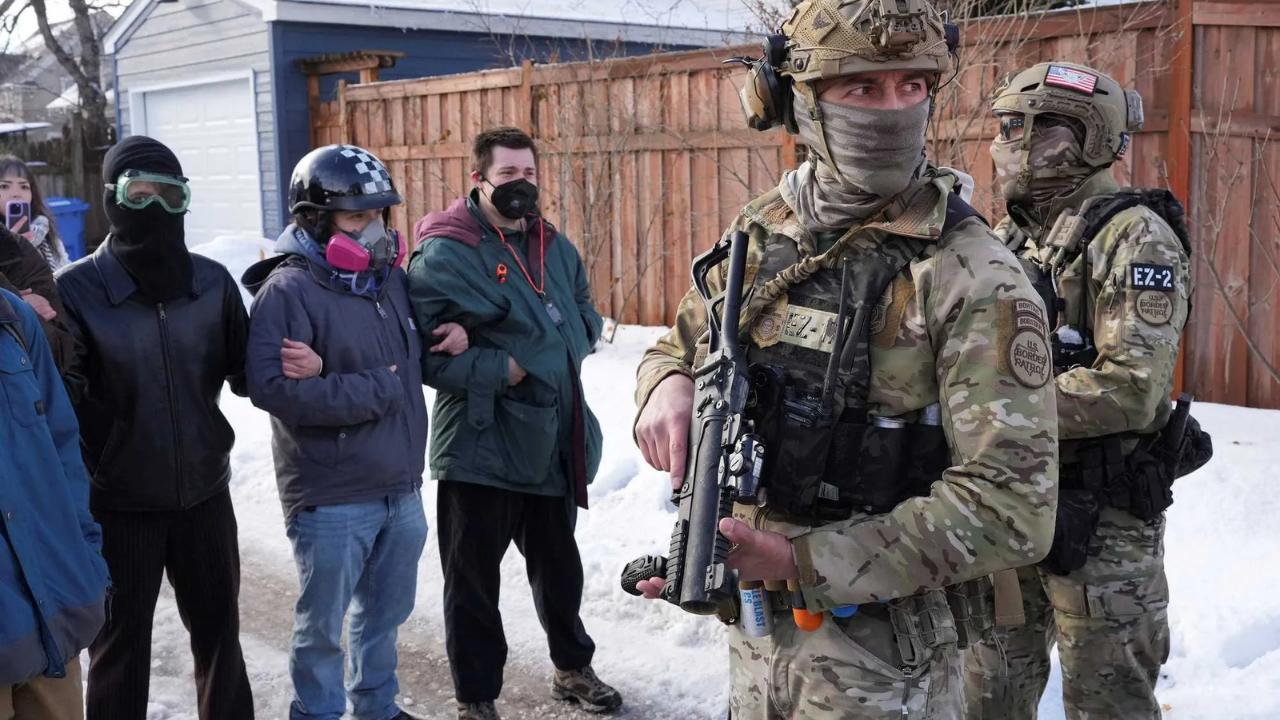
A red Honda Pilot sits angled across a narrow south Minneapolis street. An armed federal officer reaches for the driver’s door. The SUV begins to roll forward. Another officer, standing directly in front of the vehicle, raises his gun and fires at least two shots at close range.
The driver is hit in the head. The SUV lurches ahead, crashing into parked cars and a light pole. Minutes later, 37-year-old Renee Nicole Good is dying in a neighborhood still marked by George Floyd’s killing.
Terror Label

Within hours, federal leaders defined the killing in the starkest terms possible. Homeland Security Secretary Kristi Noem labeled the encounter an “act of domestic terrorism,” alleging Good used her vehicle as a weapon and tried to run over officers.
DHS said an agent was struck and injured. President Donald Trump amplified the claims online, describing Good as a violent agitator. The language framed a U.S. citizen mother as a terrorist before independent investigators had reviewed the videos.
Operation Surge
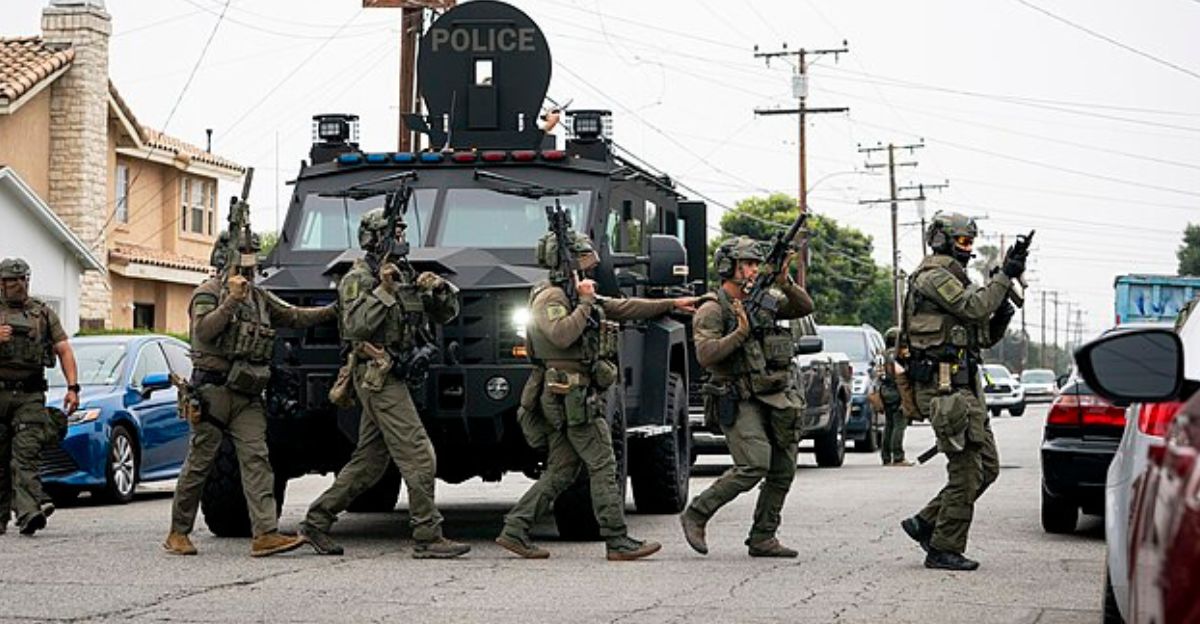
The shooting unfolded during what DHS described as the largest single-city ICE deployment ever. Roughly 2,000 to 2,100 federal agents were sent into the Minneapolis–St. Paul metro area beginning January 6, 2026.
About three-quarters came from ICE’s deportation division, with the rest assigned to fraud investigations. Officials said “hundreds and hundreds” of arrests were made within a day, as heavily armed teams moved through residential neighborhoods.
Community On Edge
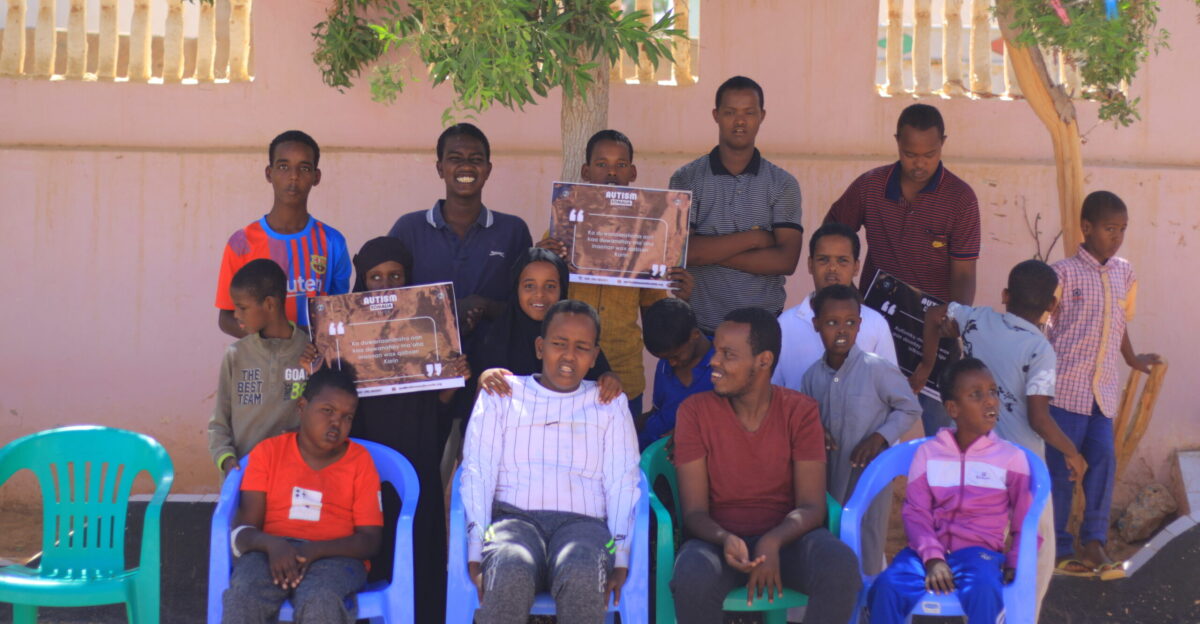
Fear spread quickly once officials confirmed the operation focused partly on alleged fraud tied to Somali communities. The Twin Cities are home to roughly 80,000 to 84,000 Somali residents, most of them U.S. citizens or legal residents.
Advocates warned aggressive enforcement could retraumatize families long wary of policing. Residents reported unfamiliar federal vehicles near homes and schools. In that atmosphere, even routine encounters carried the risk of spiraling into something deadly.
Fatal Morning
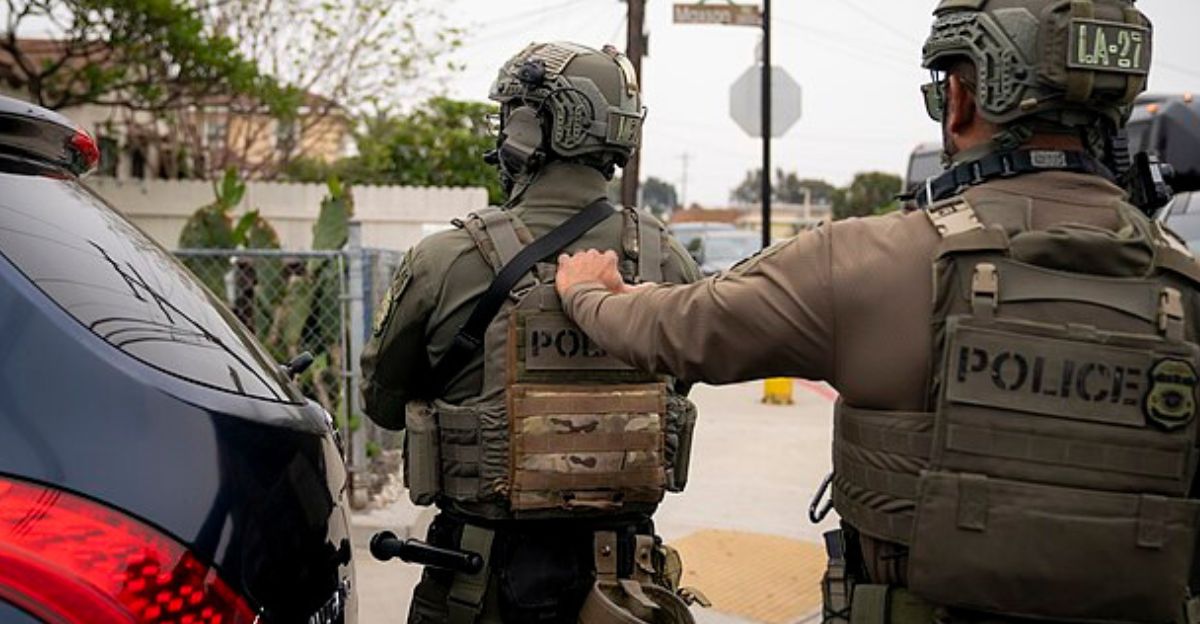
Shortly after 9:30 a.m. on January 7, ICE officers converged near East 34th Street and Portland Avenue South. Multiple videos show Good’s SUV stopped across the roadway.
An agent approaches, demanding the door be opened and grabbing the handle. As the vehicle begins moving forward, a second agent standing in front fires at least two shots at close range. Good is mortally wounded and later pronounced dead at Hennepin County Medical Center.
Mother Of Three
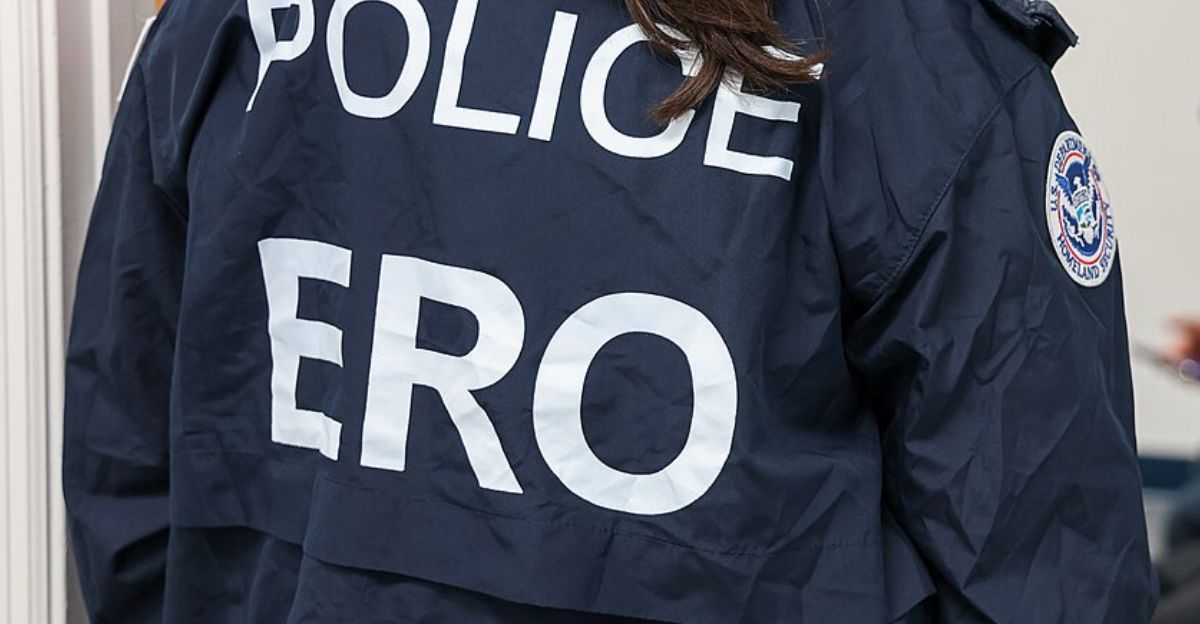
Renee Nicole Good was a U.S. citizen born in Colorado who had recently moved to Minneapolis from Kansas City. She was the mother of three children, ages 15, 12, and 6.
Minutes before the shooting, she had dropped her youngest child at school. Friends and family described her as a devoted parent and neighbor, with no criminal history beyond a traffic ticket. Her death leaves three children without their mother.
Witnessed Up Close
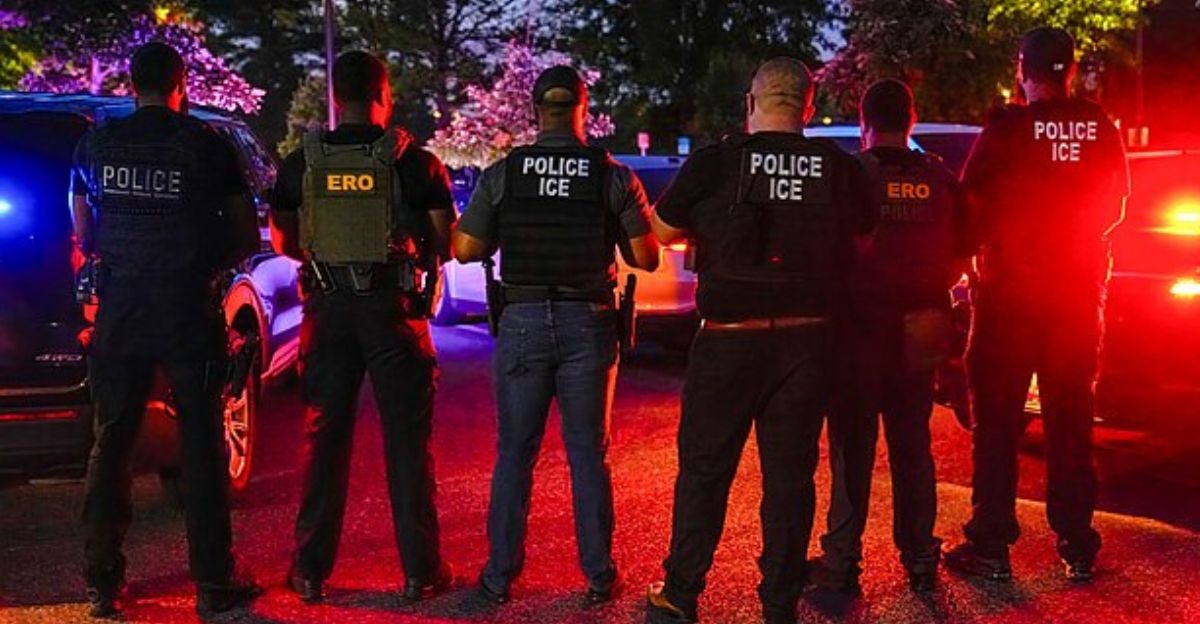
The shooting happened in front of Good’s partner, who was nearby and witnessed the encounter. Video from the scene shows a grieving woman sobbing near the SUV moments after the gunfire.
Family members confirmed the couple had only recently settled in Minnesota. Good’s mother later said her daughter was loving and protective, someone who looked out for others. For those closest to her, the killing was not abstract—it was immediate and devastating.
Clashing Narratives
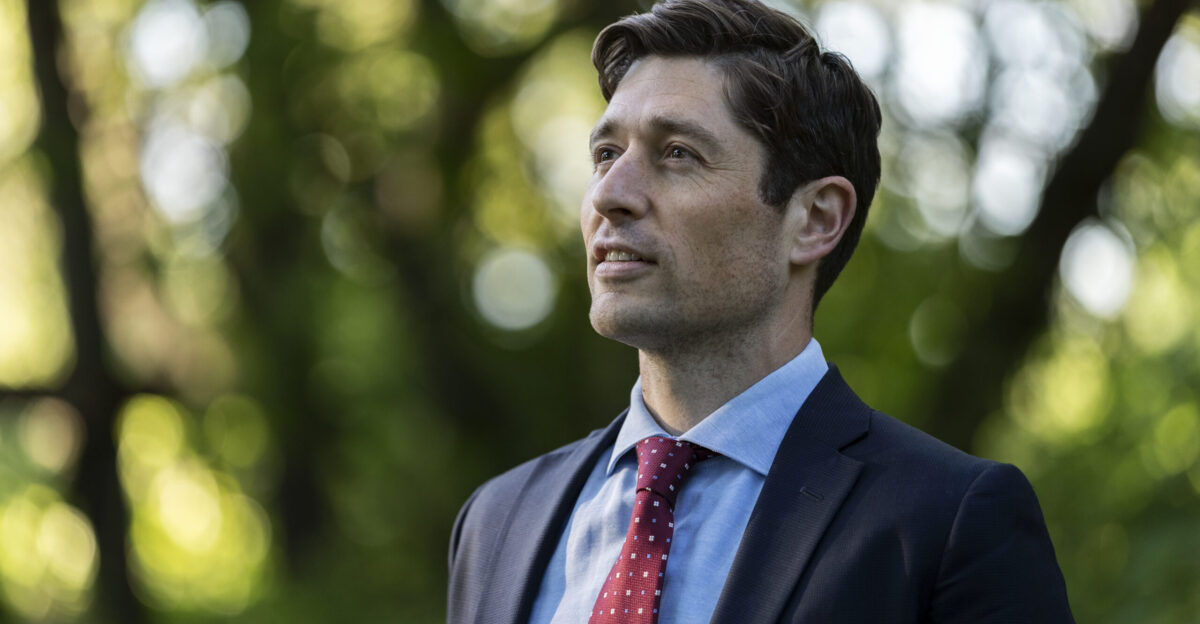
Accounts of what happened diverged sharply. Federal officials insisted Good “weaponized” her SUV and struck an officer, calling the shots defensive.
Minneapolis Mayor Jacob Frey, after reviewing video, rejected that claim outright. Governor Tim Walz warned residents not to “believe this propaganda machine.” Police Chief Brian O’Hara said the vehicle had been blocking the roadway, then began to drive off—without alleging an attack or confirming serious officer injuries.
Protests And Force
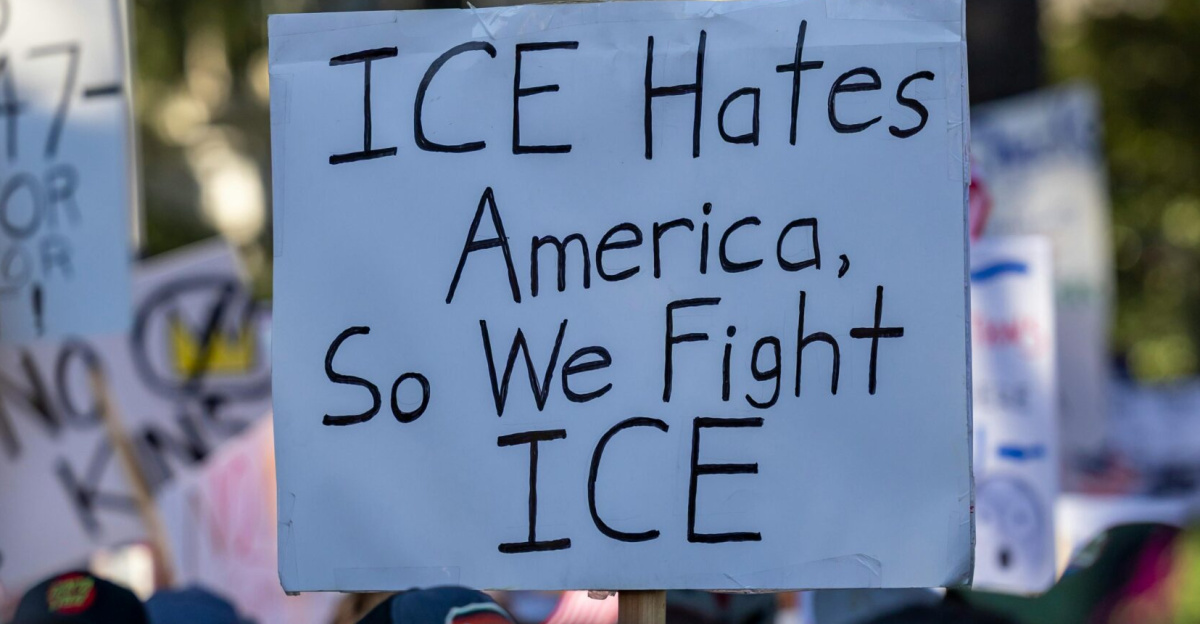
News of the shooting drew hundreds of protesters within hours. Demonstrators gathered near the intersection, chanting “Shame!” and “ICE out of Minnesota,” while vigils stretched into the night.
Video from the broader operation shows federal officers in gas masks deploying chemical irritants to disperse crowds after objects were thrown. The images—armed agents, residential streets, chemical agents—deepened mistrust and revived memories of past confrontations between federal force and Minneapolis communities.
Pattern Of Disputes
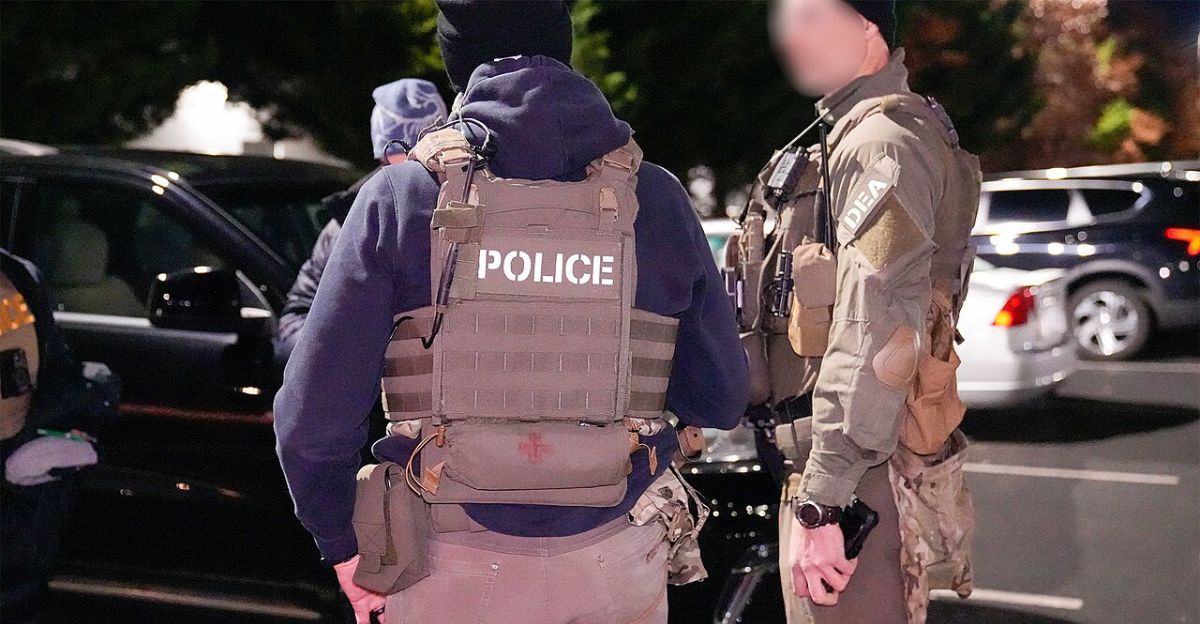
Civil-rights advocates say Good’s killing fits a growing pattern of contested ICE shootings involving vehicles. In September 2025, ICE fatally shot Silverio Villegas-Gonzalez in Chicago after claiming he struck an agent.
That account was later questioned by video analysis. Tracking by journalists and advocacy groups shows at least 14 ICE shootings during enforcement operations since late 2025, with multiple deaths and injuries, often during traffic encounters or attempted departures.
Local Backlash
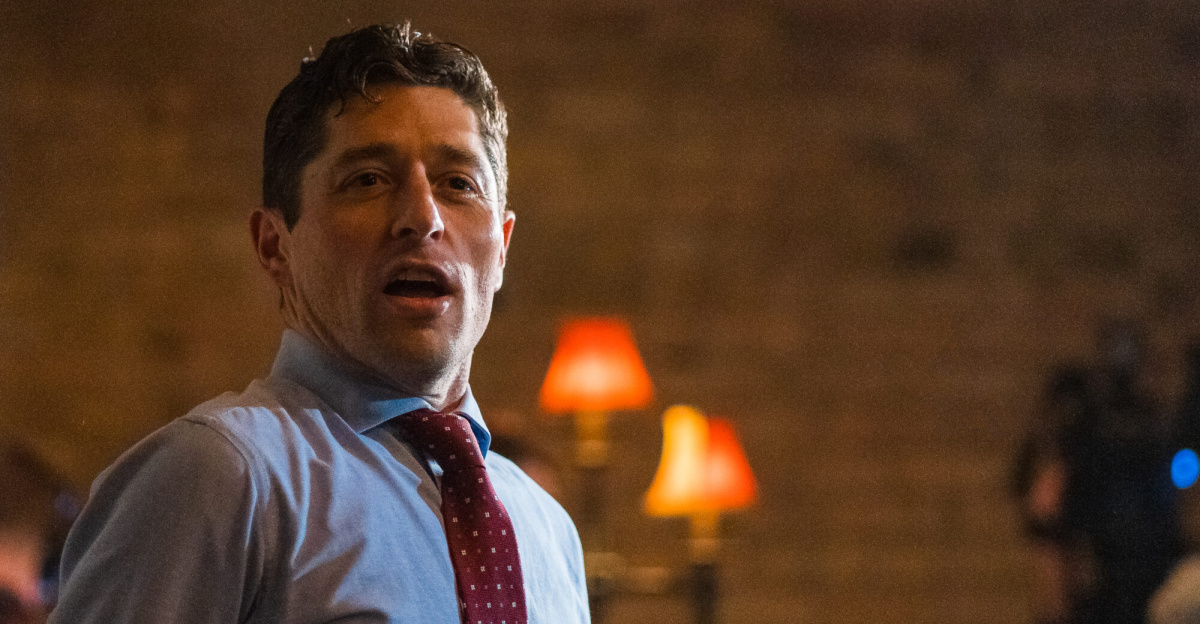
Minneapolis officials responded with unusually blunt condemnation. Mayor Frey accused ICE of recklessly using power and told federal agents to “get the [expletive] out of Minneapolis.”
The City Council said anyone who kills someone in the city should be arrested and prosecuted. Governor Walz called the shooting predictable and avoidable, while urging peaceful protests. The clash exposed a deep rift between local leaders and federal immigration authorities.
Investigations Launched
Multiple investigations are now underway. The Minnesota Bureau of Criminal Apprehension opened a state probe, joined by the FBI’s Minneapolis field office.
State officials stressed the inquiry is in its early stages and urged caution against speculation. The ICE agent who fired the shots faces both criminal and administrative scrutiny, highlighting how one encounter can ripple across multiple agencies.
Neighborhood In Mourning
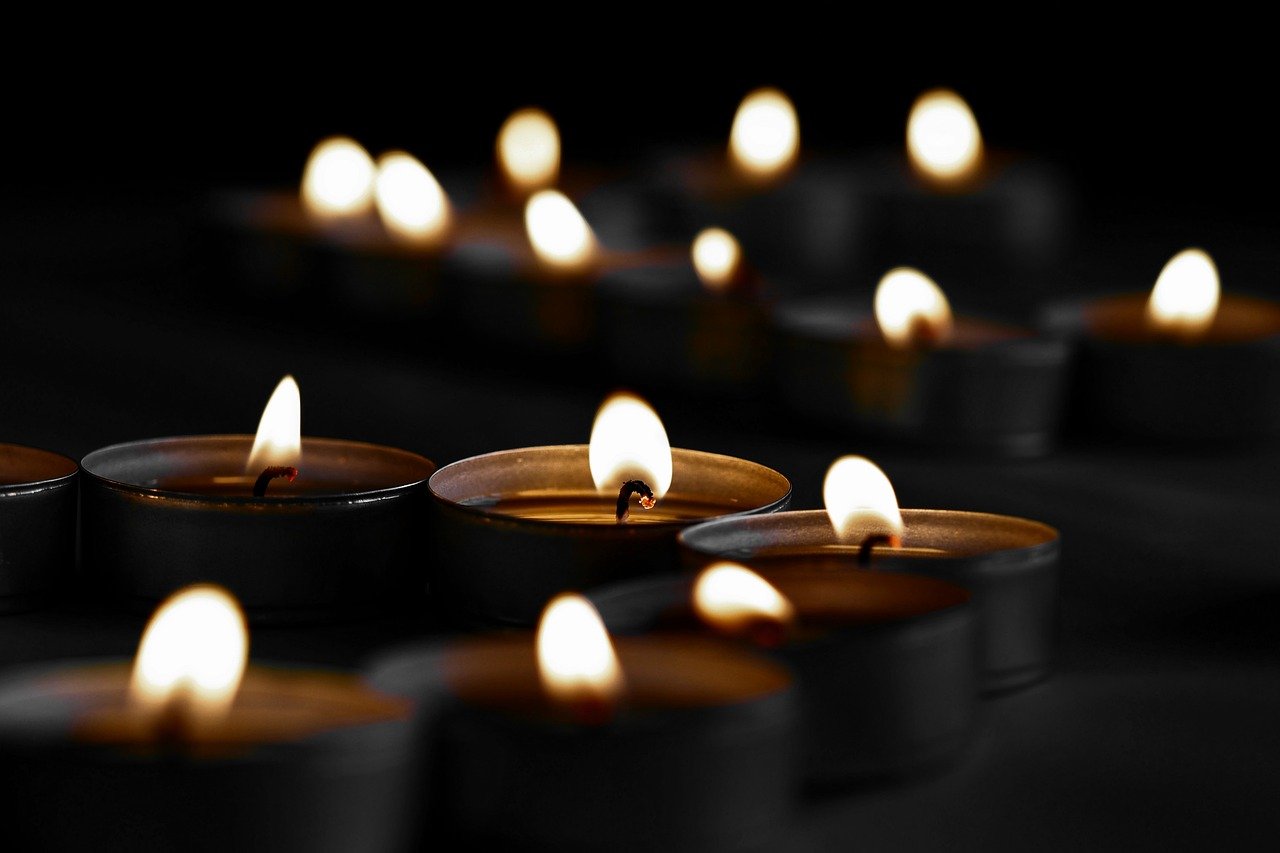
Good lived only blocks from where she was killed, in a modest south Minneapolis neighborhood already shaped by past police violence. Neighbors described her as warm and helpful, someone who watched out for others.
Candles, flowers, and photos soon lined the crash site. At vigils, speakers rejected the “domestic terrorist” label, remembering Good instead as a mother and neighbor. Residents said the loss would echo through the block for years.
National Outrage
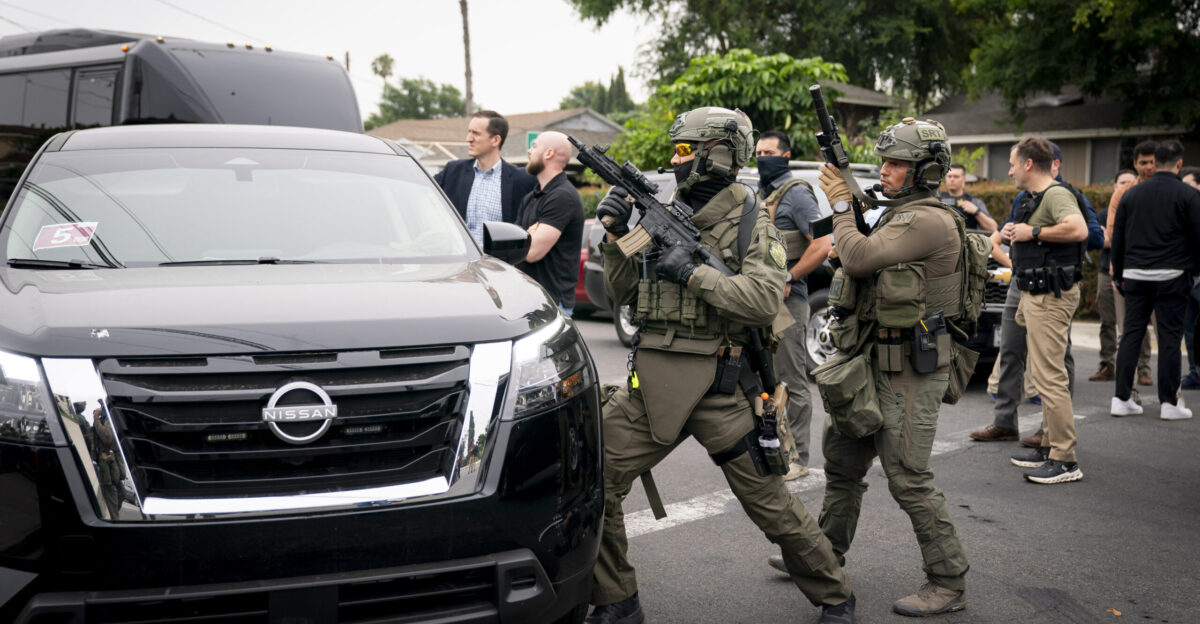
Condemnation spread far beyond Minnesota. Immigration and civil-rights groups accused ICE of operating as an unaccountable paramilitary force.
The National Immigration Law Center pointed to a sharp rise in deaths in ICE custody—32 in 2025 alone, the highest in decades. Political leaders in Colorado said the killing showed a federal agency acting above the law, as vigils and fundraisers spread nationwide.
Unanswered Questions
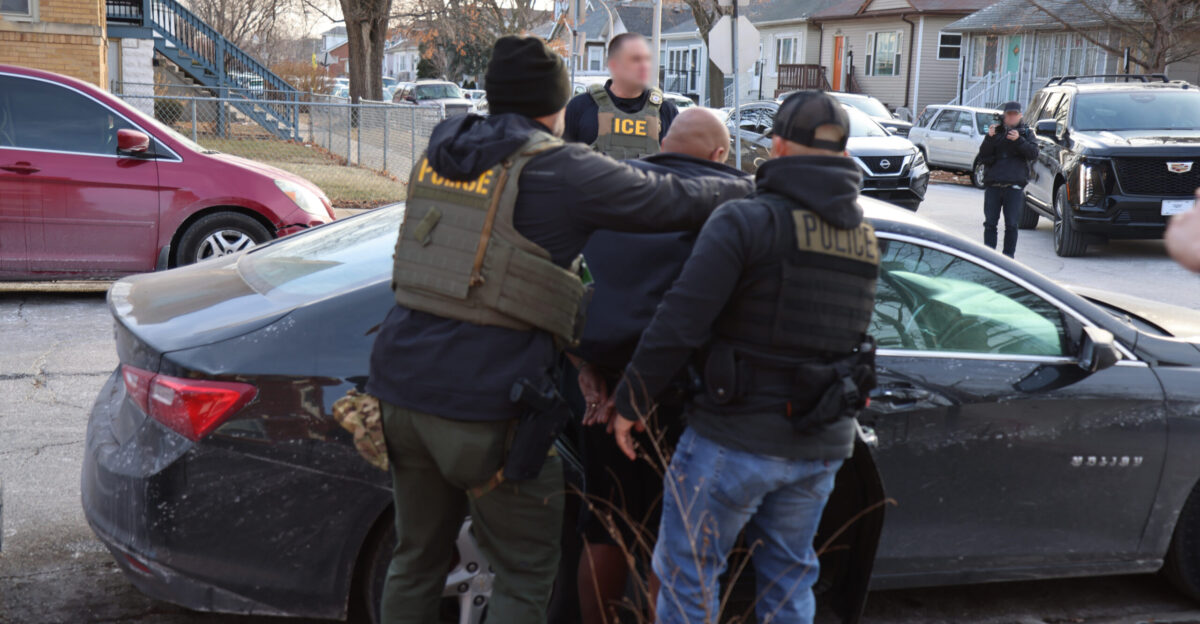
The shooting occurred about a mile from George Floyd Square, binding two deadly encounters with government force in the same city. As investigators analyze video and testimony, core questions remain unresolved.
Did Renee Good intentionally try to harm officers, or did confusion and fear escalate a brief moment into fatal gunfire? The answers will shape accountability for one agent—and the future of federal immigration enforcement on American streets.
Sources:
Star Tribune – “She was an amazing human being: Mother identifies woman shot, killed by ICE agent” – January 7, 2026
PBS NewsHour – “2,000 federal agents sent to Minneapolis area to carry out ‘largest immigration operation ever'” – January 6, 2026
NPR – “What we know so far about the fatal ICE shooting of a Minneapolis woman” – January 7, 2026
CNN – “What we know about the woman killed in the Minneapolis ICE shooting” – January 8, 2026
BBC News – “Renee Nicole Good: Who was the woman killed by ICE?” – January 8, 2026
The Trace – “How Many People Have Been Shot in ICE Raids?” – January 6, 2026