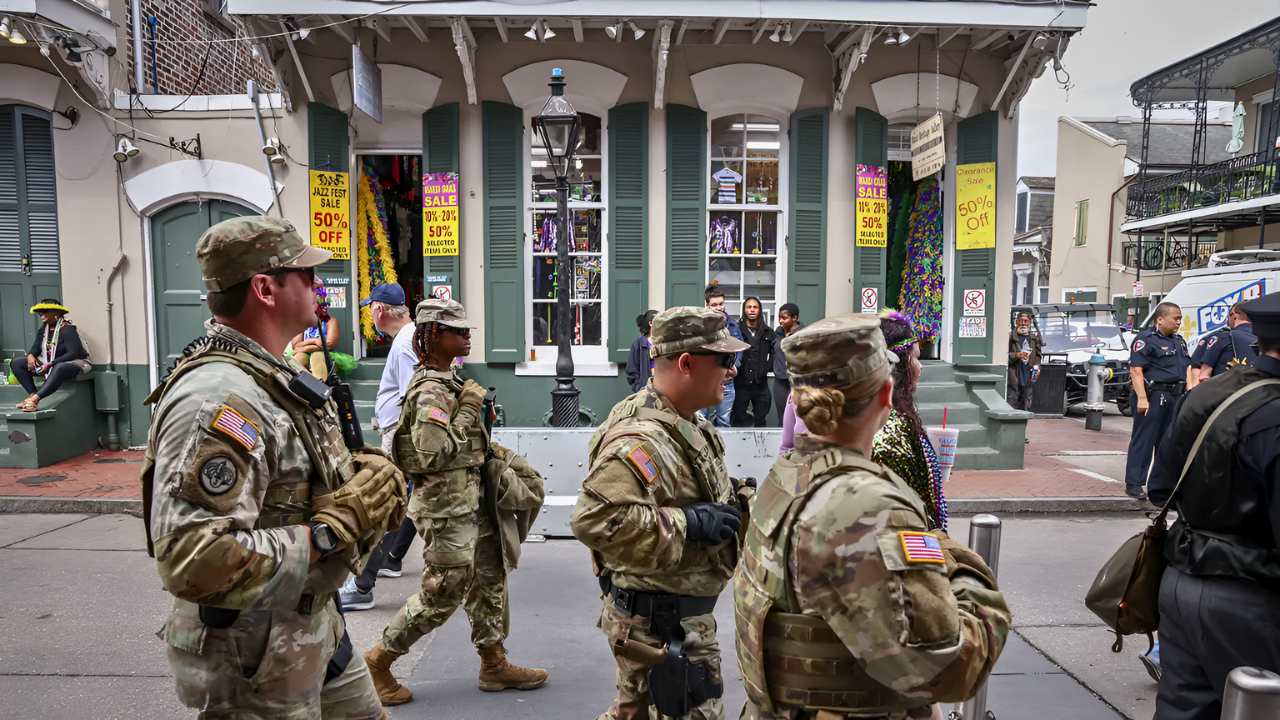
One year to the day after a terrorist attack left 14 revelers dead on Bourbon Street, the Trump administration authorized the deployment of 350 Louisiana National Guard troops to New Orleans. The soldiers arrived on Tuesday, December 30, 2025, stationing themselves in the French Quarter ahead of New Year’s Eve celebrations—marking the first anniversary of the January 1, 2025, massacre.
Governor Jeff Landry stated that the Guard presence was “desperately needed” as the city prepares for major events through mid-February, including the Sugar Bowl and Mardi Gras.
Who Was Shamsud-Din Jabbar?
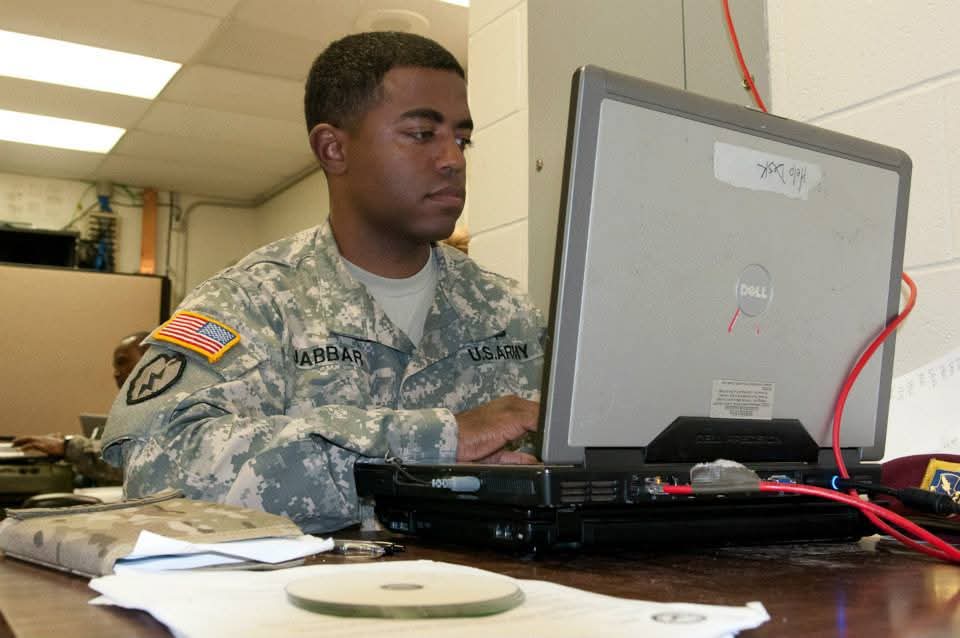
The 2025 New Orleans attack was perpetrated by Shamsud-Din Jabbar, a 42-year-old U.S. citizen and former Army veteran from Texas. Jabbar had served in the military from 2007 to 2020, prior to his discharge.
In the hours before his rampage, he posted five videos on Facebook declaring his inspiration by ISIS and his intention to carry out the attack. The FBI later determined Jabbar acted alone, driven entirely by extremist ideology.
The Premeditated Attack
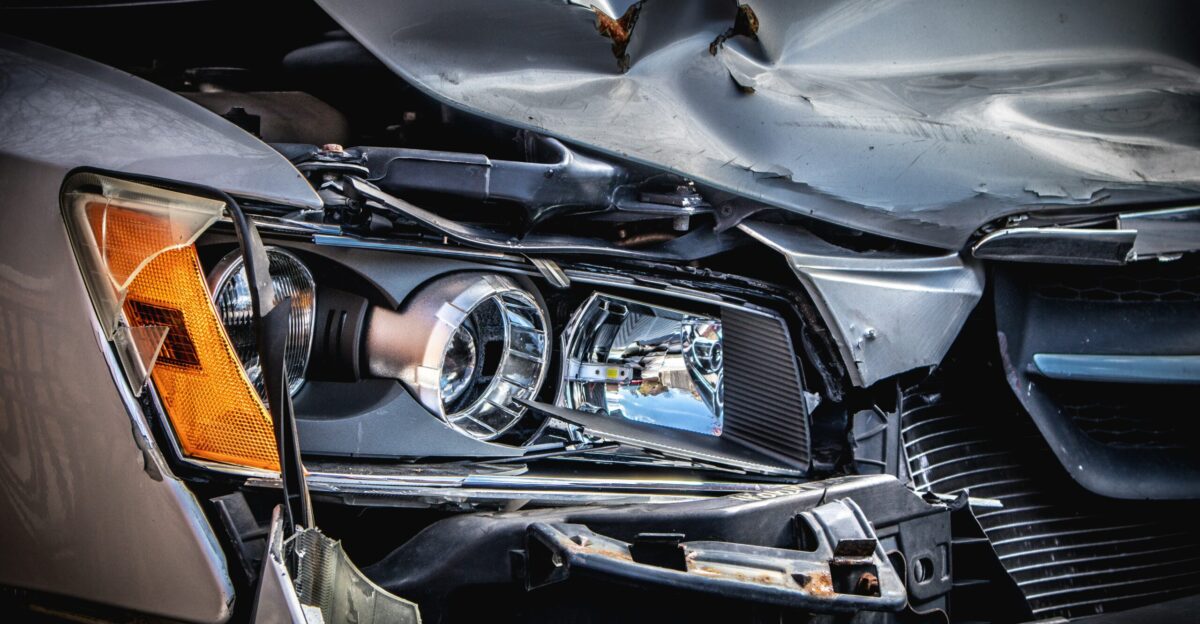
At approximately 3:15 a.m. on January 1, 2025, Jabbar drove his white pickup truck onto Bourbon Street after steering around police blockades that had been placed to protect pedestrians. He drove deliberately down a three-block stretch between Canal and Conti streets, striking as many people as possible.
After crashing into an aerial work platform, Jabbar exited the vehicle and opened fire on police. Officers returned fire and fatally shot him in a gunfight, but not before he wounded two officers.
The Toll: 14 Killed, 57 Wounded
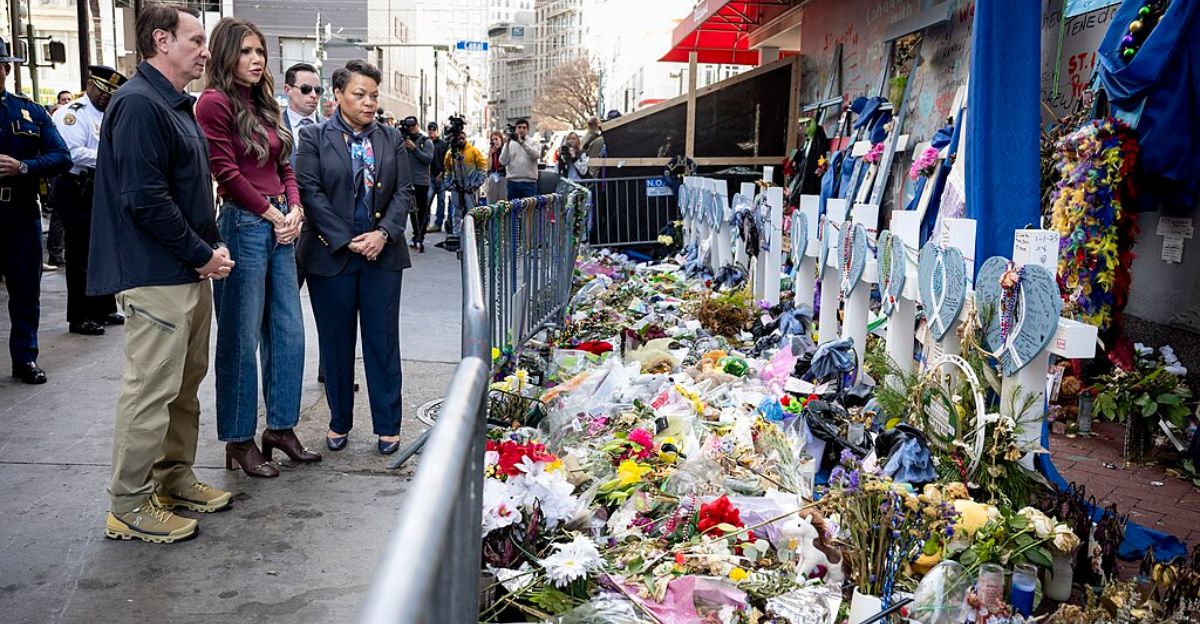
The attack killed 14 people celebrating New Year’s on Bourbon Street—the deadliest domestic terror attack on U.S. soil in 2025. An additional 57 people were injured in the rampage.
The victims and survivors were among hundreds of revelers gathered to ring in the new year when Jabbar’s truck plowed into the crowd in the early morning hours.
The Bombs Nobody Found Until Later
Before driving onto Bourbon Street, Jabbar had planted two improvised explosive devices in coolers at separate locations in the French Quarter. He placed the first IED in a cooler near St. Peter Street at 1:53 a.m., and the second at Bourbon and Toulouse Streets at 2:20 a.m.
The devices were discovered only after the attack, and authorities later confirmed that neither detonated.
The Blockade Failure
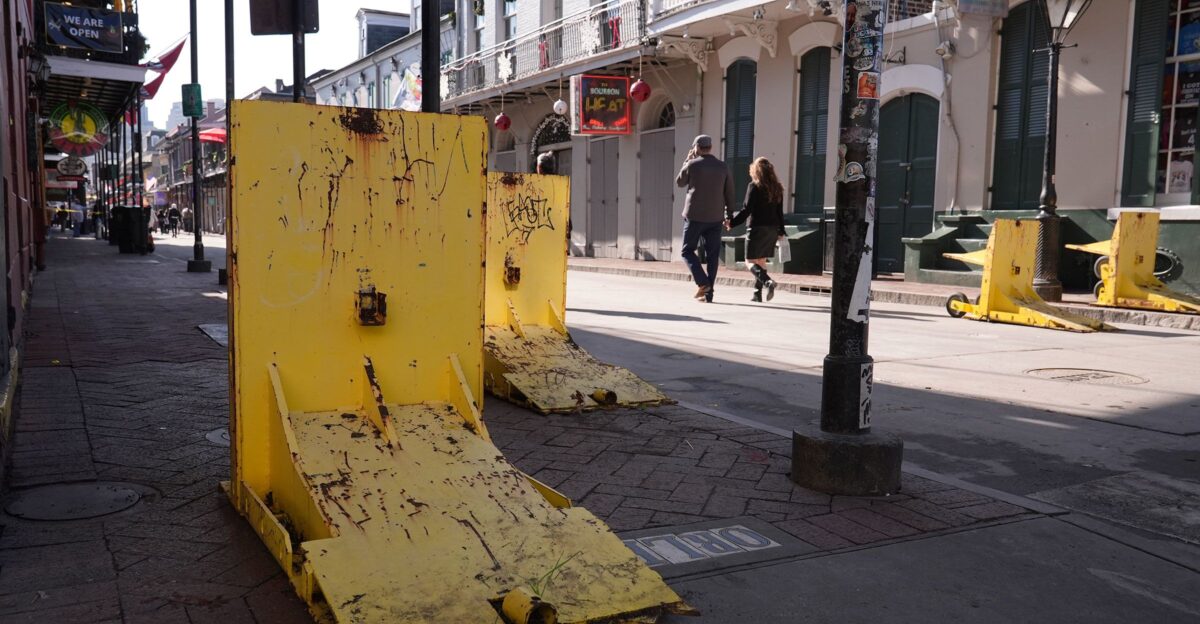
Police had installed bollards—steel barriers—and other blockades along Bourbon Street to prevent vehicular access. However, Jabbar drove around these initial defenses. New Orleans Police Department Superintendent Anne Kirkpatrick acknowledged that some bollards malfunctioned at times, and the force relied on additional barricades.
The tragedy sparked investigations by city officials, state agencies, and victim attorneys to examine whether the street’s security systems were adequate.
Governor Landry’s Request: 1,000 Troops
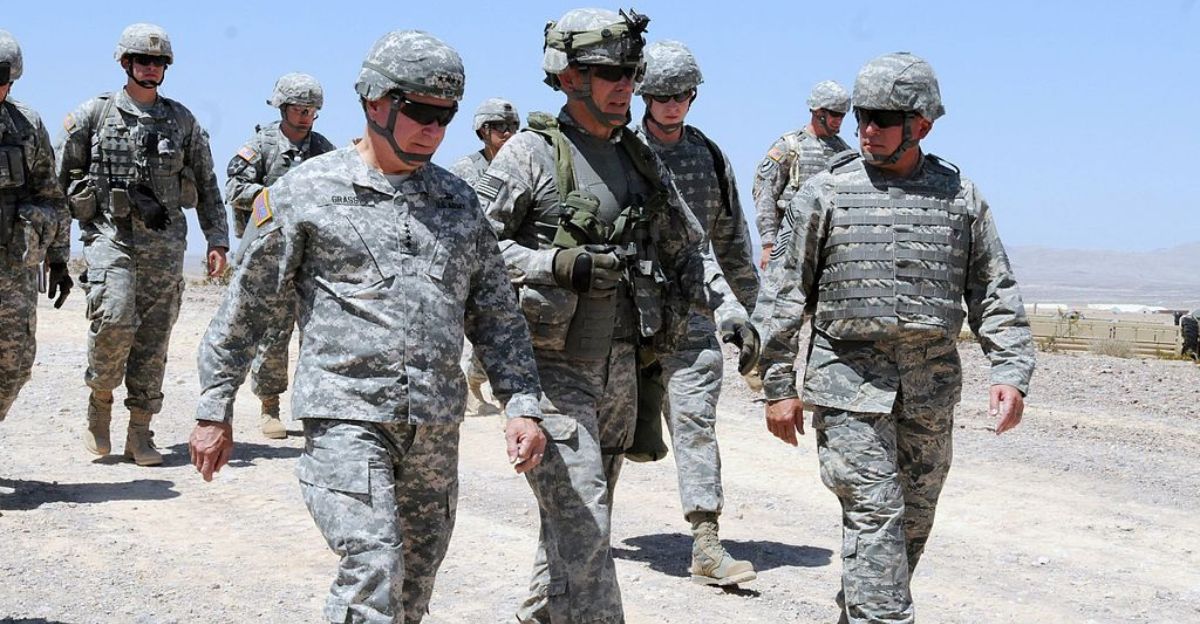
In September 2025, Louisiana Governor Jeff Landry requested that President Trump deploy 1,000 federally funded National Guard troops to Louisiana cities, citing concerns about crime. Landry pointed to what he saw as an urgent need for military support.
However, Trump’s administration authorized 350 troops for the initial New Orleans deployment—less than half the requested number, but still a substantial presence.
800+ Law Enforcement Flood the Quarter
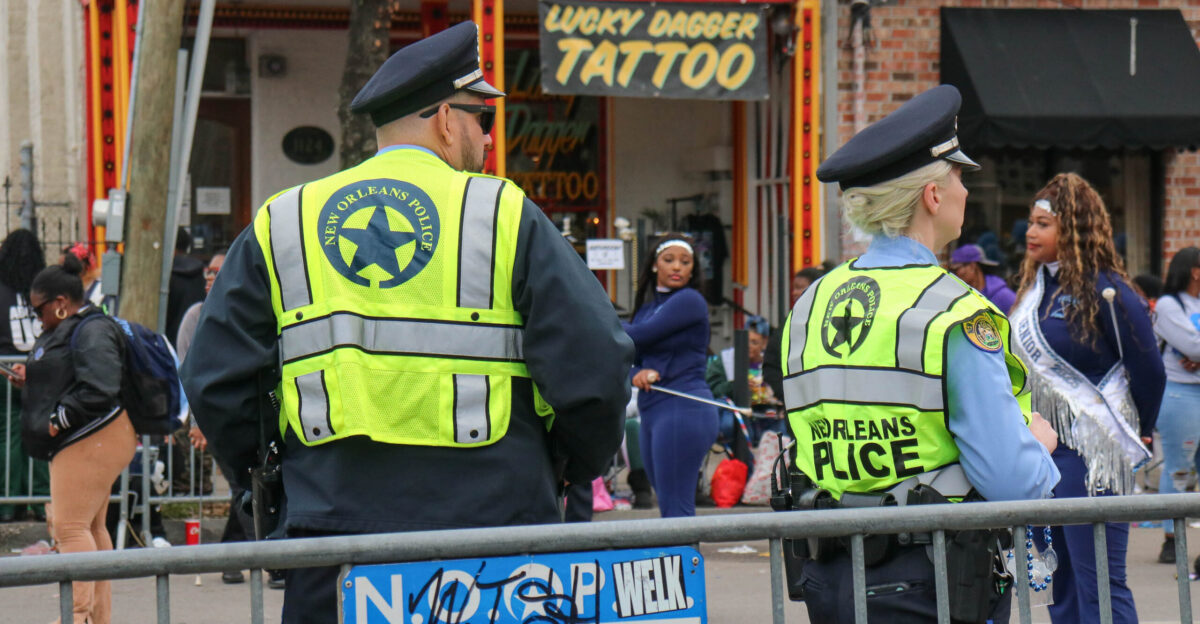
The 350-troop National Guard deployment is part of a much larger security operation. According to New Orleans city officials, more than 800 local, state, and federal law enforcement officials will be deployed throughout New Orleans during the holiday season and Carnival period.
These officers will close off Bourbon Street to vehicular traffic, conduct bag searches, patrol high-foot-traffic areas, and redirect vehicles around the French Quarter.
The Initial 100-Troop Response
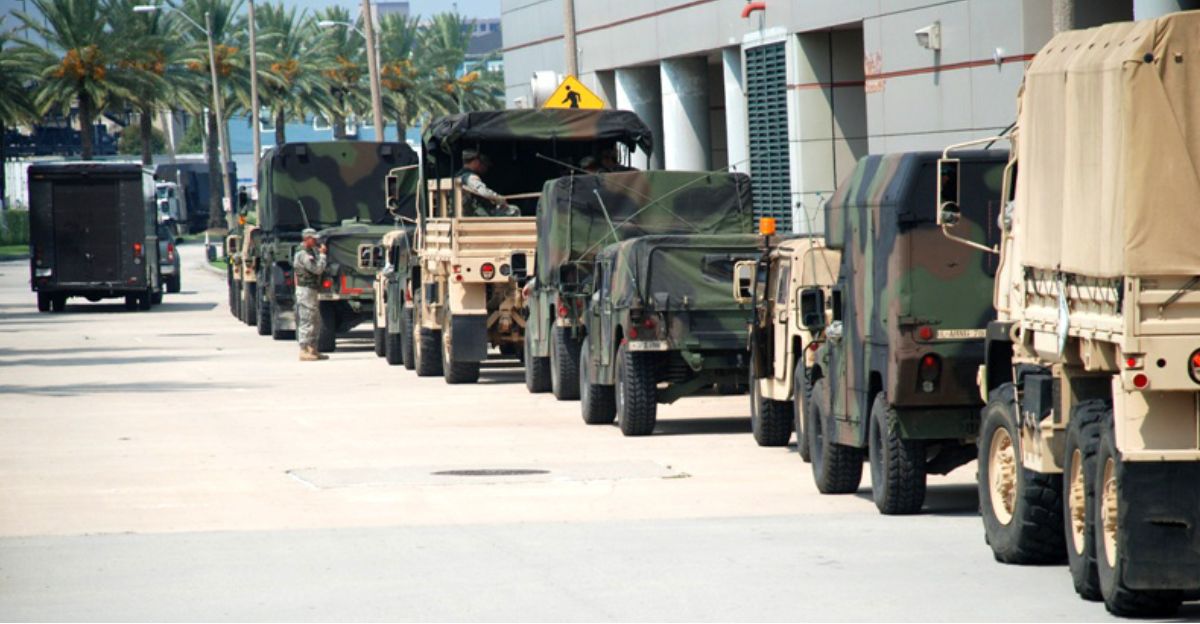
In the immediate aftermath of the January 1, 2025, attack, 100 Louisiana National Guard members were deployed to the city to support the New Orleans Police Department and state police.
Those soldiers remained in the French Quarter through January 3, providing security and a visual military presence as the city reeled from the attack.
Where These Guards Come From
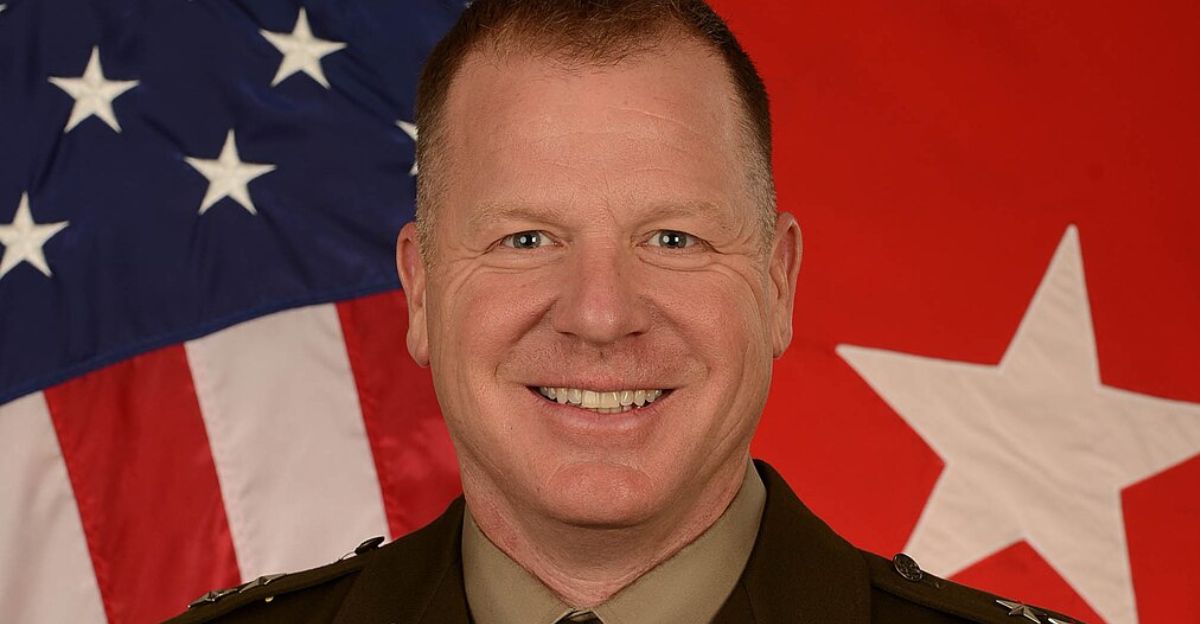
Some of the 350 National Guard troops being deployed to New Orleans are currently stationed in Washington, D.C., where they have been supporting federal law enforcement efforts under Trump’s administration.
Major General Thomas Friloux, the adjutant general of Louisiana, said the troops are “highly trained professionals” who have experience supporting law enforcement and are ready to assist the home state after nearly a year in the nation’s capital.
Security, Not Immigration Enforcement
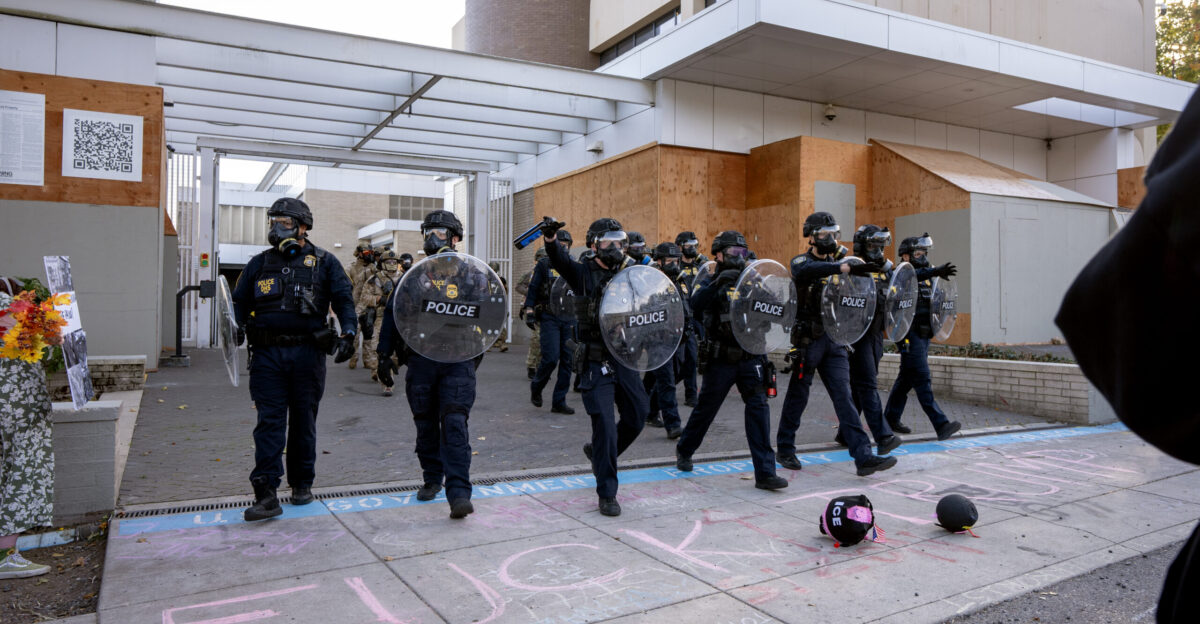
Pentagon spokesman Sean Parnell emphasized that National Guard troops will support federal law enforcement partners, including the Department of Justice and the Department of Homeland Security, in upholding federal law and order.
The deployment is explicitly framed as a crime reduction and public safety initiative, not as part of the broader immigration enforcement operations underway simultaneously in Louisiana.
A 2-Month Deployment
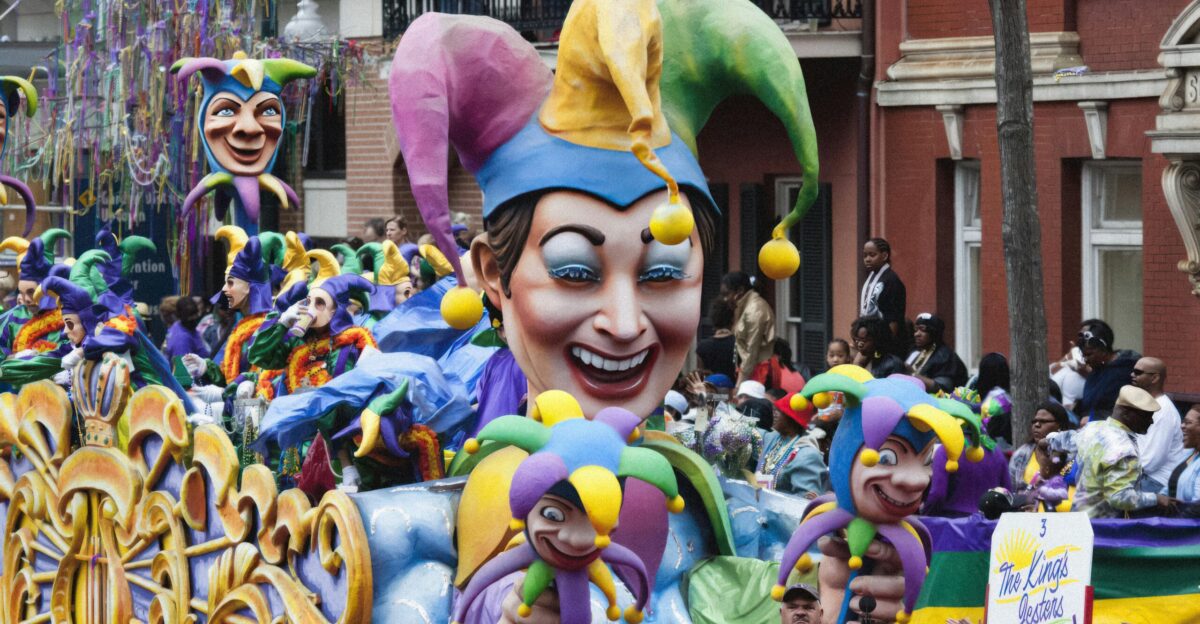
The Guard will remain in New Orleans through February 28, 2026, spanning the entire Carnival season, which culminates in Mardi Gras in mid-February. Louisiana National Guard spokesperson Lt. Col. Noel Collins stated that troops will support local, state, and federal law enforcement “to enhance capabilities, stabilize the environment, assist in reducing crime, and restoring public trust.”
Prior Deployments in 2025
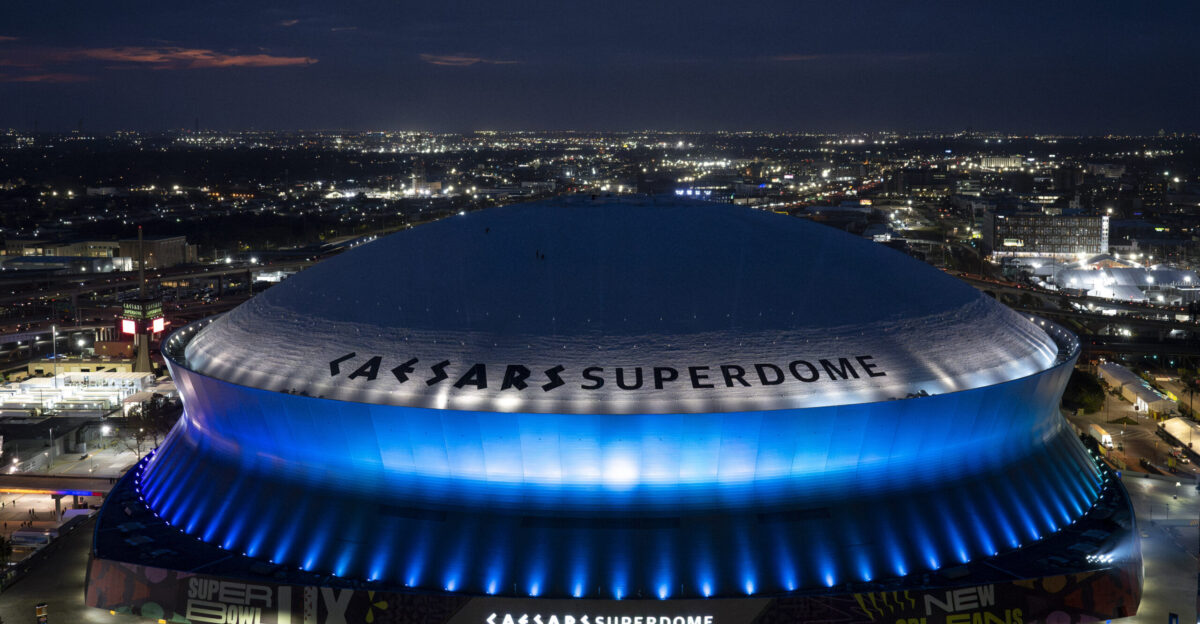
This is not the Louisiana National Guard’s first major deployment in 2025. Earlier in the year, Guard members were deployed to provide security for the Super Bowl held in New Orleans and for Mardi Gras celebrations in February.
The repeated mobilizations demonstrate how integral the National Guard has become to the city’s major event security infrastructure.
Trump’s National Guard Urban Strategy
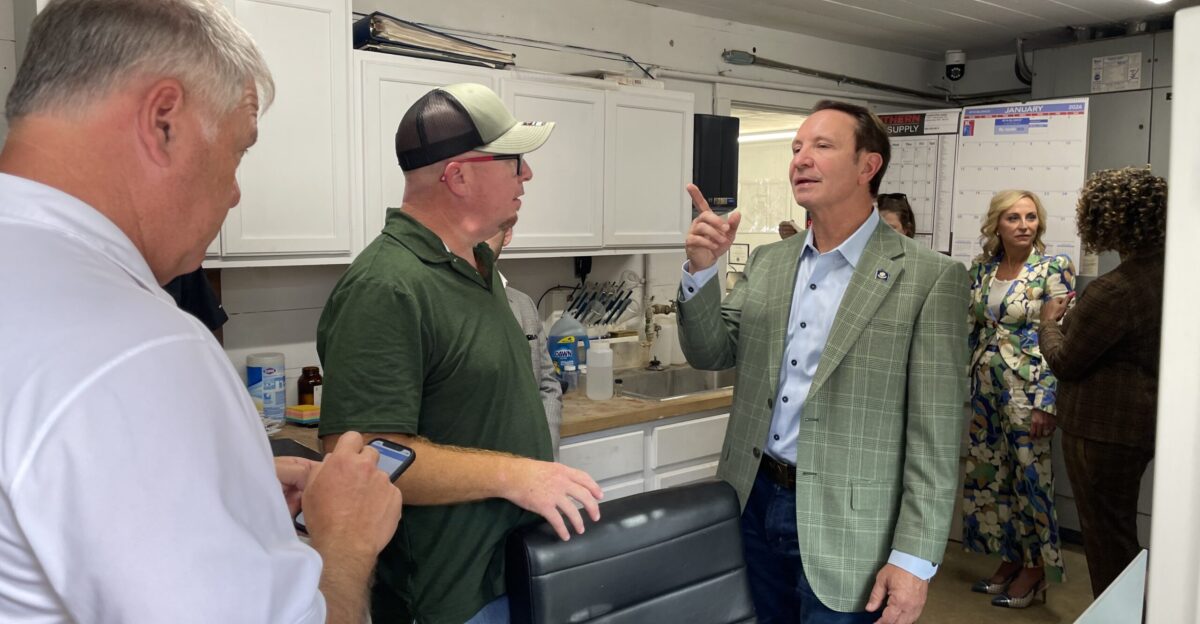
The New Orleans deployment is part of a broader Trump administration strategy of deploying National Guard troops to major U.S. cities. Guard members have been federalized in Washington, D.C., and sent to Memphis, Tennessee.
Governor Landry cited the success of the D.C. deployment, stating that the city is much better off since National Guard units arrived.
Are the Troops Needed?
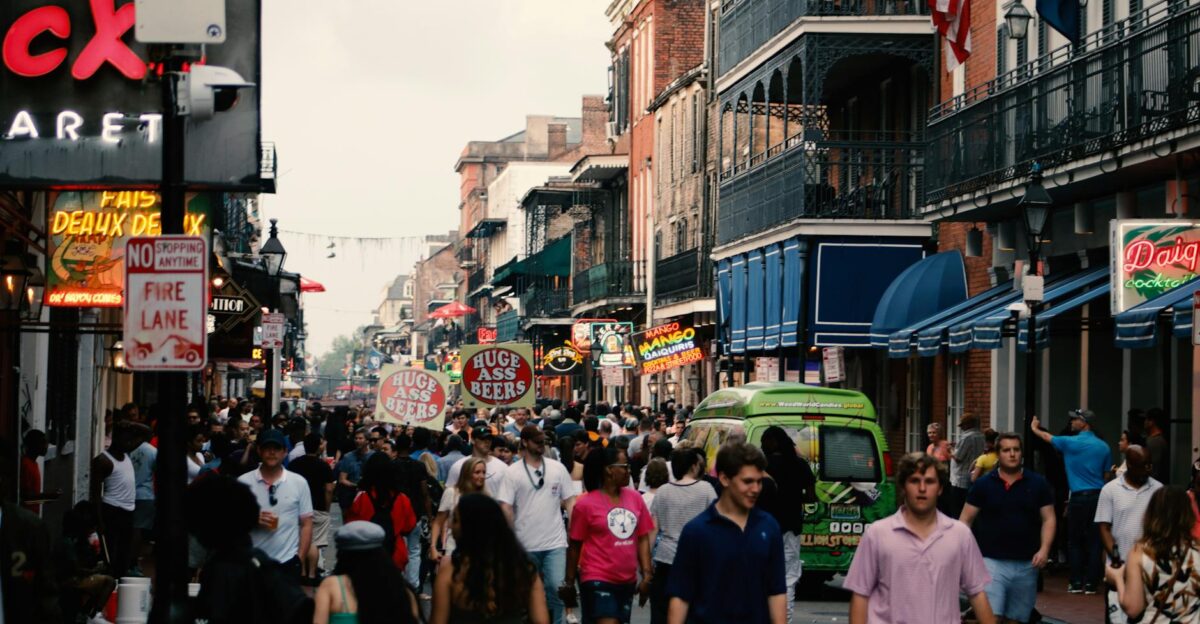
Critics argue the Guard deployment is unwarranted, pointing out that New Orleans has actually experienced a significant decline in violent crime rates in recent years. As of November 1, 2025, the city had recorded 97 homicides for the year—putting it on pace for the lowest murder count in decades.
In comparison, the city reported 124 homicides in 2024 and 193 in 2023. Armed robberies, aggravated assaults, carjackings, shootings, and property crimes have all trended downward.
Mayor Moreno’s Pivot

New Orleans Mayor-elect Helena Moreno previously called National Guard deployments “a scare tactic meant to score political points.”
However, she recently shifted her position after receiving assurances that the current deployment is designed strictly for public safety and comes at no cost to the city. Moreno now says she appreciates the federal support and the added resources being provided.
Mayor Cantrell: Welcoming the Resources
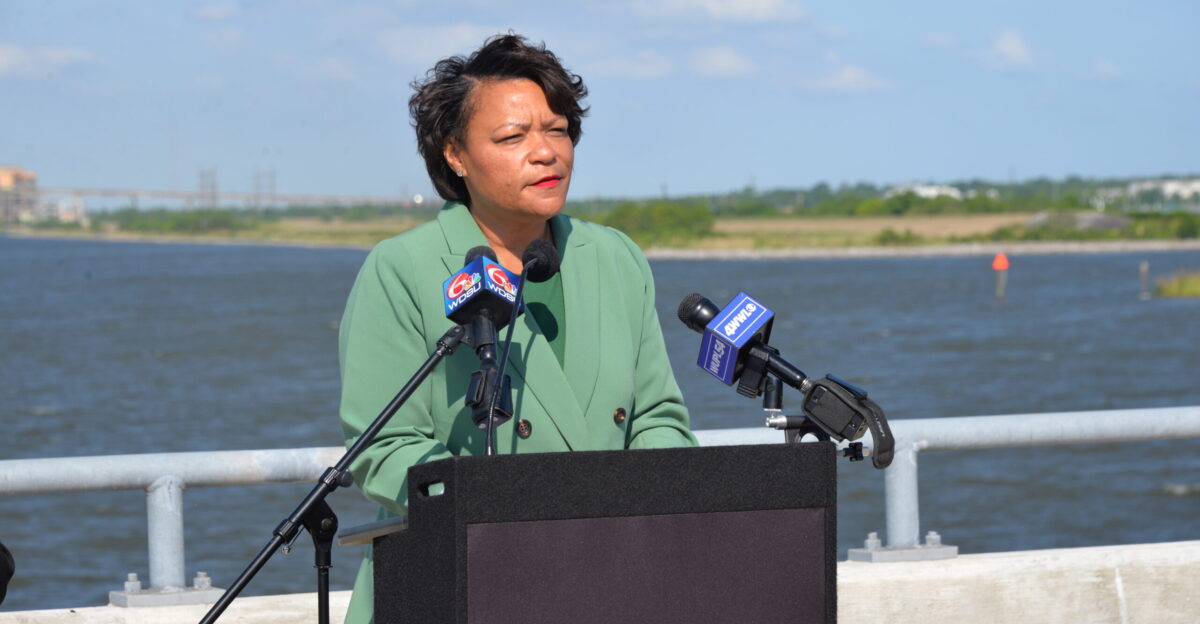
Outgoing New Orleans Mayor LaToya Cantrell also threw her support behind the deployment, saying she is “welcoming of those added resources.”
This represents a departure from earlier Democratic criticism of the Guard request, suggesting city leaders believe the symbolic and practical security value justifies the presence, particularly given the terrorism risk highlighted by the 2025 attack.
Harper on the Visible Difference
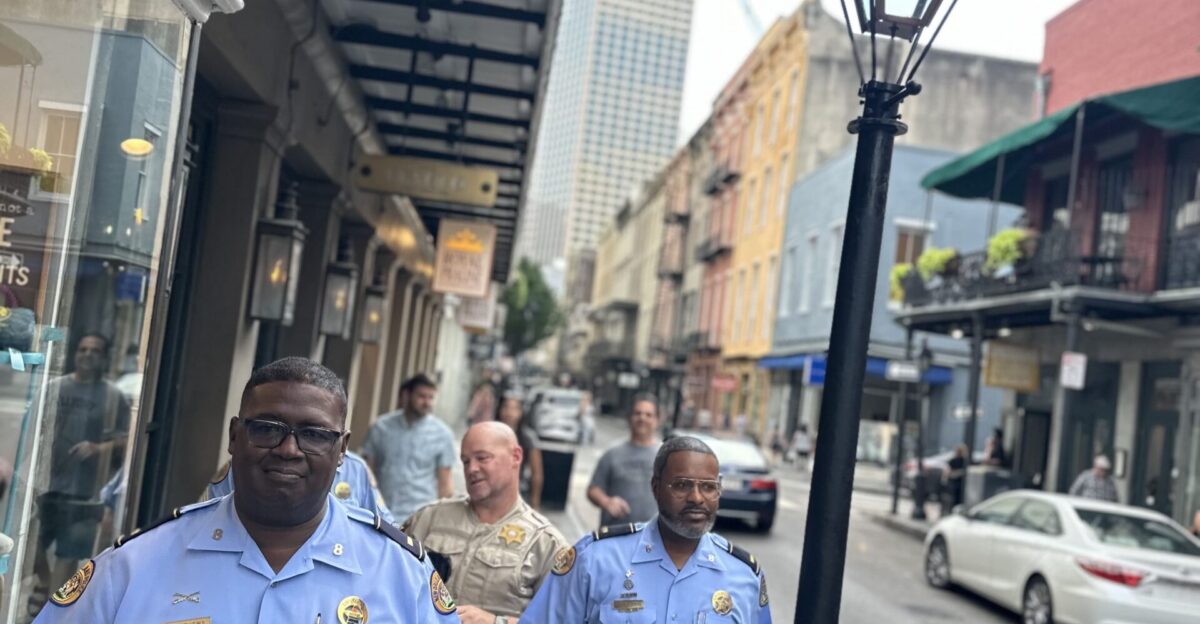
New Orleans Police Spokesperson Reese Harper explained the rationale for the National Guard presence in straightforward terms. “They’re here for that added layer of visibility,” Harper said on December 29, 2025, moments before the deployment began.
“It’s just another tool in the toolbox and another layer of security.” The Guard’s role is fundamentally about being seen—to deter would-be attackers and reassure the public that New Orleans is taking the anniversary seriously.
The Question of Copycat Risk
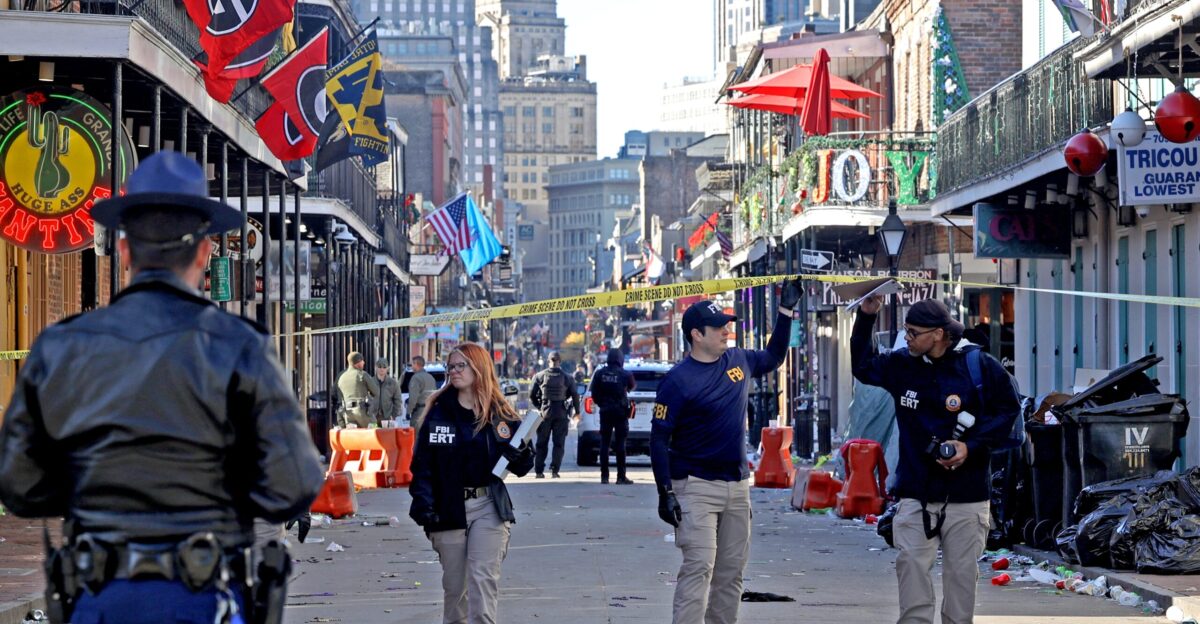
Security experts note that anniversaries of high-profile terror attacks can attract copycat attackers seeking to replicate or exceed the original act. The visible presence of National Guard troops, along with 800+ other law enforcement officers, sends a powerful deterrent message in the days surrounding January 1, 2026.
The deployment timing reflects real security concerns about the anniversary of the Bourbon Street attack.
One Year Later: Bourbon Street Transformed
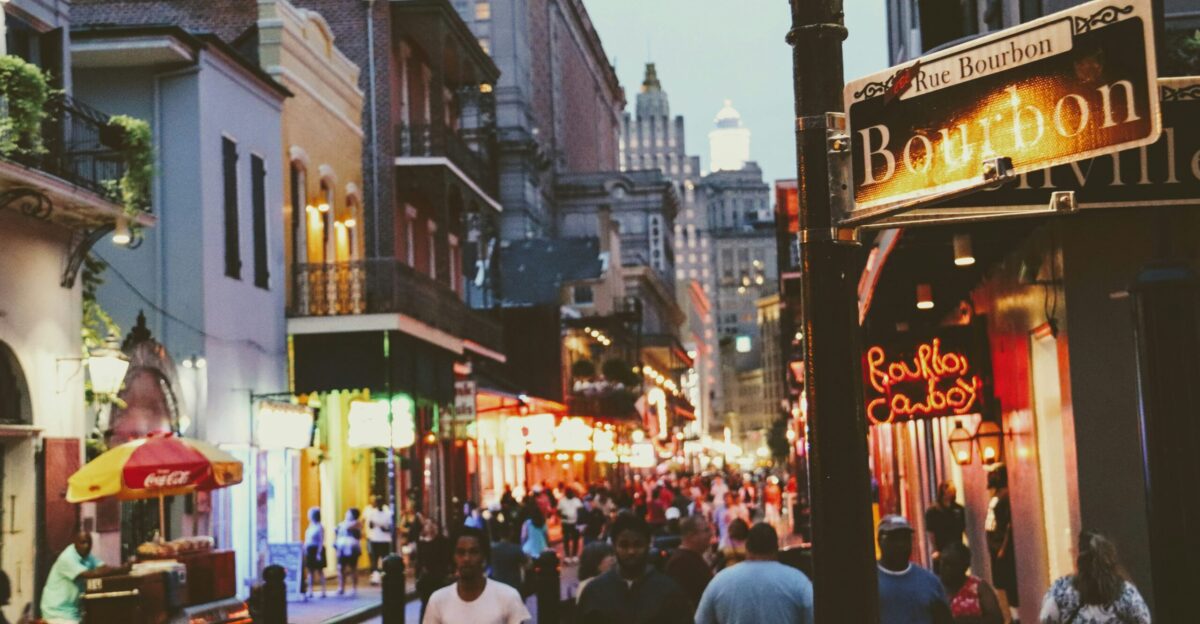
The Bourbon Street that revelers will navigate during Carnival season in 2026 looks different than it did one year ago. Steel bollards now permanently protect the street, military trucks and soldiers will be visible in the French Quarter, and bag checks and vehicle restrictions will be routine during major events.
The 2025 attack fundamentally changed how New Orleans approaches public safety during celebrations—a shift that will be on full display as the anniversary passes.
“Trump Approves Deployment of 350 National Guard Members to New Orleans” — ABC News, December 23, 2025
“2025 New Orleans Truck Attack” — Wikipedia, updated January 2025
“National Guard Deploying to New Orleans for Enhanced Security Ahead of New Year’s” — CBS News, December 30, 2025
“Pentagon Deploys 350 National Guard Troops to New Orleans Amid Violent Crime Surge Ahead of Major Events” — Fox News, December 23, 2025
“2nd Louisiana National Guard Deployment of 2025 to New Orleans Now Underway” — Red River Radio, December 28, 2025
“National Guard Arrives in New Orleans for First New Year’s Since Bourbon Street Attack” — NPR, December 31, 2025