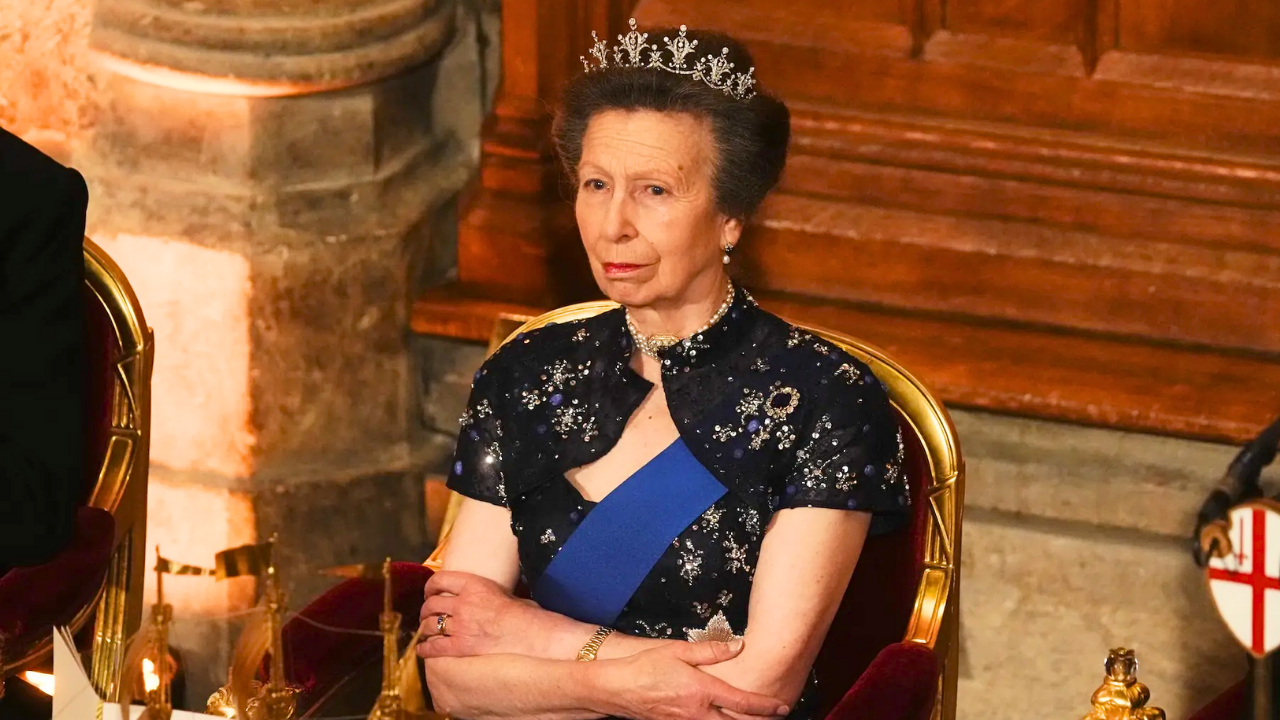
At 75, Princess Anne has spent half a century proving you don’t need a crown to matter. When she signed her 2025 Christmas card, released Tuesday with just “Anne and Tim”—no titles—she whispered something far louder than protocol: I’ve earned the right to be myself.
Inside was a photograph from May, captured in a horse-drawn carriage rolling through Sark, Channel Islands. Princess Anne and Vice Admiral Sir Timothy Laurence, 70, are genuinely relaxed, unguarded in a way the public rarely sees them.
The Monarchy Shift
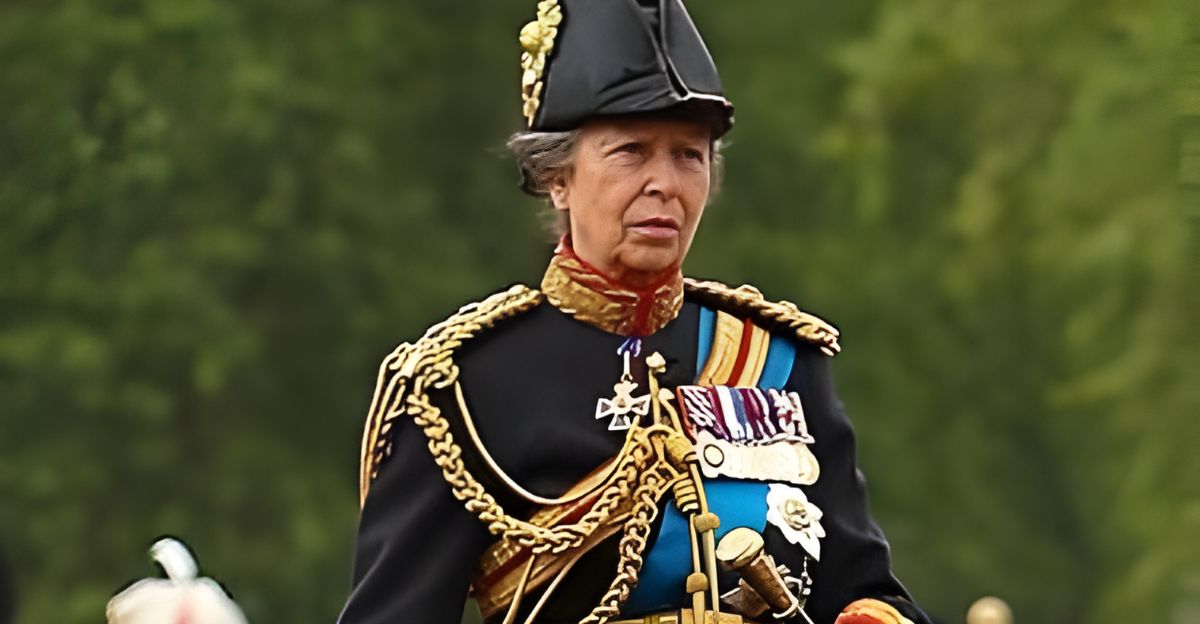
Since 2021, Princess Anne has completed more official engagements than any other working royal recorded in The Court Circular. In 2024, despite hospitalization after a horse injury in June, she still managed 217 official engagements. King Charles completed 186.
At 75, she’s outworking royals decades younger. Why announce yourself as royal when your actions have already proven it? The Christmas card signature—humble, informal, personal—feels like a natural conclusion.
A Quiet Revolution
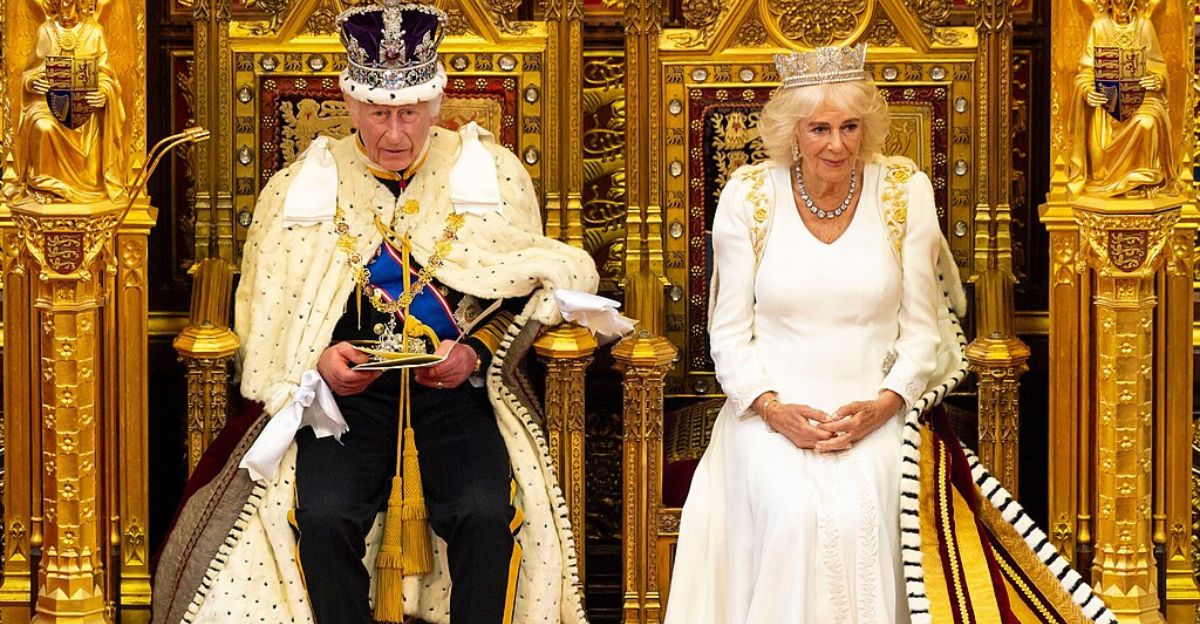
Princess Anne isn’t alone. King Charles and Queen Camilla released their 2025 Christmas card, featuring a photograph from their Italian state visit—but it remained unsigned. Prince William and Princess Kate selected their 2024 card from a video of Kate’s chemotherapy recovery, also unsigned.
What began as a security protocol has become something more: a statement. When the most powerful people in Britain stop using signatures on personal correspondence, they’re saying something wordless: I don’t need to prove my authority through formality.
Royal Autographs Are Forbidden
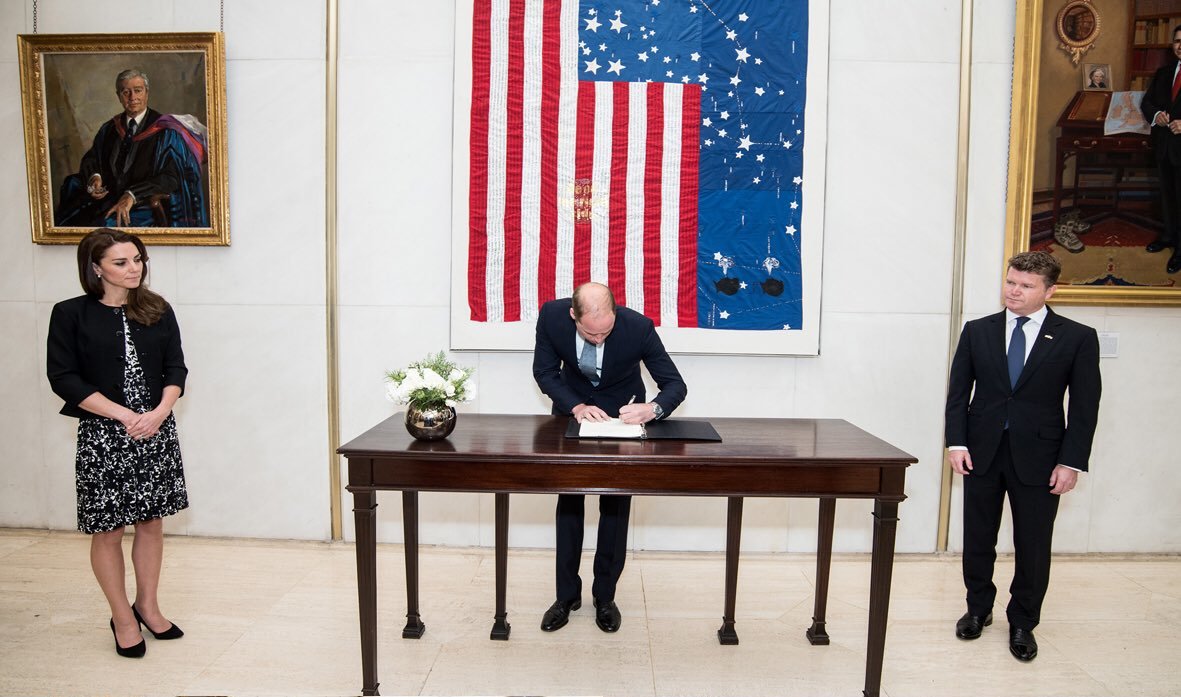
Senior royals don’t sign autographs or add signatures to personal correspondence for one reason: forgery. Royal signatures are valuable—potentially valuable enough to make them targets for document fraud.
In 2022, Princess Kate explained it directly at the Chelsea Flower Show: “My name’s Catherine. I’m not allowed to write my signature; it’s just one of those rules.”
When The Monarch Refuses To Sign
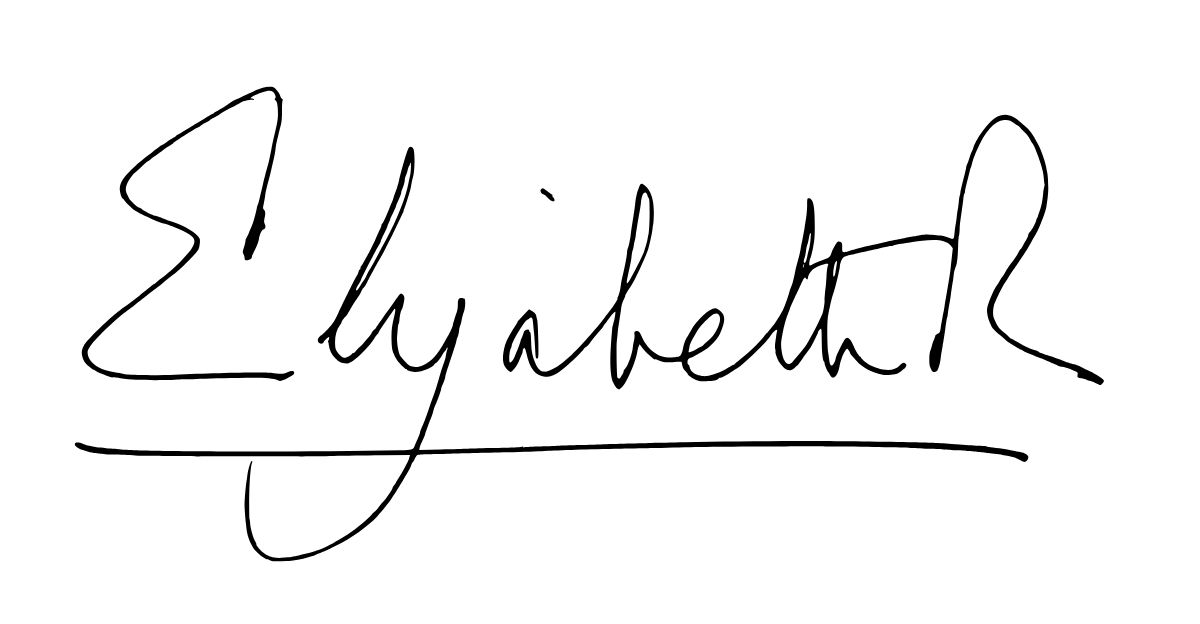
When King Charles and Queen Camilla left their 2025 Christmas card completely unsigned, they followed a protocol now standard among senior royals. When they do sign official documents, they use regnal signatures—”Charles R” and “Camilla R”—the “R” standing for Latin rex and regina.
Queen Elizabeth II maintained two distinct signatures: “Elizabeth R” for state business and “Lilibet” for private letters where her humanity mattered more.
Navigating Two Worlds
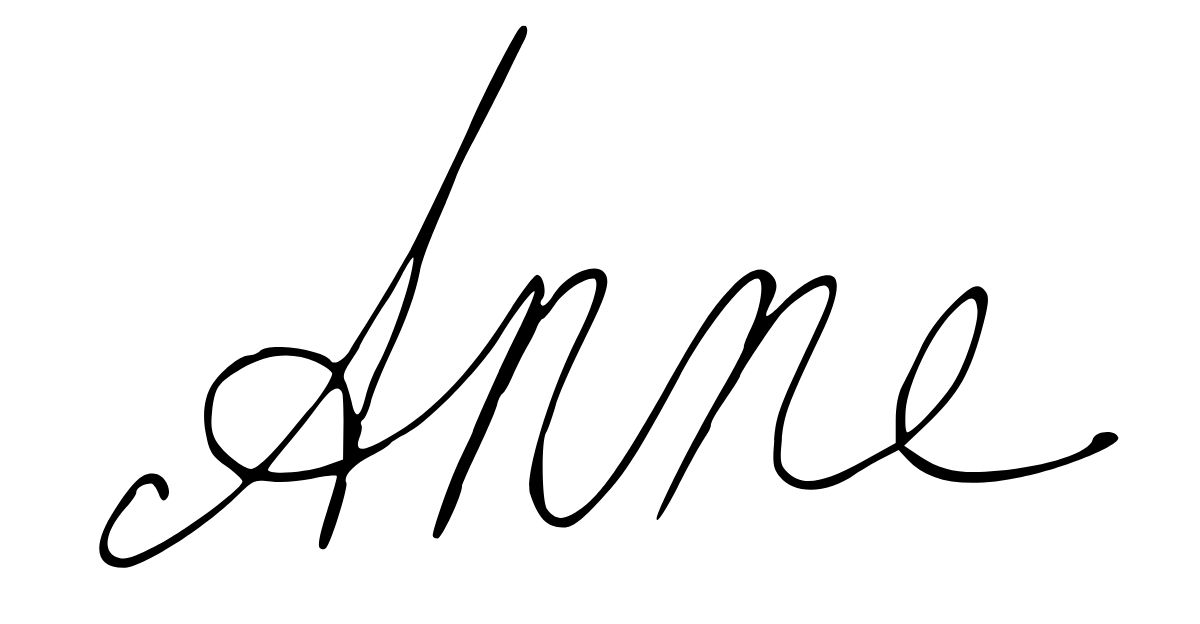
While Princess Anne’s handwritten signature remained informal—just her first name—the front flap of her Christmas card bore an unmistakable mark of royalty: her personal royal monogram, a coronet positioned above the letter “A” in blue ink.
The choice to include both—the formal monogram on the exterior and the informal signature inside—shows a woman navigating two worlds: the world that demands protocol and the world that wants to feel seen.
Military Parades to Charity Receptions
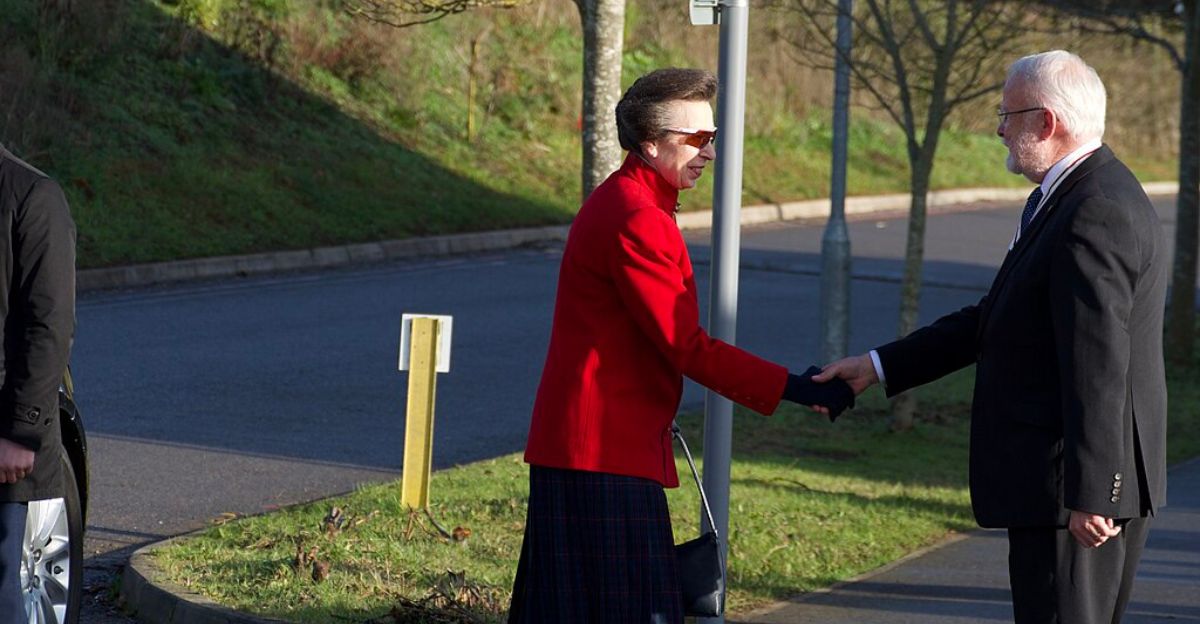
Princess Anne’s schedule spans from early-morning military parades to late-evening charity receptions, with days that often involve multiple cities and causes.
What distinguishes her diary is not just its volume, but its substance: hospital wards, veterans’ services, front-line charities, and specialist institutions where her presence validates people who rarely see power pay attention.
The Person Behind The Title

In 1970, when Princess Anne was just 19, she became President of Save the Children UK. For the next 47 years, she dedicated herself to serving vulnerable children in Bangladesh, Sierra Leone, Mozambique, Ethiopia, Bosnia, and Uganda.
In September 2024, at 74, she visited Save the Children’s work in Sri Lanka, speaking with pediatric consultants about supporting young people with chronic illnesses. She lit a ceremonial oil lamp—the same lamp she’d lit 30 years earlier. Continuity. Commitment. The refusal to disappear when the cameras stopped rolling.
Why She Travels At 75
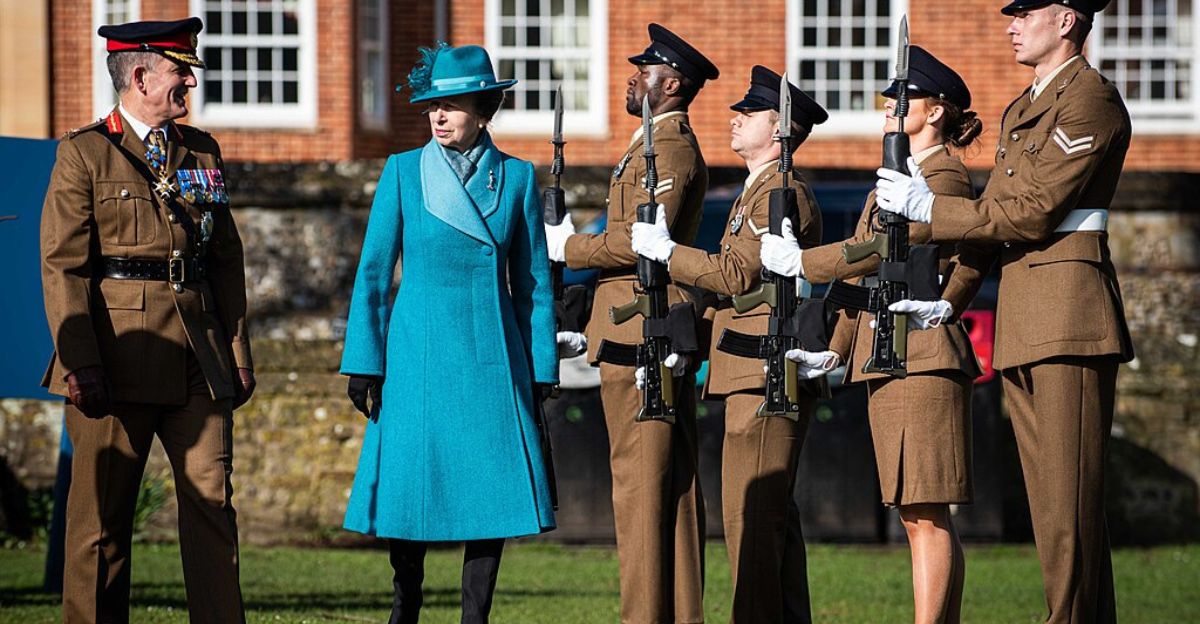
The Christmas card sent to Queensland arrived following Princess Anne’s November 2025 tour, a four-day journey undertaken explicitly to commemorate the centenary of the Royal Australian Corps of Signals. She has served as Colonel-in-Chief since 1977, 48 years of unbroken service.
From November 8 to 11, she undertook military engagements in Sydney, Melbourne, and Brisbane. She laid wreaths at the Sydney War Cemetery and Anzac Memorial, standing in silence before the names of people who sacrificed everything.
A Moment When Formality Stopped Existing

The photograph inside Princess Anne’s Christmas card was taken in Sark, the Channel Islands, in May 2025. Princess Anne isn’t “performing royalty”—she’s simply existing beside her husband, Vice Admiral Sir Timothy Laurence, whom she married in 1992.
In May, Princess Anne became the first member of the Royal Family to cross La Coupée—the narrow path linking Sark’s main island to Little Sark. And she did it at 74, still pushing boundaries.
The Princess Royal
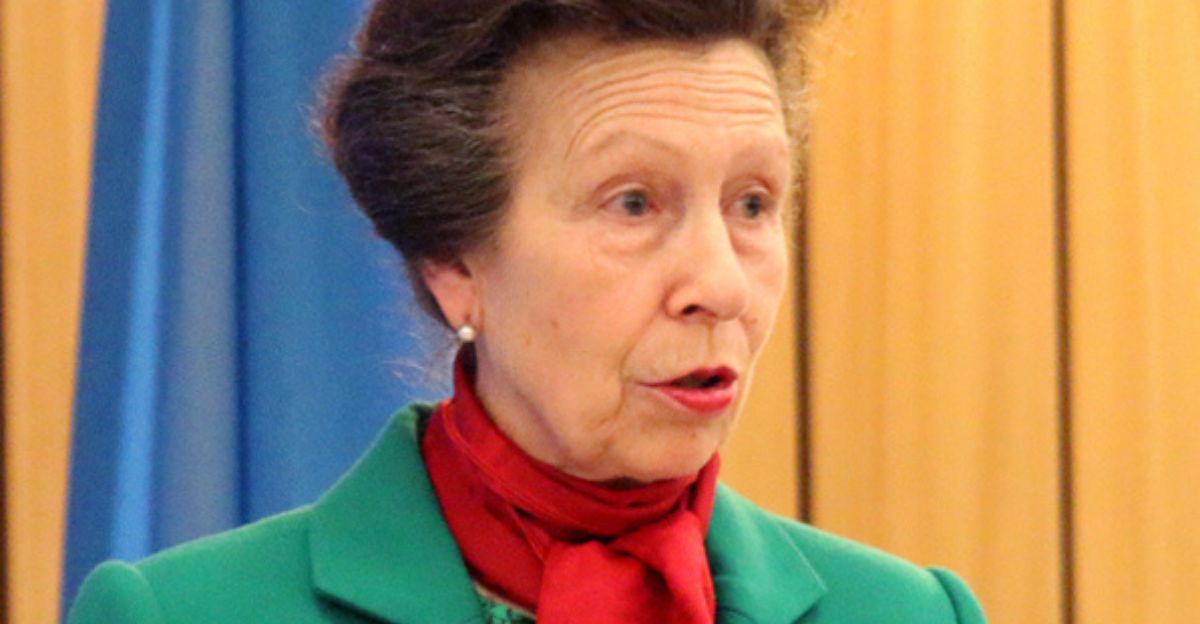
Royal watchers on social media quickly noticed Princess Anne’s informal signature. One commenter wrote: “What class! She didn’t sign it ‘The Princess Royal?’ Of course not, she’s too classy for that.” Another observed: “No need to flaunt the princess title; this is impactful enough.”
What people responded to wasn’t the signature itself. It was the permission it seemed to grant: you can be powerful without being formal, respected without being distant, human without diminishing responsibility.
The Royal Monogram
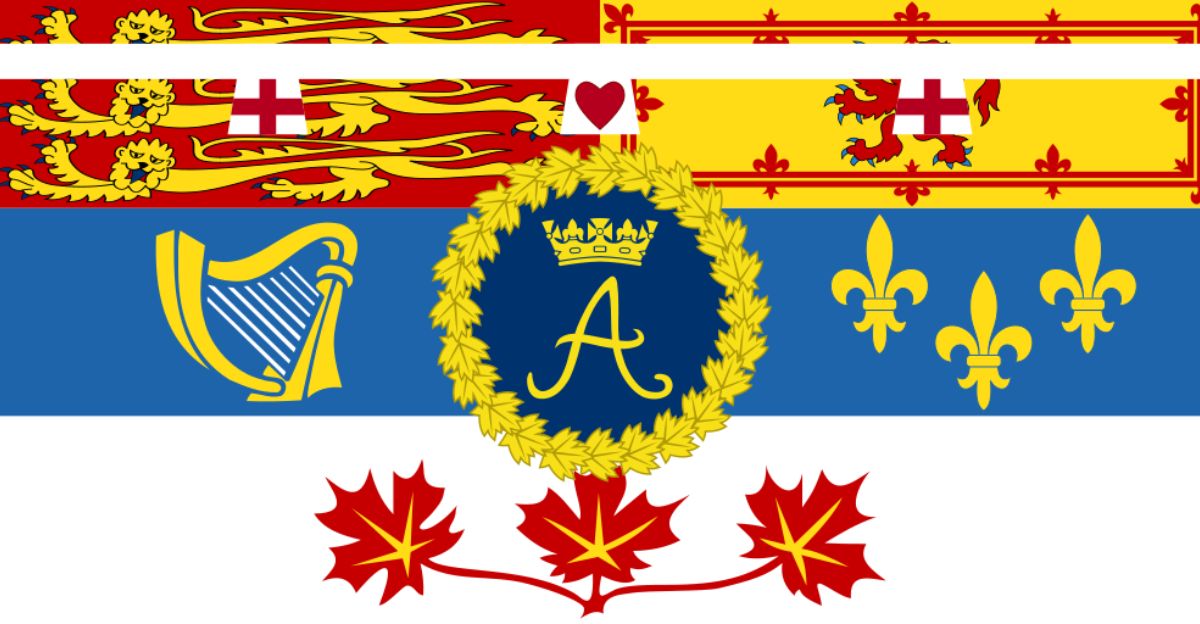
Unlike a signature, a monogram doesn’t require remembering how to form letters. It just announces: this came from her. Color coding distinguishes royal stationery: Queen Elizabeth traditionally used red, Prince Charles and Prince William chose red, Princess Kate selected gold, and Prince Harry chose blue.
The blue on Princess Anne’s monogram carries its own weight. It’s a conversation in two languages held simultaneously—the language of duty and the language of human connection.
Service Without Titles

Princess Anne’s decision to raise her children without royal titles offers a window into her worldview. Her son, Peter Phillips, and daughter, Zara Tindall, grew up without the formal designation of “Prince” or “Princess,” given the opportunity to build lives based on actions rather than rank.
This wasn’t a rejection of the monarchy. It was embracing something deeper: the idea that genuine authority doesn’t come from a title bestowed at birth. It comes from showing up.
A Monarchy In Quiet Transition
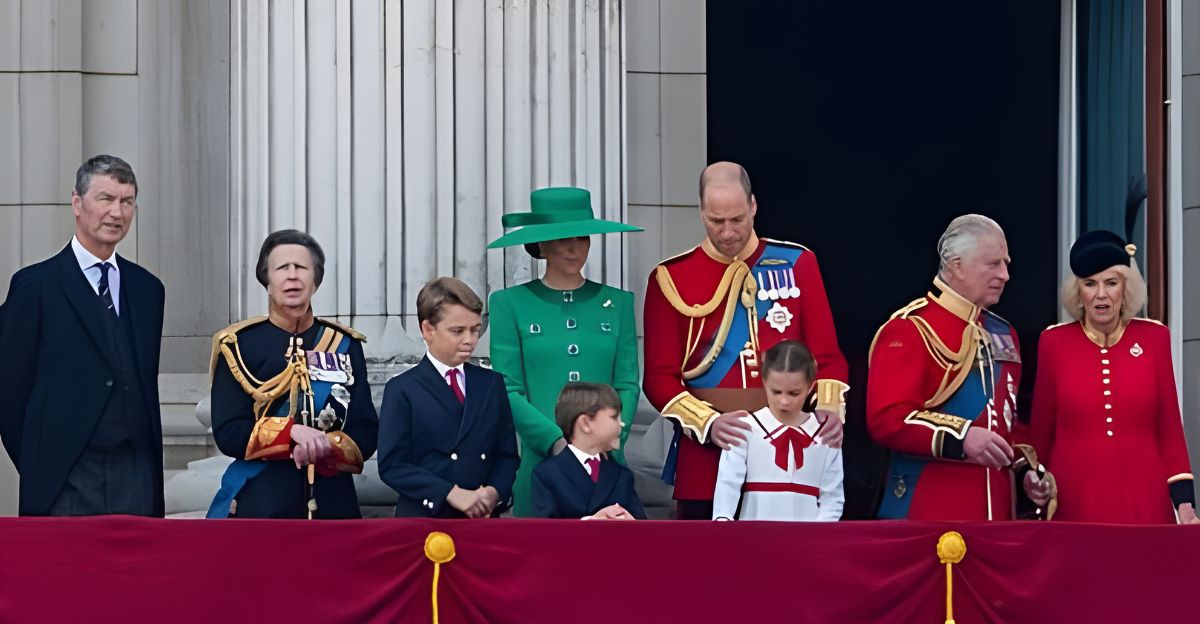
The pattern of unsigned Christmas cards across multiple senior royals represents something larger than individual preference. It’s a coordinated shift in how the Royal Family presents itself to the public.
Security concerns about forgery provide the practical justification. However, the consistency suggests something intentional: a coordinated message that the monarchy is shifting its focus from titles to presence.
The Can-Do Will-Do Royal
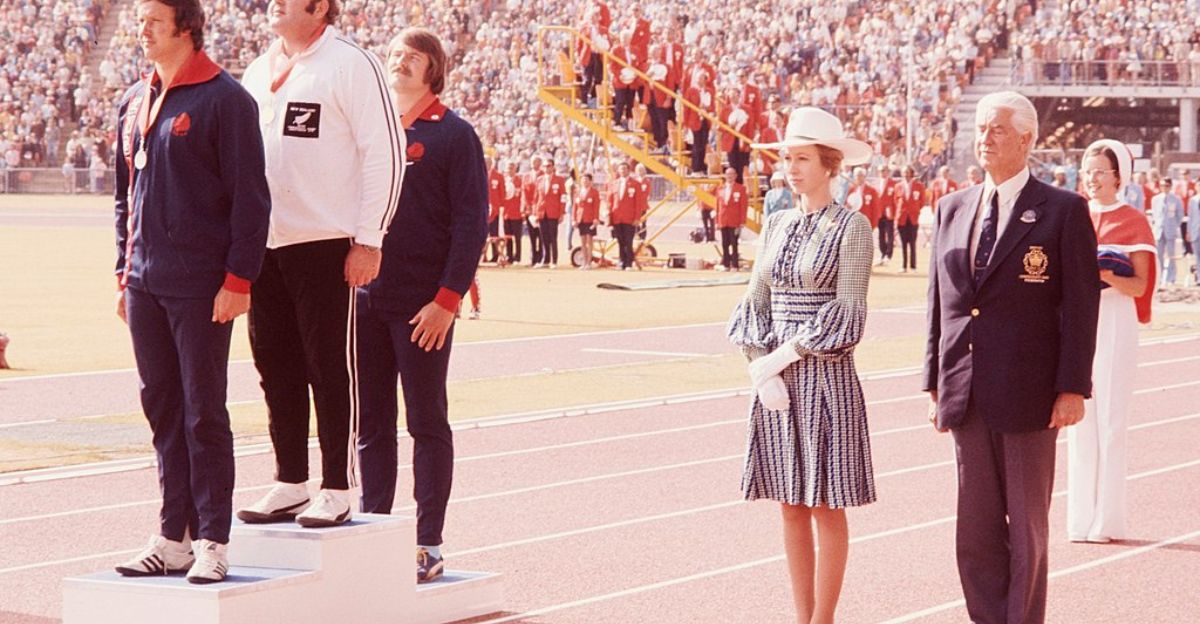
Princess Anne’s reputation as “the can-do will-do royal” wasn’t built overnight. It was constructed through consistent, unglamorous work over the course of four decades. She undertook her first official engagement for Queen Elizabeth in September 1969, at the age of 18.
Since then, she’s completed nearly 500 overseas visits—49 to Germany alone. She serves as patron or president to approximately 300 organizations, from Save the Children to disability charities to scientific research institutions.
The Weight Of Service
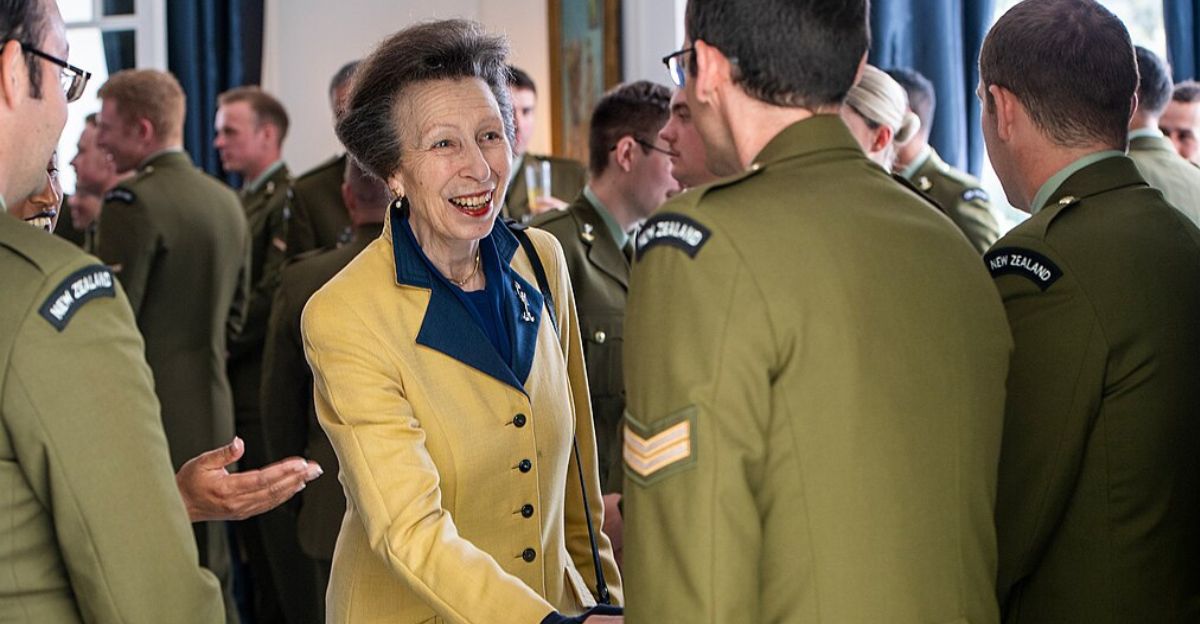
To understand why Princess Anne’s Christmas card signature matters, you must understand that she never asks the world to recognize her. She doesn’t grant interviews about struggles. She doesn’t post on social media. She doesn’t make grand announcements about charitable work. She shows up.
When she signed her card with just her first name, she said: After all these years, I’ve earned the right to be seen as a person. Not as a symbol. But as Anne.
A Centenary Honored
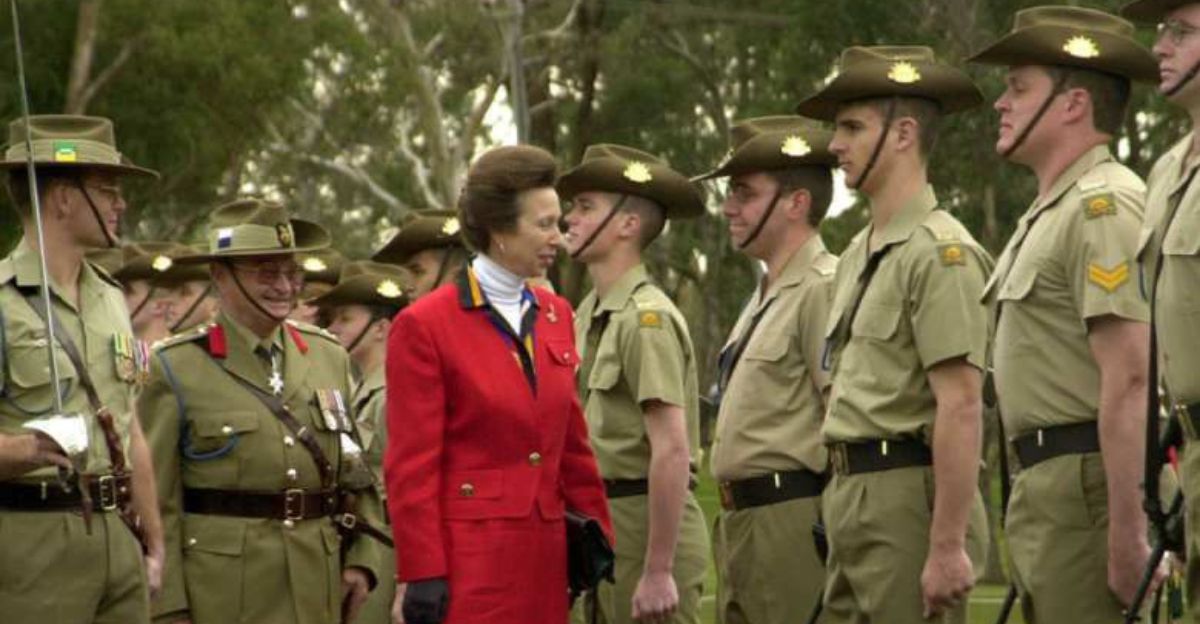
The Royal Australian Corps of Signals was founded in 1925. Princess Anne became its Colonel-in-Chief in 1977. That’s 48 years of commitment to an organization halfway around the world. In November 2025, at the age of 75, she traveled to Australia specifically to commemorate 100 years of their service.
Not to make an appearance. But to stand in front of soldiers and say: I have been watching you. The world should know that what you do matters.
Commitment to Service
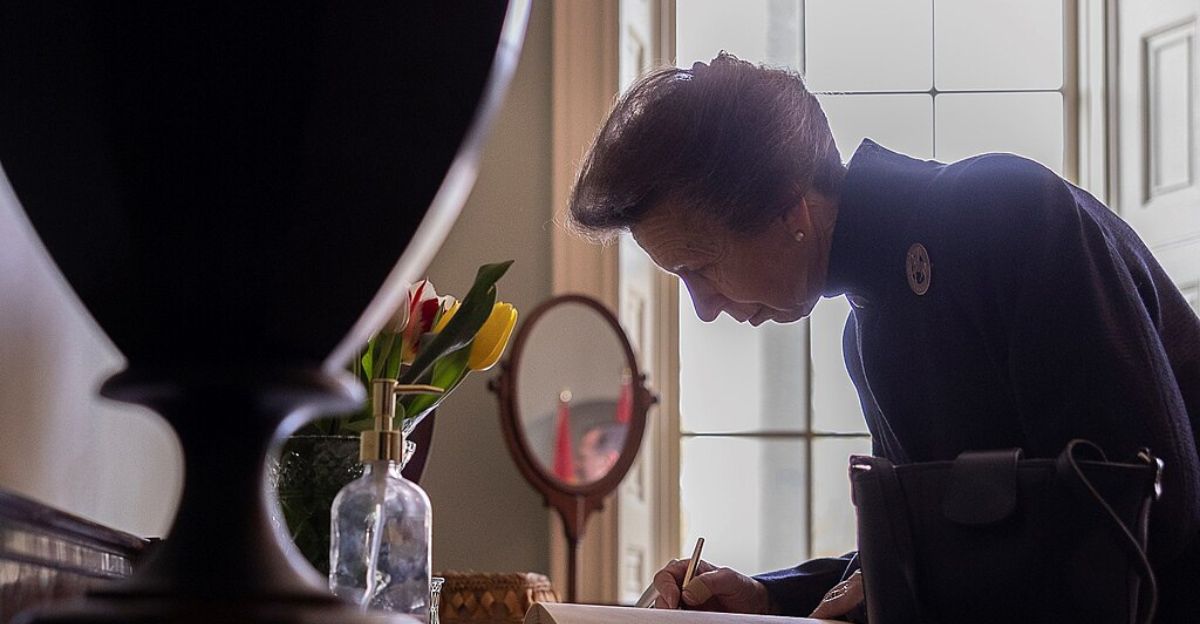
Princess Anne’s informal card signature, King Charles and Queen Camilla’s complete lack of signature, William and Kate’s choice of an unguarded photograph—these aren’t accidents. They’re blueprints of a monarchy in transition.
Princess Anne has announced no plans to retire. In February 2025, she assumed a new role as patron of the Murrayfield Injured Players’ Foundation. Even approaching her eighth decade, her commitment to service remains undiminished.
A Woman Signing Her Name
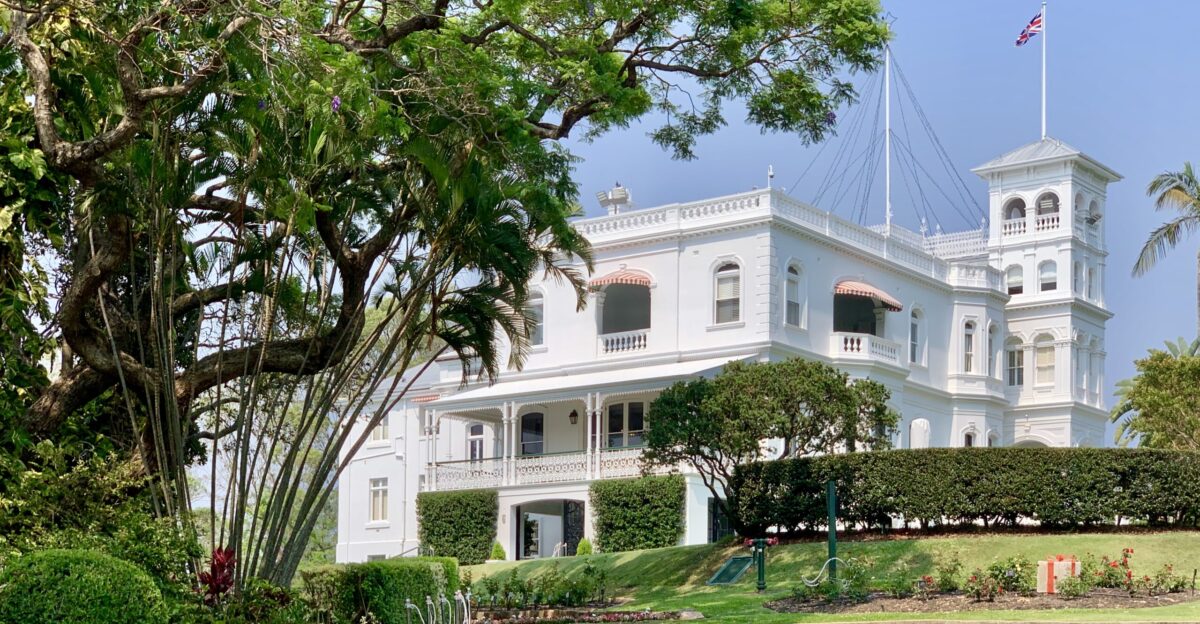
The Christmas card that arrived in the Governor’s House in Queensland this December carried more weight than anticipated. It wasn’t just a holiday greeting from an aging royal. It was a statement delivered so quietly that most of the world missed it entirely.
Princess Anne signed her name—just her name, just her first name—the way someone signs who has finally earned the right to be seen for who she is, not what she represents.
Power Doesn’t Require Distance
The Christmas cards from the Royal Family in 2025 may not have signatures. But they carry a message louder than any autograph could. The monarchy is learning that authority doesn’t come from titles. It comes from presence. From showing up.
Princess Anne has been teaching this lesson for 55 years. She signed her card with her first name because after a lifetime of service, she’d finally earned the right to simply be Anne.
Sources:
Princess Anne crowned ‘Hardest Working Royal’ – The Australian Women’s Weekly
Princess Anne continues streak as hardest working member of the royal family – People
Our Patron Princess Anne – Save the Children UK
Save the Children Patron Princess Anne visits charity’s work supporting children’s wellbeing in Sri Lanka – Save the Children International
Royal visit tops off signals’ centenary – Australian Department of Defence
Princess Anne is in Australia. Here is what we know of her visit – ABC News