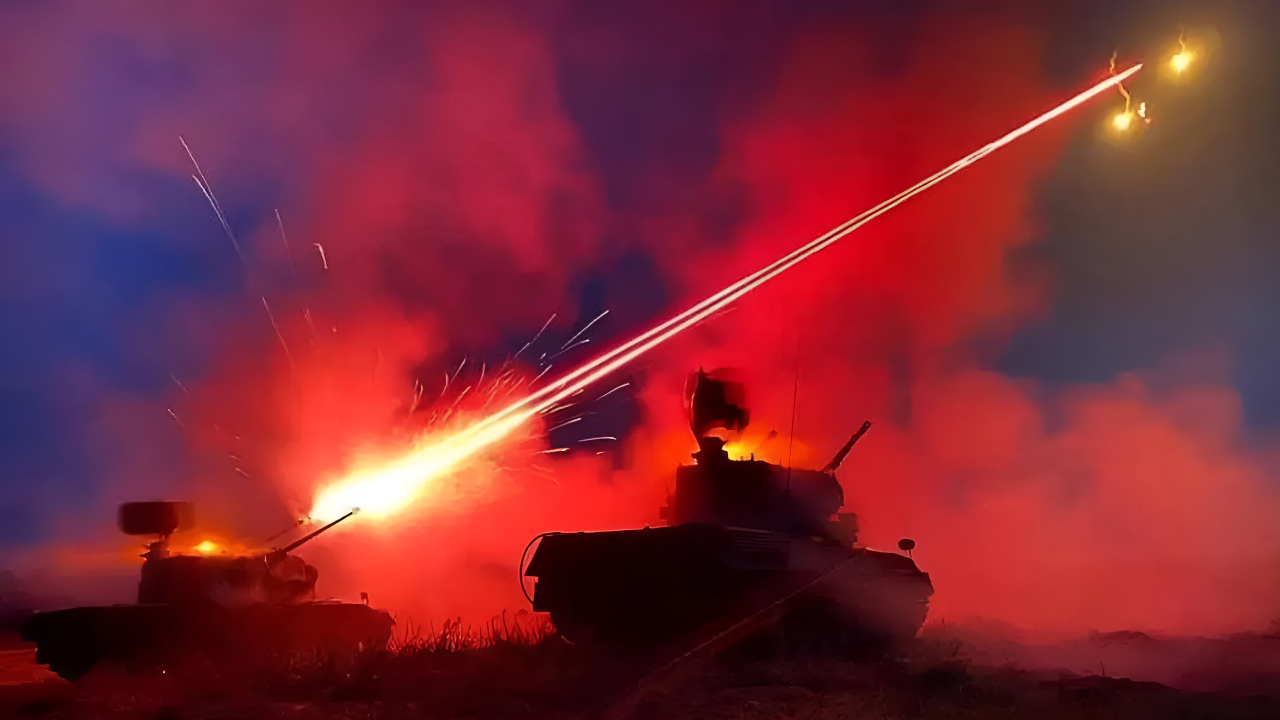
As Russia intensifies drone and missile strikes, Ukraine has unveiled a domestically built laser air-defense system called Tryzub, presented by commanders as a working battlefield weapon rather than a distant prototype. Announced publicly in December 2024, the system is being tested and operationally deployed against persistent drone threats and is portrayed by officials as both a technological milestone and a way to address the financial strain of defending cities and infrastructure from cheap, mass-produced unmanned aircraft.
Ukrainian commanders say Tryzub can engage hostile aircraft at altitudes exceeding 2 kilometers—a capability historically limited to only a few established military powers. In February 2025, Ukraine’s Unmanned Systems Forces commander Vadym Sukharevskyi stated that “laser technologies are already hitting certain objects at a certain altitude,” indicating the system has been deployed operationally, though the Kyiv Independent noted it could not immediately verify these claims. Although full technical details remain classified, officials insist the system is real and has been deployed in combat environments where drones pose a daily hazard, even as they stress it remains in an early phase of field use.
Why Ukraine Is Betting on Lasers
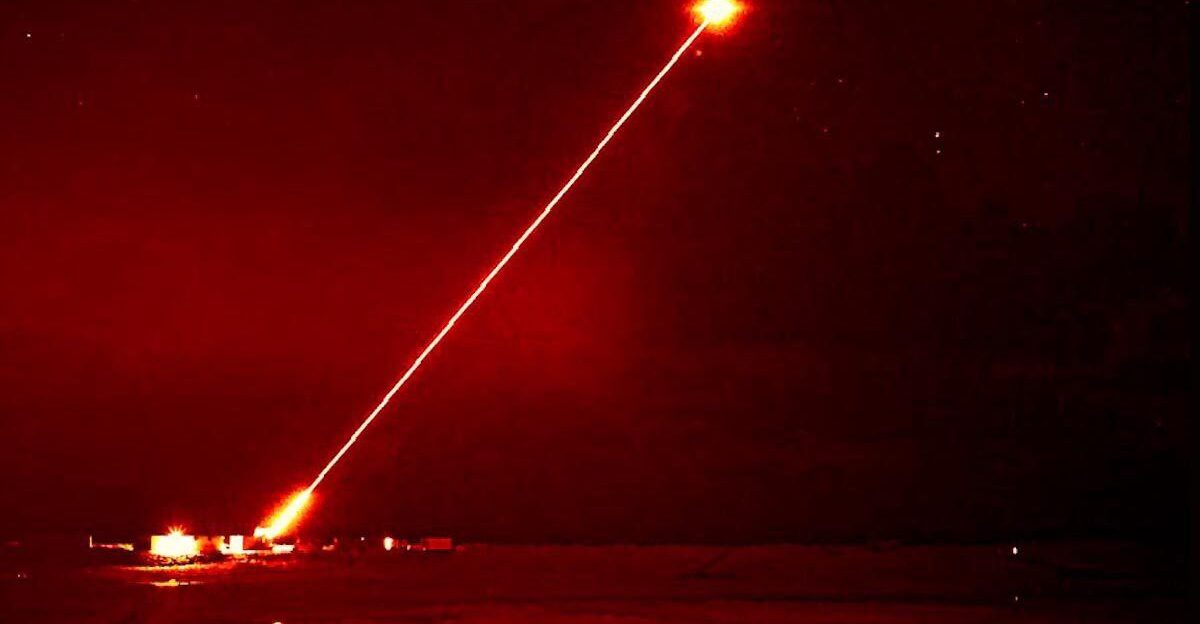
Ukraine’s move toward directed-energy defenses is rooted in economics as much as technology. The country has been forced to fire costly surface-to-air missiles at relatively inexpensive one-way attack drones, such as Russia’s Shahed-136, creating an unsustainable imbalance between the price of the interceptor and the target. Lasers, by contrast, draw on electrical power rather than physical munitions, dramatically lowering the marginal cost of each engagement once the system is in place.
Officials and analysts frequently compare this economic model to the U.K.’s DragonFire program, which demonstrated a shot cost of approximately $13 for laser engagements in November 2024 testing. While Ukraine has not disclosed precise operational costs for Tryzub, the principle is identical: use low-cost, repeatable bursts of energy to disable or destroy slow, low-flying threats, conserving expensive missile stocks for high-speed aircraft, cruise missiles, or ballistic targets that current laser systems cannot handle as effectively.
Inside Tryzub’s Demonstrated Capabilities
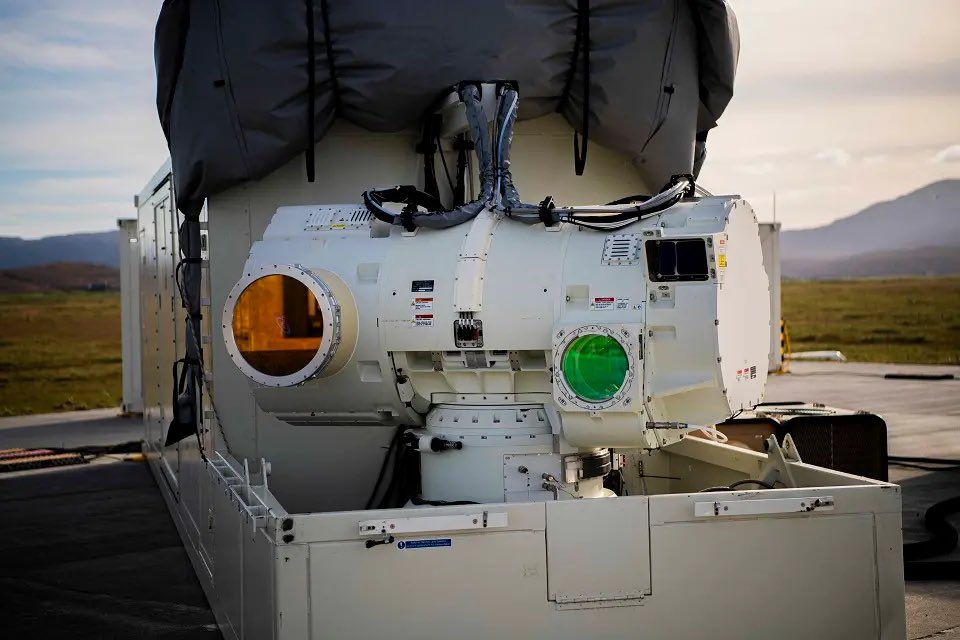
Demonstration footage released in April 2025 showed Tryzub test engagements against a ground target and FPV drone in controlled conditions, with successful destruction demonstrated in test environments. Commanders and engineers describe the system as optimized for slow drones, aerial bombs, reconnaissance platforms, and certain aircraft, with indications it may also “dazzle” or impair sensors at greater distances.
The system reportedly uses commercial, industrial-grade components including welding lasers, integrated into a weapon that can be manually steered and targeted by an operator—reinforcing its status as a rapidly developed, combat-driven prototype rather than a polished, long-cycle military program. In demonstrations, the system showed capability to defeat targets in test environments.
According to Sukharevskyi’s April 2025 presentation, Tryzub is reported to engage hostile drones at ranges up to 3 kilometers, helicopters and fixed-wing aircraft at 5 kilometers, and can operate in a sensor “dazzle” mode at up to 10 kilometers. However, officials are explicit that lasers will not displace missiles or traditional air-defense assets. Tryzub is designed for targets within defined ranges and moderate speeds; it is poorly suited to engaging fast jets or long-range ballistic threats. Weather conditions such as fog, rain, and dust can weaken or scatter the beam, limiting performance. Analysts therefore expect directed energy to occupy a defined niche within a broader ecosystem of radar, electronic warfare, guns, and missiles, rather than becoming a stand-alone solution.
Domestic Innovation and Strategic Autonomy
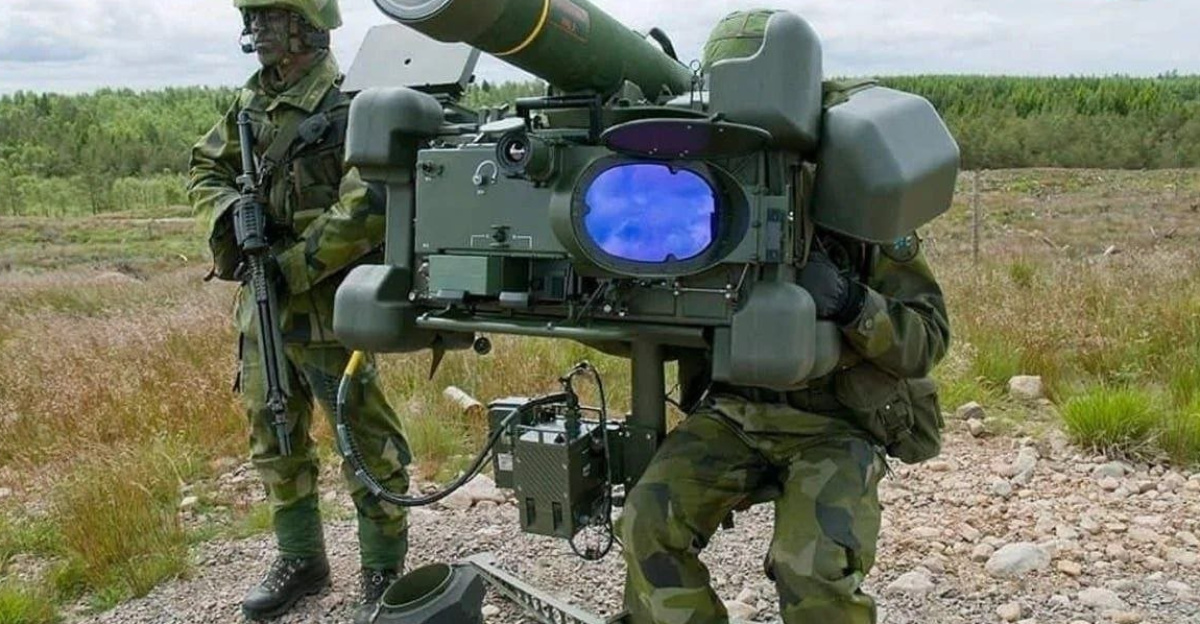
Tryzub’s debut reflects a wider shift in Ukraine’s defense policy toward domestic innovation and rapid battlefield adaptation. The system was developed by Ukrainian engineers drawing heavily on local expertise and off-the-shelf commercial technology—a pragmatic approach prioritizing speed and flexibility over traditional, multi-year acquisition cycles that have delayed laser development in the United States, United Kingdom, and Israel for decades.
The laser’s rollout coincides with the creation in 2024 of a dedicated Unmanned Systems Forces branch and Ukraine’s Ministry of Defense approval of more than 900 domestically produced weapon system samples as of October 2024, including over 600 specifically of domestic production. Officials frame this as an intentional effort to reduce reliance on foreign aid cycles and tailor weapons to Ukraine’s specific battlefield conditions. In this context, Tryzub embodies a strategy of modular upgrades, scalable manufacturing, and continuous iteration under fire, which could influence how NATO states and partners think about co-development or licensing arrangements in the future.
Civilian Protection, Risks, and Future Debate

Ukrainian leaders argue that a cost-efficient, persistent laser defense could help shield power plants, hospitals, and transportation networks from routine drone attacks, especially during winter campaigns when strikes on energy infrastructure are most frequent. By assigning lasers to handle many of the slow, low-altitude threats, commanders hope to free up high-end interceptors for more complex or distant targets, potentially improving overall resilience for civilians.
Yet the technology brings new challenges. High-energy beams used near populated areas raise safety concerns around beam control, atmospheric scattering, and the risk of accidental exposure to people, aircraft, or friendly drones. Urban deployment requires strict rules of engagement and careful coordination with civil aviation and military air operations. Beyond immediate safety, environmental and ethical questions are emerging: advocates highlight the reduction in explosive debris and toxic propellants, while critics warn about an arms race in directed energy, particularly systems that can blind sensors or affect space-based assets. These debates intersect with international norms on permanent injury, human protections, and the legality of targeting optics.
Strategically, Tryzub has already influenced perceptions of Ukraine as a fast-moving defense innovator rather than solely an aid recipient. Comparisons to American and British laser systems reinforce the image of a country able to absorb, adapt, and develop advanced technology with partners. Analysts say the primary beneficiaries could include Ukrainian startups, optical engineering firms, and global manufacturers of power and counter-drone systems, even as traditional missile producers adjust to a future in which some missions are gradually shared with lasers.
Ukrainian officials confirm that Tryzub “works and exists,” with operational deployment confirmed but tactical details remaining classified to protect battlefield effectiveness. Observers expect upgrades in automation, targeting, and integration with radar and unmanned platforms as combat experience accumulates. Rival states are likely to track its performance closely as they refine their own prototypes. For Ukraine, the coming years will test whether directed-energy weapons can reliably supplement missiles under real wartime conditions, and to what extent this emerging layer of defense can reshape both battlefield tactics and global arms development.
Sources
Ukraine Ministry of Defense Official Statement on 600+ Domestic Weapon Systems
Kyiv Independent – Colonel Vadym Sukharevskyi on Tryzub Laser Weapon (December 2024)
Breaking Defense – UK DragonFire Laser $13 Per Shot Test
United Nations Office in Kyiv – Russia’s Christmas Day Energy Infrastructure Attack (December 25, 2024)