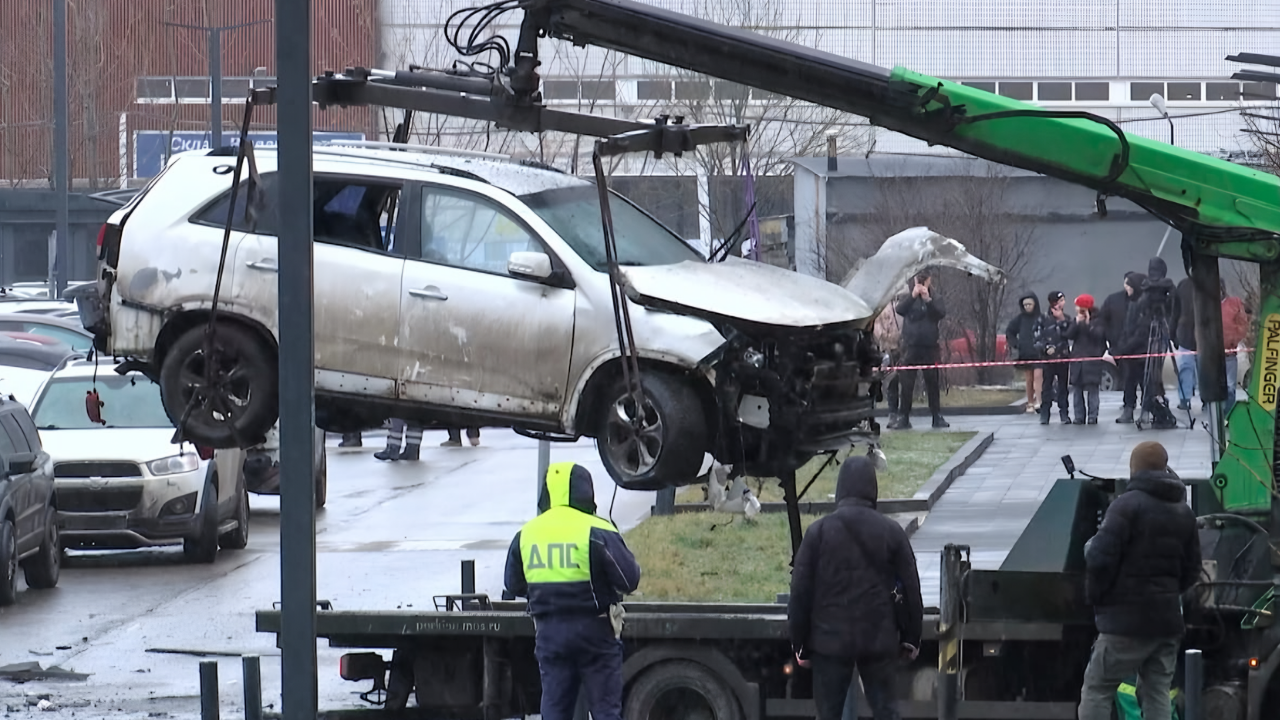
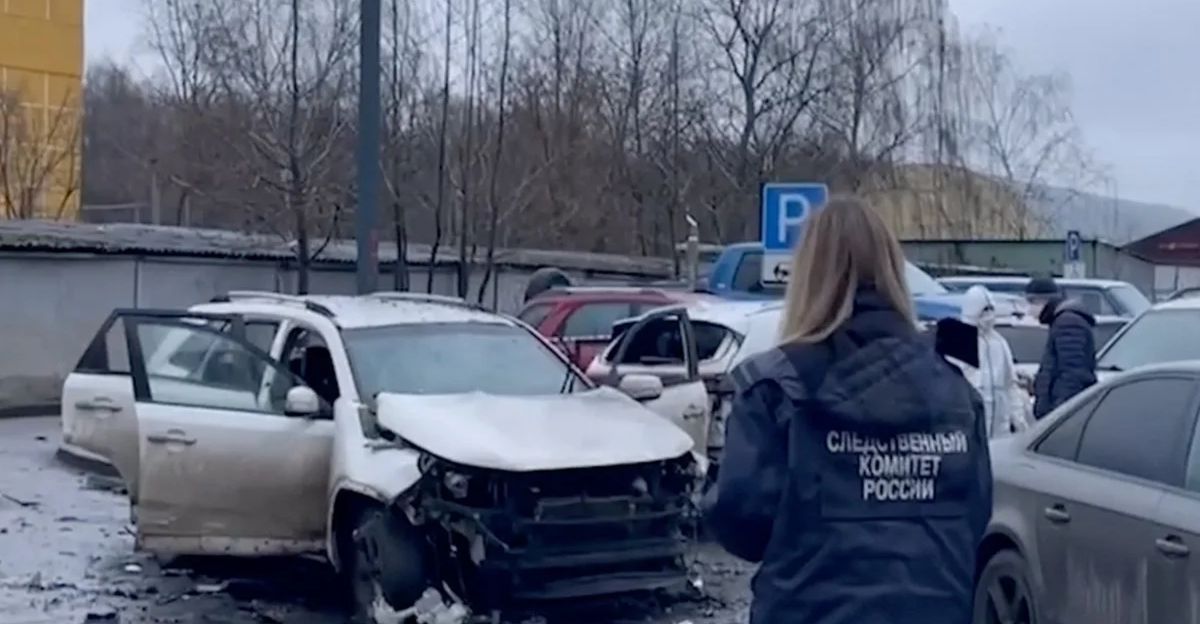
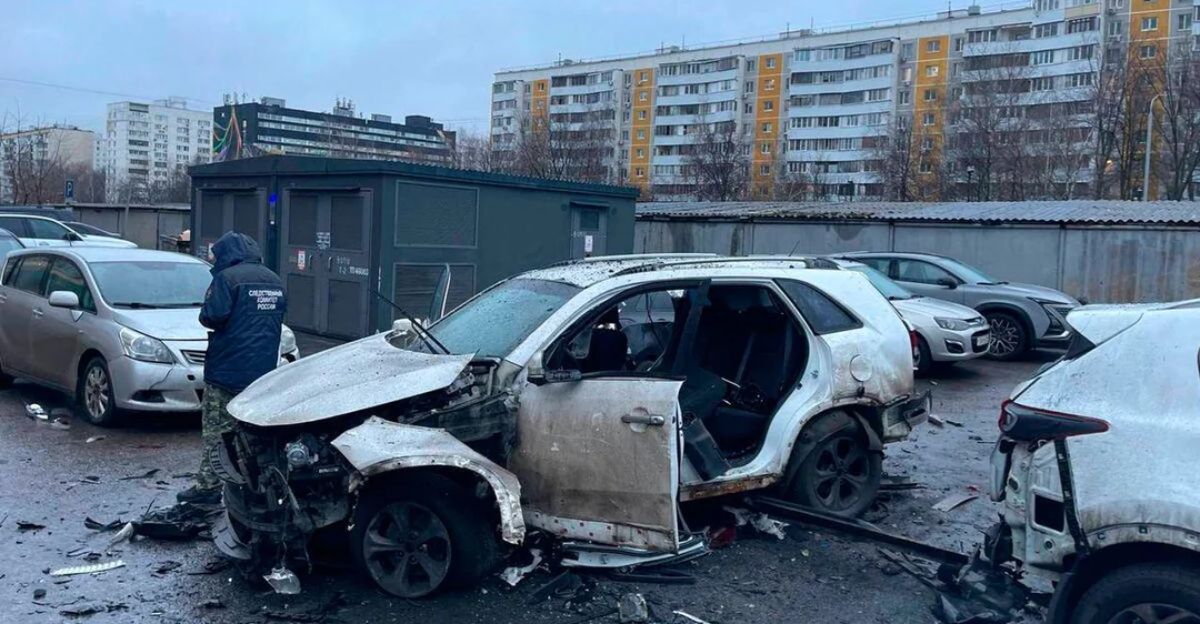
A powerful blast under a white Kia Sorento on Yaseneva Street in southern Moscow killed Lieutenant General Fanil Sarvarov around 7 a.m. on 22 December 2025, Russian investigators say. Officials reported that an explosive device was fixed under the vehicle and detonated as he drove out of a parking area.
The 56‑year‑old later died in hospital from multiple shrapnel injuries and fractures, according to Russia’s Investigative Committee.
Third Senior General Hit by Bombs
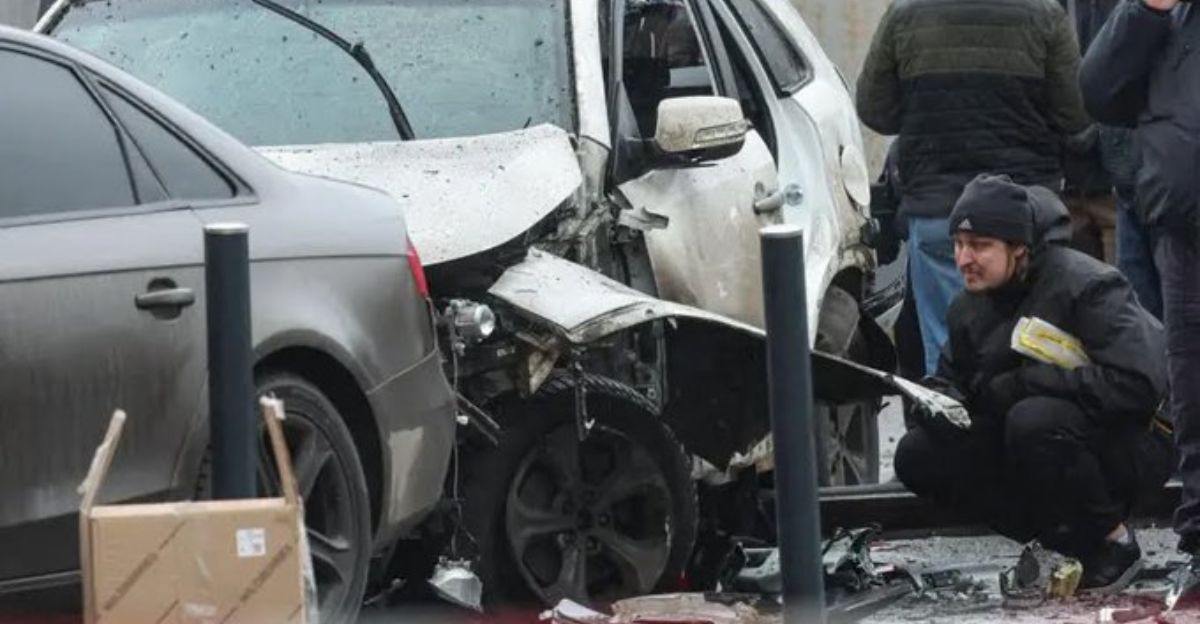
Sarvarov’s death makes him at least the third senior Russian military figure killed by a bombing in or near Moscow since late 2024, following Lieutenant Generals Igor Kirillov and Yaroslav Moskalik. As Georgia L. Gilholy wrote in the National Security Journal on 22 December, “Sarvarov is at least the third senior Russian military figure killed in a bombing since late 2024.”
The pattern underscores that Russia’s top brass are now being targeted hundreds of kilometres from the Ukrainian front.
Who was Fanil Sarvarov
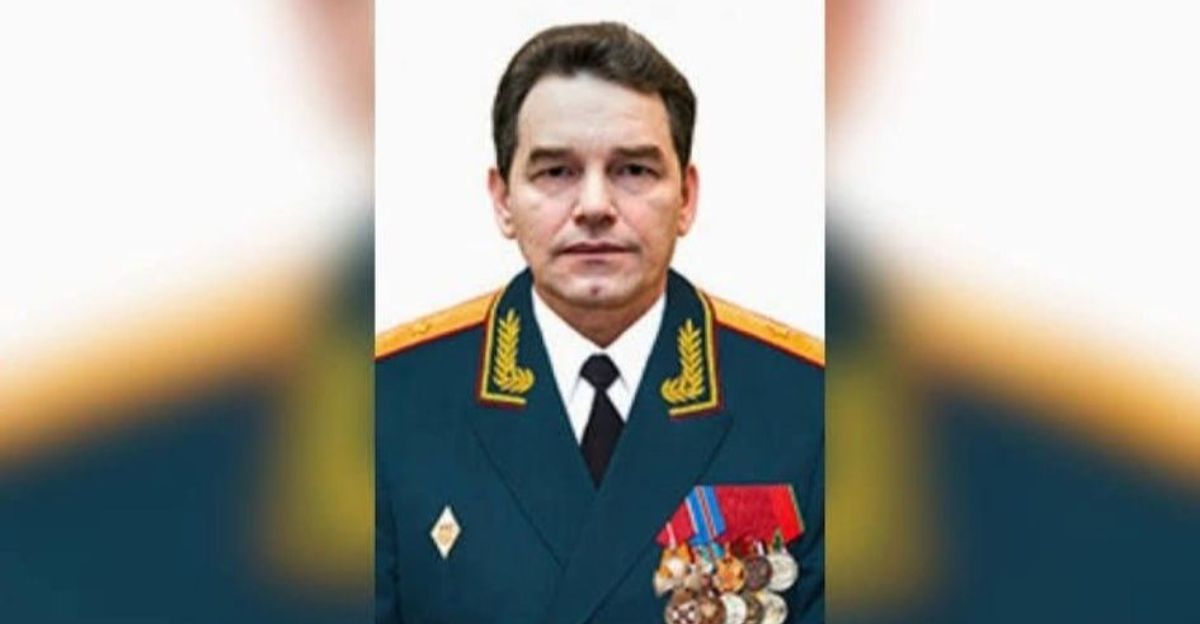
Russian authorities describe Sarvarov as head of the General Staff’s operational training directorate, effectively responsible for drilling forces in how to fight, manoeuvre, and coordinate complex operations.
ABC News and Russian statements say he led the operational training department of the General Staff, positioning him close to the core of planning and preparedness.
A “Safe” Moscow Neighborhood Shattered
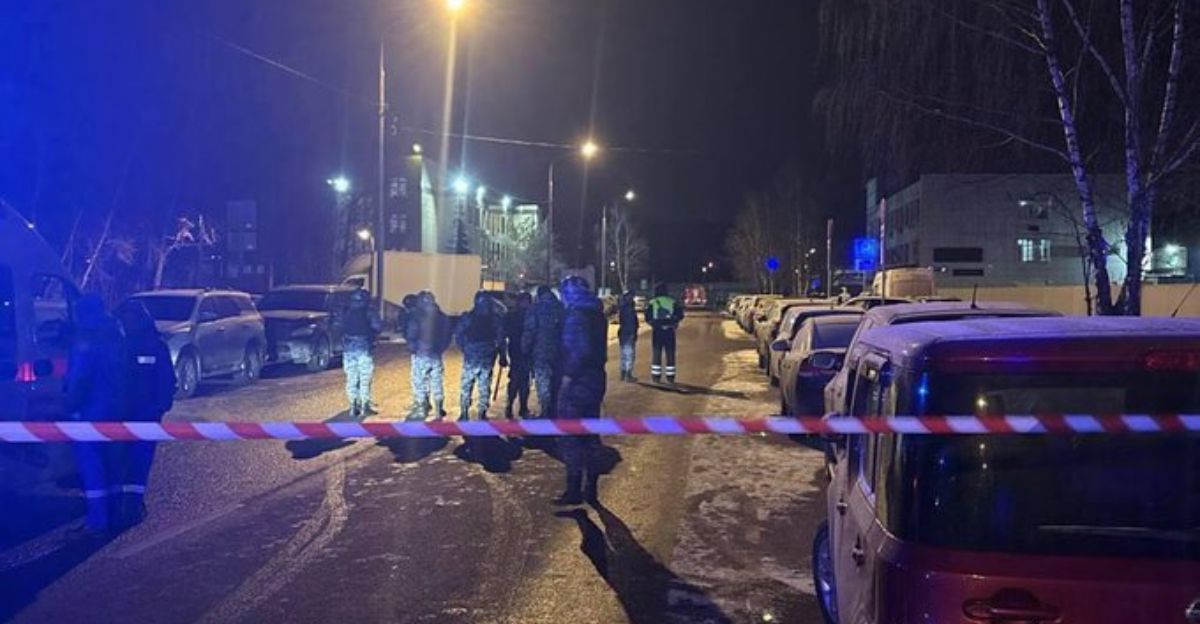
Local media and investigators say the device detonated around 7 a.m. as Sarvarov’s car moved through a residential parking area on Yaseneva Street, sending debris into nearby vehicles. Images and video from the scene showed a blackened chassis and at least seven damaged cars, reinforcing how close the blast came to ordinary commuters and families.
For residents, the sight of a senior general’s car erupting outside their blocks signalled that the war had reached everyday Moscow streets.
Kirillov Killed by Explosive
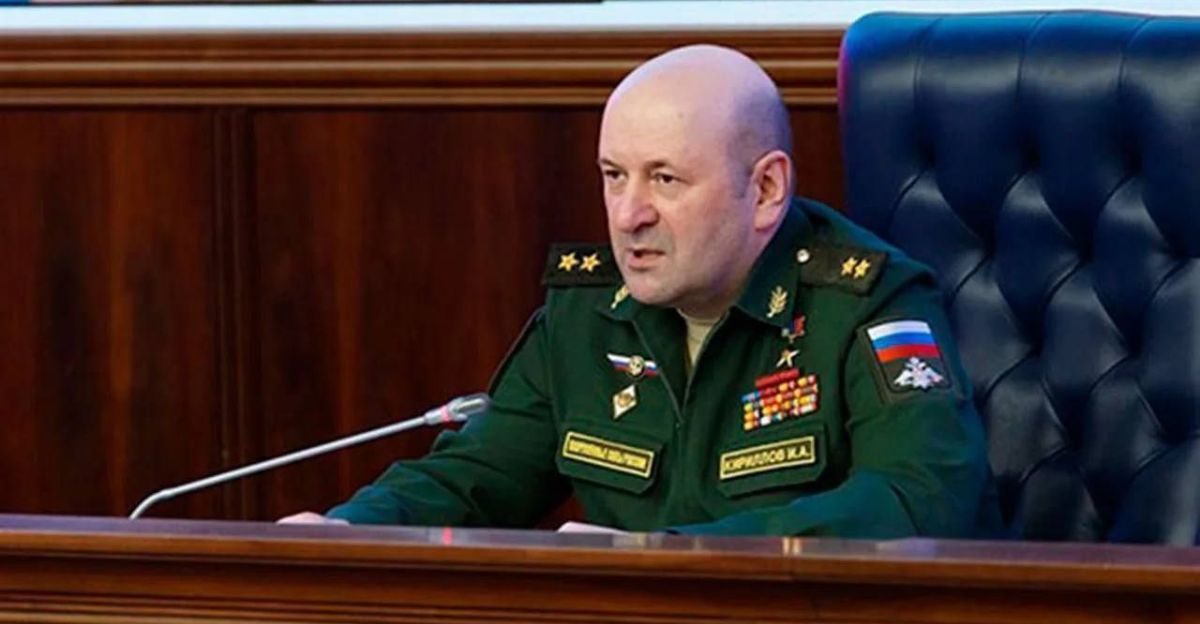
The current spree began in December 2024, when Lieutenant General Igor Kirillov, head of Russia’s Nuclear, Biological and Chemical Defence Forces, was killed by a bomb concealed in an electric scooter outside his Moscow apartment complex.
Russia’s Investigative Committee said the device detonated as he exited the residential courtyard on Ryazansky Prospekt, roughly 7 kilometres from the Kremlin.
Moskalik’s Car Erupts Near His Home
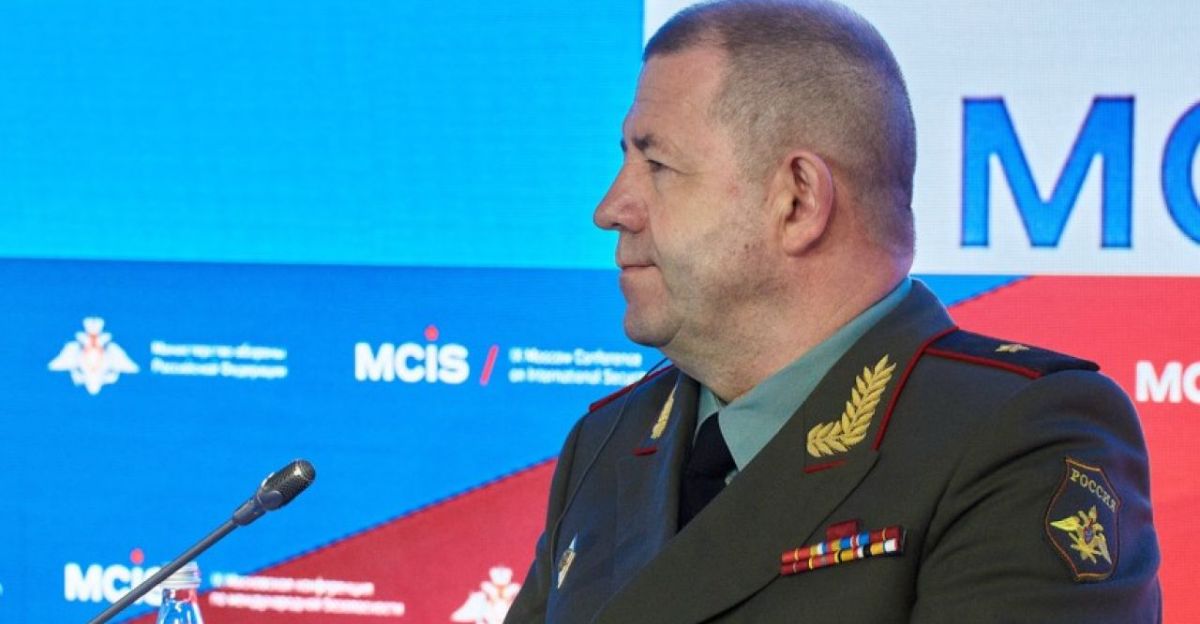
In April 2025, Lieutenant General Yaroslav Moskalik, a deputy head of the General Staff’s main operational directorate, died when a homemade explosive detonated in a parked car in Balashikha, just east of Moscow.
Russia’s Investigative Committee said the bomb had been placed in the vehicle and exploded late on a Friday morning in the courtyard of an apartment building.
Russia’s War Machine
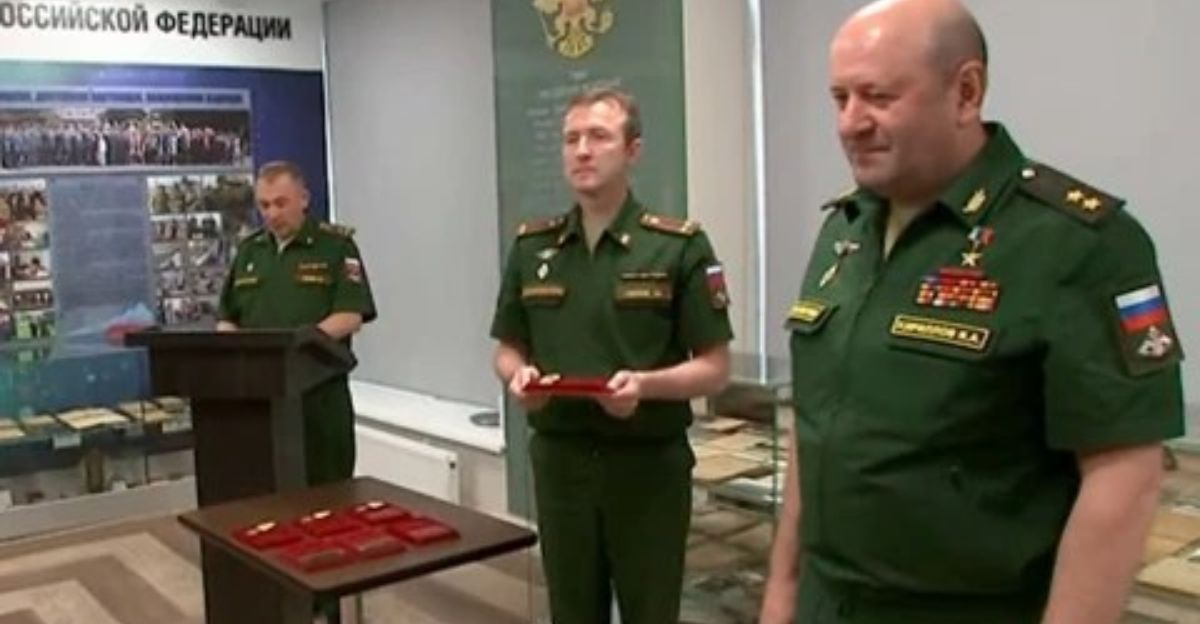
Kirillov oversaw NBC defence troops, Moskalik helped run frontline operational planning, and Sarvarov led operational training, forming a cluster of high‑value posts inside Russia’s military brain. Military analysts note that all three roles directly affect how tens of thousands of Russian personnel are equipped, protected, and deployed, rather than offering purely symbolic propaganda value.
The pattern has fuelled speculation that someone is systematically degrading specific command nodes rather than striking random elites.
Investigators Probe Possible Ukrainian Role
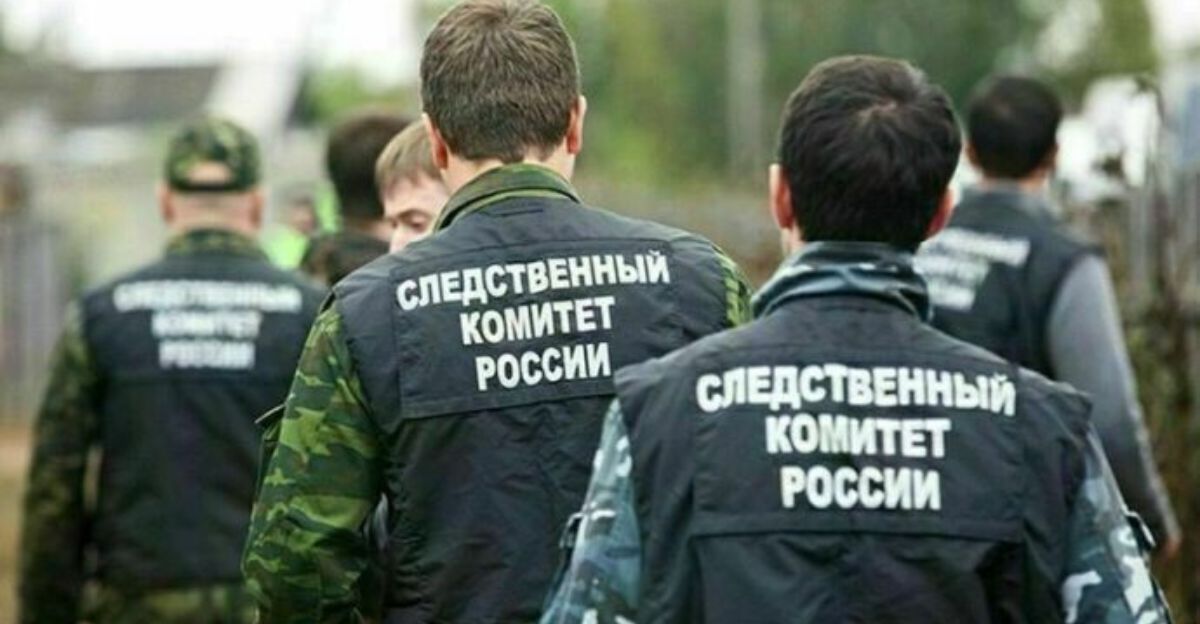
After Sarvarov’s killing, Russia’s Investigative Committee said it opened murder and illegal explosives cases and was examining a potential link to Ukrainian special services. DW News reported that investigators explicitly mentioned looking for ties to Ukrainian intelligence, though no suspects were immediately named.
Kyiv’s security service, the SBU, has openly claimed responsibility only for the 2024 Kirillov attack, while maintaining public ambiguity over later blasts.
Ukraine’s shadow campaign: claimed Kirillov hit, silence on the rest
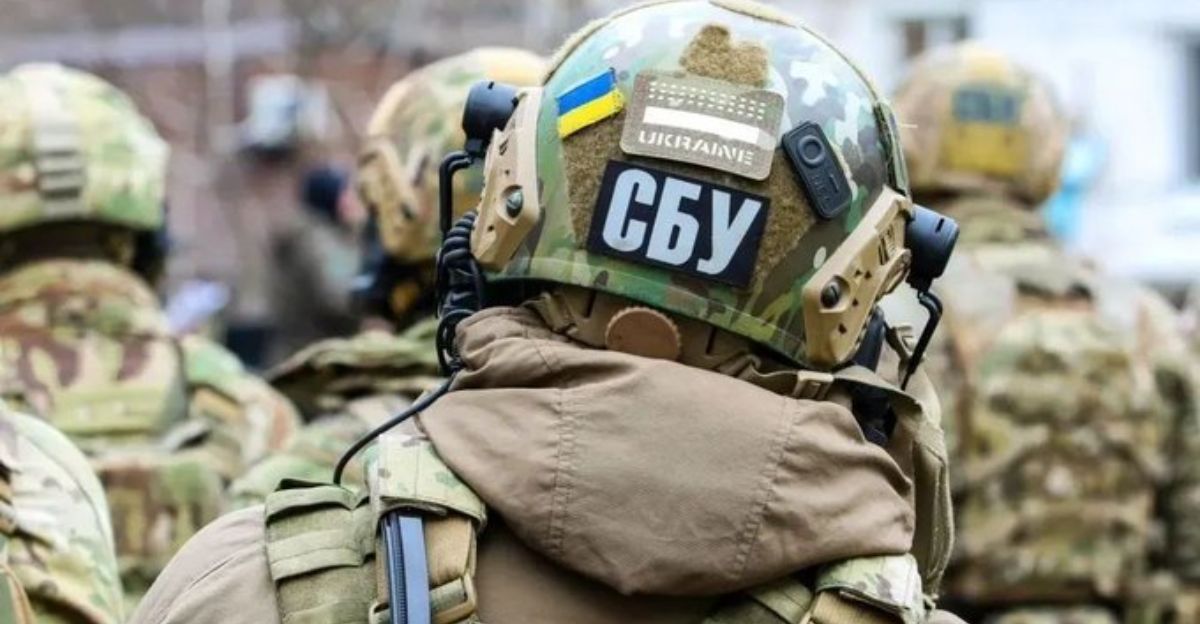
Ukraine’s SBU charged Kirillov in absentia for allegedly using banned chemical weapons, then sources close to the agency told CNN and Al Jazeera that Ukrainian operatives carried out the scooter bomb.
One Ukrainian security source described Kirillov as a “war criminal” and “valid target,” arguing that such figures should expect retribution.
Russia’s Security State Blindsided
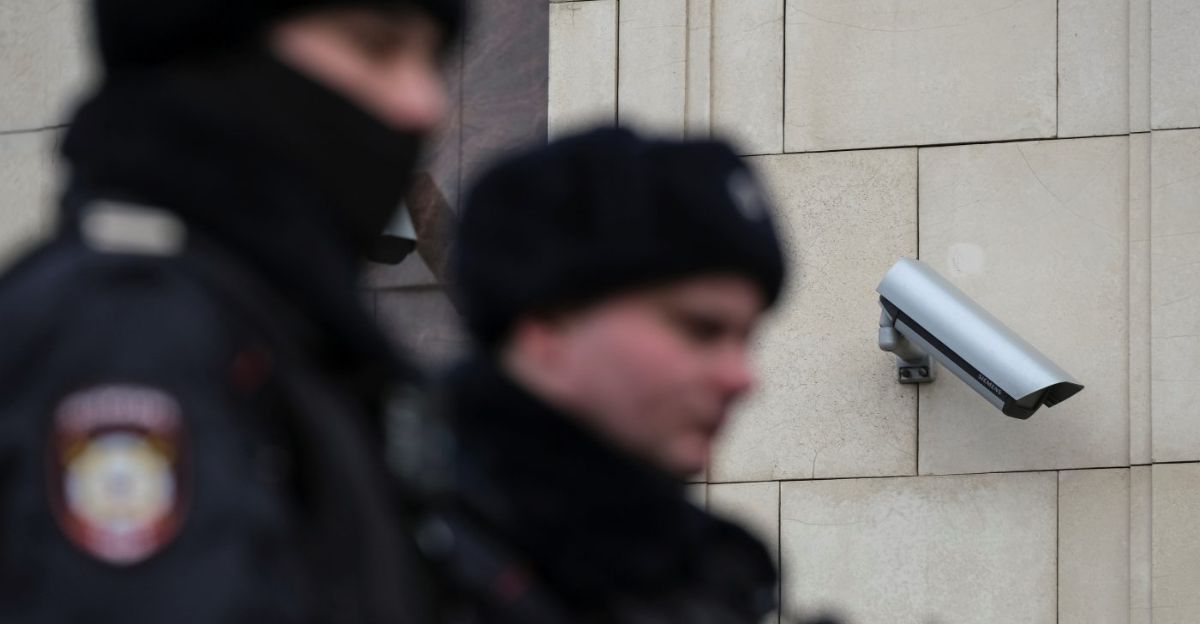
Moscow promotes its layered air defences and extensive surveillance network, yet three bombs have killed generals in commuter neighbourhoods across the capital region in a little over a year. Russian media reports and leaked investigations reviewed by outlets such as Meduza and Al Jazeera suggest devices were smuggled into everyday urban spaces—scooters, parked cars, residential courtyards—rather than through secure military zones.
The contrast is sharpening domestic questions about whether security services have failed to protect their own elite.
Sharing the Blast Radius of a Distant War
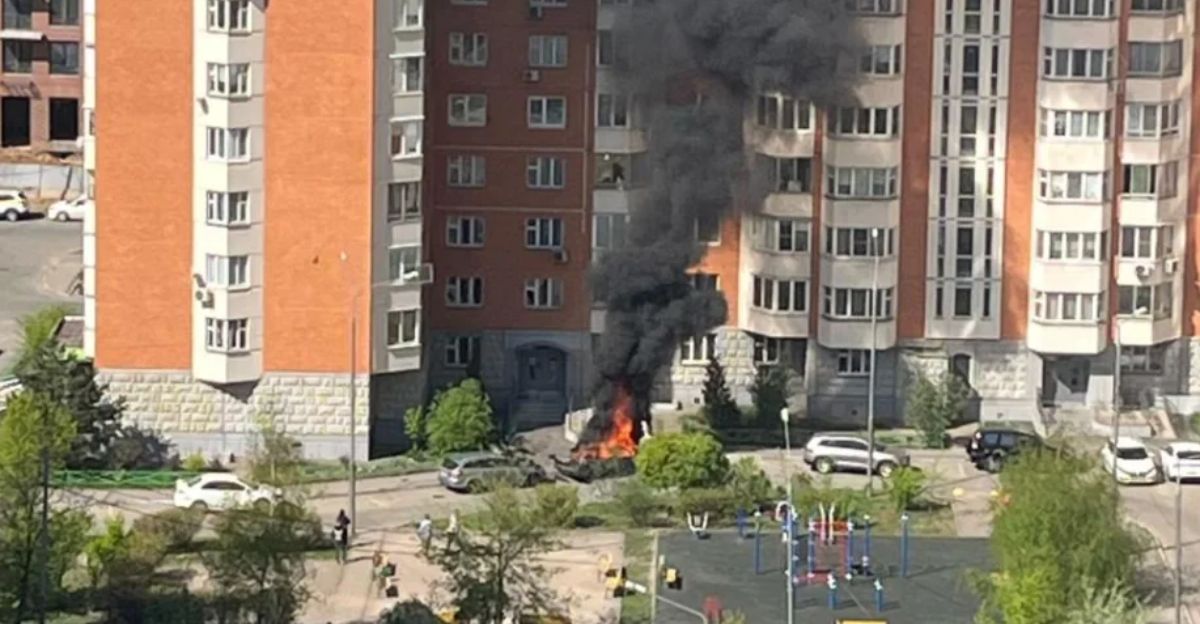
Witness footage from Balashikha and southern Moscow shows fireballs blooming beside apartment blocks and car alarms blaring in residential courtyards.
Residents interviewed by Russian and international outlets described hearing a “bang” and rushing to windows to see burning vehicles, underlining how civilians are physically close to operations aimed at senior officers.
Generals Under Pressure
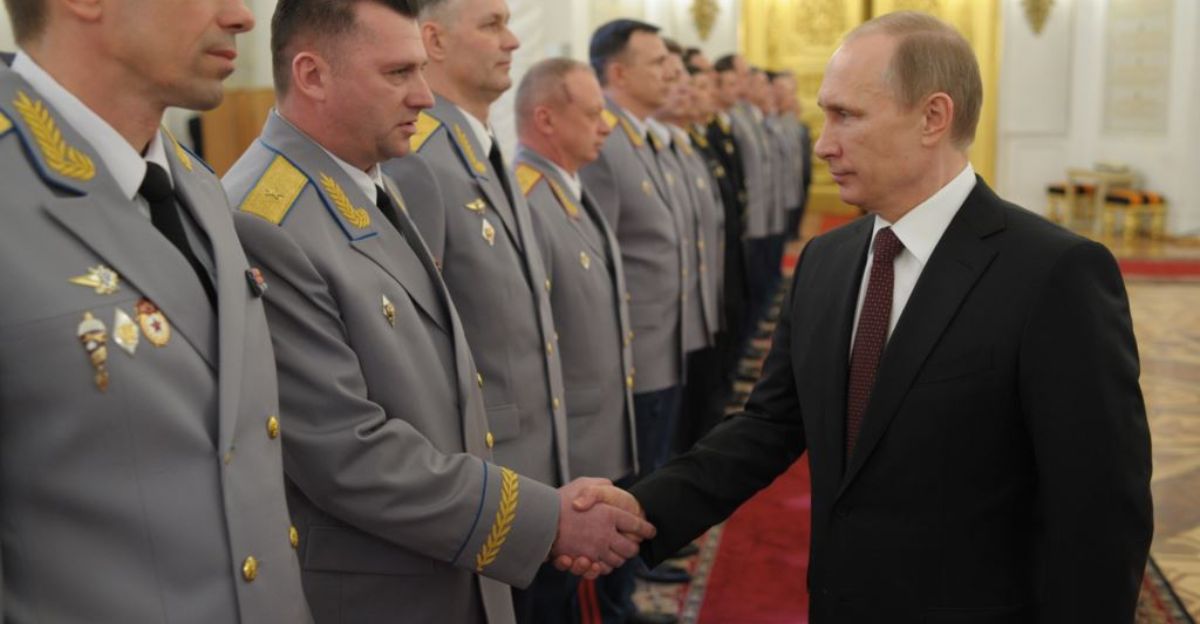
Russian officers and their families are absorbing the message that promotion into the General Staff hierarchy may carry some of the highest personal risks of the war.
Analysts quoted by Western outlets point out that three lieutenant generals have been killed well behind the front lines, challenging the expectation that senior commanders operate in safer rear‑area bubbles.
How Many People Could This Spree Really Touch?
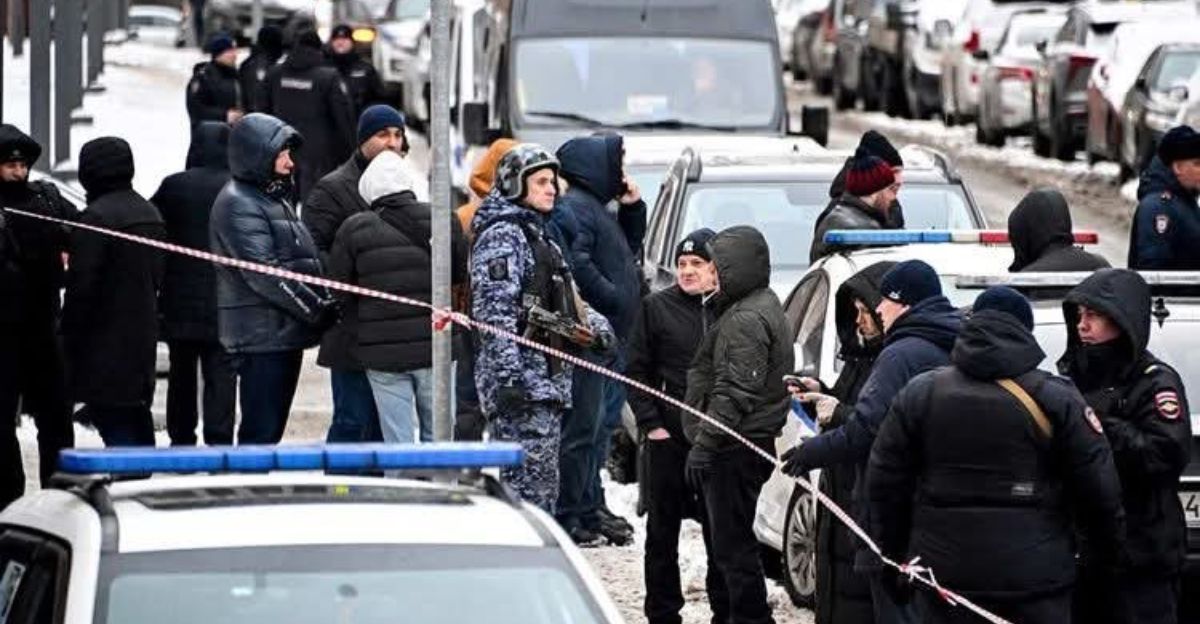
Each of the three murdered lieutenant generals oversaw structures that can encompass thousands to tens of thousands of personnel, from training pipelines to NBC defence networks and operational staff work.
Military experts say that, combined, the disruption could ripple through the careers, exercises, and deployment prospects of perhaps 30,000–100,000 service members rotation‑wide, depending on how quickly successors are installed and trusted.
Clandestine teams striking Moscow’s elite
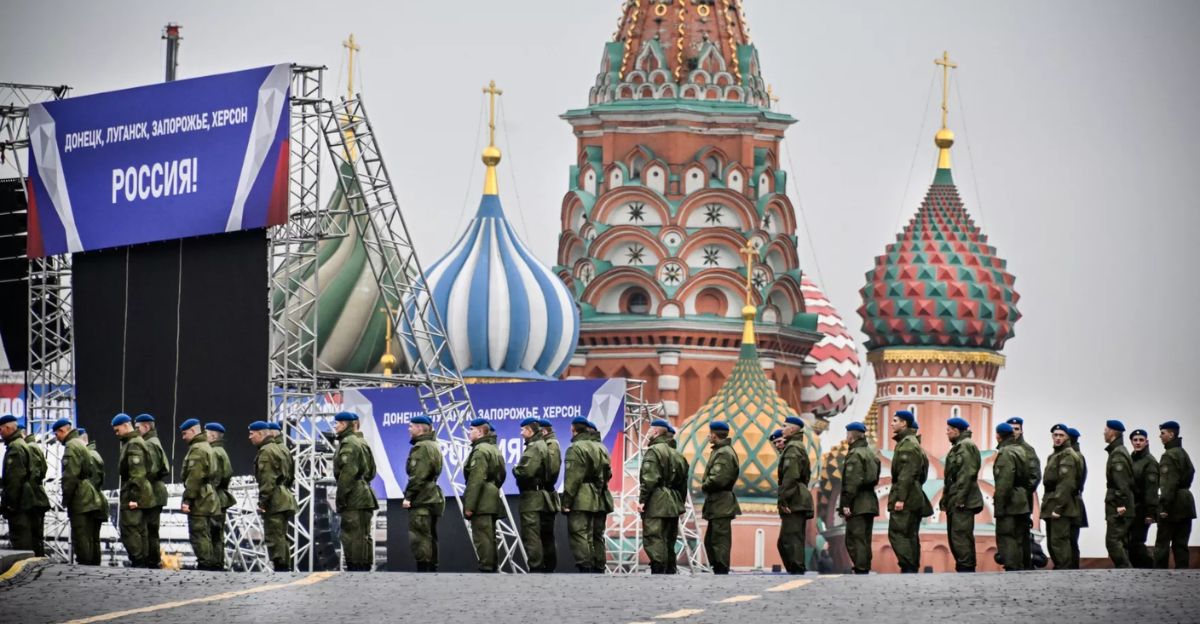
Security professionals interviewed by international media say assassination operations of this kind usually rely on compact, compartmentalised cells handling surveillance, bomb‑making, logistics, and triggering.
If each of the three Moscow‑area strikes used roughly 5–10 operatives in direct roles, that implies perhaps 15–30 highly specialised actors focused solely on targeting Russian top brass in or around the capital.
Echoes of Past Campaigns
Veteran observers note that Russia has seen car bombs and targeted killings before, particularly during the Chechen wars, but those mainly hit officials and commanders in the North Caucasus and conflict zones.
What stands out now, analysts told outlets like Meduza and Time, is a sustained series of precision attacks on generals in greater Moscow itself, rather than on provincial or field commanders.
War “Far Away” Now Detonates in Moscow’s Commuter Belt
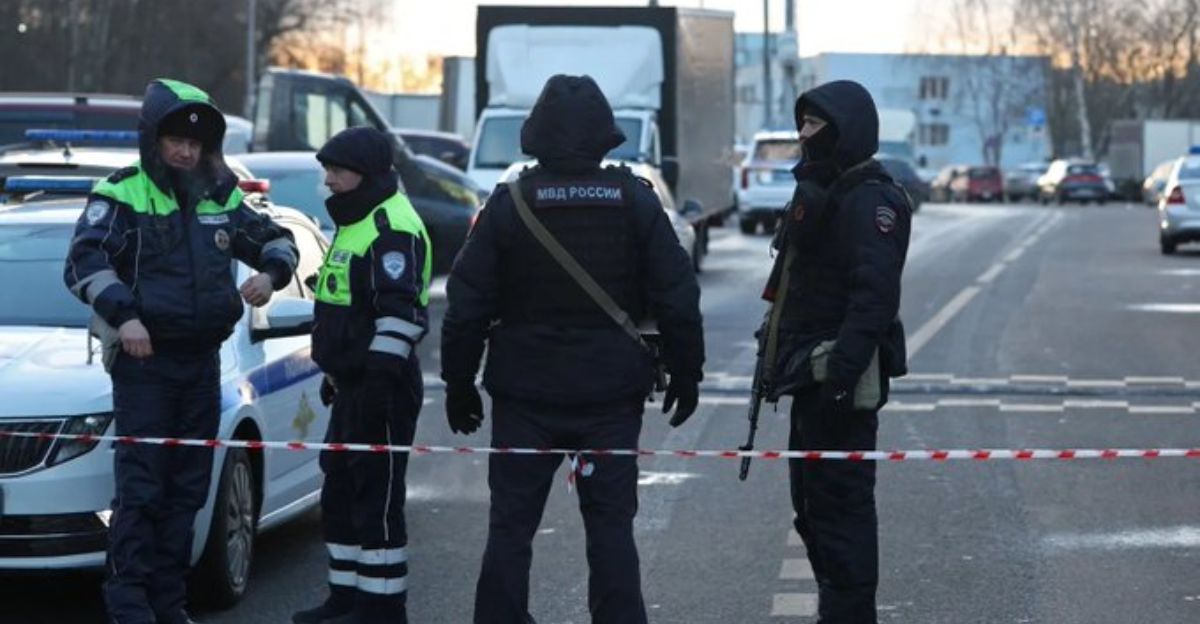
Kremlin messaging has long framed the conflict as something happening primarily on Ukrainian territory, supported by Russian strikes launched from relative safety. The scooter and car bombs that killed Kirillov, Moskalik, and Sarvarov instead show senior figures dying in the same kinds of courtyards, parking lots, and arterial roads used daily by Moscow residents.
That dissonance risks eroding the perception that the capital remains insulated from the war’s most lethal risks.
Argue Talks Are Pointless
Sarvarov’s killing came as Western diplomats floated new exploratory ideas for negotiations, even as battlefield lines remained largely frozen.
Russian commentators sympathetic to the security services have used the string of assassinations to argue that any talks with Kyiv are “pointless” while bombs are going off in or near the capital.
Each Successful Bomb Hardens Positions
Diplomats quoted in Western coverage warn that every new high‑profile attack inside Russia risks narrowing the political space for de‑escalation. If Moscow’s elite believe they are personally in the crosshairs, they may back tougher security measures and more expansive military options rather than trade‑offs at the table.
That dynamic turns each Moscow blast into both a tactical operation and a strategic message with direct implications for peace efforts.
Moscow’s Security Organs Race to Close the Gaps
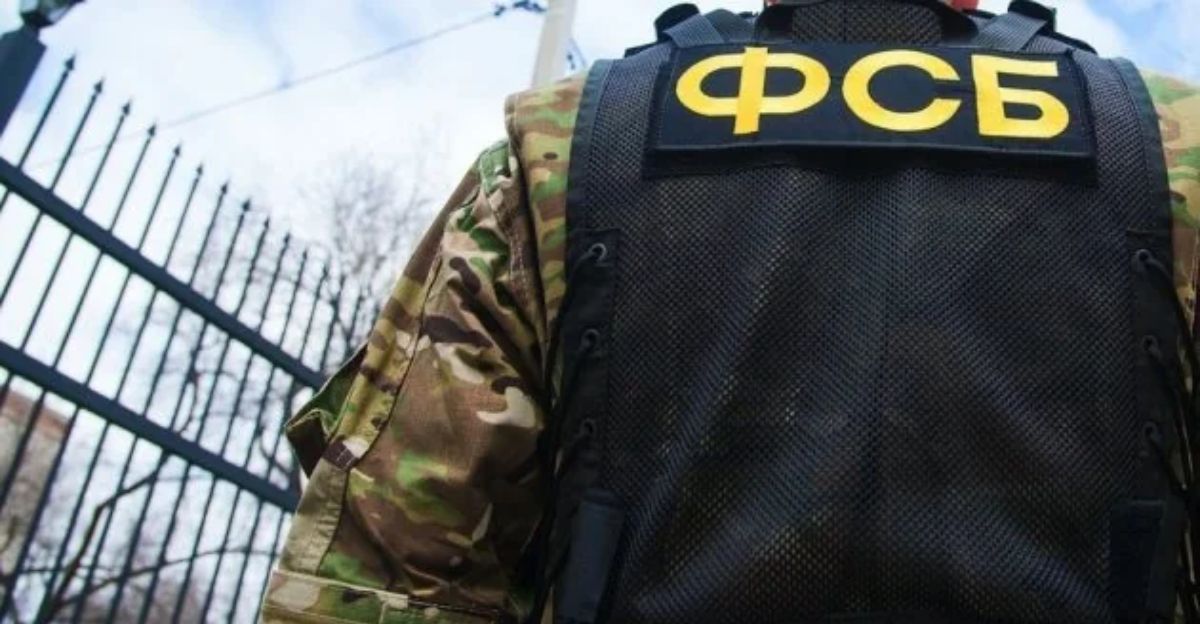
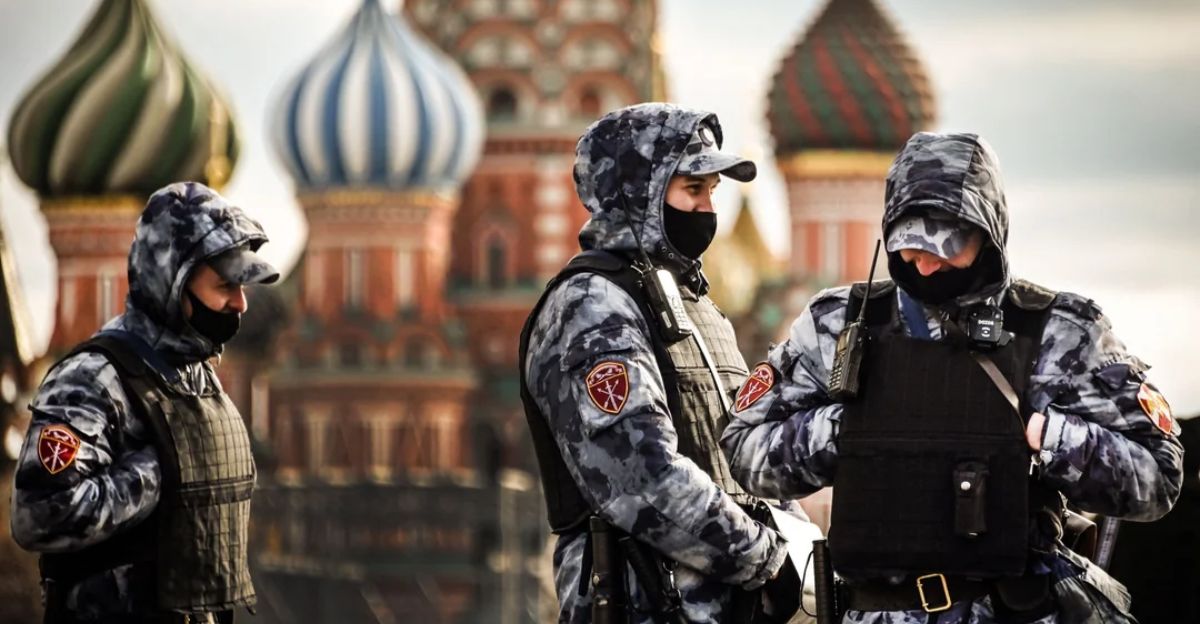
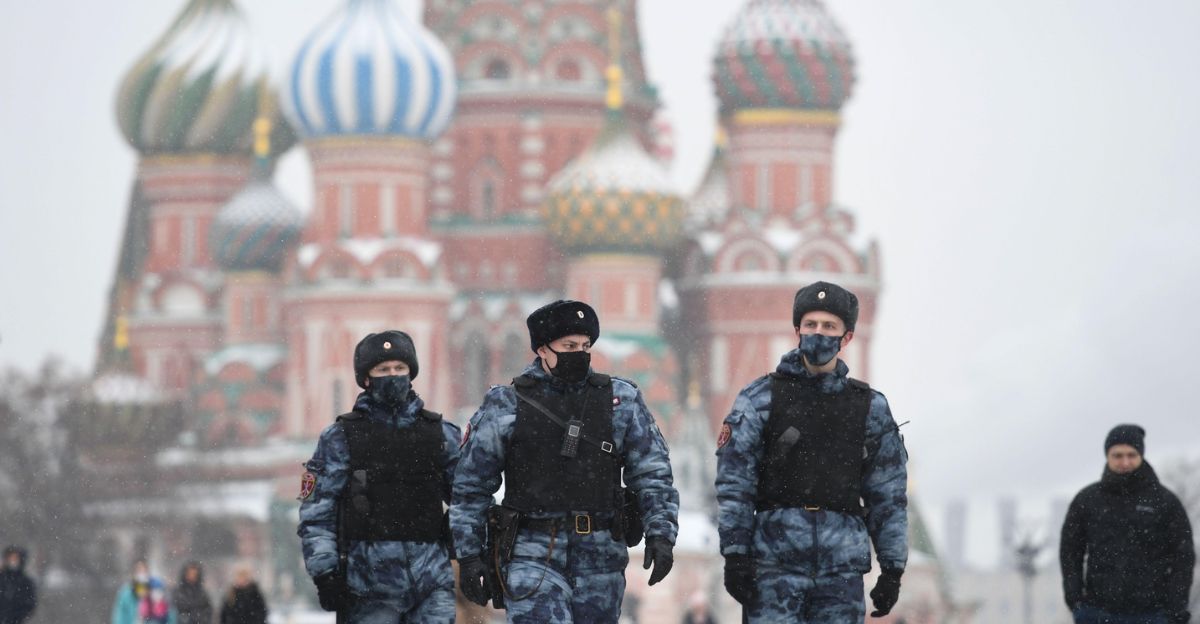
Following Sarvarov’s death, Russia’s Investigative Committee and security agencies announced intensified efforts to identify accomplices, trace explosive components, and tighten surveillance around senior officers’ homes and routes.
Russian media report that authorities are reviewing access controls to residential compounds, vehicle screening procedures, and the use of civilian infrastructure near high-ranking officials. Yet, three successful attacks suggest that the network behind them has already identified and exploited important blind spots.
A Capital No Longer Untouchable
Three senior Russian generals killed by bombs in or near Moscow in just over 12 months breaks the assumption that the capital is beyond the reach of deep‑penetration operations.
Analysts increasingly talk about a parallel measure of attrition away from the trenches: not only how many officers die at the front, but how many are lost to sophisticated assassination plots in the rear. For Russia’s leadership, that may be the most unsettling shift of all.
Sources:
BBC News, “Russian general killed by car bomb in Moscow, officials say” (22 December 2025)
Al Jazeera, “Car bomb kills Russian General Fanil Sarvarov in Moscow” (22 December 2025)
CNN, “Key Russian general killed in Moscow bomb blast claimed by Ukraine” (17 December 2024)
ABC News, “Moscow car bomb kills Russian general, investigators say” (21 December 2025)
Time, “Russian General Killed in Moscow Car Bomb Attack” (21 December 2025)
Meduza, “Top Russian general killed in latest IED attack in the Moscow region” (25 April 2025)