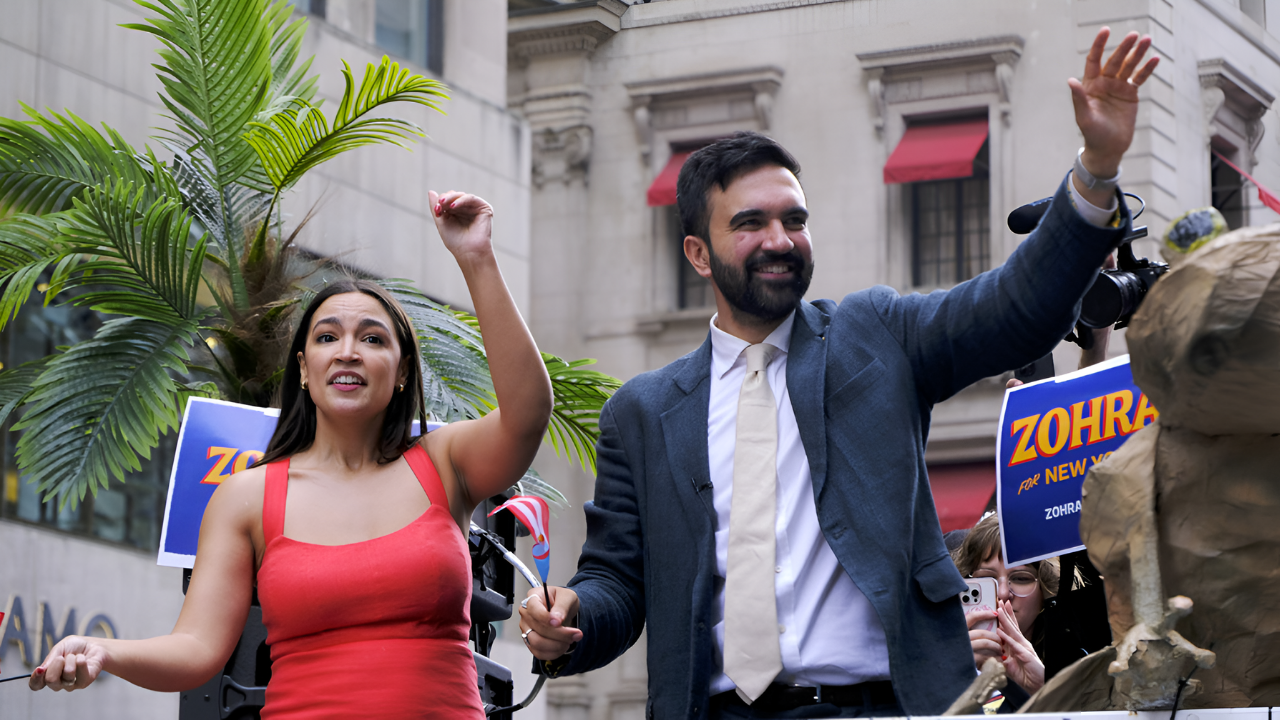
Zohran Mamdani has not yet taken office as New York City’s mayor, but his transition team choices are already reshaping the debate over crime and policing. The 34-year-old Democratic Socialist has appointed more than 400 people to 17 advisory committees, including several high-profile activists who favor cutting or even abolishing traditional police functions. Among them is a former rapper convicted of armed robbery who will now help guide policy on crime and public safety, a move that supporters frame as transformative and critics call an unprecedented gamble for a city of more than 8 million residents.
A Former Rapper Turned Prisoner, Then Activist
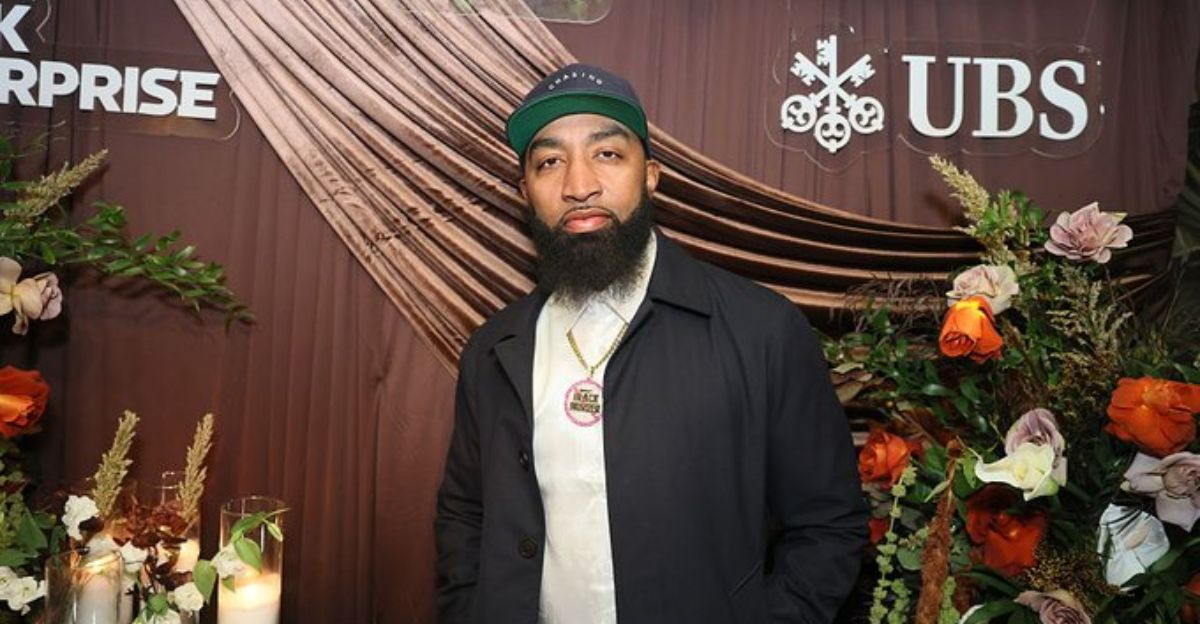
At the center of the uproar is Mysonne Linen, 49, a one-time rising hip-hop artist whose career was derailed by a pair of violent felony convictions. In the late 1990s, Linen was signed to Def Jam Records and was expected to appear on a project with major figures such as LL Cool J and Busta Rhymes. That trajectory collapsed after he was charged in two armed robberies of taxi drivers in the Bronx.
Prosecutors said that in 1997, Linen took part in the robbery of cab driver Joseph Exiri, who was struck with a beer bottle. On March 31, 1998, they said, Linen and accomplices robbed driver Francisco Monsanto at gunpoint, taking cash and a ring. Both drivers identified him in court, and in 1999, at age 23, he was convicted and faced up to 25 years in prison. Linen has consistently maintained his innocence, and his trial defense emphasized that he was already earning money as a songwriter for established artists, arguing he had no financial motive to commit the crimes.
Linen ultimately served seven years before being paroled in 2006. Since then, he has recast himself as a community organizer and advocate for criminal justice reform. He works with Until Freedom, a social justice group active in anti-violence efforts and legislative advocacy. Supporters say his experience of incarceration and reentry gives him insight into how the justice system works in practice and how gun violence affects Black and brown communities.
Now, as a member of Mamdani’s Criminal Legal System Transition Committee, Linen will advise on public safety priorities in the country’s largest city. Detractors question whether someone convicted of violent offenses against working-class New Yorkers should help design policies meant to protect them, while backers see his appointment as a test of how far the city is willing to go in recognizing rehabilitation.
Police Skeptics Take Key Seats

Linen’s role is part of a broader slate of transition choices that point to a deep skepticism of traditional policing. Mamdani has named 26 advocates to his Committee on Community Safety, many of whom have histories of organizing against what they view as overreliance on law enforcement.
One of the most prominent is Tamika Mallory, a nationally known activist who has championed efforts to redirect funding away from police departments. She has said she believes “one day we can abolish police,” a remark that has become emblematic of her stance on public safety. Her past praise of Nation of Islam leader Louis Farrakhan, whom she once called the “greatest of all time” for his work in Black neighborhoods, has also drawn criticism because of his long record of antisemitic statements. Mallory stepped down from a leadership role at the Women’s March in 2019 after sustained backlash but defended attending his events.
Mamdani has also tapped Alex Vitale, a Brooklyn College sociologist and author of the 2017 book The End of Policing. Vitale argues that many functions currently handled by police could be replaced with non-punitive, community-based responses aimed at addressing the root causes of crime rather than relying on enforcement. His work has been influential among activists who want to scale back the role of armed officers in areas ranging from mental health crises to low-level offenses.
Collectively, the appointments signal an administration-in-waiting that views current policing structures as a central part of the problem rather than the solution.
Supporters See Fulfilled Promises, Critics See Risk
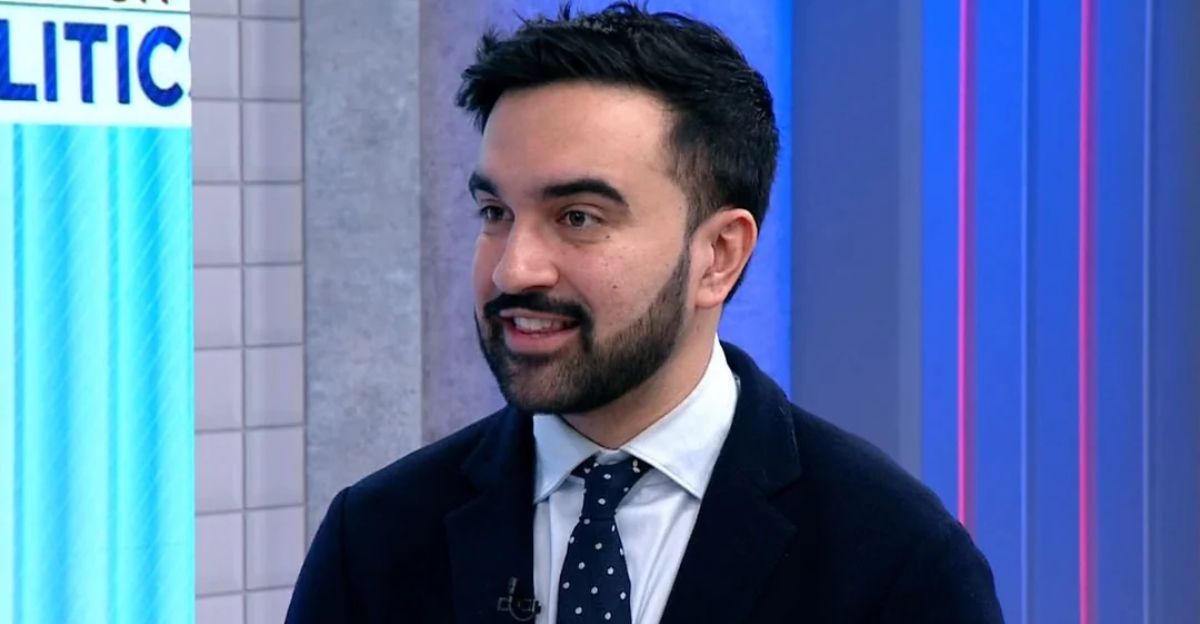
Mamdani campaigned on a platform of sweeping change, and his transition structure reflects that ambition. In addition to public safety-focused panels, he has created committees such as “Worker Justice” and “Community Organizing,” which were not standard features of past mayoral transitions. He has described his appointees as “experts” who will help his administration move quickly once in office.
Groups aligned with his vision have welcomed the approach. Until Freedom praised Linen’s selection as recognition of its “decades of work advocating on behalf of black and brown communities” and its efforts in gun violence prevention, legislative advocacy, and criminal justice reform. The organization said, “We are building something different,” a phrase that has since become a shorthand among Mamdani’s supporters for a break with previous public safety strategies.
Backers argue that people who have lived through arrest, conviction, and incarceration bring knowledge that is often missing from official circles and that decades of punitive policies have failed to deliver lasting safety. They contend that including such figures in transition planning is a necessary step toward a more equitable system.
Opposition From Law Enforcement and Public Safety Advocates
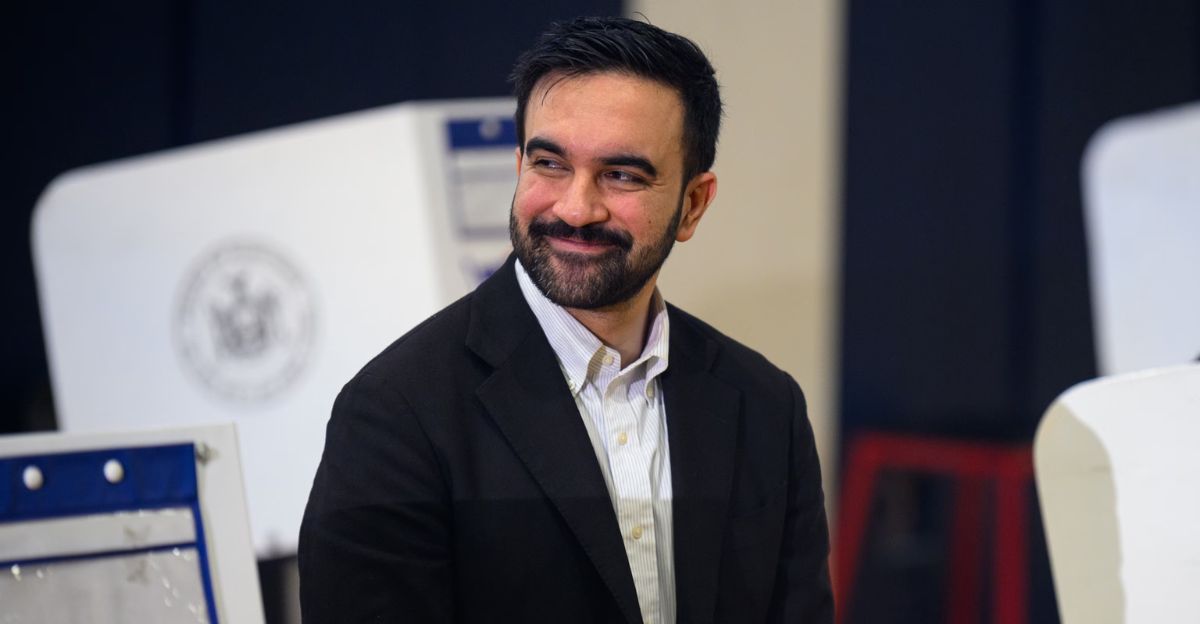
Reaction from law enforcement circles has been sharply negative. With roughly 36,000 officers, the New York Police Department could face major shifts if Mamdani’s advisers gain influence over budgeting, deployment, and the types of incidents officers are expected to handle. Some team members have argued for significantly reducing police involvement in areas such as property crime and traffic enforcement, raising concerns among critics about potential effects on public order.
The head of the city’s correction officers’ union called Linen’s presence on a public safety advisory team “a slap in the face to all law enforcement officers.” Opponents say placing individuals with violent criminal records or strong anti-police views in advisory roles elevates ideology over experience and risks undermining confidence in the city’s commitment to basic security.
Beyond questions of safety, the choices have triggered a broader argument about redemption. Supporters see Linen’s trajectory from prison to advocacy as evidence that rehabilitation is possible and that those who have paid their debts can contribute meaningfully to policy. Skeptics counter that there is a difference between rebuilding a life and being entrusted with influence over decisions that affect millions.
As the more than 400 members of Mamdani’s transition committees begin their work, New York is entering an experiment in how far a major city can go in rethinking the meaning of justice and safety. The results will shape not only his incoming administration but also the wider national debate over who should be at the table when public safety is redesigned, and what balance to strike between accountability, redemption, and risk.
Sources
Mayor-elect Zohran Mamdani Announces Transition Committee Appointments to Advance His Affordability Agenda — Mayor-elect Zohran Mamdani Transition (transition2025.com)
NYC Mayor-elect Zohran Mamdani announces transition advisory committees made up of more than 400 people — CBS News New York (CBSNews.com)
Mamdani crime adviser is ex-con rapper who served seven years in prison — Yahoo News (Yahoo.com)
Mamdani reveals why he appointed convicted armed robber to NYC transition team — Fox News (FoxNews.com)
From Rapper To Activist: Who Is Mysonne Linen? — Hip-Hop Wired (HipHopWired.com)