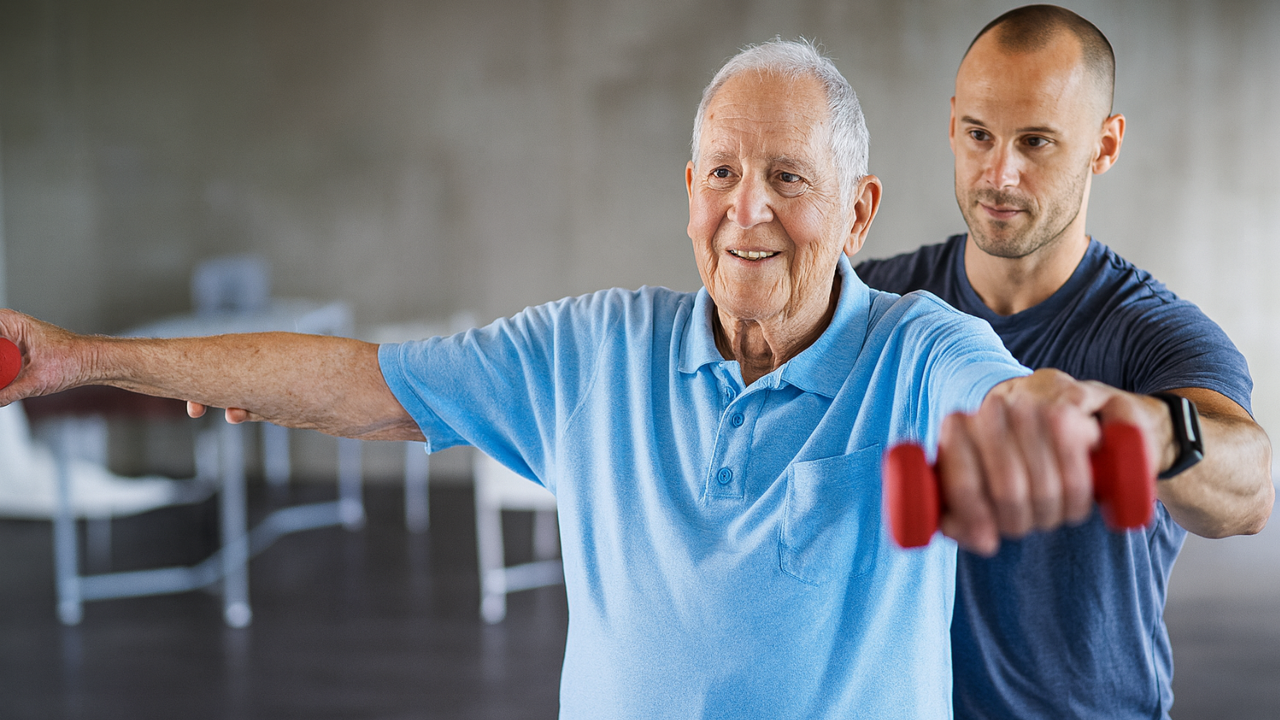
After age 50, most adults gradually lose muscle mass and strength unless they regularly challenge their muscles. Research suggests muscle mass can decline by roughly 1–2 percent per year from midlife onward, with strength falling even faster. This erosion contributes to slower walking, difficulty climbing stairs, and a higher risk of falls and fractures. Consistent resistance training is the most effective way to counter this decline, and for many people over 50, simple bodyweight exercises combat muscle loss more effectively in real life than traditional gym-based weight training because they are easier to start, safer to maintain, and more closely mimic everyday movements.
These eight bodyweight moves can be practiced daily—either as short movement breaks or as part of 2–3 structured strength sessions per week—making them a practical toolkit for preserving muscle, balance, and independence after 50.
Why Bodyweight Training Outperforms Weight Training After 50
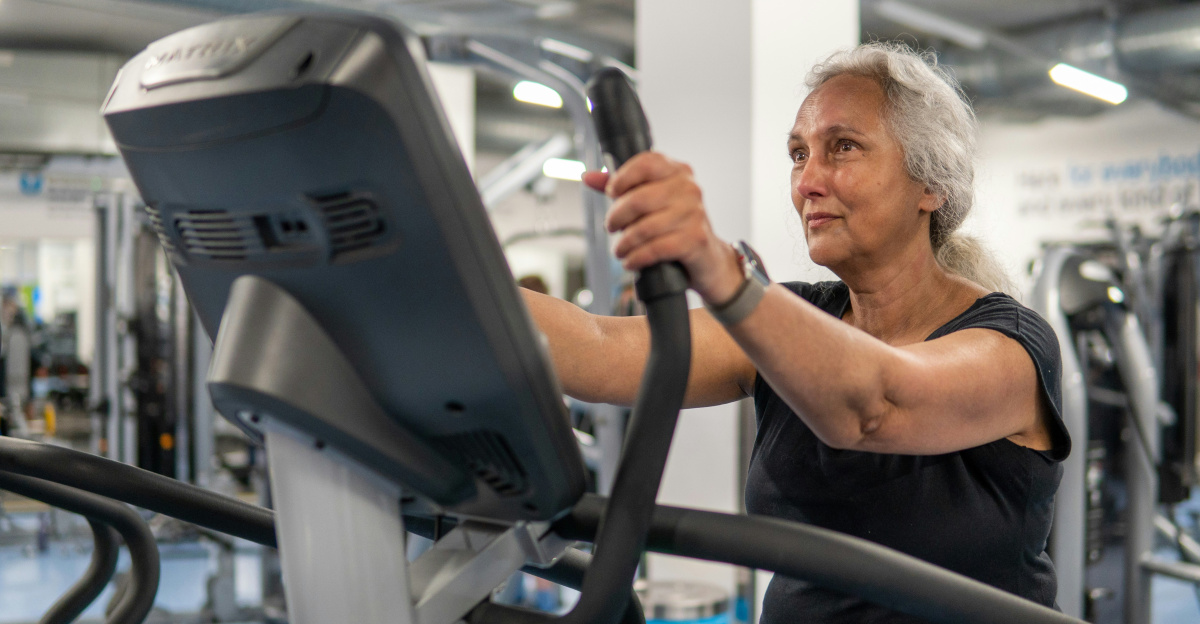
More than 120 million Americans are 50 or older, and studies suggest that roughly 10 to 40 percent meet criteria for sarcopenia—age-related muscle loss that makes everyday tasks like climbing stairs or carrying groceries progressively harder. This process often starts quietly in the 40s or 50s but becomes obvious by the 60s, when rising from a low chair or getting off the floor demands real effort.
Traditional weight training with machines or free weights is highly effective, but many older adults never adopt or stick with gym-based routines because of cost, access, time, or joint concerns. By contrast, bodyweight exercises closely mirror real-life tasks such as standing up, pushing open doors, or stepping onto curbs. They challenge stabilizing muscles that protect joints and improve balance, while requiring no equipment, making them easier to perform consistently at home.
Clinical trials comparing functional, movement-based resistance programs with traditional machine-based routines in older adults have found that functional approaches can match or outperform conventional weight training for improving physical function, balance, power, and mobility. For many older adults who dislike or avoid heavy weights, a well-designed bodyweight plan performed reliably at home will be more effective in practice than a theoretical weight-training routine they never follow through on.
Eight Essential Daily Bodyweight Exercises
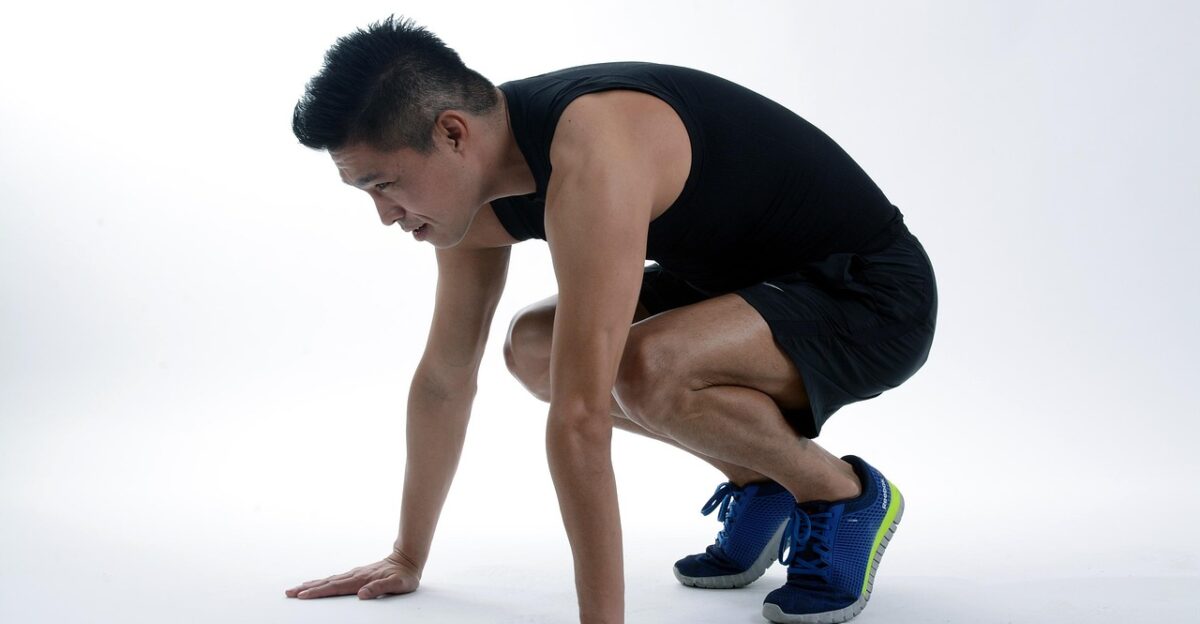
Chair squats – Repeatedly rise from and sit back to a sturdy chair, using the quadriceps, hamstrings, and glutes. This trains the exact movement needed to get up from chairs and toilets with confidence.
Incline pushups – Push from a counter, table, or wall instead of the floor. The elevated angle reduces joint strain while still providing enough resistance to stimulate muscle.
Split squats – Take a short lunge stance and lower your back knee toward the floor, using support as needed. This single-leg pattern addresses strength imbalances that increase fall risk.
Single-leg Romanian deadlifts – Standing on one leg, hinge at the hips while reaching the opposite leg back behind you, lightly holding a counter for balance. This engages the glutes and hamstrings while sharpening proprioception—the body’s sense of position in space.
Step-ups – Step onto a low stair or box and back down under control. This builds leg and hip strength in the same way you use them to climb stairs or hike hills.
Planks against a counter – Place your forearms on a countertop, walk your feet back, and hold a straight line. This activates deep core muscles that support the spine and improve posture.
Heel-toe raises – Holding a chair, repeatedly rise onto your toes and then lift your toes to rock back on your heels. This strengthens calves, shins, and ankles, turning them into better “shock absorbers.”
Back leg raises – Facing a counter, gently extend one leg straight behind you without arching your lower back. This reinforces upright posture and engages the glutes and lower back.
Perform these exercises 2–3 times per week on non-consecutive days, aiming for 1–3 sets of 8–12 controlled repetitions per exercise. On in-between days, doing a few easy chair squats or heel raises as part of your normal routine keeps muscles engaged without overtaxing your joints.
The Science and Benefits
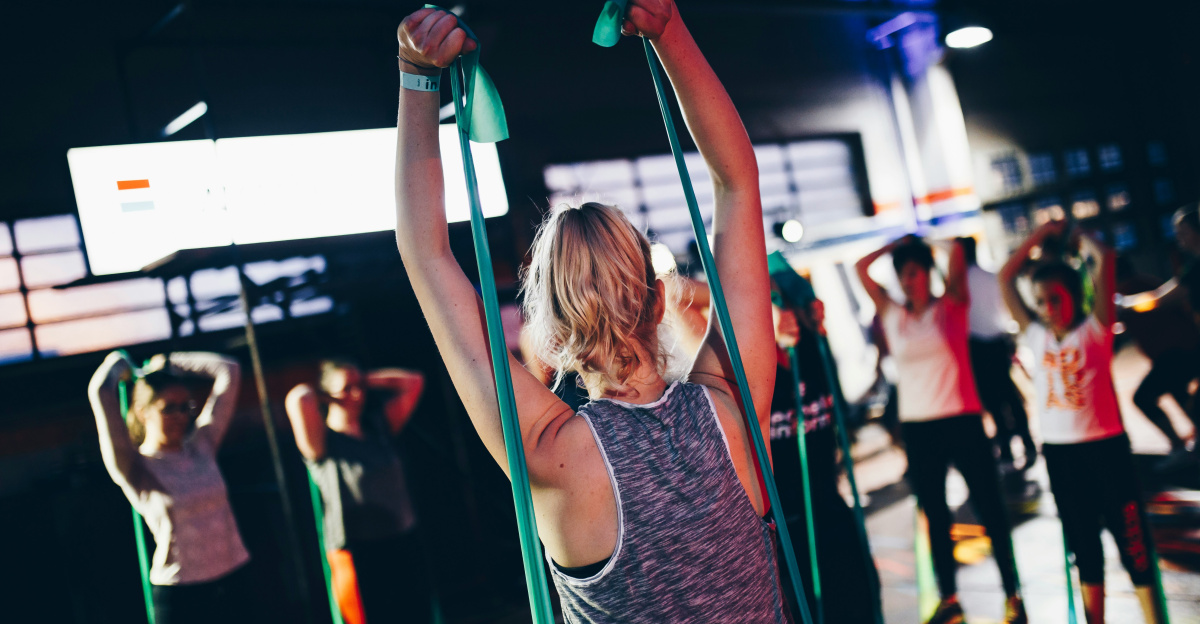
Resistance training stimulates muscle protein synthesis—the process by which the body repairs and builds muscle tissue. Training 2–3 days per week produces meaningful gains in muscle size, strength, and functional performance. Many people notice improvements within 4–6 weeks, with larger gains accumulating over several months.
These exercises also deliver whole-body benefits: weight-bearing movements strengthen bones to counter osteoporosis, especially in postmenopausal women; structured strength-and-balance programs reduce fall rates by roughly a quarter by improving lower-body power and core control; preserving muscle maintains resting metabolic rate, supporting better weight management and energy levels; and regular physical activity promotes neuroplasticity, linking to better cognitive function and lower rates of anxiety and depression.
The Real-Life Payoff

The true value appears in everyday life: tying your shoes without wobbling, stepping onto a curb without grabbing for support, reaching a high shelf, or playing with grandchildren and getting up smoothly afterward.
By treating these eight moves as daily tools—using lighter versions on off-days and more structured sets 2–3 times per week—you build the strength, balance, and coordination that preserve independence. Practiced consistently with good form and gradual progression, these simple bodyweight exercises can combat age-related muscle loss more effectively than conventional weight-room programs for many adults over 50, because they are easier to maintain and directly target movements that preserve quality of life and long-term independence.
Sources:
National Institute on Aging (NIA). “How can strength training build healthier bodies as we age?” June 29, 2022.
Cleveland Clinic. “Sarcopenia (Muscle Loss): Symptoms & Causes.” November 17, 2025.
JAMA Network Open. “Power Training vs Traditional Strength Training and Physical Function in Older Adults.” May 1, 2022.
Frontiers in Aging. “Task-specific resistance training adaptations in older adults.” April 29, 2024.
Frontiers in Public Health. “Effectiveness of exercise interventions on fall prevention.” August 2, 2023