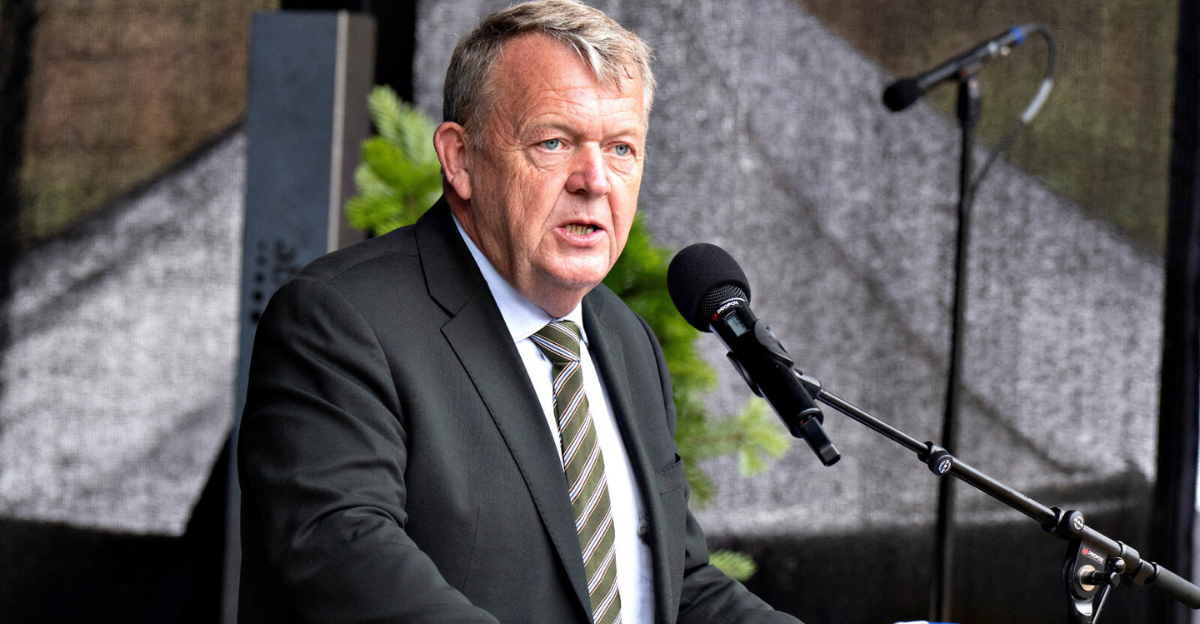
Due to intelligence reports that suggest American individuals are conducting covert influence operations in Greenland, Denmark has formally called for the top US diplomat in Copenhagen. According to reports, the purpose of these operations was to encourage Greenland’s secession in favor of joining the US and to stir up opposition to Danish rule. “Entirely unacceptable,” said Danish Foreign Minister Lars Løkke Rasmussen, who emphasized that meddling in the Kingdom of Denmark’s internal affairs goes against the principles of state cooperation.
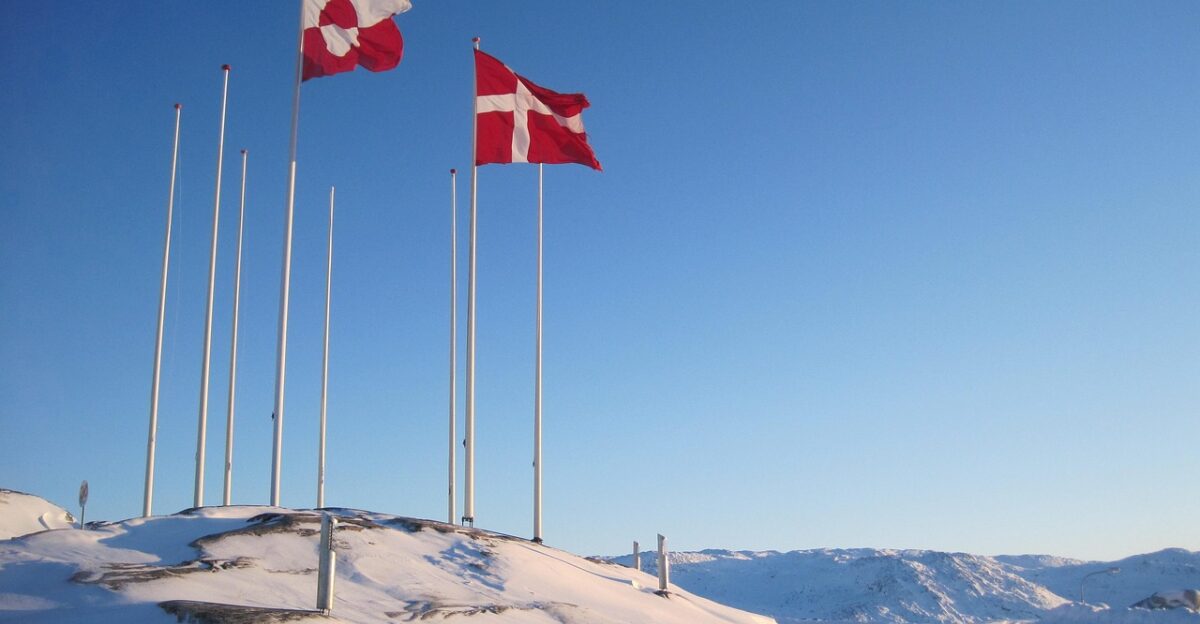
Rich in minerals and ideally situated in the Arctic, Greenland is a semi-autonomous Danish territory that has long piqued American geopolitical interest, particularly under Donald Trump. Denmark and the local government of Greenland, which place a strong emphasis on their right to self-determination, have strongly opposed the US’s interest in acquiring the territory.
The Historical Background of Greenland’s Position
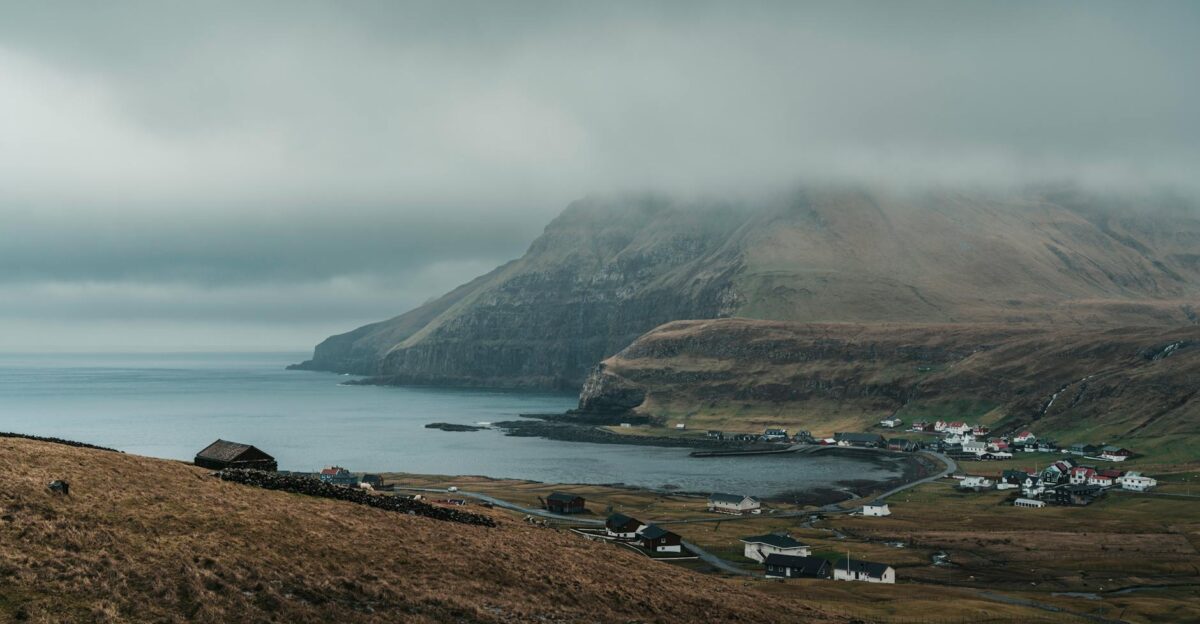
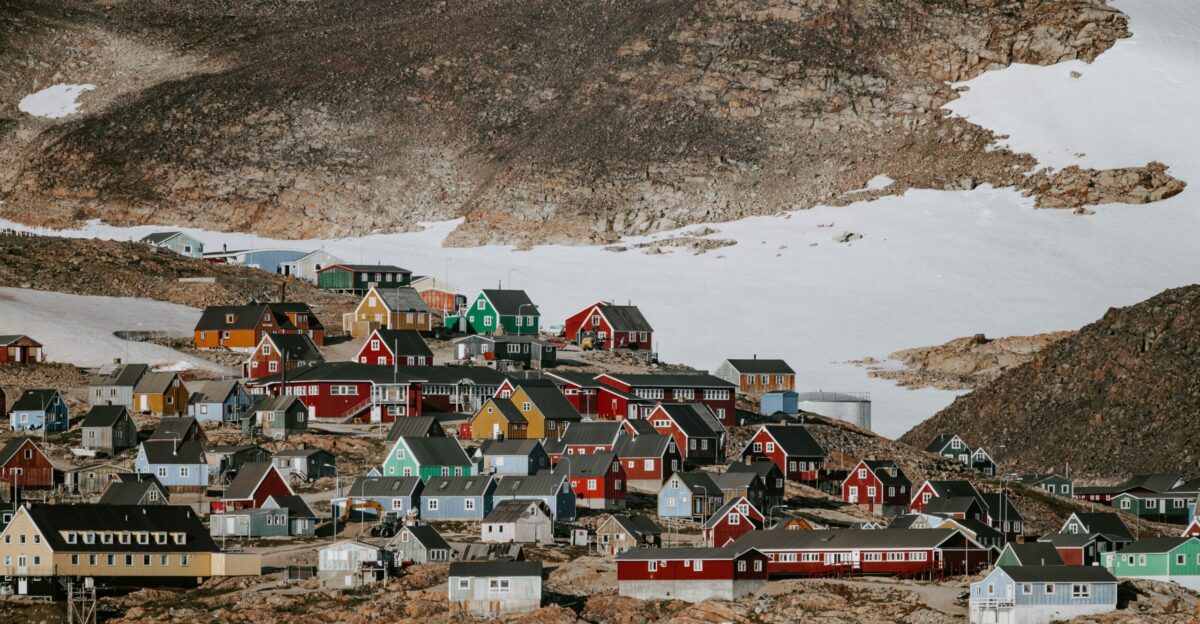
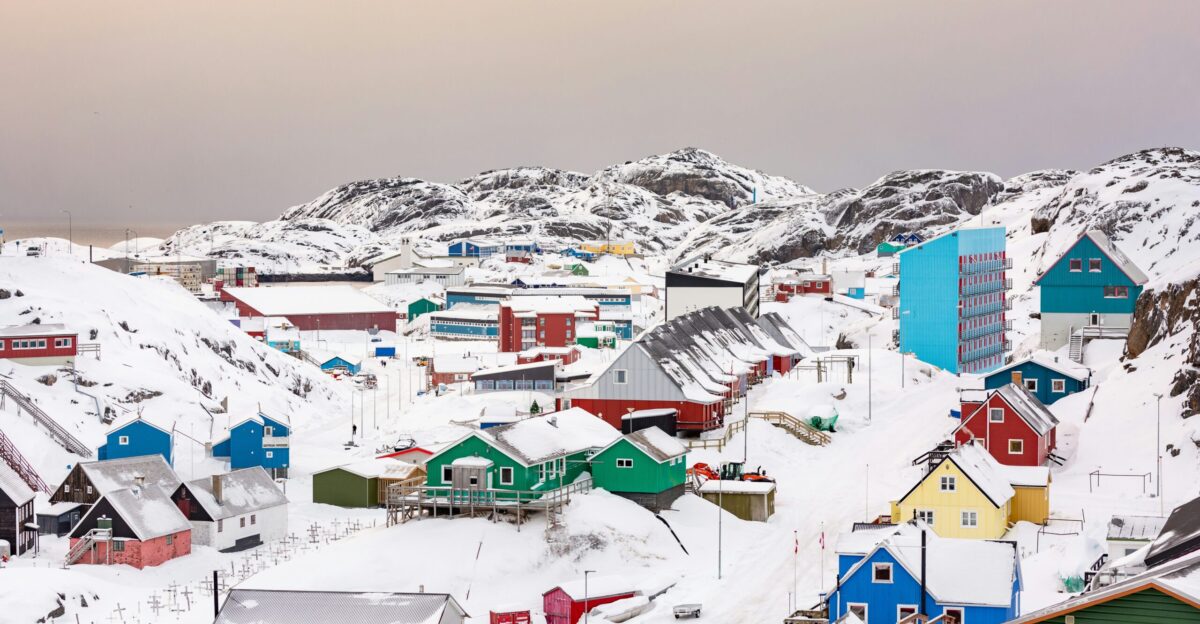
Although Greenland has been a Danish territory since the early 18th century, it was given considerable self-rule in 1979 when it was granted semi-autonomy under the Danish Realm, with Denmark maintaining control over defense and foreign policy. About 57,000 people live in the territory, who have voted for more independence but are still politically and economically connected to Denmark.
Foreign powers, including the United States, which has had a military presence in Greenland since World War II, have historically been drawn to the region by its advantageous Arctic location and abundant mineral resources. In order to set the stage for current geopolitical conflicts involving the United States, the history of Greenland’s sovereignty reveals a delicate balance between local aspirations for independence and Denmark’s role as custodian of foreign diplomacy and defense.
American Concerns for Greenland
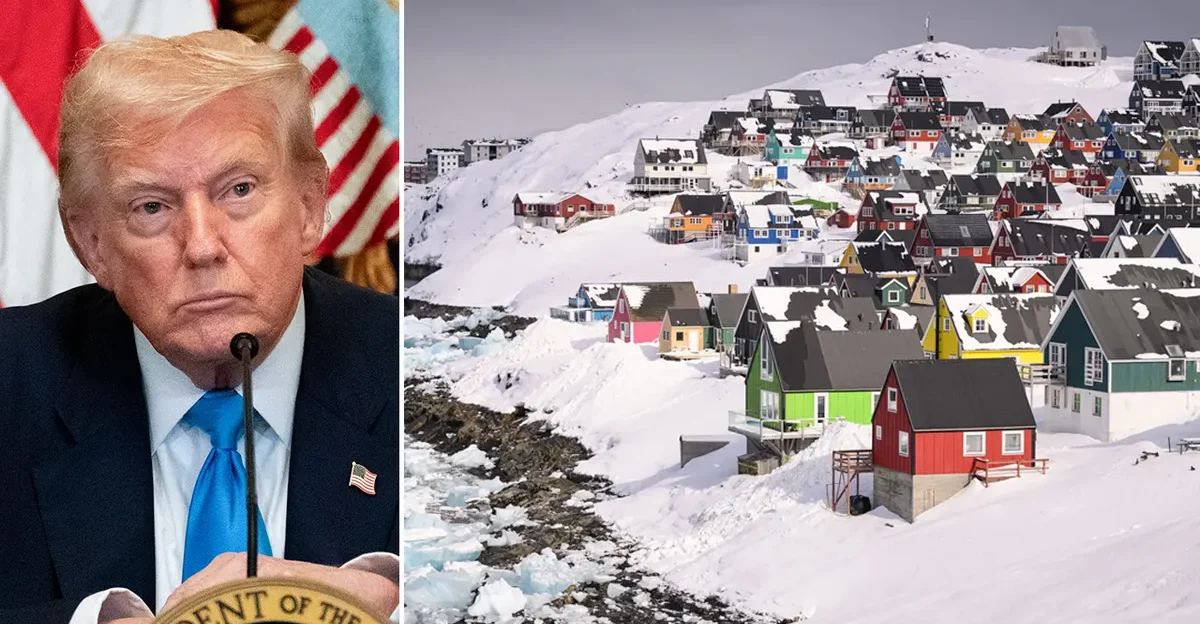
Because it is home to the country’s northernmost air base and provides control over Arctic shipping routes that are becoming more important as a result of climate change, the United States has long acknowledged Greenland’s strategic military significance. Citing resource acquisition and national security, former President Donald Trump made clear that he was interested in acquiring Greenland, even suggesting military options.
These goals are part of a larger US effort to establish Arctic dominance in the face of growing geopolitical rivalry, especially with China and Russia. Rare earth minerals and oil reserves, which are essential for upcoming green technologies and energy, are part of the economic potential. Underpinning clandestine attempts to shape Greenland’s political future, US interest goes beyond conventional defense considerations to include financial and geopolitical strategy.
The Supposed Secret Operation
At least three Americans connected to the Trump administration carried out clandestine influence operations in Greenland, according to media and Danish intelligence reports. Lists of Greenlandic proponents and opponents of American acquisition plans were compiled, and local politicians and business leaders were enlisted to challenge Denmark’s authority. The goal of these operations was to undermine Denmark’s internal governance and sow discord in Greenlandic society.
Although it is still unknown whether these actors acted on their own initiative or in accordance with formal US orders, their behavior clearly violates diplomatic standards and possibly international law. Transparent state relations are at risk due to this aggressive geopolitical maneuvering, which is reflected in this covert strategy.
The Diplomatic Reaction of Denmark
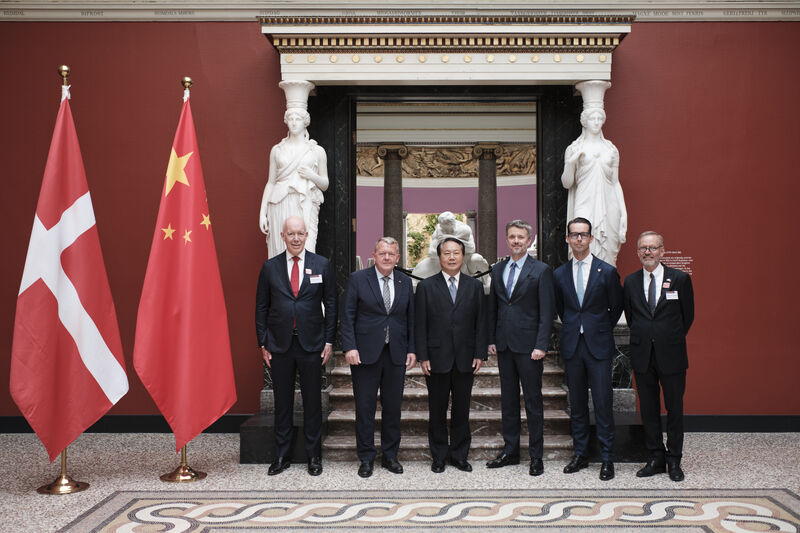
Denmark has shown strong opposition to any covert foreign meddling by calling in the US chargé d’affaires. Denmark considers such operations to be an unacceptable intrusion into the internal affairs of the Kingdom, as Foreign Minister Lars Løkke Rasmussen has made clear.
Within the Kingdom of Denmark, which includes Greenland, the Danish government emphasized the value of cooperation and mutual trust. The diplomatic action demonstrates Denmark’s resolve to defend its integrity and sovereignty from outside interference. A public reaffirmation of Denmark’s sovereignty over Greenland and a deterrent to future attempts at foreign meddling are the other goals of such a response.
The Position of Greenland and Public Attitude
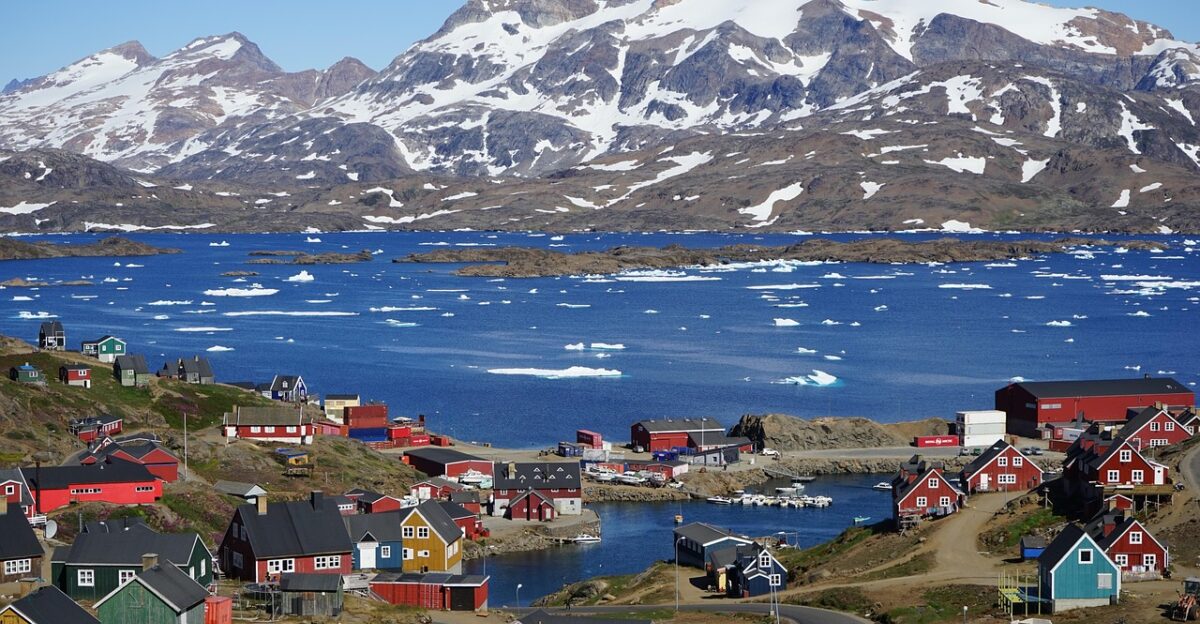
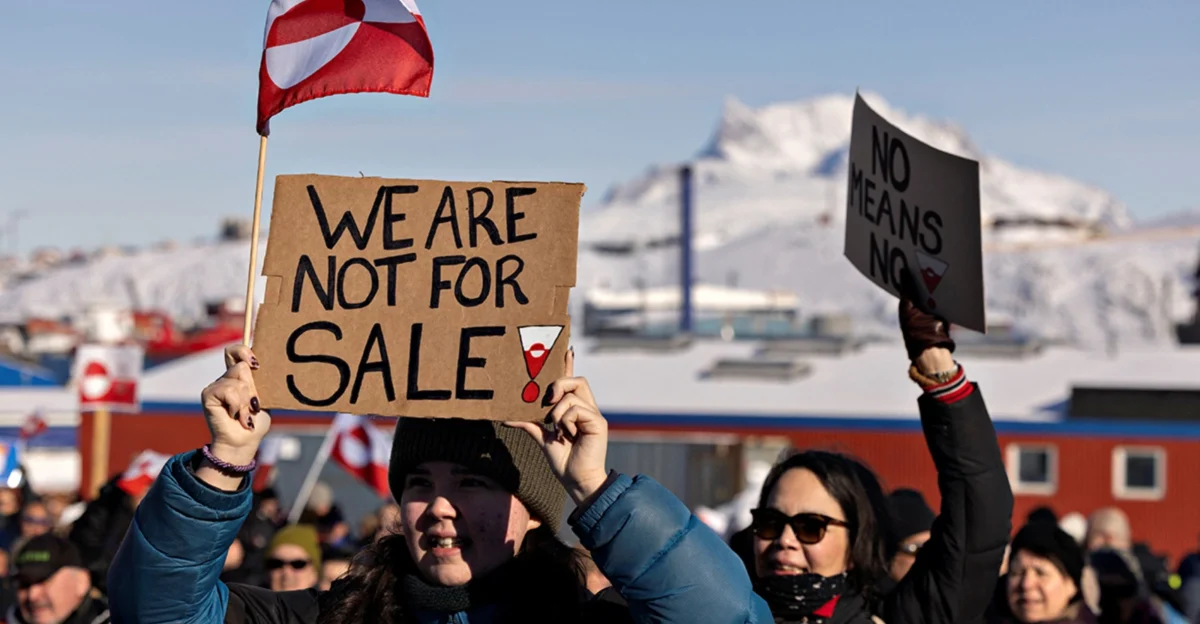
Historically, Greenlanders have demonstrated a strong sense of cultural and political identity that sets them apart from Danes; many of them advocate for greater independence without necessarily integrating with the US. According to a 2025 opinion poll, the majority of Greenlanders oppose joining the United States but want independence from Denmark.
Any foreign attempts to change Greenland’s geopolitical location without the approval of its citizens are complicated by this sentiment. Both Danish and Greenlandic authorities uphold the fundamental value of preserving Greenland’s autonomy, denouncing clandestine activities aimed at swaying local political structures and public opinion in favor of outside forces.
Arctic Geopolitical Repercussions
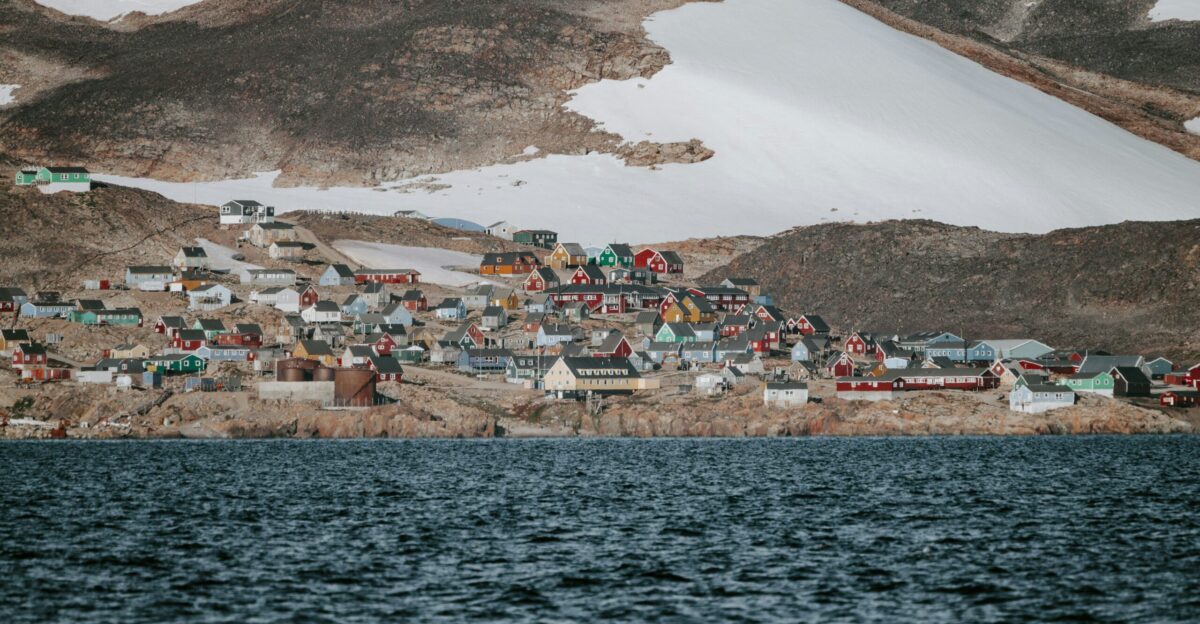
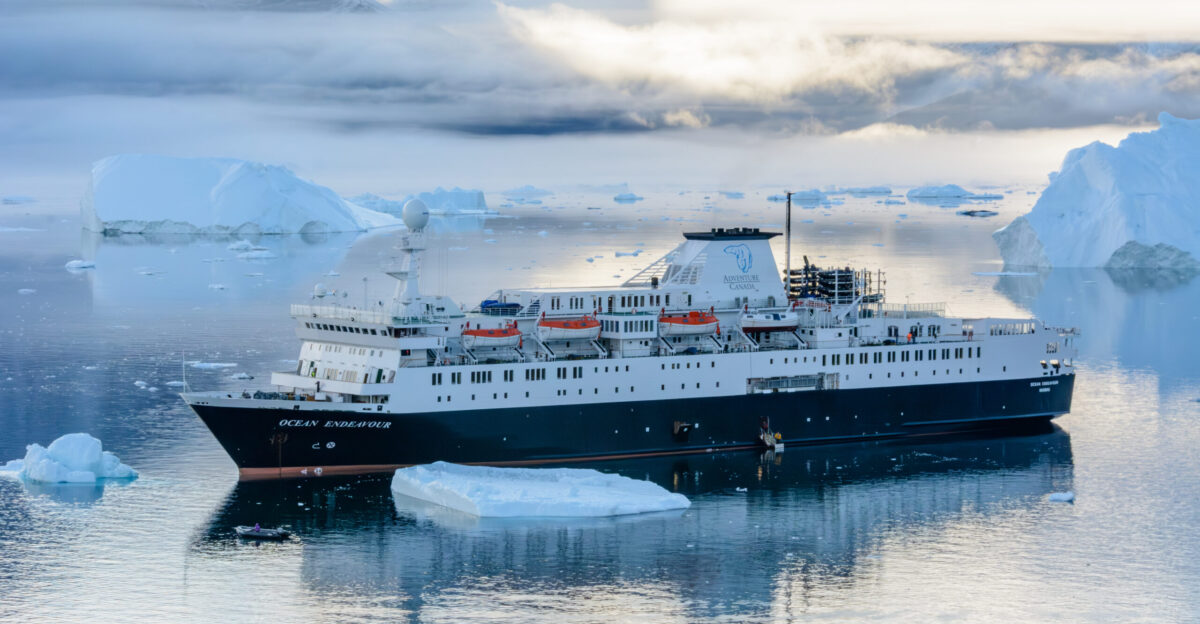
In the Arctic, where ice is melting and creating new military and economic opportunities, Greenland occupies a strategic location. Global powers have been competing more fiercely in the area, with China, Russia, and the United States fighting for control of the region’s resources, shipping routes, and military presence.
The addition of Denmark to NATO complicates bilateral ties with the United States, particularly as Greenland’s strategic significance increases. Secret US actions run the risk of threatening regional stability and Denmark’s position as an accountable Arctic stakeholder, which could lead to retaliation from other superpowers and make international cooperation in the region more difficult.
Considering the Law and Ethics

Under international law, which prohibits outside intervention in sovereign domestic affairs, the alleged clandestine influence operations carried out on Danish soil raise significant moral and legal concerns. Such actions go against the sovereignty and non-intervention principles outlined in the UN Charter.
By influencing local governments and populations, these strategies unethically threaten democratic processes and the rule of law. Denmark’s harsh criticism of the United States is in line with a larger international standard that forbids using covert intervention to redraw political or territorial allegiances.
Effect on U.S.-Denmark Relations

The incident puts a great deal of strain on the historically close alliance between the United States and Denmark. Mutual trust is threatened by these allegations of a covert operation, despite the fact that both nations share NATO membership and values. In addition to protecting sovereignty, Copenhagen’s tough diplomatic stance seeks to establish a standard against covert meddling.
Although it declined to comment on the actions of private citizens, the US State Department characterized the meeting as “productive,” illustrating the official ambiguity that impedes bilateral diplomacy. Longer-term effects on relations include a review of the frameworks for allied Arctic cooperation and intelligence sharing.
Greenland’s Psychological and Sociopolitical Impacts
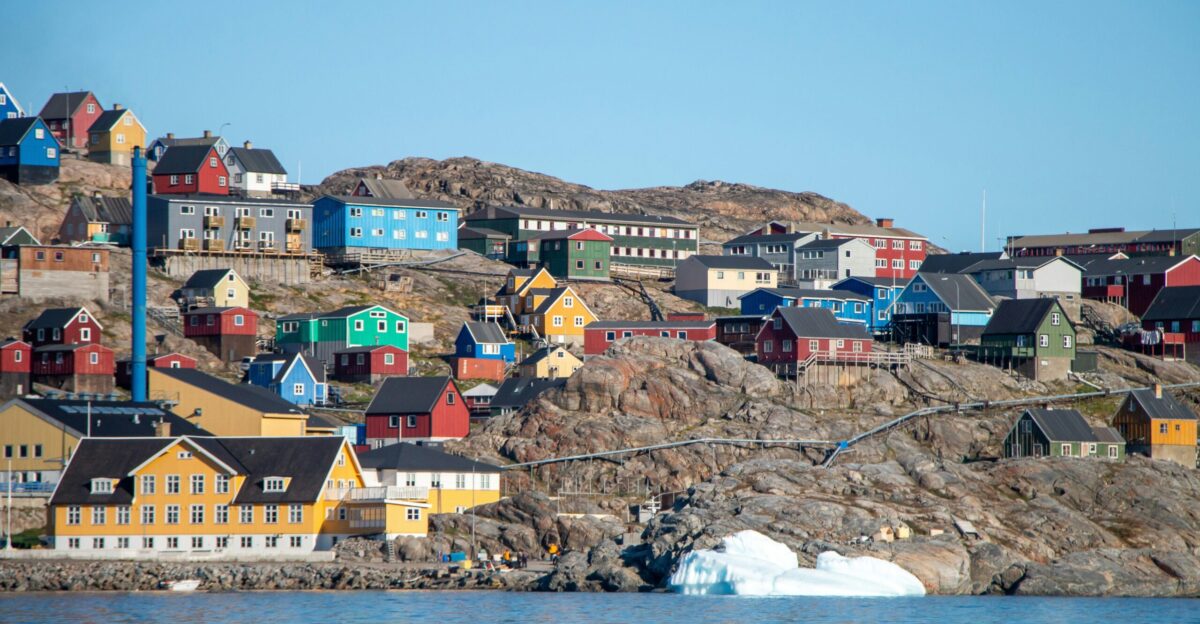
By taking advantage of preexisting feelings of independence and discontent with Danish governance, covert influence operations run the risk of causing social and political divisions within Greenlandic society. Attempts to list proponents and opponents run the risk of causing polarization and distrust.
These tactics seek to undermine the political system in order to serve outside interests. Increased awareness of these attempts at meddling has the potential to either strengthen the Greenlandic identity’s resistance to foreign manipulation or exacerbate the divisions that foreign actors have taken advantage of, thereby influencing Greenland’s future political course.
A Framework for Strategic Analysis of Influence Operations
This incident is part of a larger strategic paradigm known as “hybrid warfare,” in which powerful states employ clandestine influence to accomplish geopolitical goals without resorting to direct military conflict. This strategy avoids open conflict by using economic pressure, political subversion, and disinformation to build leverage.
Influence operations are a low-cost, debatable tool for major powers in the Arctic, where direct military conflict runs the risk of escalation. Denmark’s response, which emphasizes openness and diplomatic pressure to reveal and eliminate hidden threats, is a prime example of counter-strategy.
Comparisons to Historical Patterns

The use of covert operations to influence territorial allegiance is not new; during the Cold War, similar strategies were employed to gain influence or incite separatism in strategically significant areas such as Southeast Asia and Eastern Europe. Denmark’s reaction is consistent with past attempts to stop or reveal foreign subversion.
The Greenland case illustrates how secret American and Soviet strategies from the 20th century continue to be used in contemporary geopolitical conflicts, albeit with new media and digital components. The dangers of clandestine operations backfiring and jeopardizing larger strategic interests are highlighted by historical lessons.
Intelligence and Security of Arctic Resources
The Greenland operation shows how intelligence tactics and the natural resource security industries interact. Because of its mineral wealth, which is essential for green technology, Greenland is a desirable target for influence and economic espionage campaigns.
These days, intelligence services coexist with the energy and environmental sectors, illustrating a mashup where geopolitical power is derived from resource control. To safeguard these resources in the face of conflicting international interests, Denmark’s involvement draws on knowledge in the fields of environmental science, military strategy, and intelligence operations.
Could Greenland Gain from US Influence?
Some contend that greater US participation hastens Greenland’s separation from Denmark, which could be advantageous to Greenlanders who want more autonomy. Supporters argue that US security and infrastructure spending could give Greenland more political and economic clout.
Such possible advantages are dubious, though, because covert meddling threatens to polarize society and erode democratic legitimacy. This opposing viewpoint challenges oversimplified narratives of foreign meddling as wholly harmful and emphasizes a delicate balance between external influence and true local empowerment.
The Function of Public Perception and the Media
Covert operations were exposed thanks in large part to media coverage, especially from Danish broadcaster DR, which raised public awareness and prompted government action. Media transparency reveals hidden influence, enabling democratic societies to react.
The public’s trust in both domestic and foreign governments can be impacted by the media’s ability to magnify anxieties and misgivings. Following such disclosures, social cohesion and national security depend on controlling media narratives and guaranteeing educated public discourse.
Possible Effects at the Second and Third Orders
By raising awareness of clandestine activities and encouraging closer surveillance and intelligence cooperation within NATO, this diplomatic dispute could have an impact on future Arctic security policies. The political discourse in Greenland may change to include more calls for safeguards against outside influence.
On a global level, the case might deter overt territorial ambitions through clandestine means and encourage nations to engage in more open diplomacy. On the other hand, it might lead to more aggressive reactions from other superpowers looking to protect Arctic interests.
Speculative Future Situations
As a defense tactic, Denmark may fortify Greenland’s governance and expand autonomy, promoting stronger local institutions, if covert influence operations persist or intensify.
On the other hand, clandestine operations might create rifts that would be more vulnerable to outside influence and chaos. The United States might refocus its strategy, emphasizing official diplomatic and economic channels over clandestine ones. The event opens a complex and potentially unpredictable chapter in Arctic geopolitics.
The Psychological Approach to Secret Operations
In Greenland, covert influence takes advantage of psychological weaknesses such as identity, apprehensions about outside dominance, and political discontent. Such operations seek to undermine democratic resilience and social cohesion by escalating divisions and fostering uncertainty.
Psychological warfare techniques use selective engagement and disinformation to gently change people’s minds without resorting to direct conflict. For Denmark and Greenland to develop cognitive defenses and societal resilience, it is imperative that they comprehend this dimension.
Global Diplomacy Lessons
The Greenland case serves as an example of the continued significance of clandestine political warfare in international relations as well as the pressing necessity for alliances to create prompt and open responses. It emphasizes how important it is to navigate strategic competition while upholding sovereign rights.
Denmark’s forceful diplomatic recall of the envoy establishes a standard for dealing with betrayals of ally confidence. The incident serves as a global call to strengthen cooperative diplomacy in disputed areas and reevaluate protections against covert interference.
In Conclusion
Denmark’s critical defense of sovereignty, democratic norms, and regional stability is demonstrated by its summons of the US envoy over alleged covert operations in Greenland. The event highlights the intricate geopolitics of the Arctic, where great power rivalries, strategic locations, and natural resources all come together.
The risks of secret influence attempts eroding ally relationships are highlighted by Denmark’s calm but firm response. Safeguarding Greenland’s future, upholding international law, and guaranteeing peaceful cooperation in the increasingly disputed Arctic landscape all depend on acknowledging these issues and taking appropriate action.