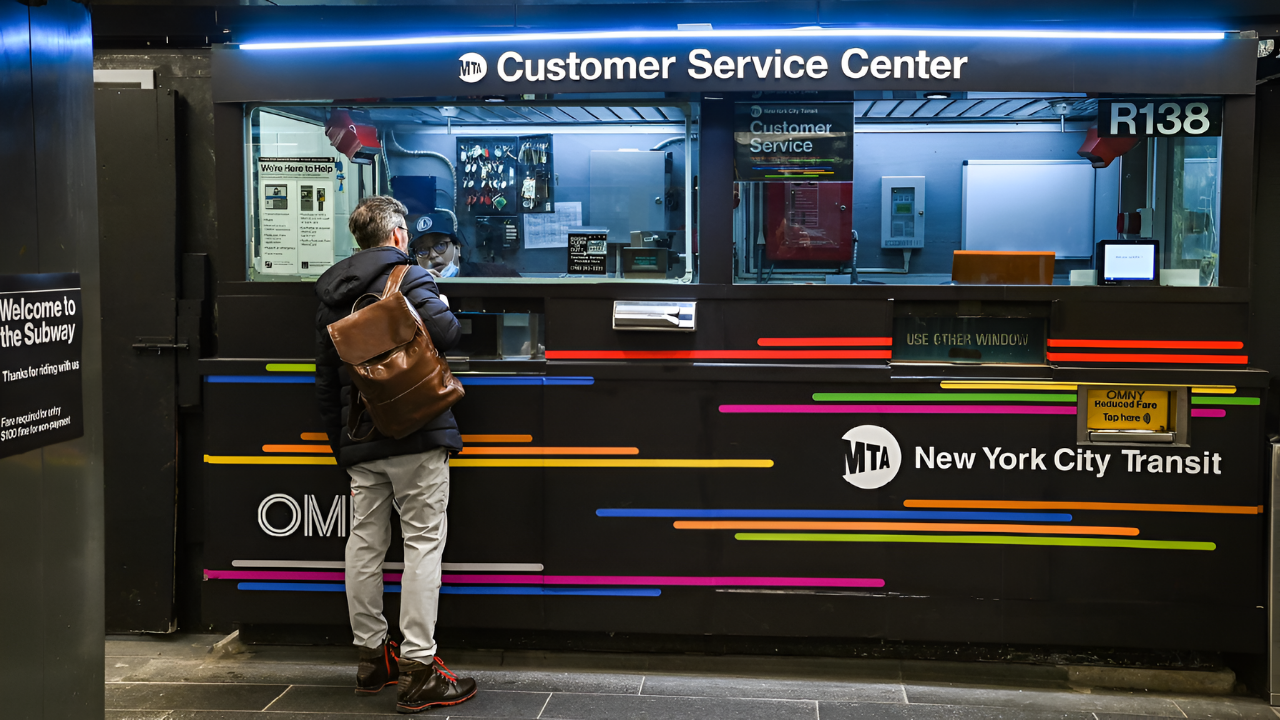
On January 4, 2026, the Metropolitan Transportation Authority will cross a symbolic threshold: the $3 base subway fare. This represents one of approximately 19 fare increases since the NYC subway opened in 1904 and the second shock in two years, following the 2023 jump from $2.75. For a commuter making round-trip journeys five days weekly, the mathematics are stark—nearly $52 in additional annual costs. The MTA Board approved the increase 11-0 on September 29, with two abstentions, signaling broad consensus that fare growth has become inevitable.
Impact Across the Five-Borough System
The fare restructuring affects 5.5 million daily riders across multiple fare categories. Express bus fares climb 25 cents to $7.25, while single-ride tickets increase by the same amount to $3.50. Reduced fares for seniors and people with disabilities rise from $1.45 to $1.50. Drivers crossing MTA bridges and tunnels face a steeper 7.5% toll increase, creating a disparity that raises questions about cross-subsidy between transit modes.
Suburban commuters absorb particularly sharp increases. Long Island Rail Road and Metro-North Railroad passengers face 4.5% hikes on monthly and weekly tickets, with certain ticket types jumping 8%. Peak CityTickets rise from $7 to $7.25, while off-peak fares increase from $5 to $5.25. A new $2 surcharge applies to tickets purchased onboard or through the TrainTime app, adding another layer of cost for suburban riders already stretched by housing expenses.
The Weekly Cap and OMNY Transition
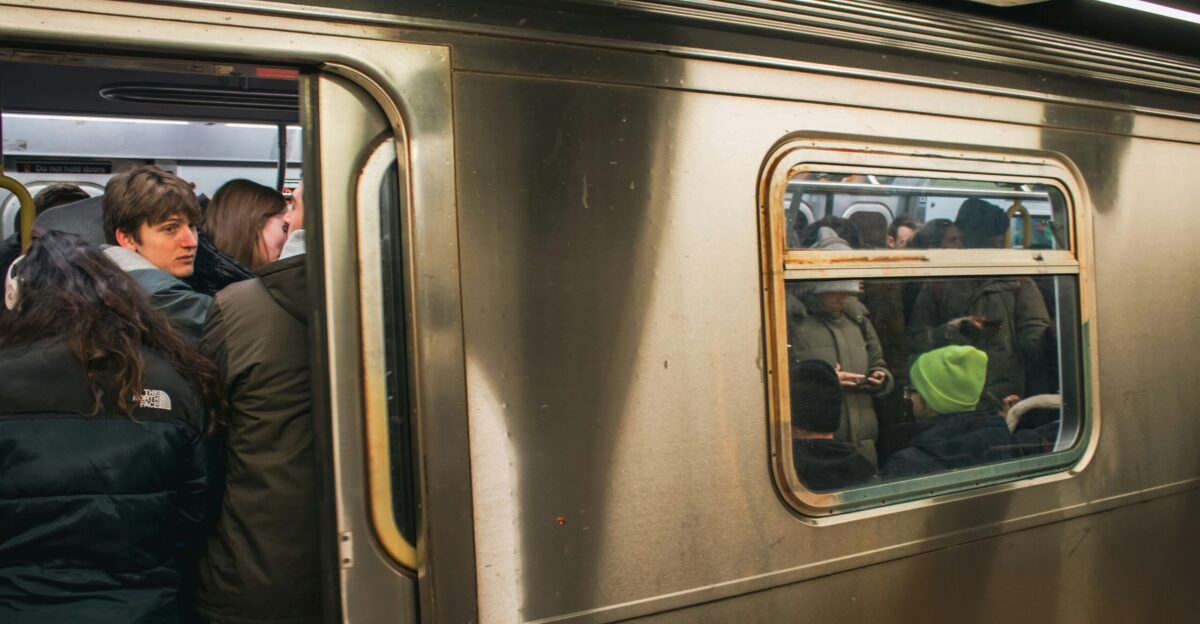
The MTA’s primary affordability mechanism is a 7-day fare cap system. Riders who tap their card 12 times within seven days receive unlimited rides for the remainder of that week at no additional charge. The weekly cap stands at $35 for subway and local bus service, $17.50 for reduced-fare riders, and $67 for express bus passengers. This design protects heavy commuters from accumulating excessive costs while rewarding frequent transit use.
December 31, 2025 marks the execution date for mandatory OMNY tap-and-pay adoption across the entire system. MetroCards will cease operation. Contactless credit cards, debit cards, and mobile wallets will work instantly at all entry points. The standalone OMNY card costs $2, up from $1. While the system offers seamless payment for tech-savvy riders, older New Yorkers without smartphones or bank accounts face friction during the transition.
Revenue Generation and Service Justification
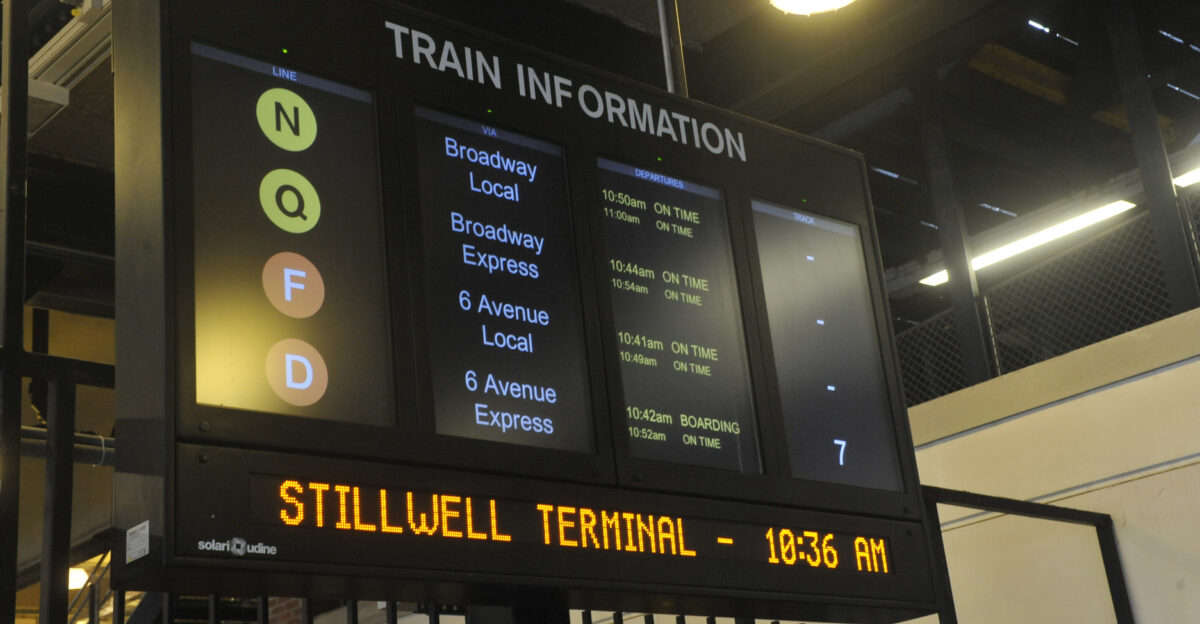
The fare and toll increases are projected to generate additional revenue in 2026 and subsequent years. The authority justifies the increases through measurable service improvements achieved in 2025. Subway on-time performance reached 83.7% in the first half of the year, the best non-pandemic result on record. Weekday delays dropped 11% compared to 2024. Service expanded on 23 bus routes, and the Queens bus network underwent comprehensive redesign. Ridership surpassed 106 million trips in June, representing a 10% year-over-year increase.
Affordability Programs and Family Benefits

The Fair Fares initiative provides half-price rides to households earning at or below the poverty line, with enrollment reaching hundreds of thousands. A new family fare policy allows children aged 5-17 to ride for $1 when traveling with a paying adult—even during peak hours—with up to four children benefiting per paying adult. This extends to LIRR and Metro-North service.
MTA Chair Janno Lieber positioned transit as “one of the few things that makes New York affordable,” noting that housing costs have risen 68% since 2012 while transit costs increased only 16%. He argued that fare increases remain below inflation rates, framing them as necessary for system stabilization.
Political Dynamics and Future Trajectory
Mayor Eric Adams publicly opposed the increase, calling it “offensive to hard-working New Yorkers” and urging board appointees to vote no. The board proceeded regardless, exposing the mayor’s structural powerlessness over MTA fiscal decisions. Governor Hochul controls six of 23 board seats, while Adams holds four.
The acceleration from a decade-long fare freeze (approximately 2013-2023) to back-to-back increases in 2023 and 2026 signals a fundamental policy shift. This represents the fastest fare-increase cadence in recent history. The MTA faces relentless pressure from aging infrastructure, labor agreements, and state funding constraints. Whether biennial hikes become permanent remains uncertain, but the trajectory suggests another increase in 2028. The coming months will reveal whether service improvements and affordability programs justify the climb or whether this marks the beginning of a cycle that erodes transit ridership among price-sensitive commuters.
Sources
Metropolitan Transportation Authority (MTA) Board Meeting Minutes, September 30, 2025
MTA Official Press Release: “2026 Fare and Toll Changes,” December 2025
MTA Chair Janno Lieber Public Statements on Fare Justification, 2025
Mayor Eric Adams Public Statement on Fare Hike Opposition, December 2025
New York Times Regional Transit Coverage, July-December 2025