
A federal courtroom in California. A judge’s order lands. And suddenly, basic personal details tied to approximately 77–79 million Medicaid enrollees are cleared for immigration enforcement use. On December 29, 2025, U.S. District Judge Vince Chhabria ruled that ICE may access core identifying information from the nation’s largest public health program.
The decision immediately narrows a long-standing privacy wall—and raises a single, urgent question: how far this data pipeline will go next.
Court Ruling Shocker

Judge Chhabria partially denied states’ efforts to block the federal government from sharing Medicaid data with ICE. His ruling allows the transfer of names, addresses, phone numbers, dates of birth, Medicaid ID numbers, and citizenship or immigration status.
However, he barred the sharing of sensitive medical and health-related records—for now. The temporary injunction that had blocked all sharing expires January 6, 2026, setting the stage for broader enforcement unless courts intervene again.
Medicaid’s Hidden Scale

Medicaid is not a niche program. As of late 2025, it insures approximately 77–79 million people, making it the largest public health insurer in the United States. Enrollees include U.S. citizens, lawful residents, and certain state-funded populations.
Federal law bars undocumented immigrants from full Medicaid benefits, allowing only emergency care. Still, this vast database—built for healthcare access—is now partially available to immigration enforcement for the first time.
Long Privacy Wall Crumbles

For more than a decade, Medicaid data was explicitly shielded from immigration enforcement. Since at least 2013, CMS and state agencies maintained a firm policy separating healthcare enrollment from deportation efforts.
That firewall began to fall in mid-2025, when the Trump administration authorized CMS to share data with ICE. The first known state data pulls targeted California, Illinois, and Washington, D.C., marking a historic reversal of long-standing norms.
States Fight Back Hard

Twenty states, led by California Attorney General Rob Bonta, sued HHS and DHS to stop the data transfers. They argued that sharing Medicaid information would deter enrollment, undermine public health, and violate expectations of privacy.
Courts initially granted temporary injunctions blocking the practice, extending protections through early January 2026. But the December 29 ruling narrowed those protections, keeping the legal fight alive and unresolved.
Judge’s Core Decision

Judge Chhabria’s ruling drew a sharp line. ICE may receive basic biographical, location, and contact information for Medicaid enrollees believed to be unlawfully present.
At the same time, the court blocked access to medical histories, diagnoses, and treatment data. The judge criticized the government for failing to clearly define safeguards beyond these basics, calling the broader policy “totally unclear” and lacking coherent decision-making.
California Feels Heat

California sits at the center of the dispute. The state is home to millions of mixed-status families and administers the nation’s largest Medicaid program, Medi-Cal.
State officials say CMS began demanding data transfers in June 2025, giving them less than an hour to comply. Advocacy groups report growing fear among immigrant communities, with clinics already seeing signs that some residents are delaying or avoiding care.
Families in Crosshairs

Advocates warn that mixed-status households face the greatest risk. These families often include U.S. citizen children enrolled in Medicaid alongside undocumented parents.
While the policy targets individuals deemed unlawfully present, critics argue that shared addresses, phone numbers, and household links could expose entire families. “The safety net just became a surveillance net,” one group said, as fears grow that millions may withdraw from healthcare programs.
Regulatory Ripples Spread

The ruling validated federal agencies’ authority to share limited data but questioned how the policy was rolled out. CMS formally signed its data-sharing agreement with ICE in July 2025—after transfers had already begun in June.
Other states, including Oregon, secured temporary bans that remain under review. Meanwhile, broader HHS data-sharing practices are facing increased scrutiny as multiple lawsuits move forward.
Macro Enrollment Trends

Medicaid enrollment declined slightly from pandemic highs but still covers nearly one in four Americans. Research shows that emergency Medicaid spending for undocumented immigrants accounts for less than 1% of total program costs.
Despite this, federal officials frame the policy as a fraud-prevention effort. Critics counter that the numbers do not support claims of widespread abuse and that enforcement risks outweigh any fiscal savings.
Banking Data Bombshell

Court filings and FOIA disclosures revealed that the CMS-ICE agreement originally contemplated sharing far more than basic identifiers. Draft language referenced banking information, including routing numbers and account types, to help locate individuals.
Judge Chhabria sharply narrowed what can be shared, but the disclosures alarmed privacy experts. With data flows resuming January 6, concerns persist about how the agreement might expand.
States Voice Fury

Plaintiff states say the federal government violated the trust of Medicaid enrollees. Attorneys argue that people signed up believing their information would be used solely to administer healthcare—not for immigration enforcement.
States accuse CMS and DHS of bypassing notice-and-comment procedures and ignoring downstream harms. The dispute has widened tensions between state governments and federal agencies overseeing healthcare and immigration policy.
Leadership Drives Change
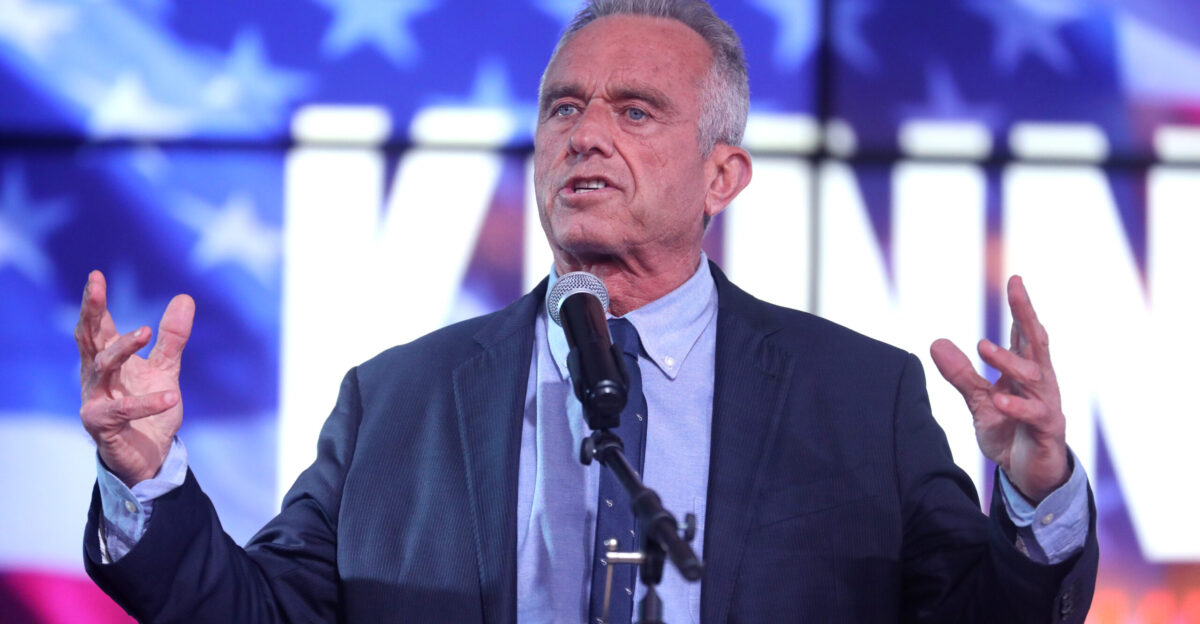
The policy shift reflects new leadership priorities. HHS Secretary Robert F. Kennedy Jr.’s aides authorized early data transfers, while CMS Administrator Dr. Mehmet Oz oversees implementation.
ICE Acting Director Todd Lyons manages enforcement use. President Trump has repeatedly pledged to protect Medicaid for eligible citizens while tightening immigration controls, positioning the data-sharing policy as part of a broader enforcement strategy.
Defense Pushes Forward

DHS officials defend the practice as necessary oversight. Assistant Secretary Tricia McLaughlin said the administration is ensuring that benefits go only to eligible individuals and that “illegal aliens are not receiving benefits meant for law-abiding Americans.”
Agencies frame the effort as routine verification. Critics respond that the policy conflates eligibility checks with deportation enforcement, fundamentally altering Medicaid’s role.
Deportation Era Dawns?

Beginning January 6, 2026, basic Medicaid data can again flow to ICE unless courts step in. Combined with other federal data-sharing efforts, the decision marks a new intersection of healthcare and immigration enforcement.
Will millions avoid care out of fear, or will the policy remain narrowly applied? Appeals, enrollment trends, and future rulings will determine whether this moment becomes a turning point—or a temporary breach.
Sources:
U.S. District Court, Northern District of California – Judge Vince Chhabria’s Ruling on State of California et al. v. HHS et al. – December 29, 2025
Centers for Medicare & Medicaid Services – September 2025 Medicaid & CHIP Enrollment Data Highlights – December 22, 2025
U.S. Department of Health and Human Services – Data Exchange Memorandum of Agreement (CMS-DHS) – July 2025
U.S. Department of Health and Human Services – Robert F. Kennedy, Jr. Sworn in as 26th Secretary – February 12, 2025
JAMA (Journal of the American Medical Association) – Medicaid Spending for Undocumented Immigrants – October 8, 2025
California Attorney General’s Office – Attorney General Bonta: Trump Administration’s Unprecedented Move to Allow ICE Access to Californians’ Medicaid Information – June 2025