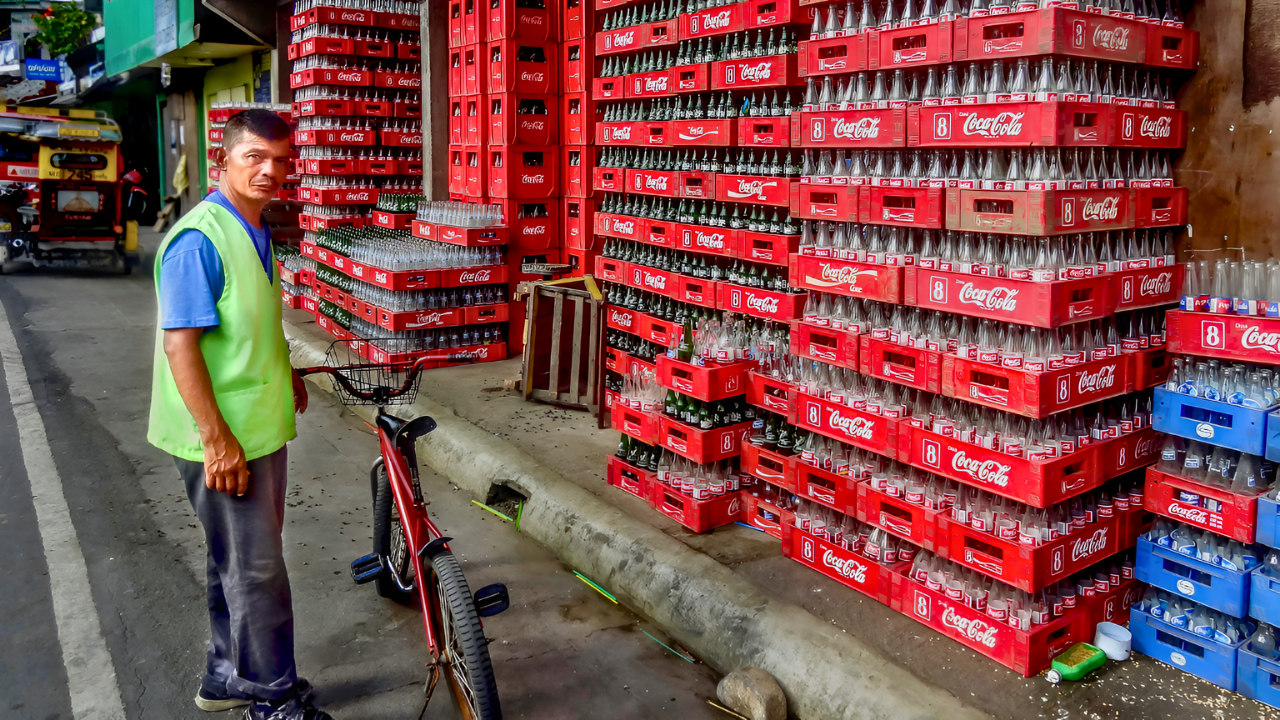
Coca-Cola has transferred an additional €4.4 billion, about $5.17 billion, from its Irish operations to a company based in the Cayman Islands, bringing the total sent to that offshore entity since 2016 to more than €16.6 billion, roughly $19.5 billion.
These large, repeated transfers coincide with an ongoing U.S. tax dispute that examines how the beverage company books profits across borders.
How the Ireland–Cayman Pipeline Is Structured
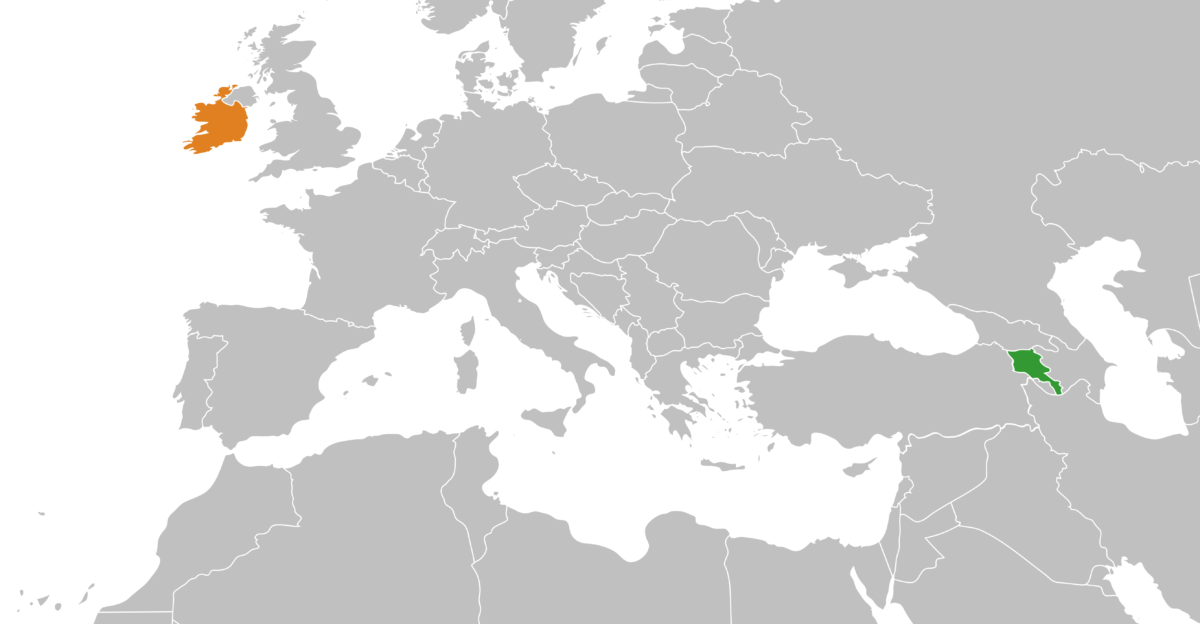
According to Irish reporting, Coca-Cola’s European Refreshments Unlimited Company is registered in Ireland and operates out of Drogheda, where it produces concentrate used in drinks sold across multiple markets.
Business Post reporting states that this subsidiary has paid substantial dividends to Atlantic Industries, an affiliated Coca-Cola entity incorporated in the Cayman Islands, a well‑known low‑tax jurisdiction favored by multinational firms.
Recent Transfers: 2024 and 2025 Payouts

A January 2026 article distributed via Yahoo Finance, citing Business Post’s review of company filings, reports that European Refreshments transferred €2.3 billion in 2024 and a further €2.1 billion in 2025 to Atlantic Industries.
These two payments alone amount to €4.4 billion, and are part of the cumulative stream that has exceeded €16.6 billion between 2016 and 2025, according to that reporting.
Cumulative Sums and Currency Context
The same Yahoo Finance piece notes that the total paid from the Irish operation to the Cayman entity since 2016 is now more than €16.6 billion, a figure that converts to about $19.5 billion using the exchange rates referenced in the article.
This cumulative number is based on corporate documentation reviewed by journalists, and it underpins the description of the transfers as being in the “billions of dollars” range.
U.S. Tax Court’s Findings on Profit Shifting

Coca-Cola’s cross‑border profit allocation has been challenged in a major U.S. Tax Court case focused on the company’s foreign “supply points,” which include operations in Ireland and other countries.
In that decision, the court sided with the Internal Revenue Service’s position that very large amounts of profit had been shifted out of the United States, language summarized in coverage as involving “astronomical levels” of diverted income.
Size of the Initial U.S. Tax Assessment

The Tax Court decision resulted in an assessment of approximately $3.3 billion in additional federal income tax for the years 2007 through 2009, plus substantial interest.
Media summaries, including Yahoo Finance’s reporting, describe this combined burden of tax and interest as amounting to roughly $6 billion for that three‑year period, illustrating the scale of the dispute between Coca‑Cola and the IRS.
Estimates of Potential Wider Liability
Tax‑policy commentary drawing on Financial Times analysis has suggested that, if the logic of the Tax Court’s adjustments were applied to later tax years and to additional Coca‑Cola facilities, the company’s total potential liability could reach around $16 billion.
These discussions present the $16 billion figure as an estimate of possible exposure rather than as a sum determined or formally demanded by any court to date.
Details of Coca-Cola’s Appeal in the United States

Coca‑Cola has appealed the Tax Court ruling to the U.S. Court of Appeals for the Eleventh Circuit, arguing that the IRS improperly abandoned a long‑standing profit‑allocation method the company had used with the agency’s prior agreement.
Legal briefs filed in support of the company claim that substituting a new transfer‑pricing method retroactively could create significant uncertainty for multinational firms relying on past understandings with tax authorities.
CFO John Murphy’s Public Statements on the Case

In comments reported in the January 2026 article, Coca‑Cola chief financial officer John Murphy told investors that external counsel regularly review the status of the tax dispute.
He said these advisers continue to give the company what he described as a “greater‑than‑not” chance of prevailing in the appeal, indicating management’s belief that the final outcome could be favorable to Coca‑Cola.
Effective Tax Rates Reported for the Irish Subsidiary

The Yahoo Finance article, citing data from Irish filings, reports that European Refreshments paid an effective corporate tax rate of approximately 1.32 percent on its earnings from operations in 2017.
The piece notes that this effective rate rose to 7.88 percent by 2023, before falling to 5.87 percent in the most recent year after the company claimed more than €239 million, about $280 million, in tax relief.
Coca-Cola’s Description of Its Drogheda Operations

Coca‑Cola has emphasized that its Irish subsidiary is a substantial operating business rather than a mere paper entity.
A company spokeswoman, quoted in the January 2026 article, said the Drogheda facility “operates a state‑of‑the‑art concentrate manufacturing plant and a flavours facility” and noted that it employs nearly 1,000 people, underlining the site’s manufacturing and employment footprint in Ireland.
Support from Accounting and Business Organizations

Several large accounting firms and business trade organizations have filed friend‑of‑the‑court briefs backing Coca‑Cola’s position in the appeal.
These submissions, summarized by tax‑law outlets, argue that altering long‑standing transfer‑pricing approaches can unsettle expectations for many multinational companies and may have implications beyond the specific facts of Coca‑Cola’s case.
OECD’s 15 Percent Global Minimum Tax Framework

In parallel with this corporate dispute, more than 140 jurisdictions have agreed through the Organisation for Economic Co‑operation and Development to implement a global minimum corporate tax rate of 15 percent for large multinational enterprises.
OECD documentation states that the aim of this “Pillar Two” reform is to ensure such firms pay at least a minimum level of tax in each country where they operate.
Expert Criticism of Loopholes and Carve‑Outs

The EU Tax Observatory and several academic economists have argued that the final shape of the global minimum tax includes carve‑outs and design features that significantly reduce its impact.
In public commentary, economist Gabriel Zucman has stated that, because of these provisions, many multinational companies may still face effective tax rates below 15 percent even after the framework takes effect.
Break Free From Plastic’s Global Brand Audit Findings

Beyond tax issues, Coca‑Cola’s environmental footprint has been extensively documented in plastic‑pollution research. The Break Free From Plastic movement’s 2023 Global Brand Audit report identifies The Coca‑Cola Company as the “#1 top polluter” among corporate brands for the sixth consecutive year, based on the number of branded plastic items collected worldwide.
Data Behind the Plastic Pollution Ranking

The 2023 Global Brand Audit compiled results from 8,804 volunteers conducting 440 brand‑audit events in 41 countries, collecting 537,719 pieces of plastic waste.
According to the report, 33,820 of those items were identified as Coca‑Cola‑branded, more than for any other single company, leading the authors to label Coca‑Cola the world’s top plastic polluter in their 2023 rankings.
Environmental Advocacy Groups’ Assessments

Greenpeace Aotearoa and other environmental organizations referencing the Break Free From Plastic data argue that major beverage and consumer‑goods companies, including Coca‑Cola, continue to rely heavily on single‑use plastic packaging.
These groups state that existing voluntary commitments have not yet produced the scale of plastic‑waste reduction they view as necessary and have called for stronger regulatory measures.
How Advocacy Groups Link Tax and Transparency Themes

Some advocacy and research groups discussing corporate accountability now address tax practices and environmental impacts within the same transparency agenda.
Reports from organizations such as Break Free From Plastic and the EU Tax Observatory argue that detailed, country‑by‑country data on profits, taxes, and waste would help policymakers and the public assess the full impact of large multinational companies.
Coca‑Cola’s Tax and Plastic Reckoning
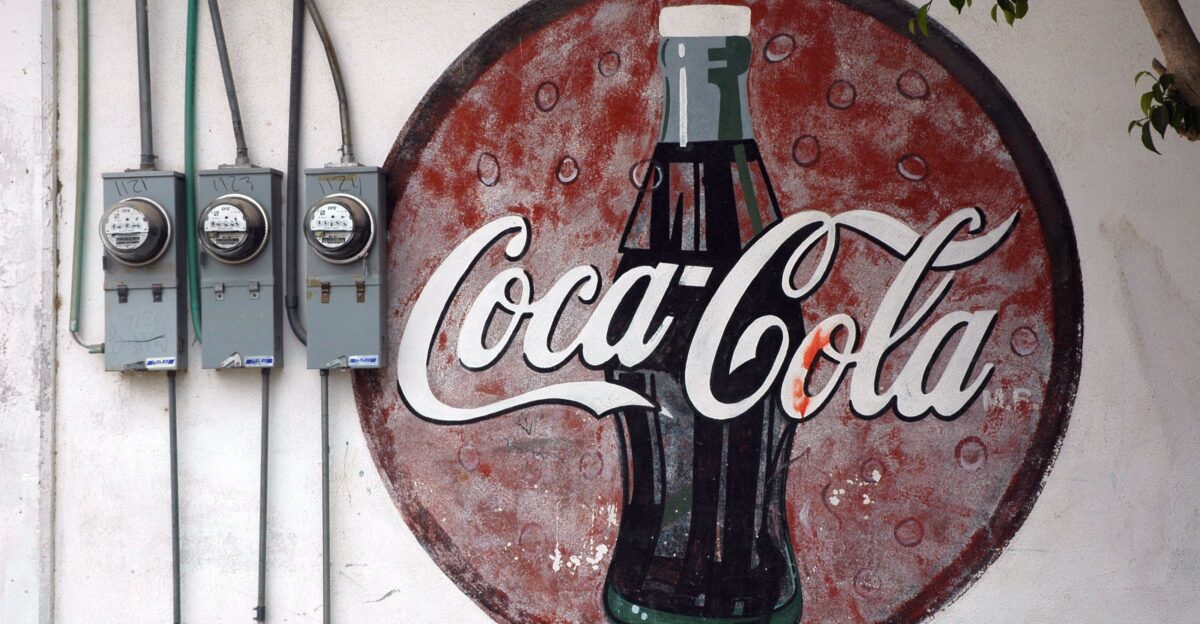
Taken together, the record on Coca‑Cola’s Irish–Cayman transfers, its high‑stakes U.S. tax dispute, and its repeated identification as a leading plastic polluter paints a picture of a company operating at the sharp edge of global tax planning and environmental scrutiny, with outcomes that will help define how far large multinationals can stretch existing rules on both profit allocation and corporate responsibility in the years ahead
Current Status as of January 2026

As of late January 2026, publicly available legal and financial reporting indicates that Coca‑Cola’s appeal of the U.S. Tax Court’s transfer‑pricing decision remains pending before the Eleventh Circuit, and no subsequent ruling has been announced that overturns or definitively finalizes the original judgment.
The €4.4 billion in recent Irish–Cayman transfers and the 2023 plastic‑pollution ranking remain the most recent figures cited in the main sources.
Sources:
“Coca-Cola raises eyebrows after funnelling billions of euros from Ireland to tax haven.” Yahoo Finance, 19 Jan 2026.
“Coca-Cola funnels largest dividend on record to Cayman Islands from Drogheda office.” The Business Post, 2024.
“Accounting Firms, Trade Orgs Support Coca-Cola in Transfer Pricing Case.” Thomson Reuters, 2025.
“U.S. Tax Court Enters Decision in Ongoing Dispute Between The Coca‑Cola Company and the IRS.” Investor relations statement, The Coca‑Cola Company, 2024.
“Will Coca-Cola’s $9 Billion Transfer Pricing Tax Court Loss Be Overturned by the Eleventh Circuit?” Wolters Kluwer International Tax Law Blog, 2024.
“2023 Global Brand Audit: The Coca‑Cola Company is once again the world’s top plastic polluter.” Break Free From Plastic, 2023.