
In a Brooklyn warehouse, workers peeled Nvidia labels off high-end AI chips, one by one, replacing them with a name that meant nothing: SANDKYAN. Boxes were resealed, paperwork rewritten, pallets staged for export. Federal agents later found thousands of altered GPUs.
By the time the operation was exposed, at least $160 million worth of Nvidia H100 and H200 chips—representing thousands of units—had already moved through U.S. supply chains toward China, violating export bans at the heart of U.S. national security policy.
AI Superiority Stakes

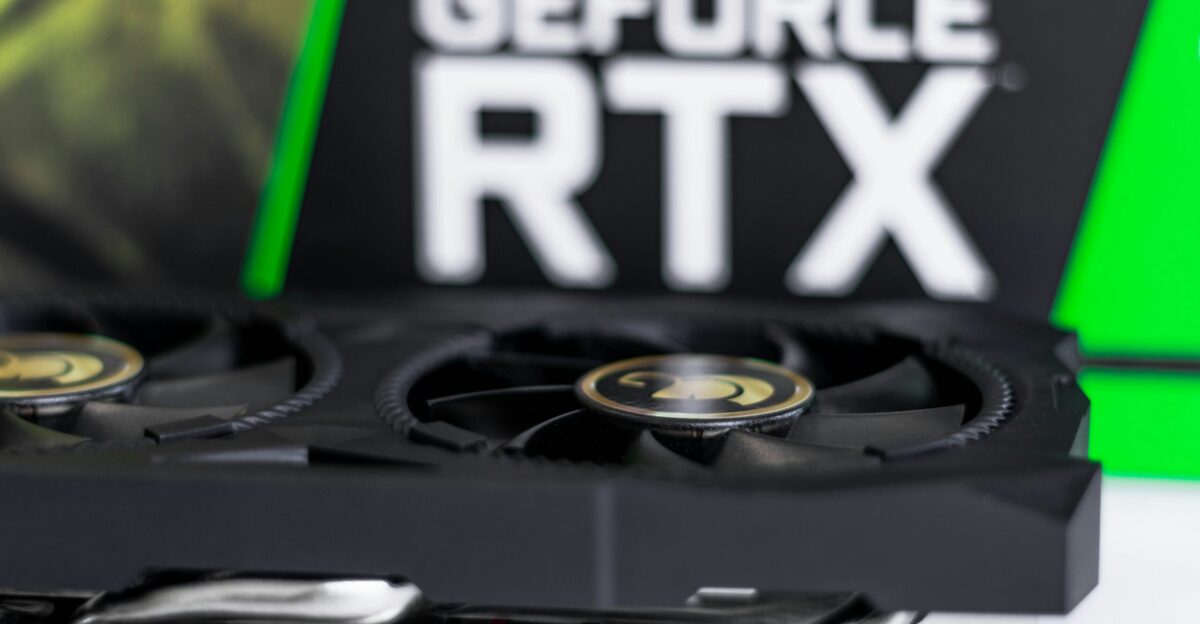
Nvidia’s H100 and H200 GPUs are not consumer products. They power frontier AI systems used in military simulation, advanced surveillance, and large-scale model training. Because of their strategic importance, the U.S. restricted their export to China beginning in 2023.
Demand inside China surged anyway, driven by state-backed ambitions to lead global AI development by 2030. Investigators say the loss of thousands of chips threatened America’s edge in high-performance computing and defense-linked AI research.
Export Controls Tighten

In October 2023, U.S. regulators expanded export bans targeting advanced AI chips capable of large-scale training and weapons-related applications. The restrictions focused specifically on Nvidia’s top-tier accelerators, including H100 and H200 models.
Officials warned that these chips could accelerate military modernization abroad. Enforcement increased, but the global semiconductor supply chain remained complex, allowing smugglers to exploit licensing gaps and third-party distributors.
Smuggling Networks Proliferate
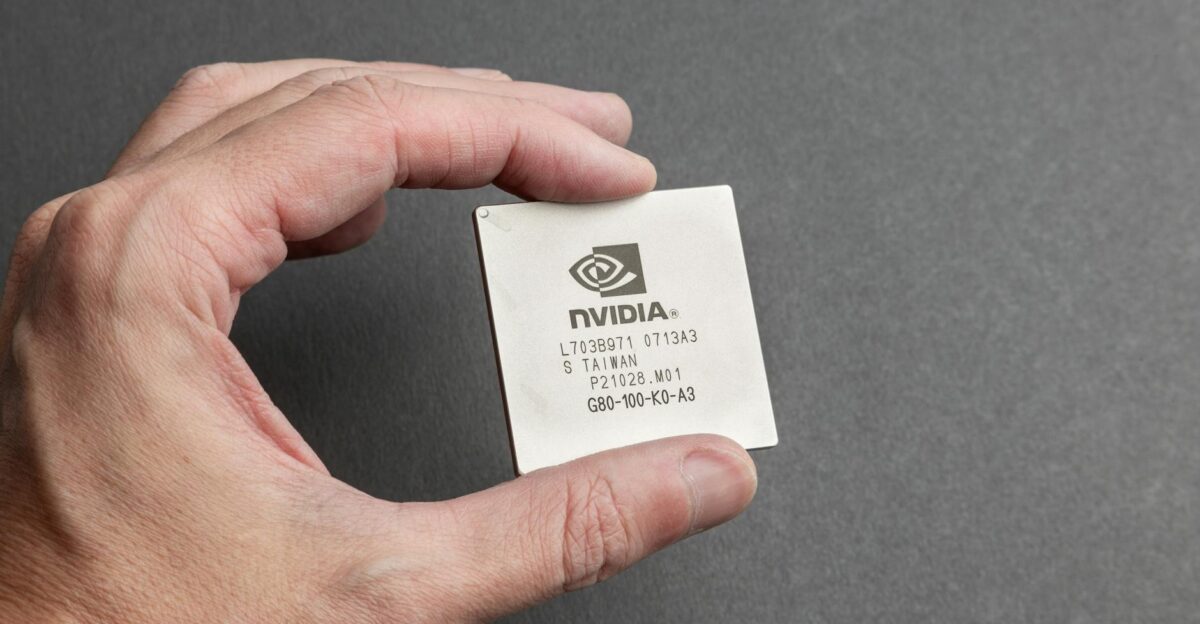
Multiple investigations published in 2024 and 2025 revealed that AI chip smuggling had reached industrial scale. Reports described tens of thousands—and in some estimates, over 100,000—advanced GPUs diverted to China in a single year.
Shell companies, straw buyers, and rerouting through Southeast Asia became standard tactics. Analysts estimate that smuggled H100 chips may have supplied up to 10% of China’s AI training capacity.
Brooklyn Ring Dismantled
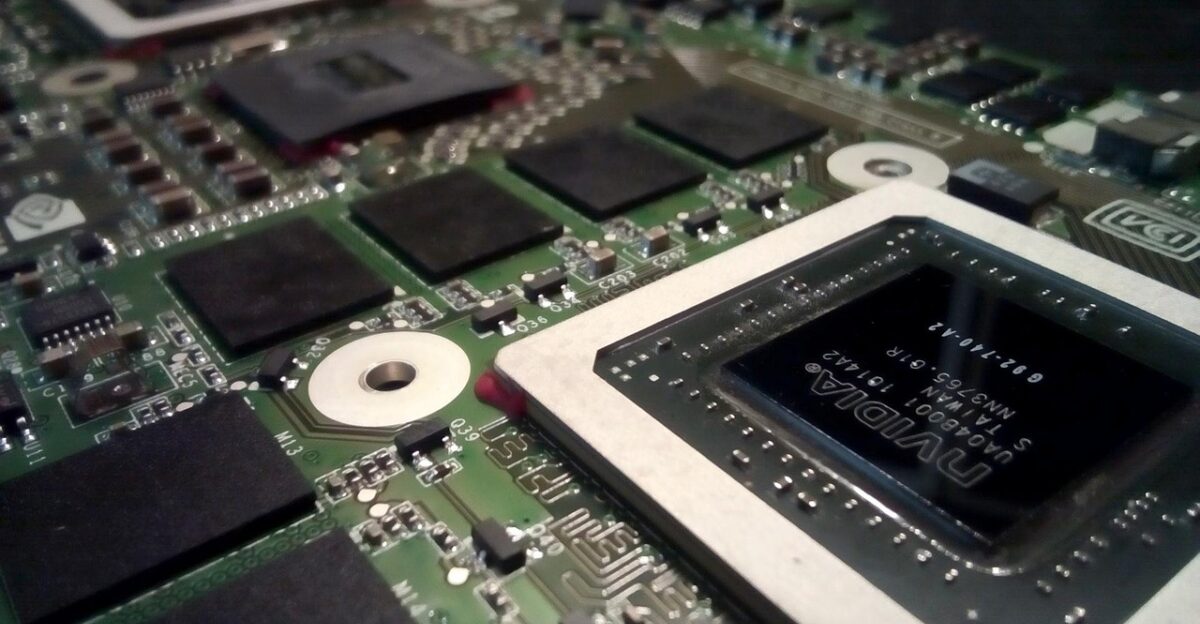
Operation Gatekeeper uncovered one of the largest confirmed rings. Authorities shut down Hao Global LLC in Missouri City (Sugar Land), Texas, where Alan Hao Hsu, Fanyue Tom Gong, and Benlin Yuan allegedly relabeled Nvidia H100 and H200 GPUs by hand.
The chips were stamped with the fake brand SANDKYAN and routed through Hong Kong to an unnamed China-based AI firm. Between October 2024 and May 2025, investigators say the group moved more than $160 million in restricted hardware.
New York Warehouses Hit
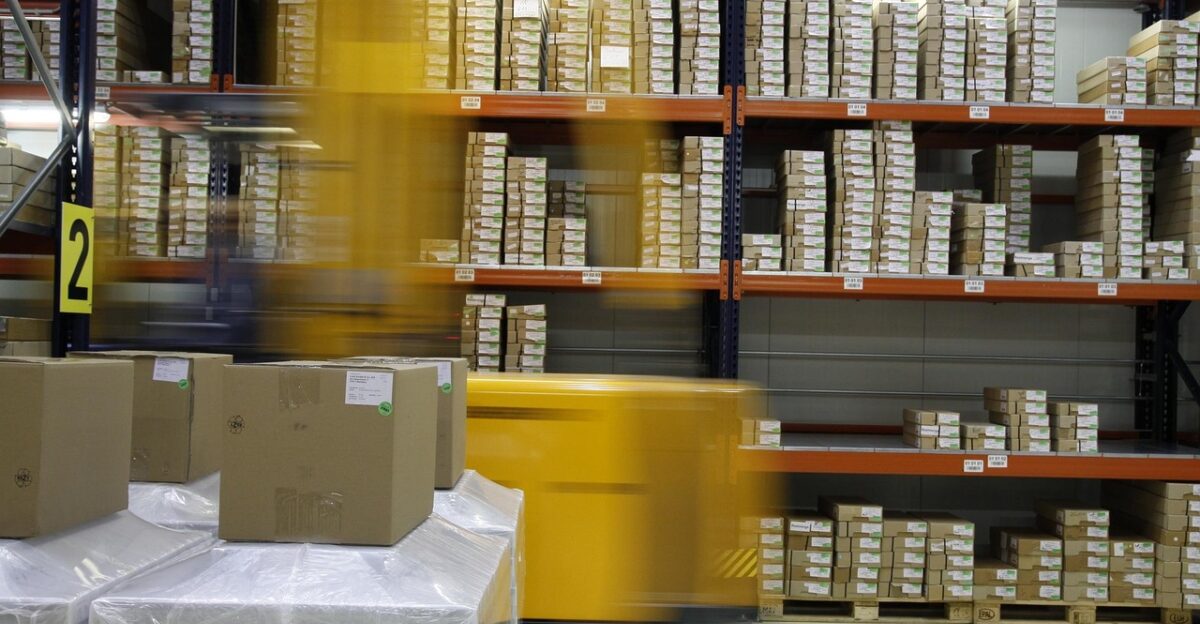
Federal filings describe U.S. warehouses where Nvidia markings were physically removed, packaging altered, and export documents rewritten to describe the GPUs as generic computer parts.
Prosecutors seized more than $50 million worth of chips and cash during raids tied to the operation, highlighting how urban logistics hubs can double as smuggling nodes.
Hsu’s Guilty Plea
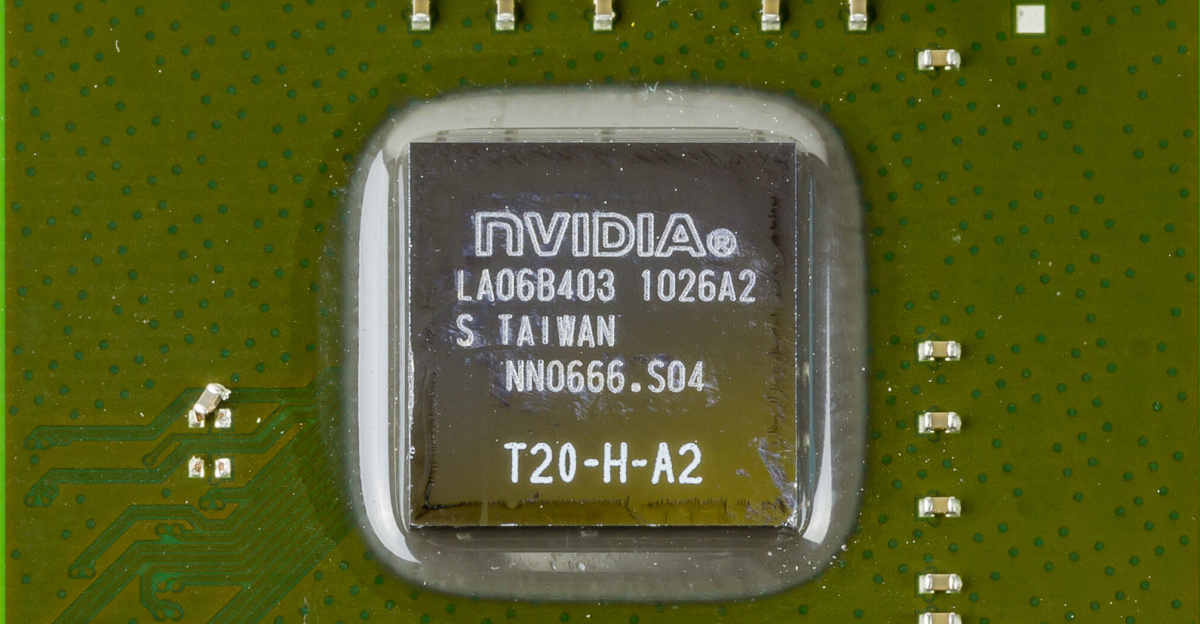
Alan Hao Hsu, a Missouri City, Texas–based tech entrepreneur and principal of Hao Global LLC, pleaded guilty in October 2025 to smuggling violations. Prosecutors say his firm received over $50 million in wire transfers from accounts linked to the PRC.
The funds were routed through banks in Thailand, Malaysia, and Singapore. Hsu faces up to 10 years in prison, with sentencing scheduled for February 18, 2026.
Regulatory Crackdown Expands

Operation Gatekeeper is a joint effort involving the FBI, the Commerce Department’s Bureau of Industry and Security, and ICE. Court documents allege that Benlin Yuan recruited company inspectors to obscure shipment destinations.
Prosecutors say this assistance helped mislabeled GPUs pass inspections. Yuan faces up to 20 years under the Export Control Reform Act if convicted.
National Security Macro View

The Department of Justice describes the case as the largest AI chip smuggling operation by dollar value uncovered to date. H100 and H200 GPUs enable large-scale AI training with clear military applications.
Officials note parallels with other recent cases, including multi-hundred-million-dollar AI server seizures in Singapore tied to similar diversion routes.
Inspector Coordination
One of the most significant aspects of the scheme involved organized oversight. Prosecutors say Yuan directed IT company employees—who served as inspectors—to falsify records and conceal mainland China as the true end user.
The fake SANDKYAN branding, combined with altered paperwork, allowed shipments to move through ports without triggering alarms, raising questions about enforcement blind spots.
Gong’s Arrest Fallout

Fanyue Tom Gong, 43, allegedly oversaw warehouse operations where GPUs were relabeled and repackaged. He was arrested on December 3, 2025, and charged with conspiracy to smuggle restricted goods.
Prosecutors say Gong coordinated closely with Hsu and handled logistics inside New York facilities, drawing scrutiny to the role of small tech firms.
Yuan’s Leadership Exposed

Benlin Yuan, 58, was arrested on November 28, 2025. As head of a U.S. subsidiary of a Beijing-based IT company, he allegedly coordinated demand from China while managing U.S. procurement channels.
Court filings suggest his role extended into strategy, organizing inspectors and directing misclassification when shipments were questioned.
Hao Global’s Collapse

Following Hsu’s guilty plea, Hao Global LLC ceased operations. Prosecutors say the company relied on straw buyers who falsely claimed U.S. or third-country destinations.
Authorities are still tracing shipments that may have moved beyond the confirmed volumes, while the unnamed China-based AI company remains uncharged.
Expert Warnings Persist
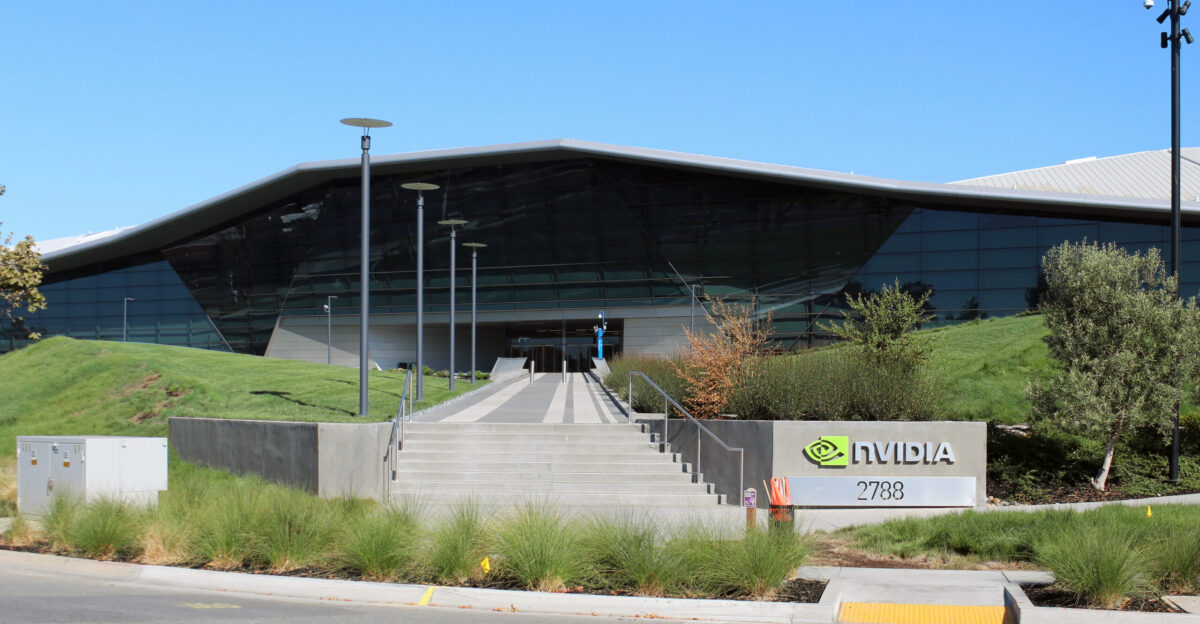
Nvidia has stated that its export compliance systems are rigorous and that it is cooperating with investigators. Policy analysts remain skeptical.
Reports argue enforcement agencies remain under-resourced relative to the financial incentives driving AI chip smuggling, where individual GPUs are valued at roughly $23,000.
Policy Shifts Loom

In December 2025, U.S. policy shifted to allow limited H200 sales to China under strict revenue-sharing and oversight conditions. Supporters argue this could reduce black-market incentives.
Critics counter that smugglers already moved thousands of chips during the strictest enforcement window, complicating future control efforts.
Political Firestorm Builds
National security hawks argue the smuggling operation directly aided China’s push for AI dominance by 2030. Lawmakers have proposed legislation targeting chip diversion networks.
Bipartisan calls are growing for increased funding for export enforcement agencies amid rising geopolitical pressure.
Global Ripples Spread
Hong Kong played a central role as a consolidation and repackaging hub, exploiting its distinct customs framework. Parallel cases have emerged in Florida and Alabama.
Singapore authorities have also made arrests tied to AI hardware diversion, signaling increasingly coordinated international enforcement.
Legal Hammers Fall
Yuan and Gong remain in federal custody, while Hsu’s plea agreement sets a precedent for future cases. Charges include conspiracy to smuggle and export control violations.
Separate indictments reference millions in suspicious wire transfers and fabricated contracts, with prosecutors signaling more charges may follow.
Ethical Tech Divide

Beyond legality, the case exposes a widening ethical divide in global tech competition. U.S. officials frame the smuggling as theft of strategic capability.
Analysts say some firms view diversion as a workaround under restrictive regimes, eroding trust across the AI supply chain.
What’s Next Horizon
The $160 million bust signals an escalation in the U.S.–China technology confrontation. Operation Gatekeeper remains active, and officials say additional arrests are possible.
The unresolved question is whether export controls can hold when altered paperwork and fake branding moved thousands of the world’s most powerful AI chips across borders.
Sources:
U.S. Department of Justice – Office of Public Affairs (December 8, 2025) – “U.S. Authorities Shut Down Major China-Linked AI Tech Smuggling Network”
U.S. Justice Department – Southern District of Texas (December 7, 2025) – Federal Court Filings and Charging Documents
CNBC (December 9, 2025) – “Nvidia chips: Plots to send GPUs to China expose $160 million smuggling operation”
Bloomberg (December 8, 2025) – “US Detains Two Men Accused of Smuggling Nvidia AI Gear to China”
Tom’s Hardware (December 8, 2025) – “DOJ says H100 and H200 shipments were relabelled”