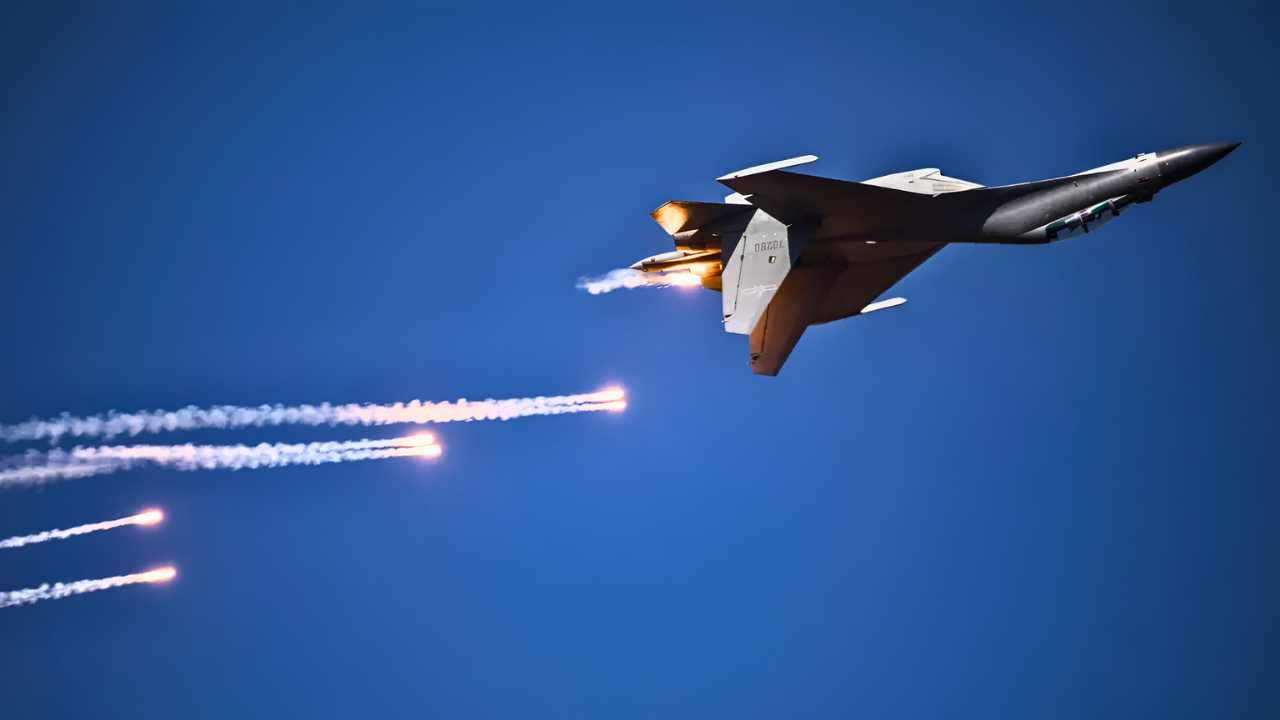
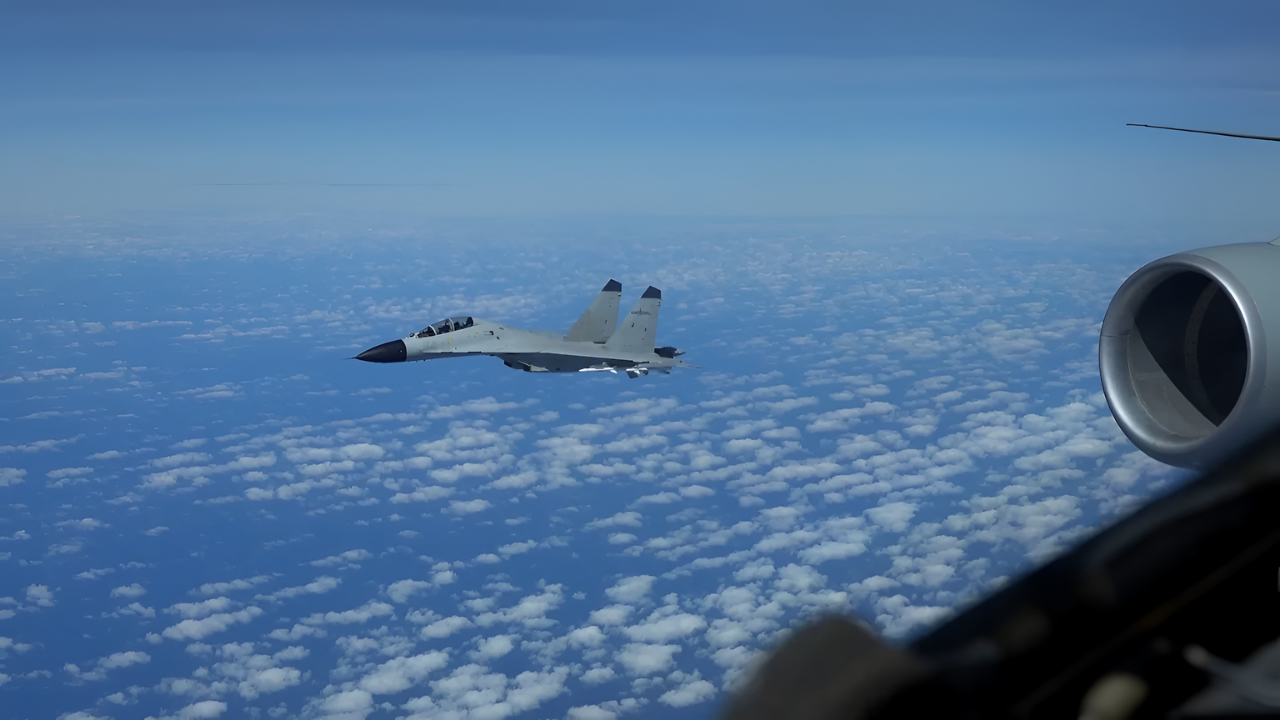
On January 21, 2026, a routine surveillance flight over the South China Sea escalated into another flashpoint between China and the Philippines. Beijing said its forces expelled a Philippine government aircraft near Scarborough Shoal, a tiny atoll with outsized strategic importance for global trade and regional security.
The encounter underscores how unresolved territorial claims, sharp military imbalances, and binding alliance commitments continue to collide in contested airspace and waters. With livelihoods, treaty obligations, and shipping lanes at stake, the implications extend far beyond the reef itself. Here’s what’s happening as tensions rise again.
Aerial Encounter Over Scarborough
China’s People’s Liberation Army said it organized naval and air forces to confront a Philippine government reconnaissance aircraft it claimed had entered airspace above Huangyan Dao, or Scarborough Shoal, without authorization. The Southern Theater Command described the operation as part of routine patrols within what Beijing asserts is its territorial airspace. Philippine authorities reject that claim, stating the shoal lies about 120 nautical miles west of Luzon, well within the country’s 200 nautical mile exclusive economic zone under the UN Convention on the Law of the Sea.
Philippine agencies have long used aircraft to monitor Chinese activity around the shoal, arguing such flights protect national rights and maritime security. Scarborough has been sensitive since the 2012 fishing standoff, and Manila maintains that any attempt to restrict access affects more than 110 million Filipinos whose livelihoods and food security depend on the EEZ.
Competing Claims, Same Flashpoint
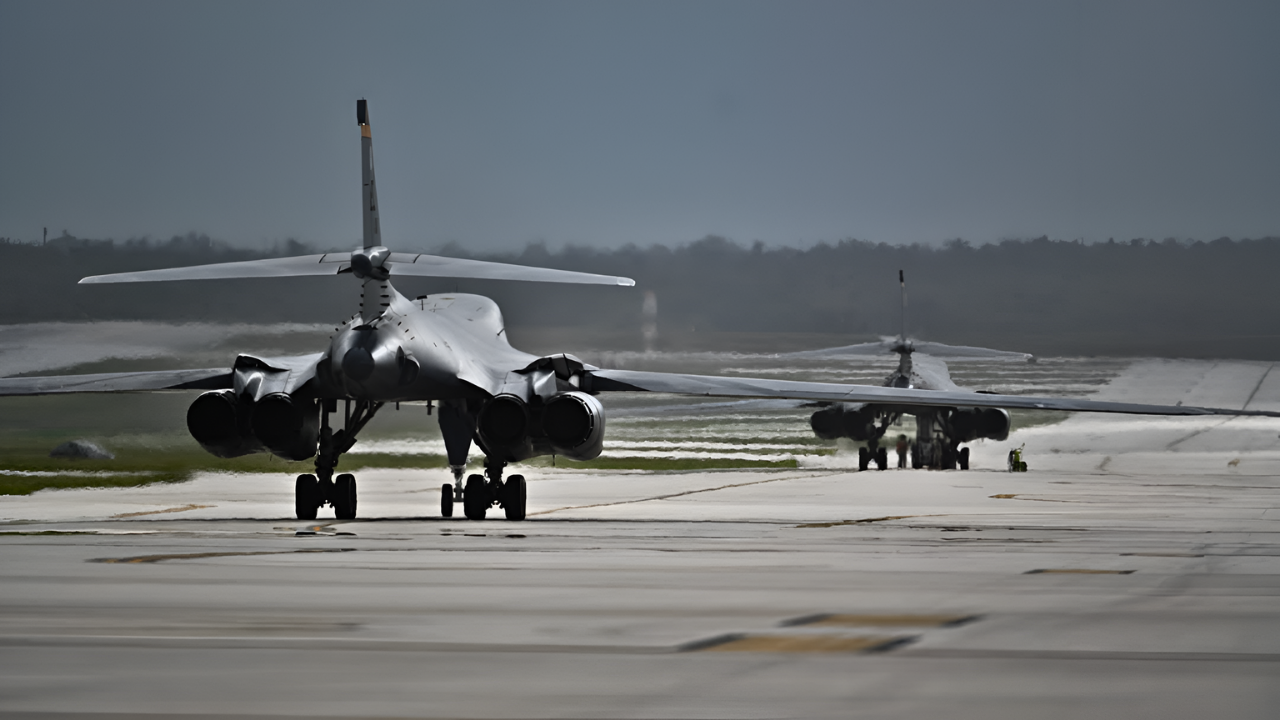
At the heart of the dispute are irreconcilable interpretations of sovereignty and maritime entitlements. China claims historical rights around Scarborough Shoal, while the Philippines emphasizes distance from its coastline and the legal framework of UNCLOS. These positions shape how each side views routine patrols, surveillance flights, and enforcement actions.
Manila argues that monitoring activities near the shoal are defensive and lawful, particularly given repeated Chinese presence. Beijing counters that such actions are provocations that undermine stability. The lack of agreed rules for air encounters above disputed features compounds the risk. Each intercept or warning carries symbolic weight, reinforcing claims while increasing the chance of miscalculation. As patrols continue, the shoal remains a pressure point where law, geography, and power intersect.
Diplomatic Warnings and Rebuttals
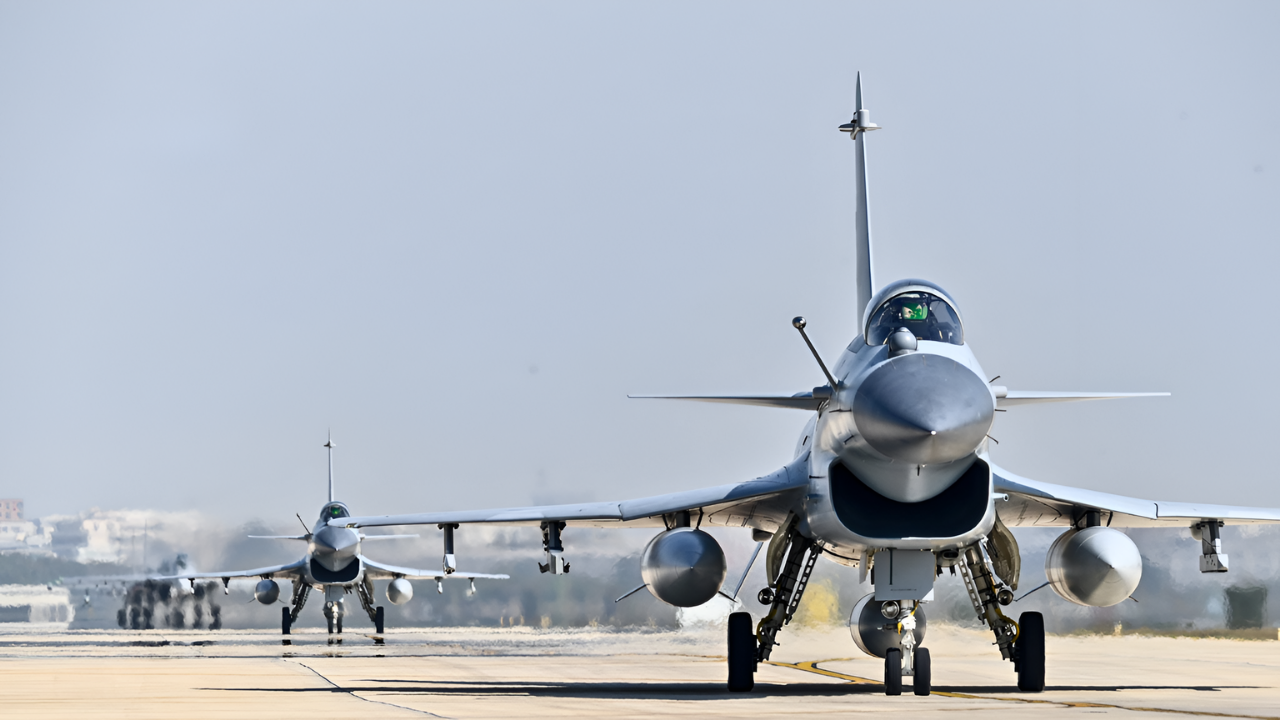
The aerial incident quickly spilled into diplomatic channels. Chinese officials criticized Philippine Coast Guard communications and summoned Philippine representatives in Beijing. A spokesperson for the PLA Southern Theater Command urged Manila to “immediately stop infringing upon China’s rights and cease provocations and irresponsible exaggerations,” echoing language used after earlier confrontations.
Philippine officials have previously responded that publicizing Chinese maneuvers is evidence based reporting of activities occurring within areas they consider part of their EEZ. They also point to the country’s mutual defense treaty with the United States as a factor shaping transparency and deterrence. These exchanges highlight how operational encounters at sea or in the air often trigger parallel battles of narrative, each aimed at domestic audiences and international partners.
Treaty Obligations Raise Stakes
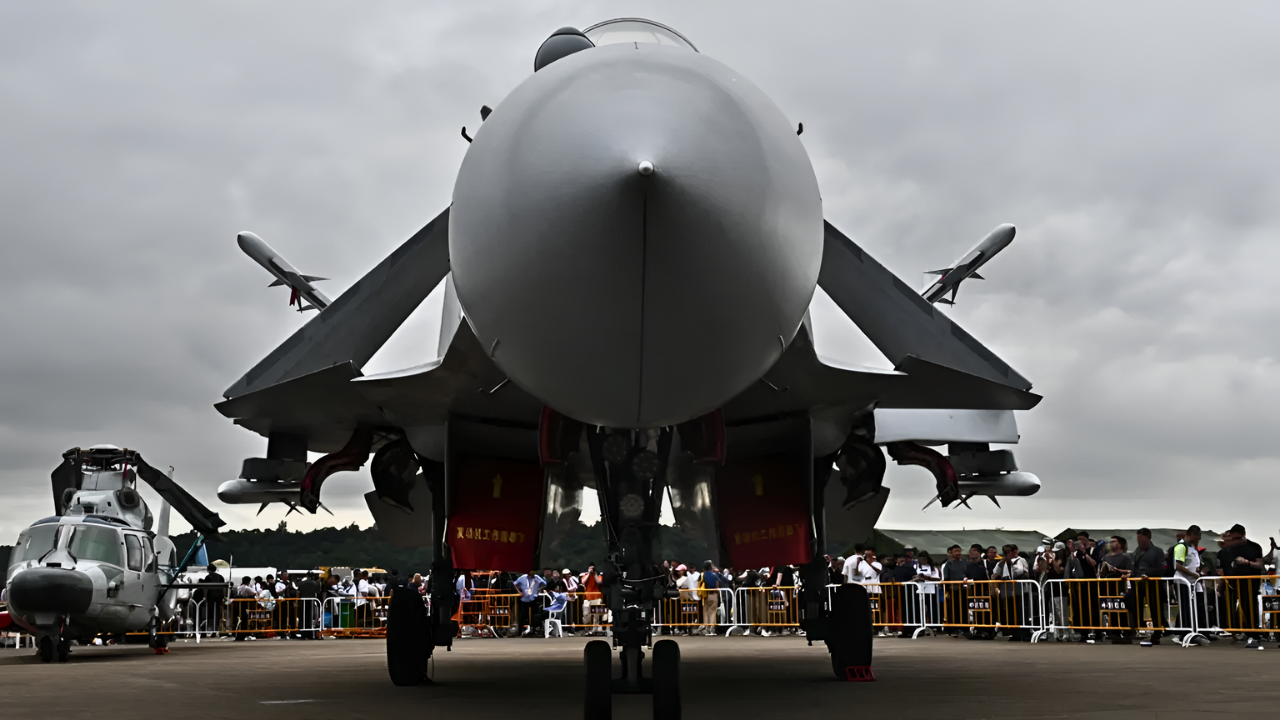
Recent tensions are amplified by memories of dangerous encounters in disputed waters. In 2025, a collision involving Chinese and Chinese flagged vessels underscored the risks of crowded operations near contested shoals. During that episode, Chinese and Philippine ships traded accusations of unsafe maneuvers, while Washington reiterated that the 1951 Mutual Defense Treaty applies to armed attacks on Philippine forces, ships, and aircraft.
That framework means any serious incident involving Philippine government assets near Scarborough could draw in the United States. The possibility of escalation, even if unintended, raises the stakes for commanders on all sides. What begins as a warning or escort could, through error or misjudgment, trigger alliance commitments that extend well beyond the immediate scene.
Law, Power, and the Sea Lanes
Legal arguments continue to shadow every encounter. On July 12, 2016, an arbitral tribunal under the Permanent Court of Arbitration ruled in favor of the Philippines, finding that China’s nine dash line claims have no lawful effect and that Scarborough Shoal is a “rock” that does not generate an EEZ. Beijing rejected the ruling as “null and void” and has continued administrative measures around the atoll.
Beyond law and security, the economic stakes are immense. The South China Sea carries more than 30 percent of global maritime crude oil trade, according to the U.S. Energy Information Administration. Disruption around chokepoints like Scarborough could reroute shipping, raise insurance costs, and add inflationary pressure for economies across Asia.
A Narrow Path Forward
For Philippine leaders, defending maritime rights comes amid domestic economic pressures and climate related challenges. Regionally, Manila has pushed within ASEAN for a South China Sea code of conduct, though progress remains slow. Incidents like the aircraft expulsion show how far daily practice still lags behind diplomatic aspirations.
China views growing security ties among the Philippines, the United States, Japan, and Australia as part of wider strategic competition, including concerns linked to Taiwan. Analysts warn that domestic politics, alliance signaling, and unresolved legal disputes sustain a cycle of overflights and expulsions. Diplomatic off ramps exist through direct talks, ASEAN mechanisms, and respect for international law, but hardened positions continue to test whether restraint can prevail.
Sources
PLA expels intruding Philippine aircraft over Huangyan Dao. China Daily Asia, January 21, 2026
China, Philippines launch rescue missions for distressed cargo ship. Reuters, January 23, 2026
Chinese military expels Philippine aircraft intruding into China’s territorial airspace over Huangyan Dao. Ministry of National Defense China, January 20, 2026
South China Sea Arbitration The Republic of Philippines v. The People’s Republic of China. Permanent Court of Arbitration, July 12, 2016
Mutual Defense Treaty Between the United States and the Republic of the Philippines. U.S. Department of State Yale Avalon Project, August 30, 1951