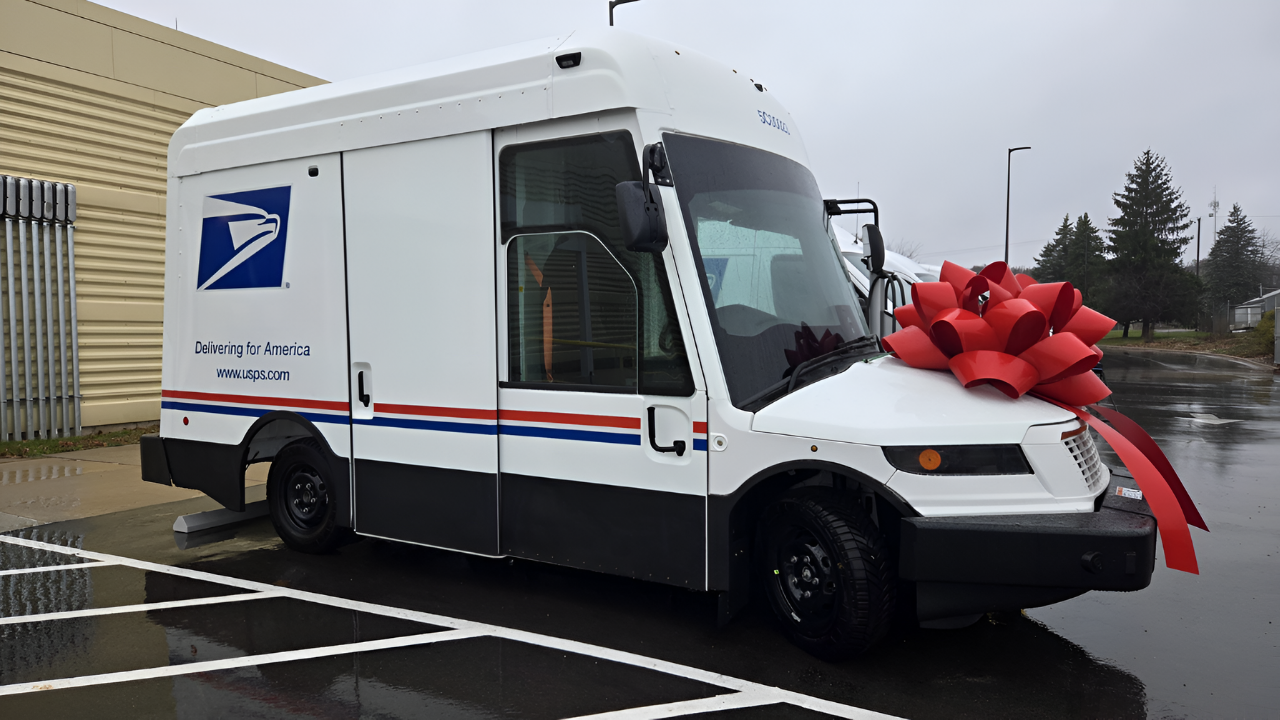
At Oshkosh Defense’s Spartanburg factory, quality inspectors observed water cascading through the sealed roofs of brand-new electric mail trucks “like rain through open windows” during routine testing.
The scene in December 2024—engineers scrambling with buckets while production halted—exemplified a crisis that has left American taxpayers funding a $3 billion program delivering only 612 vehicles instead of the promised 35,000. What went wrong at the nation’s most expensive fleet modernization effort?
The Inflation Reduction Act’s Costliest Gamble

The crisis dates back to December 2022, when the Biden administration diverted $3 billion from the Inflation Reduction Act to electrify USPS delivery vehicles. The ambitious plan aimed to deploy 66,000 electric trucks by 2028, positioning postal workers as climate ambassadors.
White House senior adviser John Podesta envisioned carriers delivering holiday gifts in emission-free vehicles that would inspire consumer EV adoption across rural America.
Oshkosh’s $6 Billion Contract Under Fire
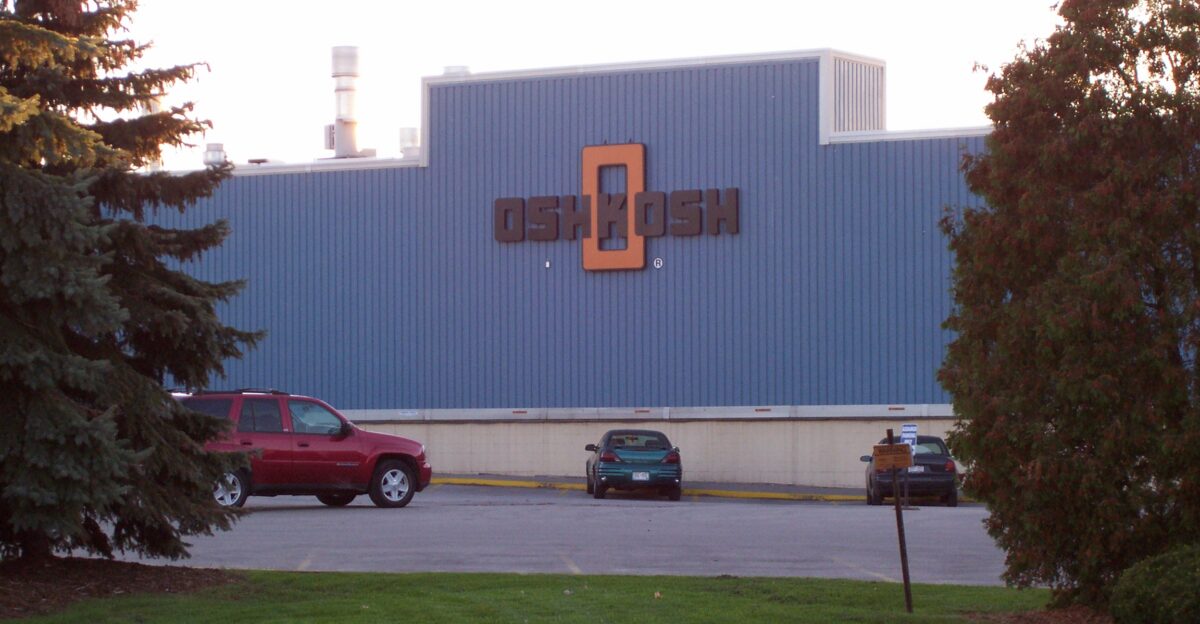
In February 2021, USPS awarded Oshkosh Defense a multi-billion-dollar contract to manufacture Next Generation Delivery Vehicles at the South Carolina facility. The Wisconsin-based defense giant promised to leverage military vehicle expertise for civilian applications.
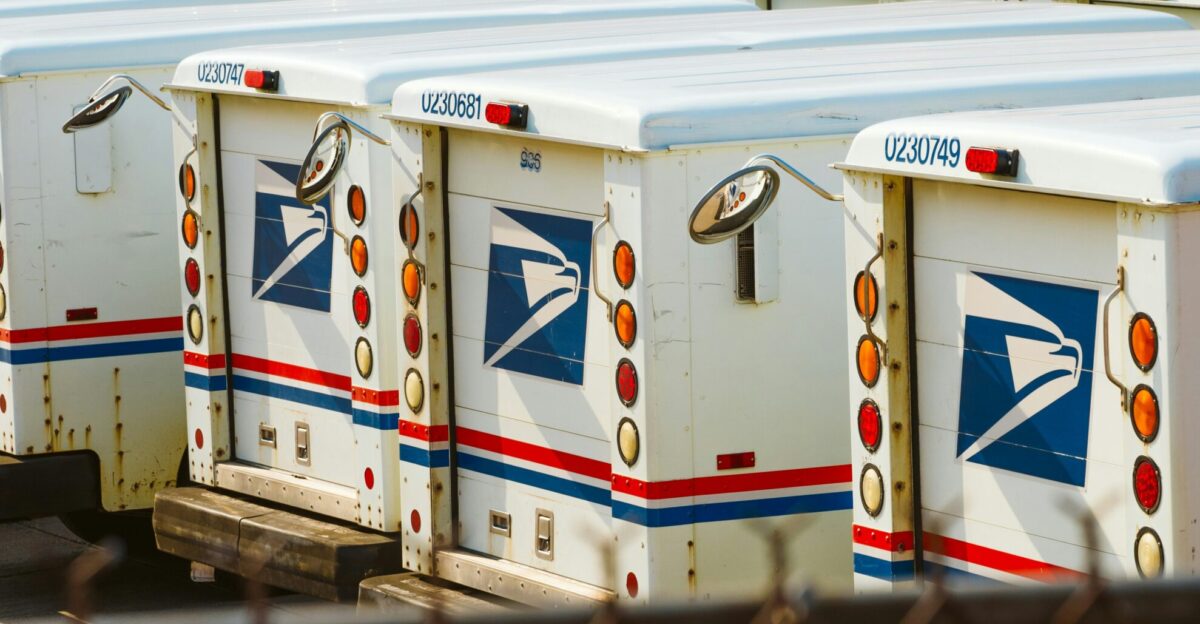
Production was slated to reach 80 trucks daily, replacing the aging 1987-1994 Grumman LLV fleet that averages just 8.2 miles per gallon and lacks basic air conditioning.
Spartanburg Plant Produces One Truck Per Day

Manufacturing reality shattered those projections. By late 2024, the Spartanburg plant was producing exactly one truck daily, versus the 80-unit target. Internal documents revealed that engineers struggled with fundamental EV complexities, including battery thermal management and electrical system integration.
The facility’s struggles necessitated a $2.6 billion “premium adjustment” in March 2023, resulting in per-unit costs increasing from $55,000 to over $70,000.
Water Leaks and Safety Defects Halt Production
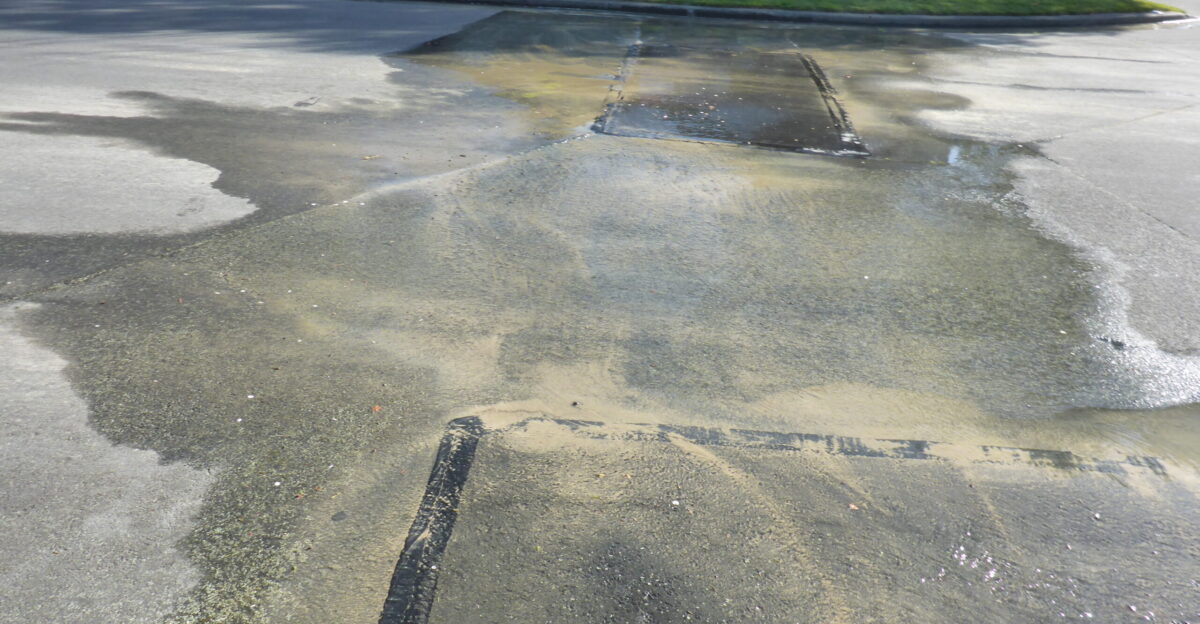
Quality control failures proved catastrophic. Multiple sources confirmed trucks failed water intrusion tests, with leaks so severe they resembled “open windows during thunderstorms.” Airbag calibration issues triggered additional stop-work orders.
These defects required extensive redesigns, pushing delivery dates further back and forcing USPS to continue operating unsafe, fire-prone LLVs beyond their intended 24-year lifespan.
The Ford E-Transit Stockpile Scandal
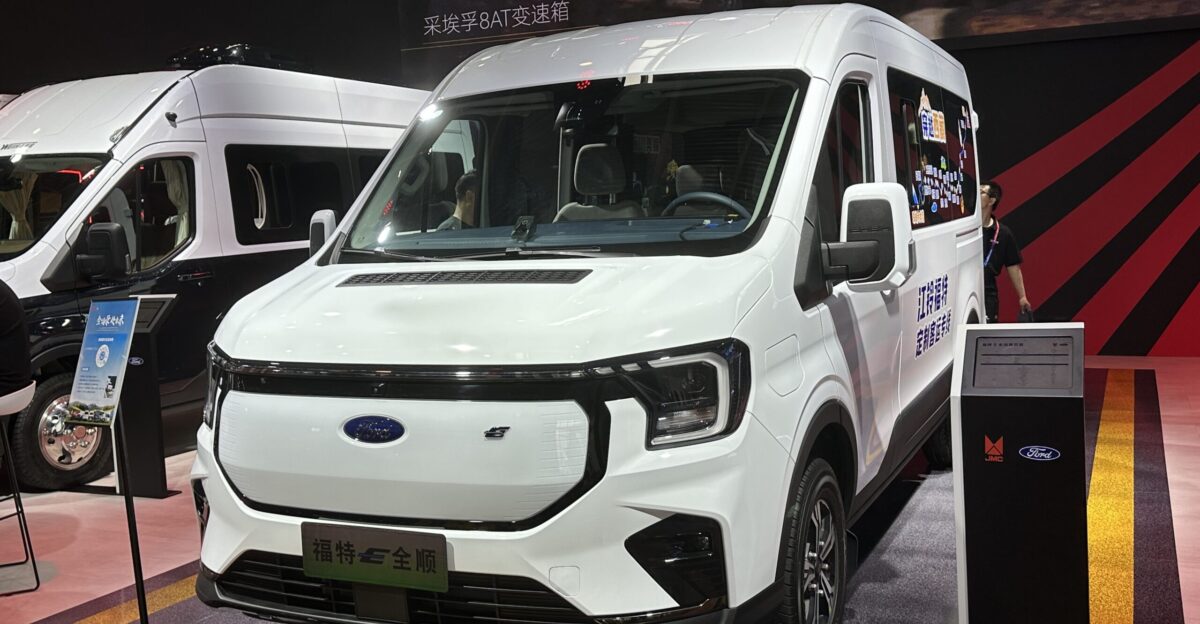
Compounding Oshkosh’s failures, USPS ordered 9,250 Ford E-Transit vans in February 2023. Despite installing thousands of charging stations nationwide, over 6,700 vans sit idle in storage lots.
Photographs from postal facilities show rows of unused electric vehicles, while gas-powered Ram ProMaster and Mercedes Sprinter vans continue to handle daily routes, representing billions in stranded infrastructure investment.
Aging Fleet Endangers Workers and Service
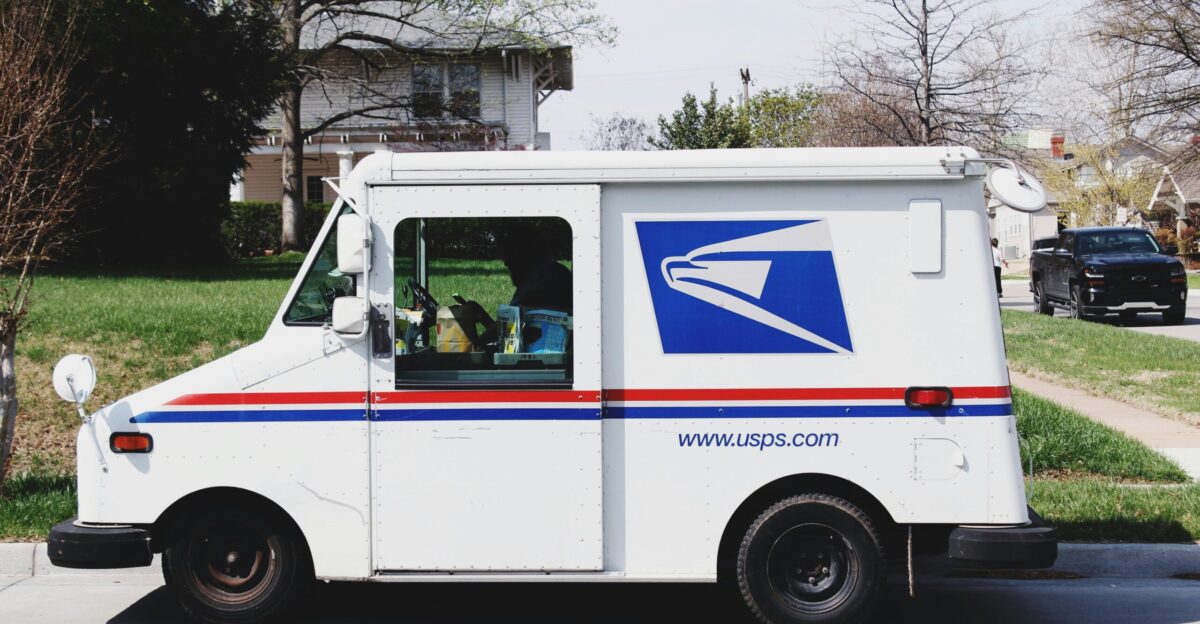
Mail carriers remain stuck in deteriorating Grumman LLVs, many of which have exceeded 30 years of service. These vehicles lack air conditioning, exposing workers to hazardous heat conditions, as documented by the USPS Inspector General.
Mechanical failures occur daily, with breakdown rates spiking during the summer months. Rural communities, which rely on the USPS for prescription deliveries and e-commerce, experience delays in essential services.
Senator Joni Ernst Leads Funding Reckoning
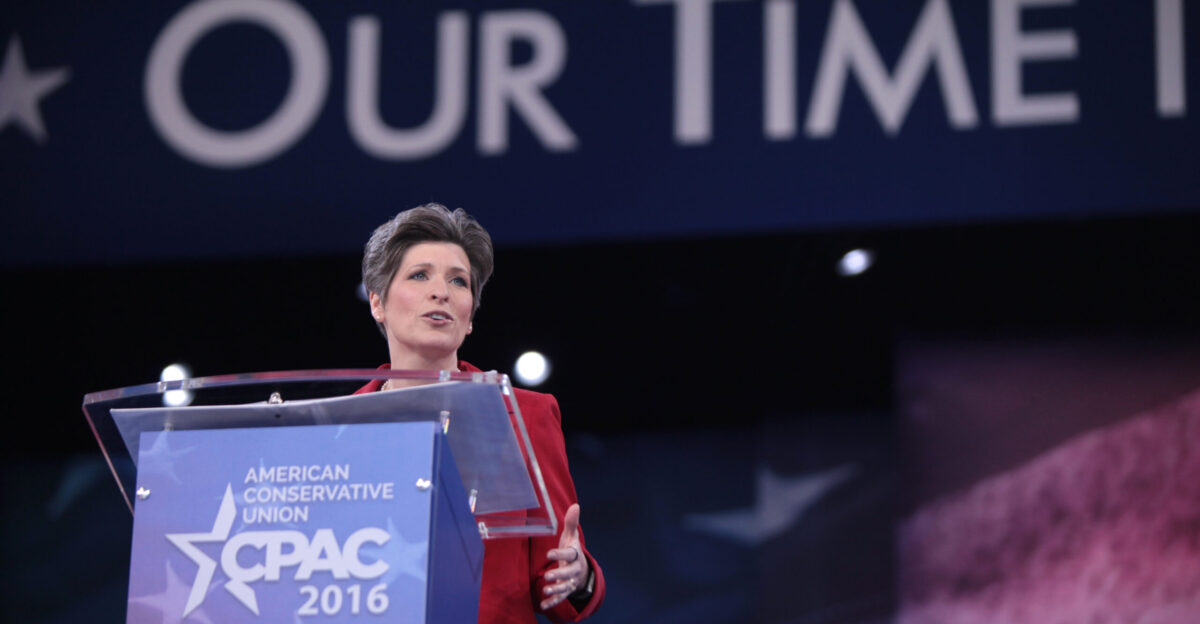
Republican lawmakers have intensified scrutiny of the program. Senator Joni Ernst, calling the initiative a “boondoggle,” demanded immediate reassessment of the Oshkosh contract. In multiple press releases throughout 2024, Ernst argued taxpayers deserve accountability for the $3 billion expenditure.
Her efforts reflect broader GOP momentum to rescind Inflation Reduction Act subsidies and cancel Biden-era EV mandates.
Workers Admit: “We Don’t Know How to Build a Truck”

Anonymous Oshkosh employees revealed stunning internal incompetence. Engineers admitted the company’s military vehicle expertise didn’t translate to civilian EV production. Workers described chaotic assembly processes and inadequate training.
Most damning, executives allegedly suppressed progress reports to Postmaster General Louis DeJoy, concealing delays that would have triggered earlier contract interventions and protected taxpayer investments.
USPS Financial Losses Mount Amid EV Spending

The Postal Service posted multi-billion-dollar net losses in fiscal year 2024 while committing $9.6 billion to vehicle acquisitions through 2028.
The 50-50 gas-electric purchase split adopted for 2025 effectively abandons the 2026 all-electric target, conceding that EV premiums averaging $20,000 per vehicle are unsustainable for an organization already $40 billion in debt.
Market Winners: Gas Vehicle Suppliers
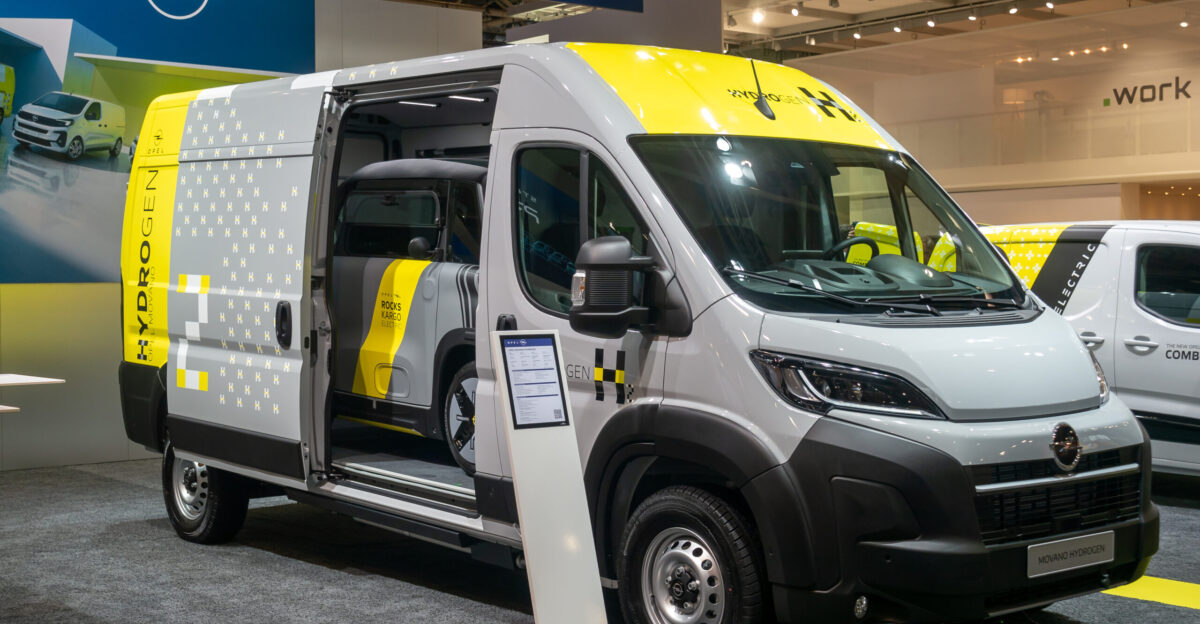
Paradoxically, the EV program’s collapse has benefited suppliers of internal combustion engines. Oshkosh’s gas-powered NGDV orders expanded significantly as electric production faltered.
Stellantis, manufacturer of Ram ProMaster vans, and Mercedes-Benz secured continued USPS contracts. The 2025 acquisition plan allocated 22,000 gas vehicles versus minimal EV deployments, sustaining fossil fuel vehicle markets through at least 2028.
Rural America Bears the Brunt of Modernization Failure

The Government Accountability Office has repeatedly warned about the deterioration of USPS rural service. Aging LLVs break down on remote routes, delaying the delivery of medications and other time-sensitive packages.
International mail processing delays compound these issues, with rural post offices resorting to rental vehicles. The modernization crisis disproportionately harms communities lacking alternative delivery services.
Battery Supply Chain Bottlenecks Stall Deployment
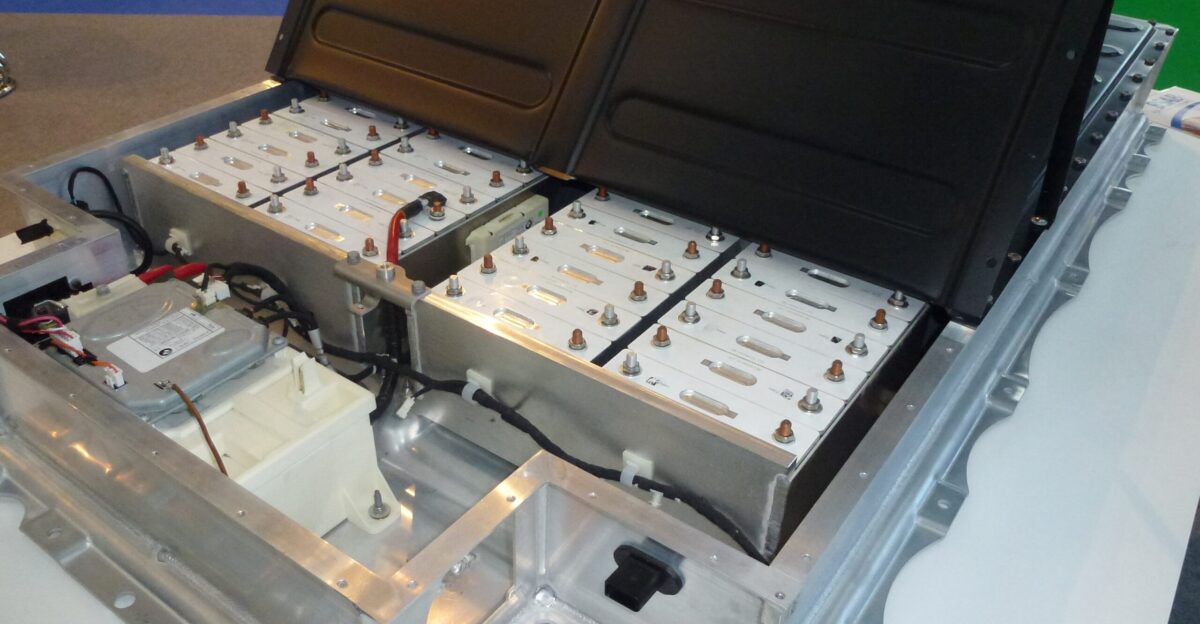
Global EV component shortages have exacerbated Oshkosh’s manufacturing failures. Battery pack procurement delays, semiconductor scarcity, and specialized electrical component backlogs created cascading shutdowns.
These supply chain constraints mirror broader EV industry challenges but are magnified by Oshkosh’s production incompetence, creating a perfect storm of federal procurement failure.
The Trump Transition Team’s Cancellation Threat

Incoming Trump administration officials have identified the USPS EV contract as a primary target for elimination. Transition team members view the program as emblematic of regulatory overreach and are considering canceling remaining orders while rescinding the $7,500 EV tax credit.
This political uncertainty further paralyzes Oshkosh’s planning and hinders the supply chain commitments necessary for a production ramp-up.
Oshkosh Stock Performance Reflects Program Uncertainty

Investors have responded cautiously to ongoing delays. Oshkosh Corporation’s stock experienced volatility throughout 2024 as production shortfalls became public.
Analysts question whether the company can recover its reputation and fulfill remaining contract obligations. The defense contractor’s failure to enter the civilian market may impact future federal procurement opportunities beyond postal service contracts.
Consumer Impact: Holiday Delivery Warning

USPS officials have warned consumers to expect potential delays during peak seasons. The agency claims 614 new package sorters will boost daily capacity to 88 million items, but uneven vehicle deployment creates logistical bottlenecks.
The 29,000 new vehicles hitting routes in 2025—mostly gas-powered—provide insufficient capacity for growing e-commerce demands, forcing consumers to rely on alternative carriers.
The 2025 Compromise: Abandoning the EV Vision
Postmaster General DeJoy’s 50-50 acquisition strategy represents a tacit admission that full electrification by 2026 is impossible. This compromise preserves the Oshkosh contract while realistically acknowledging manufacturing limitations.
However, it fundamentally contradicts the Inflation Reduction Act’s climate goals and Biden administration pledges, creating a policy schism between environmental ambitions and operational reality.
Future Scenarios: Ramp-Up or Policy Reversal
The USPS maintains its 106,480-vehicle acquisition target through 2028, but Oshkosh must increase production from one to 80 trucks per day to meet the deadlines. Political headwinds suggest potential contract cancellation if Republicans gain full control of Congress and the White House.
The program’s survival depends on whether manufacturing fixes or policy reversals dominate the next 24 months.
Global Implications for Federal EV Procurement
The USPS crisis serves as a warning for other federal fleet electrification efforts. The General Services Administration, the Department of Defense, and the Department of Energy are closely monitoring the outcomes.
Procurement experts advocate for smaller pilot programs before awarding massive contracts, suggesting that the $3 billion failure may reshape how Washington approaches clean energy infrastructure investments.
Program Legacy: Taxpayer Trust and Green Mandates at Risk
The $3 billion USPS EV saga exemplifies the dangers of ambition without execution capability. From Spartanburg water leaks to political battles over Inflation Reduction Act funding, the program has damaged public confidence in federal procurement effectiveness.
Aging Grumman LLVs will continue to serve 160 million American addresses while this monumental investment remains unfulfilled, forcing an urgent reconsideration of government-led climate initiatives.
Sources:
“Another Biden-Era Failure: Electric Postal Service Trucks.” Institute for Energy Research, 2025.
“Postal Services Plan to Electrify Mail Trucks Falling Far Short of Its Goal.” Engadget, 2025.
“USPS EV Fleet Behind Schedule with $3B in Taxpayer Funds Spent—and Only 612 Trucks Built.” New York Post, December 2, 2025.
“Ford-Powered Oshkosh USPS Mail Trucks Way Behind Schedule.” Ford Authority, December 12, 2024.
“Fleet Modernization: E-Transit Vehicle Acquisition Update.” USPS Office of Inspector General, September 15, 2025.
Oshkosh NGDV. Wikipedia, November 2025.