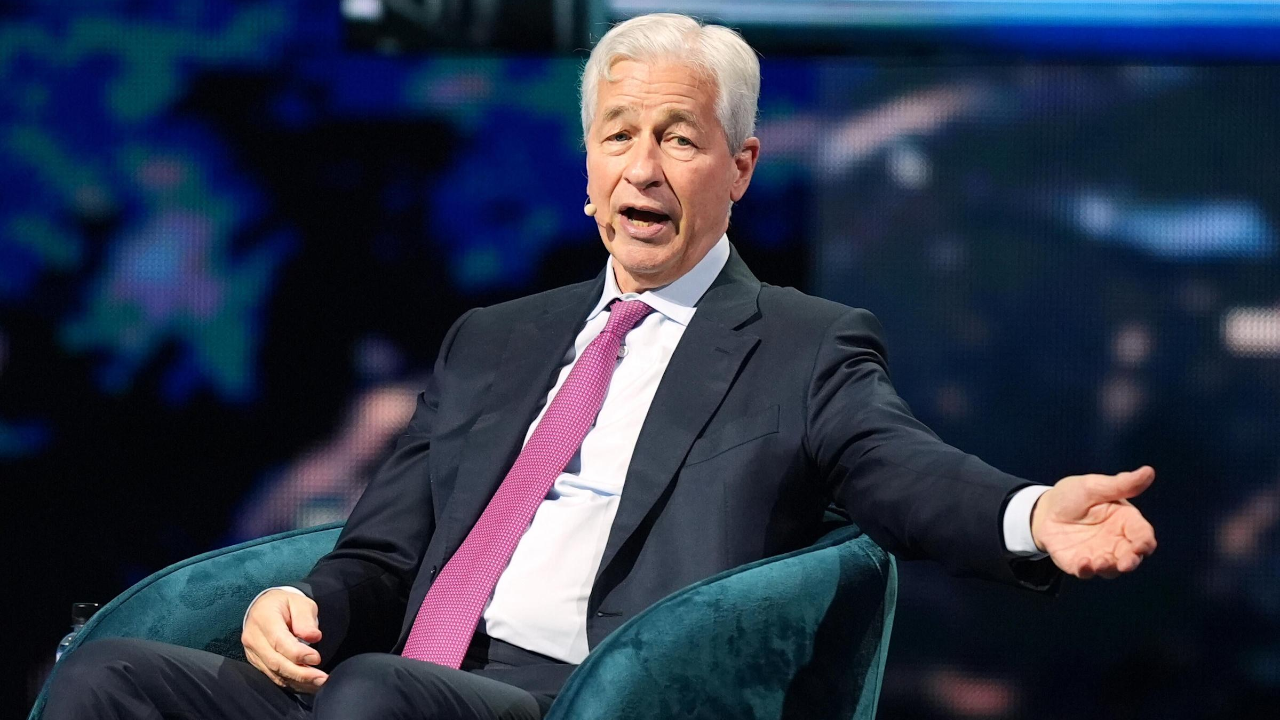
President Donald Trump has filed a $5 billion lawsuit against JPMorgan Chase and its CEO, Jamie Dimon, accusing the bank of illegally cutting ties with him and his companies after the January 6, 2021, attack on the US Capitol. Trump claims America’s largest bank “debanked” him for political reasons, turning a private banking dispute into a high-stakes clash between finance and presidential politics.
A Dispute with Political Overtones
The lawsuit, lodged in Miami-Dade County, alleges JPMorgan deliberately closed accounts belonging to Trump and several affiliated businesses in early 2021. According to the complaint, the bank’s notices gave roughly two months’ warning but no real explanation. Trump argues the closures were intended to punish him for his conservative politics following the Capitol unrest, not for standard risk-management reasons. He calls the move a betrayal of a decades-long business relationship that caused serious financial and reputational harm.
JPMorgan has rejected that version outright. In a statement, the bank said it “does not close accounts for political or religious reasons” and described Trump’s claims as “without merit.” Executives insist that all client relationships are reviewed through ordinary compliance procedures and may be ended when legal or regulatory risks become unacceptable.
The Alleged ‘Blacklist’

Beyond the account closures, Trump’s suit claims JPMorgan placed him, family members, and related entities on an internal “blacklist” that allegedly warned bank staff—and, by implication, the wider financial sector—against doing business with them. His lawyers argue such a list operated as a form of trade libel under Florida law, effectively labeling Trump and his businesses as too risky and damaging their reputation across the industry.
The filing accuses JPMorgan of defamation and of violating the implied covenant of good faith in client dealings. It also asserts that the bank’s actions breached Florida’s consumer protection laws. By naming Dimon personally as a defendant, Trump directly links the CEO to decisions he claims cost him millions and accelerated his exclusion from mainstream banking services.
JPMorgan’s Defense and Industry Context
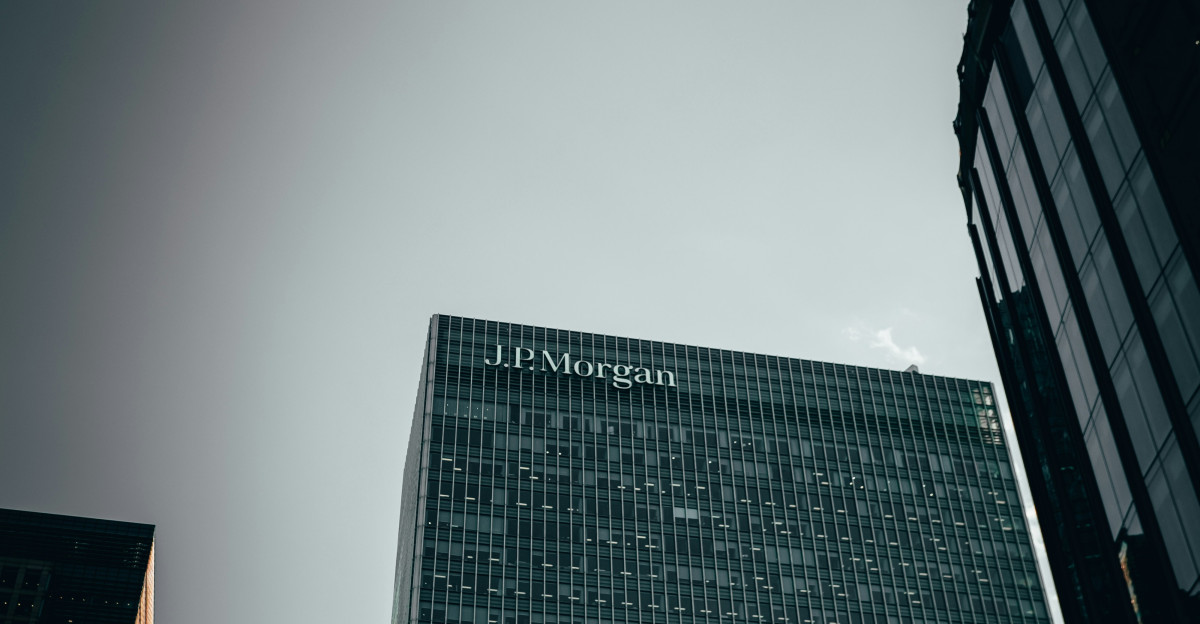
JPMorgan has maintained that its decision was strictly a matter of risk. Like other major banks, it argues that account terminations are routine when clients create potential legal or regulatory exposure. Industry contracts generally give banks wide discretion to close accounts with notice, an issue likely to become central to the case.
Legal analysts note that Trump faces a steep challenge. Banks typically enjoy broad legal authority in deciding which clients to serve, as long as they comply with notice requirements and anti-discrimination laws. A policy expert at the Cato Institute has suggested the lawsuit will be difficult to win, though it may ignite broader debate over how financial institutions treat politically controversial figures.
The Broader Fight Over ‘Debanking’
Trump’s lawsuit amplifies his claim that high-profile conservatives face financial discrimination. He portrays himself as part of a growing cohort targeted by a practice critics call “debanking,” in which companies or individuals allegedly lose access to financial services because of their ideology. The complaint recalls earlier episodes in which Trump said major lenders distanced themselves from his properties and ventures following his presidency.
The legal action also coincides with renewed personal friction between Trump and Dimon. Just weeks before the filing, the two men clashed publicly at the World Economic Forum in Davos, where Dimon criticized Trump’s proposal to cap credit card interest rates as “an economic disaster.” While that exchange is not part of the legal filing, it has fueled speculation about timing and motive on both sides.
At stake is not only Trump’s access to elite banking circles but also broader concerns about private institutions exercising hidden political influence. Lawmakers and advocacy groups across the political spectrum are watching the case as a potential test of whether courts will treat ideological bias as a legitimate basis for financial exclusion claims.
Global Spotlight and What Comes Next

The case arrives at a volatile intersection of politics, money, and law. For JPMorgan—the largest US-based bank with global operations—the suit threatens to draw its compliance decisions into partisan scrutiny. The bank must convince both the court and the public that it enforces rules consistently, regardless of clients’ political standing.
International media have followed the story closely, framing it as an unprecedented standoff between a former US president and one of the world’s most powerful banks. Analysts expect pretrial motions to focus on whether the bank’s internal communications or documents reveal political motivations behind the closures.
As of late January 2026, the proceedings are in their earliest phase. JPMorgan is expected to seek dismissal, arguing that the decisions were lawful and contractually sound. Should the lawsuit advance, months of discovery could expose how the bank weighed reputational risk against business interests at a time when Trump’s political image was under immense strain.
Regardless of its outcome, the case signals that the tension between political identity and financial gatekeeping is moving from public debate into the courts—where the balance between private discretion and political neutrality will be tested under national and global scrutiny.
Sources:
“Filing # 240043433: Donald J. Trump et al. v. JPMorgan Chase & Co. and Jamie Dimon.” Miami-Dade County Circuit Court, 22 Jan 2026.
“Trump sues JPMorgan for $5B, says the bank closed his accounts for political reasons.” Associated Press, 22 Jan 2026.
“Trump Sues JPMorgan, Saying the Bank Closed His Accounts for Political Reasons.” The New York Times, 22 Jan 2026.
“Trump sues Jamie Dimon, JPMorgan Chase over alleged ‘debanking.’” CNBC, 22 Jan 2026.
“Does Trump have a case against JPMorgan for closing his accounts?” Reuters, 24 Jan 2026.
“Trump sues JPMorgan and CEO Dimon over alleged ‘debanking.’” Al Jazeera, 22 Jan 2026.