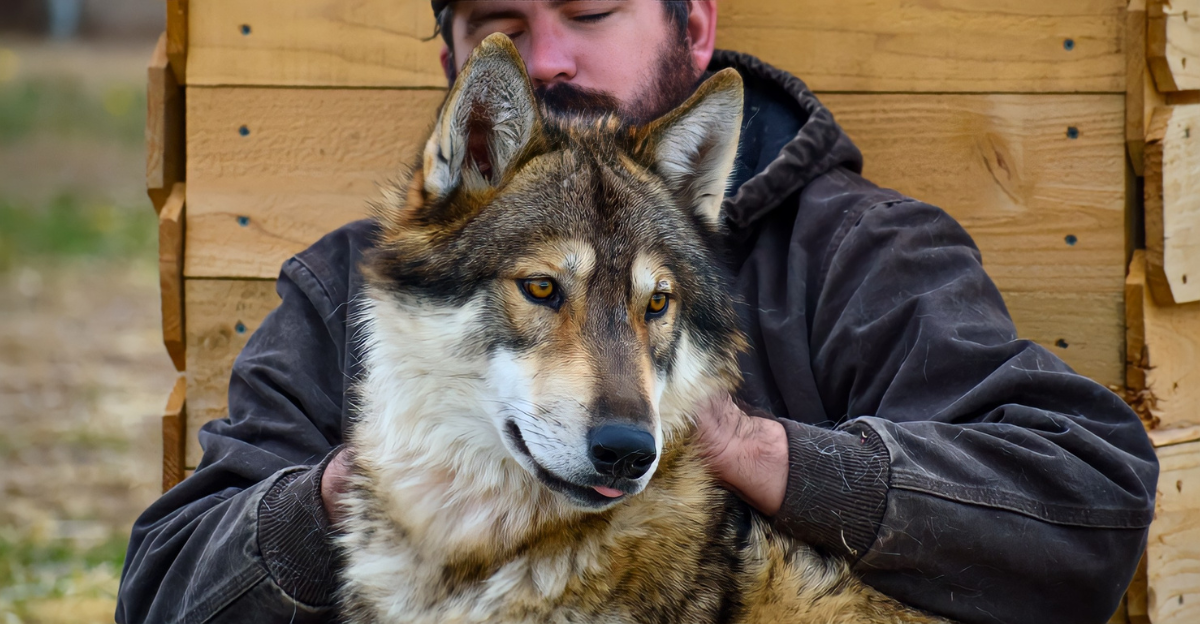
Not all dog breeds are as far removed from their wild ancestors as they might seem. While most breeds have been influenced by centuries of selective breeding, some still have astonishingly close genetic ties to wolves.
From the Arctic’s icy stretches to the deserts of ancient Egypt, these breeds carry more than just physical traits; they have instincts, behaviors, and DNA that reflect their primal past.
Domestication
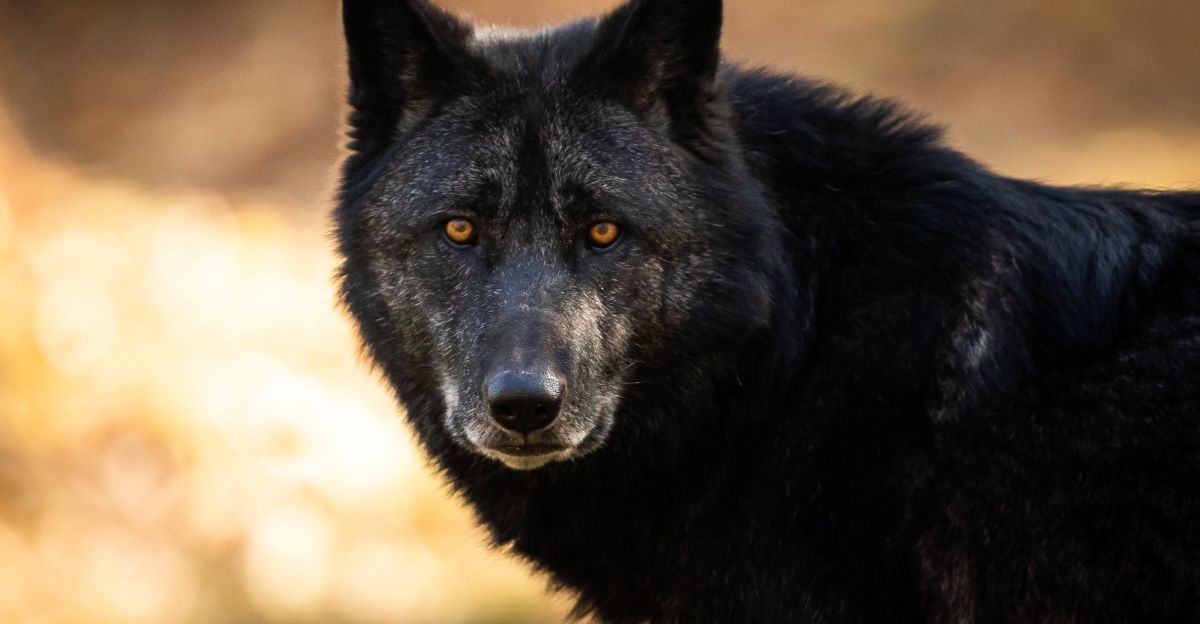
Siberian Huskies, Alaskan Malamutes, Shibas, and even toy breeds like the Shih Tzu remind us that domestication hasn’t erased every trace of the wild.
Now, let’s take a look at nine dog breeds that are not as far removed from wolves as you might think. Ready? Let’s get started!
1. Siberian Husky: The Sled-Dog Enigma
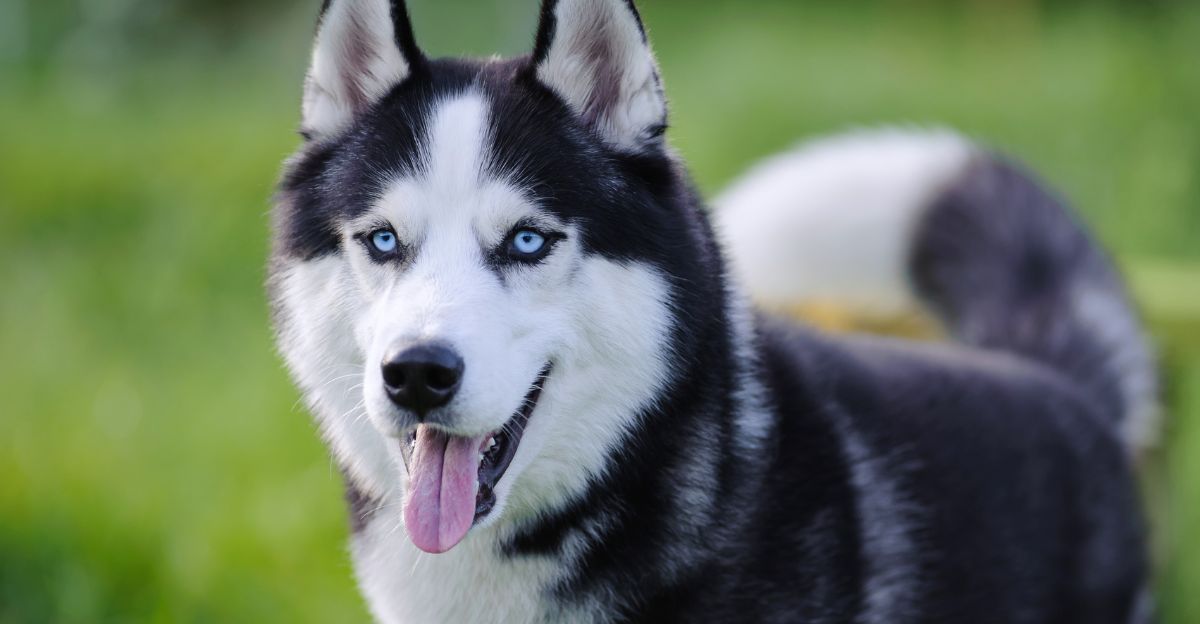
Siberian Huskies might look like playful pets with their stunning ice-blue eyes and cheeky grins, but their instincts trace straight back to the Arctic.
Generations of companionship haven’t erased their traits that were built for survival during harsh Arctic winters. Every sly glance and powerful stride hints at a legacy that goes well beyond winter sports and family homes.
Deeper Than Looks: Husky Genetics
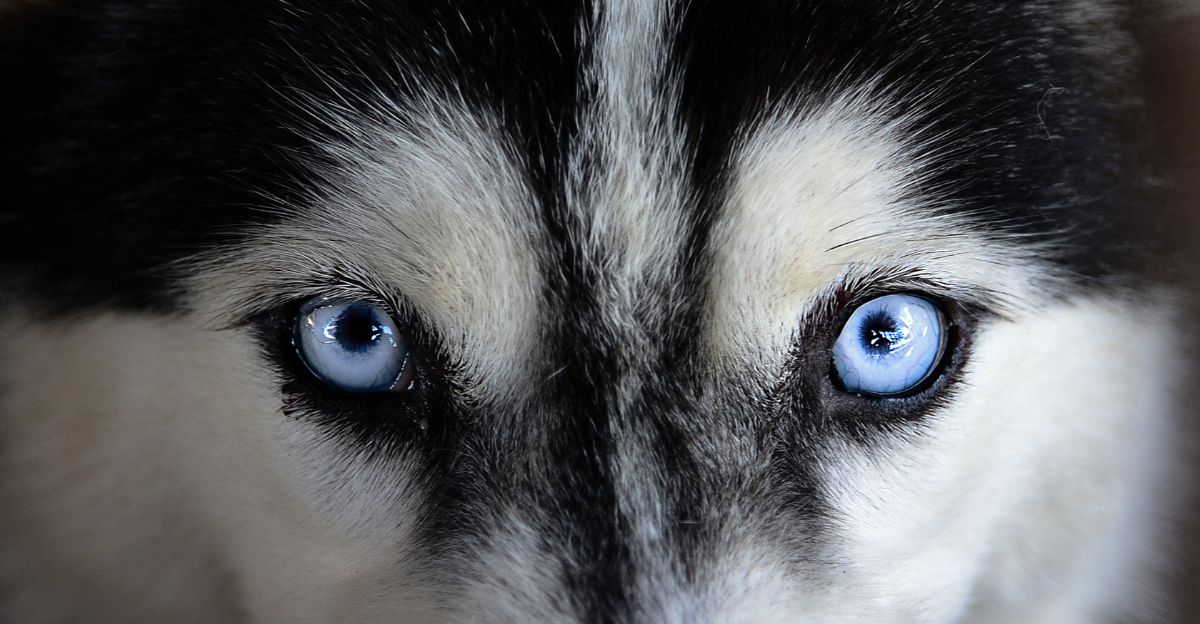
Recent DNA research confirms what their icy blue eyes already suggest: Siberian Huskies remain strikingly close to their wolf ancestors.
Unlike most dog breeds, they howl more than they bark, thrive in packs, and show incredible endurance. Every Husky walk is a little march through evolutionary time, reminding us that the call of the wild never fades.
2. Alaskan Malamute: Fluffy, Friendly…Feral?
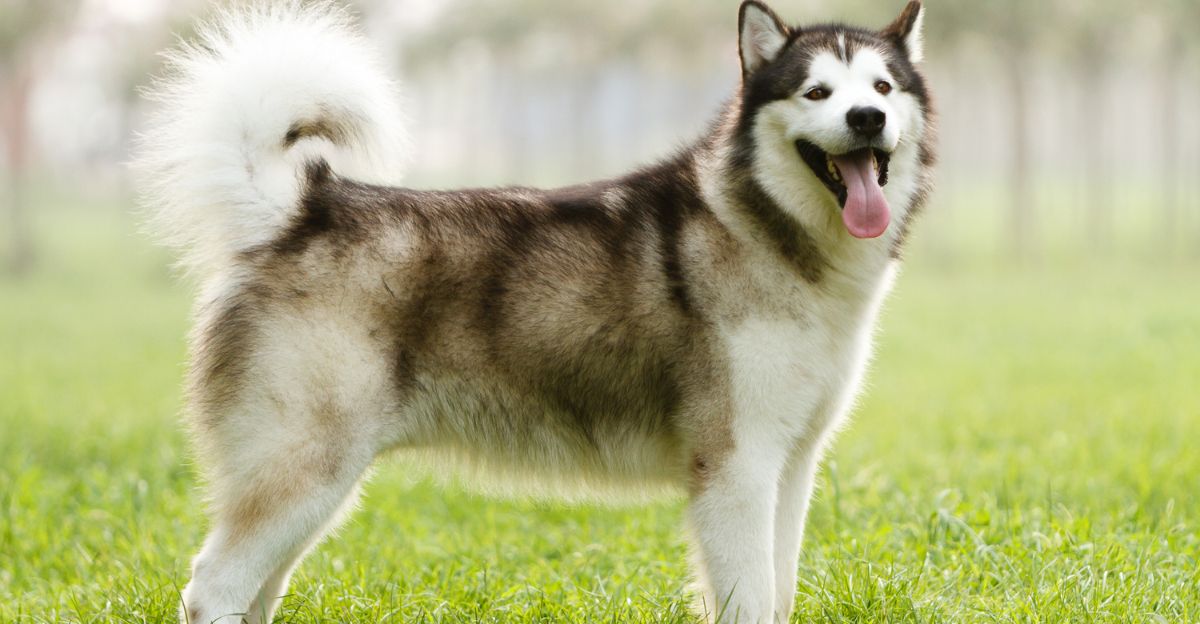
Behind that fluffy coat and cheerful grin, Alaskan Malamutes are primally powerful. Built for brutal Arctic conditions, these dogs once hauled heavy sleds across massive distances of snow just to keep communities alive.
The Malamutes curling up on couches today share DNA with paleolithic wolfdogs, which are the companions who helped early humans carve out a life in Ice Age North America.
True Origins: Malamute Ancestry Revealed
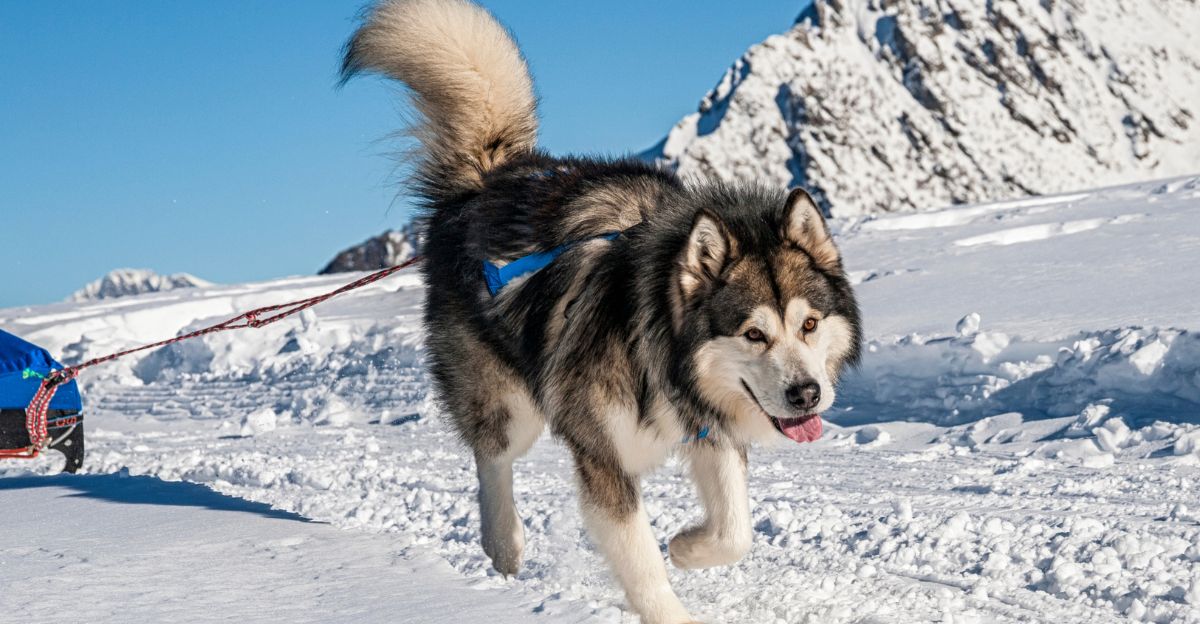
Modern science shows that Alaskan Malamutes descend almost directly from the first domesticated wolfdogs.
Unlike many breeds that have been shaped by selective breeding, they’ve maintained remarkable genetic purity, preserving the strength, smarts, and endurance that allowed their ancestors to survive at the edge of the Arctic.
3. Shiba Inu: The Ancient Brushwood Hunter
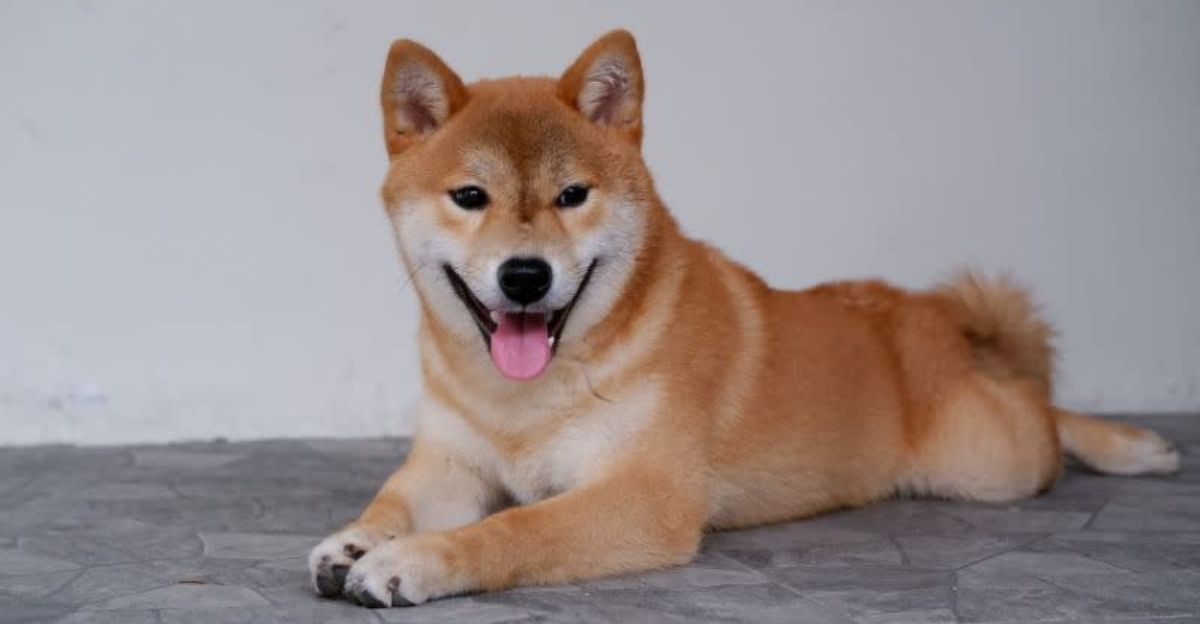
These dogs are small, cute, and endlessly photographed. While the Shiba Inu looks like a plush toy, you shouldn’t be fooled.
Beneath that fox-like face lies a wild, independent spirit. These dogs are resourceful and stubborn, and show traits that connect them more closely to their ancestors than most other modern dog breeds.
DNA Links: Shiba’s Wolf Connection
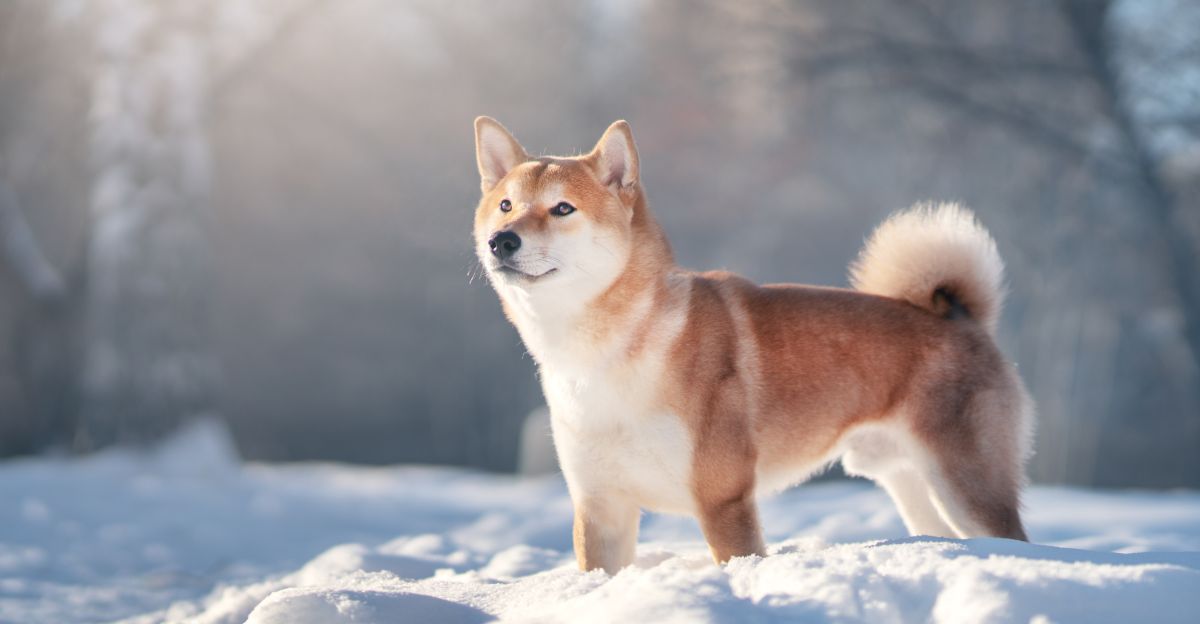
Having survived wars, isolation, and famine in Japan, the Shiba Inu has maintained some of the most unchanged DNA that has ever been found!
Their DNA remains strikingly close to wild wolves, proving that beneath the small, adorable exterior, Shibas are a living link between ancient wildness and modern companionship.
4. Samoyed: The Smiling Snow Guardian
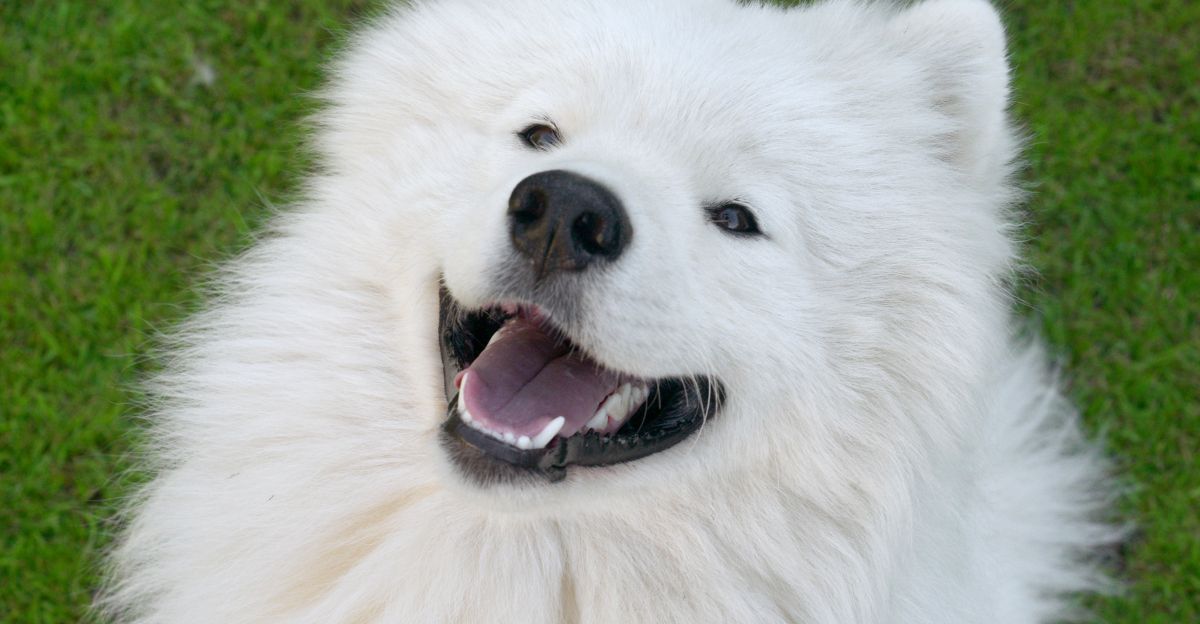
That famous “Sammy smile” comes with a ferocious past. Samoyeds worked alongside Siberian nomads for centuries, guarding reindeer, pulling sleds, and helping families survive harsh winters.
Their friendliness and loyalty mask a bloodline built for endurance and life in freezing, unforgiving conditions.
What Lies Beneath: Samoyed’s Wolf-ish Traits
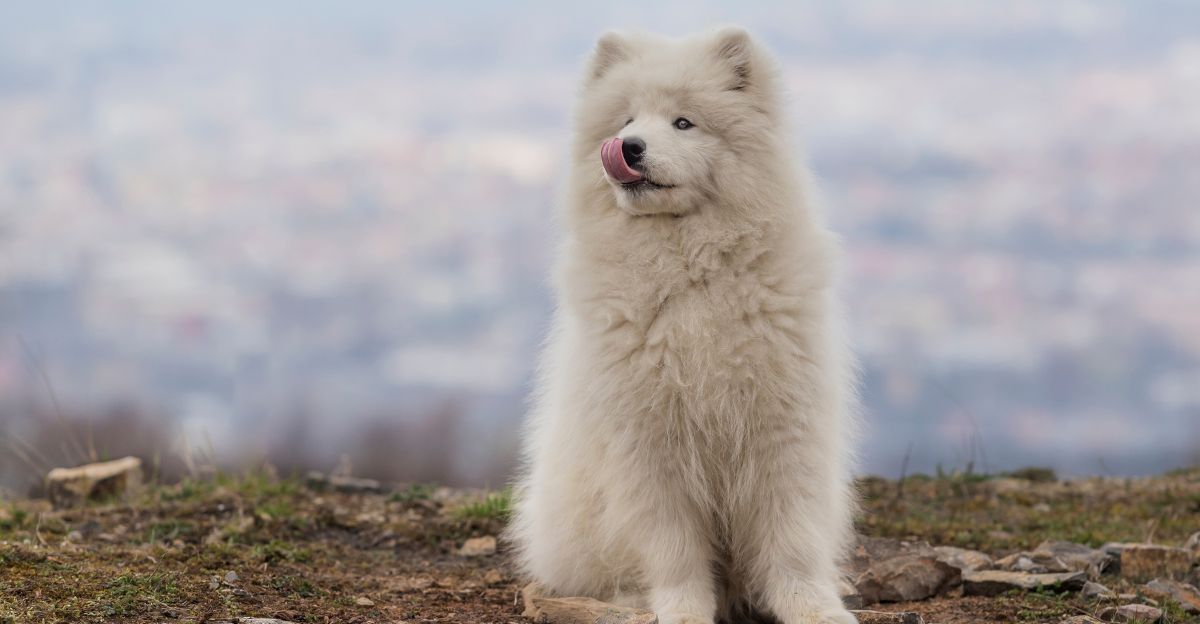
Samoyeds’ double coats and endless stamina aren’t the only traits they share with wolves. Their upturned “smiles” (designed to prevent icicles), pack instincts, and resilience all point to a wild heritage.
Science shows they’ve preserved Arctic adaptations and clear DNA links to their wolf ancestors.
5. Saluki: The Pharaoh’s Exotic Shadow
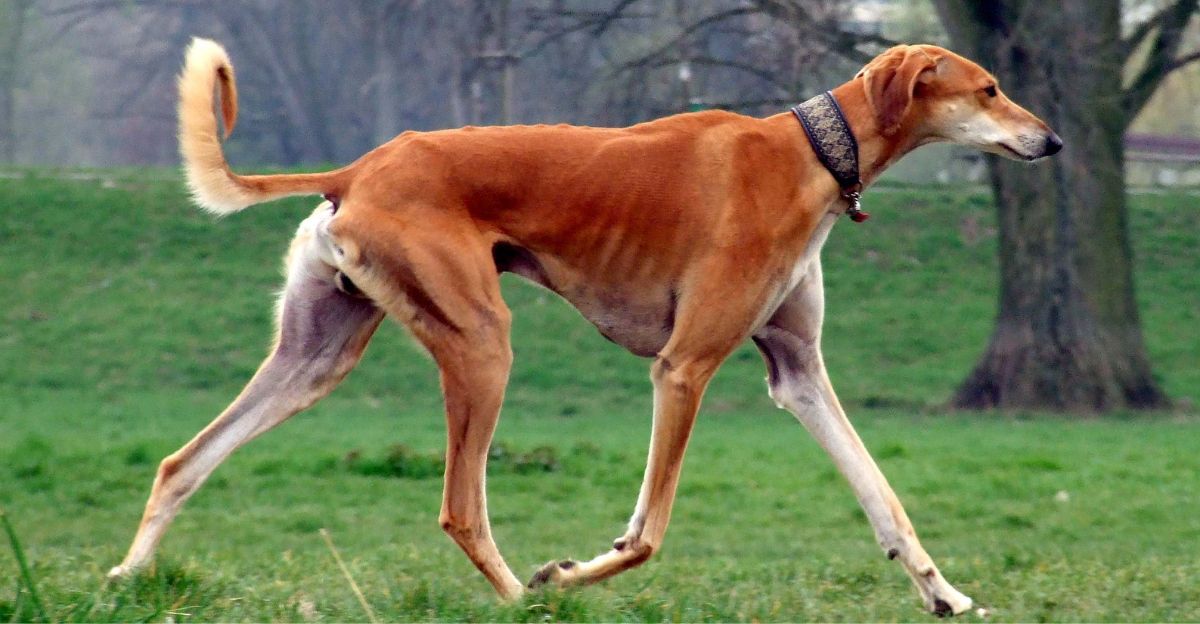
With long, deer-like legs and velvety coats, Salukis look almost mythical, but their elegance is deeply ancient.
Cherished by Egyptian pharaohs for their amazing speed and grace, Salukis carry a quiet, aloof energy that hints at the wild open plains where their ancestors once hunted.
Ancient DNA: Saluki’s Royal Divergence
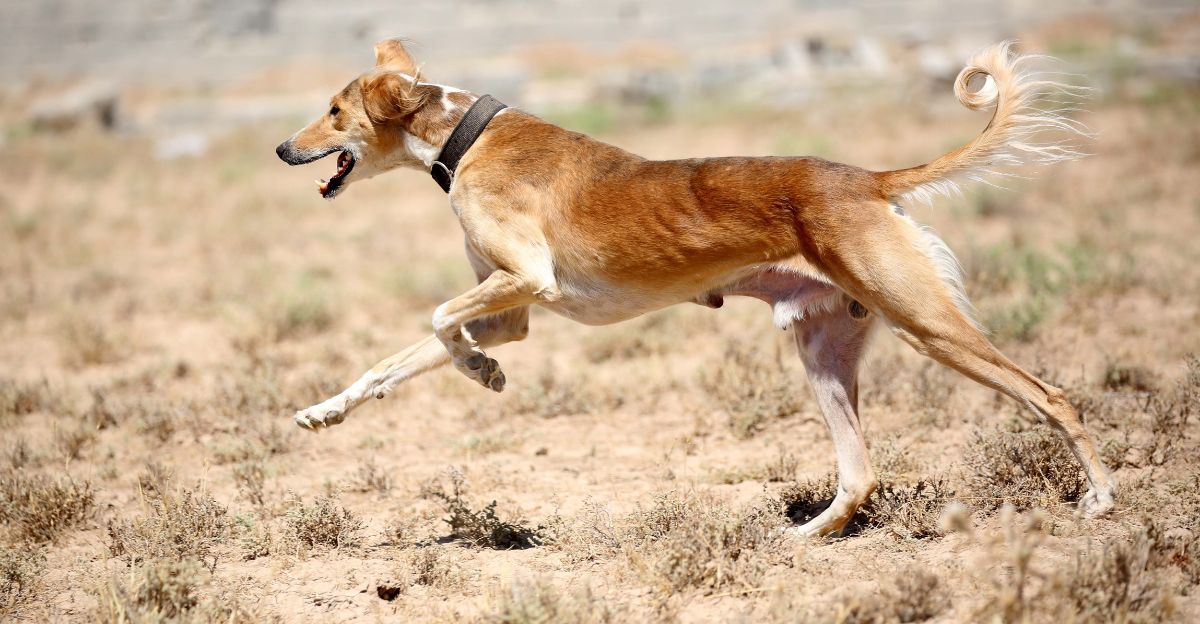
These dogs weren’t just companions; they were bred for purpose, survival, and royal prestige.
Mummified Salukis have been found alongside pharaohs, and modern DNA tests show they still carry strong links to their wolf ancestors.
6. Shih Tzu: Little Lion, Large Legacy
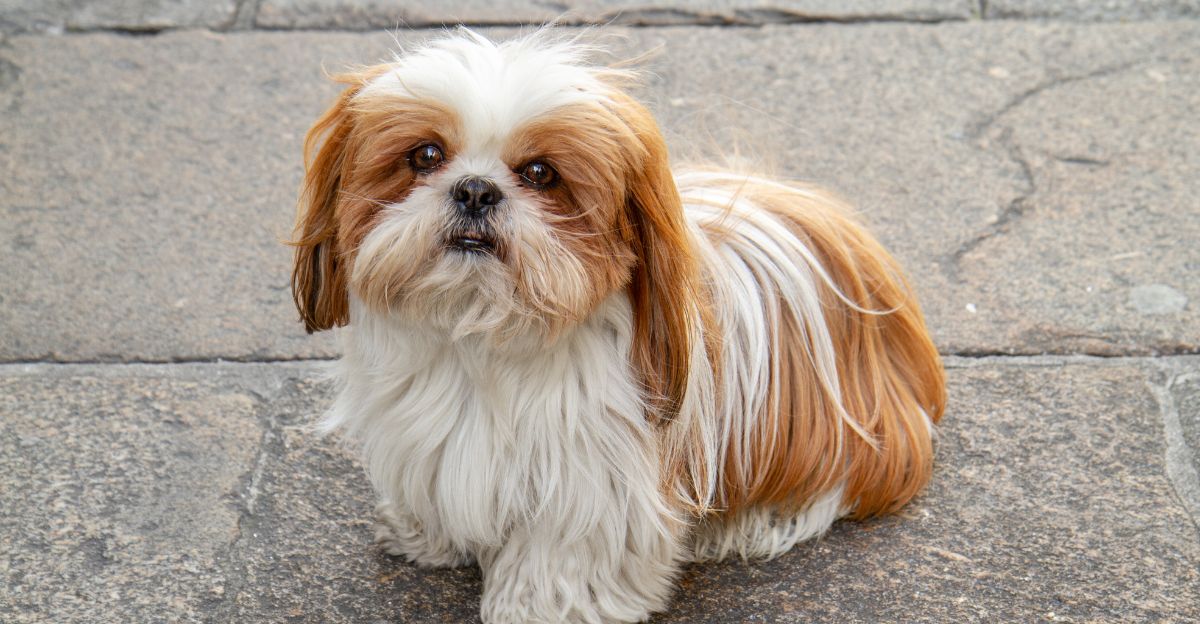
With their flowing coats and aristocratic attitude, Shih Tzus might seem far removed from wolves, but their history tells a different story.
Bred as prized companions in Chinese imperial courts, their confidence, cleverness, and bold personality hint at the wild instincts still tucked beneath their small exterior.
Surprise Fact: Shih Tzu’s Wolf-DNA
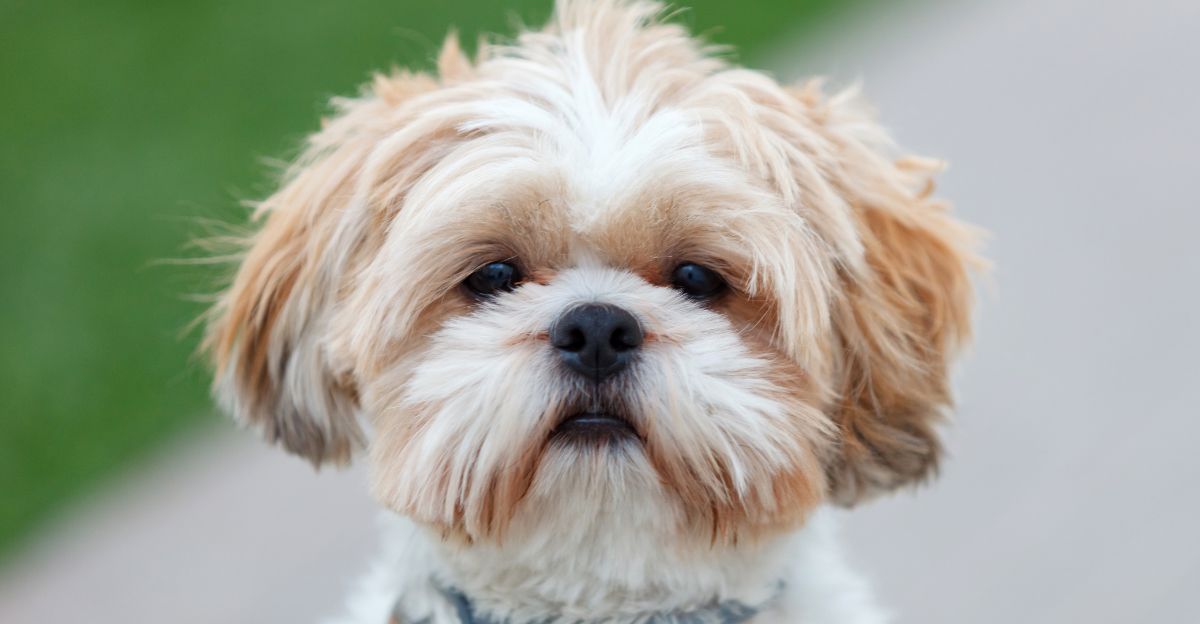
Even though they were bred as emperors’ lapdogs, Shih Tzus surprise scientists with one of the highest levels of wolf DNA among toy dog breeds.
This unique closeness to wolves is even more remarkable considering their small size and delicate features, blending regal domesticity with unmistakably fierce ancestral roots.
7. Akita: The Noble Protector with Feral Fire
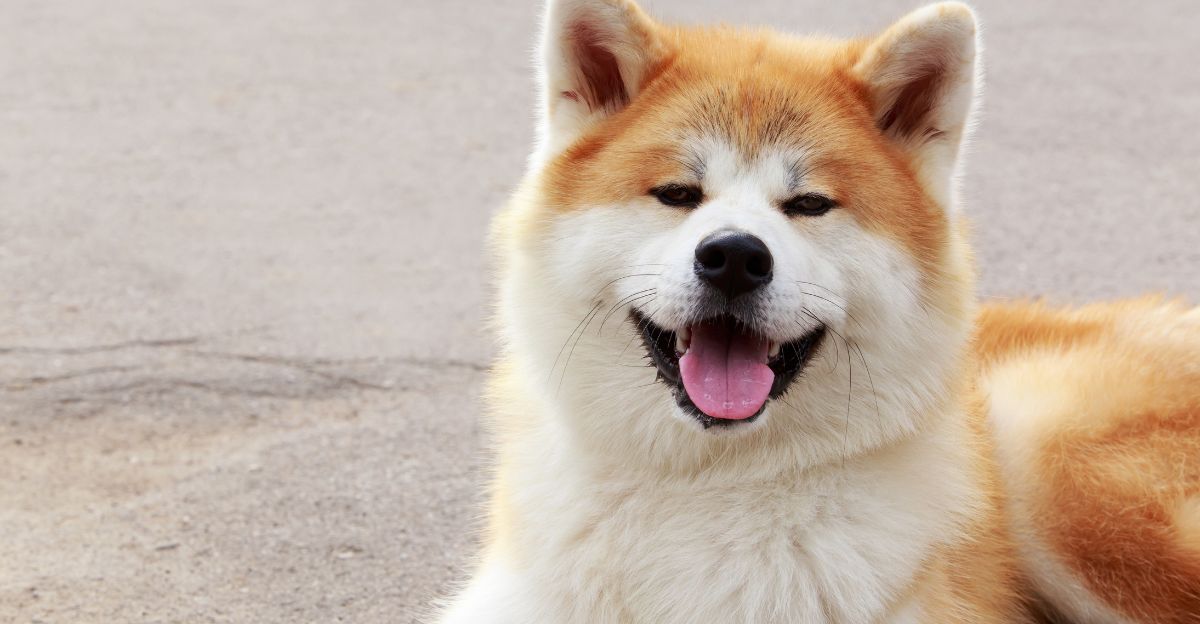
According to old stories, Japanese samurai and nobles relied on Akitas to guard palaces and hunt dangerous game animals. Known for loyalty and calm, Akitas still carry a spark of wildness beneath their stoic exterior.
These dogs don’t just look powerful; its every muscle, instinct, and alert gaze is a genetic inheritance from ancient, untamed kin.
Enduring Legacy: Akita’s Ancient Line
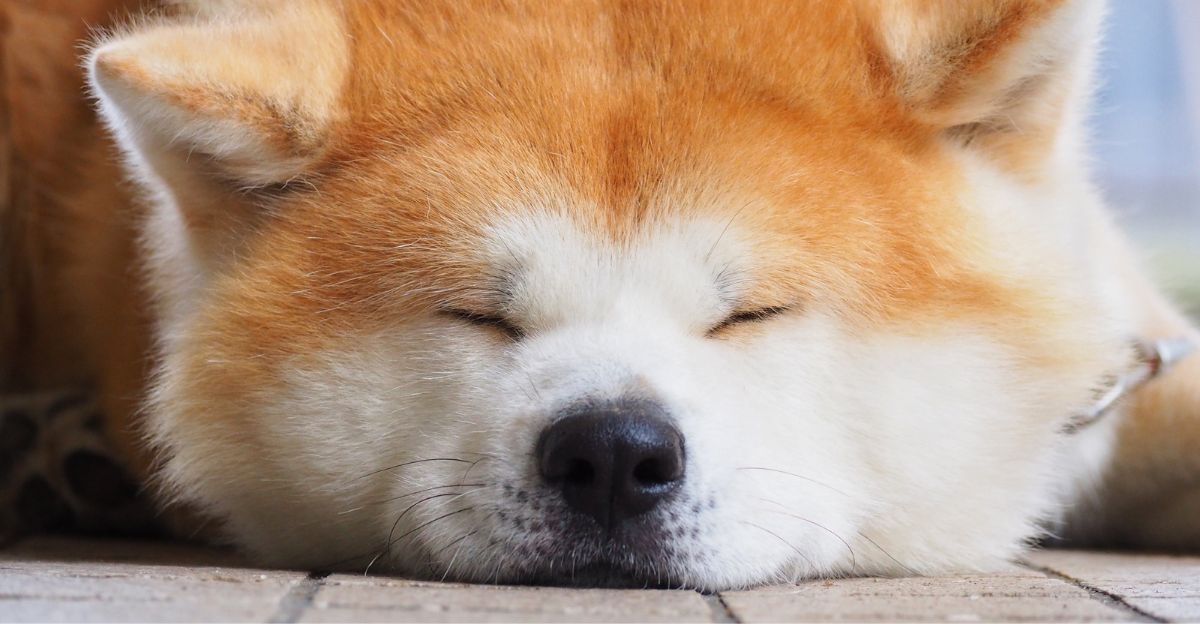
The Akita’s first true crisis came with war and near extinction. Lean bloodlines preserved those closest to wolf ancestors, with scientists confirming that Akitas remain one of the single most unchanged breeds since domestication.
Their patience, intelligence, and protectiveness are echoes of survival instincts refined on the margins of civilization.
8. Afghan Hound: Glamorous, Aloof, Ancient
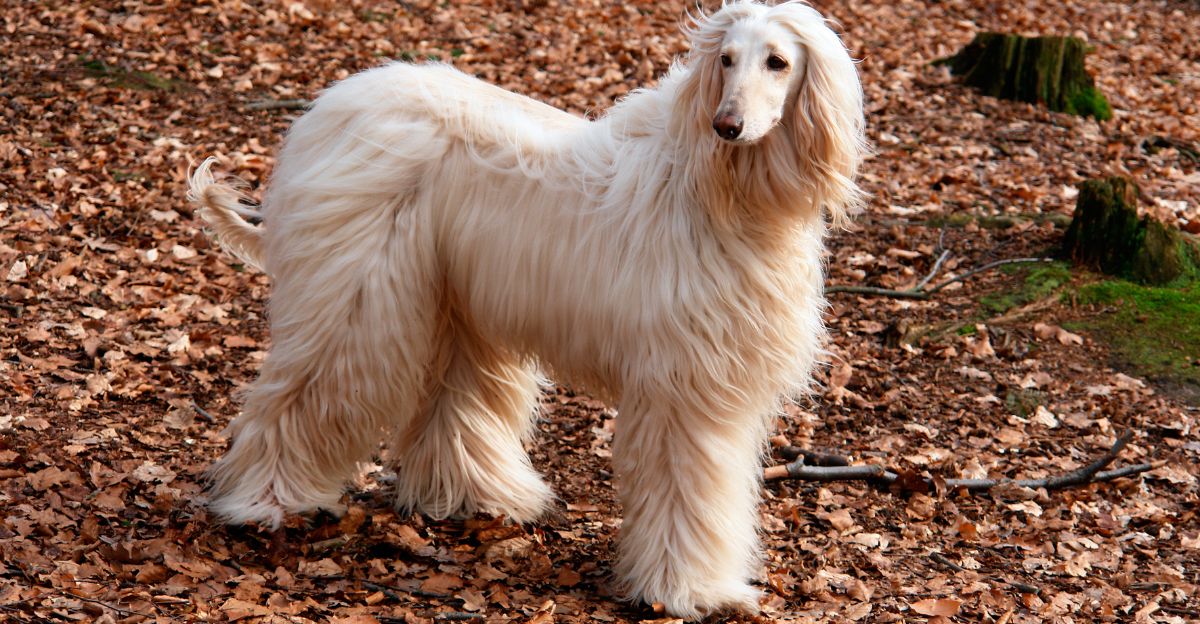
Afghan Hounds have wowed royalty and dog lovers for centuries with their flowing coats and elegant stance, but there’s more to them than just their beauty.
They evolved to sprint across harsh terrain, and their speed, alertness, and agility reveal a direct connection to desert-dwelling wolves of the past.
Science Unveils: Afghan Hound’s Primal Links
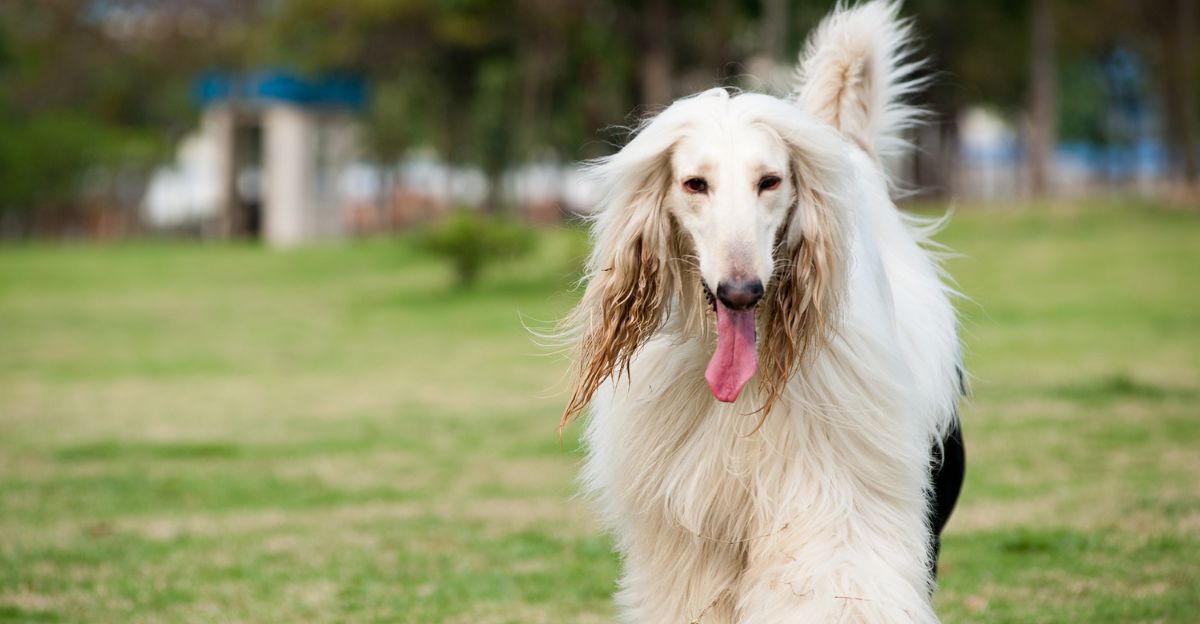
They are famous for their glamour, and surprised researchers with DNA that ranks them among the closest domestic breeds to their wild ancestors; closer than many working dogs.
Each dramatic turn of their head and quick acceleration on the field offers a glimpse at their primal past.
9. Chow Chow: The Blue-Tongued Ancient Guardian
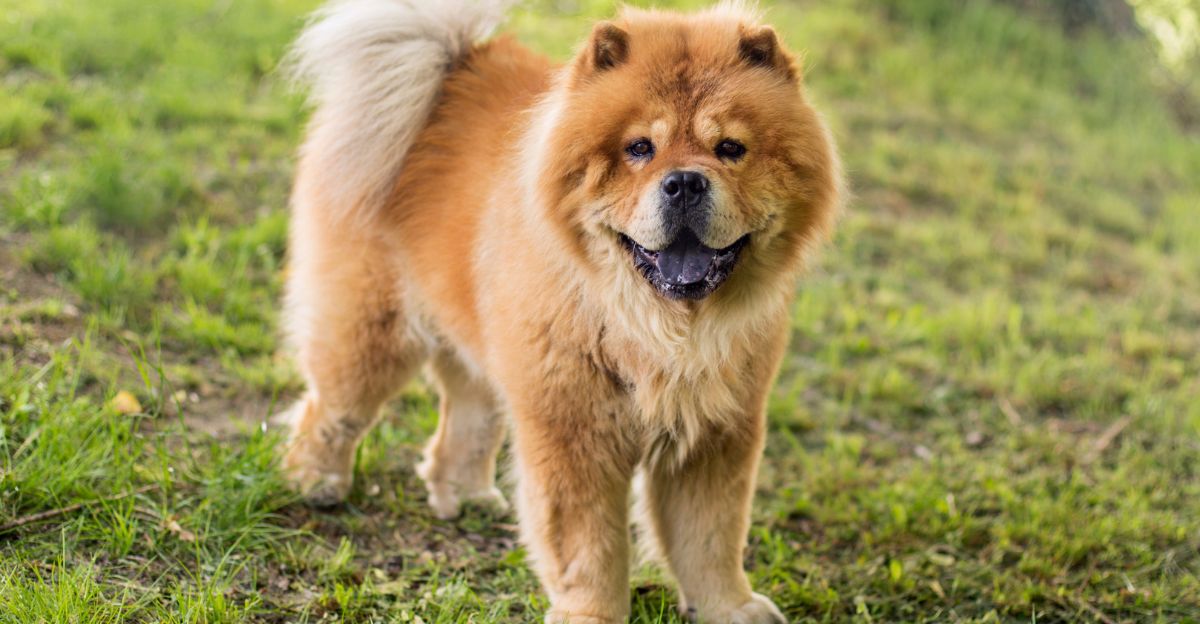
Chow Chows have always seemed mysterious, with their lion-like manes and blue tongues. Bred as royal guardians, their aloofness adds to their mystique.
What’s interesting is how much they retain the physical and behavioral traits of East Asia’s ancient wolves, blending domestication with a touch of myth.
Genes Defy the Eye: Chow Chow’s Wolfish Past
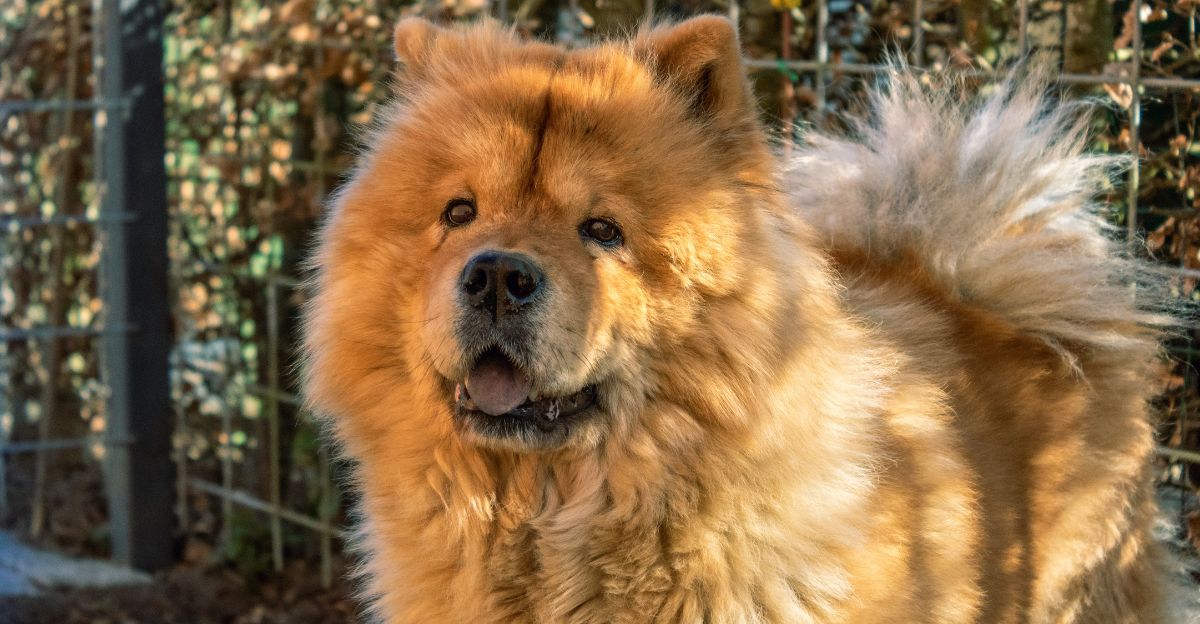
Studies reveal Chow Chows arrest time by preserving unique ancient canine DNA.
Their independence and calm detachment aren’t just personality quirks; they’re glimpses into a genetic past that is largely untouched by selective breeding.