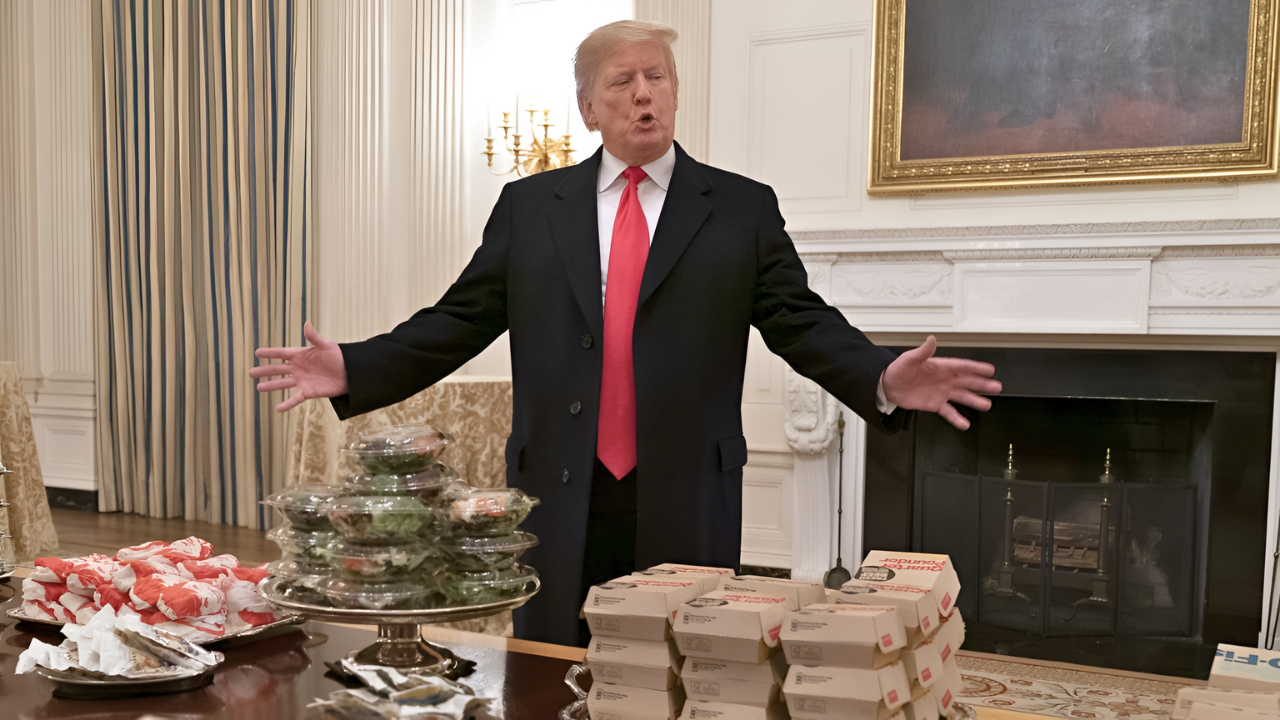
White House Press Secretary Karoline Leavitt found herself in an uncomfortable position on January 15 when she was forced to defend President Trump’s eating habits just hours after his own health secretary publicly questioned how the nearly 80-year-old president remains alive.
The moment crystallized a fundamental tension at the heart of the Trump administration’s health agenda.
RFK Jr. Breaks Cabinet Silence
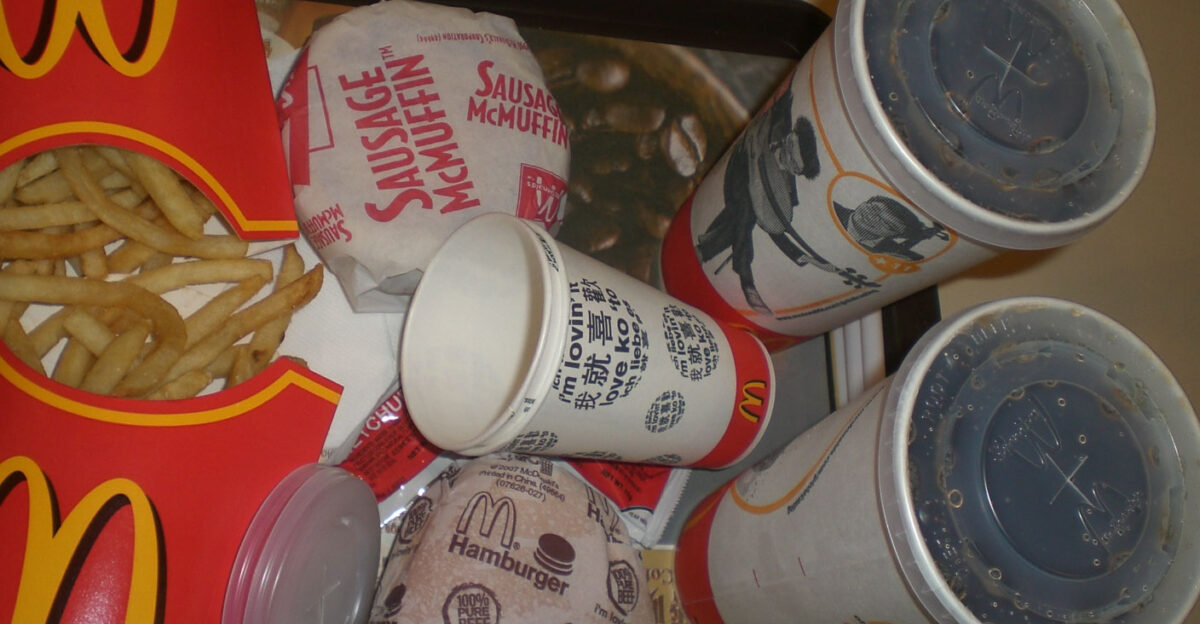
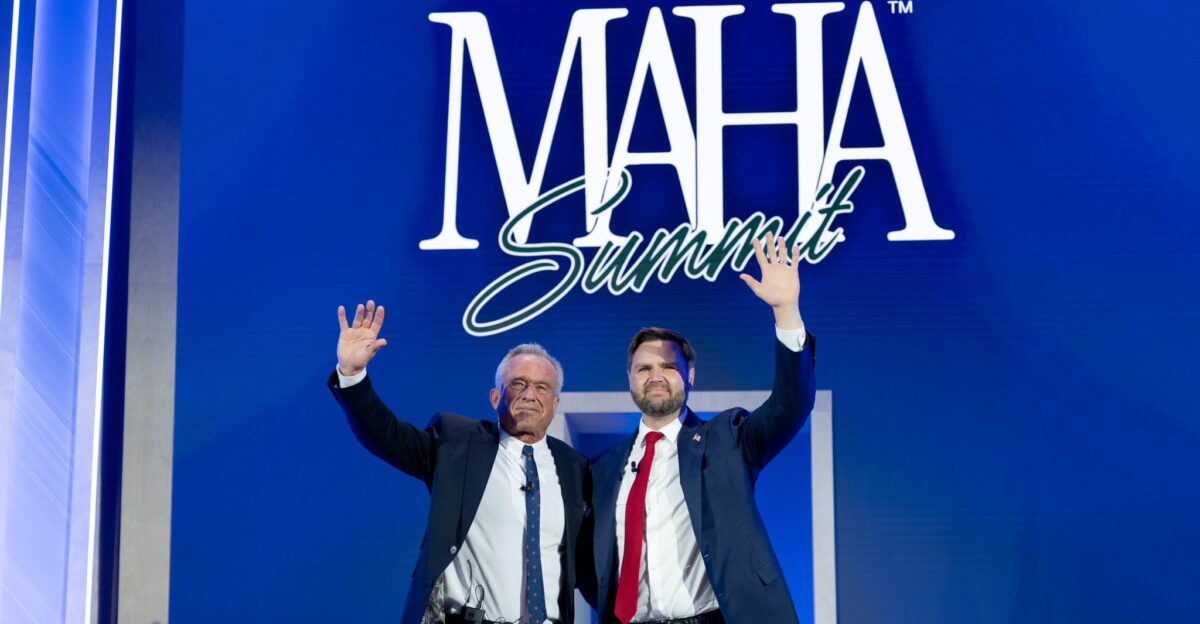
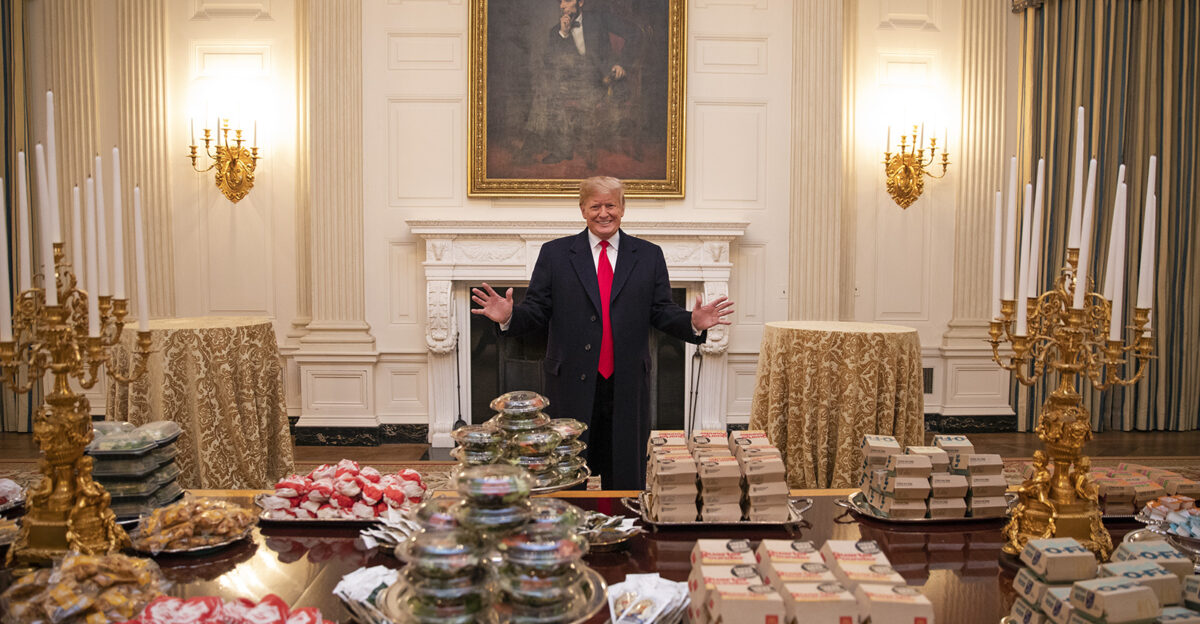
On The Katie Miller Podcast, aired January 13, Health and Human Services Secretary Robert F. Kennedy Jr. described Trump’s diet in blunt terms. According to Kennedy, Trump regularly consumes McDonald’s, candy, and Diet Coke—a pattern Kennedy said gives the impression the president is “pumping himself full of poison all day long.”
Speaking to Katie Miller, wife of White House Deputy Chief of Staff Stephen Miller, Kennedy was asked who in the cabinet had the most “unhinged eating habits.”
‘I Don’t Know How He’s Alive’
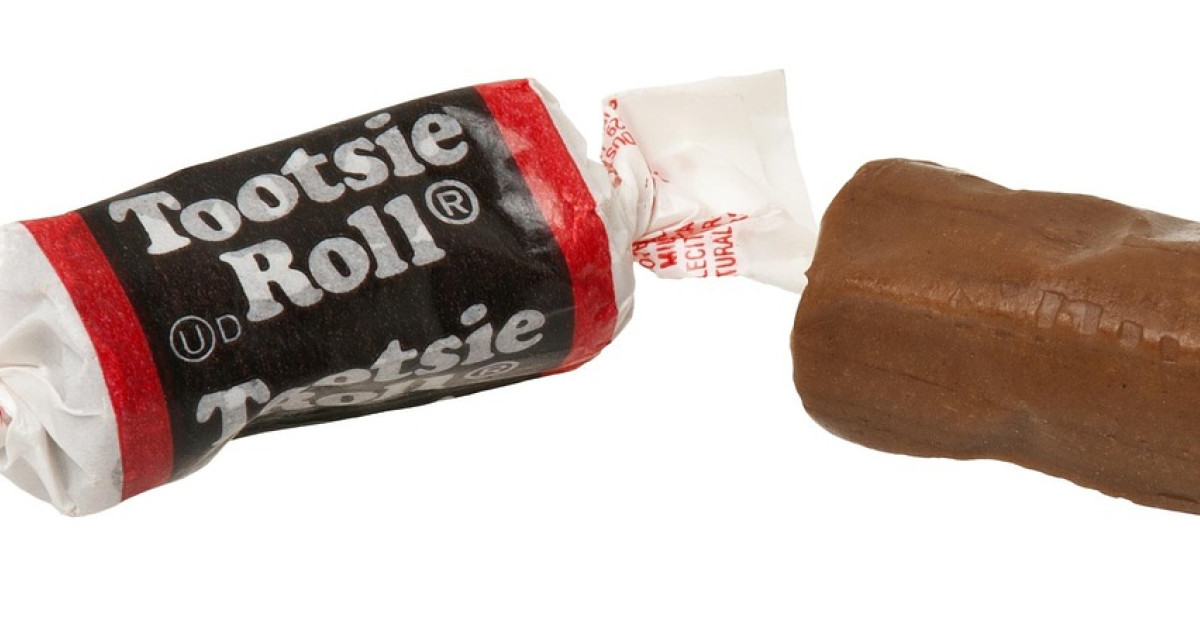
Kennedy’s response went beyond dietary criticism. The 71-year-old health secretary acknowledged what many observers have wondered: “I don’t know how he’s alive.” The president, he noted, maintains what Kennedy called “the constitution of a deity,” yet subsists on a daily regimen of fast food, processed sweets, and constant Diet Coke consumption.
For the man leading America’s “Make America Healthy Again” movement, the statement represented an extraordinary public acknowledgment of the disconnect between the administration’s health policies and its chief executive’s personal habits.
Trump Drinks Diet Coke ‘At All Times’
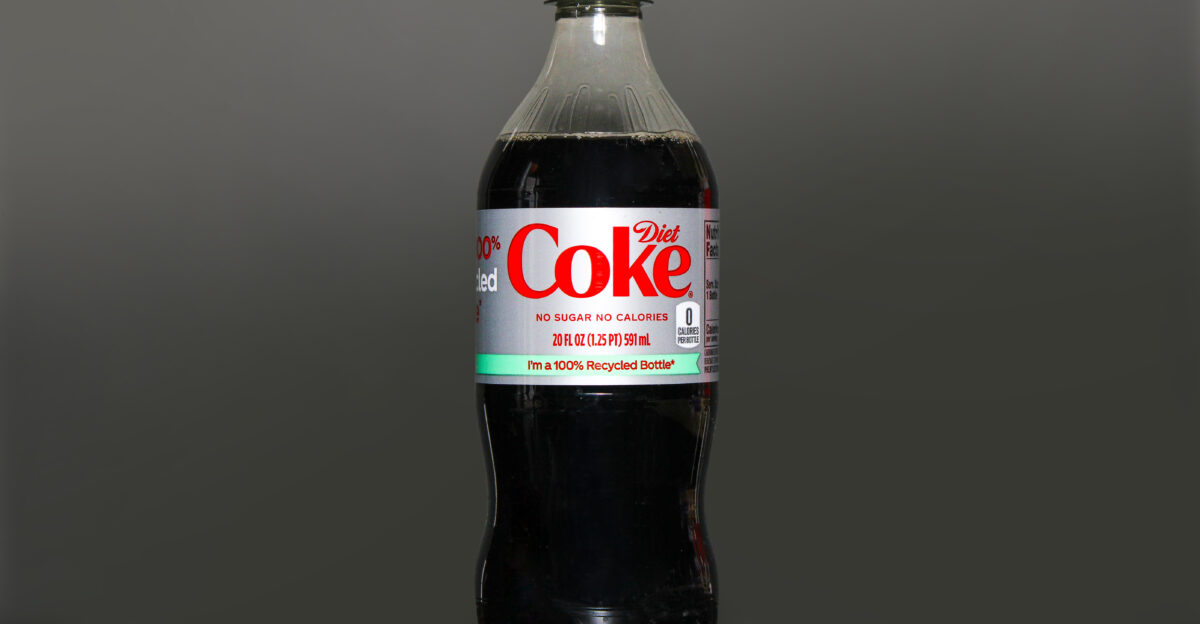
Kennedy elaborated on Trump’s beverage consumption during the podcast, stating plainly: “He drinks Diet Coke at all times.” The health secretary’s description painted a picture of near-constant soda consumption alongside frequent visits to McDonald’s.
Despite these habits, Kennedy emphasized that Trump somehow maintains high energy levels and appears unusually resilient for someone his age, despite consuming a daily diet that is calorie-dense and nutrient-poor.
The Road Diet vs. The Residence Diet
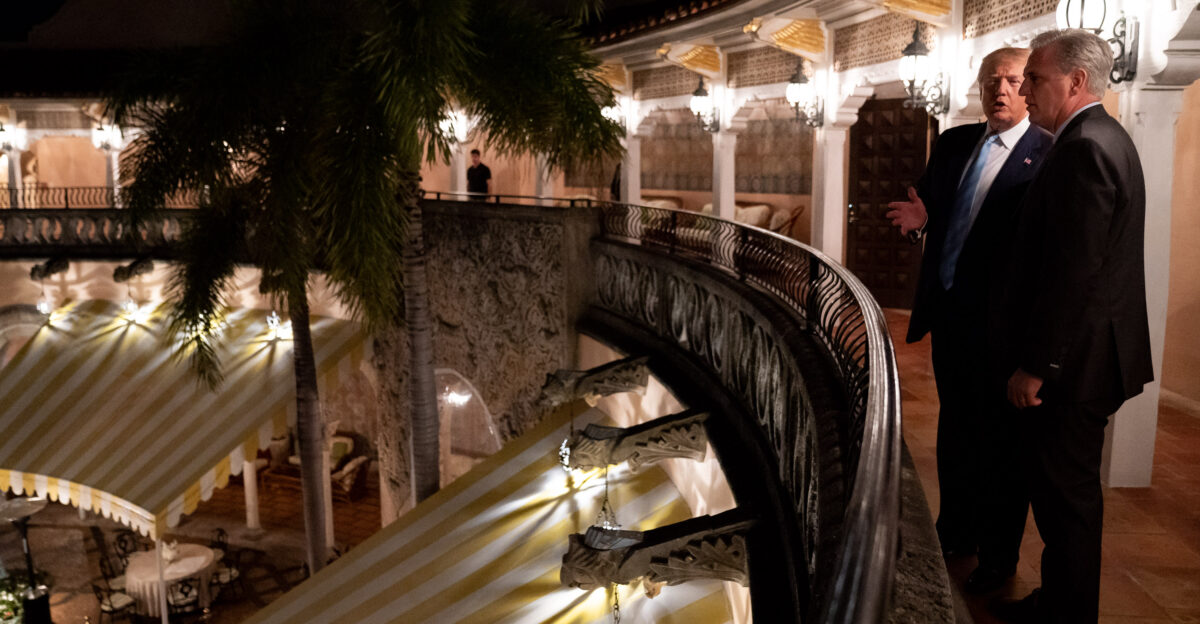
Kennedy offered context that Trump eats “really good food” when at Mar-a-Lago or the White House. The health secretary suggested Trump’s fast-food diet intensifies during travel, when Trump opts for McDonald’s because, as Kennedy explained, Trump “trusts it and he doesn’t want to get sick” while on the road.
This distinction between Trump’s traveling diet and his residence meals became central to the White House’s defense strategy hours later.
Trump Signs Whole Milk Bill
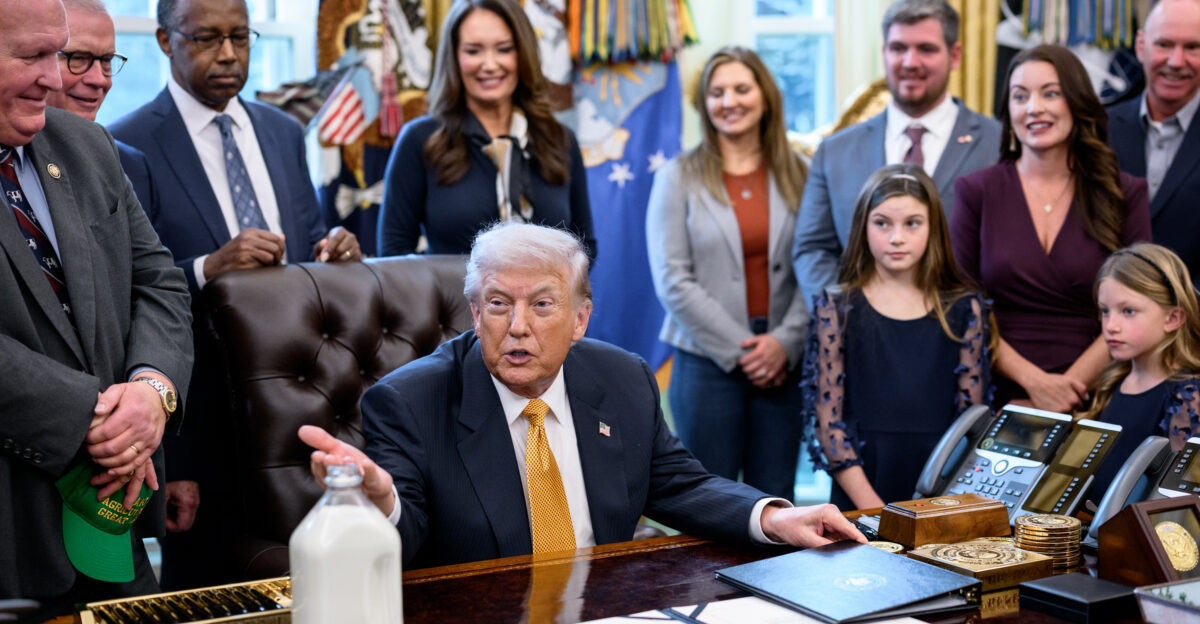
On January 14, Trump signed the “Whole Milk for Healthy Kids Act,” reversing Obama-era restrictions that limited whole milk in school cafeterias. The timing proved ironic. Standing in the Oval Office, Trump made comments about his own cognitive abilities, claiming his health and mental sharpness.
He told reporters that he had “aced” cognitive tests, attributing his success partly to milk consumption—a claim that would soon collide with his health secretary’s public skepticism.
‘I’ve Aced Every One of Them Because I Drink Milk’
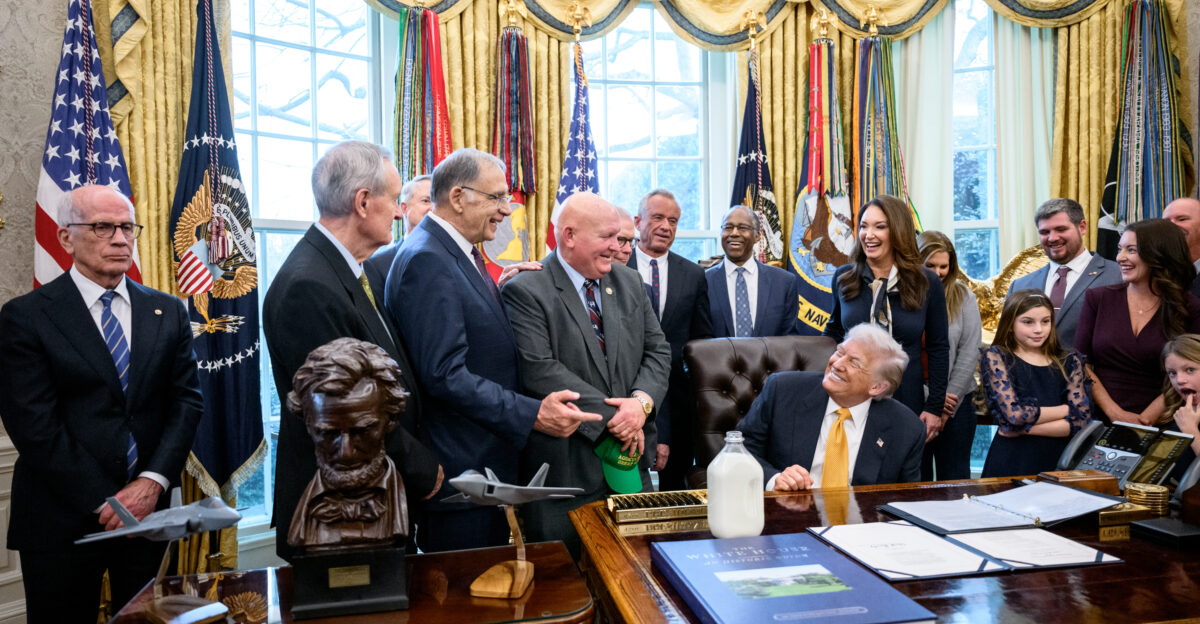
During the bill-signing event, Trump made an unusual claim about his cognitive test performance. According to Trump, he has “aced every one of them because I drink milk.” This assertion came as Trump promoted whole milk for America’s schoolchildren, positioning dairy as essential to cognitive function.
The statement shifted focus from medical assessment to personal dietary choice, even as Kennedy’s podcast comments suggested Trump’s overall diet undermined rather than supported health.
Trump Claims Perfect Health and Three Perfect Cognitive Test Scores

On January 2, Trump posted on Truth Social that White House doctors reported him in “PERFECT HEALTH” and that he “ACED” his cognitive examination “for the third straight time,” claiming he was “correct on 100% of the questions asked.”
Trump characterized this performance as unprecedented, stating, “No other President, or previous Vice President, was willing to take” such an examination. The posts established Trump’s health narrative days before Kennedy’s podcast appearance, which contradicted it.
Kennedy’s Comments Hours Before Bill Signing
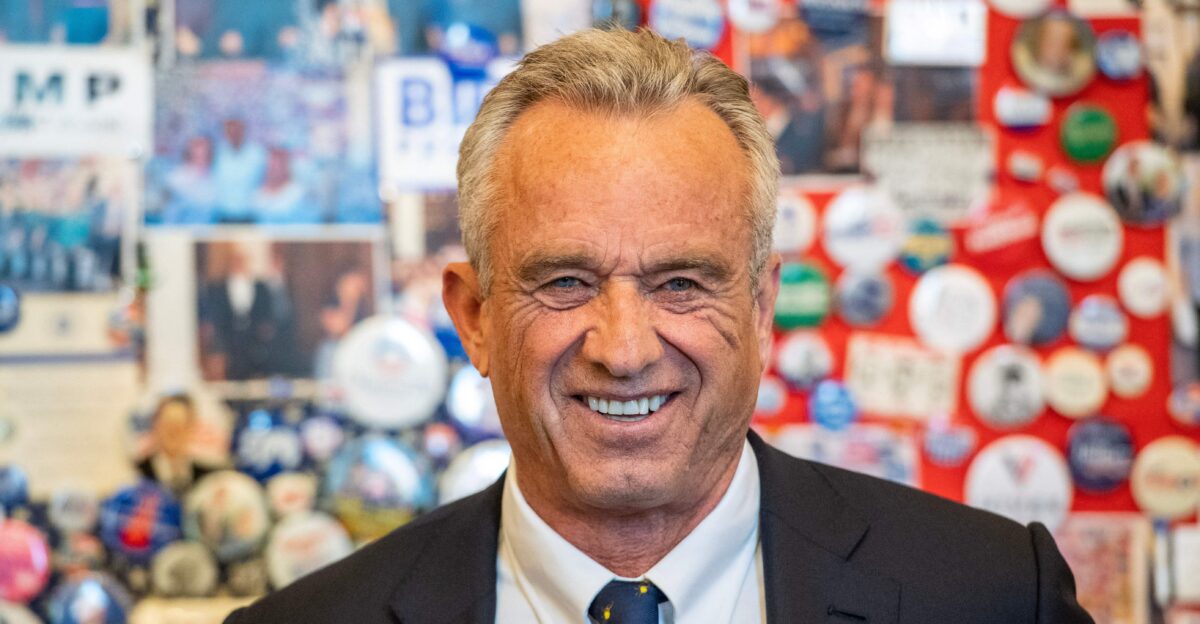
Kennedy’s podcast recording aired on January 13, mere hours before Trump’s January 14 bill-signing event on whole milk policy.
The proximity created an awkward narrative: America’s health secretary had just told a national audience the president subsists on poison while the president stood signing legislation to make children healthier through dairy. Press Secretary Leavitt would face immediate questions about this apparent contradiction.
Leavitt’s Response
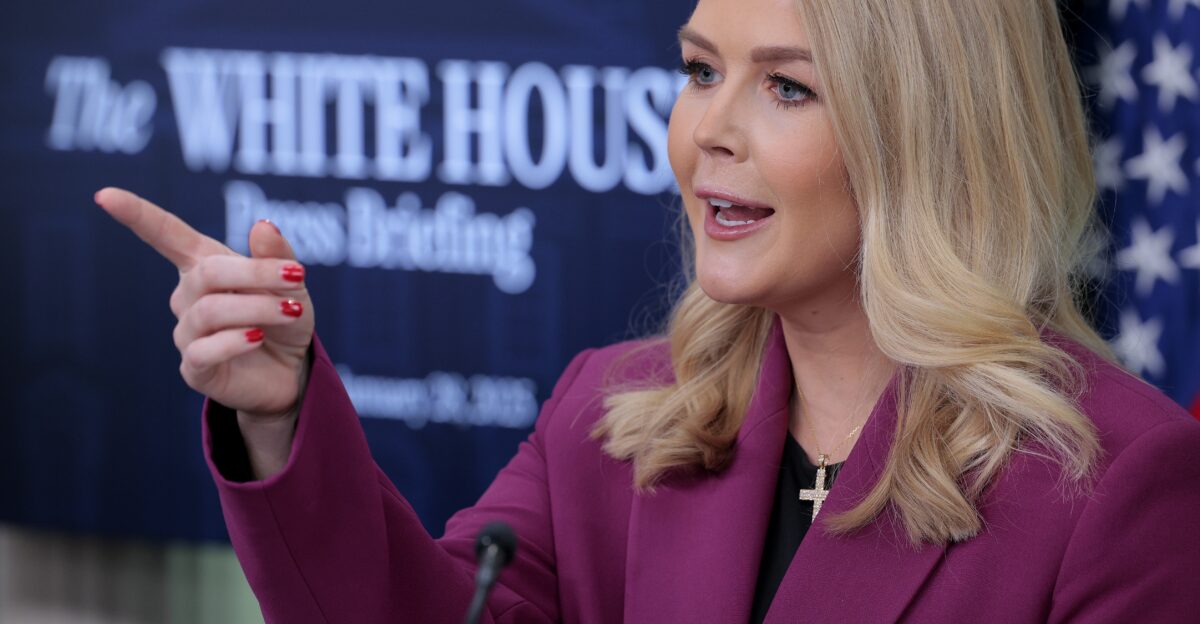
On January 15, Leavitt was asked directly about Kennedy’s remarks. She acknowledged that Trump “has his own personal habits” when it comes to food, according to Politico reporting. Rather than defending Trump’s diet, Leavitt pivoted: she noted that Trump “understands the movement and the power behind all of these moms who have united in pushing for a real public health change.”
The response conceded the diet criticism while emphasizing Trump’s ideological alignment with MAHA objectives.
Leavitt’s Implicit Concession
By acknowledging Trump’s “personal habits” differ from MAHA principles, Leavitt essentially conceded Kennedy’s point without saying so directly. She couldn’t defend the diet itself—Kennedy’s description was documented factually in his own podcast appearance.
Instead, she separated Trump’s personal choices from his policy commitments. The press secretary was admitting, without stating it explicitly, that Trump’s eating habits contradicted the health agenda he championed.
The White House Spokesman’s Counterattack
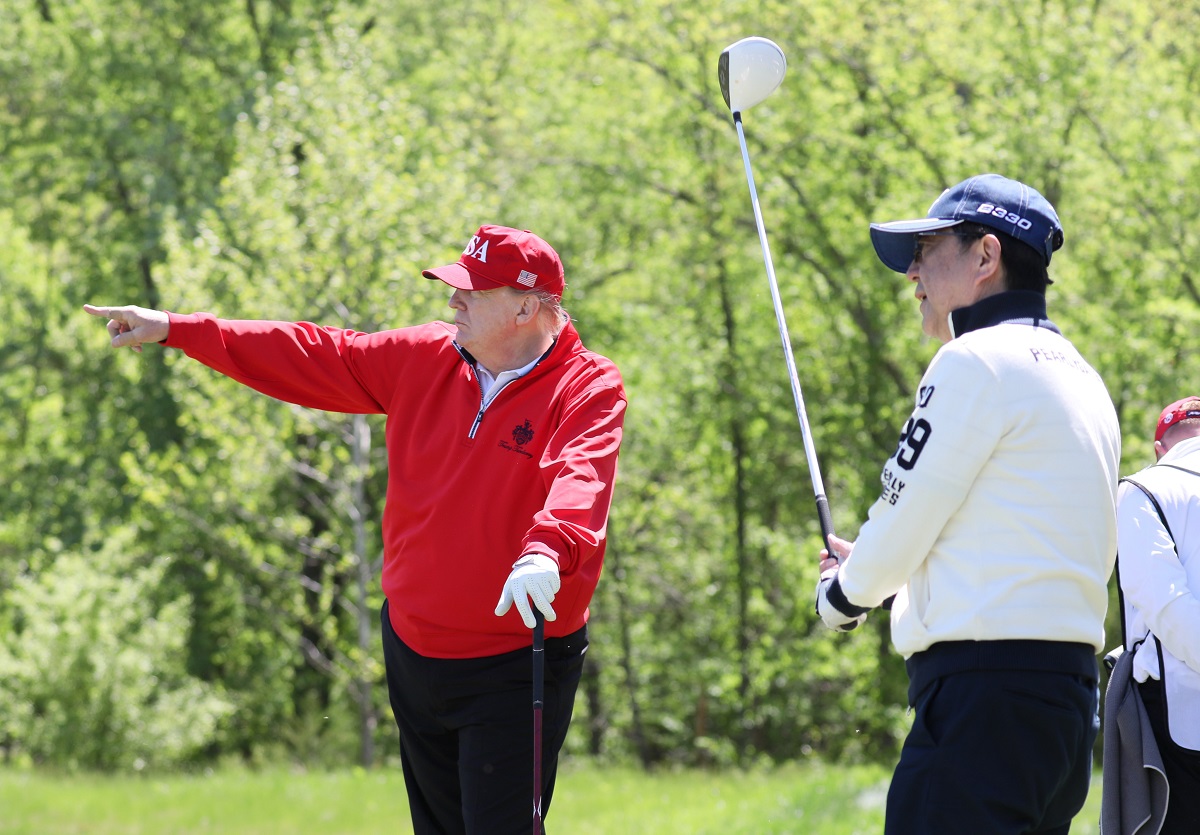
White House spokesman Kush Desai issued a statement defending Trump against Kennedy’s implications. Desai wrote, “Secretary Kennedy is right: as his golf championships and flawless physical report results indicate, President Trump has the constitution and energy levels most young people could only dream of having.”
The statement shifted the debate from diet to outcomes, arguing that Trump’s overall health and vitality spoke louder than his food choices.
Kennedy’s Own Contradiction
Kennedy himself muddied the messaging by defending Trump’s health even as he criticized his diet. The health secretary told Miller that despite Trump’s unhealthy eating habits, Trump’s “overall health remains remarkable.”
This created a logical puzzle, Kennedy never fully resolved: How can Trump simultaneously be “pumping himself full of poison all day long” yet maintain remarkable overall health? The contradiction highlighted Kennedy’s own internal conflict about his boss.
Trump Turned 79 as America’s Oldest Sitting President
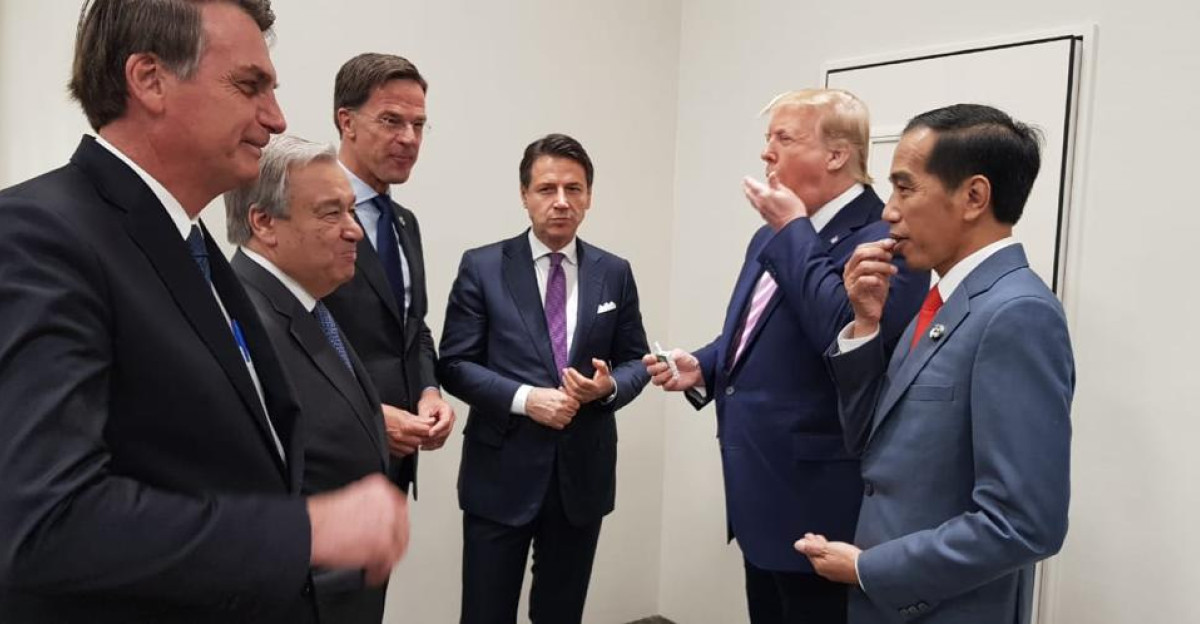
Trump, now 79 and turning 80 in June 2026, is the oldest sitting president in U.S. history. His daily consumption of McDonald’s, candy, and Diet Coke—documented by his own health secretary—sets him apart from predecessors in the sheer volume and consistency of ultra-processed food intake.
Medical research has shown links between the consumption of ultra-processed foods and cognitive decline, making Kennedy’s comments particularly pointed.
Harvard Medical School Research
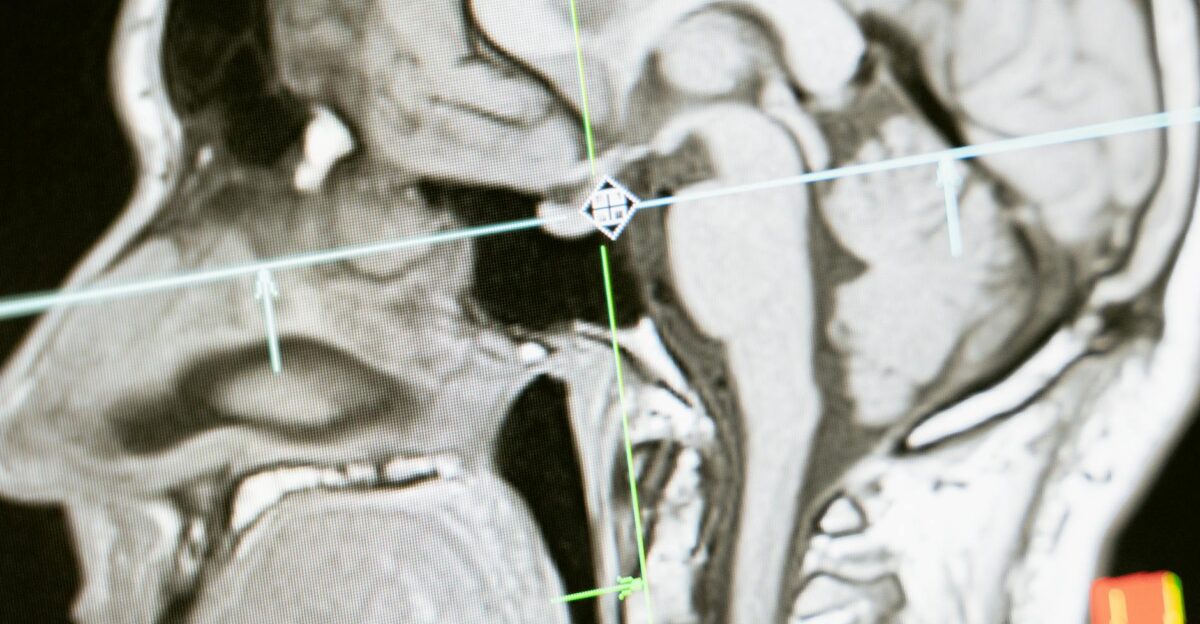
A December 2022 study published in JAMA Neurology examined 11,000 dementia-free people over eight years. Researchers found that middle-aged individuals who consumed high amounts of ultra-processed foods experienced up to 28 percent faster cognitive decline than those who ate less processed food.
The research provides scientific context for why Kennedy’s description of Trump’s diet as “poison” carries particular weight for a president emphasizing cognitive test performance.
The MAHA Movement’s Credibility Problem
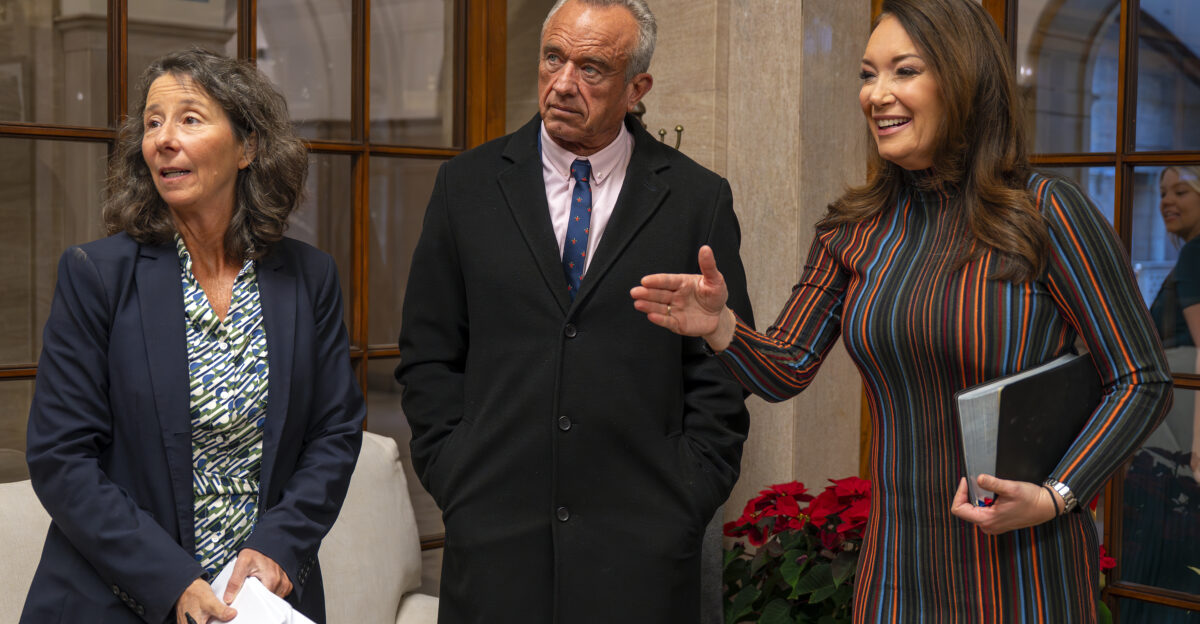
Kennedy positioned his MAHA initiative as a revolutionary overhaul of American nutrition, announcing new dietary guidelines emphasizing whole foods, proteins, and healthy fats while restricting added sugars. Yet the face of this movement—President Trump—publicly consumes the exact foods MAHA aims to eliminate.
The contradiction creates messaging vulnerability: mothers supporting MAHA are being asked to adopt principles their leader openly disregards.
Claims Lack Independent Verification
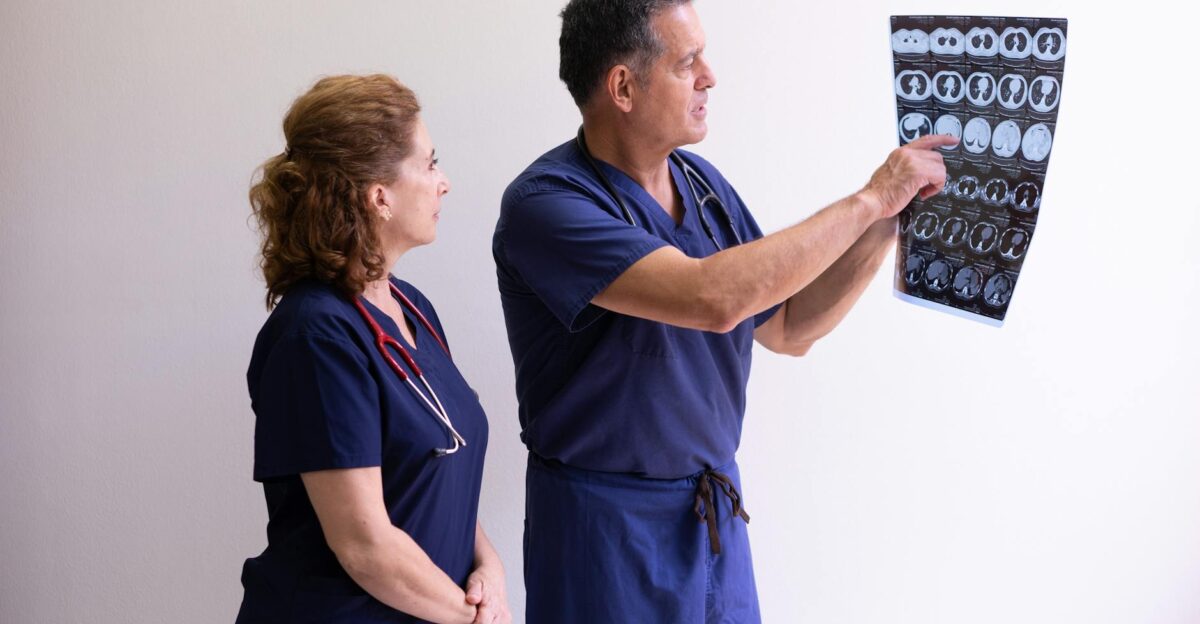
Trump’s assertions about “acing” cognitive tests lack public verification or independent scoring. He has not released test results, scores, or the specific examination administered. Medical experts note that cognitive screening tests, while useful, are not definitive diagnostic tools.
Trump’s repeated public claims about perfect performance—particularly his assertion of “100% correct”—remain unverified by independent medical sources or released documentation.
The Historical Oddity
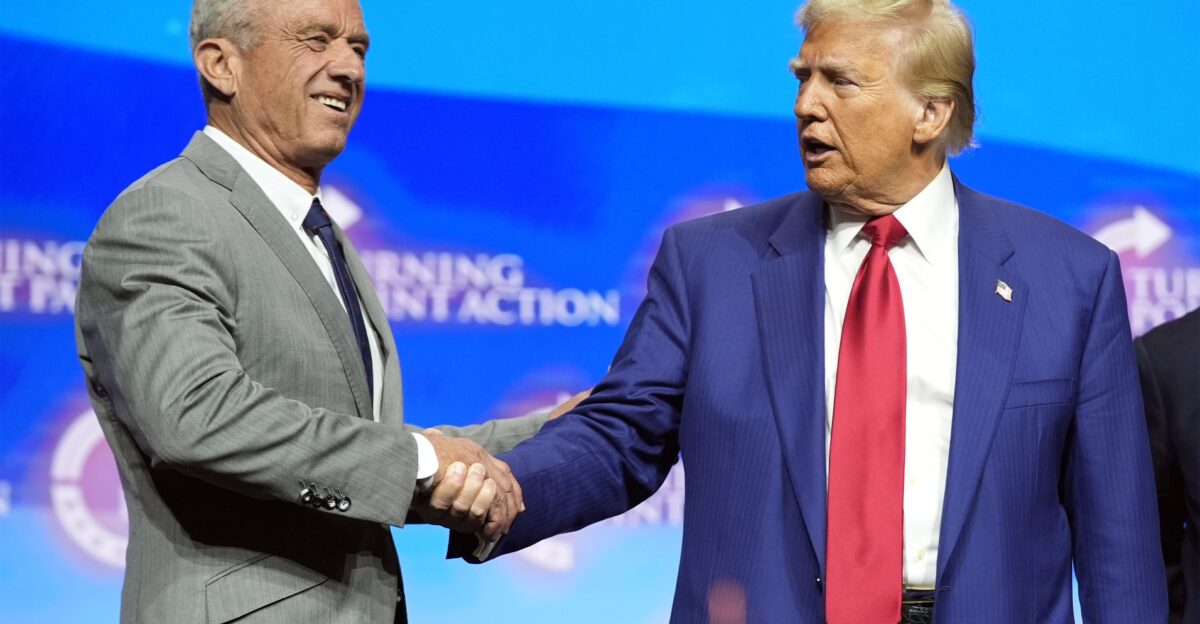
Kennedy’s statement—”I don’t know how he’s alive”—marks a historically unusual moment. Never before has a sitting HHS secretary publicly expressed bewilderment at how the president survives his own dietary habits.
The remark, intended perhaps as joking admiration of Trump’s constitution, actually highlights the extraordinary gap between Trump’s health leadership and personal health choices. It’s a contradiction Kennedy himself acknowledged but could not resolve.
Can MAHA Survive This Contradiction?
The tension between Trump’s stated health agenda and documented personal habits creates long-term vulnerability for the MAHA movement. As millions of American mothers adopt recommendations from a health administration led by a president consuming the foods those recommendations discourage, cognitive dissonance builds.
Leavitt’s implicit concession—that Trump has “his own personal habits”—suggests the White House recognizes this tension cannot be credibly denied, only deflected and compartmentalized for political survival.
Sources:
Kennedy, Robert F., interview by Katie Miller, The Katie Miller Podcast, January 13, 2026.
Trump, Donald, Truth Social post, January 2, 2026.
Leavitt, Karoline, interview, Politico, January 15, 2026.
White House Press Office, statement by Kush Desai, January 2026.
Mahaman, W., et al., “Ultra-Processed Food Consumption and Cognitive Decline,” JAMA Neurology, December 2022.