
Dining out is about more than food; it shows character and respect for the people around you. Thoughtful habits help you enjoy your meal, support staff, and make restaurants better places for everyone. The ideas below turn basic manners into everyday skills you can use anywhere people share space.
Arrive On Time and Respect Plans
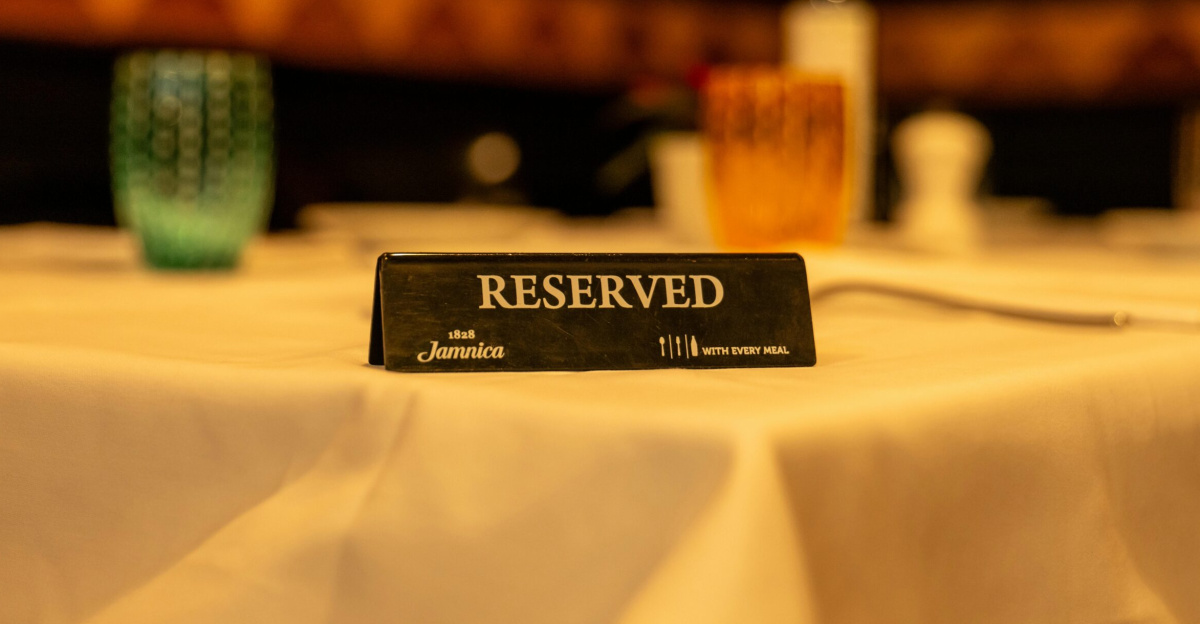
When you book a table, you are making a promise to show up at that time, not “around” that time. Aim to arrive within 5–10 minutes of your reservation and call if you will be more than 10 minutes late so staff can adjust. Many restaurants will release your table after about 15 minutes if they have other guests waiting, so being late can mean losing your spot and shortening your own meal.
Your lateness also affects more than just you: the kitchen may already be preparing items, servers plan their timing around expected arrivals, and later reservations can be pushed back. A quick phone call or early cancellation lets the restaurant reseat the table and reduces stress for the team. Staff notice guests who respect their schedule and often respond with more flexibility and warmer service.
Treat Staff Like Real People
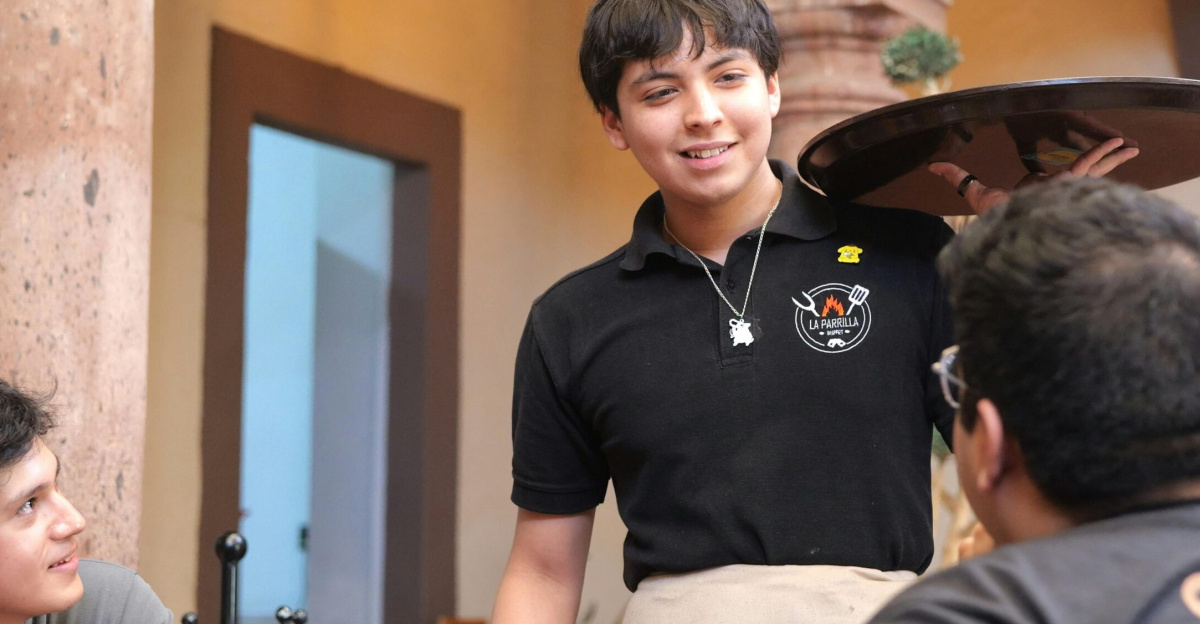
Good service starts with simple respect: eye contact, “please,” “thank you,” and using a server’s name when you know it. Servers who feel seen and respected are more likely to offer honest suggestions and go the extra mile to make your experience better. By contrast, ordering while glued to a phone, snapping fingers, or waving dramatically sends the message that you see staff as tools, not people.
Speak at a normal volume and get a server’s attention with a calm “Excuse me” instead of gestures that feel rude. Listen when they explain menu items; they know the kitchen and can guide you to dishes you will actually enjoy. Remember that their friendliness is part of their job, not a personal invitation—stay warm but appropriate. When guests are polite and steady, the whole room feels more relaxed and pleasant for everyone.
Be Prepared, Present, and Clear
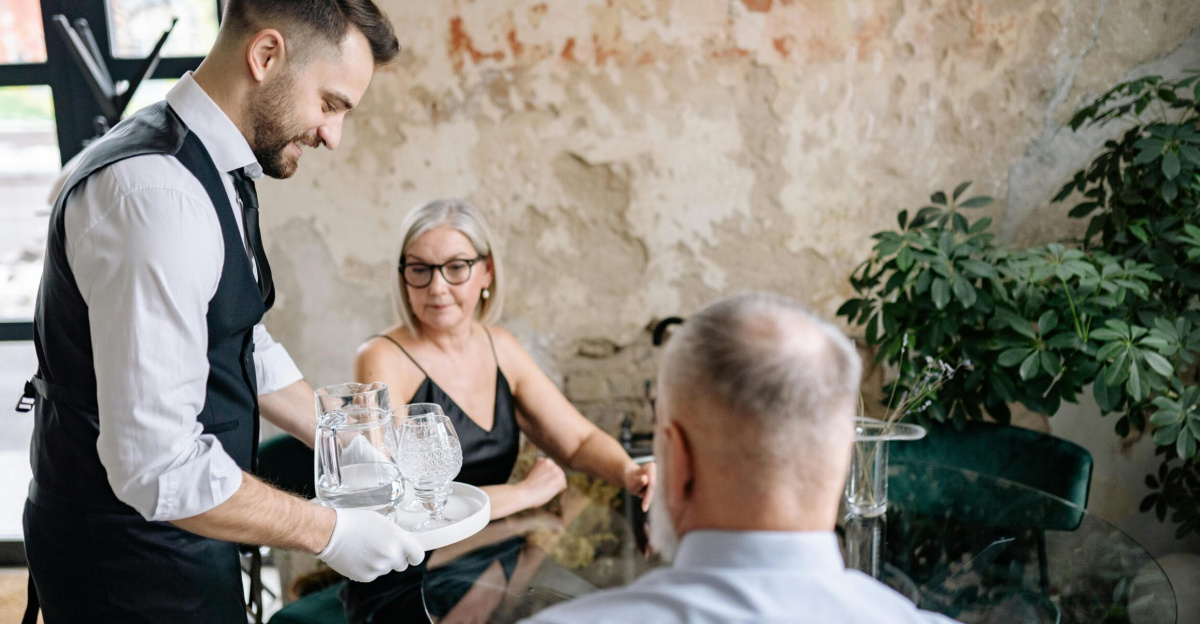
Only call a server over when you are truly ready, not still debating your order. Servers often manage many tables at once, and being called over too early can slow service for everyone and disrupt the kitchen’s rhythm. Take a few minutes to read the menu carefully, talk through choices with your group, and gather any questions before you signal that you are ready.
Group your questions instead of asking one at a time each time the server returns. If you need more time, say so honestly rather than pretending to be ready. Near the end of the meal, have your payment method ready when you ask for the bill so the checkout is quick and smooth. This kind of quiet organization shows respect for the staff’s workload and makes your table easier, and more pleasant to serve.
Part of being prepared is respecting the space by managing your volume and technology use. Try to match your voice to the room: a sports bar can be loud, but a small bistro usually calls for softer conversation. Avoid turning private details or arguments into a show for nearby tables; other guests came to enjoy their own company, not yours.
Handle Needs, Problems, and Payment Gracefully

Dietary needs, preferences, and allergies are normal in modern dining, and most restaurants can work with them if you communicate clearly. Share restrictions early, ask focused questions, and thank the staff for any extra effort the kitchen makes on your behalf. Keep explanations short and practical rather than turning your diet into a speech; other guests did not come for a lecture on how anyone “should” eat. For serious allergies, confirm that the kitchen can handle them safely and listen carefully to any limits they mention.
When something goes wrong, a cold dish, a missing item, or a mix-up your reaction shows maturity. Use calm, collaborative language like “Could you help me with this?” instead of angry declarations. Explain the issue clearly, listen to proposed solutions, and involve a manager politely if needed. Once the problem is fixed, say thank you; many restaurants remember guests who let them correct mistakes without drama.
In places where tipping is standard, gratuity is part of the real cost of eating out. Current etiquette in many countries suggests at least 18% of the pretax bill for normal service, with 20% or more for excellent service or complex orders. Large groups often have an automatic tip of around 18–20% added, so it is wise to check the bill carefully. When paying with others, agree in advance on how to split costs and ensure everyone contributes a fair share, including tip. Discuss amounts away from staff and other diners to keep things discreet and respectful.
Sources:
VegOut Magazine, 9 Restaurant Behaviors That Earn Instant Respect from Servers and Fellow Diners, December 12, 2025
Savourdxb, Dining Etiquette Dos and Don’ts – Social Tips for Success, July 20, 2025
The Take Out, 13 Restaurant Behaviors You Might Not Realize Are Rude, November 2, 2025
The Restaurant HQ, Restaurant Noise Control: Tips From an Expert, July 14, 2024
Bankrate, The Latest Rules Of Tipping: How Much To Tip In 2024, July 9, 2024
Sculpture Hospitality, How to Handle Guest Complaints in Your Restaurant, March 24, 2025