Minnesota taxpayers funded more than just social services. Between 2018 and 2025, federal investigators uncovered an estimated $9 billion in welfare fraud across 14 Medicaid programs, a figure that dwarfs previous state-level scandals.
First Assistant U.S. Attorney Joe Thompson disclosed that prosecutors believe “half or more” of the $18 billion distributed across these high-risk programs may have been stolen. The scale is staggering: 92 people federally charged, including executives, program administrators, and service providers. What started as routine audits evolved into one of the most significant criminal investigations in Minnesota’s history.
The Pandemic Reckoning

When COVID-19 shut down schools in 2020, federal child nutrition funding exploded. The Feeding Our Future program, which serves meals to low-income children, received $3.4 million in 2019. By 2021, that ballooned to $200 million.
Yet, state auditors missed years of red flags, including fabricated meal counts, phantom locations, and luxury purchases. Aimee Bock, the nonprofit’s founder, claimed her network served 91 million meals that never existed. Federal prosecutors called it the largest pandemic-related fraud ever prosecuted in the U.S., with $250 million stolen and only $75 million recovered.
Housing’s Hidden Collapse

While Feeding Our Future dominated headlines, a parallel scheme metastasized in Minnesota’s Housing Stabilization Services program. Launched in 2020 with a $2.6 million budget, it ballooned to $104 million annually by 2024, a 4,000% surge in four years. Eight individuals were charged with submitting false claims for homeless housing services that were never delivered.
The state’s response was surgical: it shut down the entire program by September 2025, acknowledging “pervasive fraud” had consumed the initiative. These weren’t isolated programs but part of a systematic pattern of theft.
The Autism Scheme Widens

Beyond meals and housing, federal auditors discovered fraud targeting some of the most vulnerable populations. Medicaid autism services and personal care assistance programs in Minnesota offered kickback payments of $300 to $1,500 per month to parents per child to inflate enrollment numbers.
Disabled children listed as receiving therapy they never accessed; parents pocketed cash meant for care. These 14 flagged programs weren’t random targets; they shared one characteristic: minimal scrutiny and massive federal funding flows. What regulators later called “high-risk” had been invisible for years.
The Somalia Connection Emerges

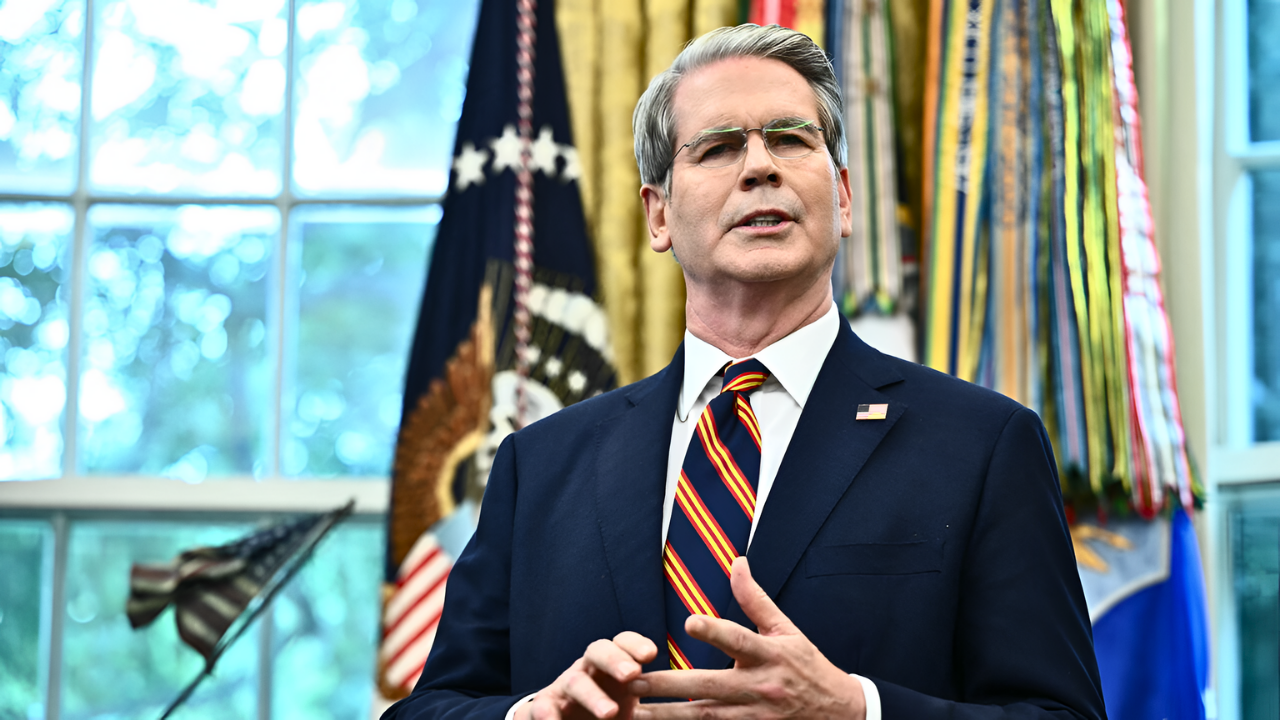
On January 8, 2026, Treasury Secretary Scott Bessent announced a significant discovery: millions of stolen Minnesota welfare funds had been traced to Somalia. In interviews with AM 1100 The Flag radio in Minneapolis, Bessent stated directly: “That money is for you and your family.
It is not for the people you left in Mogadishu, it is not to fund some terrorist organization over there.” Federal counterterrorism sources confirmed that stolen funds reached Al-Shabaab, the designated terror organization that has killed Americans in East Africa. Treasury investigators discovered that fraudsters used informal money transfer networks, known as hawalas, to bypass traditional banking and send cash abroad.
Minneapolis’s Hidden Network

The Twin Cities became a hub for a transnational money laundering pipeline. Retired Seattle Police detective Glenn Kerns spent five years investigating diaspora remittances and discovered one network alone sent $20 million abroad in a single year. Kerns found that “all these Somalis sending out money are on DHS benefits,” referring to public assistance recipients who funnel federal funds overseas through informal clan-based networks.
The Somali-American community in Minneapolis, concentrated in the Cedar-Riverside neighborhood, sends remittances at extraordinarily high rates: 80 percent of Somali-Americans in the Twin Cities metro send money to East Africa annually. Legitimate diaspora support has been exploited as a fraudulent distribution channel.
The Denominator Problem

Minnesota’s Somali community numbers approximately 150,000 to 200,000 people, making it one of the largest diaspora populations in North America. Yet of the 92 people charged in Minnesota fraud schemes, 72 were of Somali descent, according to Attorney General Pam Bondi. In the Feeding Our Future case, specifically, 78 defendants were indicted for systematically defrauding federal programs.
This ethnic concentration in prosecution has created a delicate political moment: community leaders grapple with accountability while warning against collective blame. How do officials pursue criminal justice without stigmatizing an entire diaspora for the actions of criminal networks operating within it?
Federal Enforcement Ramps Up

The Treasury Department launched what officials called “boots on the ground” in Minnesota. FinCEN, the Treasury’s Financial Crimes Enforcement Network, issued a Geographic Targeting Order on January 8, 2026, requiring all money services businesses in Hennepin and Ramsey Counties to report transactions exceeding $3,000 sent outside the U.S. Four money transfer operators received formal notices of investigation.
Treasury also sent six additional investigation notices and dozens of examination referrals to the IRS. These weren’t abstract policy announcements; federal agents were physically examining MSB records, interviewing personnel, and tracking money flows in real time.
The Remittance Tax Catalyst
Before Bessent’s January 8 announcement, a new 1% federal excise tax on remittances had already taken effect on January 1, 2026. Part of the “One Big Beautiful Bill Act,” this tax applies to all international remittances sent from the U.S., not just public assistance recipients, but also citizens, legal immigrants, and everyone else.
While proponents argued the tax targets illegal money flows, diaspora advocates warned it would burden ordinary families supporting elderly parents or displaced relatives overseas. The tax was initially proposed at 5% targeting immigrants specifically; legislators reduced it to 1% but expanded its scope. The Treasury estimates that it will generate approximately $10 billion over the next ten years.
The Political Domino Effect
Governor Tim Walz’s political career collapsed under the weight of the fraud scandal. On January 5, 2026, just days before federal prosecutors disclosed the $9 billion estimate, Walz announced he would not seek a third term. The two-term governor, who had been Kamala Harris’s running mate in the 2024 vice-presidential campaign, was now forced to abandon his reelection bid.
House Oversight Committee lawmakers testified that Walz administration officials “ignored warnings” about fraud and “retaliated against whistleblowers” who raised concerns. Walz refused to resign but acknowledged his administration’s accountability failures. The scandal transformed Minnesota’s 2026 gubernatorial race from an expected Walz victory into an open field.
Whistleblower Reprisals

State employees who reported fraud faced systematic retaliation. House lawmakers testified that Minnesota Department of Human Services personnel who flagged suspicious spending patterns were fired, threatened with termination “for cause” (designed to deny unemployment benefits), or transferred to punishment assignments.
One state auditor discovered a $680,000 backdated payment to a grantee without supporting documentation; days later, that same employee resigned and joined the recipient organization’s payroll. The Walz administration’s Attorney General, Keith Ellison, faced separate charges of ignoring reports of fraud. These weren’t passive oversights; they were active suppression of internal controls by state leadership.
The Conviction Tally
Criminal courts moved with surprising speed. By January 2026, 62 people had been convicted across Minnesota of fraud schemes. In the Feeding Our Future case alone, 78 defendants were indicted; more than 50 pled guilty, and seven were found guilty at trial.
Aimee Bock, the nonprofit founder, received a conviction, and a federal judge ordered her to forfeit $5.2 million in assets: a Porsche, $3.7 million in bank accounts, jewelry, and 60 laptops, iPads, and iPhones seized from her homes. During her trial, someone attempted to bribe a juror with $120,000 cash, an act of desperation revealing the stakes. The prosecution wave continues to accelerate into 2026, with more trials scheduled.
The Executive Order Unveiled
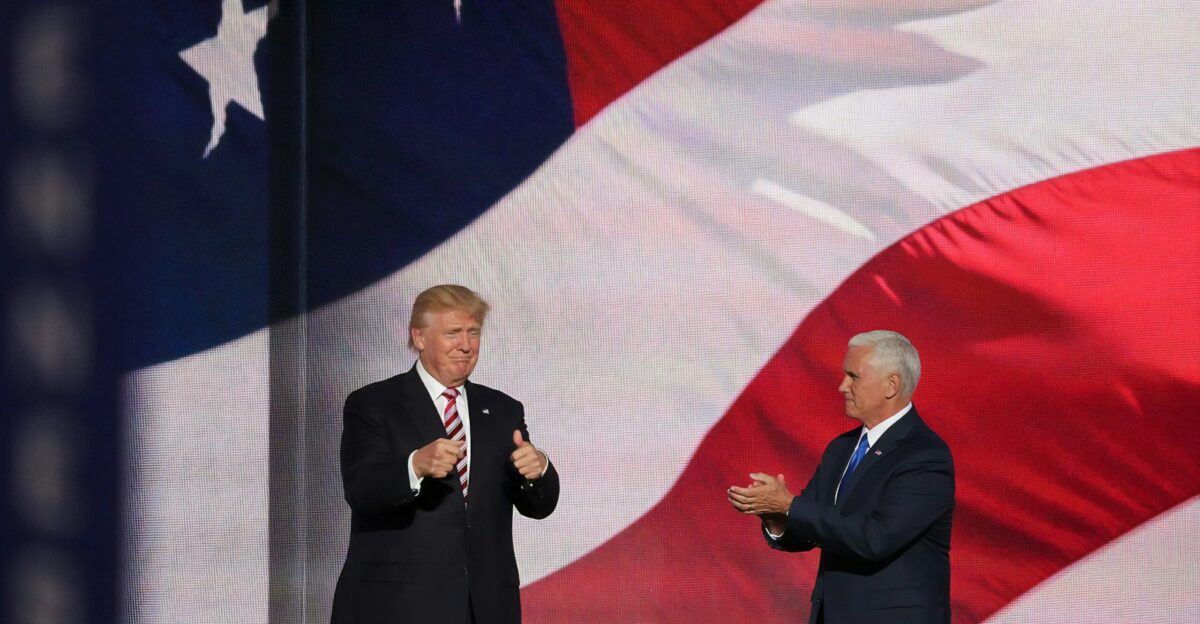
On January 8, Treasury Secretary Bessent announced the Trump administration is drafting an executive order that would prohibit anyone receiving public assistance from wiring money outside the United States. Bessent said, “We are working on an executive order that will say if you are on public assistance, you cannot wire the money out of the country.”
The order would apply nationwide to all public assistance recipients, including those receiving SNAP, TANF, Medicaid, and housing subsidies, potentially affecting millions of Americans. The implementation timeline remained unclear; Bessent indicated that the order was still under development and had not yet been signed. If enacted, it would be the first blanket remittance ban targeting welfare recipients in U.S. history.
Defenders and Doubters
Minnesota state lawmakers split sharply on interpretation. State Rep. Kristin Robbins, a Republican, told Congress: “Culture matters. Fraud flourishes when leaders ignore it.” State Rep. Walter Hudson testified that the Walz administration benefited politically from ignoring fraud because “the Somali community is a huge constituency group.” Yet community advocates and civil rights groups warned against collective punishment.
If the executive order passes, it would restrict remittances for all low-income Americans, including citizens, legal immigrants, and those with no connection to fraud. Experts questioned effectiveness: informal money transfer networks don’t require government permission. Will regulation stop determined actors or merely redirect them further underground?
The Asymmetry Question

Minnesota’s fraud scandal raises a haunting question: If $9 billion in public assistance could vanish into overseas networks for nearly a decade before discovery, what else is hidden? The prosecution wave will continue through 2027 and beyond as additional defendants face trial. However, the foundational problem of oversight systems that failed to detect industrial-scale theft until it was too late remains.
The Treasury’s aggressive enforcement targeting Minnesota remittances may catch future fraud; however, it cannot recover the billions already spent on luxury goods, overseas real estate, and terror financing that are beyond U.S. legal reach. Only $75 million of the $250 million Feeding Our Future theft has been recovered to date. As Congress debates welfare reforms and immigration policy, the Minnesota case demonstrates that enforcement and prevention matter less than systems designed to catch crimes while they’re happening.
Sources:
U.S. Treasury – Secretary Bessent Announces Initiatives to Combat Fraud in Minnesota
House Oversight Committee – Hearing Wrap-Up: Minnesota Governor Walz and Attorney General Ellison Ignored Rampant Taxpayer Fraud
FOX 9 Minnesota – Federal prosecutors: Minnesota fraud crisis could top $9B
City Journal – Minnesota Welfare Fraud: Some Funds Went to Al-Shabaab
AM 1100 The Flag – First on Flag Family: Treasury Sec. Bessent talks MN fraud, early tax season, agriculture
CBS News Minnesota – Everything we know about Minnesota’s massive fraud schemes