A navy blazer slides perfectly across the back of a chair, its tailored seams catching the light as a well-dressed guest steps into the room. Without a loud logo or flashy colors, the outfit exudes wealth—quietly, effortlessly.
Across the room, an attendee in a trendy, logo-heavy jacket is given a passing glance. The subtle difference? The tailored blazer has a story of precision and care, a hidden rule passed down in wealthy households. How did these unspoken dress codes evolve—and what do they reveal about those who follow them?
1. Fit Trumps Price Tag
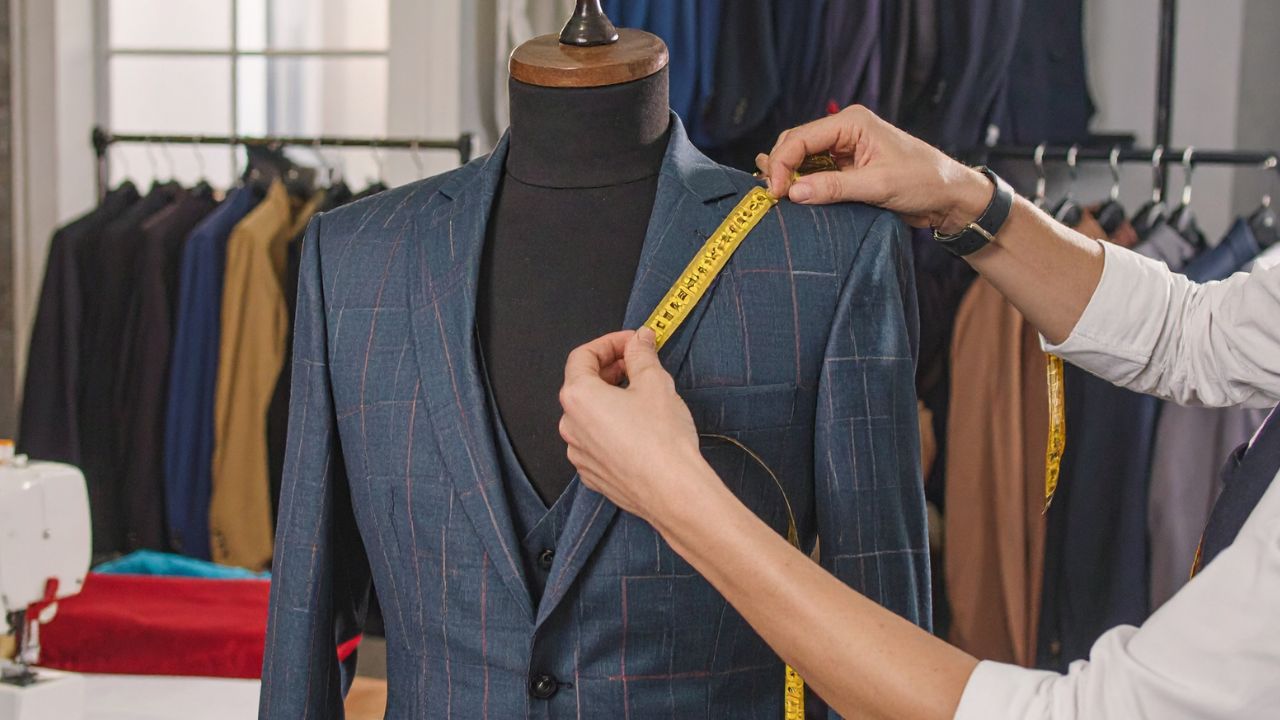
The first rule is deceptively simple: fit is everything. A $50 shirt tailored perfectly outranks a $500 shirt worn off-the-rack.
Wealthy families invest in inexpensive alterations, making even modest pieces look custom-made. Shoulders fit just right, hems are flawless, and everything sits in place. This quiet precision conveys wealth long before anyone notices a brand.
Tailored Pieces Age Gracefully
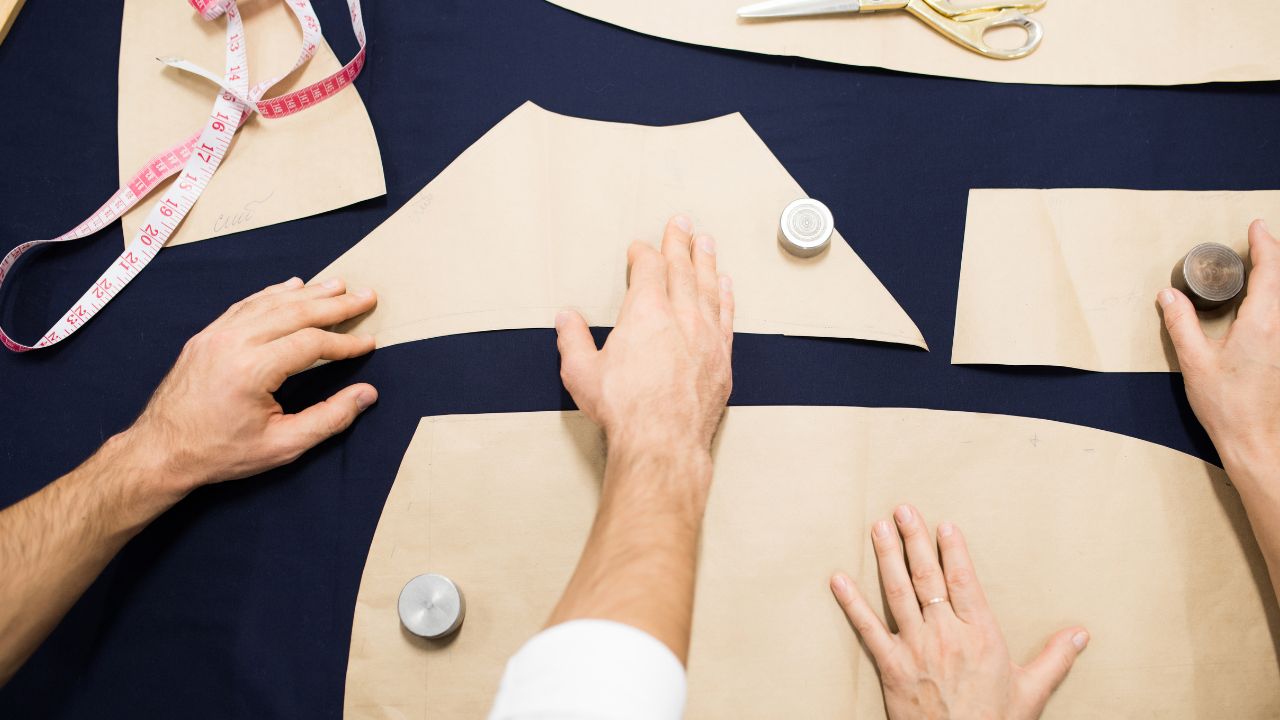
Tailoring is the foundation of a wardrobe that ages well. A well-fitted navy blazer in your twenties can still look sharp in your forties because it’s tailored, not trendy.
A properly tailored blazer commands respect in any setting, while ill-fitting designer pieces can undermine even the most expensive wardrobe. The tailored look costs nothing extra—just attention to detail.
2. Invest in Timeless Fabrics
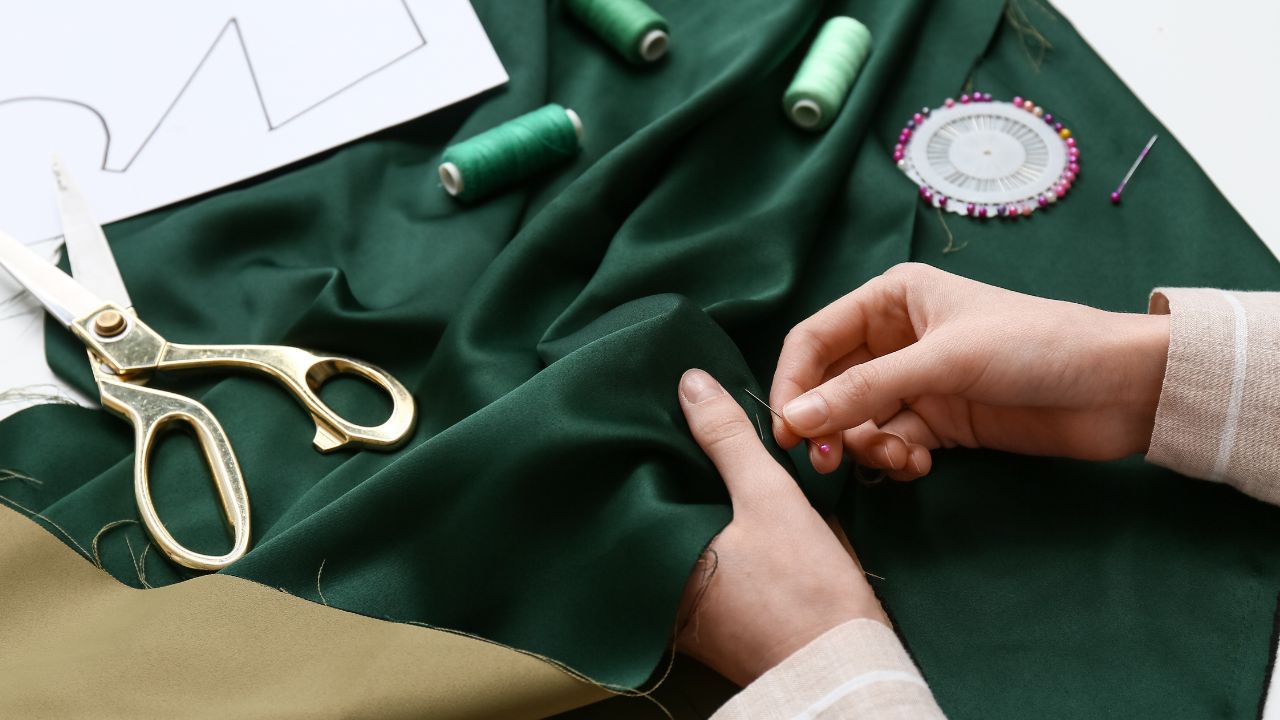
The second unspoken rule is to choose natural, durable fabrics. Wealthy households teach their children to feel the difference between quality wool, cotton, and linen, versus cheap synthetics.
Quality fabrics last for decades, unlike low-end polyester, which wears out in a year. This principle isn’t snobbery—it’s math. A quality wool coat can last a lifetime, while synthetics require constant replacement.
How Fabric Compounds Wealth

Over time, this focus on durable fabrics creates a huge wealth advantage. Wealthier wardrobes grow more refined as clothes age gracefully. Middle-class shoppers, by contrast, buy cheap replacements every year.
Families who spend hundreds or even thousands of dollars annually on cheap clothes unknowingly fall into a cycle the wealthy escape by purchasing fewer but better-made pieces. The difference lies in the unseen fabric choices.
3. Neutral Colors Are Timeless

The third rule revolves around a foundation of neutral colors—navy, gray, white, camel, chocolate, and black. These colors are the backbone of a wealthy wardrobe because they’re endlessly versatile.
A navy blazer from last year pairs perfectly with this year’s trousers. A gray sweater works across multiple outfits. These neutral pieces never go out of style, allowing intentional accent colors to shine.
Strategic Color Choices
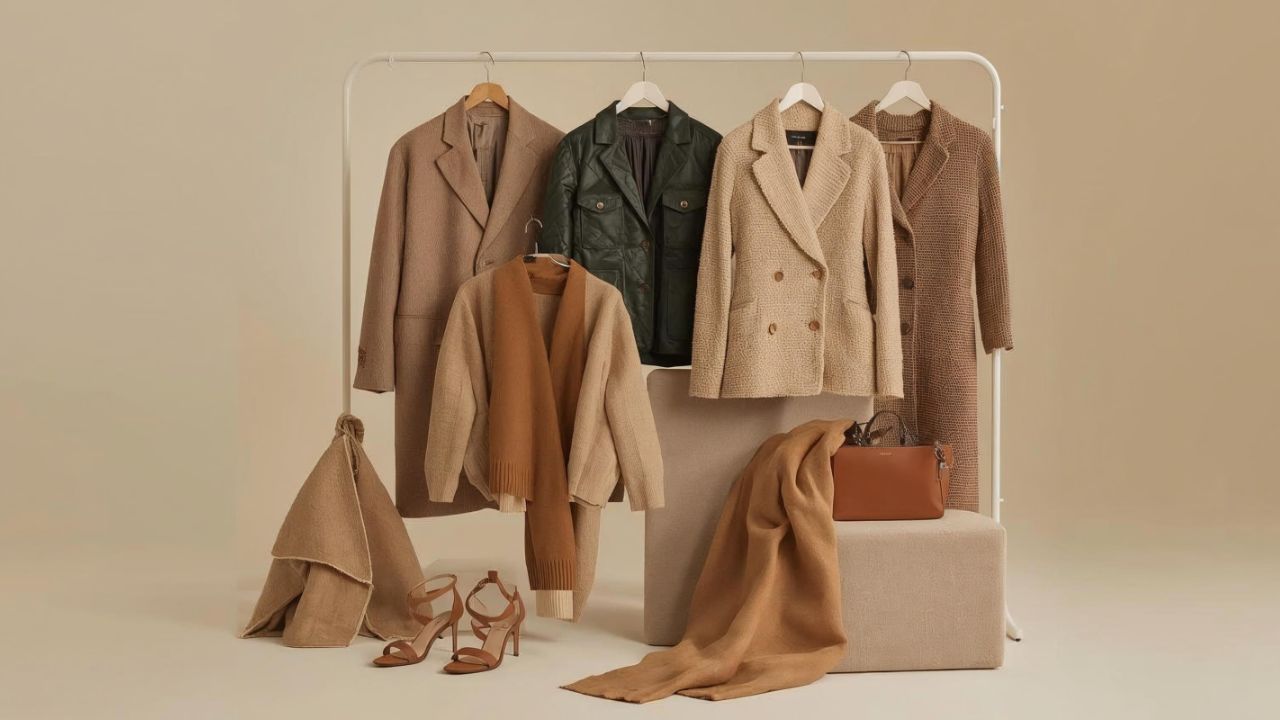
When wealthy families add color, it’s intentional. A single accent color—like a camel coat or burgundy scarf—becomes a signature, not a distraction. In contrast, middle-class wardrobes can feel chaotic with too many colors and trends.
The neutral palette, however, suggests careful curation, making the wardrobe appear intentional, edited, and effortlessly chic. This signals sophistication and long-term planning, not impulse shopping.
4. Invest in Quality Shoes
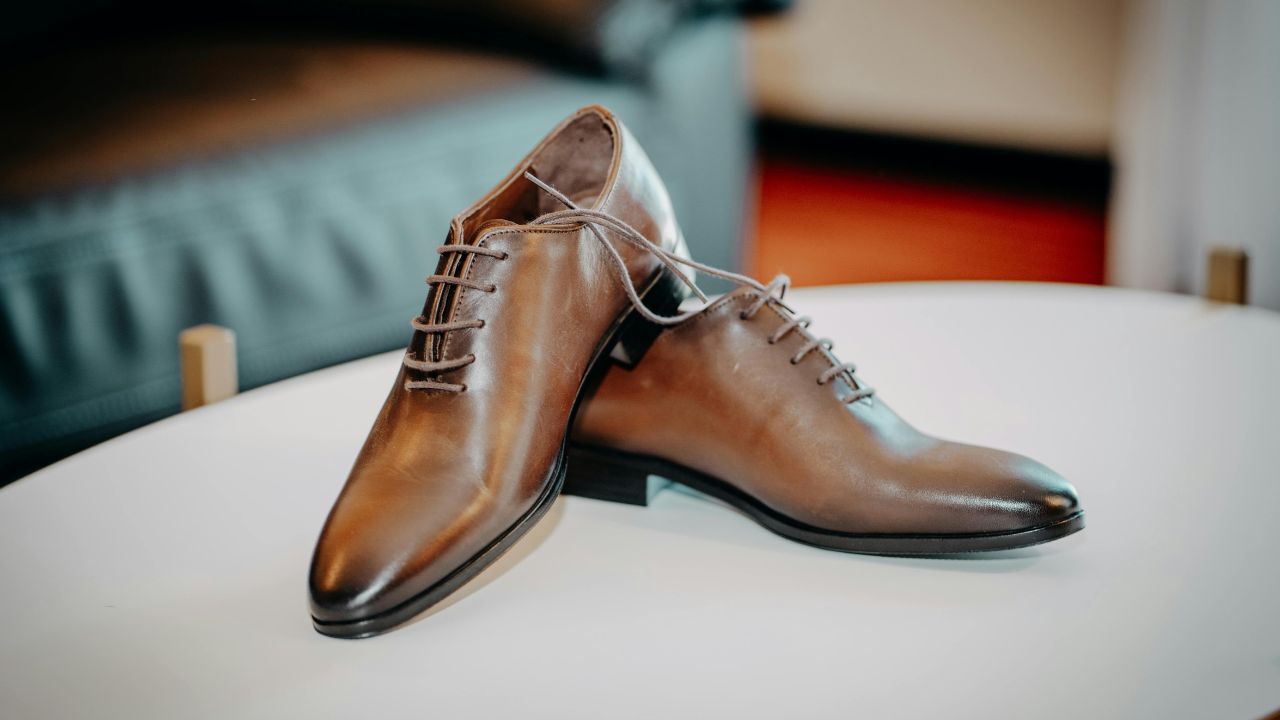
The fourth rule emphasizes investing in high-quality, resoleable leather shoes. A well-made loafer or oxford can be polished, resoled, and worn for years.
Scuffed or collapsing shoes undermine even the most expensive outfits because shoes are one of the first things people notice. Wealthy families teach that shoe maintenance is a non-negotiable part of dressing well—it’s the foundation of how you’re read.
The Long-Term Shoe Investment
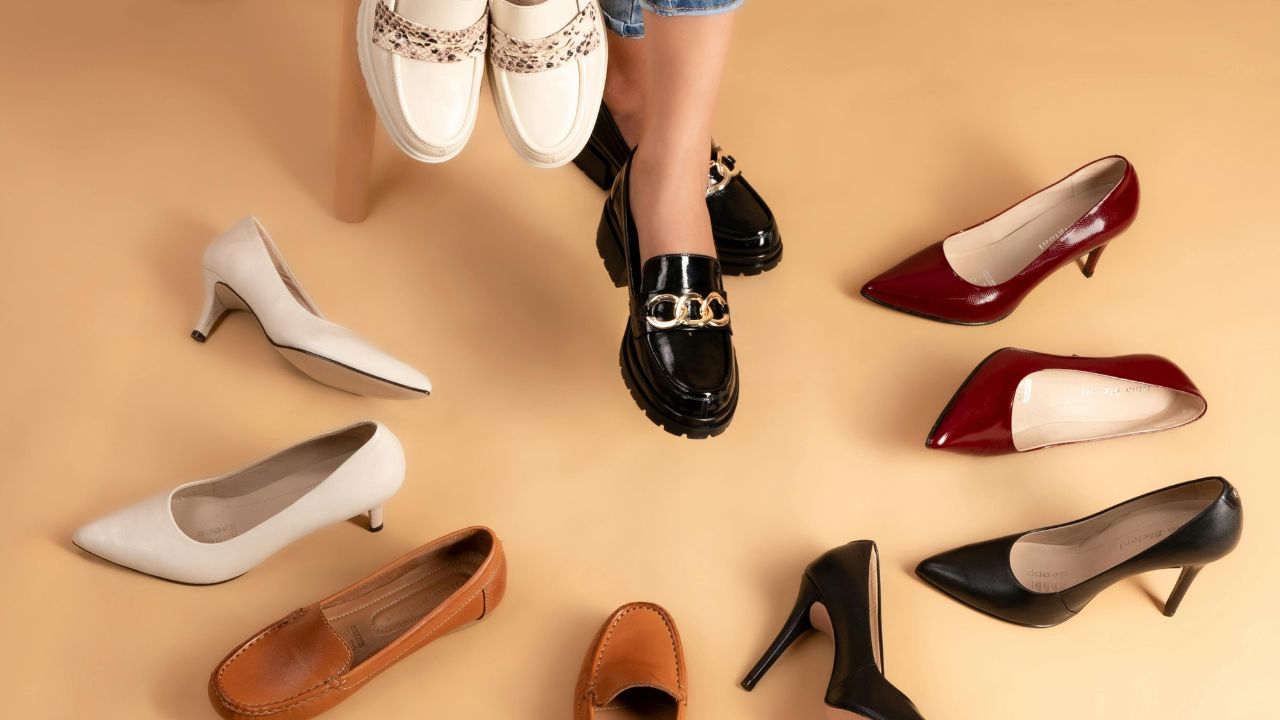
Quality leather shoes might cost $300 upfront, but with resoling, they can last a decade or more. In contrast, cheap shoes may cost $50, but they fall apart in a year.
Over ten years, the cost difference is significant: cheap shoes total $500 in replacements, while the quality pair only costs $300. Well-maintained shoes signal respect—for yourself, others, and the occasion.
5. Avoid Loud Logos

The fifth rule cuts against modern trends: avoid visible logos. Big branding signals insecurity or “new money.” Wealthy families understand that “Old money whispers, new money shouts.”
Wearing a designer’s logo isn’t just showing off the price tag; it’s advertising it. Instead, affluent dressers opt for subtle branding, focusing attention on the cut, fabric, and grooming rather than the brand name.
The Power of Restraint

Visible logos can make you appear as if you’re trying too hard, while understated clothing signals confidence. Wealthy families know that the quality speaks for itself—no need to advertise it.
Heritage brands with discreet logos are favored because they convey quiet sophistication. Ironically, the less you advertise your wealth, the more you signal that you truly have it.
6. Care for What You Own

The sixth rule is about maintenance—a substantial part of owning quality clothing is caring for it. Wealthy households constantly model this: steaming shirts, shaving sweaters, conditioning leather, and fixing hems before they unravel.
It sounds tedious, but it’s the difference between a wardrobe that looks better each year and one that quickly deteriorates into a pile of “almost good” clothes.
Caring for Clothing Extends to Life
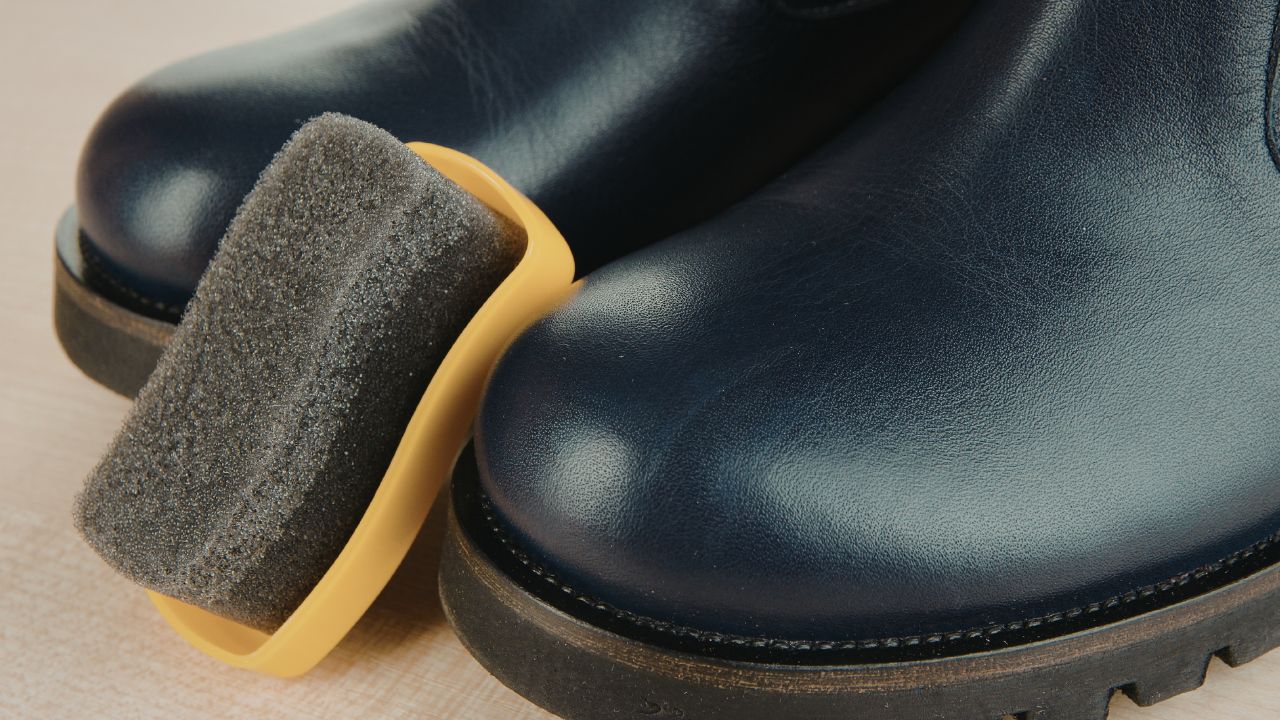
Maintenance teaches more than just clothing care—it instills respect for possessions and an understanding of sustainability. Regular upkeep reduces waste, slows consumption, and builds wardrobes that last for decades.
Wealthy families pass this mindset down to their children, teaching them that ownership comes with responsibility. The fast-fashion cycle, on the other hand, teaches the opposite: dispose of what’s no longer perfect.
7. Coherence Beats Spectacle

The seventh rule: coherence is more important than spectacle. Wealthy dress codes advise matching belts to shoes, coordinating metal tones, and limiting jewelry to two well-chosen pieces.
The goal is to ensure the eye doesn’t “solve a puzzle” when it looks at you. An outfit should feel harmonious, not distracted by clashing details.
Harmonious Style Signals Confidence
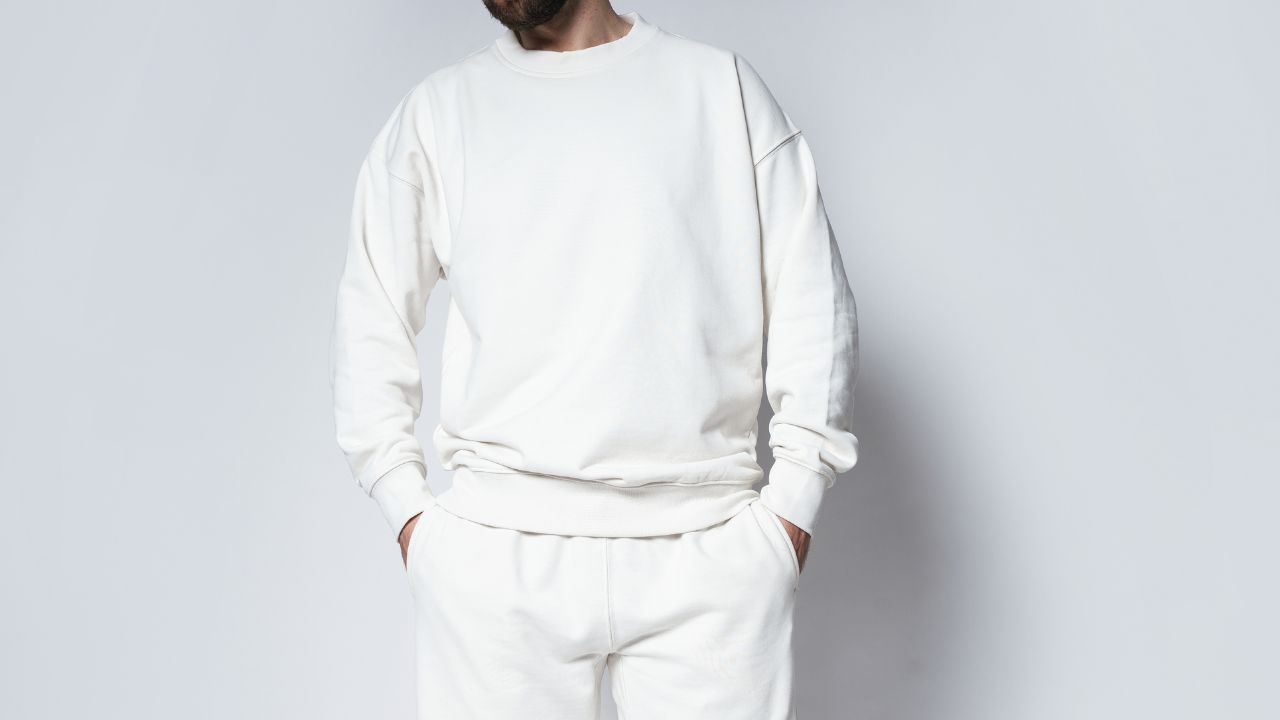
Understated coordination reads as confidence. When everything in your outfit matches—shoes, belt, jewelry—it appears intentional, controlled, and polished.
In contrast, mismatched accessories create visual chaos, suggesting either carelessness or insecurity. Wealthy wardrobes use minimalism as a tool for quiet dominance: the less you shout with your clothes, the more attention is focused on what you say.
8. Quality Outerwear as a Status Symbol

The eighth rule is about outerwear: it’s worth investing in a coat that can stand the test of time. A well-made trench coat or topcoat in classic colors signals sophistication before anyone even looks at what’s underneath.
Wealthy families treat outerwear as an investment because it does so much social work—it’s the first thing people see.
Outerwear Pays Social Rent

Quality outerwear “pays rent for ten years,” meaning it’s a piece that coordinates with countless outfits and ages gracefully.
A well-crafted coat becomes a signature, while cheap outerwear reveals its bargain origins from a distance. In a room full of people, your coat does a significant amount of work in signaling class and taste.
9. Dressing Well Is About Respect

The ninth rule is the foundation of all the others: dressing well is about respect—respect for yourself, for others, and for the context.
Wealthy families teach that appearance communicates competence. Wrinkled clothes, they say, suggest sloppy thinking. This principle extends beyond personal vanity; it’s about ensuring you’re taken seriously in every room you enter.
Your Presentation Equals Your Value

Wealthy families understand that your presentation sends a message about whether you take yourself—and others—seriously.
How you dress for an interview, a formal event, or a business meeting communicates how much respect you have for the opportunity. Dressing thoughtfully signals agency—you decide what story your clothes tell about you.
10. Dressing for the Occasion

The final rule is about context: knowing when to dress formally, casually, or comfortably. Wealthy families explicitly coach their children on which clothes are appropriate for different settings.
The flexibility comes from owning a wardrobe built on quality, classic pieces that work in every room. The 10 rules—fit, fabric, color, shoes, logos, maintenance, coherence, outerwear, respect, and context—form a hidden curriculum.
Sources:
“9 Old Money Style Rules The Rich Swear By.” My Fashion Life, 11 Oct 2024.
“Old Money Style: A Guide to Mastering Quiet Luxury.” Aglaia Magazine, 1 Oct 2024.
“Investing in Quality: How High-Quality Leather Boots Can Save You Money in the Long Run.” Baker’s Boots, 13 Feb 2023.
“How To Pair Belts & Shoes (and Your Metal Accessories).” Gentleman’s Gazette, 2024.