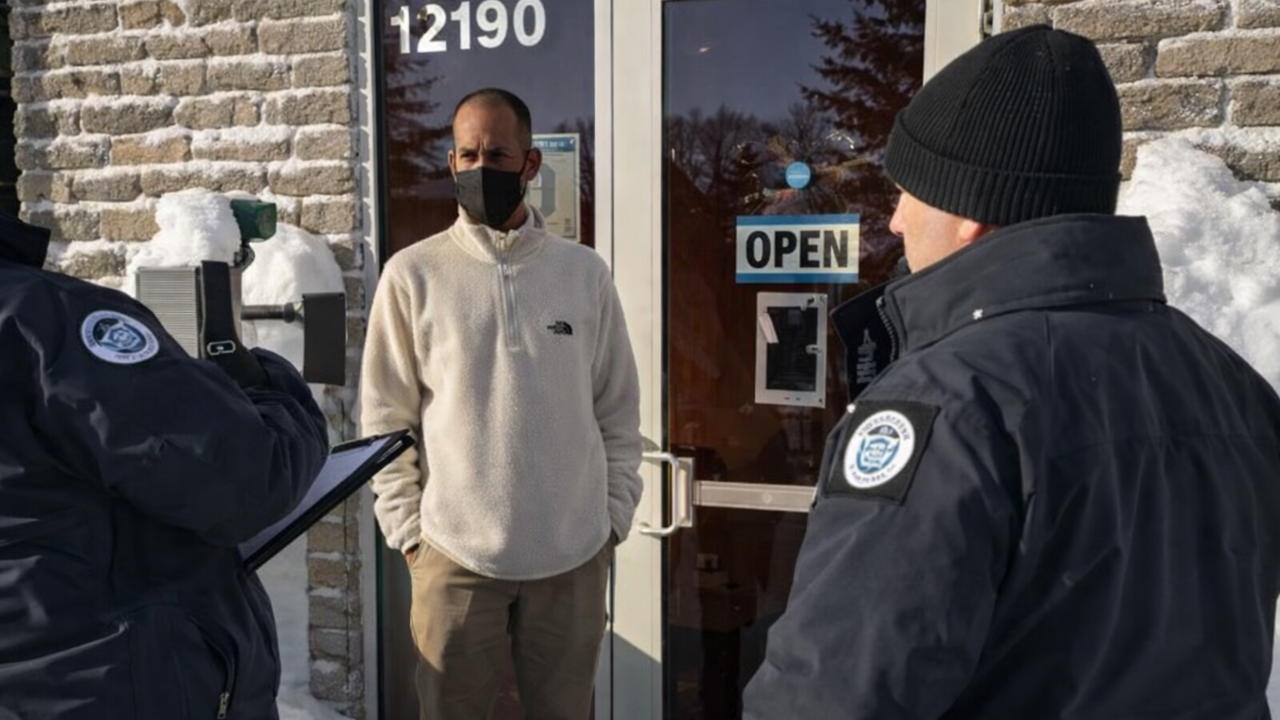
Since 2016, a network of care-home and home-health businesses linked to Minneapolis-area businessman Gandi Mohamed has received about $49 million in Medicaid-related payments from Minnesota’s Department of Human Services, even as Mohamed now faces a federal fraud indictment in a separate child-nutrition case.
The convergence of large public payments, complex ownership structures, and a high-profile prosecution has turned his operations into a test case for how Minnesota oversees rapidly expanding residential care programs.
Pandemic Nutrition Case and Shift into Housing

Federal prosecutors allege that between 2020 and 2022, Mohamed, also known as Gandi Abdi Kediye, helped launder more than $1 million from the Feeding Our Future child-nutrition fraud, one of the largest alleged abuses of pandemic relief in the country. After that period, entities tied to him moved more deeply into assisted-living and group-home housing across the Twin Cities.
The nutrition case and the Medicaid-funded payments involve different government programs, but investigators say many of the same people and companies appear in both networks. Public records show that, over roughly a decade, housing and related businesses connected to Mohamed steadily increased their role in Minnesota’s Medicaid-funded care system, acquiring properties and contracting with service providers to house adults with disabilities and other high needs.
Homes, Residents, and Divided Oversight

Many of the houses linked to Mohamed’s companies are single-family residences in Brooklyn Park, Minneapolis, and nearby suburbs, licensed as assisted-living or group homes and funded largely through Medicaid waiver programs. Residents and staff who spoke with reporters described everyday routines: scheduled meals, medications, and 24-hour supervision typical of small residential care settings. The homes appeared occupied and staffed, and no immediate allegations of neglect or abuse surfaced during those visits.
Behind the scenes, however, the way Minnesota regulates those properties is fragmented. The Department of Health licenses assisted-living facilities and monitors compliance with care standards. The Department of Human Services (DHS) controls Medicaid dollars and pays providers. When ownership, property management, and care operations run through different entities, those split responsibilities can leave gaps.
State officials say current laws do not give them clear authority to cut off Medicaid payments or revoke licenses solely because a landlord or related property owner has been indicted but not convicted, especially if that person is not listed as the licensed provider. That limitation has made it difficult for regulators to act quickly in cases where financial or criminal concerns involve owners rather than direct care operators.
Rapid Growth and Clustered Facilities

Minnesota’s spending on assisted-living and similar residential programs has grown faster than most other Medicaid categories, even though the number of people using these services has only about doubled. Analysts point to relatively high reimbursement rates and comparatively low barriers to entry as factors drawing new investors and operators into the market.
That growth is visible on the map. Brooklyn Park, with around 84,000 residents, has 181 licensed assisted-living sites. Brooklyn Center, with about 30,000 residents, has 106. By contrast, the much larger city of Minneapolis has fewer facilities. Lawmakers and investigators say such dense clusters can signal intense Medicaid billing activity and warrant closer scrutiny of how many homes are operating under related ownership or management.
Within this landscape, properties owned by GAK Properties, an entity tied to Mohamed, appear across multiple suburbs. Staff at several locations told reporters that Mohamed’s wife, Samsam Mohamed, runs daily operations. Residents described structured, predictable care. While regulators have not cited widespread care violations at these homes, ownership questions and money flows remain under active review.
Legislative and Legal Responses

The situation has drawn attention at the Minnesota Capitol. During a hearing of the House Fraud Prevention and State Agency Oversight Committee, Chair Rep. Kristin Robbins criticized ongoing state payments to entities connected to defendants in the Feeding Our Future prosecutions, calling the pattern a sign that state agencies were not conducting sufficient background checks on all parties benefiting from public funds.
State leaders have tried to respond to broader fraud concerns in social services. Governor Tim Walz signed legislation aimed at tightening fraud detection tools, improving data sharing among agencies, and giving DHS more flexibility to halt suspicious payments quickly across multiple programs. The reforms respond not just to the Feeding Our Future scandal, but also to earlier fraud cases in at least 14 Medicaid programs that officials have flagged as vulnerable.
At the same time, Minnesota must operate within federal Medicaid rules. Federal regulations require states to suspend payments when there is a “credible allegation of fraud” against a provider but allow exceptions to avoid disrupting access to care. DHS maintains that those rules are written for licensed providers, not landlords or other related parties. Officials argue they cannot simply stop paying for residents’ services at a licensed home based on allegations against a separate owner, especially when moving residents could be destabilizing or unsafe.
Wider Industry Strain and Future Risks
Legitimate assisted-living operators say investigations like these are reshaping their working environment. Many report more frequent audits, heavier paperwork, and slower reimbursement timelines. Industry representatives note that related-party ownership—where one person or group controls both the property and the care company—is common. They say clearer disclosure rules and stronger oversight are needed to distinguish appropriate arrangements from abusive ones, while warning that excessive delays in payment can worsen staffing shortages and threaten continuity of care.
The budget context is tight. Medicaid is a fixed resource, and rapid growth in assisted-living spending puts pressure on hospitals, nursing homes, and home-health agencies already facing workforce and financial challenges. Managed-care organizations and insurers that administer Medicaid benefits are watching fraud cases closely, since patterns of questionable billing can influence reimbursement rates, contract terms, and long-term assessments of risk.
The Feeding Our Future prosecutions, with alleged fraudulent claims exceeding $250 million and dozens of defendants charged, have drawn nationwide attention. Many of the accused, including Mohamed, are of Somali descent. Defense attorneys and community leaders say public discussion of the case has, at times, fueled unfair suspicion toward Somali Minnesotans more broadly, and they warn that legitimate businesses and families may face added scrutiny because of the misconduct of a relatively small group.
For families seeking housing and support for adults with disabilities, the case underscores the importance of due diligence. Advocates suggest checking state licensing records, reviewing inspection histories, asking providers to explain who owns the building and who runs the care operation, and reporting any concerns through established complaint or fraud-reporting channels. As investigations into Mohamed-linked entities continue, Minnesota officials face the challenge of tightening controls on complex ownership networks without disrupting essential services for residents who rely on small community-based homes for daily life.
Sources:
APM Reports/MPR News (Primary Source)Title: Not explicitly titled in citations; refers to investigative reporting on Gandi Abdi Kediye and group homes (dated 30 Dec 2025)
Publication: APM Reports / MPR News
IRS Criminal InvestigationTitle: Not specified; references Feeding Our Future fraud details
Publication: IRS Criminal Investigation, 26 Jun 2025
Federal RegulationsTitle: N/A (statutory text)
Publication: eCFR 42 C.F.R. §455.23