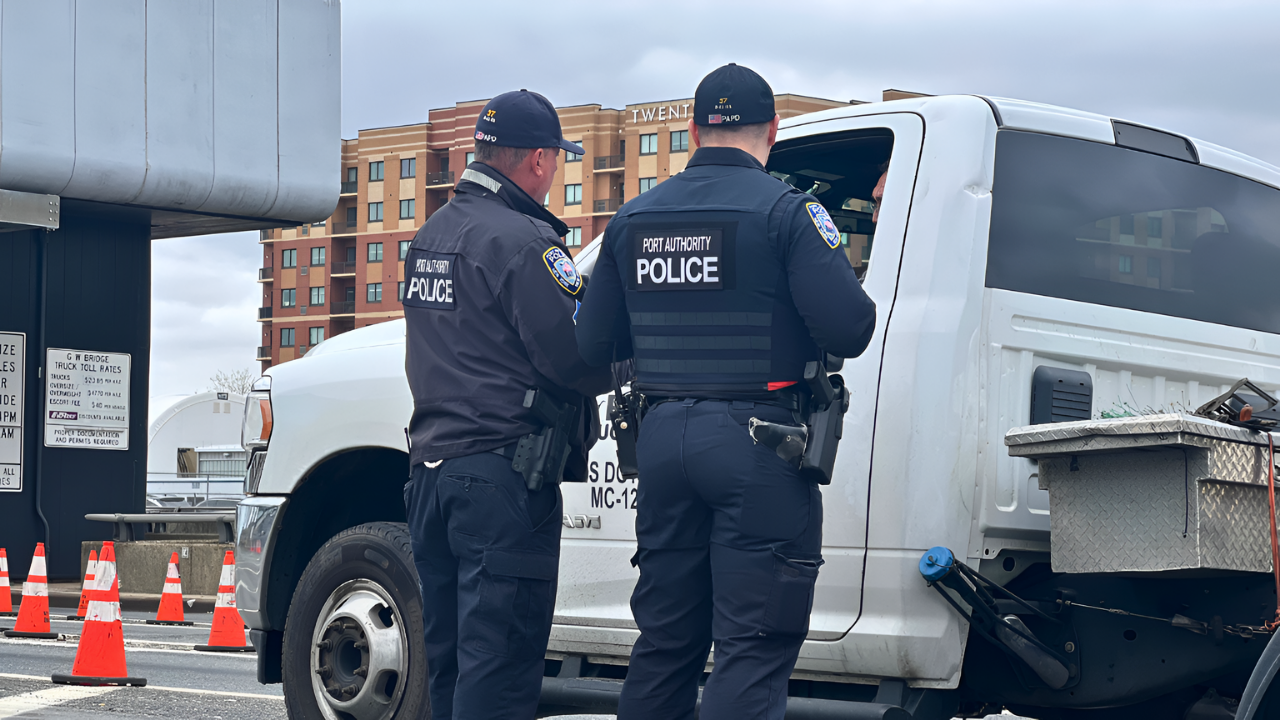
New York’s 2024 toll enforcement campaign marked one of the state’s most aggressive efforts yet against toll evasion. Coordinated operations by State Police Troop T, the Thruway Authority, and DMV resulted in 310 vehicles being seized statewide.
Authorities targeted drivers using fake, stolen, or obscured license plates to avoid cashless tolls. Across summer and fall operations, officials recovered $116,000 in unpaid tolls, underscoring a tougher stance on so-called “ghost plate” driving.
Why New York Moved Now

Officials say toll evasion surged as all-electronic tolling expanded across the 496-mile New York State Thruway. Without cash booths, drivers with fraudulent plates could rack up thousands in unpaid tolls unnoticed.
State leaders argued this behavior unfairly shifted costs onto compliant motorists and threatened the Thruway Authority’s toll-funded operations. With a $2.7 billion multi-year capital program underway, protecting toll revenue became a financial and political priority in 2024.
For Drivers, Seizures On The Spot

Enforcement details conducted between late September and November 2024 focused on Albany, Syracuse, the Hudson Valley, and the Governor Mario M. Cuomo Bridge.
During the fall operation alone, 170 vehicles were impounded and 1,038 tickets issued, nearly half related to license plate violations. Drivers with suspended registrations tied to unpaid tolls faced immediate towing, fines, and in some cases arrests for DWI, drugs, or outstanding warrants uncovered during stops.
Toll Agencies Tighten Their Systems
The New York State Thruway Authority processes more than 400 million toll transactions annually and relies almost entirely on toll revenue rather than tax dollars. Officials emphasize that unpaid tolls directly affect maintenance of roughly 2,800 lane miles and 819 bridges.
To counter evasion, agencies expanded license-plate imaging, billing accuracy, and data-driven enforcement operations, pairing technology with physical traffic stops to identify habitual violators.
E-ZPass And Billing Apps Gain Appeal

As enforcement intensified, the state promoted E-ZPass enrollment as both cheaper and safer. New York E-ZPass users can receive discounts of up to 75 percent compared with toll-by-mail rates.
Officials also highlighted the Tolls NY app, which allows drivers to track balances and resolve bills quickly. Combined with the risk of registration suspension and impoundment, these incentives pushed more motorists toward electronic compliance.
Crackdowns Spread Beyond The Thruway

The toll-evasion push extended beyond the Thruway itself. The Port Authority of New York and New Jersey reported record enforcement results at Hudson River crossings in 2024, reflecting a broader regional strategy.
Agencies now share data and enforcement tactics, targeting fraudulent tags across bridges, tunnels, and interstate corridors. The coordinated approach signals that toll evasion is no longer treated as a minor administrative issue.
Troopers And Workers On The Front Line

For State Police Troop T, toll enforcement reshaped daily patrol work. Officers not only checked toll compliance but also enforced speeding, seatbelt, and cell-phone laws during stops.
Officials stressed that vehicles with fake or obscured plates often overlap with uninsured or unregistered cars, posing safety risks. Thruway maintenance crews supported operations by managing traffic at busy interchanges and major river crossings.
Albany’s Political Message: Fairness

Governor Kathy Hochul framed the crackdown as a fairness issue, arguing that law-abiding drivers should not subsidize chronic evaders. State leaders emphasized that toll cheats undermine shared infrastructure relied upon by commuters and businesses alike.
Legislative allies echoed the message, supporting tougher penalties for ghost plates and suspended registrations. The political framing positioned enforcement not as punishment, but as restoring balance to the system.
Unpaid Tolls And The Cost Of Evasion

Across summer and fall 2024 operations, authorities targeted approximately $207,000 in unpaid tolls and fees. From 37 vehicle owners, $116,000 was recovered, leaving about $91,000 outstanding.
During the fall sweep alone, roughly $82,000 in unpaid tolls was linked to just 30 vehicles, highlighting how individual drivers can accumulate thousands in debt before enforcement intervenes.
How Retailers And Logistics Adapt
Freight carriers and delivery fleets relying on I-87, I-90, and major bridges closely watch toll enforcement trends. Companies with clean compliance records face little disruption, while those skirting tolls or registrations risk vehicle seizures that delay shipments.
For logistics firms operating on tight schedules, an unexpected impoundment can ripple through supply chains, damaging relationships with retailers and increasing operational costs.
Travel, Tourism, And Hospitality Adjust

Tourism-dependent communities along the Thruway corridor benefit from predictable highway access. While compliant travelers experience minimal impact, enforcement near major crossings discourages risky shortcuts using temporary or obscured plates.
Officials note that the crackdown may subtly reshape travel behavior, pushing visitors toward proper toll accounts and reducing congestion caused by stopped vehicles during enforcement actions.
Knock-On Effects For Auto And Insurance

Many vehicles seized during operations had suspended registrations, often linked to unpaid tolls or lapses in insurance.
As a result, the crackdown increased interactions between motorists, insurers, and the DMV. Drivers seeking reinstatement must clear toll balances, pay violation fees, and provide proof of coverage, reinforcing the link between toll compliance and broader vehicle legality.
From New York To A Global Model
New York’s approach feeds into a wider global discussion about digital road pricing and enforcement. As more regions adopt camera-based tolling, New York’s mix of automated detection, targeted traffic stops, and public reporting of recoveries offers a potential blueprint.
Officials suggest that transparency around enforcement outcomes strengthens public trust in cashless toll systems.
Safer Roads, Different Driving Habits

Authorities argue that toll enforcement improves safety by removing unregistered or uninsured vehicles from the road. Stops frequently uncovered additional violations, reinforcing the view that toll evasion correlates with broader noncompliance.
Officials believe awareness of impoundment risks encourages drivers to update registrations, remove plate covers, and adopt more cautious driving habits overall.
Ghost Plates And The Privacy Debate
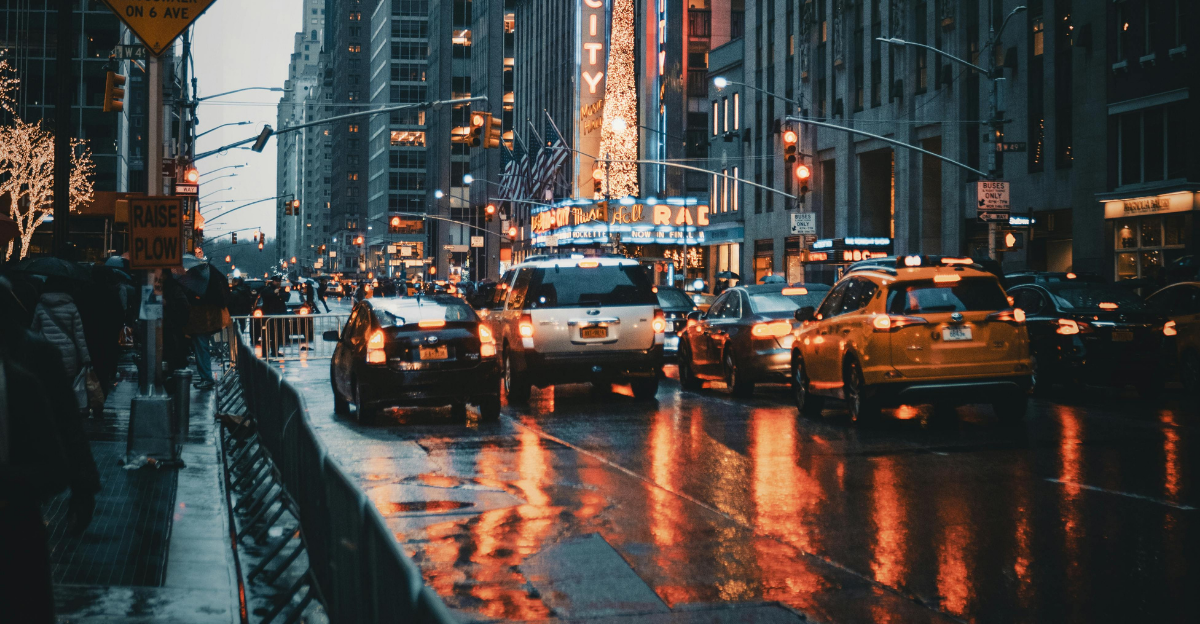
The crackdown has intensified debate over license-plate readers and surveillance. Critics worry that expanded camera use threatens privacy, while officials counter that enforcement targets only fraudulent or obscured plates.
State leaders maintain that protecting infrastructure and public safety justifies the technology, especially when focused on drivers deliberately bypassing toll obligations.
Winners And Losers In The Crackdown

Clear beneficiaries include compliant motorists and toll agencies recovering lost revenue. E-ZPass users gain from discounts and reduced congestion caused by evaders.
On the other side, chronic toll violators and drivers using fake plates face mounting consequences, from fines and collections to losing access to their vehicles altogether.
How Investors Read The Signals

While individual enforcement actions rarely move markets, infrastructure investors watch toll collection trends closely. Reliable revenue supports bond-funded capital programs, including the Thruway Authority’s $2.7 billion plan covering maintenance and upgrades.
Stronger enforcement reassures investors that toll-backed financing remains viable despite shifts to cashless systems.
What Drivers Should Do Now
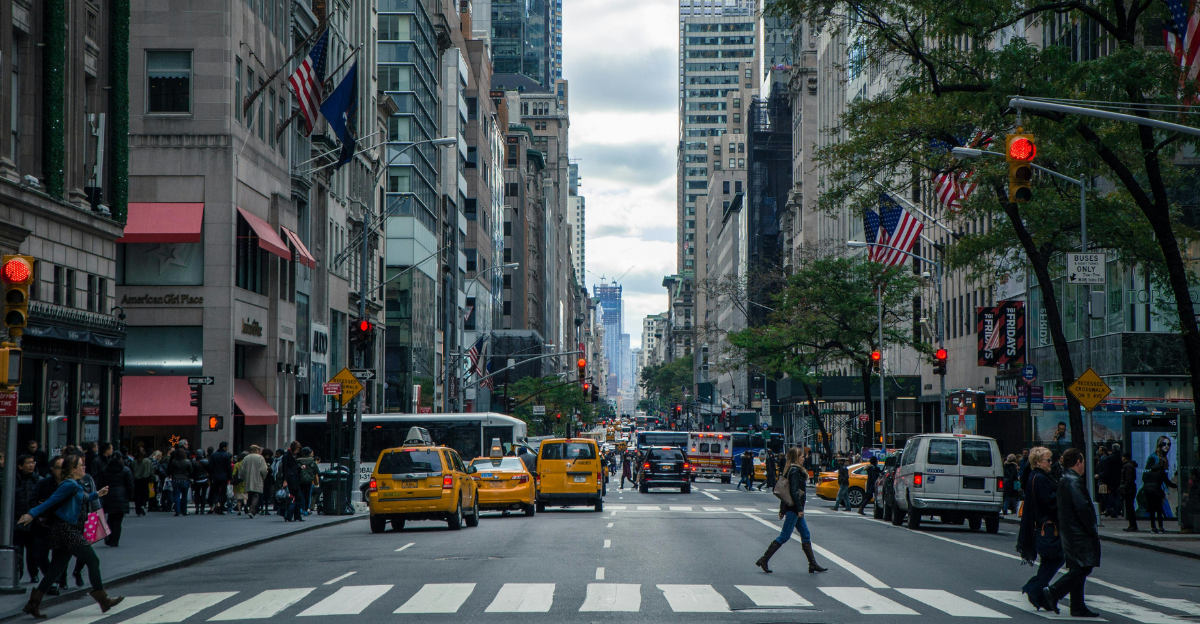
Officials urge motorists to enroll in E-ZPass, keep plates unobstructed, and address toll notices promptly. Ignored bills can escalate from small late fees to $50 violation penalties, collections, and registration suspension.
Once suspended, drivers risk on-the-spot impoundment during targeted operations, turning minor toll debts into major financial setbacks.
What Comes Next For Enforcement
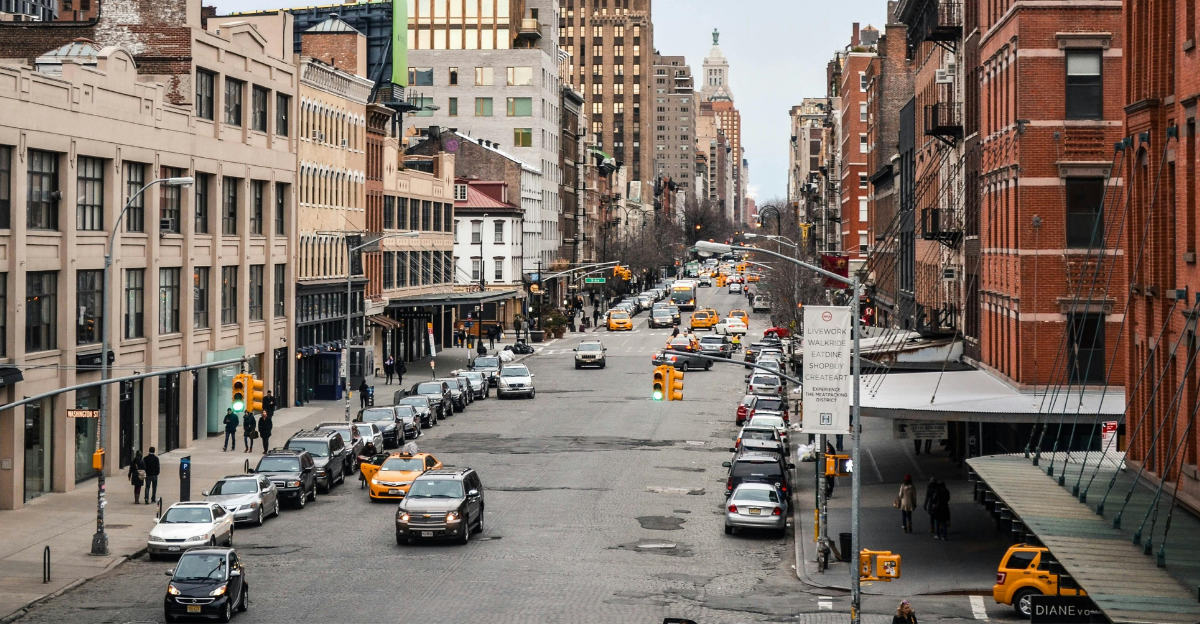
Given 2024’s results, authorities plan additional enforcement details along I-90, I-87, and major bridges. Officials also point drivers to the Office of the Toll Payer Advocate to resolve billing disputes before penalties escalate.
The message is clear: enforcement will remain routine, coordinated, and increasingly data-driven.
A Local Crackdown With Wider Echoes
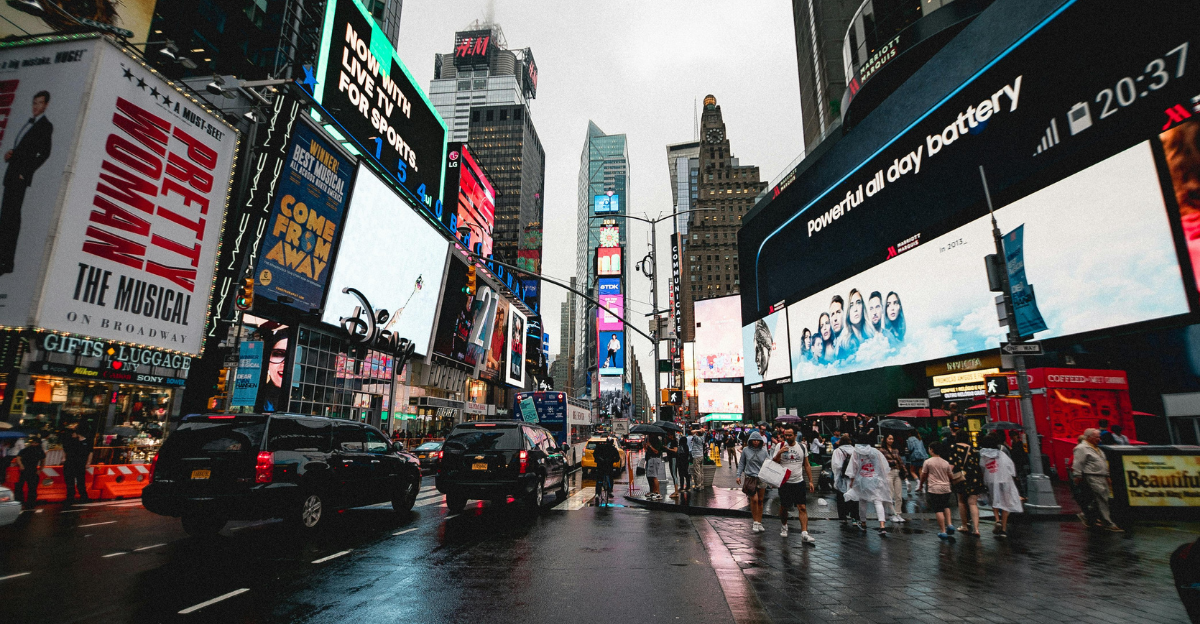
New York’s toll-evasion campaign—310 vehicles seized and $116,000 recovered—shows how a local enforcement push can ripple across transportation, logistics, and civil-liberties debates. As cashless tolling expands nationwide, other regions are watching closely.
New York’s blend of discounts, advocacy, and hard-line enforcement may shape how future toll systems balance convenience, fairness, and accountability.
Sources:
- ****: “New York Seizes 310 Vehicles In Toll Crackdown—Fake-Plate Drivers Targeted As $207K Recovered” – MSN (via Local12/WRGB and NY Thruway Authority release), 20 Nov 2024
- ****: Port Authority anti-toll-cheat push report – Port Authority of NY & NJ release, 2024
- ****: Governor Hochul enforcement announcement and NY Thruway Authority releases (multiple: operations overview, background, capital plan, customer guidance, Toll Payer Advocate) – Governor’s Office / NY Thruway Authority, 20 Nov 2024
- ****: Toll evasion cost update – FingerLakes1, 7 Jan 2026