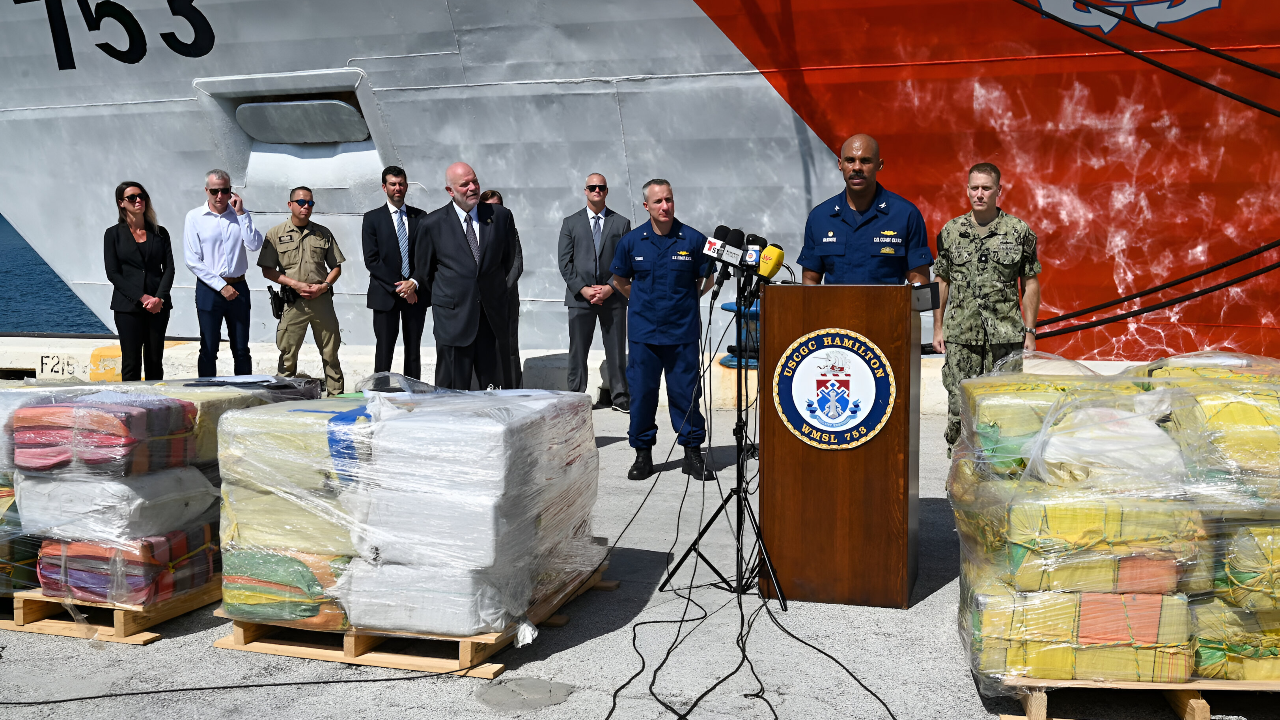
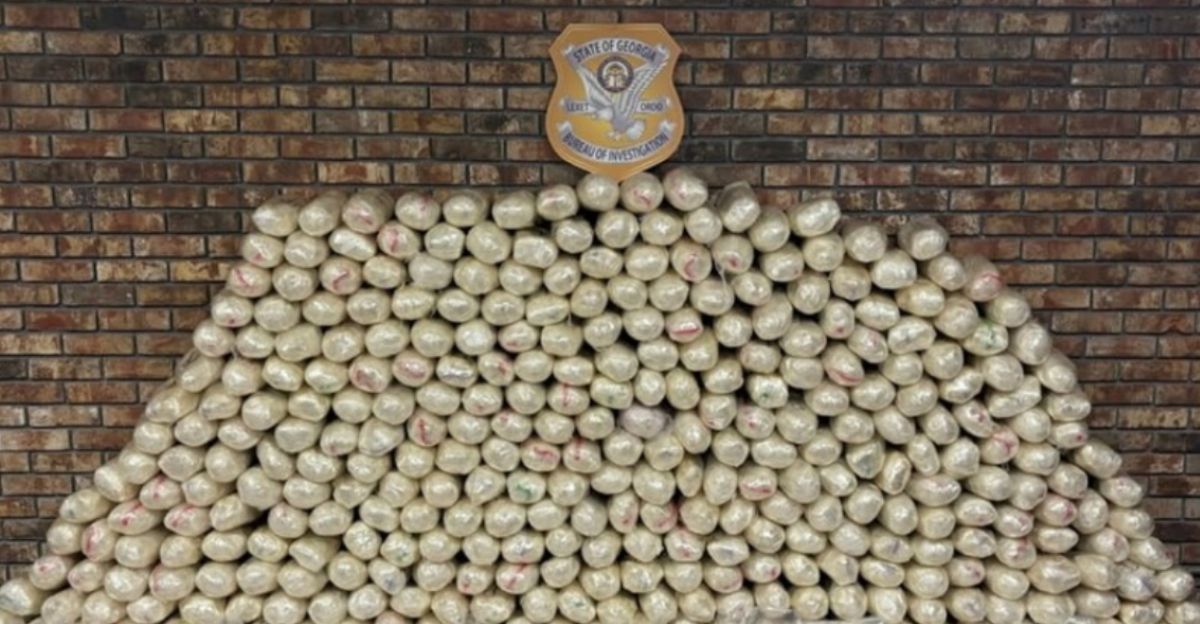
Refrigerated trucks lined up outside a cold-storage warehouse in Fulton County as federal agents moved in on November 20, 2025, cutting the plastic on pallets of fresh blackberries. Hidden inside the crates, investigators found tightly wrapped bricks of methamphetamine weighing a combined 1,585 pounds. Authorities later said it was the largest single meth seizure in the United States so far this year, with an estimated street value of about $22.5 million, and likely tens of thousands of individual doses that never made it into communities across Georgia.
Cartels in the Produce Aisle
Investigators say the blackberry loads were part of a broader scheme in which traffickers embed narcotics inside legitimate produce shipments to move drugs across the southern border and deep into the Southeast. In this case, the meth traveled in refrigerated trucks that would otherwise be carrying berries to commercial buyers, taking advantage of cold-chain systems widely trusted by grocers, distributors, and food-service providers.
Officials say the tactic is not new and not limited to berries. Recent cases have involved meth hidden in shipments of jalapeños, cucumbers, and celery, as well as operations linked to clandestine conversion labs that intersect with produce transport. Together, these cases point to a deliberate strategy: use everyday food cargo to conceal narcotics, counting on the assumption that perishable goods are less likely to receive intensive inspection.
Public-safety officials estimate that the quantity of meth seized in Fulton County represented from the tens of thousands to well over one hundred thousand potential doses, depending on purity and how it would have been processed for sale. Those doses, they say, were likely bound for users in metro Atlanta, Hall County, and surrounding areas. By stopping the shipment before it could disperse, investigators argue, they reduced the short-term risk of overdoses, drug-fueled violence, and related criminal activity, even as they acknowledge that demand for methamphetamine remains strong.
Cold Warehouses, Hot Targets
The Fulton County cold-storage facility came under scrutiny after agents tracked three refrigerated trucks tied to suspicious shipping patterns moving through metro Atlanta into North Georgia. Surveillance on those vehicles helped point investigators to the warehouse, where they found the blackberries and concealed narcotics.
In the wake of the bust, federal agencies are increasing scrutiny of refrigerated warehouses, trucking hubs, and other logistics centers. Investigators are focusing on freight documentation, vendor vetting, and gaps in supply-chain oversight that traffickers may have exploited quietly for years. Officials say they are looking for patterns in routing, loading practices, and repeat shippers that could signal drug loads hidden among legitimate produce.
Authorities believe the meth in the blackberry cases originated in Mexico, crossed the southern border, and then moved east in refrigerated trucks, blending in with legal commerce. Task forces are now working to map the full route from production to planned street-level distribution in Georgia, with an eye toward identifying financiers, transport coordinators, and U.S.-based distributors who rely on produce-hauling networks as cover.
Law-enforcement leaders describe the goal as going beyond individual seizures to dismantling the transnational organizations responsible, including their financial flows and logistics. They say the seizure in Fulton County underscores how cartel-aligned operations can embed themselves in routine commercial activity, making it harder to distinguish between legitimate and illicit cargo on the road.
Arrests, Coordination, and Financial Damage
Hall County officials called the Fulton County case the largest meth seizure their agency has seen in nearly four decades. State leaders publicly labeled the operation a “hero moment,” arguing that the drugs were stopped before any portion reached neighborhoods.
Gerardo Solorio-Alvarado, 44, a Mexican national who previously served 17 years in federal prison for drug trafficking, and Nelson Enrique Sorto, 36, of Atlanta, have been charged federally in connection with the blackberry shipments and face serious trafficking counts. One driver, a Mexican national without legal status in the United States, was turned over to immigration authorities. Investigators are still examining whether any other drivers, warehouse staff, or intermediaries knowingly took part in the trafficking or were unknowingly used as part of the cover operation.
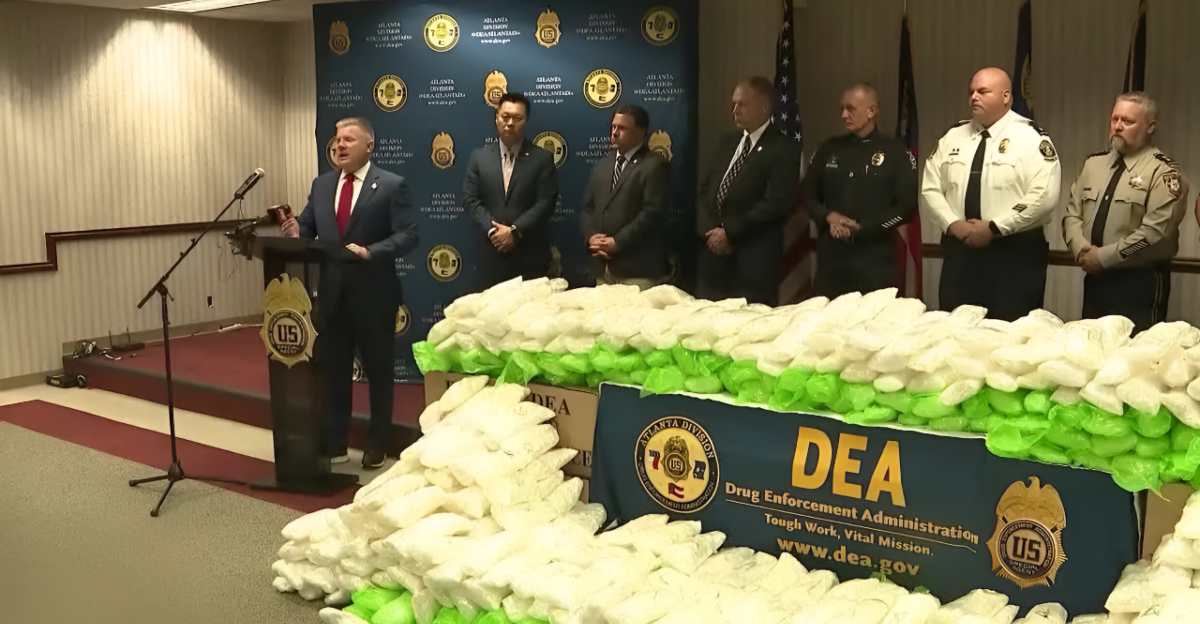
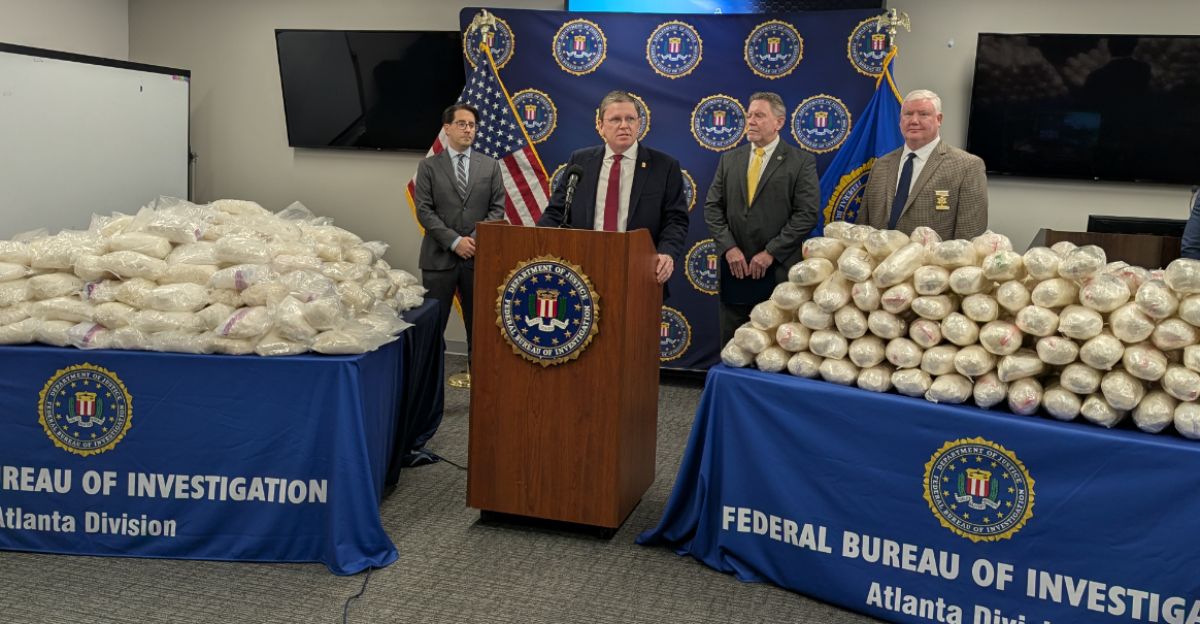
At a December briefing in Atlanta, officials from multiple agencies highlighted the seizure as evidence of tighter coordination between federal authorities, state units, and local sheriffs’ offices. Multi-agency task forces have taken on a central role in efforts to block cartel activity in Georgia, pooling intelligence and resources to monitor trucking corridors and regional distribution points.
Authorities estimate that the intercepted meth carried a street value of about $22.5 million, but say the broader financial impact could be higher once wholesale profits and lost downstream sales are factored in. Seizing a shipment of this size can temporarily constrict local supply and raise prices, forcing criminal groups to absorb substantial financial losses. Investigators, however, caution that cartels typically respond by rerouting loads, splitting cargo into smaller parcels, or increasing shipment frequency to offset their losses.
Food Supply, Consumer Trust, and Industry Response
Because the meth was concealed in blackberry pallets destined for commercial distribution, the case has prompted renewed attention to how produce moves from farms to shelves. Authorities say the drugs were wrapped separately from the berries and were discovered before they reached stores, and no food contamination was reported. Even so, grocery chains, importers, and distributors are reviewing chain-of-custody procedures, supplier screening, and documentation standards.
Industry groups for retailers and restaurants stress that imported produce remains safe to eat, while warning that additional inspections and documentation checks can lengthen transit times for perishable goods. Many companies are working more closely with federal investigators to balance security needs with the time-sensitive nature of cold-chain logistics.
Refrigerated carriers operating in Georgia and neighboring states may face stricter compliance measures, including enhanced driver vetting, updated contract terms, and more rigorous cargo checks. Shippers are also looking for ways to protect themselves from being used as unwitting conduits, from investing in monitoring technology to tightening access controls at loading points.
Officials acknowledge that stories of narcotics hidden among fresh fruits and vegetables can unsettle consumers, even when the drugs never come into contact with the food itself. Trade and agriculture representatives say transparent communication about inspection practices, seizure outcomes, and supplier controls will be important in maintaining public confidence.
Beyond the Bust: Health and Policy Questions
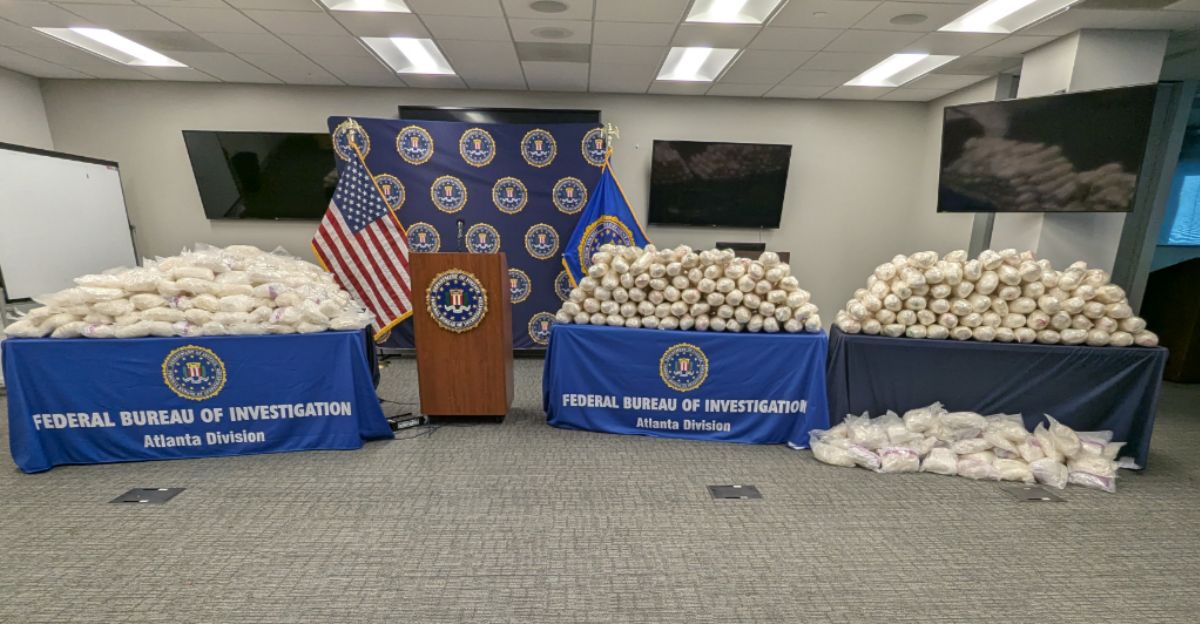
Federal agencies link meth trafficking to addiction, chronic health damage, and heightened levels of violence in affected communities. They argue that taking roughly 720 kilograms of the drug out of circulation in a single operation prevents substantial future harm. Public-health advocates agree that interdiction matters, but say that large seizures cannot substitute for investments in treatment, prevention, and long-term recovery services for people already using methamphetamine.
The Georgia case has also fed into broader national debates over how to respond to drug markets. Law-enforcement officials say that dismantling networks and capturing high-value shipments undermines the capacity of violent organizations. Critics of enforcement-heavy approaches counter that as long as demand remains high, traffickers will adapt by changing routes, concealment methods, and distribution models.
Experts note that record seizures can signal both effective enforcement and the scale of underlying supply. They anticipate that cartels and their U.S.-based partners will adjust by fragmenting loads, experimenting with new commodities or vehicle compartments, and seeking out less scrutinized entry points.
Prosecutors in the Northern District of Georgia say their investigation into the blackberry shipments is ongoing, with related cases involving produce-linked meth operations expected to reach court in early 2026. As investigators follow financial records and cross-border connections, officials emphasize that the Fulton County seizure reflects more than a single case: it illustrates how one hidden load can expose vulnerabilities in modern supply chains and shape how law enforcement, industry, and policymakers approach the intersection of global trade and drug trafficking in the years ahead.
Sources
“Illegal alien and Atlanta man face federal charges after massive seizures of methamphetamine concealed in fruit shipments.” U.S. Department of Justice, U.S. Attorney’s Office for the Northern District of Georgia, December 2, 2025.
“Blackberry shipments hid nearly 1,600 pounds of meth, two convicted criminals charged.” FOX 5 Atlanta, December 3, 2025.
“Feds arrest felon illegal immigrant after seizing tens of millions in meth stashed in blackberries.” Fox News, December 3, 2025.
“$22M worth of crystal meth found in blackberry shipments across Atlanta.” WSB-TV Atlanta, December 3, 2025.