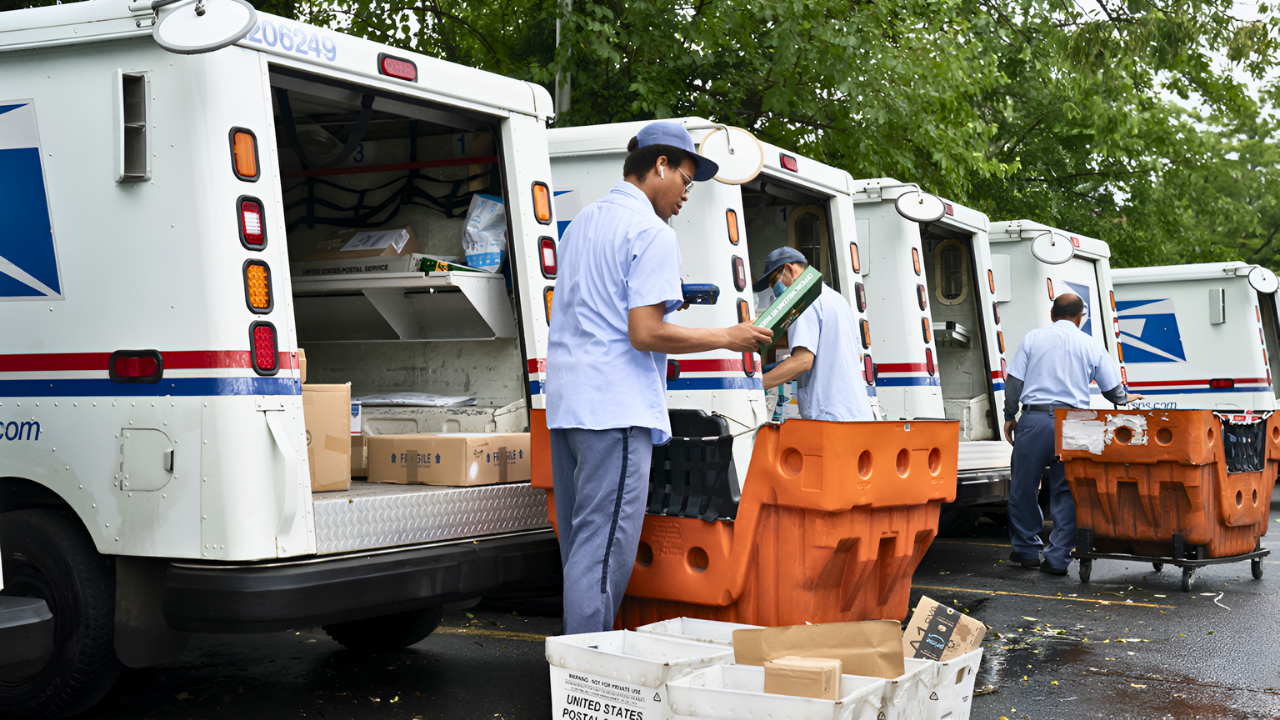
In October 2025, the United States Postal Service encountered an unexpected operational catastrophe when it attempted to enforce a federal ban on truck drivers holding non-domiciled commercial licenses. Within seventy-two hours, the policy triggered cascading failures across the mail delivery network—canceled loads, missed deliveries, and system-wide disruptions forced USPS leadership to reverse course entirely. The episode exposed how profoundly America’s critical infrastructure depends on immigrant workers and international drivers, a dependency that federal policymakers had fundamentally underestimated.
The Federal Intervention
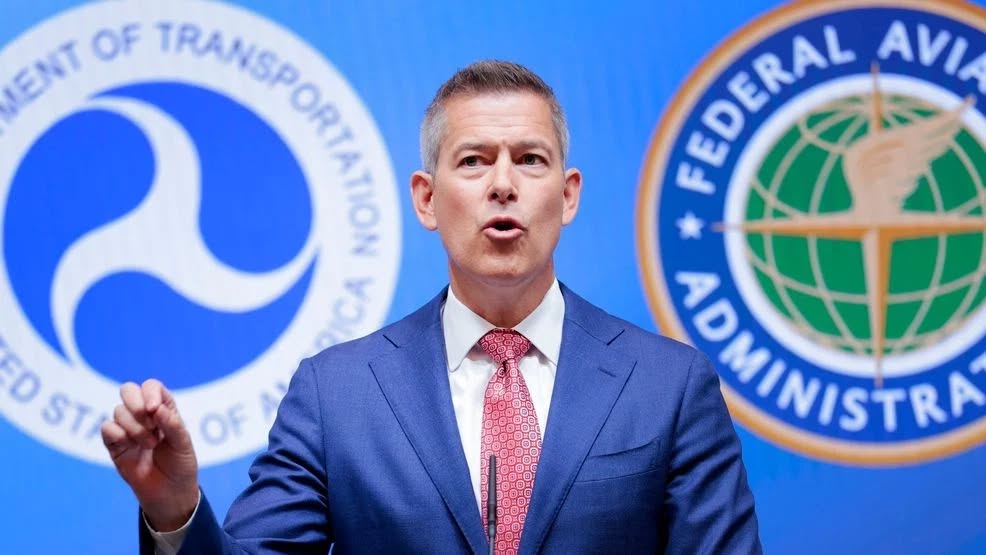
On September 25, 2025, Transportation Secretary Sean P. Duffy announced an emergency interim final rule restricting non-domiciled commercial driver’s licenses nationwide. The Federal Motor Carrier Safety Administration immediately halted issuance of new non-domiciled CDLs by states and initiated a comprehensive two-year phase-out of existing licenses. The action followed a Department of Transportation audit that uncovered approximately 200,000 non-domiciled CDLs issued nationwide, revealing startling compliance failures and systemic fraud. In California alone, over twenty-five percent of these licenses were granted improperly, with similar violations discovered in Colorado, Pennsylvania, South Dakota, Texas, and Washington state.
Origins of the Loophole

Non-domiciled commercial driver’s licenses were originally created in 2017 to help United States citizens obtain licenses in states where they didn’t maintain legal residence. However, the administrative system expanded significantly over time. In March 2019, the FMCSA issued guidance permitting foreign drivers with valid employment permits and Customs and Border Protection arrival records to obtain non-domiciled CDLs throughout the country. The program eventually allowed non-U.S. residents to qualify with minimal verification of work permits or legal employment status, effectively transforming the initiative into an unintended immigration workaround. Numerous states failed to adequately verify employment authorization or ensure that license expiration dates matched the validity periods of work permits, creating systematic vulnerabilities.
Safety Justification
Between January and September 2025, the Federal Motor Carrier Safety Administration documented multiple fatal crashes involving non-domiciled CDL drivers operating commercial vehicles. Several of these drivers had been issued licenses improperly, while others held valid credentials that would not qualify under the newly revised regulations. These incidents provided federal officials with clear justification for the emergency intervention.
The Operational Collapse
Following Duffy’s emergency rule, the United States Postal Service implemented a strict policy prohibiting facilities from loading trailers operated by non-domiciled CDL drivers. Management believed this alignment with federal guidelines would enhance safety and regulatory compliance. The consequences emerged almost instantly. Canceled loads proliferated significantly, scheduled trips were missed repeatedly, and mail sorting operations experienced cascading delays throughout the network. USPS operations revealed critical vulnerabilities in the linehaul system that leadership had fundamentally underestimated in scope and severity.
During an emergency conference call with postal contractors and suppliers, USPS Senior Vice President of Logistics Pete Routsolias directly acknowledged the magnitude of the organizational error. He stated: “We didn’t understand the magnitude of how many people were using non-domiciled CDLs, and quite honestly, the amount of omits was astronomical.” He continued with candid acknowledgment: “At this moment, I am not prepared to severely impact service.”
The Swift Reversal
Within merely days of implementation, USPS completely reversed the ban, declaring that potential service disruptions and cost impacts were “too severe for an abrupt change” to operations. The organization announced that all postal contractors could immediately resume using drivers holding non-domiciled licenses for their regular operations and linehaul routes.
Broader Industry Context
Since the FMCSA permitted foreigners to obtain non-domiciled CDLs in March 2019, over 200,000 licenses have been issued nationally. Many of these drivers fill critical labor gaps in the trucking industry workforce, particularly during the extended freight recession that began in March 2022. During the same period, the trucking sector added over 310,000 new trucks to national capacity. This unprecedented expansion, combined with aggressive foreign driver recruitment strategies by carriers, fundamentally altered market dynamics and directly contributed to the industry’s ongoing freight recession.
Federal regulators estimated that approximately 194,000 non-domiciled CDL holders would be systematically removed from the market over two years—roughly five percent of the nation’s 3.8 million active interstate commercial driver’s license holders. Beyond non-domiciled restrictions, the Trump administration implemented mandatory English proficiency requirements for truckers effective June 2025. Insurance industry executives estimated that at least ten percent of all active truck drivers could fail English language inspections under the new requirements, further compounding the emerging capacity crisis.
Legal and Political Developments
On November 10, 2025, the U.S. Court of Appeals for the District of Columbia Circuit issued an administrative stay of the interim final rule, temporarily preventing FMCSA enforcement. The court found the emergency rule likely violated statutory requirements and potentially discriminated against legally present non-citizens, including asylum seekers, refugees, and DACA-eligible individuals. Despite the court’s pause, Transportation Secretary Sean Duffy declared his unwavering commitment to enforcing restrictions against non-domiciled drivers, announcing plans to aggressively challenge the stay through litigation.
Implications for Infrastructure Policy
The USPS crisis demonstrated compellingly how critical national infrastructure relies heavily on immigrant workers and undocumented employment pathways without organizational awareness or contingency planning. This incident highlights the complex interdependencies between federal policy decisions, supply chain operations, and workforce demographics that government policymakers may significantly underestimate until operational disruptions force recognition. As the nation grapples with immigration policy and labor market dynamics, the postal service episode serves as a cautionary reminder that infrastructure resilience depends on understanding—and accounting for—the actual composition of the workforce that keeps essential services running.
Sources:
Federal Motor Carrier Safety Administration (FMCSA) emergency rule announcement, September 2025
U.S. Transportation Department briefing room statement by Secretary Sean P. Duffy
U.S. Court of Appeals for the District of Columbia Circuit administrative stay order, November 2025
Yahoo News reporting on USPS driver ban reversal and Pete Routsolias statements
Overdrive Online coverage of DOT non-domiciled CDL policy impacts
FreightWaves analysis of trucking capacity and freight recession
Federal regulatory documents on non-domiciled commercial driver’s license requirements and state compliance