
As winter approaches, energy analysts warn of potential widespread blackouts. In October 2024, the International Energy Agency issued an unprecedented alert: global energy markets are far more fragile than many governments publicly admit.
Aging infrastructure, rising geopolitical tensions, and a widening gap between retiring fossil-fuel plants and slower-than-expected renewable growth are pushing grids toward their limit.
What makes the warning historic is timing—coal, oil, and gas are all projected to hit peak demand by 2030, a convergence never seen before, even as electricity consumption accelerates worldwide. According to the agency, these conditions could destabilize economies faster than leaders are preparing for.
Why the System Is Breaking Now
Three converging crises created this perfect storm. First, geopolitical conflicts in the Middle East and Ukraine threaten energy supply chains and expose “significant fragilities” in the global system.
Second, global electricity demand is accelerating at twice the pace of overall energy demand, adding the equivalent of Japan’s total annual electricity consumption to grids each year—with two-thirds of this growth coming from China alone over the past decade.
Third, reliable coal and natural gas plants are retiring faster than stable replacements arrive, creating a critical reliability gap that grid operators cannot yet fill.
Meanwhile, the world is entering what IEA Executive Director Fatih Birol calls an emerging “Age of Electricity,” yet investment in grids and storage trails renewables spending by roughly 40%, with only $0.60 invested in infrastructure for every $1.00 spent on renewable power generation.
Your Electricity Bill Is About to Climb
Consumers face immediate pressure from two opposing forces. On one hand, energy prices remain elevated despite recent declines from 2023 peaks. On the other hand, the U.S. energy infrastructure received a D+ rating from the American Society of Civil Engineers, indicating an aging system that is unprepared for surging demand.
Households in vulnerable regions already report 15–25% increases in winter heating costs, with further hikes expected as grid modernization accelerates.
The paradox is stark: while low-emissions sources are projected to exceed 50% of global electricity generation before 2030—a historic shift—the infrastructure to reliably distribute this power is falling dangerously behind.
Corporate America Scrambles to Adapt
Major tech companies and manufacturers are racing to secure long-term renewable energy contracts before infrastructure constraints become even tighter.
Amazon, Google, and Microsoft have collectively committed to purchasing renewable energy capacity, with corporate buyers in aggregate adding nearly 22 gigawatts of capacity in 2024 alone.
However, supply chain delays and permitting bottlenecks mean many contracts won’t deliver power for 3–5 years, forcing corporations to hedge with expensive short-term alternatives.
This rush reflects genuine concern: the investment gap in grids and storage—estimated at $400–600 billion annually—threatens to bottleneck the clean energy boom before it fully materializes.
Natural Gas Markets Face an Existential Transition
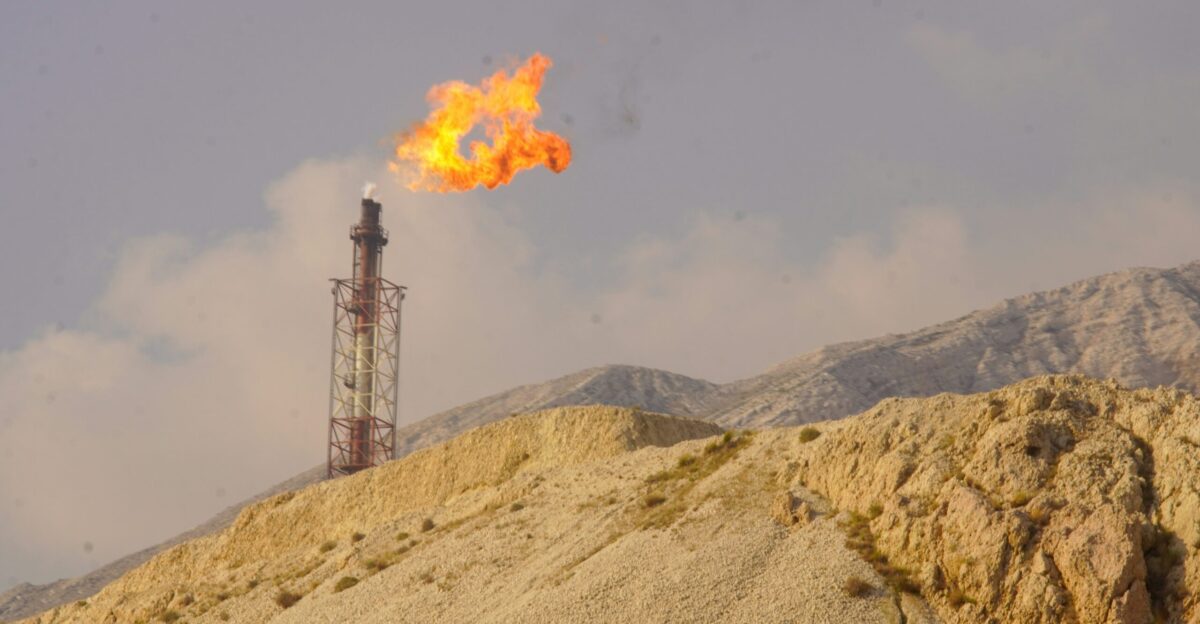
Global gas demand reached a record 4,200 billion cubic meters in 2024, yet the energy world is entering uncharted territory. IEA Executive Director Fatih Birol warned that “in the second half of this decade, the prospect of more ample—or even surplus—supplies of oil and natural gas, depending on how geopolitical tensions evolve, would move us into a very different energy world from the one we have experienced in recent years during the global energy crisis.”
Massive new LNG capacity and peak fossil fuel demand converging by 2030 mean that abundant supplies could paradoxically coincide with a fragile, aging energy infrastructure struggling to adapt.
Without accelerated energy transitions, gas prices could decline sharply, stranding infrastructure investments and reshaping energy markets in ways governments have not adequately prepared for.
Maritime Chokepoints Become Energy Flashpoints
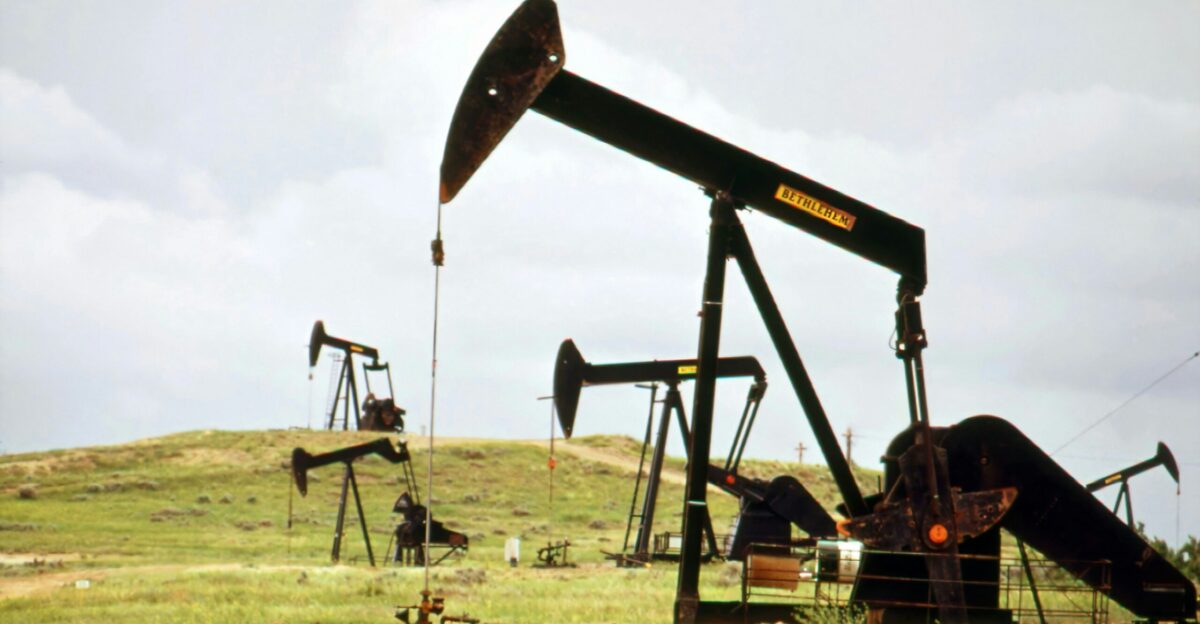
Five critical sea routes—the Strait of Hormuz, Strait of Malacca, Suez Canal, Panama Canal, and Bab el-Mandeb—carry 71% of global oil and 26 billion cubic feet of liquefied natural gas daily.
In 2024, Houthi attacks and geopolitical tensions led to a surge in oil traffic around the Cape of Good Hope, with a 50% increase to approximately 8.7 million barrels per day.
Insurance premiums and freight rates have skyrocketed, adding hidden costs to every imported energy product and further destabilizing supply chains that depend on stable, predictable routes.
Farmers and Workers Face Energy Poverty

In developing nations, energy costs consume 10–15% of household income, compared to 3–5% in wealthy countries. Agricultural workers in Asia and Africa report that fertilizer prices—dependent on natural gas—have tripled since 2021, reducing crop yields and deepening rural poverty.
Meanwhile, 750 million people still lack reliable access to electricity, predominantly in sub-Saharan Africa, while over 2 billion lack access to clean cooking fuels.
This gap widens as energy prices fluctuate and investment capital shifts toward wealthy markets that are pursuing electrification and data center expansion.
Governments Clash Over Energy Policy

As of April 2025, the U.S. imposed 10% universal tariffs and reciprocal tariffs on multiple trading partners, disrupting clean energy supply chains and increasing capital costs for long-term investments. The European Union countered with its own trade measures, while China accelerated domestic solar and battery manufacturing to capture market share.
These policy conflicts are fragmenting the global energy transition, creating winners and losers by geography rather than merit.
Simultaneously, the IEA warns that “decisions by governments, investors and consumers too often entrench the flaws in today’s energy system, rather than pushing it towards a cleaner and safer path.”
Inflation Creeps Back Into Consumer Wallets
Energy price volatility is feeding broader inflation. The International Monetary Fund revised its 2025 global growth forecast downward from 3.3% to 2.8% in April 2025, citing energy uncertainty as a key factor.
Higher energy costs ripple through transportation, manufacturing, and food production, driving up consumer prices across these sectors.
Households already squeezed by prior inflation face another round of erosion in their purchasing power as the world transitions between energy paradigms.
Heat Waves Redefine Electricity Demand
Extreme weather is reshaping energy consumption patterns. Record heatwaves in 2024 drove electricity demand to unprecedented levels, with air conditioning now consuming more power than data centers in most regions.
The International Energy Agency projects that increased air conditioning use will result in “significantly greater variations” in electricity demand than previously modeled, straining grids during peak summer months and potentially forcing rolling blackouts in vulnerable areas.
This demand surge collides directly with underinvestment in infrastructure, creating a perfect storm for system reliability.
The “Age of Electricity” Arrives—But Unprepared
IEA Executive Director Fatih Birol declared the world is entering the “Age of Electricity,” a historic shift from the Age of Oil. Low-emissions sources are projected to account for more than 50% of global electricity generation by 2030.
Renewable capacity is expected to expand dramatically, with solar power in China alone projected to exceed the total electricity demand of the United States by the early 2030s.
Yet this transformation hinges on closing a critical gap: for every $1.00 spent on renewable power generation, only $0.60 is invested in grids and storage infrastructure.
The required $400–600 billion annual investment gap in grid modernization threatens to bottleneck the entire clean energy transition before it can deliver its promise.
Environmental Advocates Warn of Stalled Progress
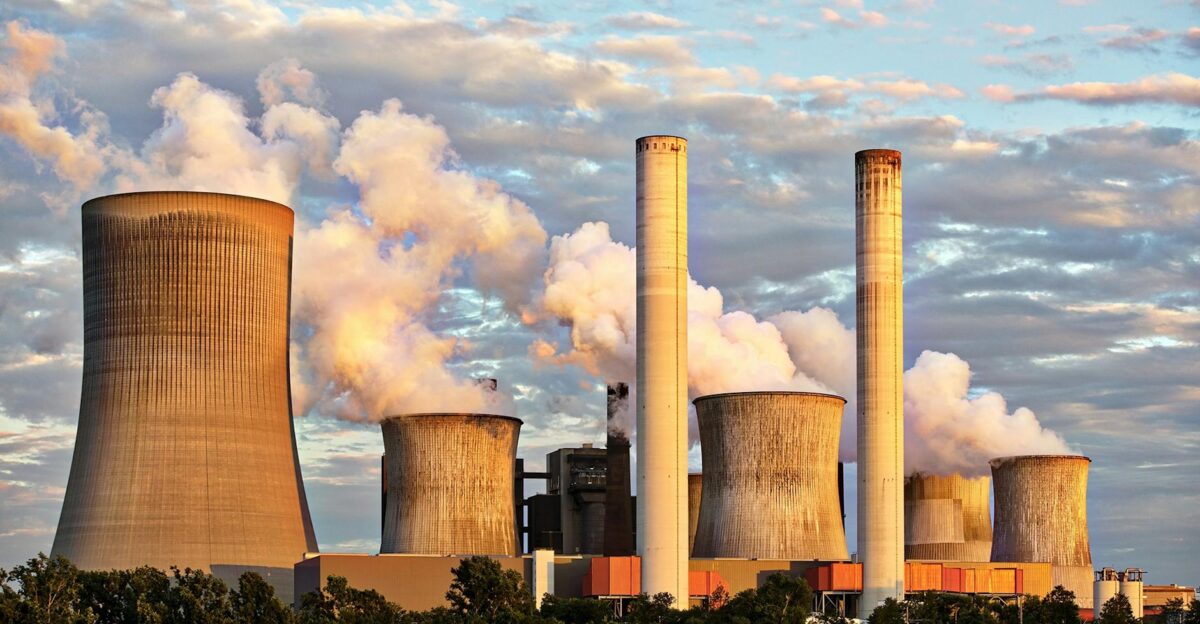
Climate scientists and sustainability advocates are alarmed that current policies put the world on track for 2.4°C of warming by 2100—well above the 1.5°C target set by the Paris Agreement.
Despite record clean energy investment, this trajectory locks in approximately 0.9°C of excess warming beyond the climate goal.
Fossil fuels are likely to continue meeting a significant share of new energy demand through the end of this decade, despite the historic milestone of all three primary fossil fuels (coal, oil, and gas) peaking simultaneously by 2030.
Without accelerated policy action and infrastructure investment, the energy transition risks stalling at a critical juncture, leaving decades of progress vulnerable to reversal.
Winners Emerge: Solar, Batteries, and China
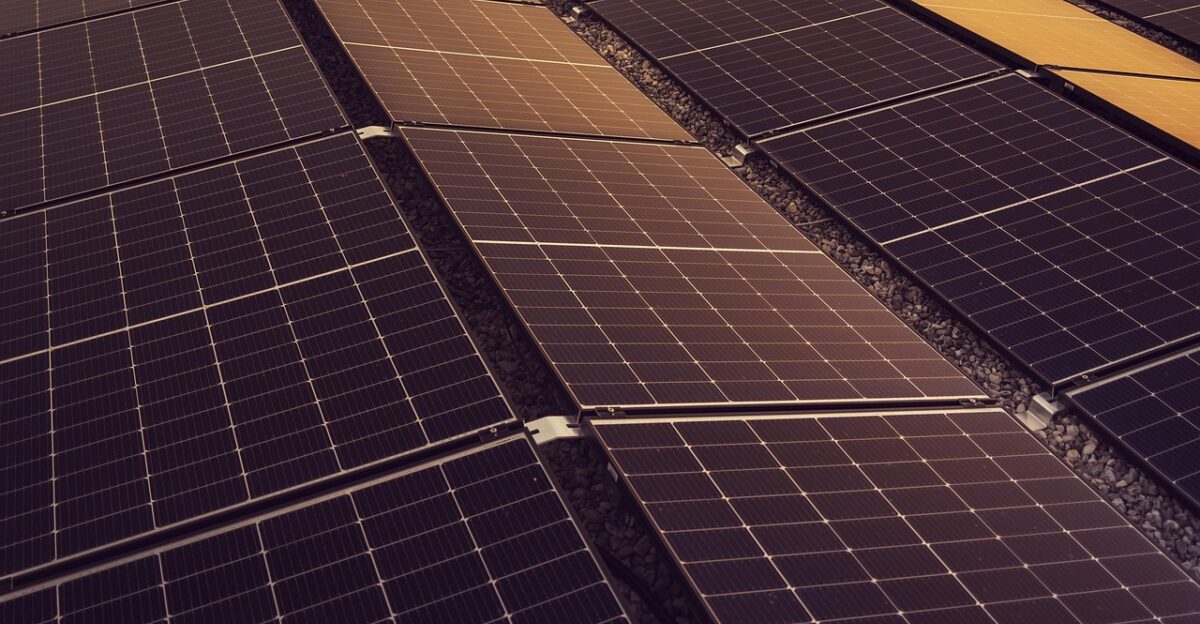
China’s solar expansion is accelerating dramatically. By the early 2030s, China’s solar generation alone could exceed total U.S. electricity demand. This represents a historic shift in the global energy power balance, with the deployment of clean energy technology advancing at an unprecedented speed.
Battery manufacturers and renewable equipment suppliers are capturing market share, while fossil fuel companies face margin compression.
Investors betting on clean energy stocks have outperformed traditional energy holdings by substantial margins over the past two years, though volatility remains high as policy uncertainty persists.
What Consumers Should Do Now
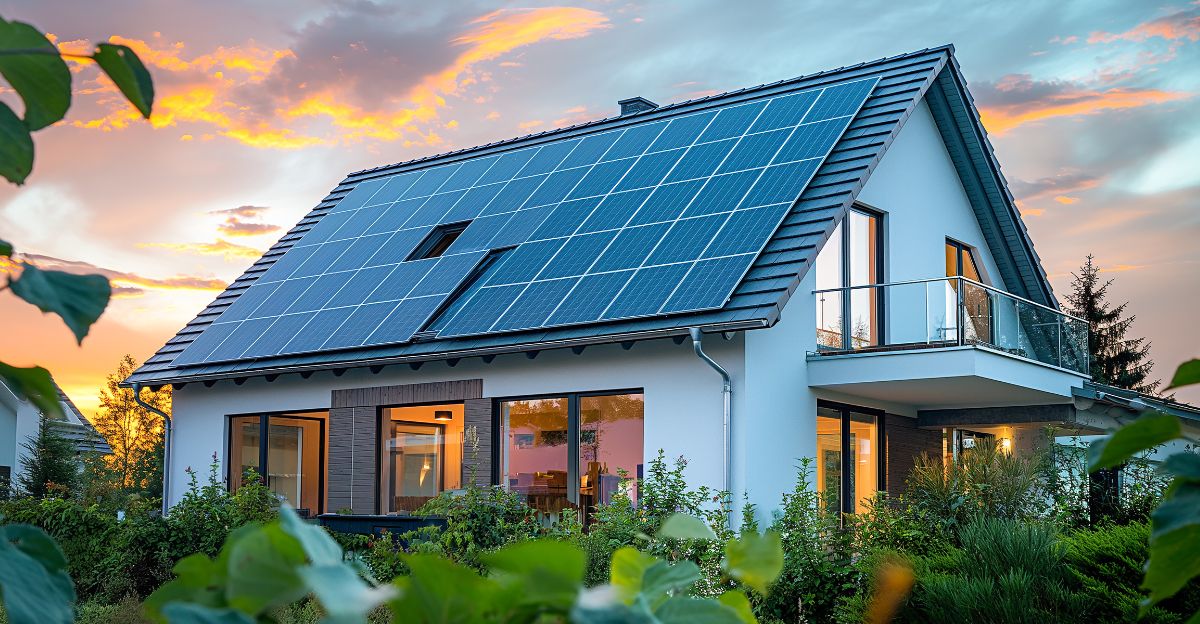
Households should audit energy consumption, invest in insulation and efficient appliances, and lock in fixed-rate energy contracts before infrastructure constraints tighten further. Renters should pressure landlords to upgrade heating and cooling systems.
Investors should diversify across renewable energy, grid modernization, and battery storage companies—but avoid over-concentration in any single technology or geography.
Prepare for the next 5–10 years of transition volatility, supply chain rebalancing, and evolving energy costs as fossil fuel demand peaks and electricity demand continues its relentless acceleration.
The Fragile Transition: What Comes Next
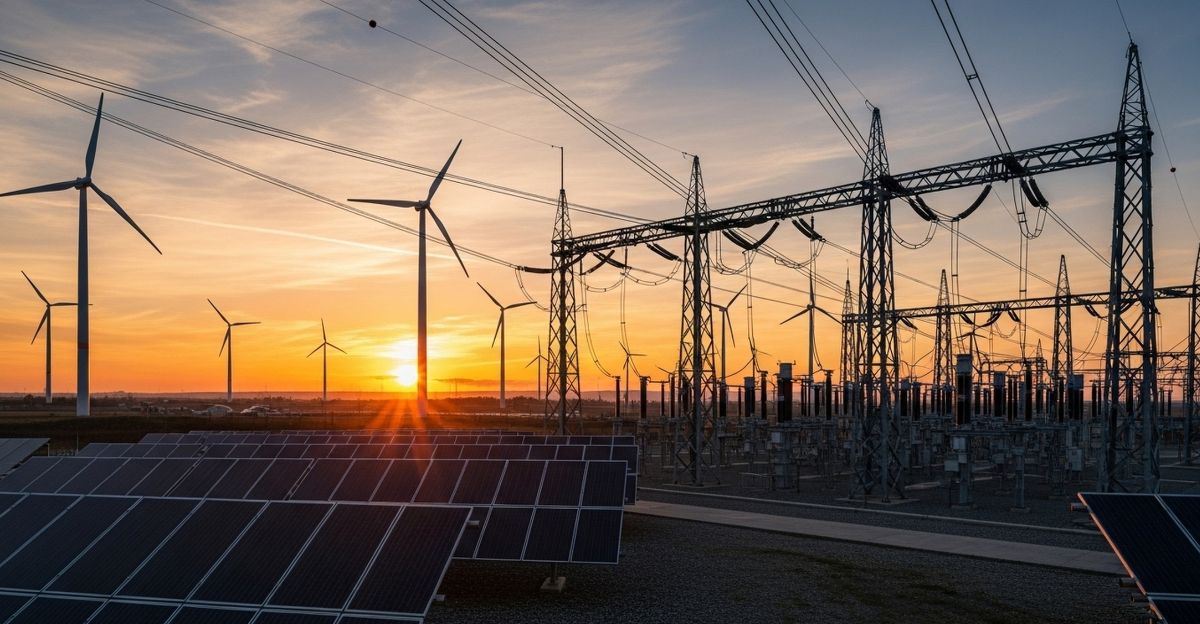
The IEA’s 2024 World Energy Outlook reveals a historic paradox: the world is entering the “Age of Electricity” with renewable capacity and clean energy investment at record levels, yet the infrastructure required to support this transition is falling dangerously behind.
The next critical window is the second half of this decade (2025–2030), when fossil fuel demand peaks for the first time across all three fuels simultaneously, electricity becomes the dominant energy carrier, and energy surplus could emerge alongside system fragility.
Without urgent investment in grids, storage, and policy coherence, the world risks cascading blackouts, price shocks, and geopolitical conflict over energy resources. The decisions made in the next 18 months will determine whether this energy transition succeeds or stalls.
Sources:
International Energy Agency World Energy Outlook 2024, October 16, 2024
IEA Global Gas Security Review 2024
American Society of Civil Engineers 2025 Report Card for America’s Infrastructure
International Monetary Fund Global Growth Forecast Revision, April 2025
Rystad Energy Chokepoints Under Pressure: Fragile Lifelines of Global Energy, 2024
World Bank Tracking SDG 7: The Energy Progress Report 2025
World Economic Forum Fostering Effective Energy Transition 2025