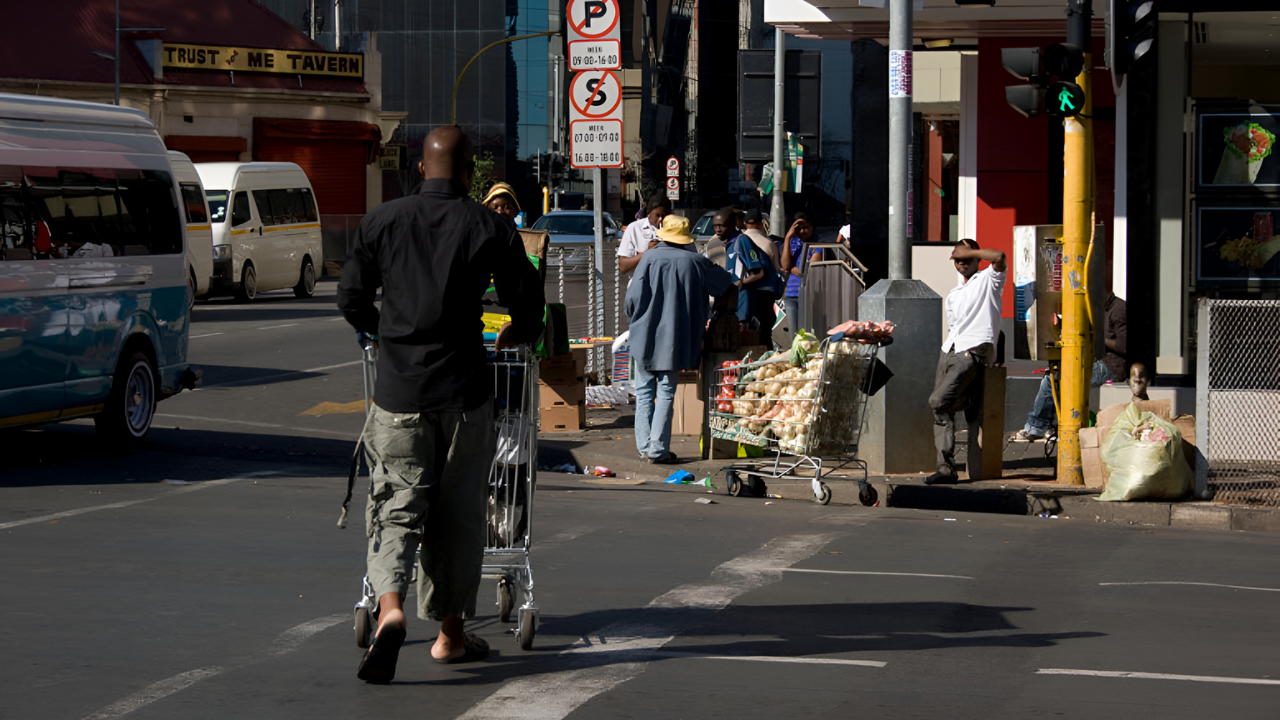
Where you live can quietly shape your financial destiny. In several U.S. cities, a mix of high costs, economic instability, and systemic risks threaten even the most careful residents’ ability to build wealth. From hurricane-prone coasts to cities with soaring rents and rampant fraud, understanding these financial hazards is crucial for anyone planning a move or investment.
Hidden Costs and Unseen Risks
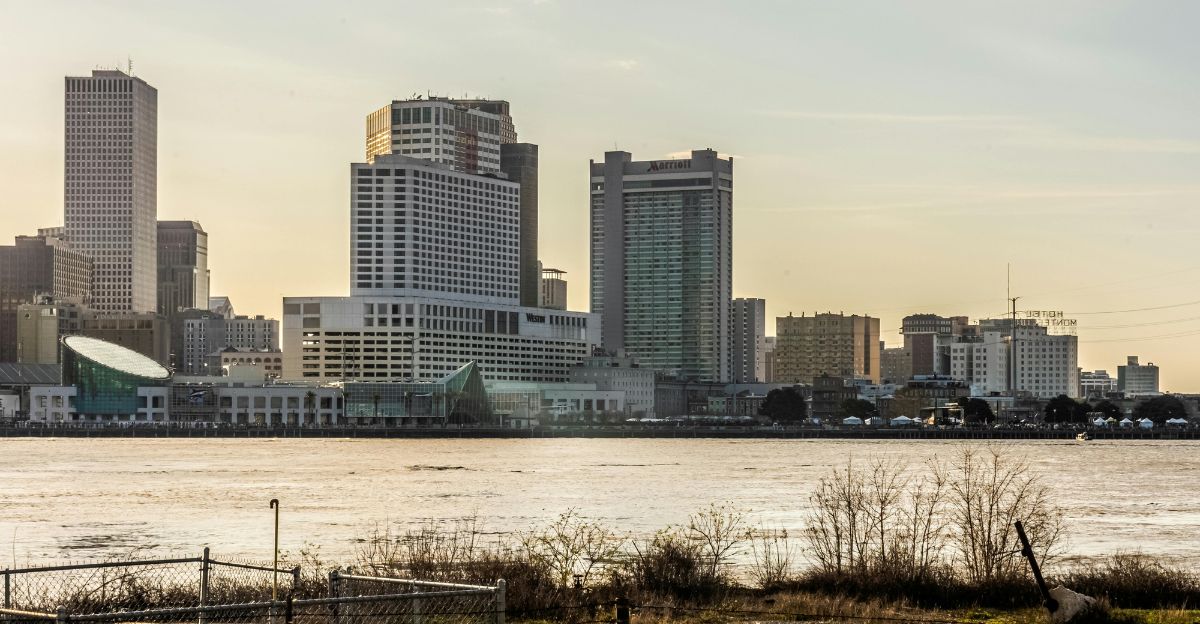
In cities like New Orleans, Miami, and Memphis, residents face financial challenges that go far beyond personal budgeting. New Orleans, for example, is celebrated for its vibrant culture but is also marked by steep homeowner’s insurance rates—averaging $2,955 per year, hundreds above the national average. “It’s not just the storms,” says local resident Angela Broussard. “It’s the constant worry about whether you can afford to rebuild, or even stay, after the next hurricane.” Low credit access and job volatility further erode savings, making it difficult for families to recover from setbacks.
Miami’s sun-soaked image belies a darker reality: the city is a national hotspot for fraud, with 417 identity theft reports per 100,000 residents. Combined with one of the country’s most expensive housing markets and unpredictable weather-related costs, even high earners find themselves financially exposed. “Miami’s fraud rate is among the highest in the U.S., and that’s a real threat to household stability,” notes financial crimes expert Dr. Lisa Chen.
Memphis, meanwhile, offers affordable rent but little else in the way of financial security. The city ranks fifth nationally for unbanked and underbanked households, with 16.7% of residents lacking access to traditional banking and 28.1% relying on costly alternatives like payday loans. These loans can carry interest rates up to 600%, trapping many in cycles of debt.
Economic Volatility and Job Insecurity
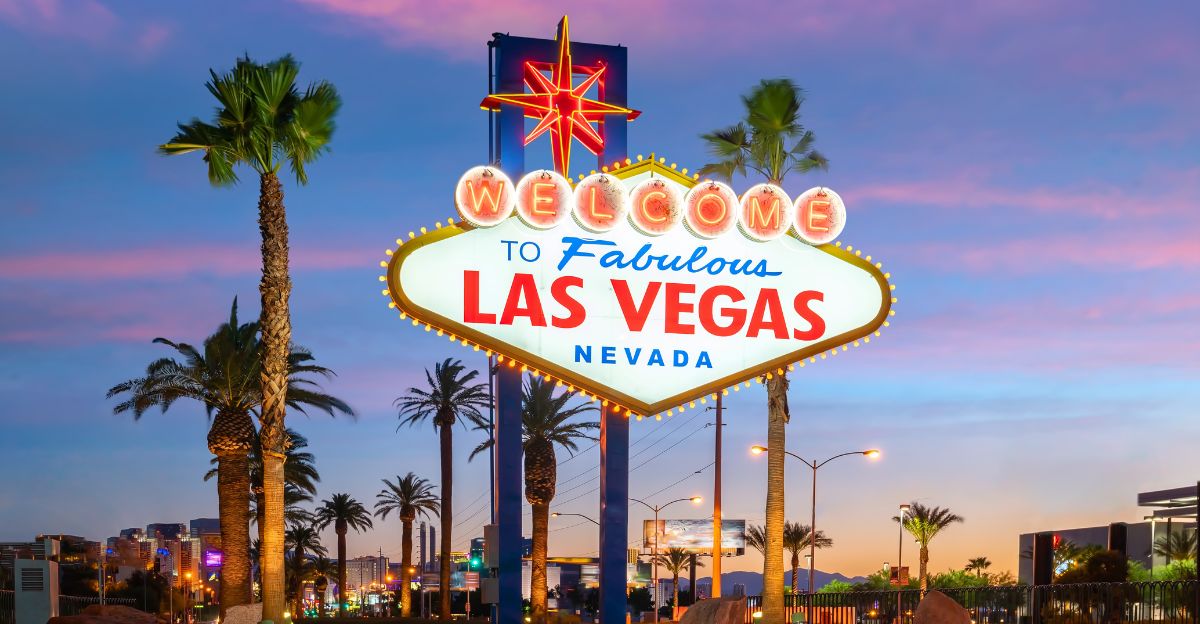
Las Vegas and Houston illustrate how economic dependence on a single industry can leave entire communities vulnerable. Las Vegas thrives on tourism, but when visitor numbers dropped by 11.3% in 2025, thousands lost their jobs almost overnight. “When the tourists stop coming, everything grinds to a halt,” says casino worker Miguel Alvarez. Even middle-class families struggle to save, as the city’s fortunes rise and fall with the flow of visitors.
Houston’s economy is closely tied to the energy sector, making it highly sensitive to oil price fluctuations. In 2025, a sharp drop in oil prices led to widespread layoffs, forcing many to rely on credit to cover basic expenses. The city’s lack of a state income tax offers little cushion, and recurring natural disasters like hurricanes add to the financial strain. Rising flood insurance premiums and the ongoing risk of property damage make long-term stability elusive for many Houstonians.
Cycles of Debt and Structural Barriers
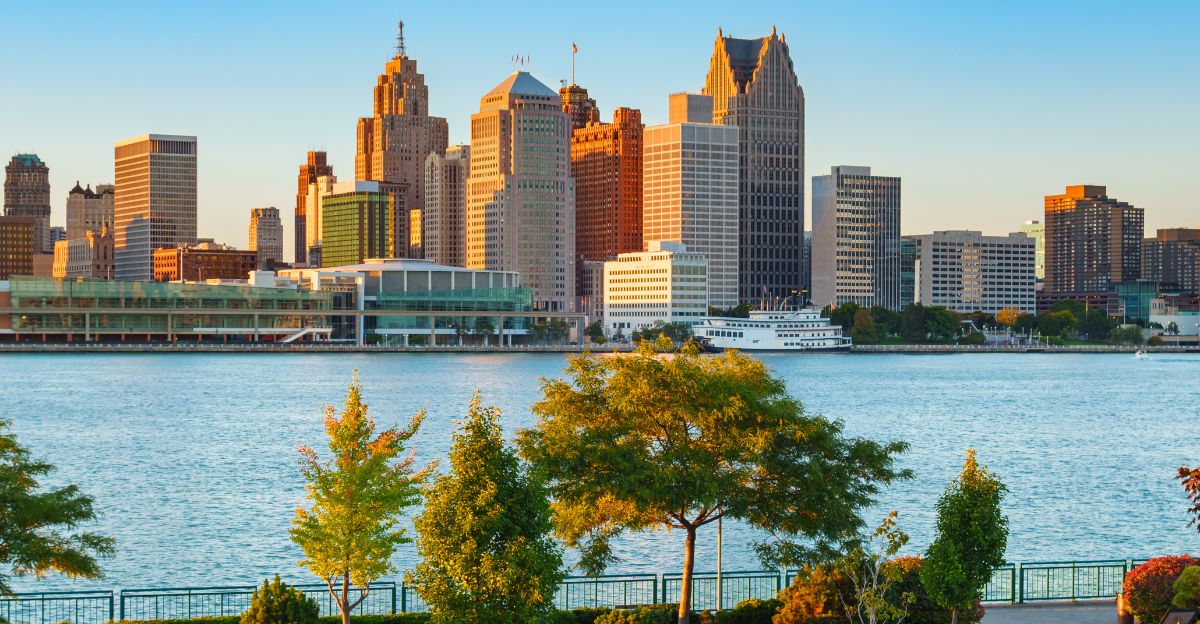
Detroit and Baltimore are cities in transition, but both still struggle with deep-rooted financial instability. Detroit’s low home prices attract buyers, but high property taxes and limited job growth outside manufacturing often turn bargains into burdens. The city’s median household income remains well below the national average, and nearly 1,800 homes were repossessed by banks in 2023. “It’s tough to get ahead when every step forward comes with new costs,” says Detroit homeowner Marcus Reed.
Baltimore, despite recent revitalization efforts, faces persistent poverty and rising living costs. About 20% of residents live below the poverty line, and many are unbanked or underbanked. Utility rate hikes and limited access to affordable credit make it difficult for even those with steady jobs to save or invest for the future.
The High Cost of Opportunity
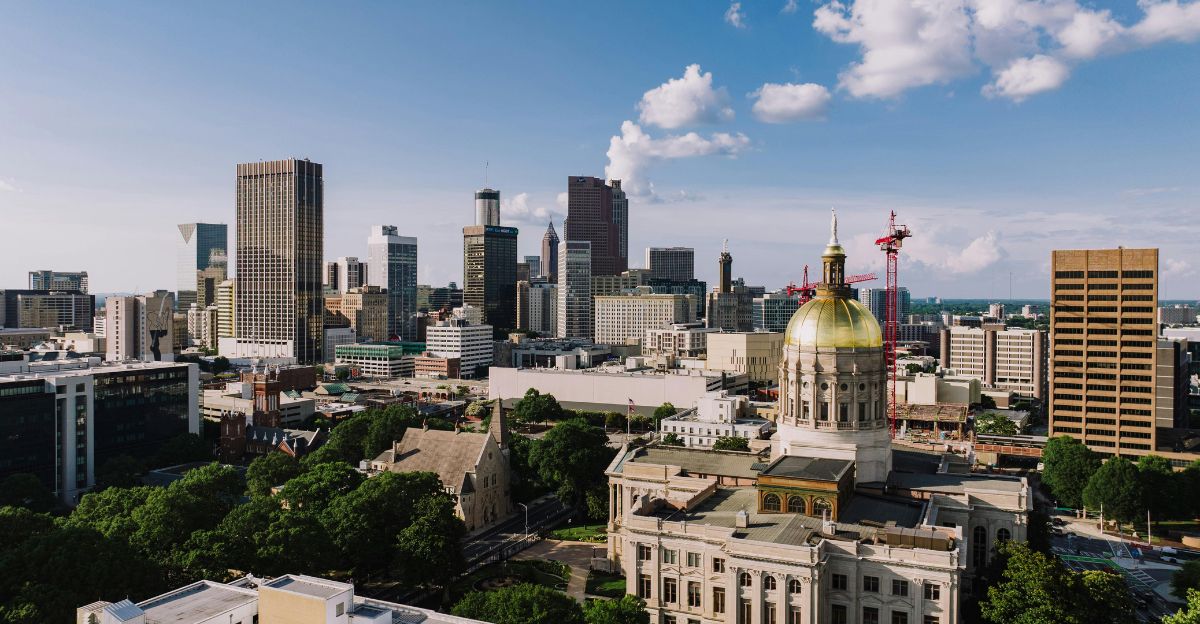
Atlanta and San Francisco represent cities where economic opportunity is offset by soaring costs and widening inequality. Atlanta’s rapid growth has brought gentrification, rising rents, and expensive commutes. The city also has one of the highest identity theft rates in the country, and Georgia ranks tenth for car insurance costs. “Even with a good job, it’s hard to keep up,” says Atlanta resident Jasmine Carter. “Everything just keeps getting more expensive.”
San Francisco, a global tech hub, is notorious for its sky-high cost of living. Median rents exceed $3,000 per month, and even six-figure salaries often aren’t enough to guarantee financial security. Housing scarcity, high taxes, and steep transportation costs mean that many residents live paycheck to paycheck despite the city’s overall wealth. According to a 2024 OECD report, San Francisco’s cost of living now rivals that of London and Tokyo, underscoring the global nature of urban affordability crises.
Looking Ahead: Navigating Financial Precarity
The financial risks facing residents in these cities are shaped by a complex mix of local policies, economic trends, and environmental threats. While some cities are working to address these challenges through reforms and revitalization, progress is uneven and often slow. For individuals and families, understanding the unique risks of each city is essential for making informed decisions about where to live, work, and invest. As economic volatility and climate risks continue to reshape urban life, the stakes for financial security have never been higher.