
Day hikes seem simple, but small mistakes can quickly turn into super dangerous situation. From underestimating the trail and carrying too little water to wearing the wrong shoes or ignoring weather changes, many hikers find themselves in rescue situations.
Understanding common mistakes and preparing carefully can keep your outing safe and enjoyable, ensuring you return with great memories. Let’s take a look at 9 hiking mistakes that turn day hikes into rescues or worse.
1. Underestimating the Trail
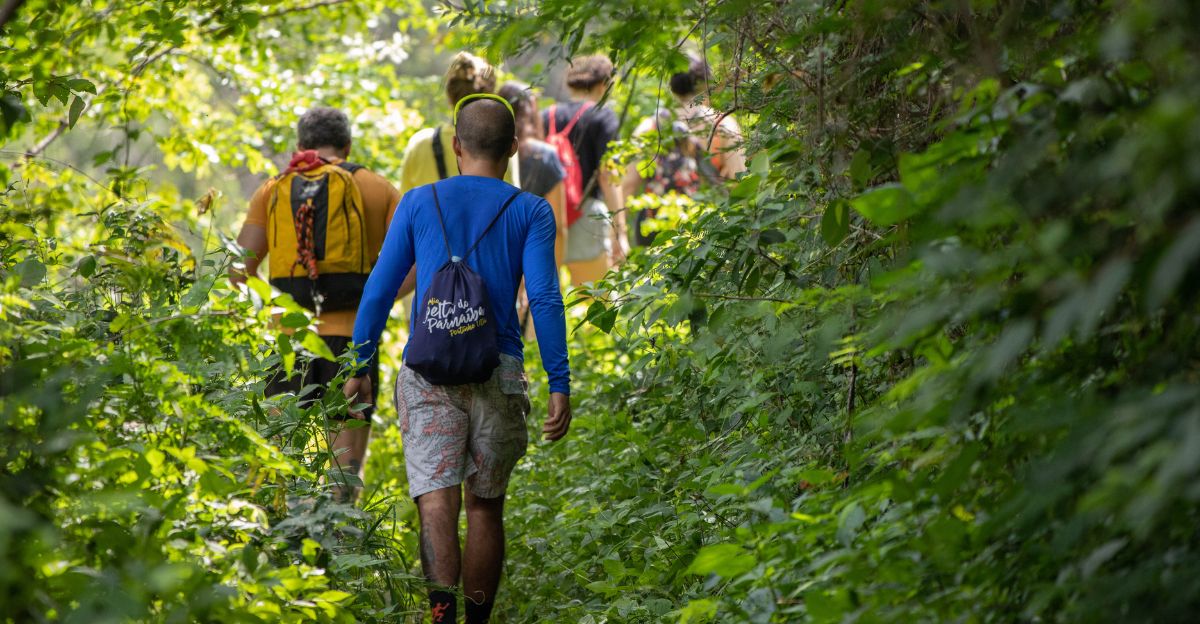
The biggest mistake people make is thinking a trail marked “moderate” or “family-friendly” will be easy. But trails can change fast, and what starts out simple can get steep and tough before you know it.
The first little bit might feel like a breeze, but then the heat kicks in, you get tired, and suddenly every step feels harder. That’s often when people get into trouble.
Why It’s Dangerous
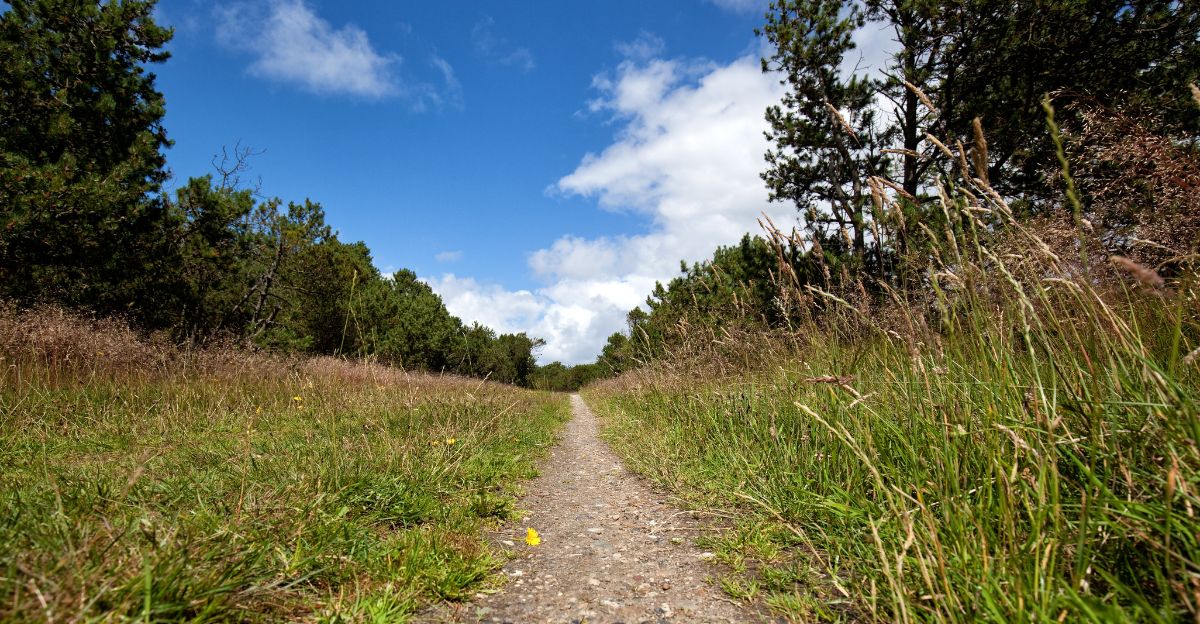
Search-and-rescue teams have reported a surprising number of emergencies within just a mile or two of the trailhead. Often, people will collapse from exhaustion, hurt their ankles, or begin to panic when the walk turns into a climb.
In the wild, false confidence is the enemy. Thinking “how hard could it be?” often leads to disaster before the actual wilderness even begins.
2. Leaving Without Enough Water

A lot of hikers don’t realize how quickly they can become dehydrated, even on a short hike. Just planning to be out for a couple of hours doesn’t mean you’re safe from blazing heat, dry air, or tough climbs.
If you only bring a tiny bottle of water, or nothing at all, you could end up lightheaded, cramping, or dealing with heat exhaustion before you know it.
Why It’s Dangerous

Dehydration sneaks up fast, messing with your judgment, balance, and energy. Throw in direct sun, and your body can tip toward heat stroke quicker than you think. Out on the trail, there’s no tap to refill from.
Rescue teams often end up carrying people out who thought a “quick sip from a water bottle” would be enough, only to collapse and leave the trail on a stretcher.
3. Wearing the Wrong Shoes
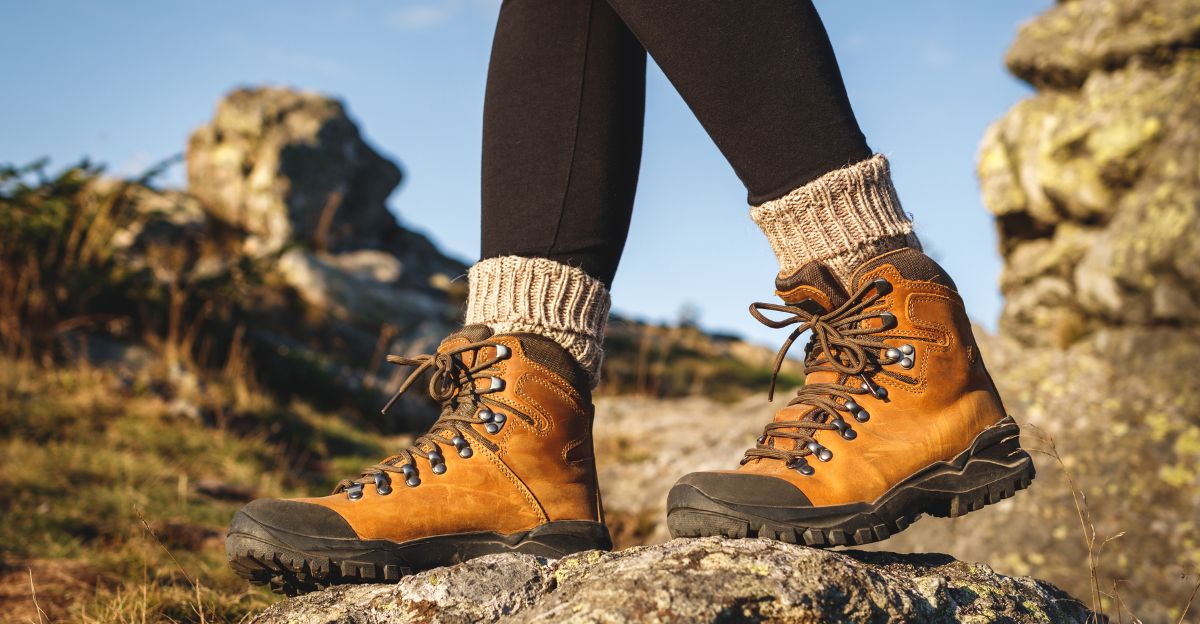
Wearing sandals, worn-out sneakers, or stiff new boots can quickly turn an easy hike into a painful or even risky situation. Trails throw all kinds of surprises at you, like loose gravel, hidden roots, and sticky mud, and the wrong shoes won’t keep up.
Without proper support, you’re looking at blisters, sprains, or nasty falls. And once your shoes start working against you, every step gets harder, until you can’t take another one at all.
Why It’s Dangerous
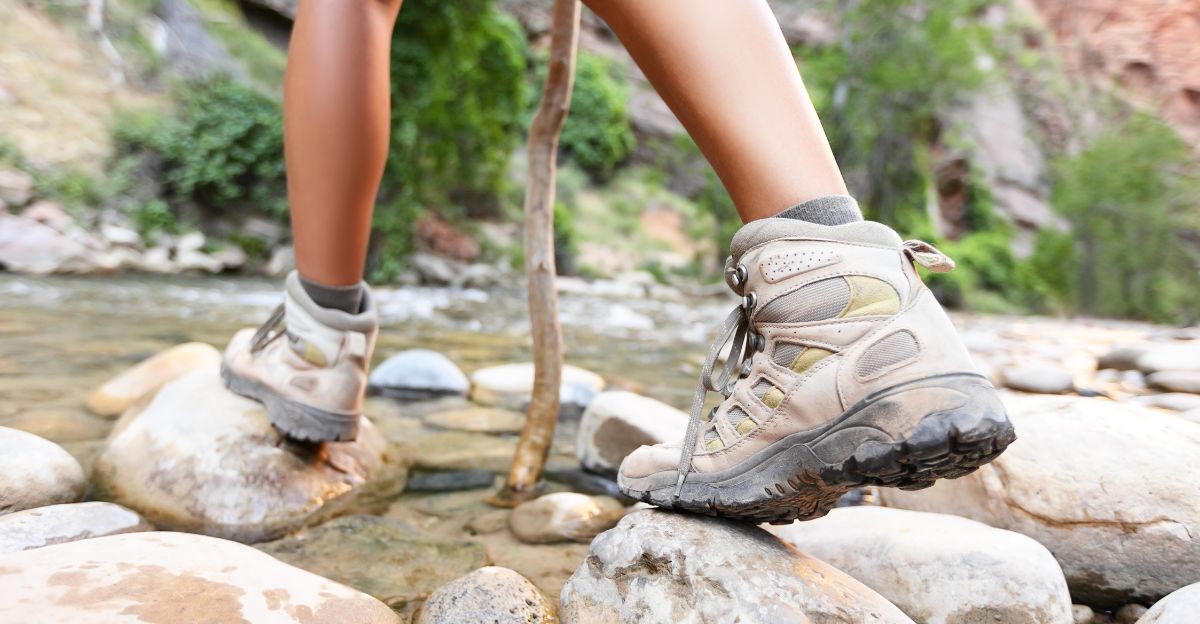
Broken ankles and painful blisters send more hikers to rescue crews than you’d think. A lot of people don’t realize how tough the terrain really is until they’re limping miles away from help.
Walking on trails isn’t like strolling through the city. Every rock and uneven step challenges your balance and stamina. With the wrong shoes, it’s not just about discomfort.
4. Ignoring the Weather Forecast
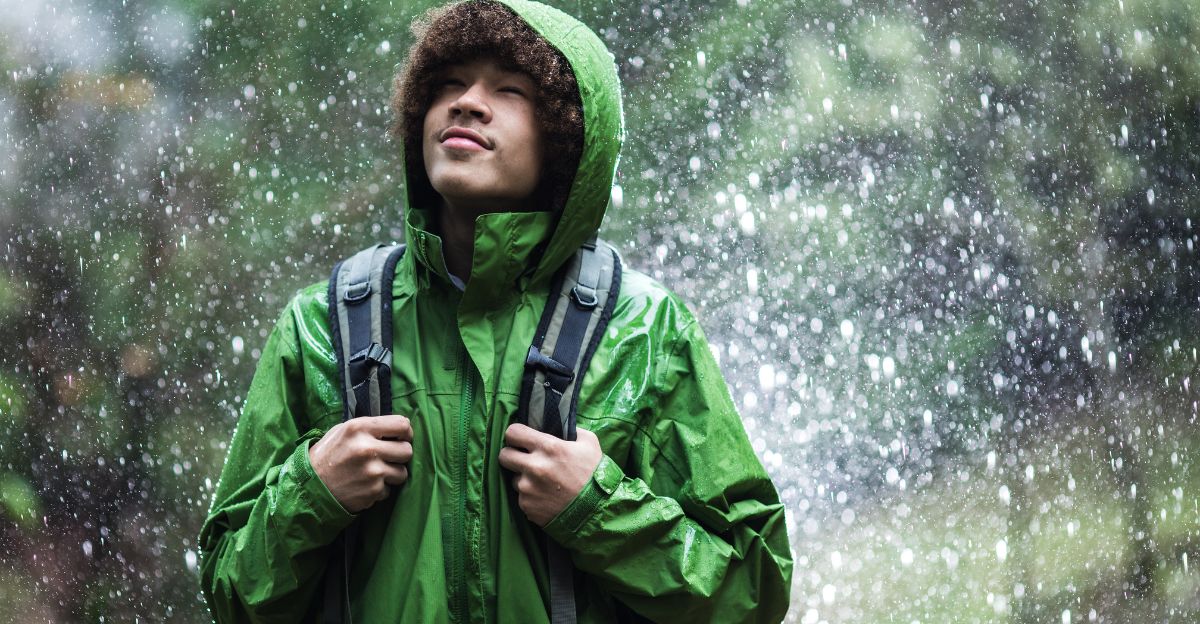
Clear skies at the start of a hike can be misleading. But mountains write their own forecasts, and it can turn nasty before you know it. What begins as a bright, sunny morning can change into thunderstorms or freezing sleet before you’ve even had lunch.
Hikers dressed in just shorts and a T-shirt often find themselves shivering as the temperature drops. Skipping a weather check might seem harmless back home, but once you’re above the treeline, this choice can become dangerous fast.
Why It’s Dangerous

Out in the wild, weather isn’t just inconvenient, it can be deadly. Flash floods can sweep you away in minutes, summer storms can bring on hypothermia, and lightning often targets hikers standing exposed on ridgelines snapping pictures.
Even hail can ruin gear and leave you soaked, putting you at serious risk. The scary part? Most of it could be avoided with a quick weather check before heading out. But too many rescues happen because someone shrugged and thought, “It looked fine when I left.”
5. Relying Only on Phone Maps

Nowadays, a lot of hikers put more faith in their phones than in basic know-how. GPS apps seem dependable, but signals drop the moment you hit deep valleys. Batteries drain, screens break, and one splash of water can kill your device.
That little “blue dot” feels reassuring, until it walks you straight into a cliff or an impossible route. Many rescue calls start this way, when a simple paper map and a bit of preparation could’ve saved hours of trouble.
Why It’s Dangerous

When phones fail, many hikers are left completely disoriented. Rescue crews often track them down miles off-trail, lost after following their devices without question.
In thick forests or narrow canyons, GPS signals can drift badly, sending people in the wrong direction. Without a compass or any sense of landmarks, it’s easy to wander deeper into danger.
6. Hiking Alone Without Telling Anyone
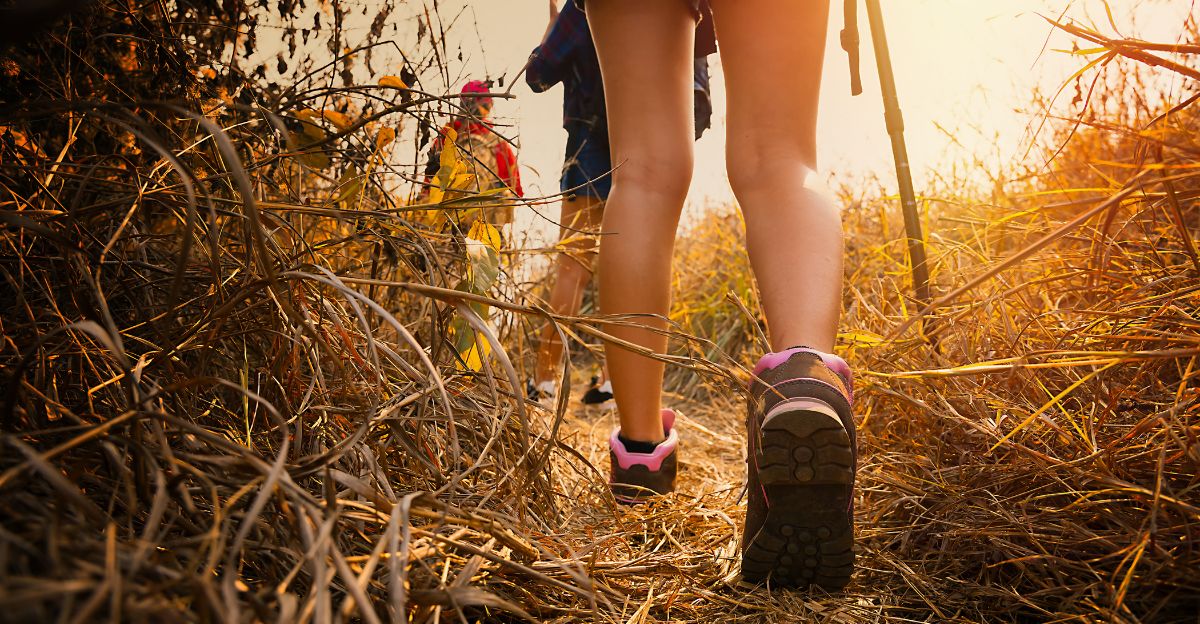
Hiking alone can feel exciting, calming, and liberating, and sometimes it is. But the real danger isn’t being by yourself, it’s keeping your plans a secret.
Plenty of accidents happen because solo hikers never tell anyone where they are going. If no one knows your route, rescuers could have no idea where to start looking, and help could arrive too late, or not at all.
Why It’s Dangerous
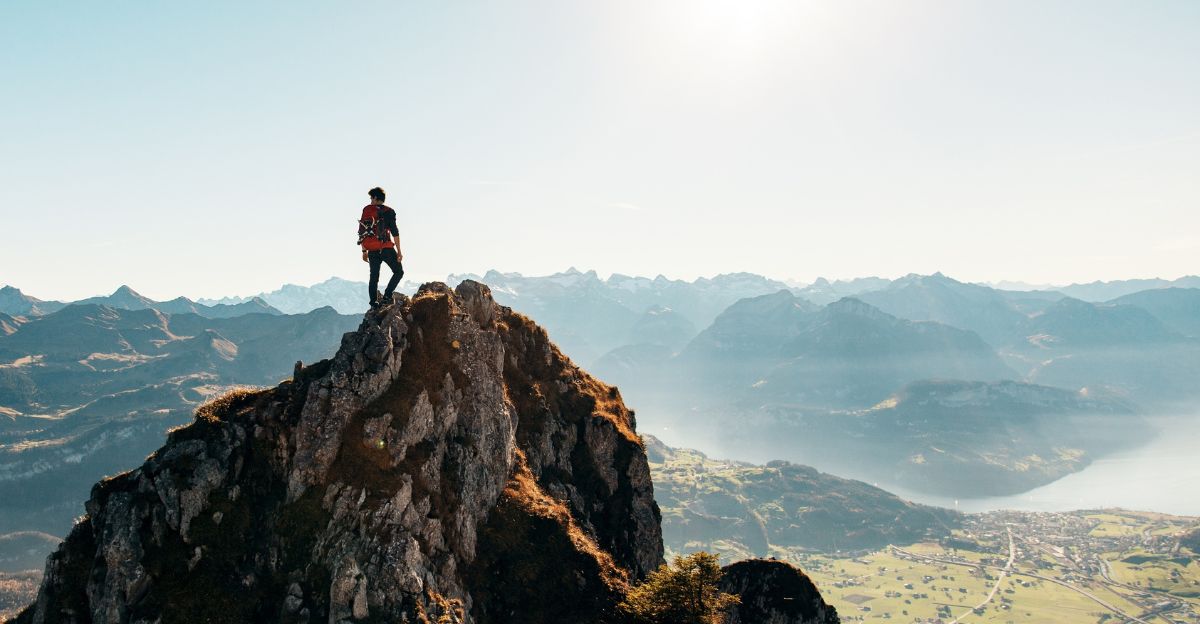
Imagine rolling your ankle miles from help with no phone service. If nobody even knows you’re gone, you could be stuck there for days before anyone notices.
Meanwhile, cold nights, dehydration, or even wildlife won’t stop just because you need time. Rescuers call this kind of situation a “silent disappearance.” The scary part? It’s often preventable. A quick chat about your route before heading out can be the difference between making it home safely and not at all.
7. Packing Too Little

A lot of people treat day hikes like no big deal, bringing barely anything more than a snack. But all it takes is a wrong turn, a washed-out trail, or a sudden storm to leave you stuck overnight.
Without a flashlight, extra food, warm layers, or water, even a short delay can become stressful fast. Packing light is fine, but packing nothing isn’t. You still need the essentials to stay safe.
Why It’s Dangerous
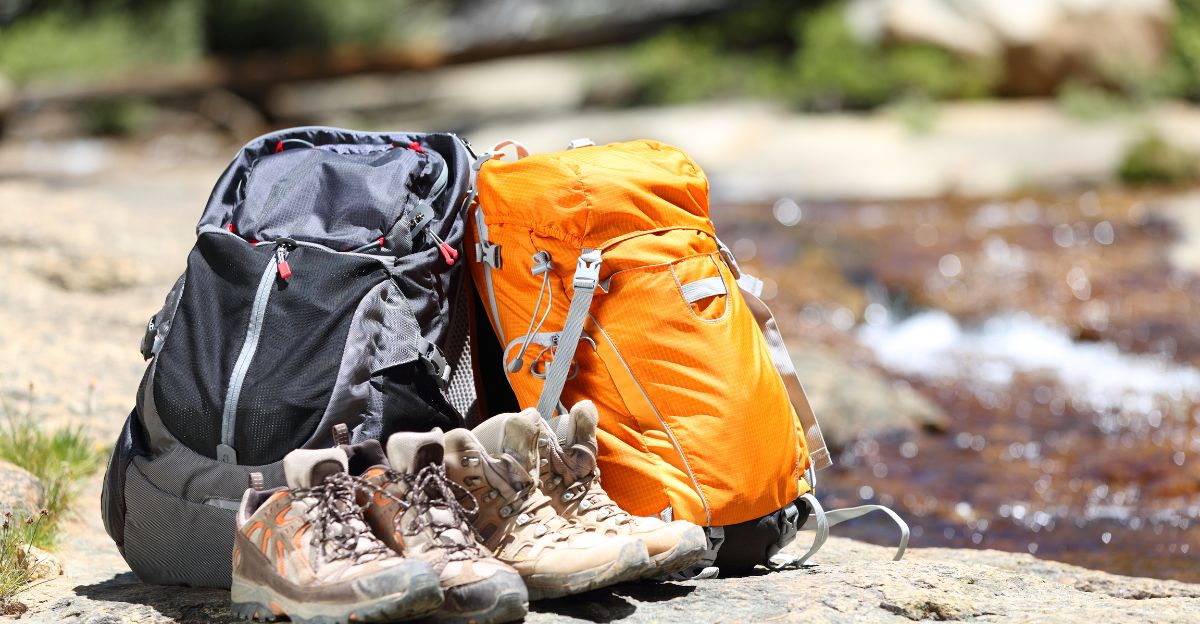
When the sun sets, the trail disappears. Without a working headlamp or any light, you’re stuck. And if you have no food or warm clothes, your energy drains fast.
Rescue teams regularly come across “day hikers” spending the night freezing in thin cotton shirts, just waiting for morning to come. A little preparation can be the difference between a miserable ordeal and a manageable setback.
8. Pushing Past Limits
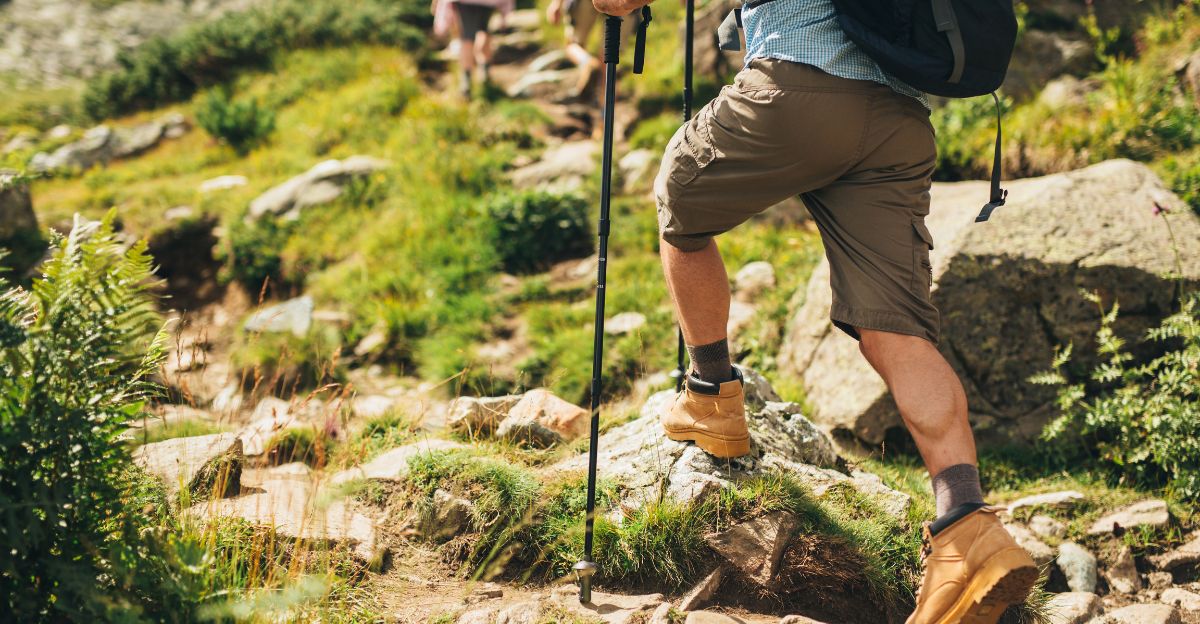
Reaching summits can be thrilling, but ambition often overrides common sense. Once fatigue sets in, every step becomes riskier, and most accidents actually happen on the way back, when the rush wears off and exhaustion kicks in.
Pushing past your true limits might feel good at the time, but if your legs give out or your balance slips, the next place you land could be at the bottom of a canyon.
Why It’s Dangerous

Climbing down on worn-out legs is when many deadly falls happen. Taking a break can feel like weakness compared to pushing for “just one more ridge,” but it’s usually that push that gets hikers into serious trouble.
Sure, you might make it to the top, but it’s the way down where your body cashes the check.
9. Wandering Off Trail
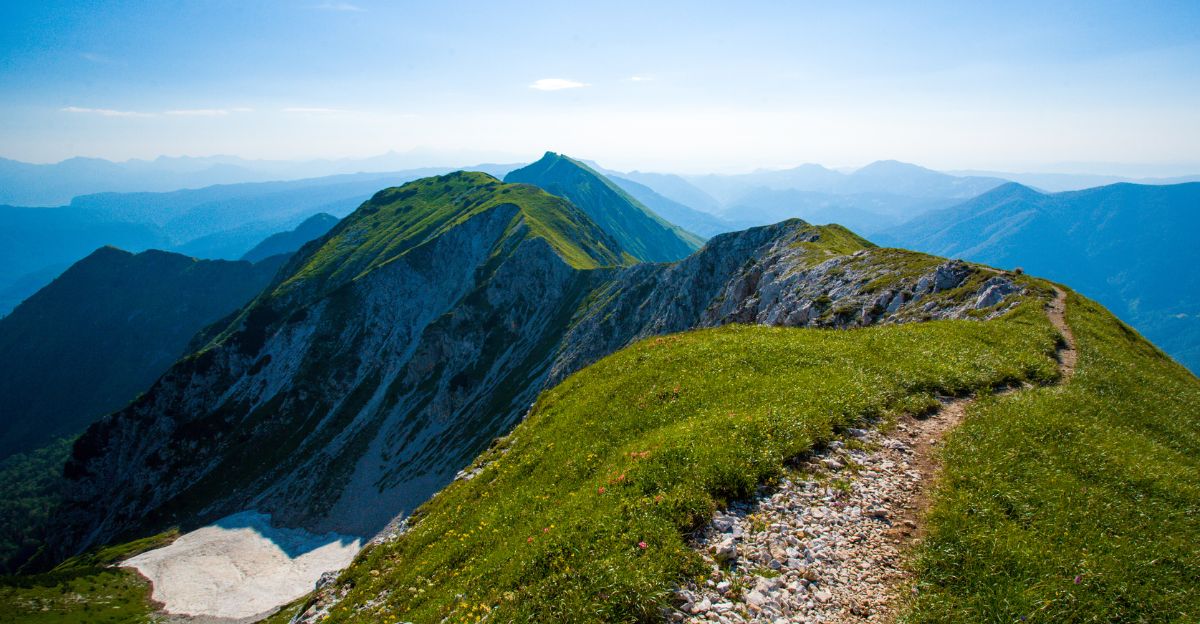
Curiosity tempts a lot of hikers to try shortcuts, chase a viewpoint, or wander off for “a little adventure.” But those detours can drop you into loose rocks, steep cliffs, or dense brush before you realize it.
Marked trails exist to keep you safe and easy to spot. Stepping off might feel harmless, until the ground gives way beneath you, or rescuers pass right by because you’re out of sight.
Why It’s Dangerous
Stepping off the trail sets off a chain of risks. Loose ground can collapse, a fall can pin you where no one sees you, or you can quickly get turned around and lost.
Even trained search dogs sometimes struggle to track hikers who stray off-route.
The Final Reminder
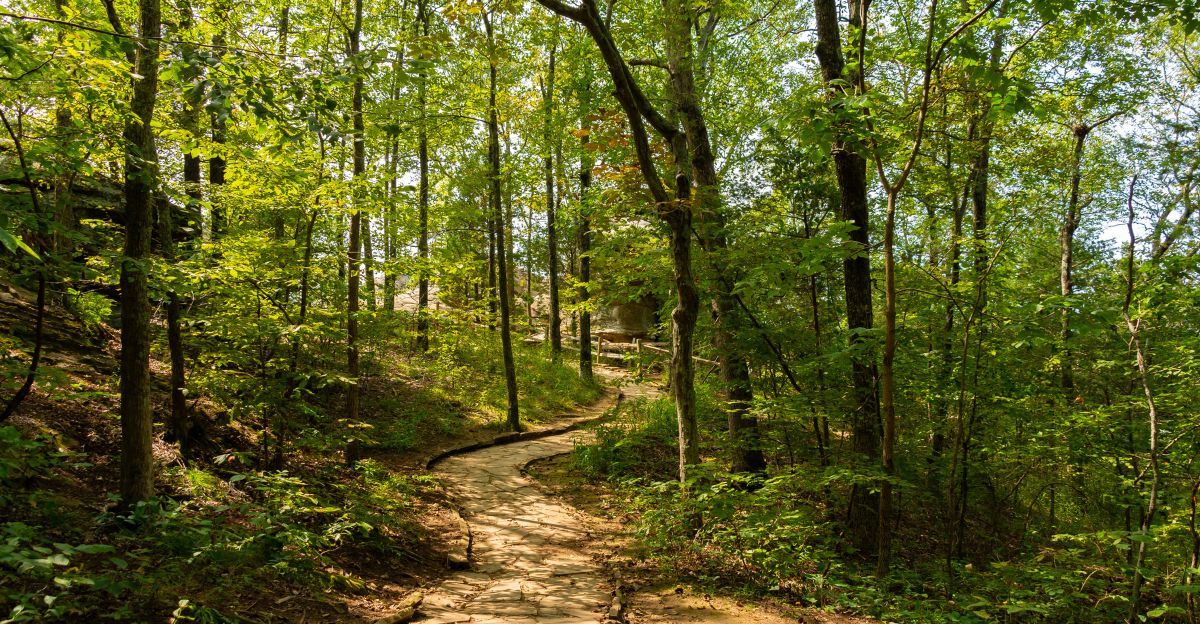
Day hikes might seem harmless, but that’s exactly why they catch people off guard. Most rescues don’t start with extreme adventures; they start with casual trips where small mistakes stack up.
One bad choice can mean a freezing night outside, or even your name in the news for the worst reason. The truth is, every one of these risks is preventable. Respect the trail, pack smart, and you’ll come back with memories, not rescue crews.