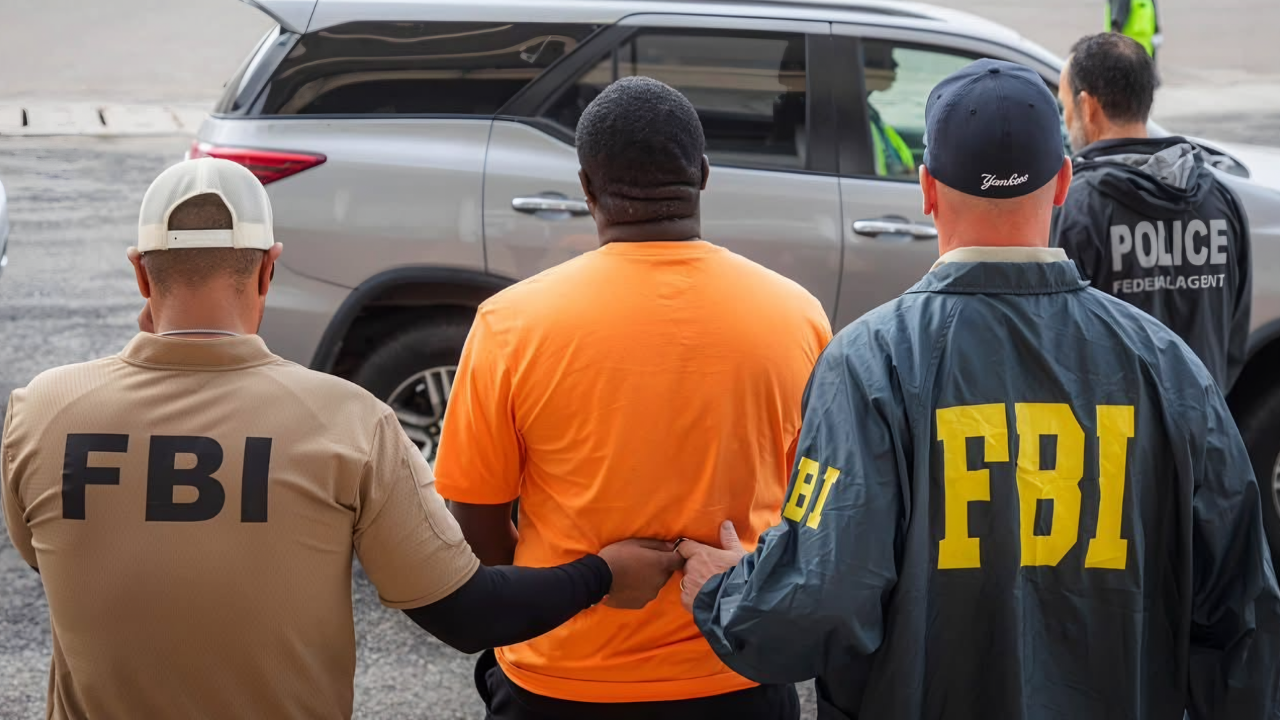
Two Boston convenience store owners operating tiny 150-to-500-square-foot bodegas on Mattapan’s Blue Hill Avenue became an unlikely target of federal investigators in December 2024. These weren’t fancy supermarkets or sprawling chains, just modest storefronts in a neighborhood where nearly 1 million Massachusetts residents rely on food assistance.
Yet, authorities discovered that their monthly SNAP redemptions rivaled those of full-service grocery stores, drawing the FBI and USDA into an investigation that would expose fraud hiding in plain sight.
The Setup Escalates
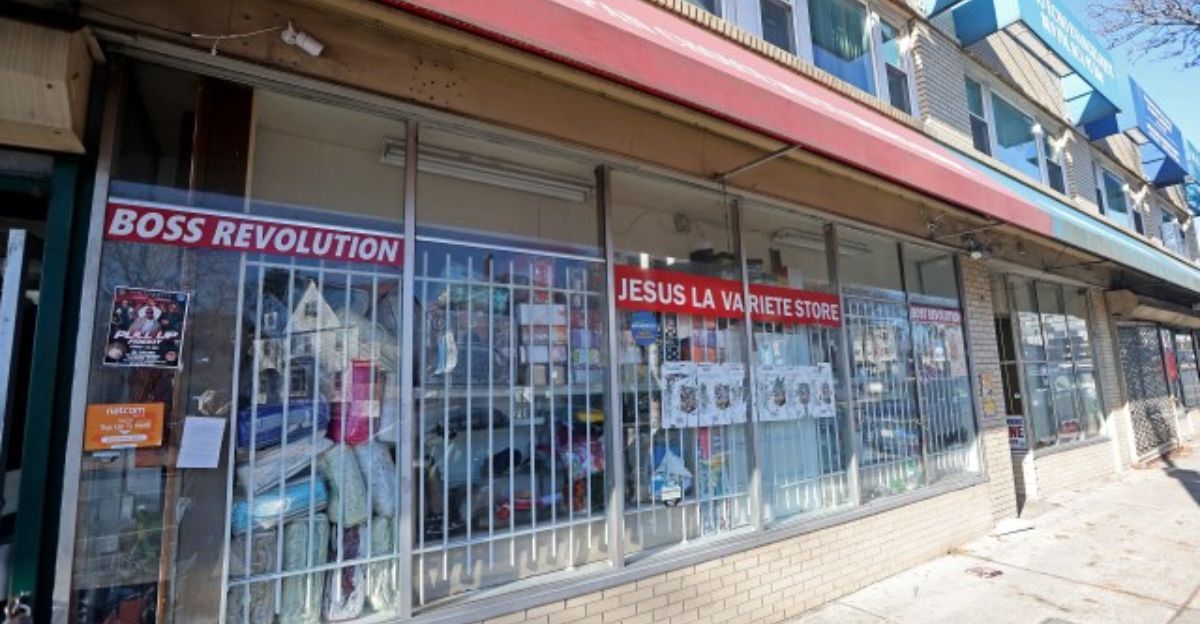
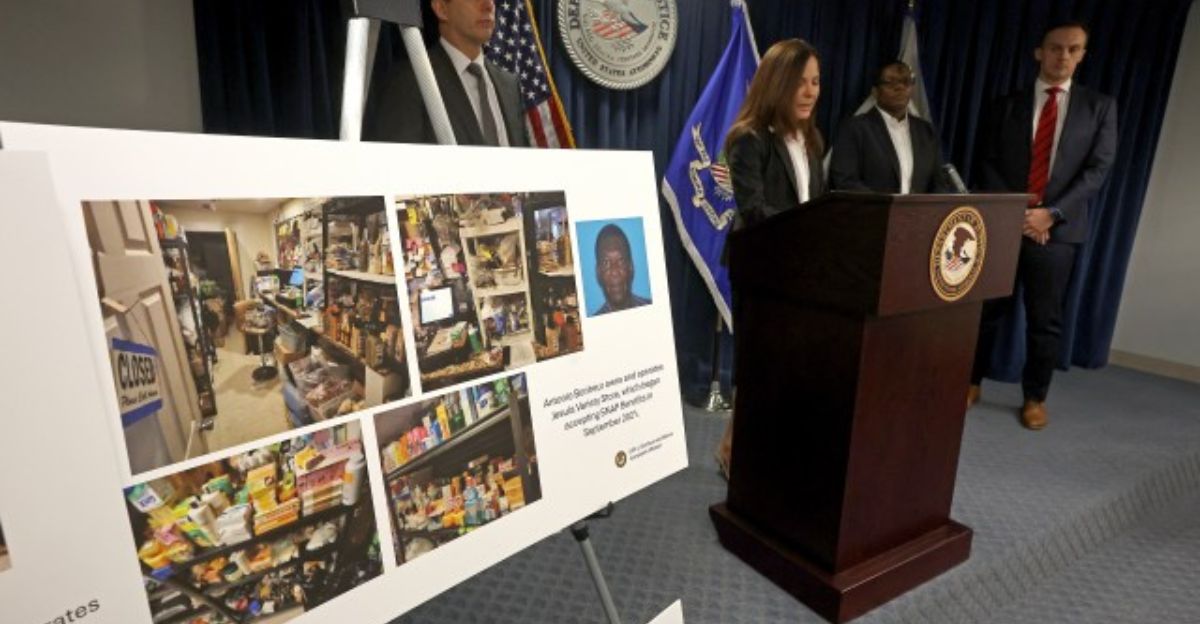
The stores, Jesula Variety Store and Saul Mache Mixe Store, sat directly neighboring each other at the same Blue Hill Avenue address in Mattapan, a predominantly Haitian and Caribbean immigrant community in Boston.
Little physical evidence suggested they were food retail operations: bare shelves, minimal legitimate inventory, and sparse customer activity. Yet between September 2021 and December 2024, their EBT transaction records painted a starkly different picture, triggering federal alarms about systematic benefit trafficking.
Growing Oversight Breakdown
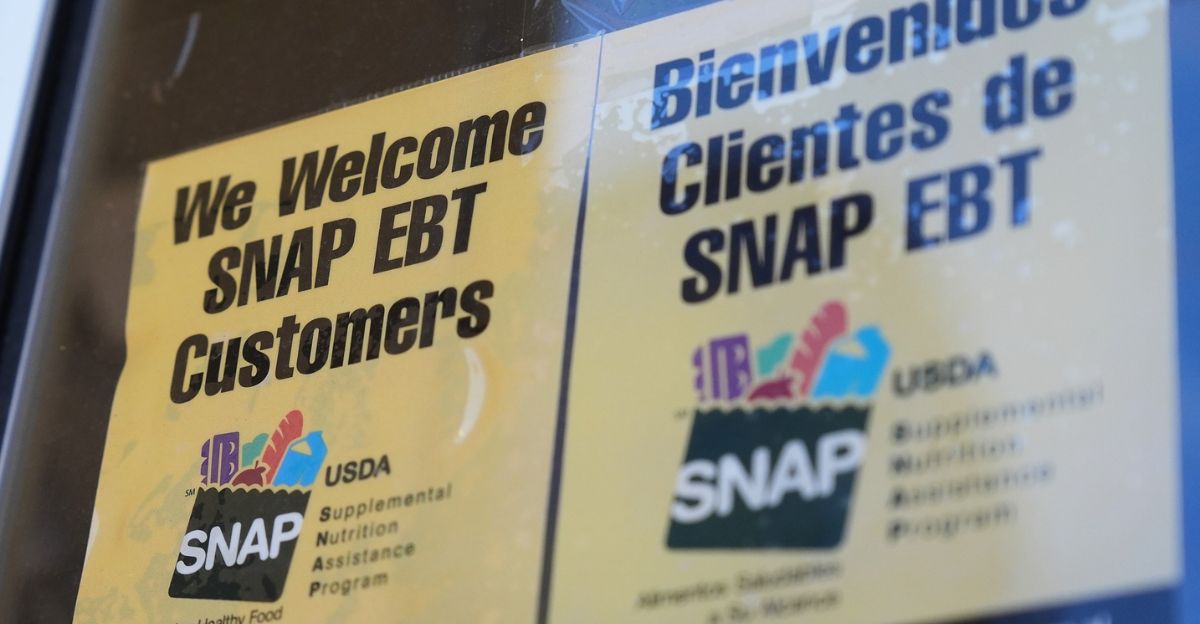
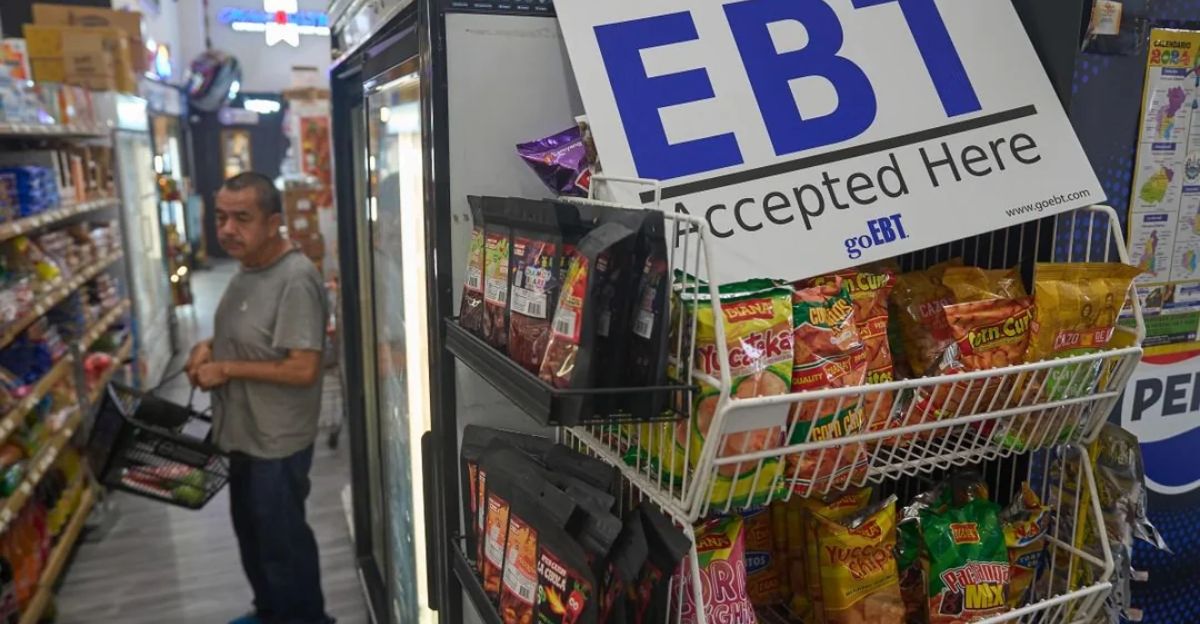
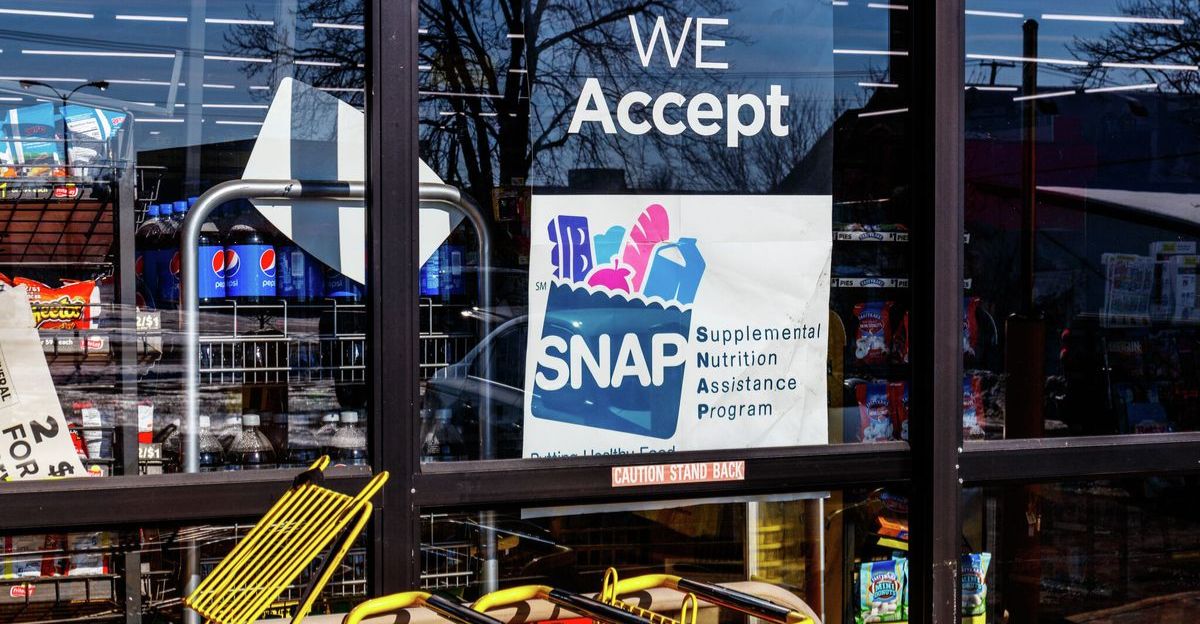
SNAP, administered by the USDA and state agencies, aims to feed 42 million Americans, approximately one in eight residents, at an annual cost of $100 billion. Stores must be authorized retailers, following strict rules: no cash-for-benefits exchanges (also known as “trafficking”), no sales of alcohol, and no sales of ineligible items.
By 2024, the USDA reported $1.3 billion annually lost to benefit trafficking and improper payments, totaling 10 percent of all SNAP spending. Oversight failures, however, enabled small retailers to exploit gaps in system monitoring nationwide.
Political Pressure Mounts
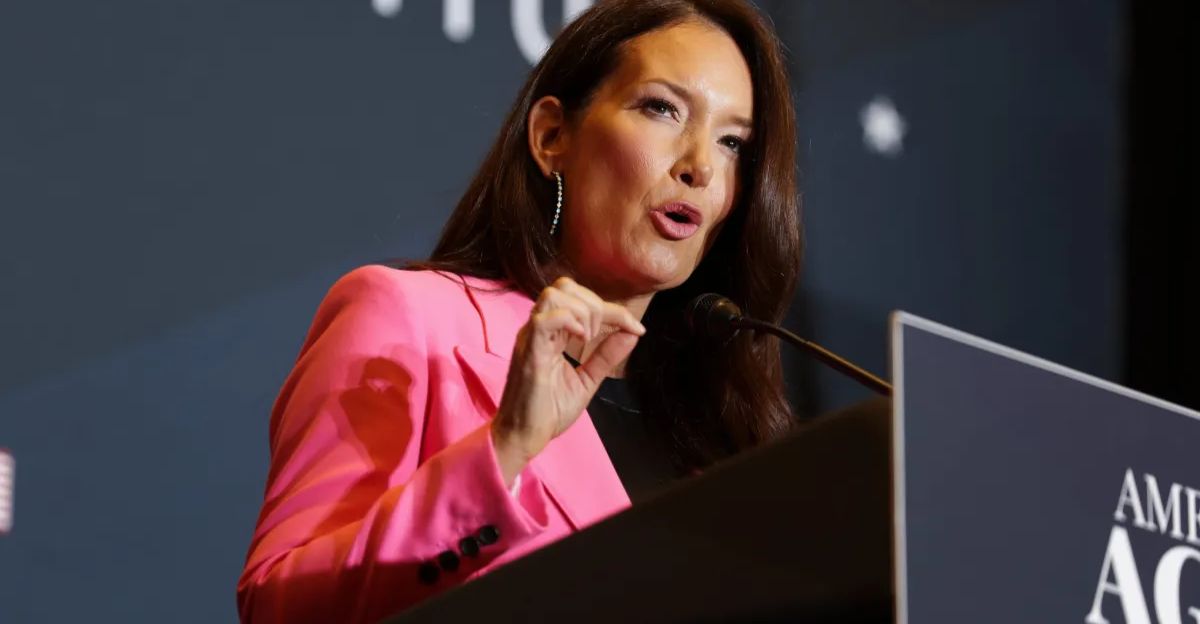
The Trump administration, sworn in January 2025, immediately moved to crack down on SNAP fraud as part of a broader federal spending review. In early December 2024, Agriculture Secretary Brooke Rollins requested that states provide detailed data on SNAP recipients, including Social Security numbers, birthdates, and immigration status, for what the administration framed as a measure to prevent fraud.
Democratic-led states, including Massachusetts, refused, citing privacy concerns, which triggered legal battles. Federal officials simultaneously announced intentions to withhold SNAP funding from non-compliant states.
The Bombshell: $7M Fraud Exposed

On Wednesday, December 18, 2024, federal prosecutors revealed their investigation findings: Antonio Bonheur, 74, and Saul Alisme, 21, both Haitian immigrants and legal U.S. residents, operated the two stores as a sophisticated cash-for-benefits trafficking operation that defrauded SNAP of nearly $7 million.
Bonheur, a naturalized U.S. citizen, trafficked $6.8 million starting in 2022. Alisme, a lawful permanent resident, trafficked $122,000 beginning in May 2024. Each faced one count of federal food stamp fraud, carrying penalties up to five years in prison and potential fines.
Undercover Operations Expose the Scheme
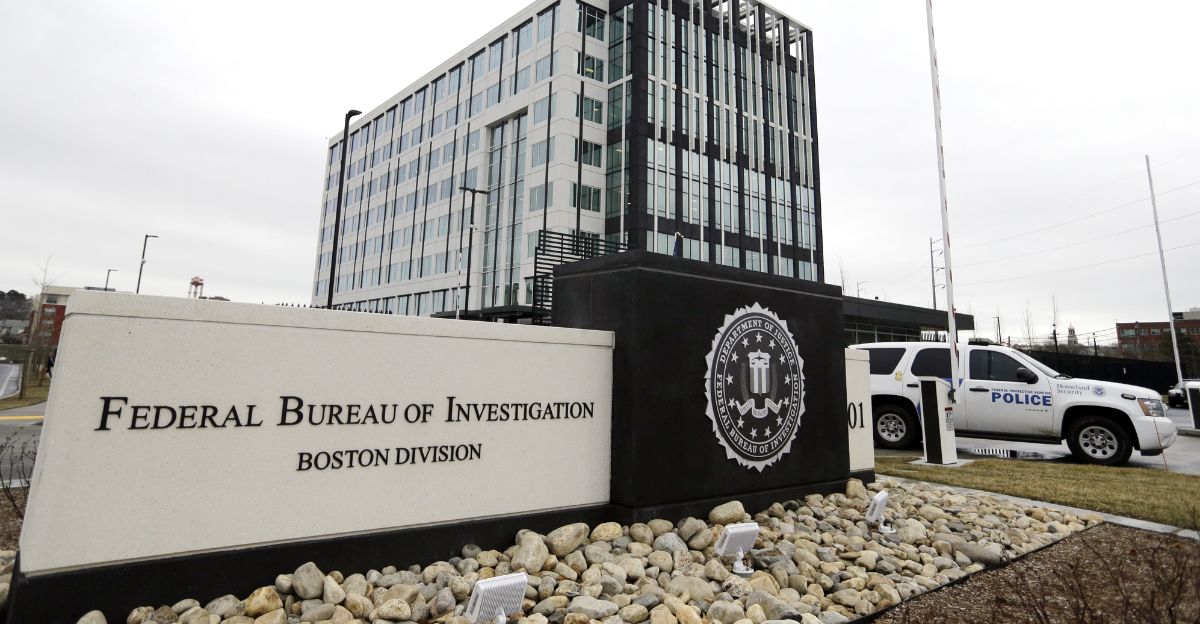
Between 2021 and late 2024, undercover federal agents working with the FBI Boston Division and USDA Office of Inspector General conducted systematic sting operations at both stores. Agents documented that customers could walk in with SNAP benefits on their EBT cards and immediately receive cash at unfavorable exchange rates: one undercover officer exchanged $120 in food stamps for just $100 cash.
Video surveillance captured patrons leaving empty-handed after allegedly purchasing hundreds of dollars’ worth of groceries, a telltale sign of fraud rather than legitimate grocery shopping.
Humanitarian Food Trafficking Adds Betrayal
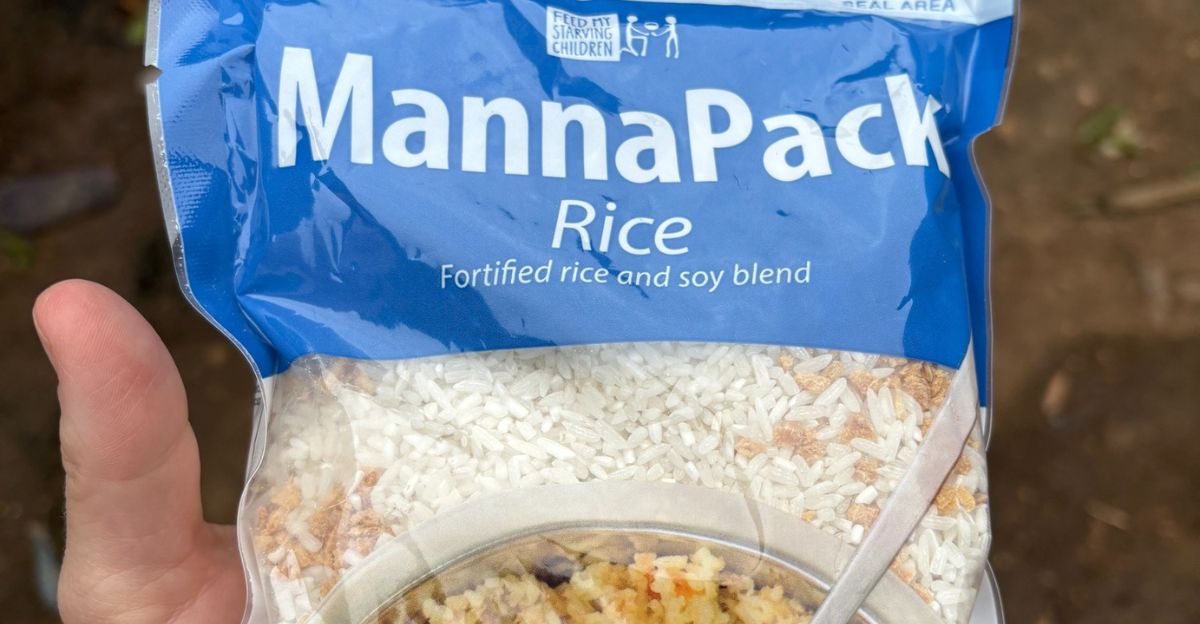
Adding moral injury to the fraud, investigators discovered the operators also sold MannaPacks sealed meal kits from the nonprofit “Feed My Starving Children” intended for free distribution to food-insecure populations in Haiti and other developing nations, never for retail sale in the U.S. Federal prosecutors alleged Bonheur and Alisme illegally diverted humanitarian food meant for starving children overseas to resell in their Boston stores. U.S. Attorney Leah Foley said the operation was “shocking and glaring,” enabled by a “serious breakdown in oversight.”
Why Tiny Stores Redeemed Supermarket-Level Benefits
Monthly SNAP redemptions at Jesula Variety Store alone ranged from $300,000 to $500,000, equivalent to what legitimate full-service supermarkets process across entire cities. The disparity raised obvious red flags. Yet, the Massachusetts Department of Transitional Assistance (DTA) failed to flag the anomaly or conduct an investigation.
Foley criticized states’ inadequate retailer monitoring: “The only thing convenient about these stores was how easy it was to commit SNAP benefit fraud.” She accused Massachusetts of not properly vetting Bonheur’s EBT application, despite clear warning signs that a 150-square-foot convenience store could not process supermarket-scale SNAP transactions legitimately.
Regulatory Backdrop: National Vulnerability
The Boston case reflects systemic SNAP vulnerabilities that have been documented across federal agencies. According to the USDA’s most recent fraud report (covering the period from 2015 to 2017), approximately 2 percent of all SNAP benefits were trafficked, involving 14 percent of authorized retailers nationwide.
Enforcement spending on retailer integrity increased by 350 percent between 2012 and 2023, yet trafficking and overpayment errors continued to rise. The GAO warned that USDA had not implemented key recommendations on identifying high-risk retailers or adequately combating benefit trafficking, the precise gap that enabled the Boston scheme to flourish undetected for over three years.
Alcohol Sales Inside the Fraud Ring
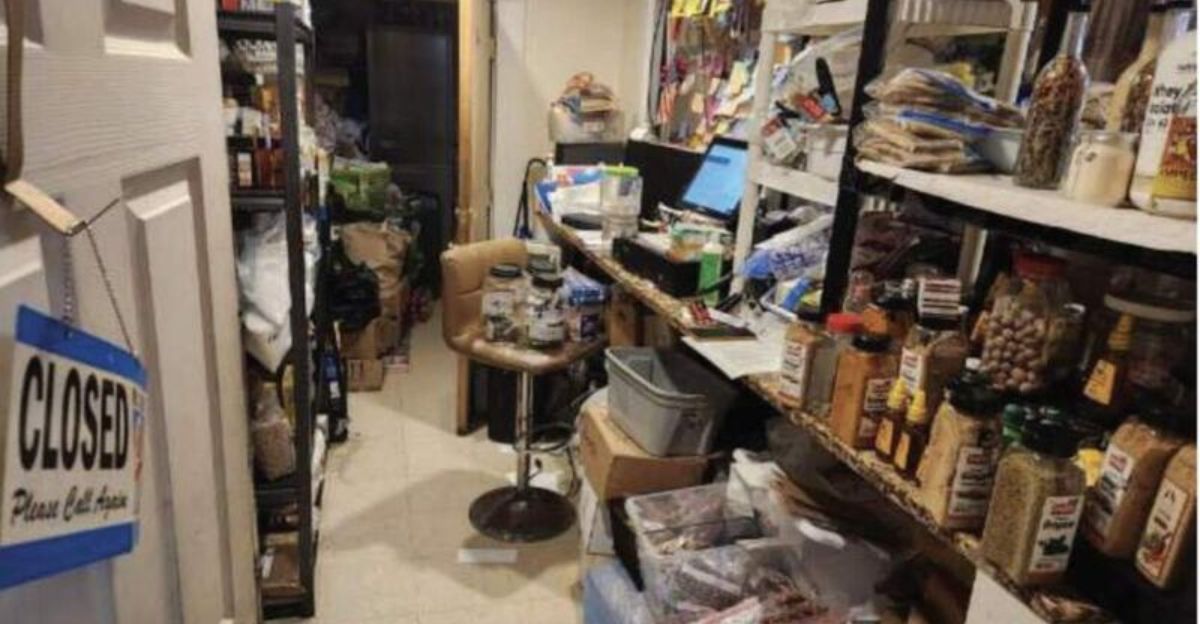
Investigators also documented that Bonheur and Alisme allegedly exchanged SNAP benefits for alcohol, a prohibited use of federal food assistance. While less dramatic than the cash-for-benefits trafficking or humanitarian food diversion, the alcohol sales underscore the brazen disregard for SNAP rules.
Federal SNAP rules strictly prohibit the purchase of alcohol, cigarettes, hot foods, and non-food items, a safeguard designed to ensure that benefits support nutrition. The dual operation of legitimate transactions mixed with outright illegal sales created plausible deniability while concealing systematic fraud.
Massachusetts State Response: Deflecting Blame
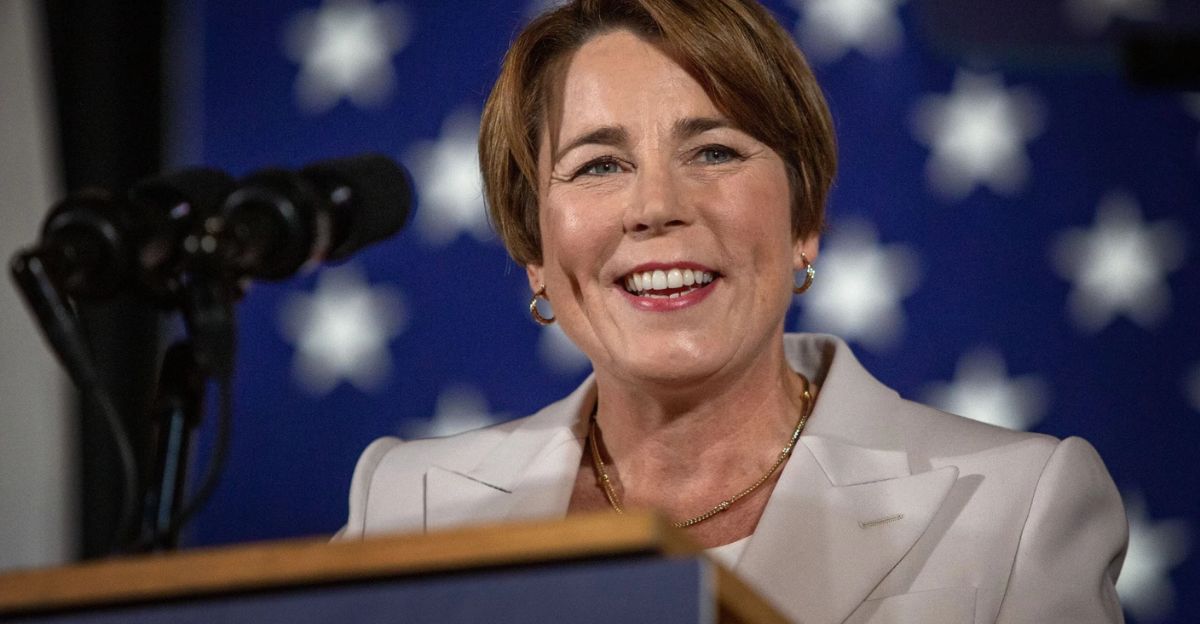
Governor Maura Healey’s administration pushed back against criticism, claiming it had flagged suspicious activity at the Jesula Variety Store to federal authorities over a year before the December 2024 arrests, specifically in November 2023.
However, Healey acknowledged that the store began accepting SNAP benefits before she took office in January 2023, suggesting that oversight gaps predated her administration. Despite the state’s alleged early report, no action was taken for over twelve months, indicating either federal investigative delays or state-federal coordination failures that allowed the scheme to persist.
Federal Investigators Struggle to Explain the Delay
The U.S. Attorney’s Office did not publicly explain why Massachusetts’s reported November 2023 suspicious activity tip did not immediately trigger federal prosecution. FBI Boston Division and USDA Office of Inspector General investigators conducted undercover operations throughout 2024; however, nearly thirteen months elapsed between the state notification and the arrests.
Federal officials, including U.S. Attorney Leah Foley, focused on prosecuting the defendants rather than addressing systemic delays or justifying the extended investigation timeline, a potential vulnerability for defense attorneys challenging the government’s responsiveness.
Defense Strategy Emerges: Procedural Challenges
Bonheur’s defense attorney declined immediate comment on December 18, 2024, while Alisme’s counsel did not respond to early press inquiries. Legal analysts predicted the defense would likely challenge the government’s delay in prosecution, question the admissibility of undercover recordings, and scrutinize whether the government adequately warned the defendants about their activities.
If the stores had been known to federal authorities since November 2023, defense teams could argue that the government waived certain enforcement rights or committed laches (legal delay that harms defendants’ ability to defend themselves).
Expert Skepticism: How Real Was the Threat?
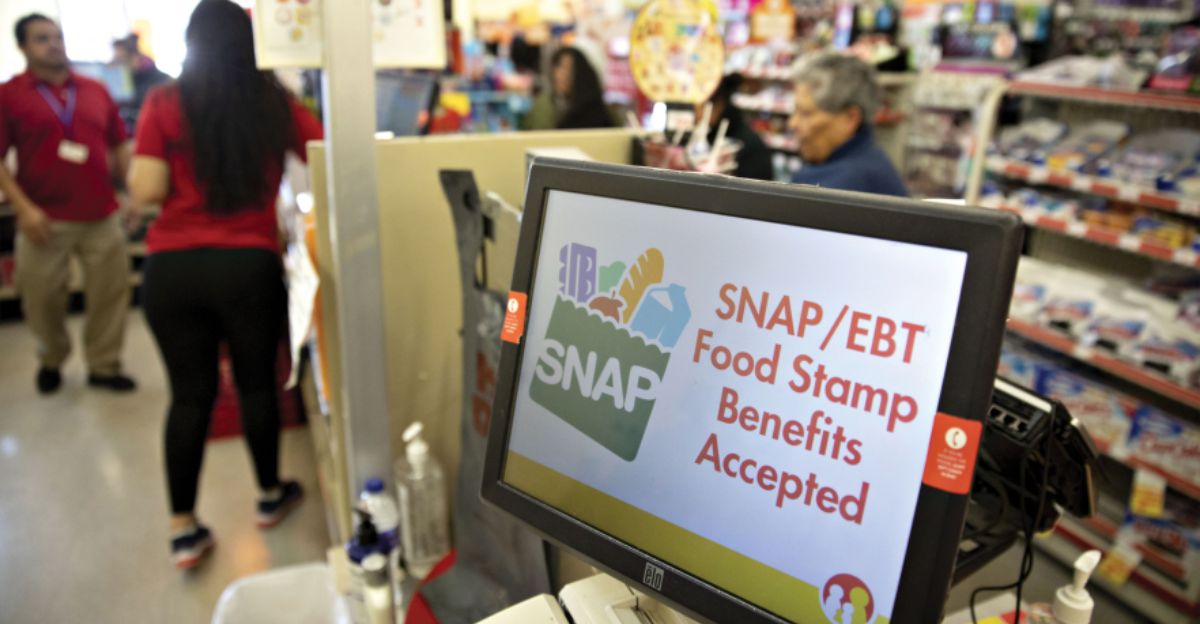
Academic researchers studying SNAP fraud expressed caution about inflating the scale of the problem. Dartmouth College economist Patricia Anderson noted that SNAP benefits average only $190 per person per month, about $6 daily, making large-scale fraud difficult unless orchestrated by organized crime.
USDA’s 2021 fraud report (covering 2015–2017) found only 1.6 percent of benefits were stolen from recipients’ accounts, not from the government itself. Critics argued the Trump administration’s emphasis on fraud obscured a simpler reality: SNAP error rates rose partly due to pandemic-era policy suspensions, not intentional deception, and most recipients use benefits honestly.
Forward Pivot: What Comes Next for the Defendants?
Both Bonheur and Alisme were scheduled to appear in U.S. District Court following their arrests, with bail hearings expected to take place in late December 2024 or January 2025.
Federal sentencing guidelines for food stamp fraud typically range from 18 to 24 months for first-time offenders, though the scale of the $7 million scheme could push prosecutors toward recommending enhanced sentences. The defendants face potential civil asset forfeiture of any proceeds derived from the fraud, which could complicate any restitution they attempt.
Political Implications: Trump’s SNAP Crackdown Gains Ammunition
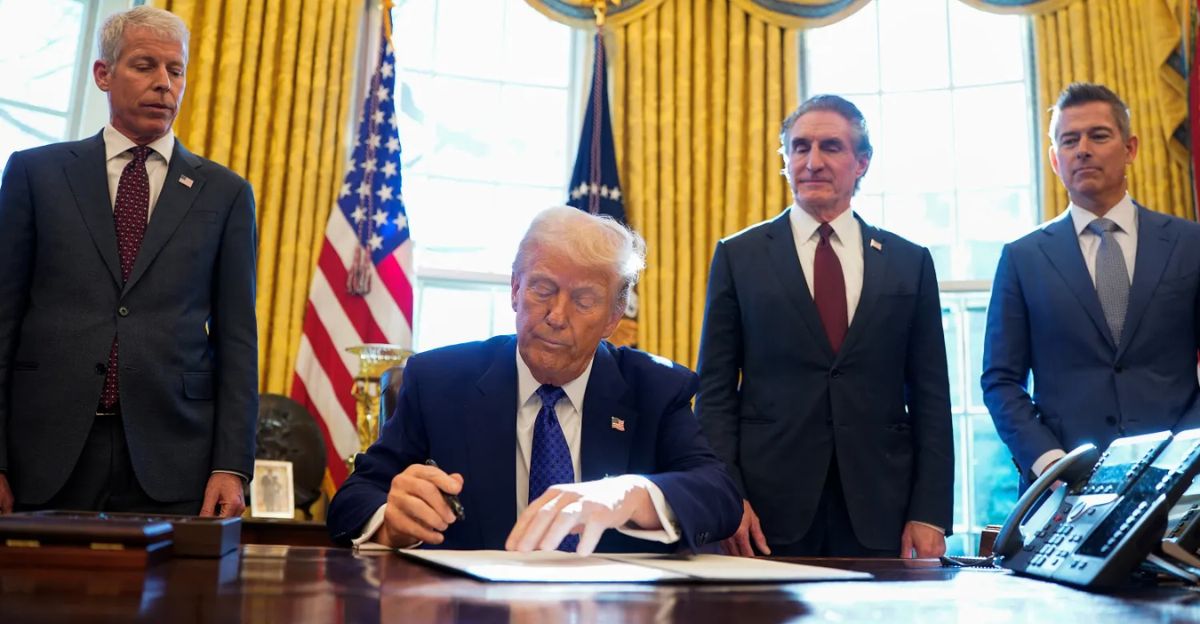
The Boston arrests provided the Trump administration with a high-profile prosecutorial win just days after implementing its SNAP data-sharing ultimatum to states. The case’s timing, announced on December 18, 2024, mere weeks into Trump’s second term, positioned the administration to argue that federal fraud investigations justify its demand for state-level recipient data.
Leah Foley’s statement that “the Trump administration has made it clear that it will not tolerate SNAP benefit fraud” explicitly tied the prosecution to broader administration priorities, signaling that similar cases would follow.
International Dimension: Humanitarian Food Trafficking

The sale of MannaPacks, intended for overseas charities, connected the Boston scheme to global development networks. “Feed My Starving Children,” a legitimate Minnesota-based nonprofit, packages meals in partnership with international organizations to combat malnutrition in developing nations, primarily Haiti, Uganda, and other low-income countries.
By diverting and selling these packs in Boston, the defendants allegedly deprived vulnerable populations of resources specifically intended for them. This added a humanitarian justice component to the federal charges, appealing to prosecutors’ moral arguments and complicating any potential defense narrative.
Legal Precedent: Minnesota’s $1 Billion Fraud Scandal Looms
The Boston case arrived amid ongoing prosecutions of Minnesota’s massive federal fraud scandal, where 87 people (mostly of Somali descent) were charged with siphoning over $1 billion from multiple federal programs during the COVID-19 pandemic, including SNAP, housing, and autism therapy programs. As of December 2024, 61 of those charged had been convicted.
The Minnesota scheme involved bogus invoices and fake service providers, a more sophisticated operation than Boston’s direct cash-for-benefits trafficking. Prosecutors in the Boston case could cite Minnesota as evidence of systemic vulnerabilities and justify enhanced sentencing to deter similar schemes.
Immigration and Community Perception: Double Bind

Both defendants were immigrants, Bonheur, a naturalized U.S. citizen, and Alisme, a lawful permanent resident, both of Haitian origin. Mattapan’s population is predominantly Haitian and Caribbean immigrant. The prosecutions risked exacerbating stereotypes about immigrant criminality, yet federal officials argued the evidence was race-neutral and case-specific.
Minnesota’s parallel fraud prosecutions, involving primarily Somali immigrants and communities, faced similar tensions: Somali American leaders criticized sweeping scrutiny affecting their entire community for crimes committed by a small subset. The Boston case threatened to amplify similar community-law enforcement friction in Boston’s Haitian neighborhoods.
The Deeper Question: System Collapse or Opportunity?
The Boston scheme ultimately exposes a paradox: federal agencies spent $100 billion annually on SNAP while allocating fewer resources to prevent trafficking than were actually needed to halt it. Yet the case also demonstrates that when federal investigators finally focused resources on deploying undercover agents, forensic accountants, and FBI surveillance, fraud could be detected and prosecuted.
The question facing policymakers is whether the Trump administration’s demand for recipient data and state compliance represents a legitimate anti-fraud tool or a political overreach that conflates genuine trafficking with systemic mismanagement and pandemic-era policy lapses. As both parties argue over SNAP’s future, the Boston arrests remind Americans that hunger assistance programs require investment not just in benefits, but in the institutional safeguards that make them work a more complicated truth than any single prosecution can resolve.
Sources
U.S. Department of Justice, U.S. Attorney’s Office for the District of Massachusetts – Two Massachusetts Men Charged with Large-Scale SNAP Benefits Trafficking
USDA Office of Inspector General – Supplemental Affidavit, USA v. Bonheur et al., Case 1:25-mj-06769-MPK
USDA Office of Inspector General – Complaint Affidavit, USA v. Bonheur et al., Case 1:25-mj-06769-MPK
Wall Street Journal – Massachusetts Men Charged With Nearly $7 Million in SNAP Fraud
Boston Globe – Two Mattapan store owners charged in alleged $7 million SNAP benefits trafficking scheme
Politico – Trump administration will require SNAP participants to reapply for benefits
New York Times – How Fraud Swamped Minnesota’s Social Services System
CBS Evening News – Fraud scandal leaves Minnesota’s Somali community bracing for immigration crackdown
DataUSA – Boston City—Mattapan & Roxbury PUMA, MA Demographics and Socioeconomic Data